
Ask three people at a gun counter about trigger pull and you may get five confident answers. The problem is that much of the advice is oversimplified, brand-driven, or repeated without context. This gallery breaks down eight ideas that sound right in the store but often fall apart on the range, helping readers understand what actually matters for safe, consistent shooting.
Lighter trigger pull is not automatically better
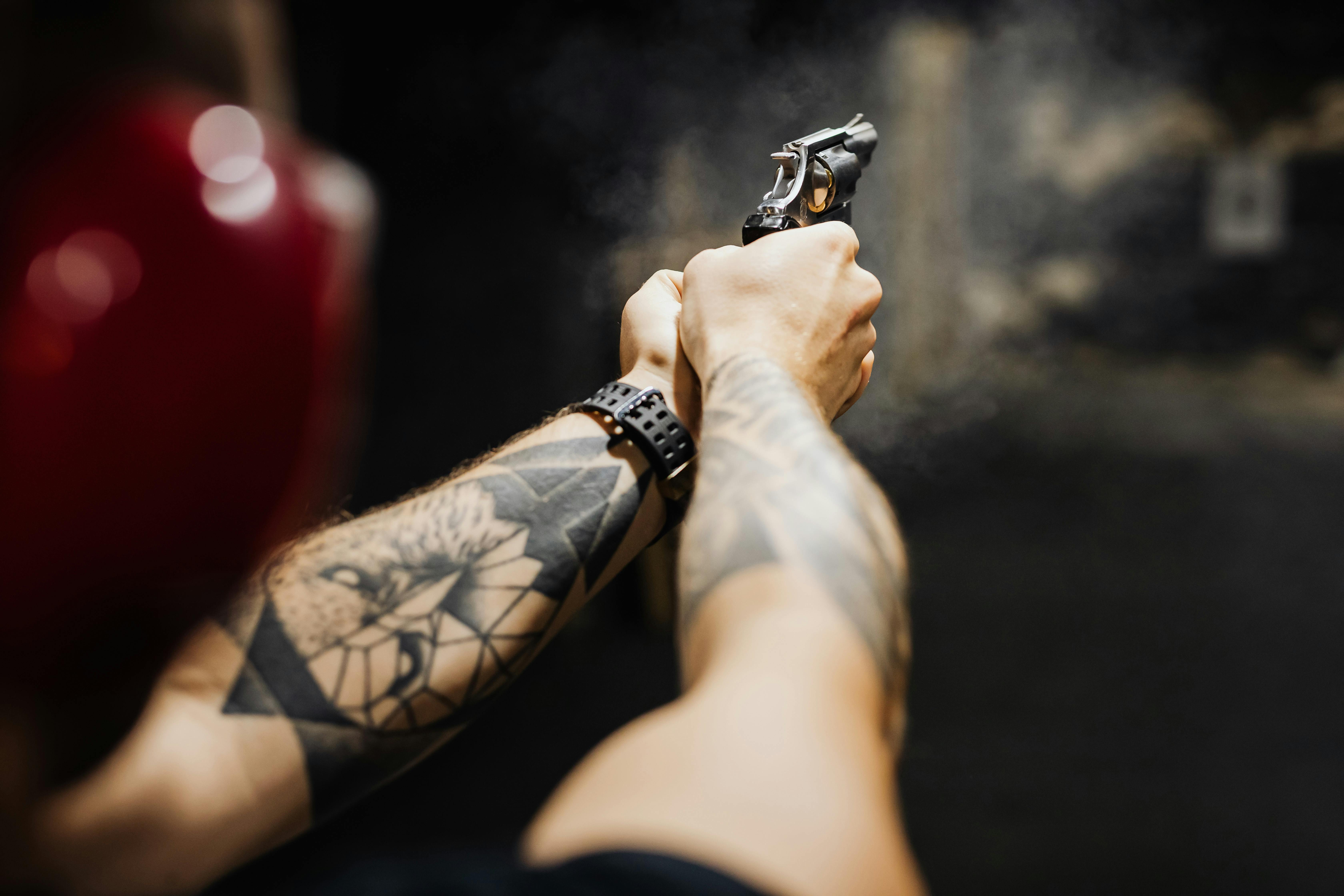
One of the most common claims is that a lighter trigger instantly makes anyone more accurate. That sounds appealing, especially when a crisp low-weight break feels impressive at the counter, but real shooting is more complicated. A trigger that is too light for the shooter, the platform, or the use case can actually make control worse.
Under stress, people tend to rush and overreact. A super-light trigger can punish sloppy handling, poor prep, and inconsistent finger placement. For many shooters, a manageable, predictable pull matters more than chasing the lowest number on a gauge.
The best trigger weight is the one you can press smoothly, repeatedly, and safely.
A heavy trigger does not build skill by itself

Some shop talk frames heavy triggers as character-building tools, as if struggling through extra pounds of pull automatically creates discipline. In reality, a heavy trigger often teaches people to snatch, jerk, or clench their whole hand just to get the shot to break. Those habits can become deeply ingrained.
Skill comes from quality repetitions, not unnecessary resistance. If the trigger is so heavy that the sights move off target during the press, the shooter is practicing compensation instead of control. That is not tougher training. It is just poor feedback.
A reasonable trigger lets the shooter learn what a clean press actually feels like, then refine it.
Trigger weight and trigger quality are not the same thing

Gun counter conversations often reduce trigger pull to a single number. People ask whether it is 3 lb, 5 lb, or 7 lb, as if that tells the whole story. It does not. Two triggers with identical measured weight can feel completely different in the hand.
Creep, stacking, grit, overtravel, reset, and consistency all shape how a trigger behaves. A slightly heavier trigger that breaks cleanly can feel easier to shoot well than a lighter one that drags and surprises the shooter. The number matters, but it is only one piece.
What shooters usually respond to is not just weight. It is predictability from start to break.
The wall and the break matter more than sales-floor feel
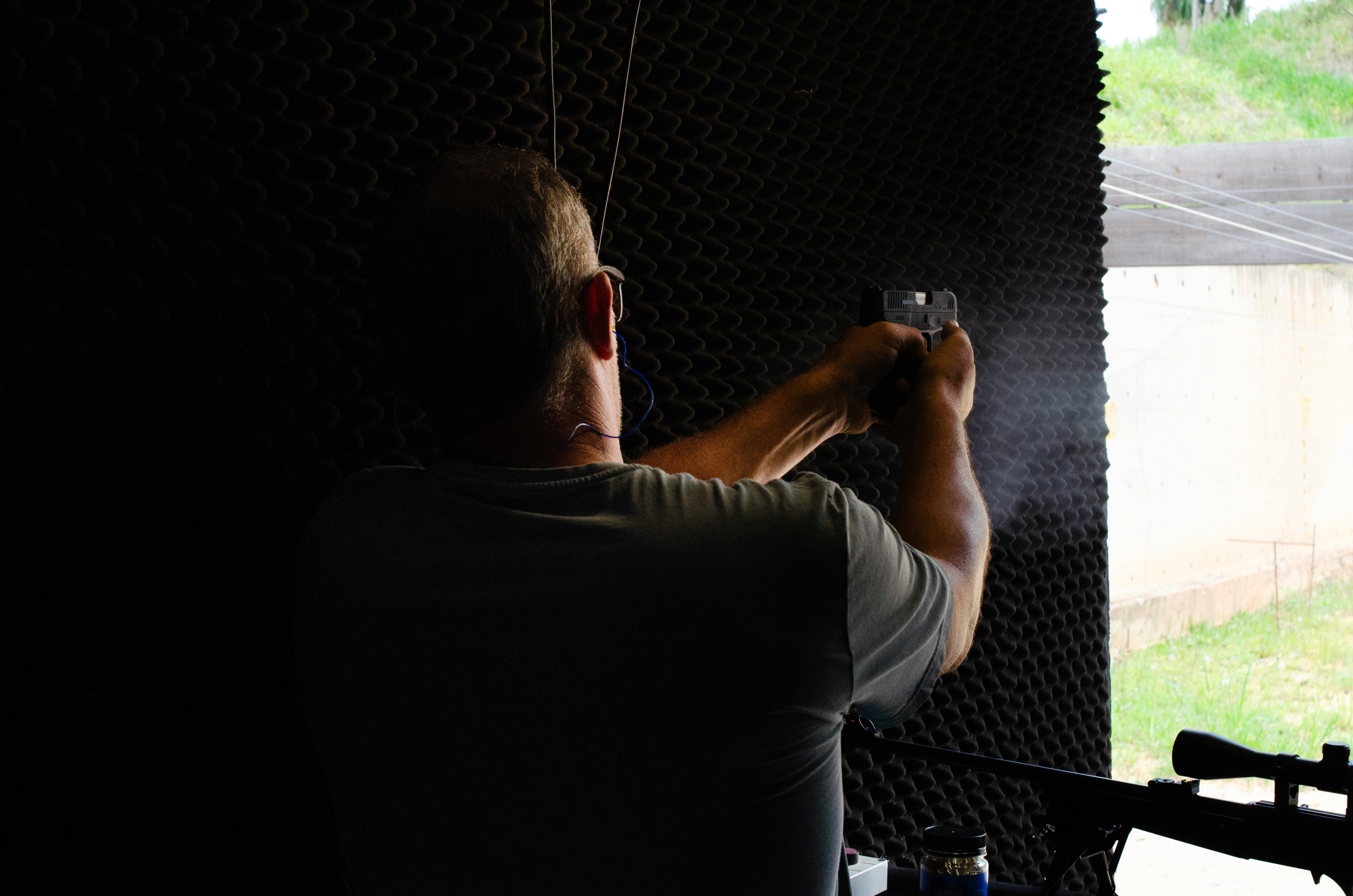
A trigger can feel fantastic when you try it unloaded for five seconds in a store. The problem is that many buyers judge only the initial take-up and a quick click, not how the trigger behaves when they are actually managing sights, recoil, and timing. The range reveals things the counter never will.
How clearly the wall presents itself, how cleanly the break happens, and how consistently that feeling repeats shot after shot are what really count. A trigger that seems smooth in casual handling may become vague once speed enters the equation.
What matters is not showroom charm. It is how the trigger communicates during real use.
Reset obsession can distract from proper trigger control

Many shooters are taught to worship reset, often with exaggerated emphasis on hearing and feeling every tiny click. Reset is important, but it is not the center of the universe. When people become fixated on it, they often start pinning the trigger awkwardly or timing the gun in a way that hurts rhythm.
The bigger goal is a smooth press and an efficient return that supports the next accurate shot. Some firearms have short, tactile resets. Others do not. Good shooting is still possible across a wide range of trigger designs.
Reset is a useful feature, not a substitute for fundamentals or follow-through.
Trigger finger placement is not one-size-fits-all
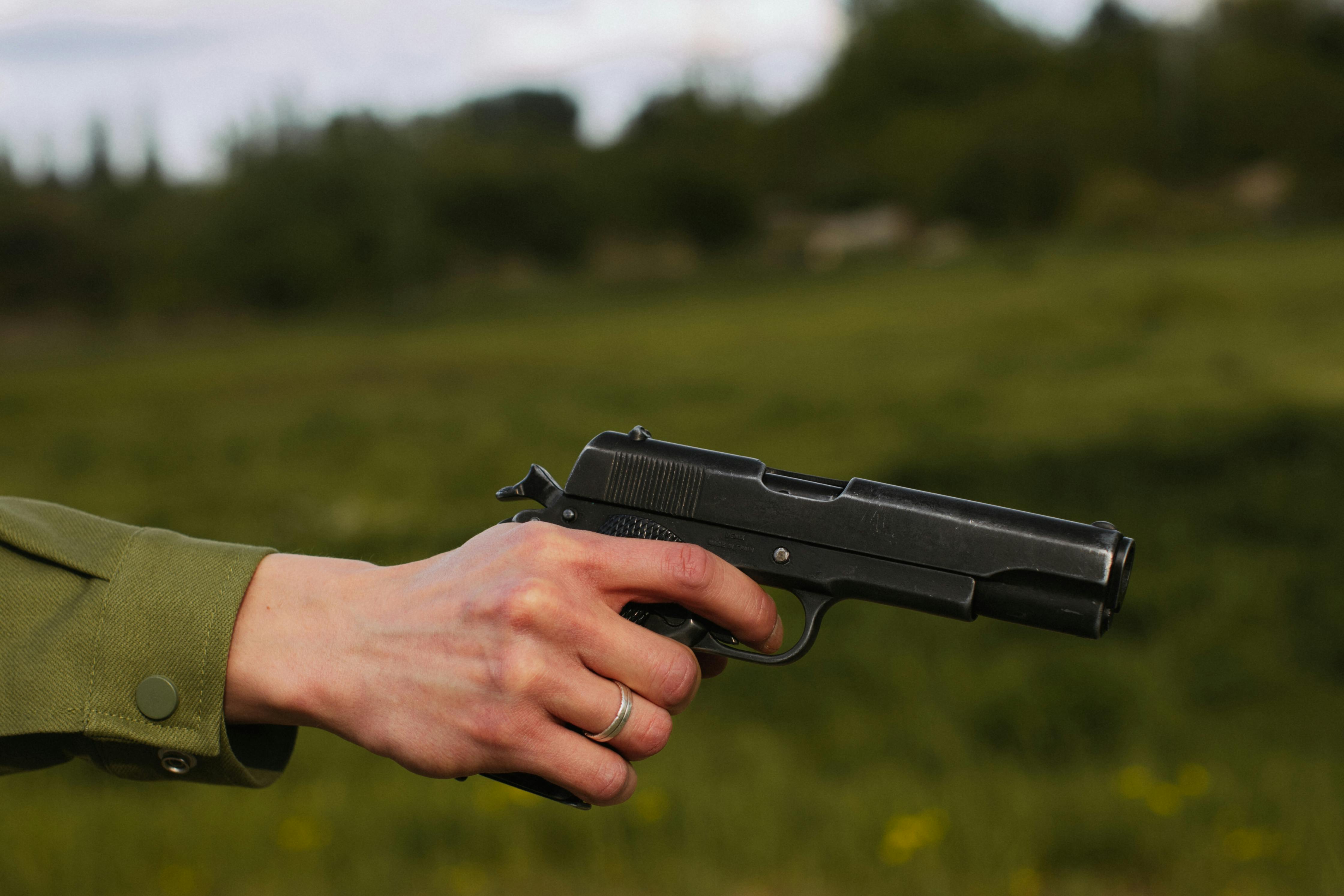
Another piece of recycled advice is that everyone should place the trigger on exactly the same part of the finger. In practice, hand size, finger length, trigger shape, grip angle, and firearm width all affect what produces a straight, disturbance-free press. There is no universal placement that fits every shooter and every gun.
Some people shoot best with the pad of the finger. Others need slightly more finger on the trigger to press straight to the rear without pushing sideways. The proof is in sight movement, not in rigid doctrine.
Good placement is the one that keeps the gun still while the shot breaks cleanly.
Dry fire matters more than expensive trigger upgrades

It is easy to sell a parts upgrade as the answer to low-left hits, anticipation, or poor groups. Hardware can improve feel, but it cannot replace skill. Many shooters would benefit far more from structured dry fire than from immediately swapping springs, shoes, and connectors.
Dry fire exposes whether the sights stay steady through the press. It builds familiarity with the wall, the break, and the return without recoil covering up mistakes. That kind of repetition creates real improvement, and it usually costs nothing but time and attention.
A better trigger can help a trained shooter. It rarely rescues an untrained one.
The right trigger depends on the gun’s actual purpose

Perhaps the biggest myth is that there is one ideal trigger pull for everyone. A competition pistol, a concealed-carry handgun, a duty gun, and a beginner’s training firearm may all benefit from different balances of weight, travel, and reset. Context matters more than bragging rights.
The smartest question is not whether a trigger is light or heavy. It is whether the trigger suits the role, the shooter’s experience, and the level of control they can demonstrate consistently. A setup that shines in one environment may be a poor fit in another.
Good advice starts with purpose, not with whatever happened to feel impressive at the counter.