Ballistics is full of rules that sound convincing because they are repeated so often. Yet velocity, bullet design, drag, gravity, and testing rarely behave as simply as a range-room slogan suggests. Some myths begin with a small truth and become misleading when that truth is treated as universal. The eight claims below separate the useful principle from the exaggerated version, using concrete numbers and plain-language explanations.
1. A Faster Bullet “Beats” Gravity

One of the oldest claims is that a high-velocity bullet somehow overpowers gravity. It does not. Gravity accelerates every projectile downward at about 9.81 m/s², regardless of muzzle speed. A faster bullet simply reaches a given distance sooner, leaving gravity less time to act. For example, if two bullets cover 200 meters but one takes 0.30 seconds and another takes 0.40 seconds, their flight times differ even though gravity itself has not changed. That distinction matters when comparing cartridges: velocity changes time of flight, not the strength of gravity. Ballistic calculators therefore model both speed and drag rather than treating velocity as a shield against drop.
2. Heavy Bullets Always Penetrate Better
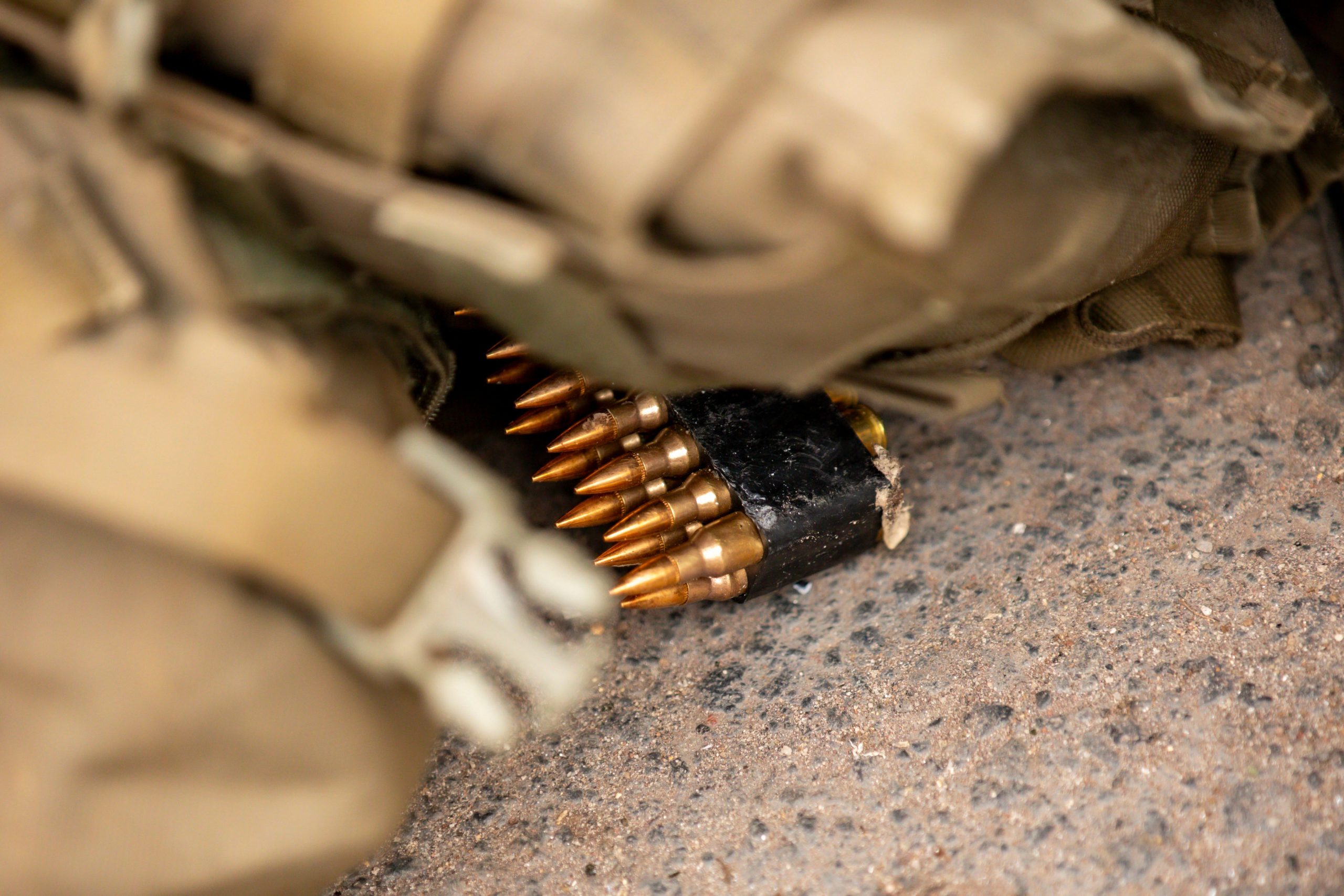
A heavier projectile is not automatically a deeper penetrator. Penetration depends on impact velocity, construction, sectional density, shape, and how the projectile behaves after striking the target. A heavy bullet may carry substantial momentum, yet a rapidly expanding design can stop sooner than a lighter projectile built to retain its shape. Even the same bullet can behave differently as impact speed changes. That is why terminal-ballistics tests compare controlled ammunition, distance, and test media instead of judging performance from bullet weight alone. As a numerical reminder, 180 grains and 150 grains describe mass, not a guaranteed penetration depth in inches.
3. A Longer Barrel Always Makes More Velocity

Longer barrels often produce higher velocity, but “longer always means faster” is too absolute. Propellant gases accelerate the projectile while useful pressure remains behind it; eventually, additional barrel length can provide diminishing returns, and a load may reach its practical velocity peak sooner. Barrel length also varies by cartridge and powder combination, so there is no universal gain per inch. A numerical example: a 20-inch barrel cannot be assumed to deliver exactly 100 fps more than a 16-inch barrel. The actual difference must be measured with the specific ammunition, firearm, and conditions. Longer also does not automatically mean more accurate.
4. Bigger Caliber Means More Stopping Power
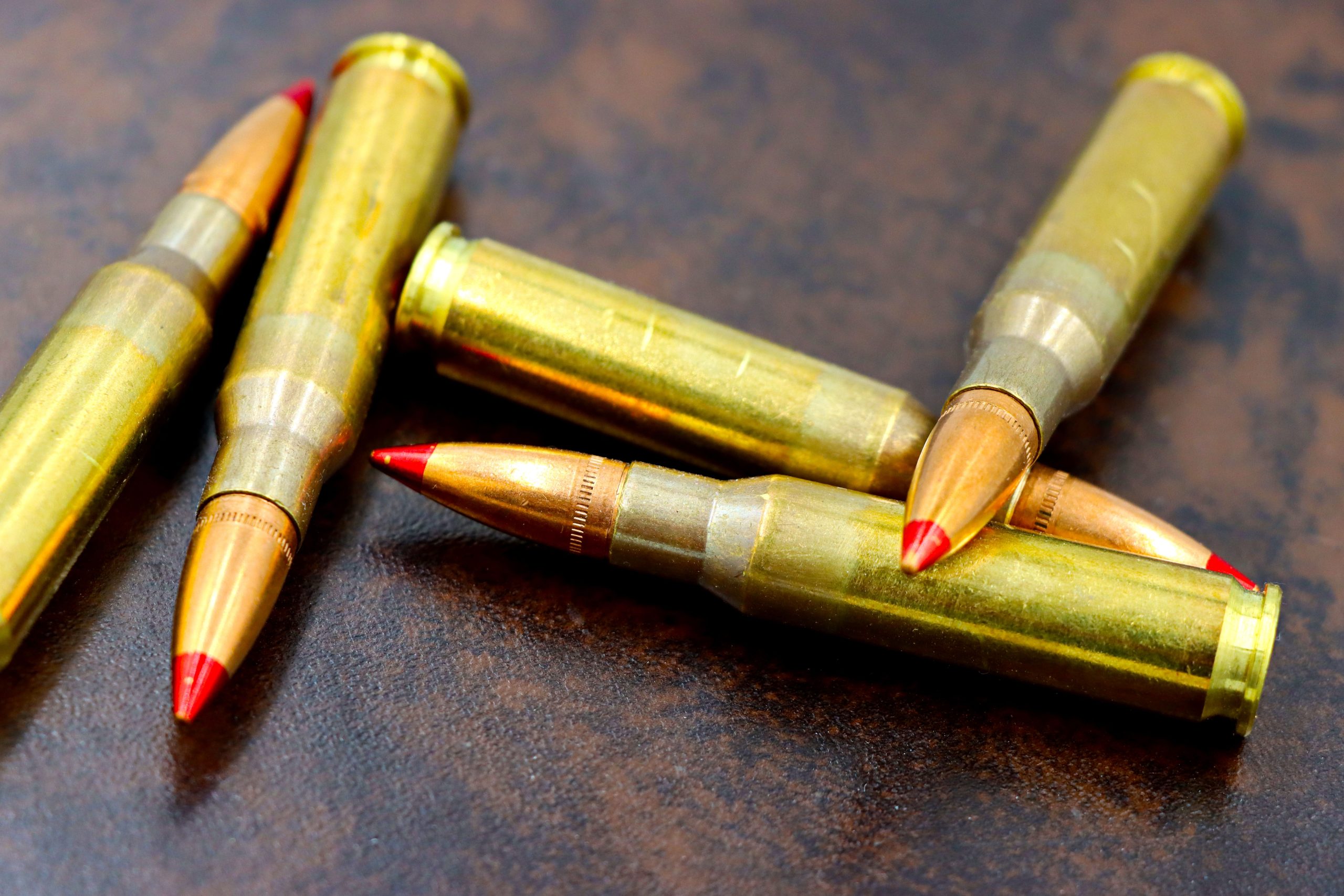
Diameter alone cannot predict terminal performance. A larger-caliber projectile may have greater frontal area, but bullet construction, impact velocity, penetration, and expansion can matter just as much. Comparing a 0.45-inch projectile with a 0.30-inch projectile tells you one physical dimension, not what either projectile will do after impact. Performance is better understood through controlled testing rather than caliber labels or marketing shorthand. Numerical comparisons can mislead: a difference of 0.15 inch in diameter does not translate into a percentage increase in effectiveness. The same caliber can produce very different results when bullet design or impact conditions change.
5. Bullets Travel in a Straight Line Until They Drop

A bullet does not fly perfectly straight and then suddenly begin falling. Gravity acts on it from the instant it leaves the barrel, while aerodynamic drag continuously reduces its forward velocity. What shooters see through sights is more complicated because the bore axis and line of sight are not normally identical. A properly zeroed firearm is arranged so the projectile’s path intersects the sight line at a chosen distance. A bullet can therefore appear to rise relative to the sights even though gravity is pulling it downward throughout flight. At 100, 200, or 300 yards, trajectory depends on velocity, drag, sight height, zero, and environmental conditions—not a delayed “drop point.”
6. Ballistic Coefficient Is Basically Bullet Weight

Ballistic coefficient is often treated as a fancy way of saying “heavy bullet,” but that is incomplete. It describes how efficiently a projectile moves through air, with mass and aerodynamic form both contributing to its behavior. Two bullets with identical weight can have different ballistic performance because their shapes differ. Likewise, a lighter, streamlined projectile can sometimes retain velocity efficiently compared with a heavier but less aerodynamic design. BC values also depend on the model used, so figures from different systems should not be compared casually. A higher BC generally means better velocity retention and less wind sensitivity, but it never defeats drag or gravity.
7. A Suppressor Makes a Supersonic Bullet Quiet

A suppressor reduces muzzle blast; it does not erase every sound produced by a firearm. If a projectile remains supersonic, its flight can generate a distinct shock wave, often called a sonic crack, that occurs downrange and cannot be canceled by the device at the muzzle. This is why “silencer” can create unrealistic expectations. Testing has found meaningful sound reductions, but the amount varies with firearm and ammunition. One study reported peak reductions of roughly 17–24 dB at the shooter’s ear under its test conditions. The key distinction is simple: suppressors manage expanding gases, while supersonic projectile noise is created along the bullet’s path.
8. One Ballistic Test Proves What a Bullet Will Do
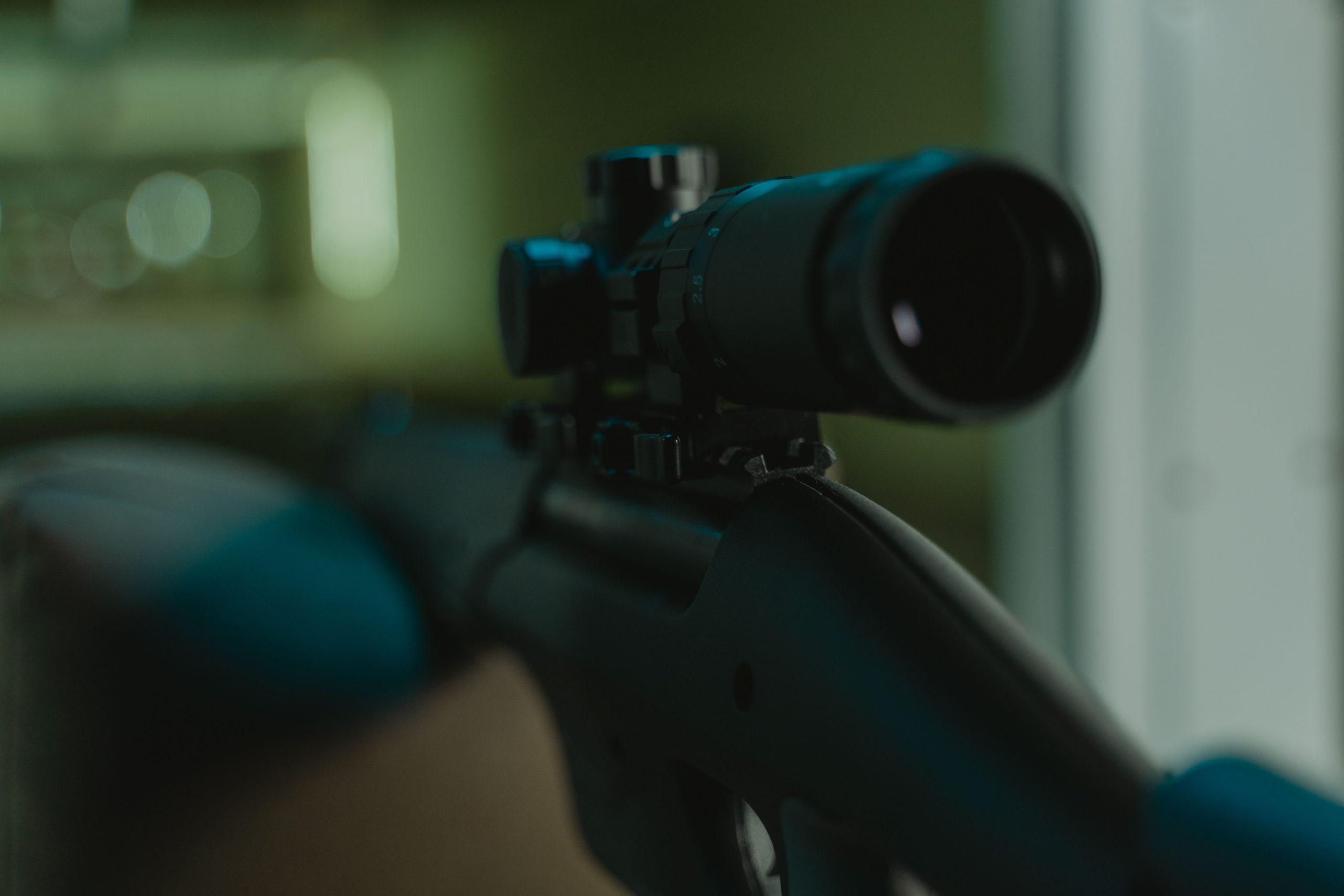
A single gel block, chronograph reading, or recovered projectile cannot establish universal terminal performance. Ballistics is sensitive to test conditions, including impact velocity, distance, projectile orientation, target medium, and ammunition consistency. Even standardized testing is intended for comparison, not a promise that every real-world impact will look identical. For example, a chronograph may show 2,800 fps, but that number alone says little about velocity at a distant target or how the projectile will behave on impact. Reliable conclusions come from repeated shots and clearly defined methods. One result can be interesting; a repeatable data set is far more informative.