For years, Glock set the standard for practical, striker-fired pistols on the range and in competition. Then the CZ P-10 arrived and sparked a familiar question among serious shooters: had someone finally matched Glock’s simplicity while improving the feel in all the places that matter? This gallery breaks down the features and impressions that made the P-10 such a frequent point of comparison.
A trigger that felt cleaner right out of the box
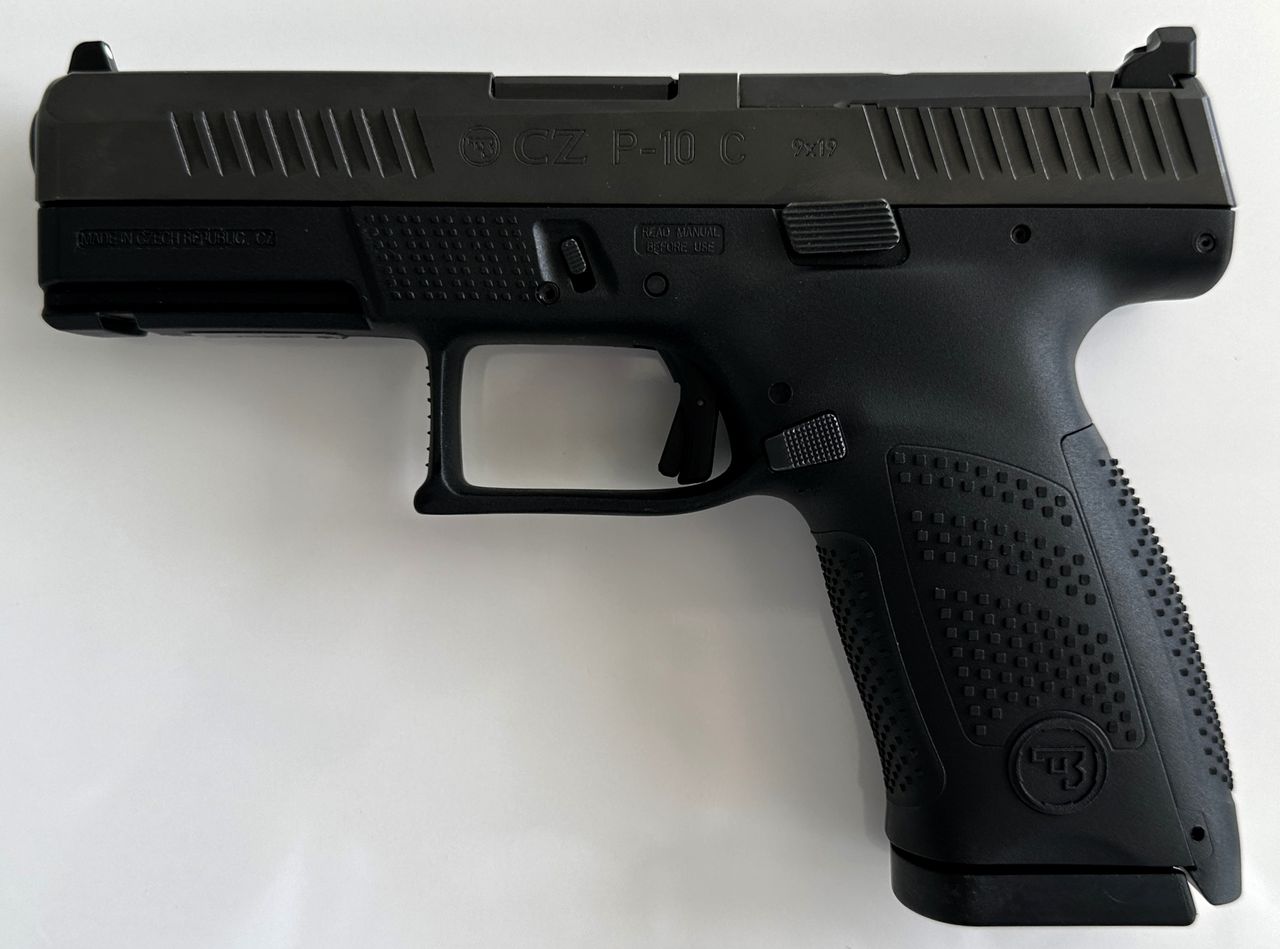
One of the first things shooters noticed about the CZ P-10 was the trigger. Compared with many stock striker-fired pistols, it felt crisp, direct, and unusually refined without demanding immediate aftermarket work. For competitors who obsess over consistency, that first impression mattered a lot.
The break was often described as cleaner than what many Glock owners expected from a factory gun, and the reset felt short and easy to track under speed. That gave the P-10 an edge in conversation, because it seemed to offer a competition-friendly feel while keeping the rugged simplicity people wanted in a duty-style pistol.
Grip ergonomics that fit more hands naturally
The P-10’s grip became another major talking point almost immediately. Where some shooters had learned to adapt to Glock’s grip angle and blocky shape, the CZ felt like it met the hand halfway. It pointed naturally for many people and inspired confidence before the first shot was even fired.
That matters more than it sounds. In practical shooting, a pistol that settles into the hand quickly can help with repeatable draws, steadier transitions, and less mental effort during strings of fire. The interchangeable backstraps also helped broaden its appeal, giving shooters a better chance at finding a setup that actually felt custom.
Aggressive texture that stayed planted under recoil
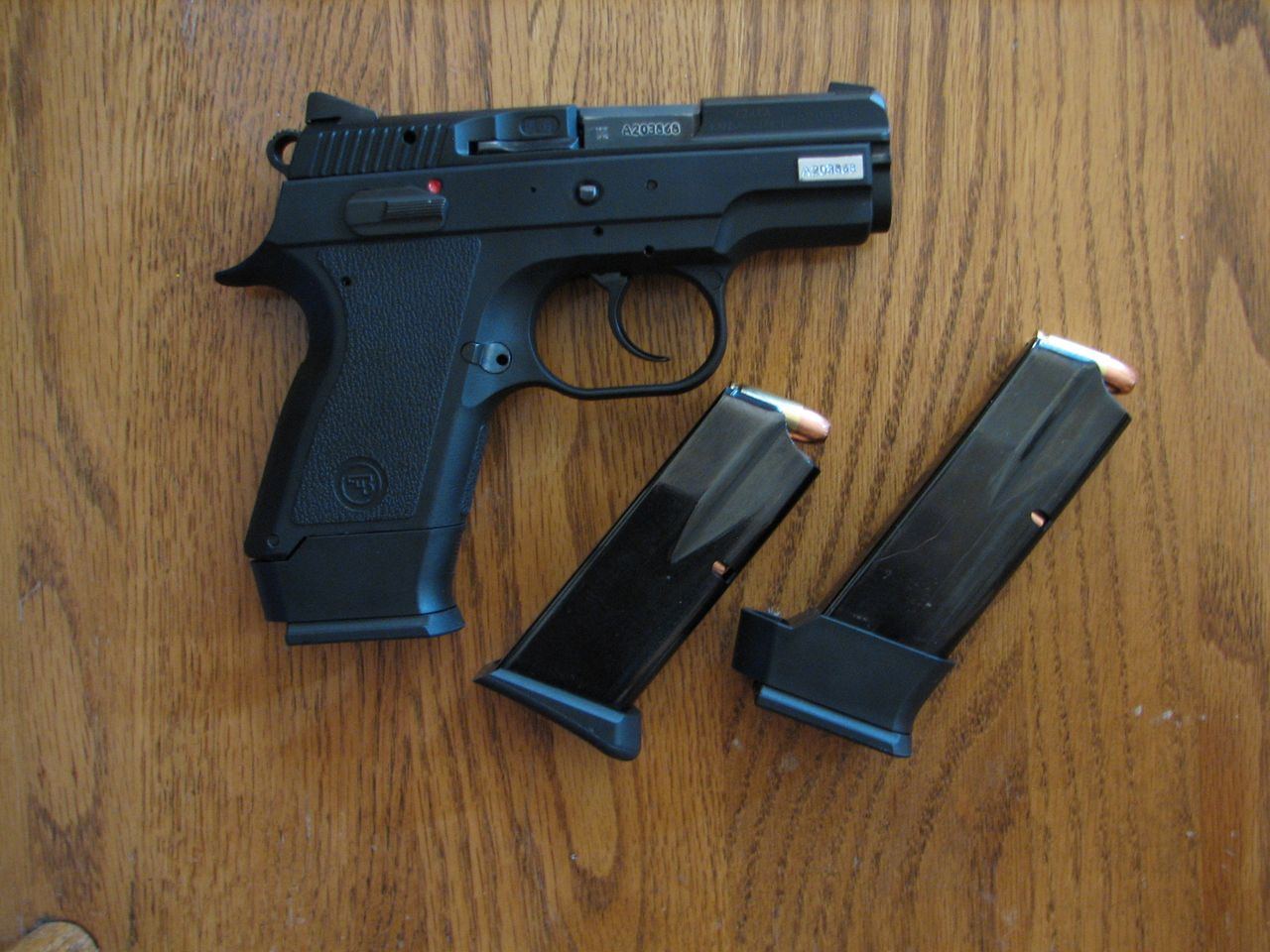
Competitive shooters tend to notice grip texture in a hurry, especially once heat, sweat, and long practice sessions enter the picture. The CZ P-10 arrived with a texture pattern that felt assertive without crossing too far into discomfort. It was clearly designed for control, not just looks.
On the clock, that translated into a gun that many users felt stayed anchored during rapid fire. Less shifting in the hand can mean faster follow-up shots and fewer grip readjustments between targets. In a market where shooters often modify frames almost immediately, the P-10 stood out by feeling range-ready from the start.
Slide design that was easier for many shooters to run
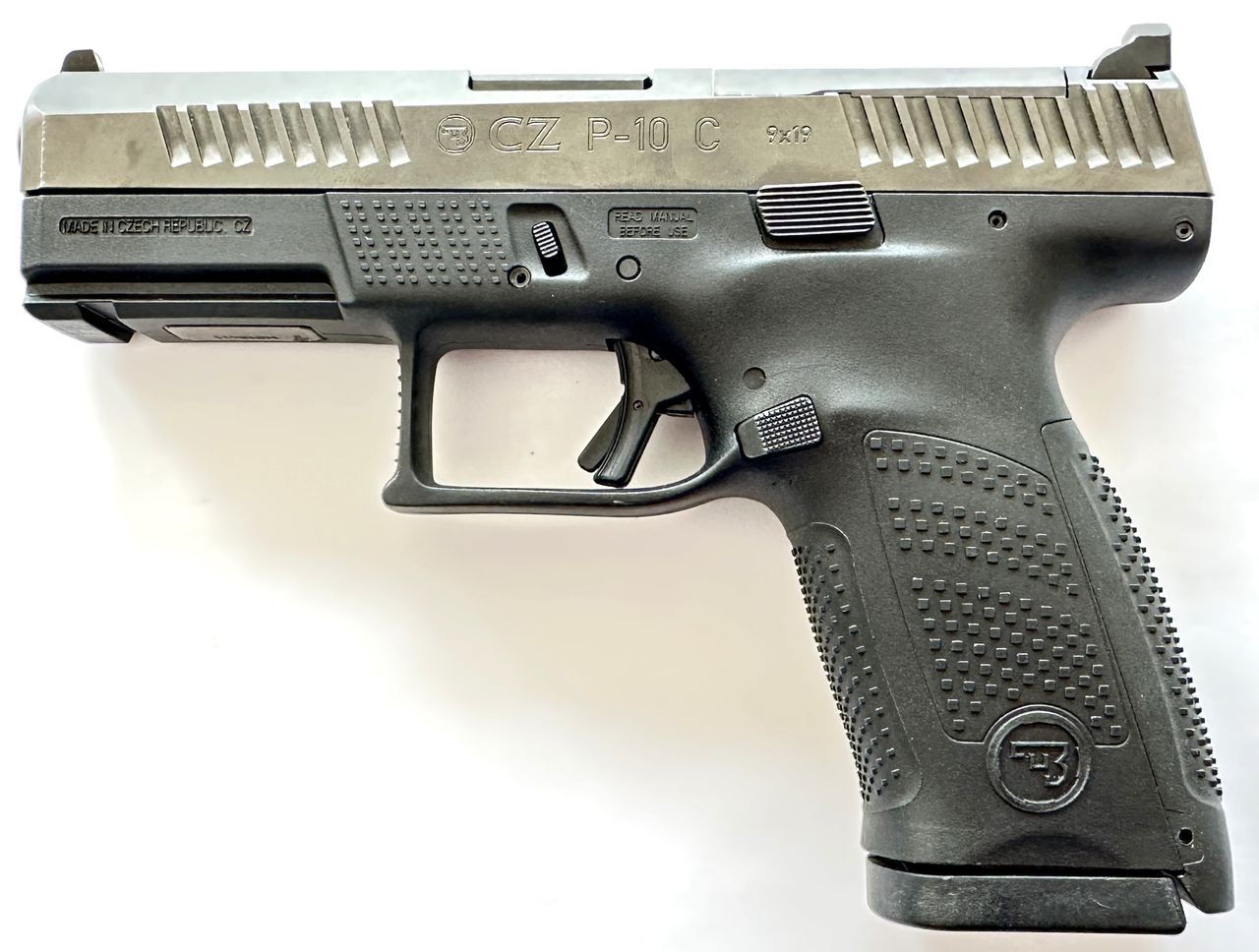
Some early users pointed out that the P-10’s slide serrations and overall shape made manipulation feel more secure than on many comparable pistols. That may sound minor, but in practice, confident press checks, reloads, and malfunction clearances add up to a better ownership experience.
For competition shooters, anything that reduces hesitation has value. A pistol that feels easier to rack and control during handling can lower friction in training and speed up routine tasks under pressure. The P-10’s slide design did not reinvent the category, but it gave many shooters one less reason to immediately start swapping parts.
Factory sights and practical shootability
Plenty of pistols arrive with sights that owners treat as placeholders, but the P-10 made a stronger out-of-the-box case for itself. Shooters appreciated getting a sight picture that felt usable right away, especially when the rest of the gun already seemed tuned toward speed and control.
That practical shootability shaped the conversation around value. If a pistol can go from the gun counter to a serious range session without an immediate shopping list of upgrades, it earns credibility fast. For many buyers comparing it to Glock, the P-10 looked like a package that understood what enthusiasts actually care about on day one.
A frame and undercut that encouraged a higher grip

The P-10’s frame shaping helped it feel more competition-minded than many expected from a service-style polymer pistol. Its undercut and beavertail area encouraged a high hold, which can make the gun feel more connected to the hand and easier to manage through recoil.
That sort of design detail may not jump off a spec sheet, but shooters notice it quickly when running drills. A higher, more secure grip can support faster recovery and a more natural index on presentation. The P-10 gained loyal fans because it often felt like a pistol designed by people who actually understood what range users complain about.
Reliability without giving up refinement
Glock built its reputation on simple, stubborn reliability, so any would-be rival had to prove it could run. The P-10 earned respect because it did not present itself as a fragile enthusiast toy. Instead, it paired a more polished shooting experience with the basic dependability people expected from a serious defensive and range pistol.
That balance was the heart of its appeal. Competitive shooters might love a better trigger or nicer ergonomics, but they still want a gun that keeps cycling through high round counts and varied conditions. The P-10’s strongest argument was that refinement did not seem to come at the cost of trust.
Value that reduced the urge to upgrade immediately

A big reason the P-10 generated so much buzz was simple economics. Shooters are used to buying a pistol and then budgeting for sights, trigger work, grip changes, and other tweaks. The CZ challenged that pattern by arriving with enough desirable features that many owners felt less pressure to spend more money right away.
That does not mean everyone left it stock, because enthusiasts rarely do. But it changed the tone of the comparison. Instead of asking what needed fixing first, many buyers asked whether the P-10 already offered more of what they wanted than a comparable Glock at a similar overall investment.
It made Glock loyalists rethink the default choice

In the end, the CZ P-10’s biggest achievement may have been psychological. Glock had long been the safe, automatic answer for shooters wanting a reliable striker-fired pistol with broad competitive credibility. The P-10 disrupted that habit by offering a package that felt familiar in concept but more satisfying in several key touchpoints.
That is why so many comparisons sounded unusually emotional. Shooters were not just discussing specs. They were reacting to a pistol that seemed to keep the strengths of the established benchmark while smoothing over common complaints. Whether or not it truly beat Glock for every user, it absolutely forced the question in a serious way.