Plenty of newer cartridges promise flatter trajectories, more velocity, and bigger numbers on the box. Yet when deer season opens, the .30-30 Winchester still shows up with quiet confidence and a century of proof behind it. This classic round survives not on nostalgia alone, but because it keeps doing exactly what hunters need it to do.
It has a track record hunters trust
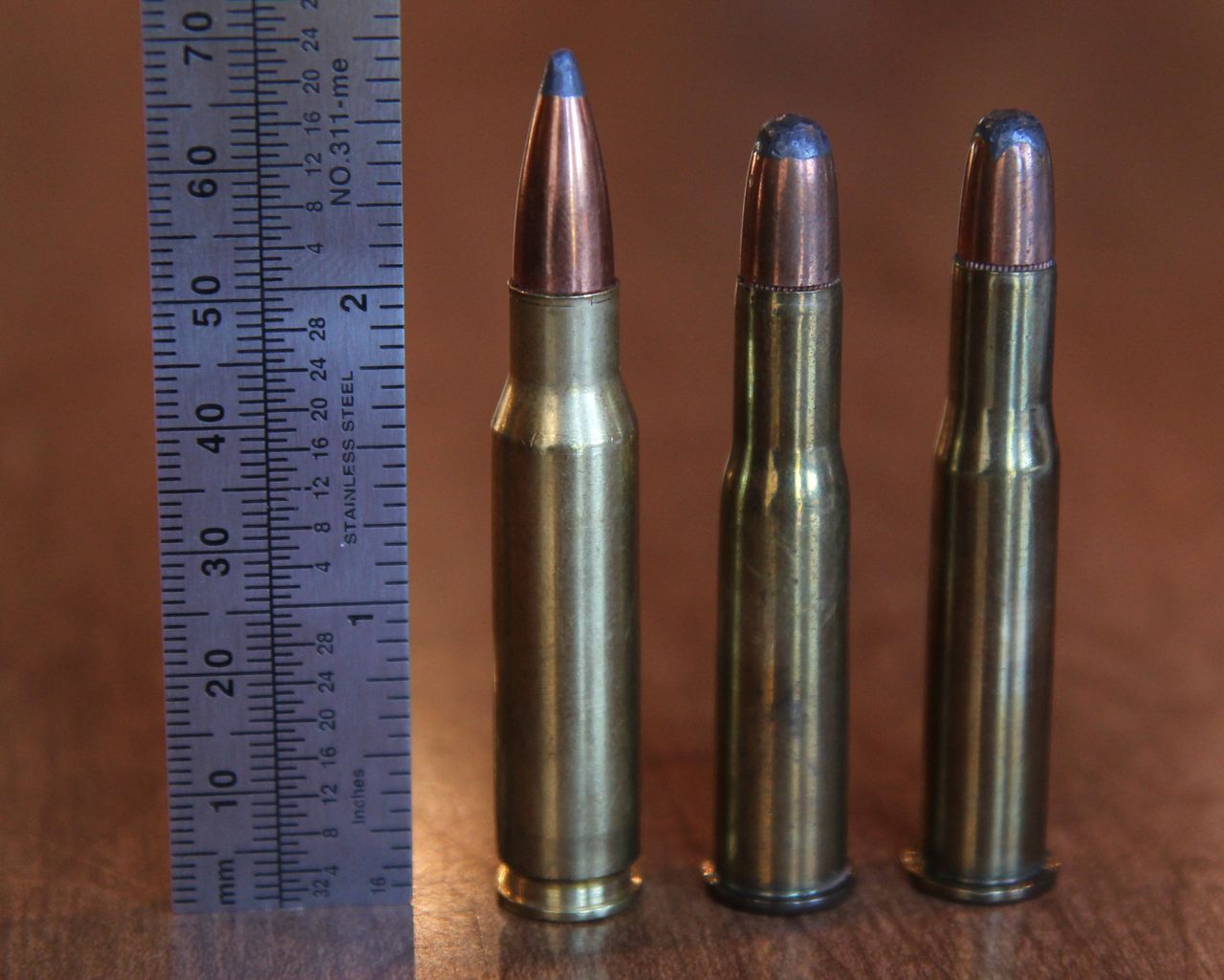
The .30-30 Winchester has been putting venison in freezers since the late 19th century, and that kind of staying power means something. Hunters tend to trust what has worked across generations, especially when the stakes are a clean shot and an ethical kill.
Its reputation was built in real woods, not just on paper charts. In deer camps across North America, the cartridge earned respect by proving dependable season after season.
That history gives modern hunters confidence. When a round has been used successfully by grandfathers, parents, and first-time hunters alike, it becomes more than a caliber. It becomes part of the hunting language itself.
It is built for real deer hunting distances

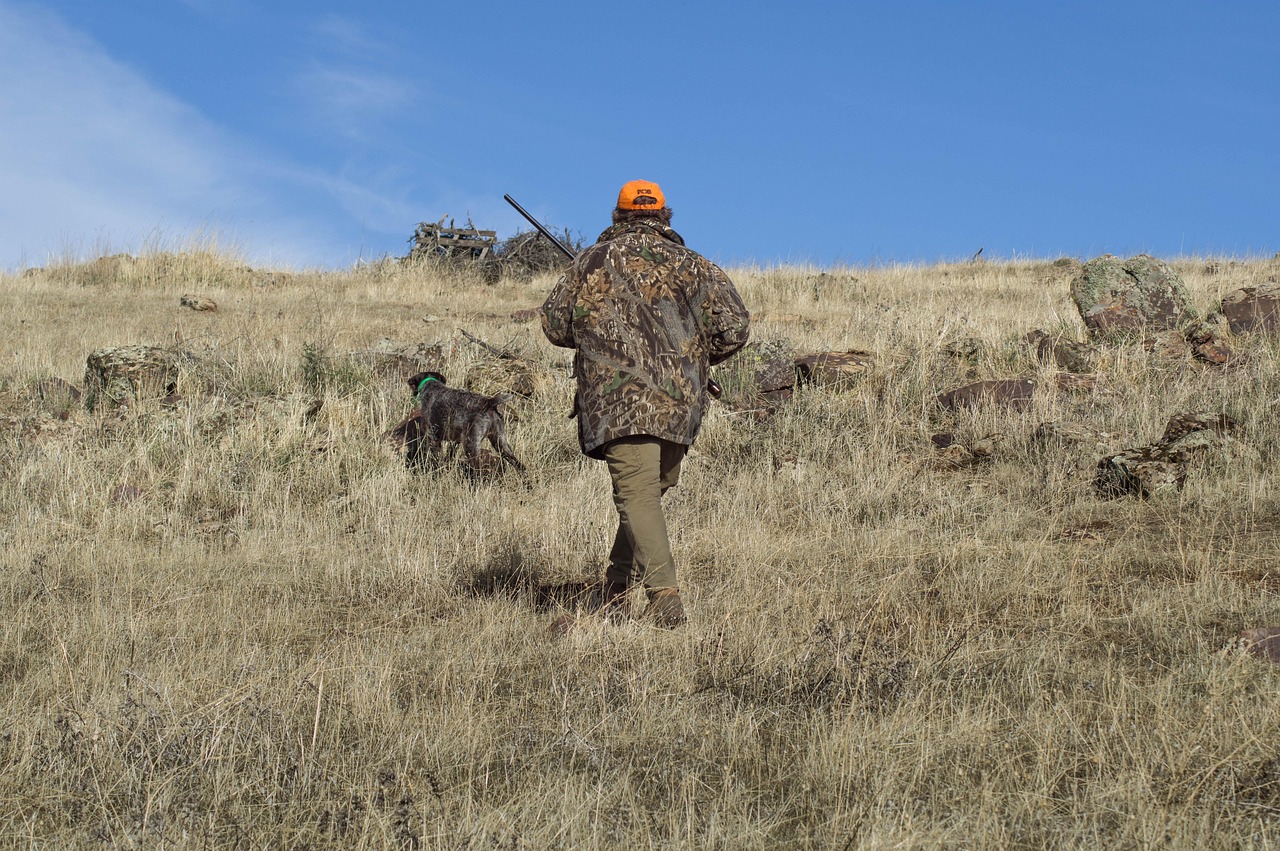
Most deer are not taken at extreme range. They are taken in timber, brushy edges, cutovers, and broken terrain where shots often come quickly and inside modest distances.
That is exactly where the .30-30 shines. It was never meant to be a long-range showpiece, and that is part of its appeal. Within its comfort zone, it delivers practical accuracy and plenty of authority.
A lot of hunters appreciate equipment that matches the way they actually hunt. For whitetails in the woods, the .30-30 often feels less like a compromise and more like the right tool for the job.
Lever-action rifles carry beautifully in the woods

The .30-30 is closely tied to lightweight lever-action rifles, and that pairing is a huge part of its staying power. These rifles tend to be slim, quick in the hands, and easy to carry through thick cover all day.
In a tree stand, truck, or ground blind, they handle with very little fuss. Their shorter barrels and balanced feel make them especially handy when moving through brush or climbing rough country.
That easy carry matters more than people admit. A rifle that comes along willingly is a rifle hunters practice with, trust, and keep using year after year when deer season rolls around again.
Recoil stays manageable for many shooters

Not every hunter wants a hard-kicking rifle, and not every deer cartridge needs to thump the shoulder to be effective. The .30-30 offers recoil that many shooters find comfortable, especially in a field where confidence matters.
That makes it approachable for younger hunters, smaller-framed shooters, and anyone who simply shoots better without anticipating punishment. Better comfort often leads to better practice, and better practice usually leads to better shot placement.
This is one of the cartridge’s quiet strengths. A round that encourages calm shooting and steady follow-through can be more useful in the deer woods than one that only looks impressive in a ballistics table.
It delivers proven terminal performance
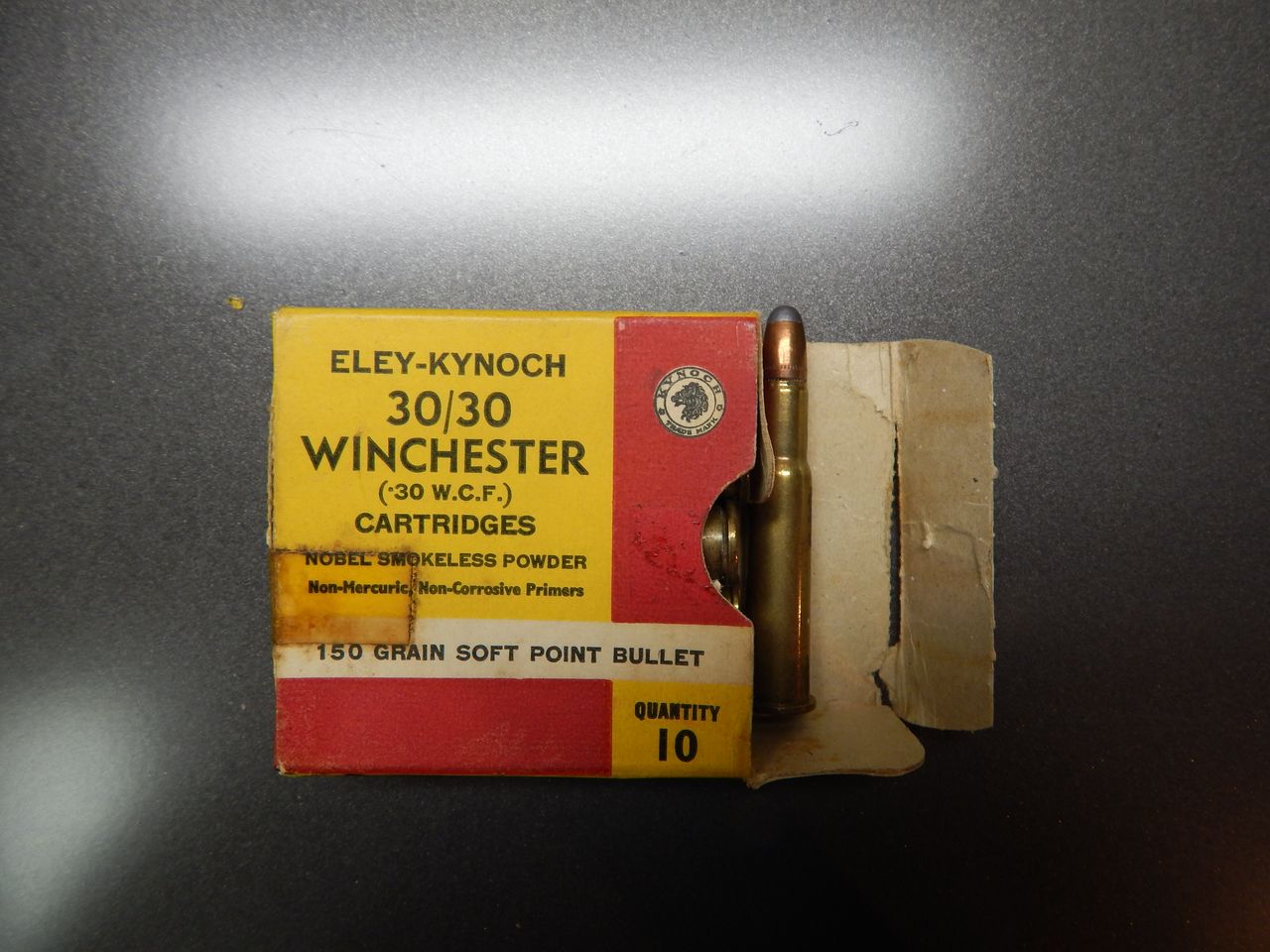
For generations, the .30-30 has shown that moderate velocity and sensible bullet design can be a very effective combination on deer-sized game. It does not rely on hype. It relies on hitting the vitals and doing the job cleanly.
Inside normal hunting ranges, the cartridge has a long record of dependable performance with soft-point bullets. Hunters value that kind of consistency because it translates to shorter tracking jobs and more confidence when the moment arrives.
There is a practical honesty to the .30-30. It is not trying to be everything for every hunt. On deer, under common conditions, it has already answered the question many times over.
Ammunition remains widely available
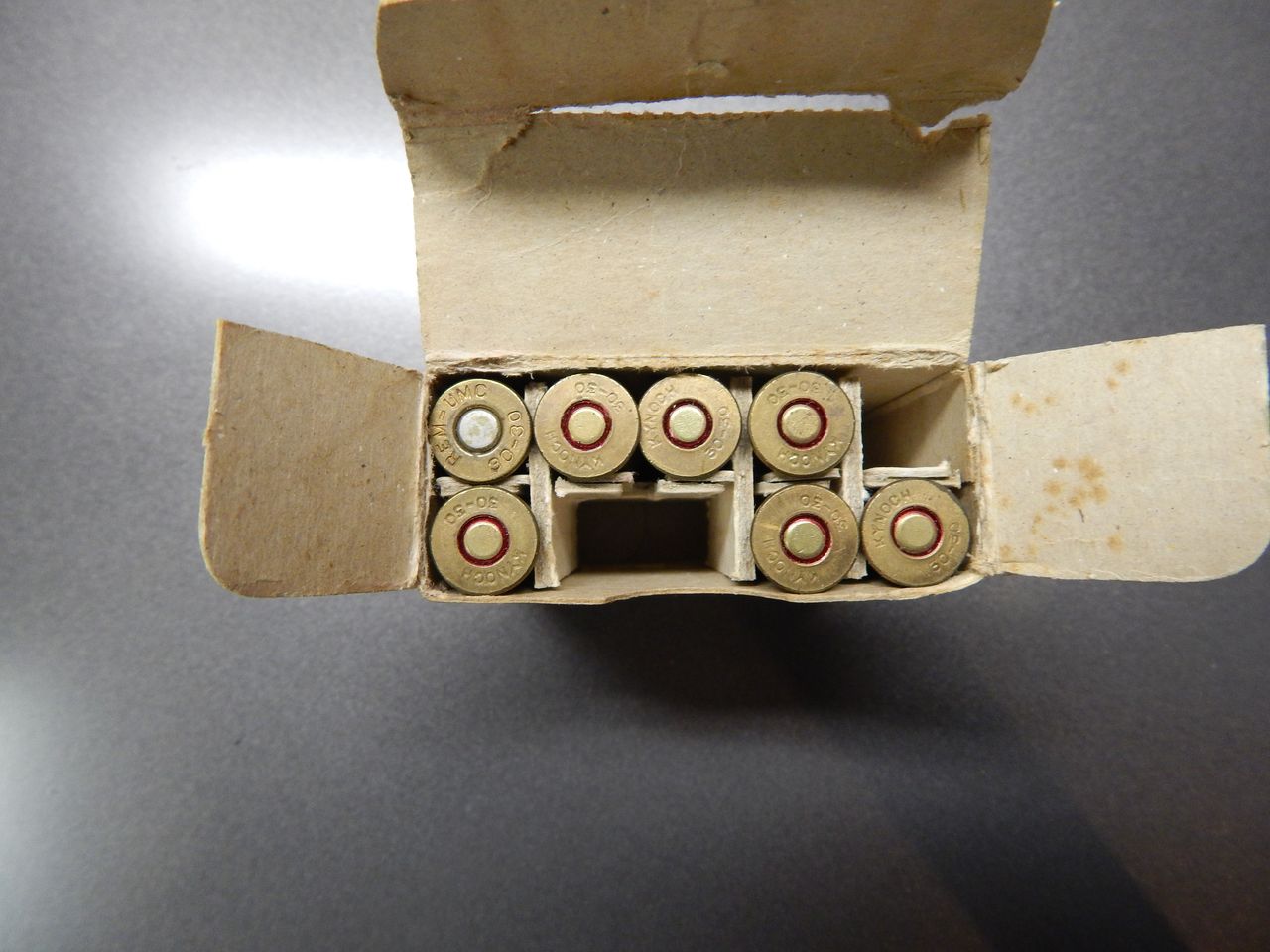
Part of staying relevant is simply being easy to feed, and the .30-30 has done well on that front for decades. Walk into enough sporting goods stores and small-town gun shops, and you are likely to find it on the shelf.
That matters to ordinary hunters who want straightforward choices before season starts. They do not want to chase obscure loads or build an entire plan around a niche cartridge that may be hard to replace.
Availability reinforces loyalty. When a hunter can count on finding ammunition, sight in without drama, and head to camp with familiar loads, the cartridge keeps its place through convenience as much as tradition.
It is tied to hunting tradition in a real way
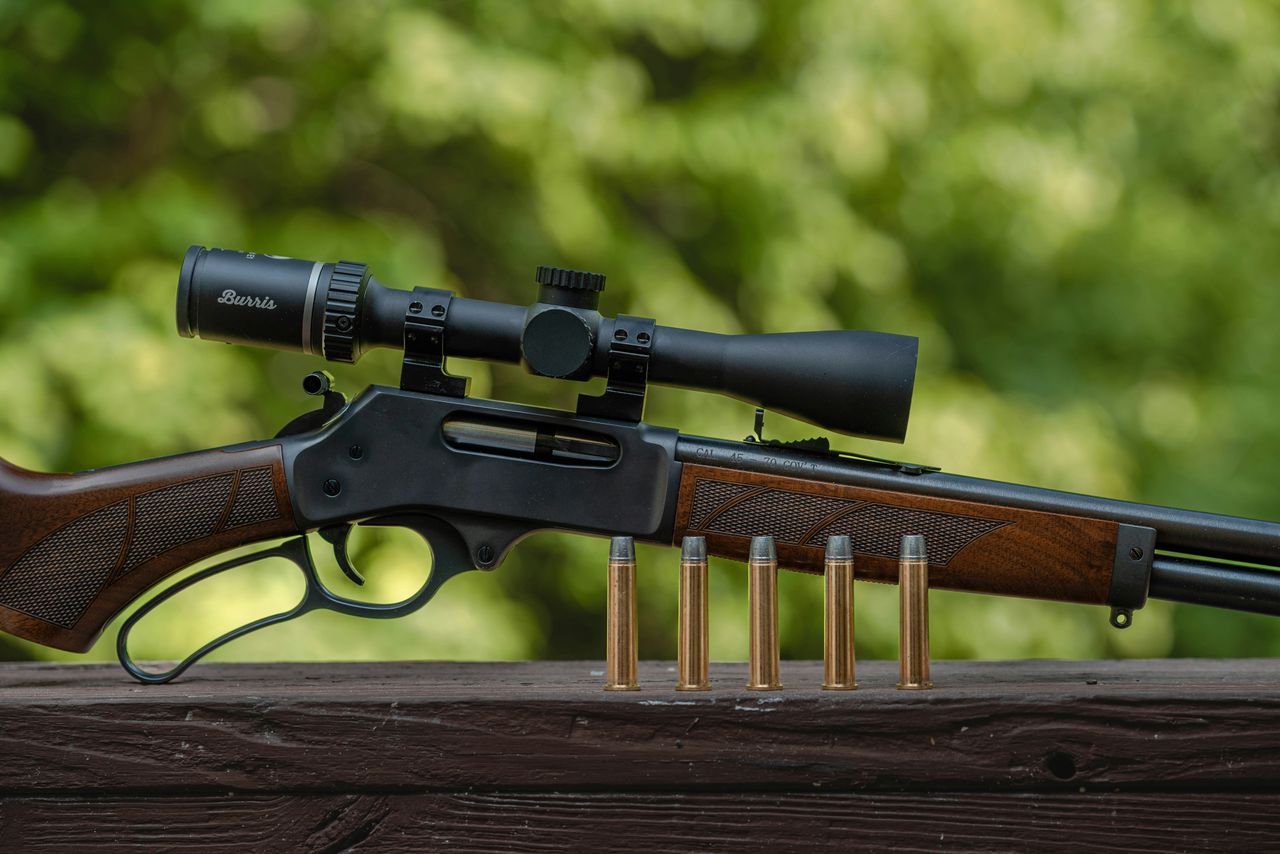
The .30-30 carries a cultural weight that newer cartridges simply cannot manufacture overnight. It is tied to family stories, first bucks, hand-me-down rifles, and the annual rhythms of deer camp.
That kind of connection is not just sentimentality. It shapes what hunters value, what they pass along, and what they reach for when they want a season to feel familiar in the best possible sense.
Tradition alone would not keep a cartridge alive if it failed in the field. But when tradition is backed by genuine usefulness, it becomes a powerful reason people keep choosing the same round generation after generation.
Modern loads have kept the cartridge relevant

The .30-30 has not stood completely still while the shooting world changed around it. Ammunition makers have introduced improved bullet designs that help the old cartridge perform better than many people assume.
In some rifles, newer loads can flatten trajectory a bit, improve retained energy, and expand reliably at the distances hunters actually use. That does not turn the .30-30 into a magnum, but it does keep it current.
This blend of old platform and updated ammunition is part of the magic. Hunters get the familiar handling and woods-ready feel they love, along with performance refinements that make a trusted classic even easier to defend.
It encourages discipline instead of excess

There is something useful about a cartridge that asks hunters to know their range, wait for a good angle, and place a shot carefully. The .30-30 rewards restraint, which is not a bad lesson in the deer woods.
Because it is not marketed as a cure-all for every distance and scenario, hunters tend to use it with realistic expectations. That often leads to smarter decisions and cleaner outcomes in the field.
In that sense, the cartridge shapes behavior as much as results. It nudges people toward the fundamentals that matter most, and those fundamentals never go out of style no matter what new rounds hit the market.
It still feels right for whitetail country

Some cartridges look perfect in a catalog, while others simply feel at home where they are used. The .30-30 belongs to hardwood ridges, creek bottoms, cedar thickets, and frosty mornings when a quick shot can happen without warning.
Its continued popularity comes down to that sense of fit. Rifle, cartridge, terrain, and game all line up in a way that feels natural rather than forced.
That is why the .30-30 refuses to fade into history. It still matches how many people hunt deer, and as long as that remains true, this old Winchester round will keep showing up every fall with no need to reinvent itself.