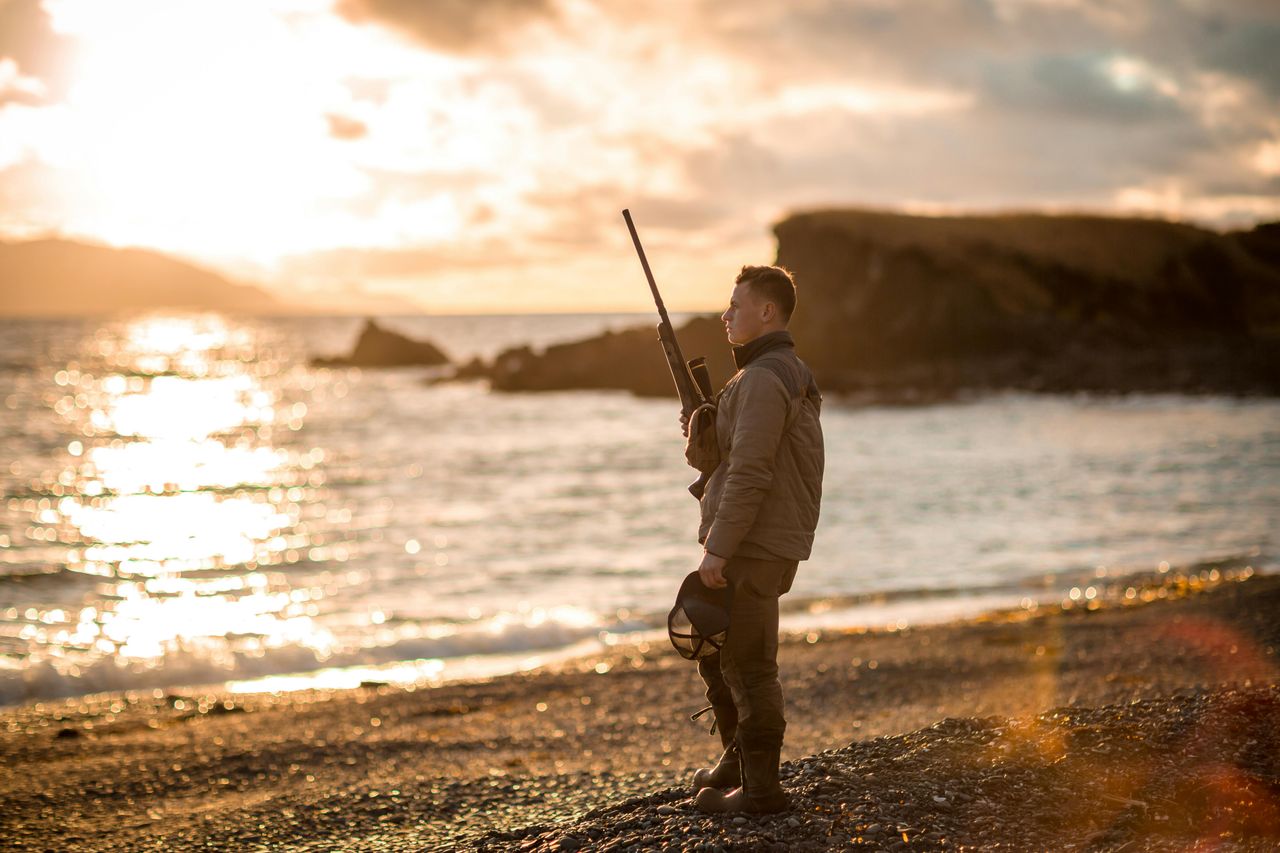
A hunting rifle that feels perfect in Montana or Georgia may be a poor match for Alaska. In the Last Frontier, distance is bigger, weather is rougher, wildlife is heavier, and mistakes can carry far steeper consequences. These realities shape rifle choices in ways many Lower 48 hunters rarely have to consider.
Big animals change the equation

Alaska hunters often build their rifle choices around the possibility of meeting very large game. Moose are enormous, brown bears are famously tough, and even a routine hunt can turn serious fast when the animal on the ground weighs several hundred pounds more than expected.
That is why rifle conversations in Alaska lean heavily toward dependable stopping power, deep penetration, and cartridges with proven real-world results. In much of the Lower 48, a deer rifle may be the default starting point. In Alaska, many hunters begin by asking whether their rifle can handle the worst-case encounter, not just the planned tag.
The weather punishes weak gear
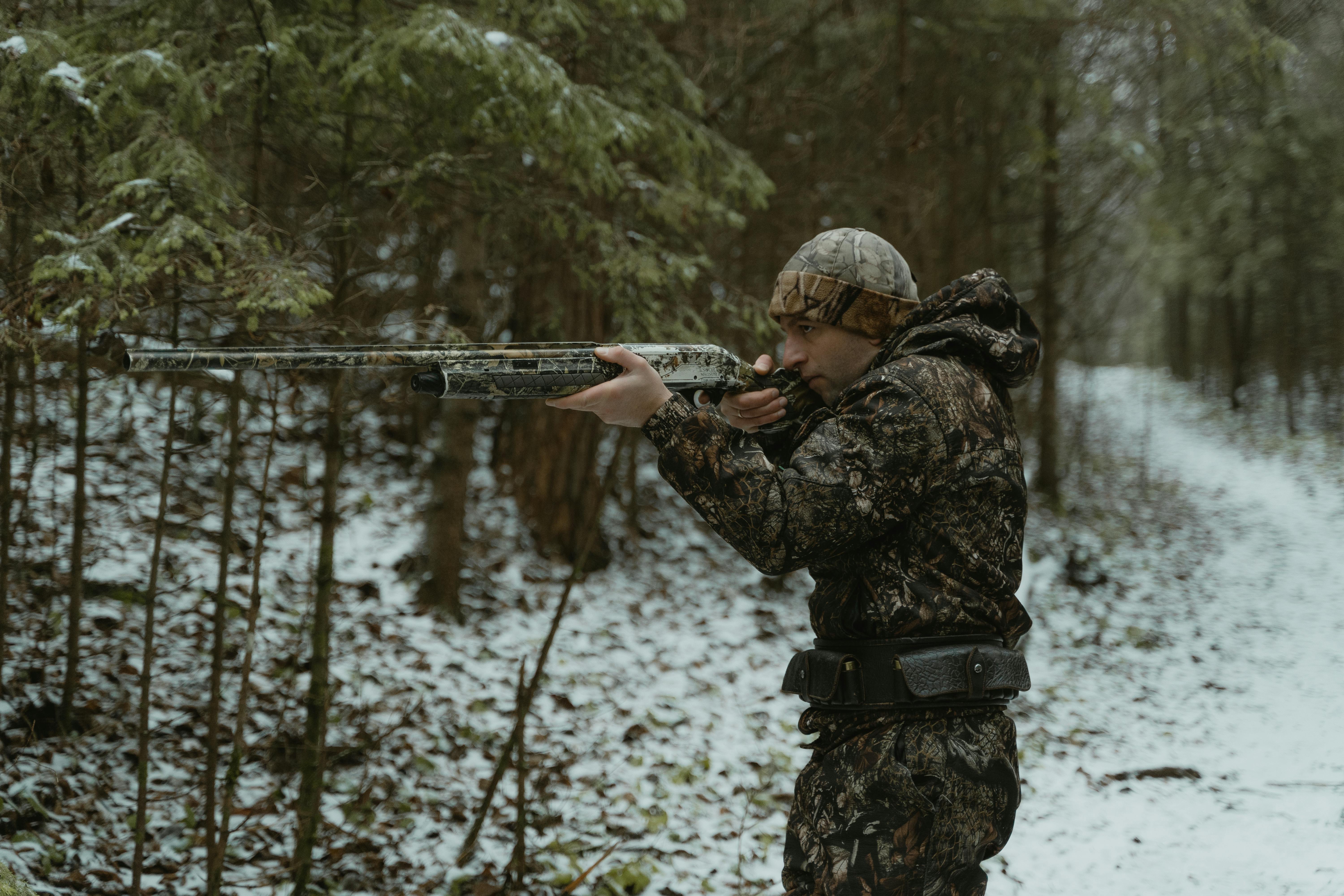
Rain, sleet, salt air, wet brush, and sudden cold snaps are not side notes in Alaska. They are part of the hunting experience, and they can expose every flaw in a rifle, from rust-prone metal to a stock that shifts point of impact after soaking up moisture.
That pushes many Alaska hunters toward stainless steel, synthetic stocks, sealed optics, and simple finishes that shrug off abuse. Hunters in the Lower 48 may be able to baby a favorite blued rifle through a short season. In Alaska, gear often has to work after days of getting drenched, frozen, bumped, and carried through country that never seems to dry out.
Remote country rewards reliability over novelty

In many parts of Alaska, a hunt is not a quick drive from home or a short walk back to the truck. It may involve bush planes, riverboats, long hikes, or camps far from help. If something breaks, there may be no easy fix and no backup waiting nearby.
That is one reason simple, proven rifles remain so popular. Alaska hunters tend to value rugged actions, trustworthy magazines, and designs with a long track record more than trendy features. A rifle that works every time, even when filthy and cold, can matter far more than one that looks innovative on the showroom floor.
Bear country changes every carry decision
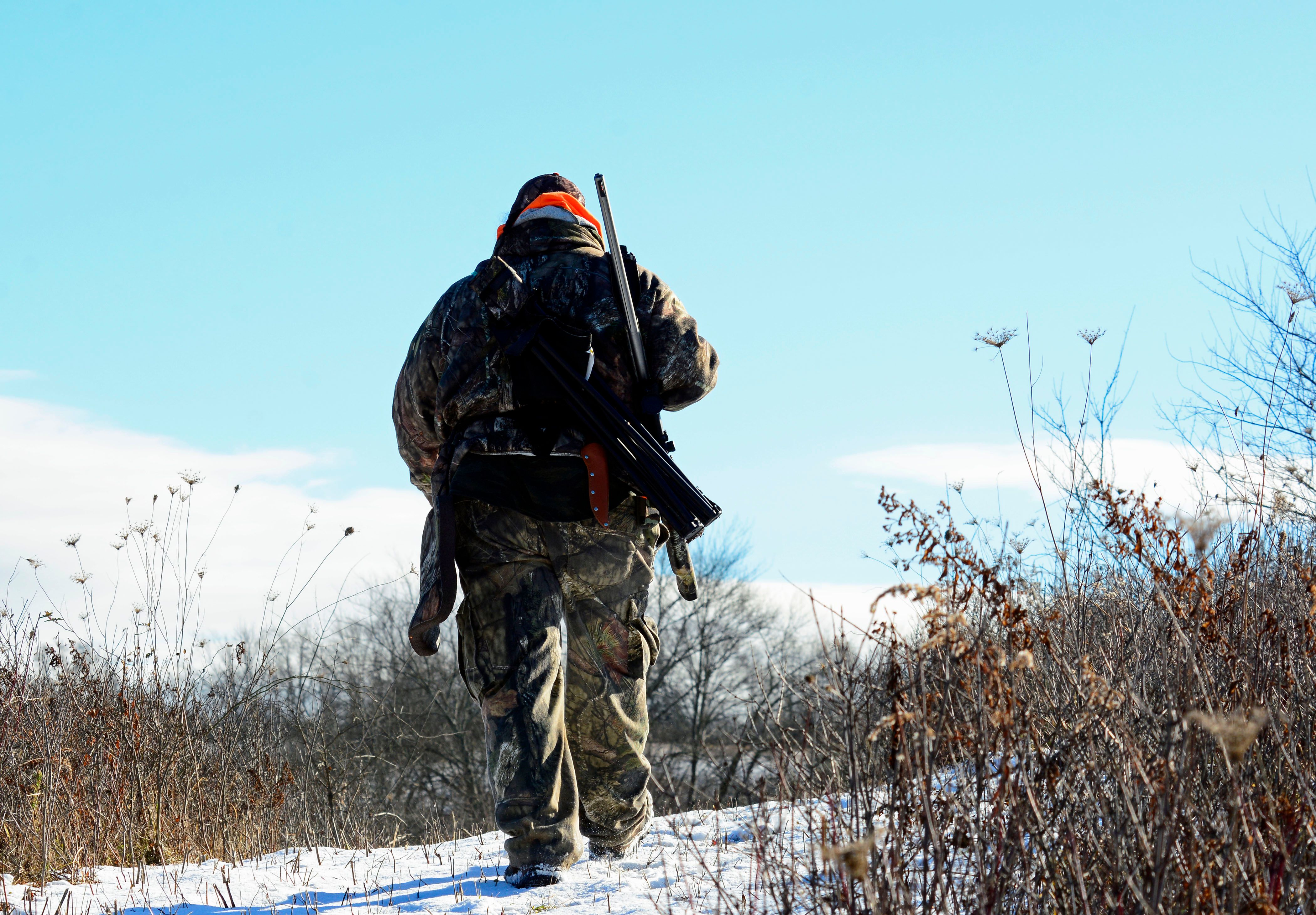
Even when the target animal is not a bear, the possibility of a bear encounter shapes rifle thinking in Alaska. Hunters may be quartering a moose, moving through dense salmon streams, or calling in brush where visibility disappears in seconds. The rifle is not only a hunting tool. It can also be emergency insurance.
That reality often favors cartridges and rifle setups that balance practical carry with serious authority. In the Lower 48, a hunter might optimize almost entirely for one species and one shot profile. In Alaska, many hunters want a rifle that still makes sense if the day shifts abruptly from hunting to self-protection.
Shots can be close, far, or both in one day

Alaska is not one kind of hunting landscape. A hunter may glass open tundra in the morning, then push through alder tangles in the afternoon. Mountain hunts can demand precise longer shots, while coastal or interior brush can force fast shooting at close range with almost no warning.
That variety affects everything from barrel length to optic choice to how a rifle balances in the hands. Many Alaska hunters prefer setups that stay versatile rather than specialized for a single environment. Lower 48 hunters can often tune a rifle to a more predictable habitat. Alaska has a way of making versatility feel like a survival trait.
Weight matters more when every pound is carried farther
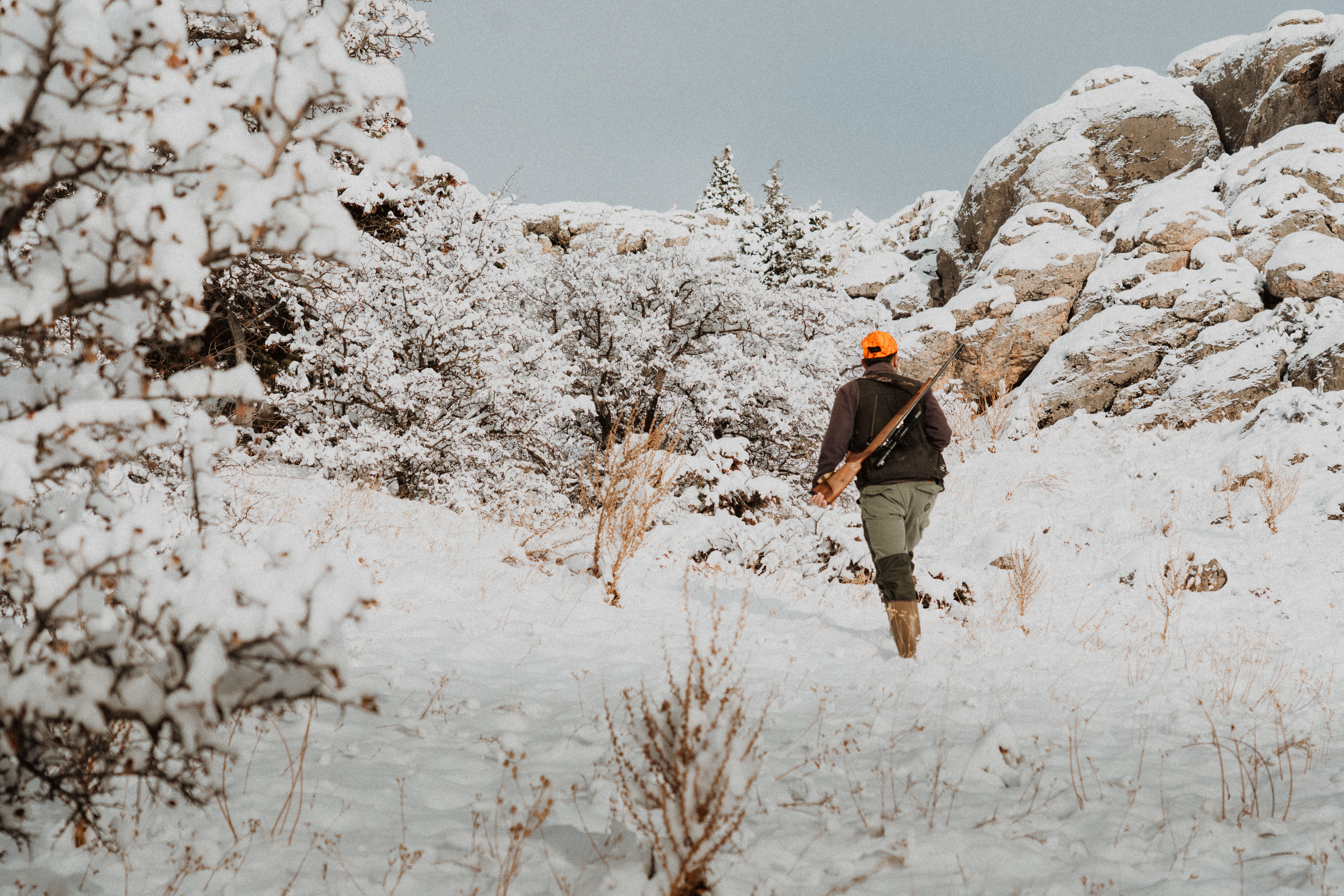
A heavy rifle can feel steady at the range, but Alaska has a way of turning ounces into misery. Hunters may haul camp, food, optics, and meat over rough ground for miles, often in wet boots and bad weather. Every extra pound becomes a real cost by the end of the day.
Still, Alaska hunters cannot simply go ultralight and forget the trade-offs. They have to balance portability with recoil, durability, and enough rifle to handle large animals confidently. That calculation can look very different from the Lower 48, where many hunts involve shorter hikes, easier access, or less need to prepare for dangerous game.
Cold, gloves, and stress favor practical controls
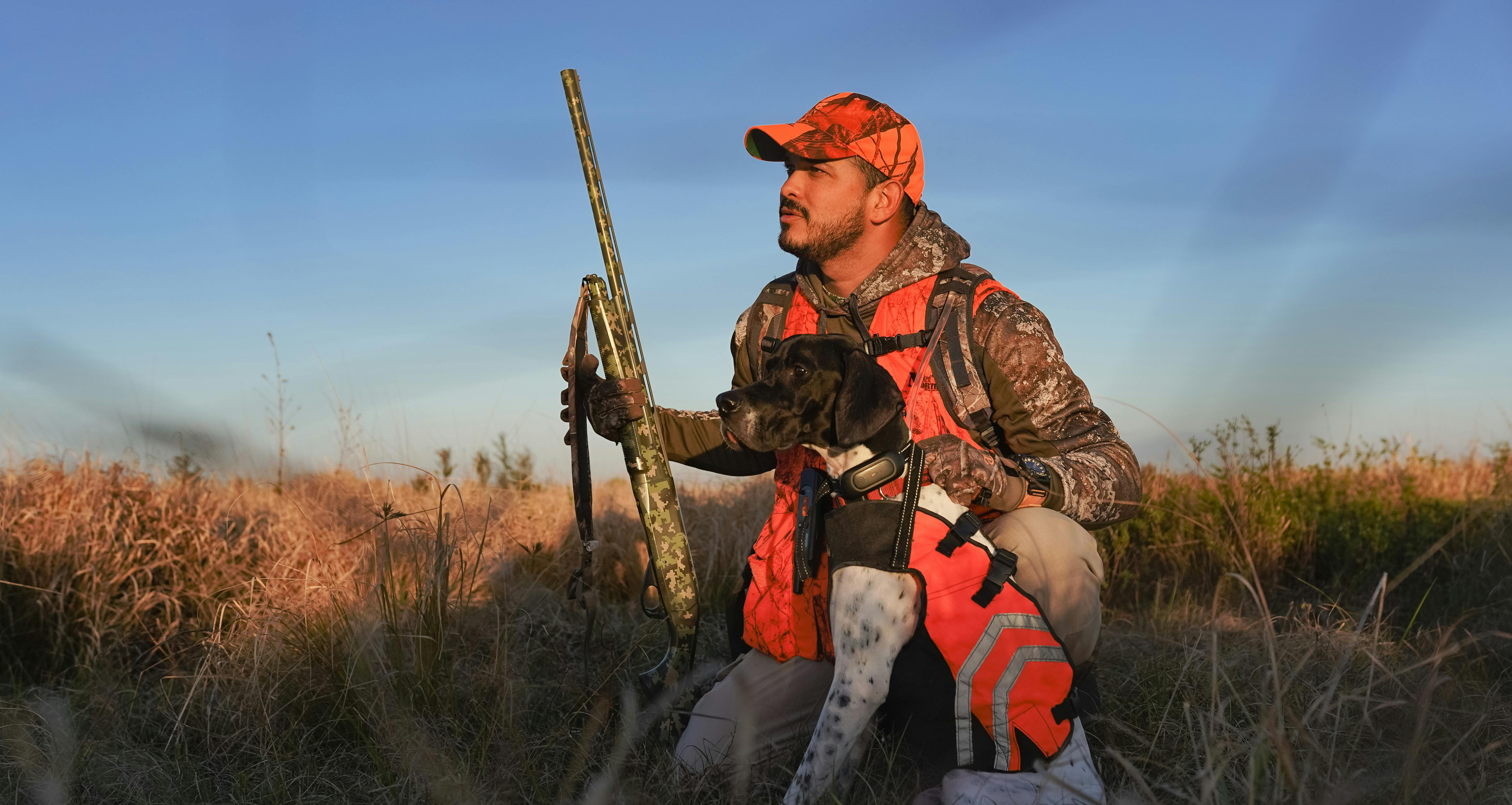
A rifle that seems elegant on a clean bench can become frustrating when fingers are numb and gloves are on. Alaska hunters pay close attention to how a safety moves, how a bolt cycles, and whether the trigger and magazine system remain manageable when cold weather strips away fine motor skills.
These are not small ergonomic complaints. They can affect speed, confidence, and even safety in a tense moment. Hunters in milder parts of the country may never need to think much about operating a rifle in freezing rain or wind-driven snow. In Alaska, practical handling often outranks refinement for its own sake.
Ammo availability can shape caliber loyalty
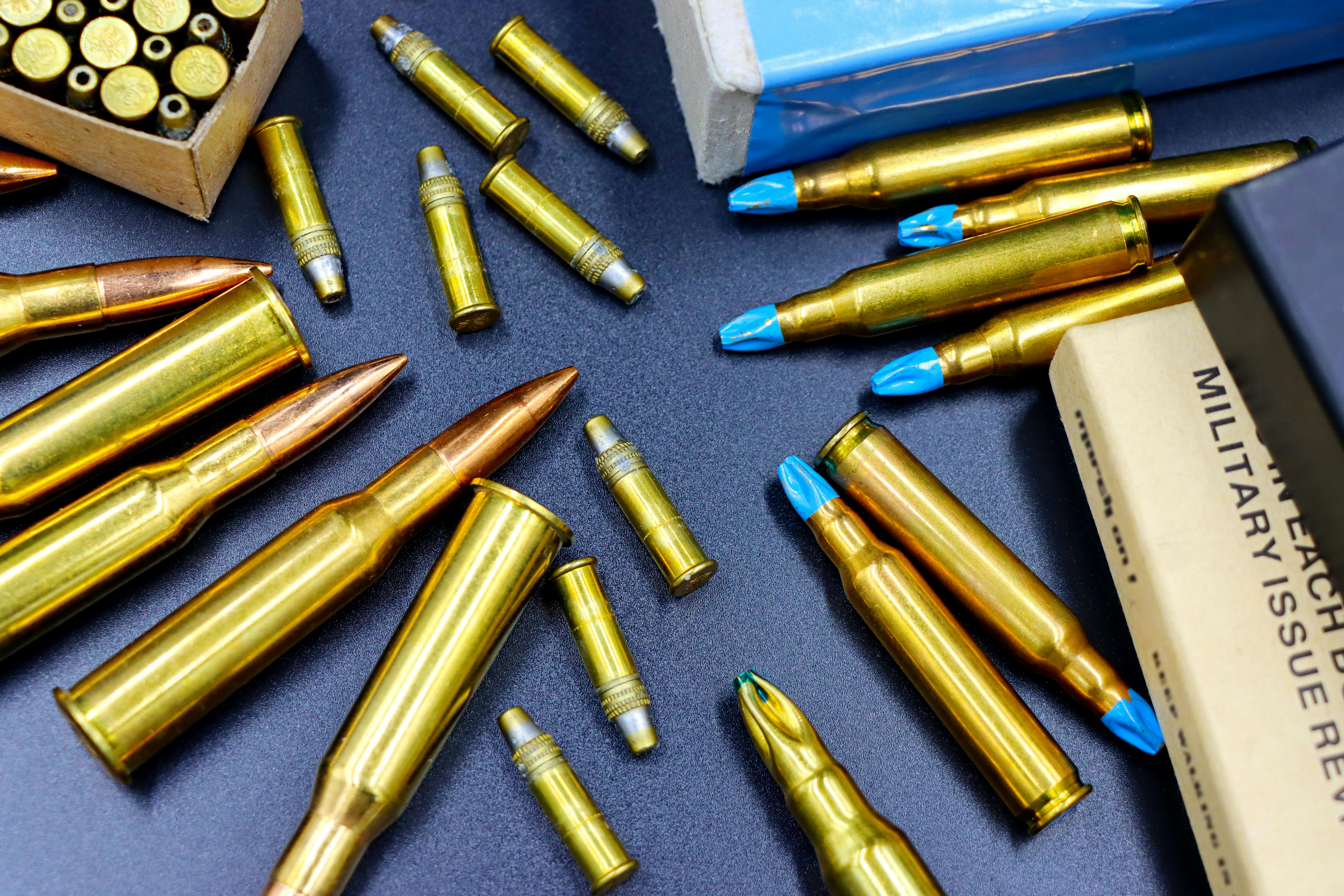
Alaska’s remoteness influences more than the hunt itself. It can also affect what ammunition hunters are comfortable relying on. In places where selection may be limited and resupply is not effortless, familiar, widely supported cartridges hold an appeal that goes beyond nostalgia.
That is why many Alaska hunters stick with calibers that have broad availability, proven loads, and a reputation for working on local game. Exotic chamberings may be interesting, but they can become a headache when travel plans change or stores do not have what you need. In the Lower 48, experimenting can be easier. In Alaska, practicality often wins.
Follow-up shots matter more than many outsiders realize
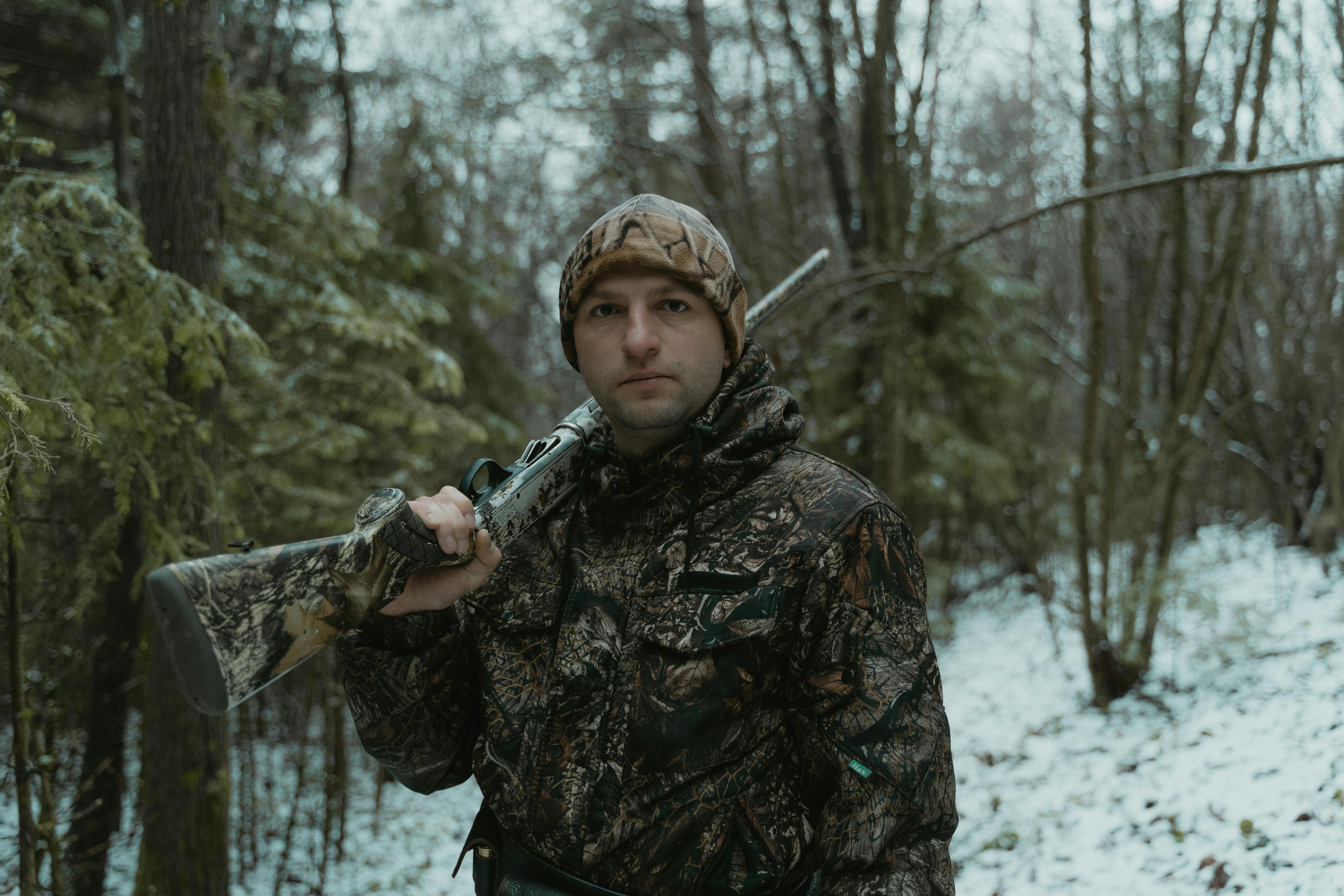
The image of one clean, calm shot does not always match Alaska reality. Animals may be moving, angles may be imperfect, and terrain can turn recovery into a major challenge if game travels into water, thick brush, or steep country. Hunters often want a rifle they can run quickly and confidently if a second shot is needed.
That does not mean spraying rounds or ignoring shot discipline. It means respecting how fast conditions can deteriorate after the trigger breaks. In much of the Lower 48, the pressure for immediate follow-up may feel lower on average. In Alaska, rifle handling after the first shot is part of the selection process.