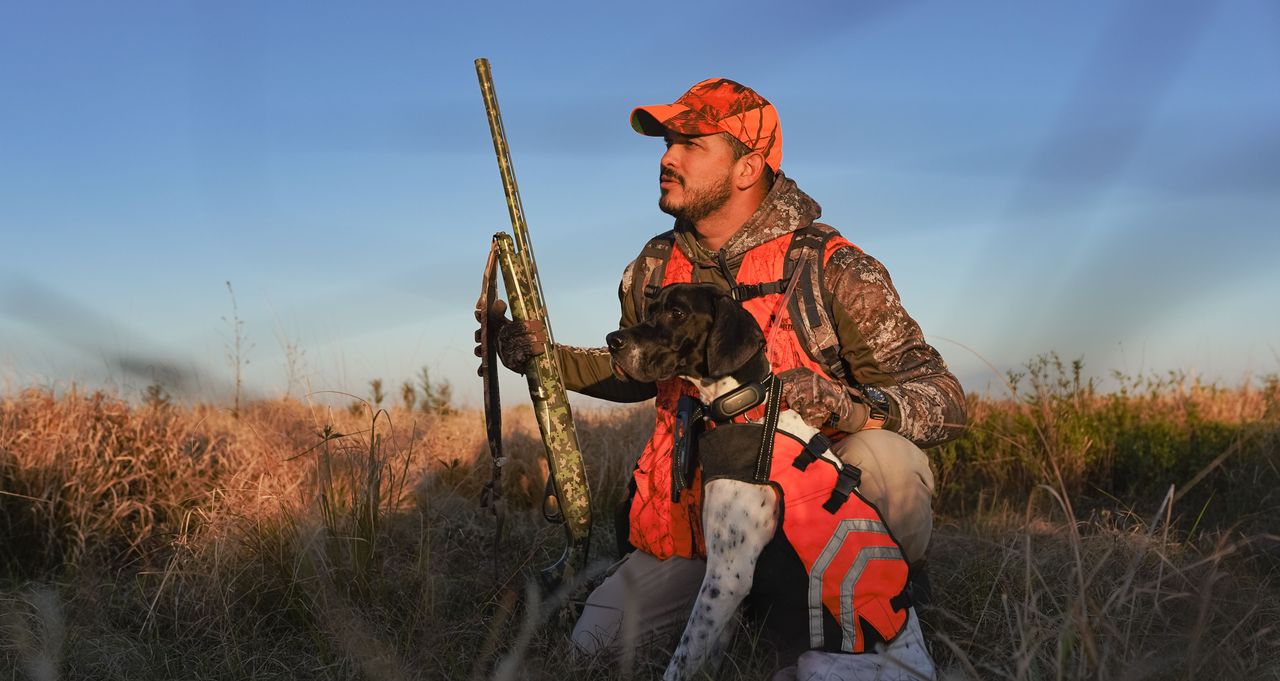
Ask enough upland hunters what dog they trust in wild birds, and the conversation quickly moves beyond the usual marketing favorites. This gallery highlights nine breeds that experienced hands say deliver steadier noses, better range control, and more practical versatility in the field. These are not trendy picks. They are the dogs hunters keep recommending after long seasons in tough cover.
Deutsch-Drahthaar
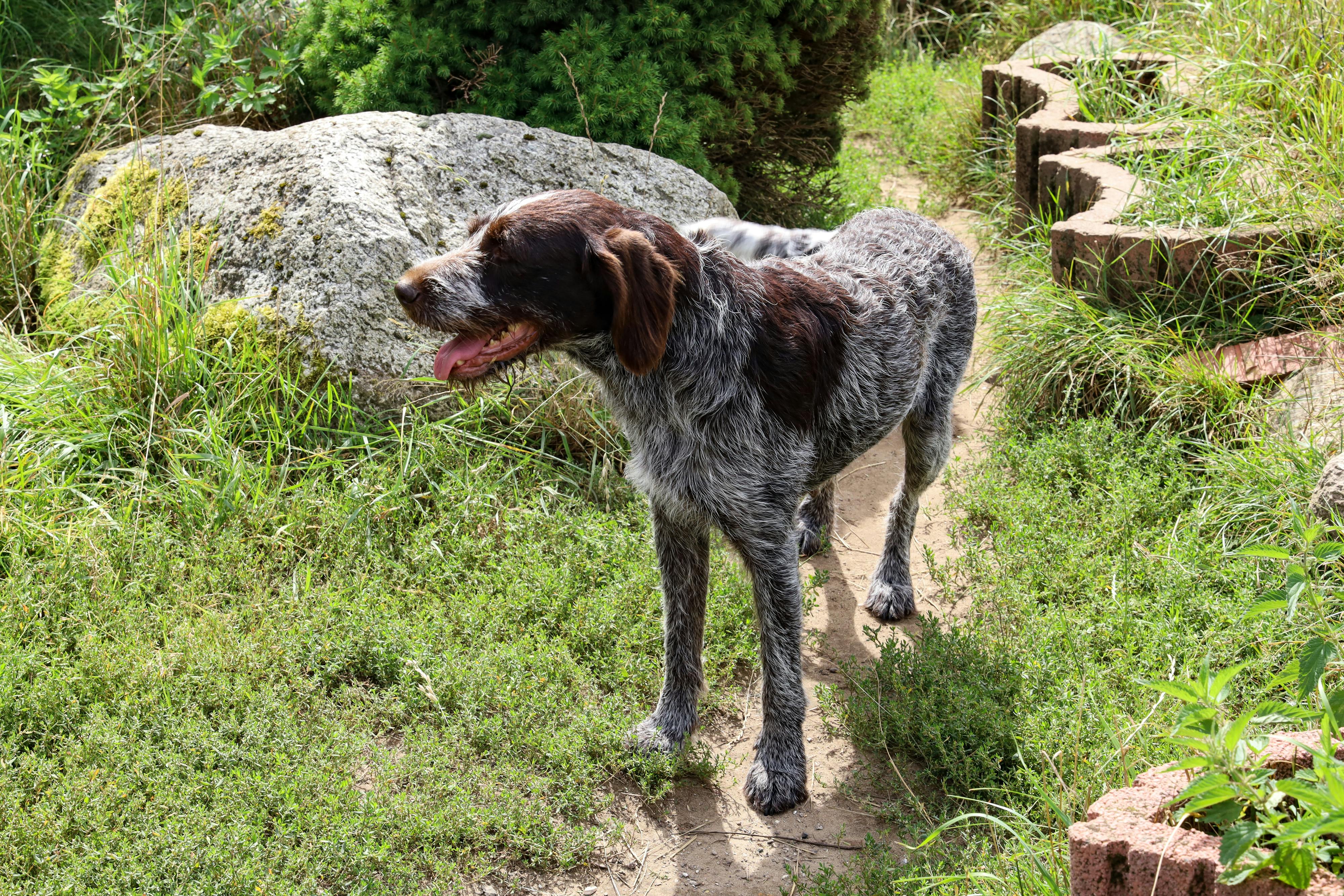
Among serious upland hunters, the Deutsch-Drahthaar has a reputation for being less a fashion statement and more a working system. Fans love the breed’s toughness, sharp nose, and willingness to handle rough cover, cold water, and long days without much fuss. It is the kind of dog people mention when they want one partner to do nearly everything well.
Part of that respect comes from strict breeding standards that emphasize performance over looks. Hunters often say the result is a dog with real grit, strong cooperation, and enough versatility to move from pheasants to grouse to ducks in the same season. For people who value function first, that practical edge can feel hard to beat.
Brittany
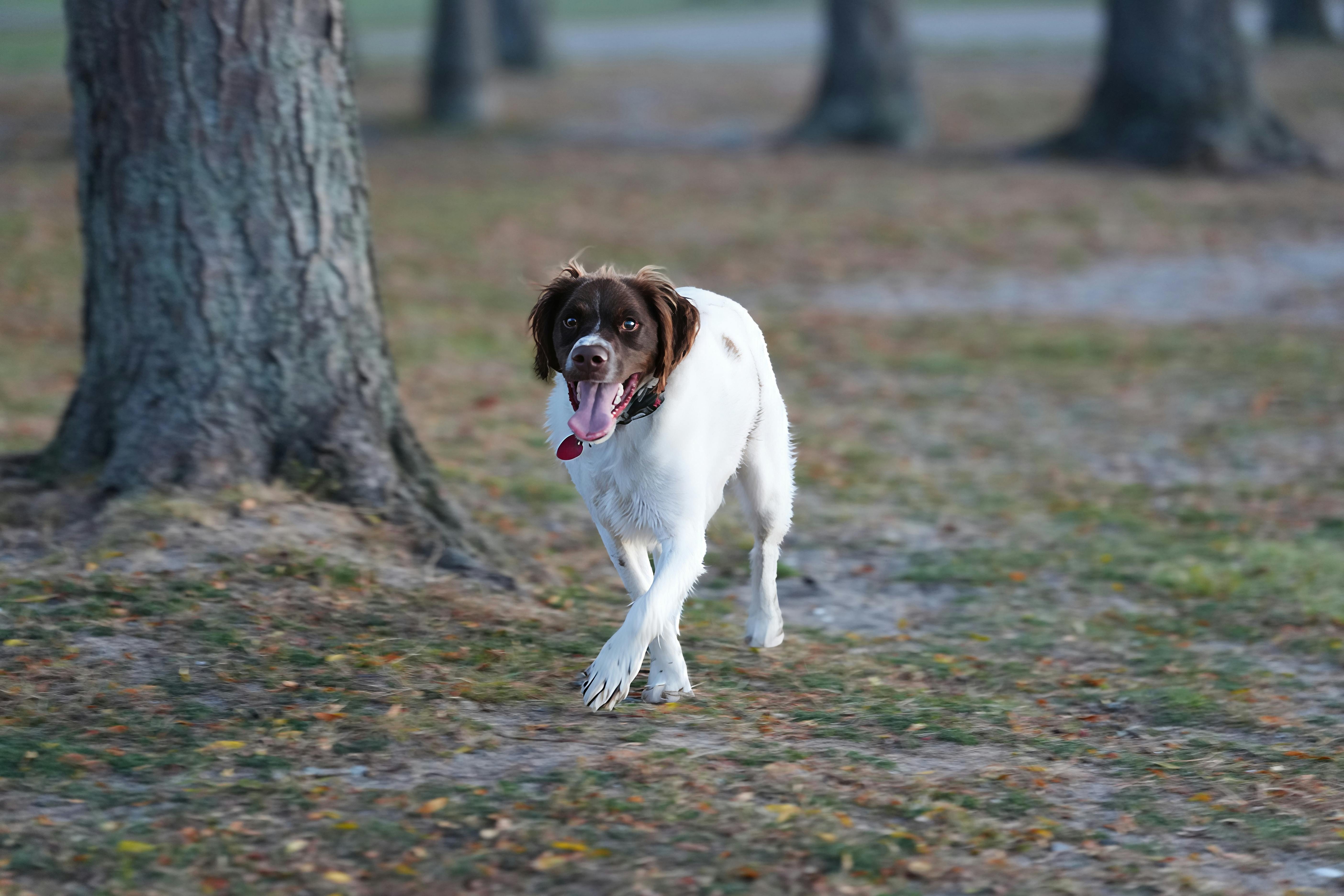
The Brittany gets overlooked in some circles because its compact size can make people underestimate it. Experienced upland hunters tend to know better. They praise the breed’s combination of speed, bird sense, and natural responsiveness, especially for hunters who want a stylish dog that can cover ground without disappearing over the horizon.
A good Brittany often feels easy to live with and easy to hunt behind, which matters more than many glossy breed rankings admit. In grouse woods, pheasant country, or quail cover, the breed’s agility and manageable range win loyal followers. Hunters who walk big miles appreciate a dog that hunts hard, turns with them naturally, and still has gas late in the day.
Wirehaired Pointing Griffon
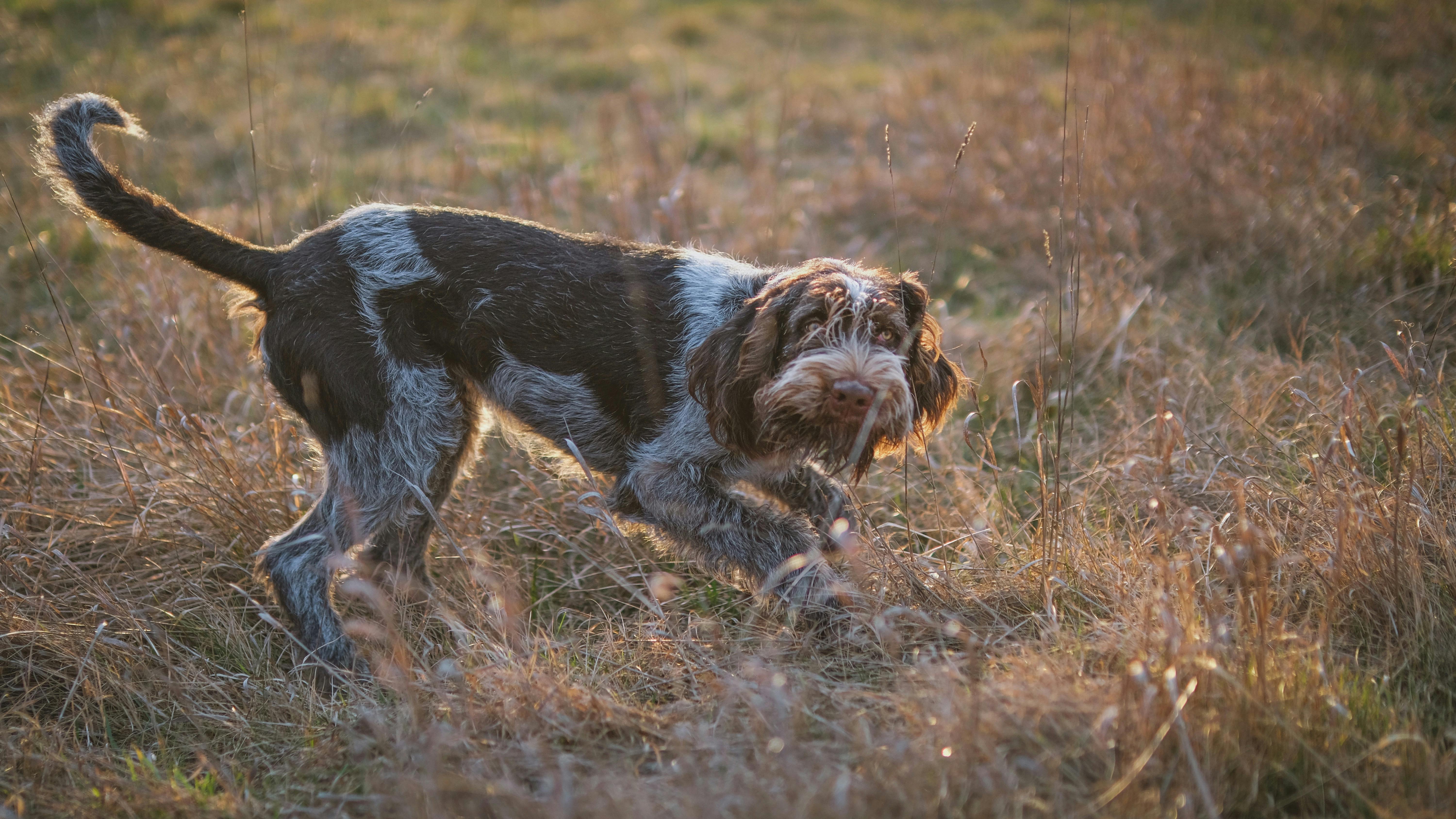
The Wirehaired Pointing Griffon has long been a favorite among hunters who care more about consistency than hype. It is often described as a close-working, highly cooperative bird dog with a rugged coat made for ugly weather and punishing cover. That combination gives it a devoted following among people who hunt often and train with a practical mindset.
What sets the breed apart is how comfortable it can be in mixed duty. Hunters appreciate a dog that points reliably, retrieves willingly, and stays mentally connected in the field. In heavy grass, cattails, and brushy edges, the griffon’s methodical style can mean fewer blown birds and more controlled, productive hunts. That steadiness is exactly what many seasoned hunters value most.
Small Munsterlander
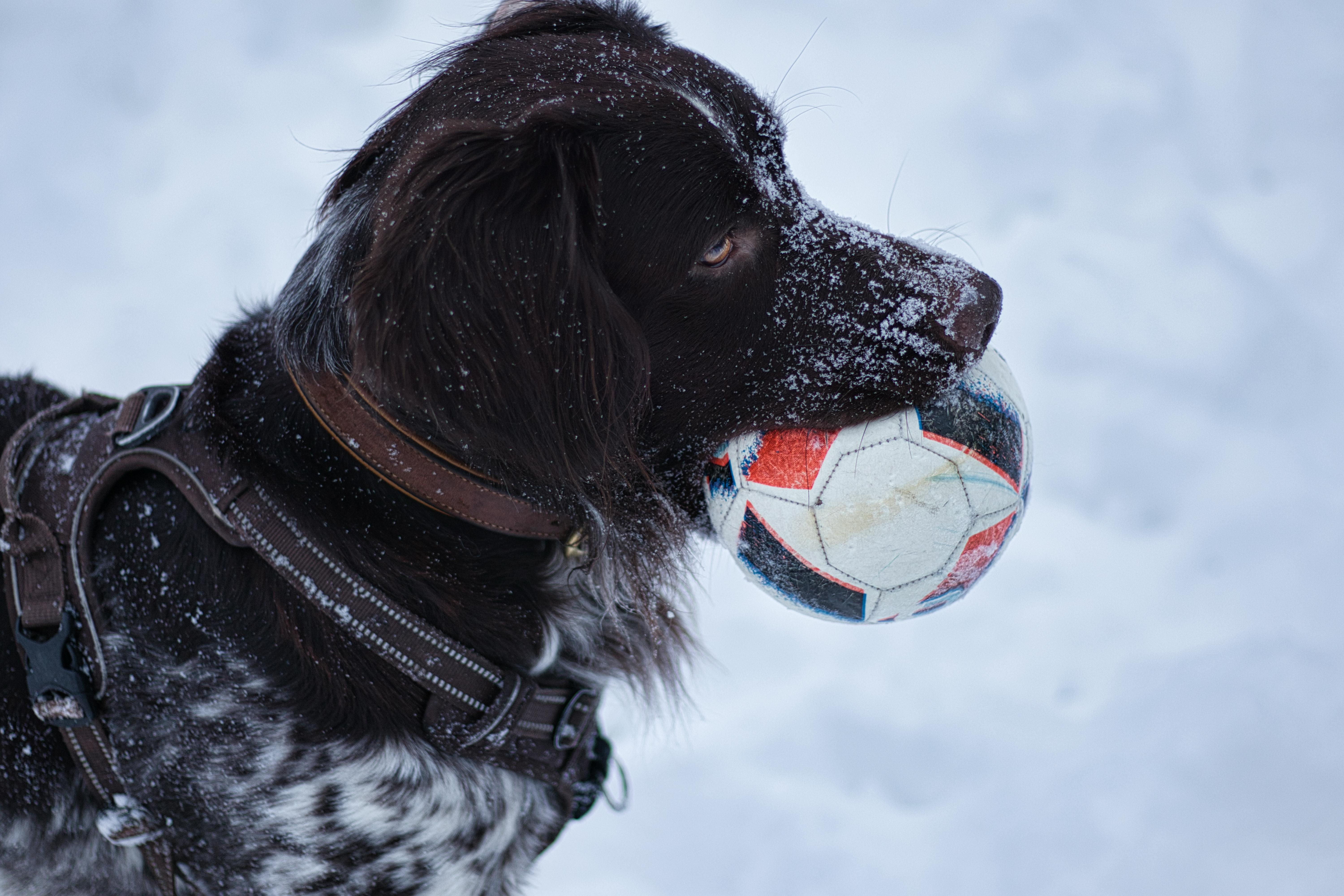
The Small Munsterlander rarely gets the same mainstream attention as more heavily promoted pointing breeds, but upland hunters who own one tend to become persistent evangelists. They talk about intelligence, teamwork, and a natural versatility that feels tailor-made for real hunting rather than breed marketing. It is a thoughtful dog, but one with plenty of desire.
In the field, admirers say the breed balances range and control in a way that suits many foot hunters. It can point, track, and retrieve with real purpose, making it especially appealing to people who chase mixed game across changing terrain. For hunters who want polish without sacrificing heart, the Small Munsterlander often feels like a remarkably complete package.
English Setter

The English Setter is hardly unknown, yet many experienced upland hunters still think it deserves more respect than it gets in modern breed chatter. At its best, this is a bird-finding specialist with a fluid gait, a sensitive nose, and the kind of effortless grace that seems built for big country and wild coveys.
Hunters who favor setters often describe them as artists with practical value. They can float through cover, locate birds at impressive distance, and hold stylish points that make a hunt memorable. In ruffed grouse covers, prairie bird country, and open quail habitat, a well-bred setter can be both exciting and highly effective. The breed’s subtle brilliance is easy to miss until you follow a truly good one.
Boykin Spaniel

The Boykin Spaniel is often discussed as a regional favorite, but plenty of seasoned hunters think that sells the breed short. In the uplands, Boykins earn praise for enthusiasm, trainability, and a compact, energetic style that works especially well for hunters who like a flushing dog with strong retrieving instincts.
Their appeal is practical. They fit comfortably in smaller homes or trucks, handle a variety of game, and bring a cheerful work ethic that makes them enjoyable partners. In thick cover for woodcock, pheasants, or mixed-bag days, the Boykin’s persistence can be a real asset. Hunters who want one dog that feels equally happy in the dove field, marsh, and briars often end up swearing by them.
Gordon Setter

The Gordon Setter does not always get the same glossy attention as flashier upland breeds, but veteran hunters often admire its substance. This is a dog people associate with stamina, nose, and a more deliberate hunting style that can shine when birds are spooky and conditions are difficult. It is not about theatrics. It is about results.
Supporters say Gordons excel for hunters who appreciate patience and power over frantic pace. In tougher weather or heavier cover, that composed approach can pay off with fewer mistakes and steadier bird work. The breed also tends to appeal to those who want a dog with presence at home and seriousness in the field. For the right hunter, that balance feels deeply underrated.
Field-Bred English Cocker Spaniel
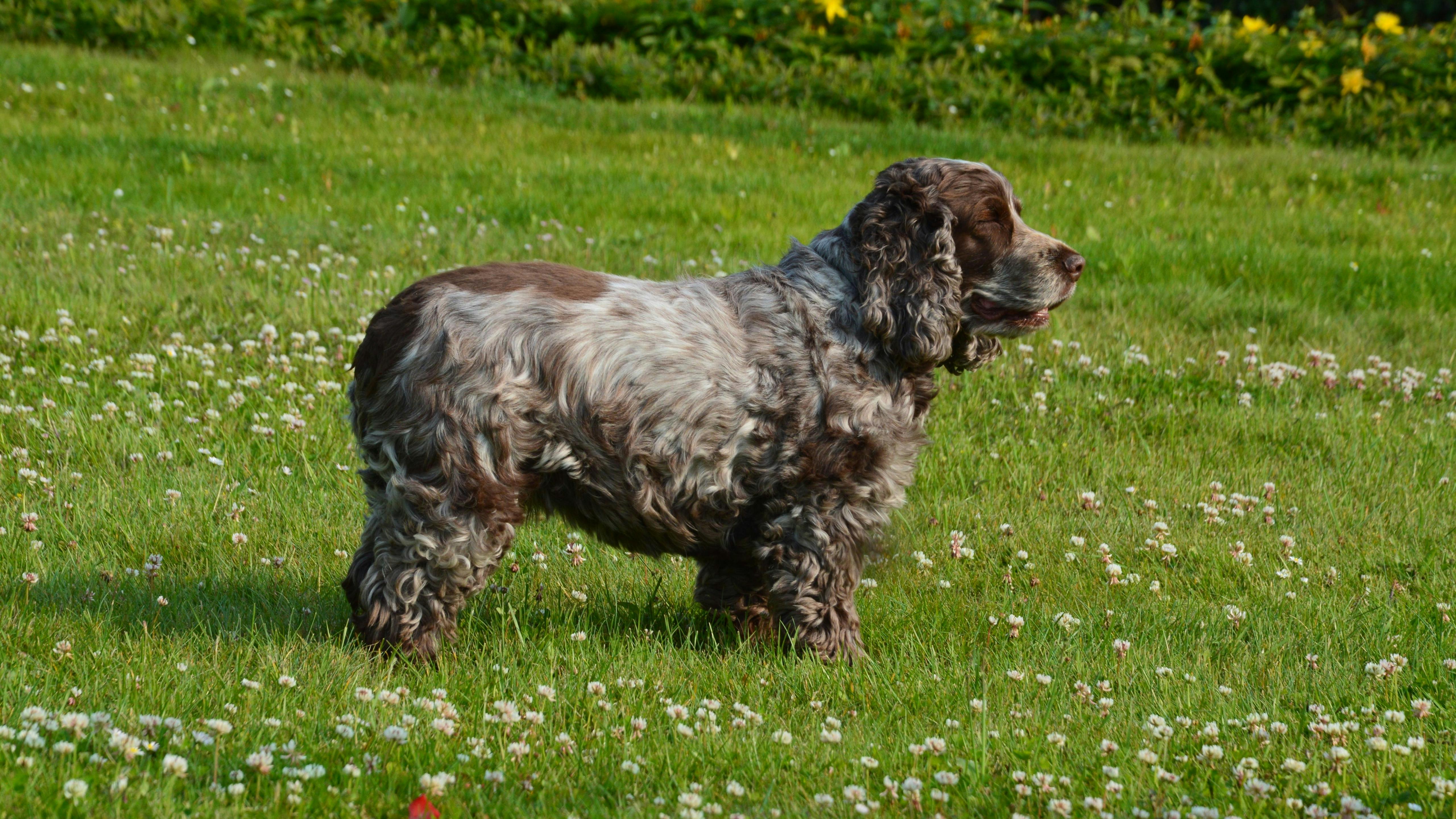
The field-bred English Cocker Spaniel is one of those dogs that surprises people who have only seen the breed outside hunting circles. Upland veterans know these compact flushers can be relentless, stylish, and remarkably effective in tight cover. They hunt with visible joy, but there is real precision under all that animation.
For woodcock, grouse, and pheasants in dense habitat, many hunters love how a good cocker stays in gun range and keeps birds moving. The breed’s size is also a practical advantage where brambles, alder runs, and thick edges punish larger dogs. Hunters who value close teamwork often come away impressed by just how much drive and bird sense can fit into such a small package.
Llewellin Setter

To some hunters, the Llewellin Setter represents everything they wish more modern bird dog conversations remembered. It is prized for nose, grace, and a classic upland style that feels especially at home on wild birds. People who love the line often speak about it with unusual devotion, and not just because it looks beautiful in motion.
In practical terms, admirers say Llewellins combine forward drive with an intuitive connection to the hunter. That can make them excellent choices for quail, grouse, and prairie birds where both range and judgment matter. They are often described as dogs that hunt for you rather than simply hunting near you. For many seasoned upland hands, that distinction is the whole point.