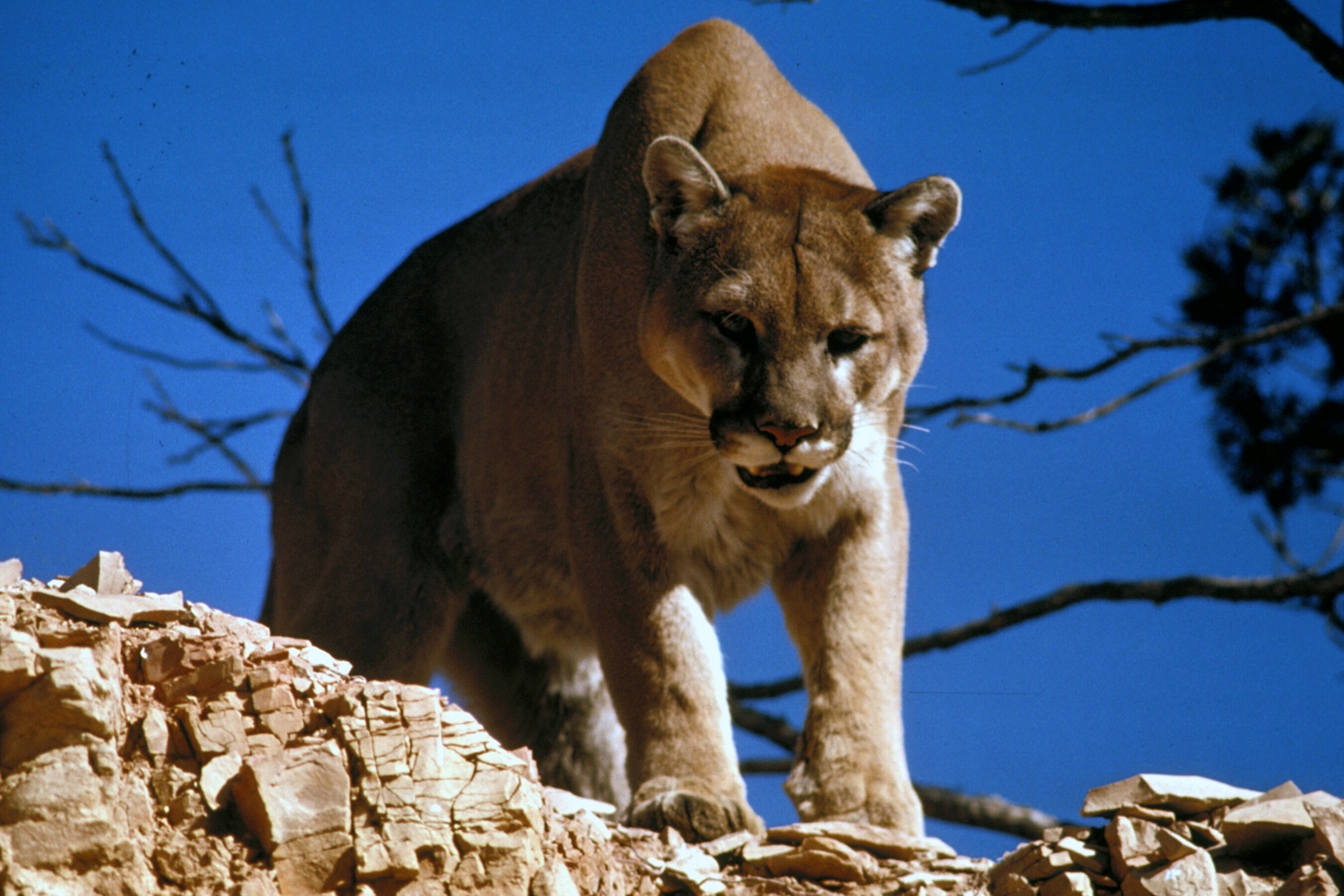
Exploring the outdoors brings incredible joy and adventure to enthusiastic hikers. Encountering the five most dangerous animals in North America nobody warns about quickly turns a peaceful hike into a frightening medical emergency. People naturally worry about massive bears and large mountain lions while completely ignoring smaller woodland creatures. These unexpected wildlife threats hide in plain sight across popular national parks and suburban backyards alike. Understanding animal behavior remains the absolute best way to stay completely safe outside. Learning how to identify these specific overlooked species prevents terrible accidents during exciting summer camping trips and weekend wilderness excursions.
The Territorial Whitetail Deer
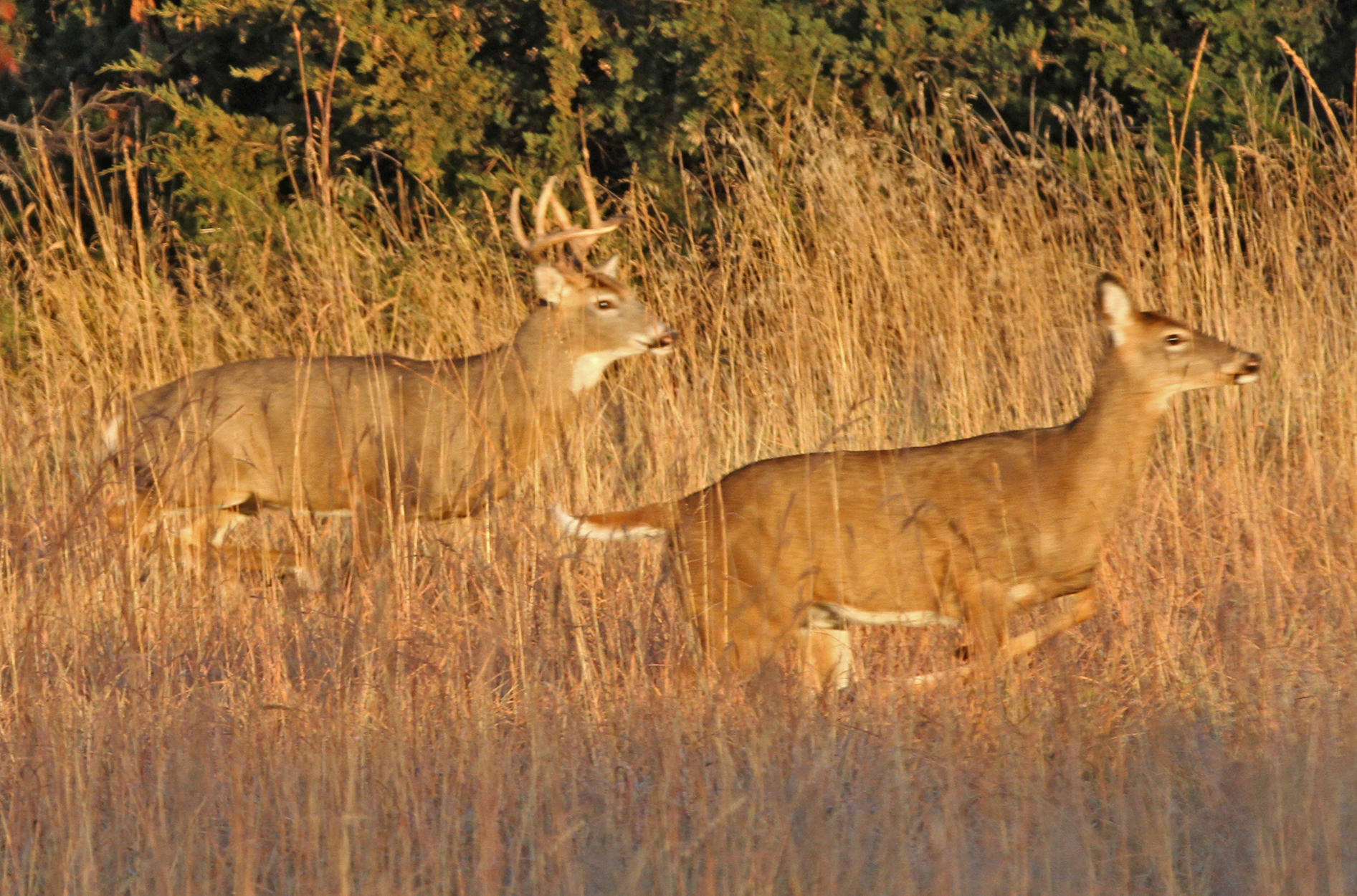
Graceful deer appear incredibly peaceful while gently grazing across open green meadows and rural farm pastures. Most nature lovers happily photograph these beautiful herbivores without realizing the extreme physical danger they present. Large male bucks become highly aggressive and extremely territorial during the busy autumn mating season. A heavy buck possesses sharp antlers and powerful hooves capable of inflicting severe human injuries instantly. Frightened deer also cause thousands of catastrophic vehicle collisions when they suddenly dart across dark rural highways. Maintaining a respectful distance from these common animals guarantees a much safer experience for everyone exploring nature today.
The Aggressive Raccoon
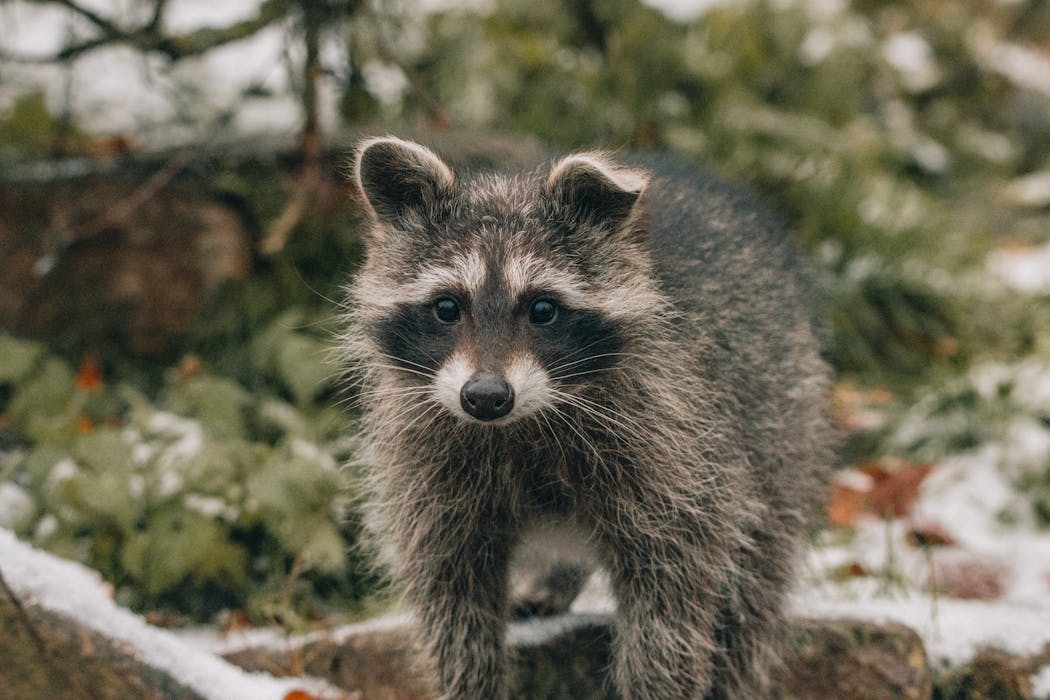
Suburban homeowners frequently discover clever raccoons rummaging through their secured garbage cans late at night. These masked foragers look incredibly cute and often approach residential porches searching for leftover pet food. A frightened raccoon cornered inside a dark garage instantly transforms into a highly vicious fighter. Their surprisingly sharp teeth and powerful curved claws easily penetrate thick denim clothing during sudden panic attacks. Raccoons frequently carry several highly dangerous diseases including rabies and incredibly contagious roundworm parasites. Keeping outdoor trash bins tightly sealed entirely prevents dangerous close encounters with these remarkably bold and fierce neighborhood survivalists altogether.
The Tiny Deer Tick
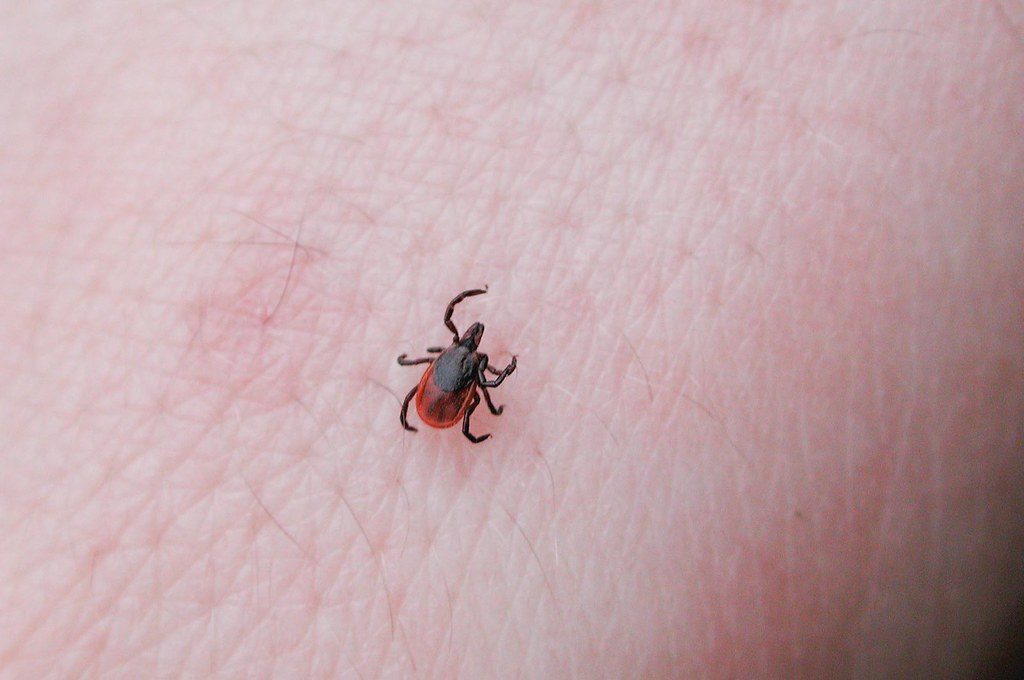
Microscopic parasites create far more medical emergencies than terrifying large predators roaming deep inside the dense wilderness. Ticks silently attach themselves to human skin as casual hikers brush against tall grass while walking down narrow woodland trails. These tiny arachnids carry several devastating illnesses including Lyme disease and the dangerous Rocky Mountain spotted fever. An infected bite often goes completely unnoticed until severe flu symptoms strike the victim several days later. Ignoring these early warning signs eventually leads to chronic joint pain and permanent neurological damage. Wearing protective clothing remains the absolute most effective defense against invisible forest threats.
The Domestic Farm Cow

Walking across private agricultural land frequently exposes casual outdoor adventurers to extremely dangerous domestic livestock herds. Many hikers wrongly assume that heavy cows always behave like gentle pets while grazing peacefully throughout open green pastures. A fiercely protective mother cow naturally views unfamiliar humans as deadly predators attempting to harm her vulnerable young calves. These massive animals weigh over 1,000 pounds and run surprisingly fast when feeling threatened by strange loud noises. A sudden livestock stampede easily crushes anyone unable to climb a sturdy wooden fence quickly. Always respect farm boundaries and avoid walking directly through active cattle herds.
The Venomous Copperhead Snake
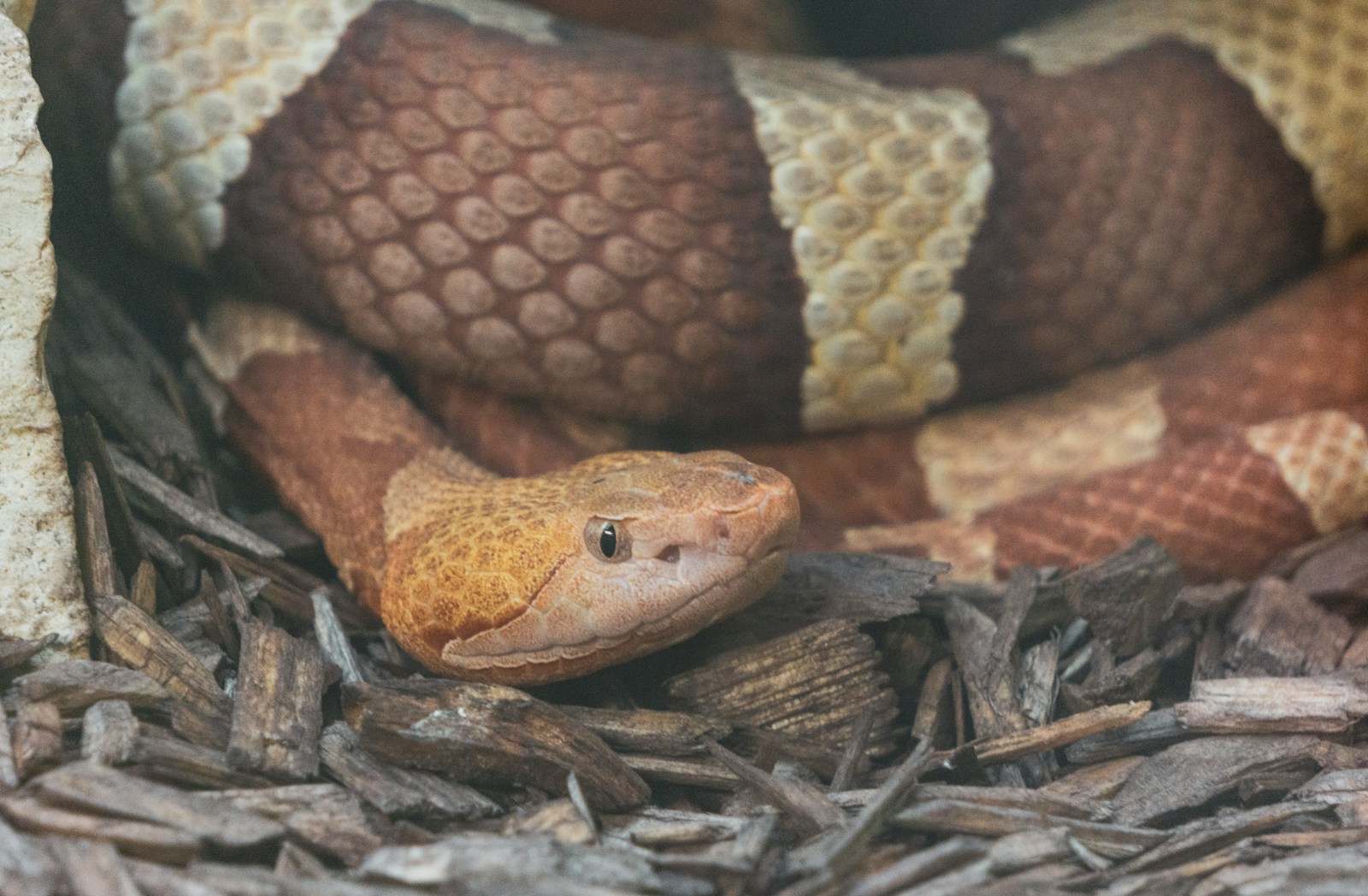
Camouflaged reptiles blend perfectly into dry autumn leaves and rocky outcrops found across popular eastern hiking trails. Venomous copperhead snakes rely entirely upon their incredible natural disguise to ambush small prey and avoid larger predators. Casual walkers frequently step directly onto resting snakes because they never scan the ground ahead carefully. A startled copperhead strikes with blinding speed and injects highly toxic venom deeply into exposed human ankle tissue. Surviving these painful defensive attacks requires immediate professional medical intervention and expensive antivenom treatments. Wearing heavy hiking boots protects lower legs from unexpected sharp fangs hiding silently inside thick brush.