The federal government has made one of its biggest recent moves to expand hunting access on public lands. The finalized 2026 rule adds 1,488 new hunting and sport-fishing opportunities across 32 states and affects 111 U.S. Fish and Wildlife Service field stations. More than 92 million acres of National Wildlife Refuge System land are now available for hunting. The changes do not mean every refuge is completely open. Instead, individual sites are gaining new species, areas, seasons, or methods under detailed conservation plans. Here are 9 states where the expansion is especially notable.
1. Louisiana
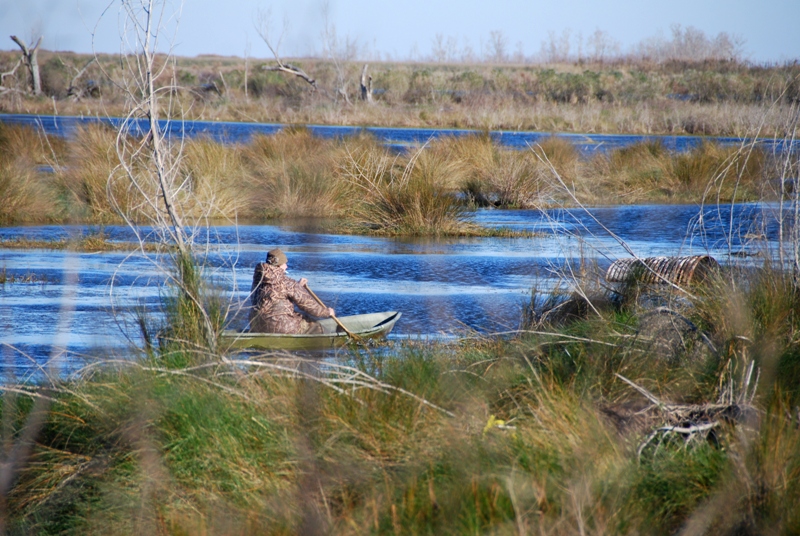
The final rule reaches 32 states, but Louisiana stands out for the Gulf Coast refuges touched by the 2026-27 access cycle. At Big Branch Marsh, Bogue Chitto, Cat Island and Delta, federal hunting plans and compatibility reviews were updated. These wetlands hold deer, waterfowl, and other game in habitats where access can be tightly managed. The change is not a blanket opening of every acre. Instead, it adjusts specific hunting opportunities under refuge rules, giving Louisiana hunters more places to work within established seasons and conservation limits.
2. Minnesota
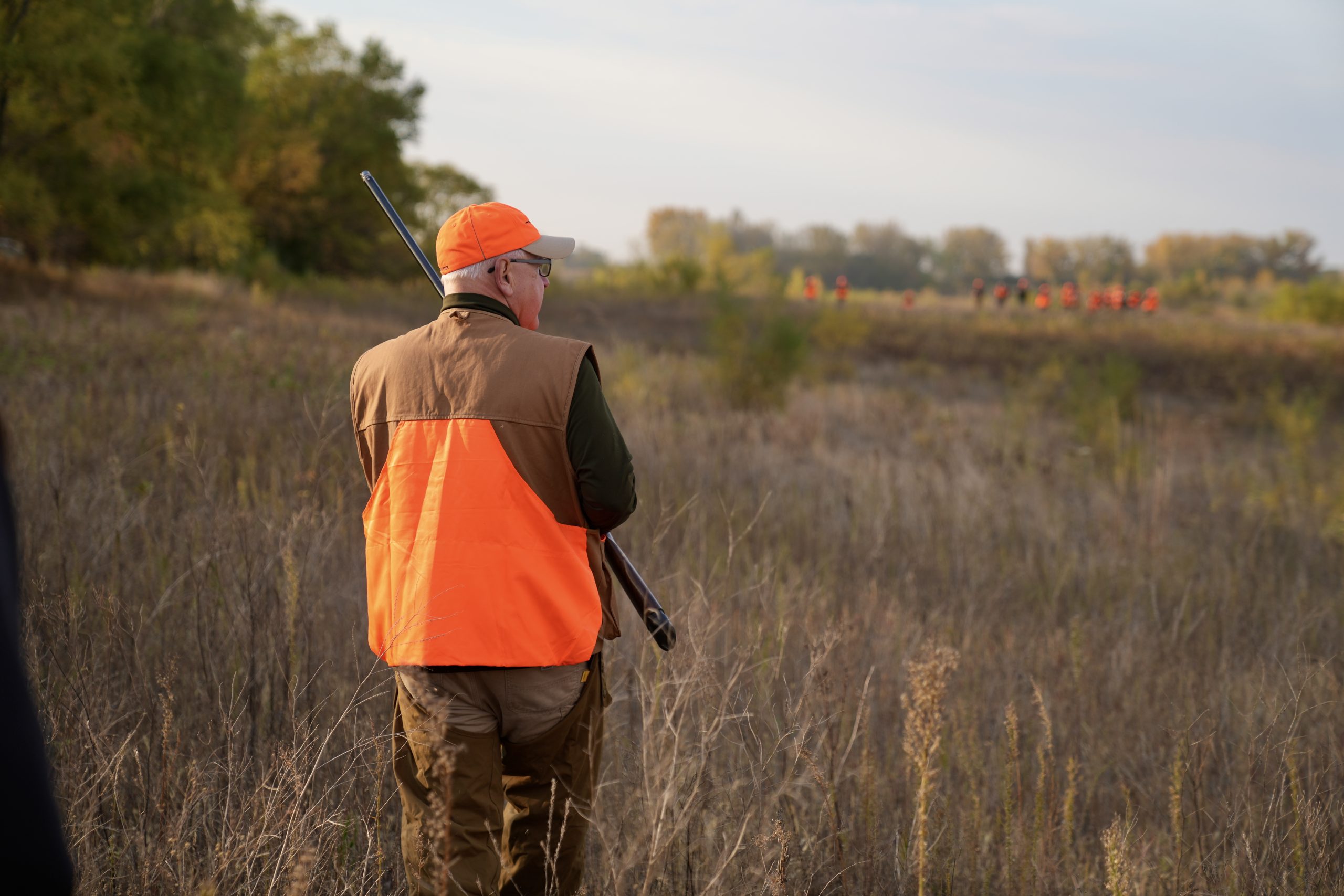
Minnesota is part of the expansion through refuge complexes including Big Stone and other stations receiving 2026-27 hunt and fish compliance work. The value is variety: prairie wetlands, river corridors, and mixed habitat can support different game opportunities. Federal officials say the national rule adds or expands opportunities while aligning refuge regulations more closely with state wildlife rules. For Minnesota hunters, that can mean clearer access conditions, although each refuge still has its own boundaries, seasons, methods, and safety requirements.
3. Oregon
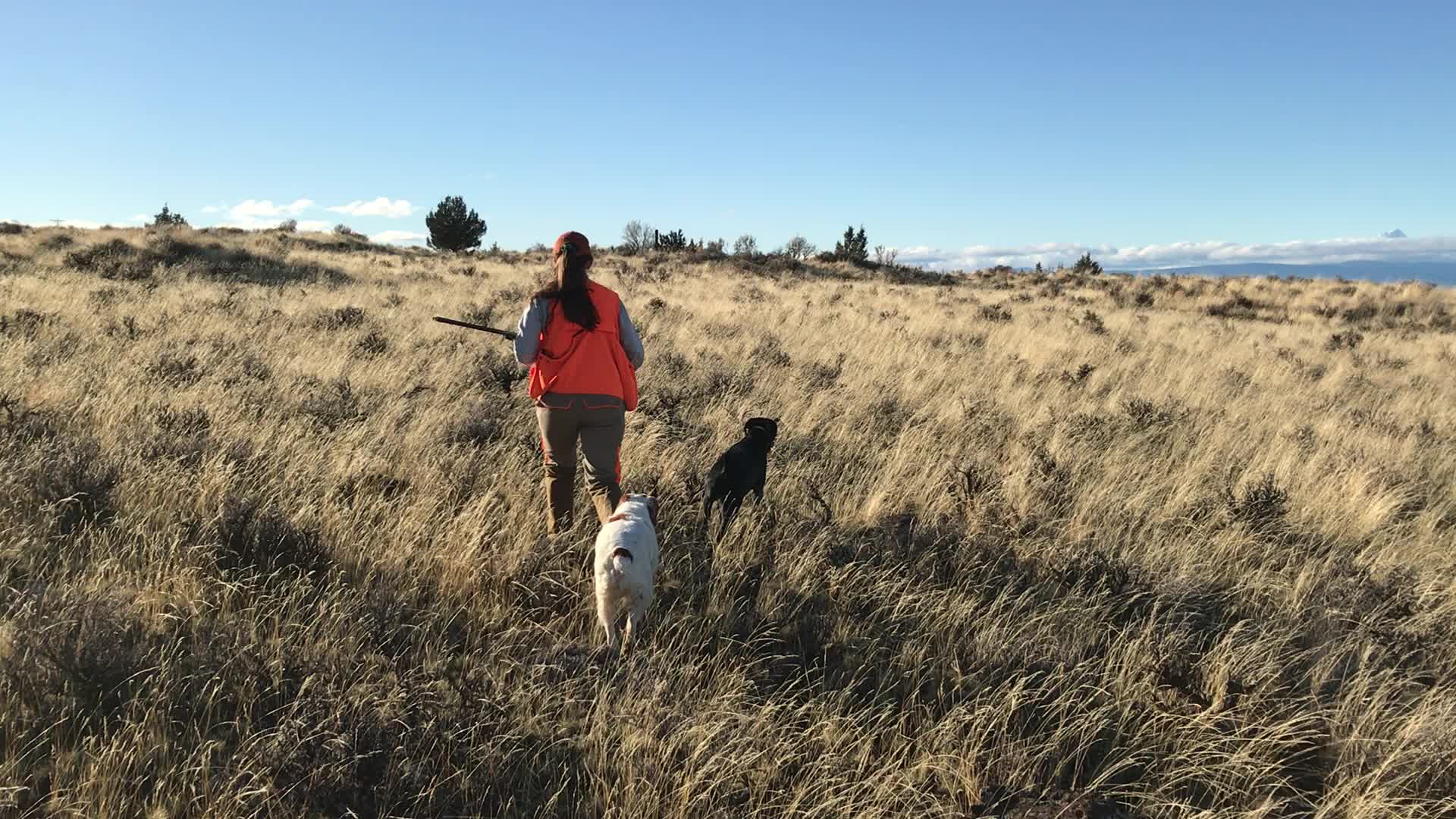
Oregon gains attention because the 2026-27 program includes Malheur, Tualatin River, Umatilla, Turnbull, and Upper Klamath in the federal hunting review process. These areas represent different landscapes, from high desert wetlands to river and basin habitat. The rule allows additional hunting where compatible with refuge purposes, while station plans determine the details. Hunters should not assume every refuge suddenly becomes open statewide. The benefit is targeted access, updated regulations, and clearer opportunities at individual federal sites.
4. Virginia
Virginia is another important piece of the expansion, with hunting reviews covering Great Dismal Swamp, Chincoteague, Wallops Island, Eastern Shore, and James River. These refuges protect coastal marshes, forests, and wetlands that can support multiple game species. The 2026-27 changes use station-specific plans and compatibility determinations, so access can differ from one refuge to another. For hunters, the gain is more federal ground being managed for compatible hunting, with rules designed to work more closely with Virginia’s wildlife framework.
5. Michigan
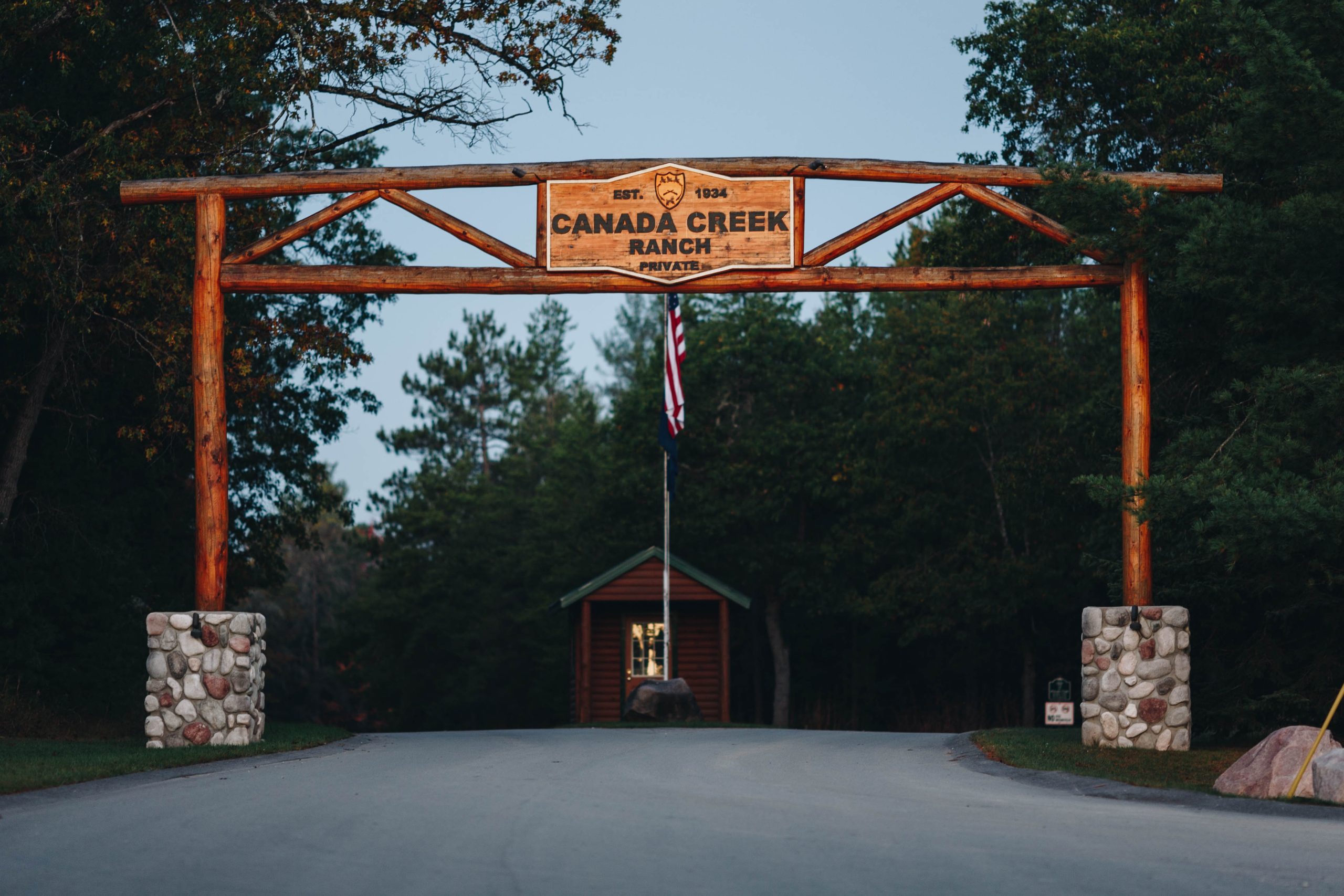
Michigan’s expansion includes Shiawassee National Wildlife Refuge, Ottawa National Wildlife Refuge and Pendills Creek National Fish Hatchery. That combination shows the access push is not limited to famous big-game destinations. Wetlands, river systems,s and managed federal properties can add hunting or related outdoor opportunities when conservation requirements allow them. The 2026 rule also makes more than 1,000 regulatory modifications nationwide, aiming to reduce outdated or overlapping provisions. Michigan hunters still need to check exact refuge rules before planning a trip.
6. MainDamaged
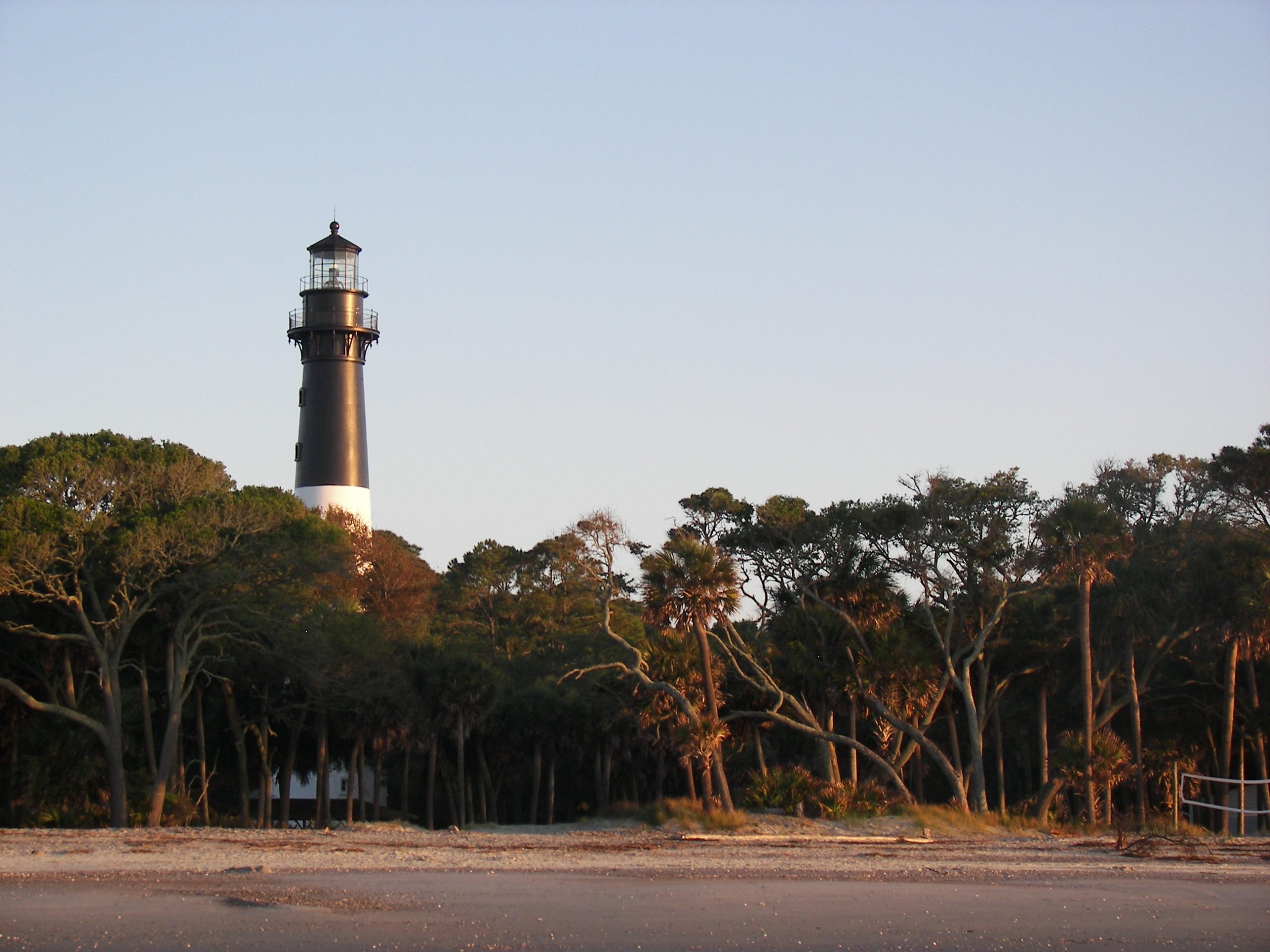
Maine appears through federal hatchery properties as well as refuge planning. Craig Brook and Green Lake National Fish Hatcheries received 2026 compliance documents connected with new or expanded hunting and fishing programs. Hatchery land shows that the initiative is broader than traditional wildlife refuges. Where an opening is approved, hunters can gain another managed parcel, but state rules do not automatically cover every federal detail. Station plans, safety provisions, and compatibility requirements remain important parts of the access picture.
7. North Dakota
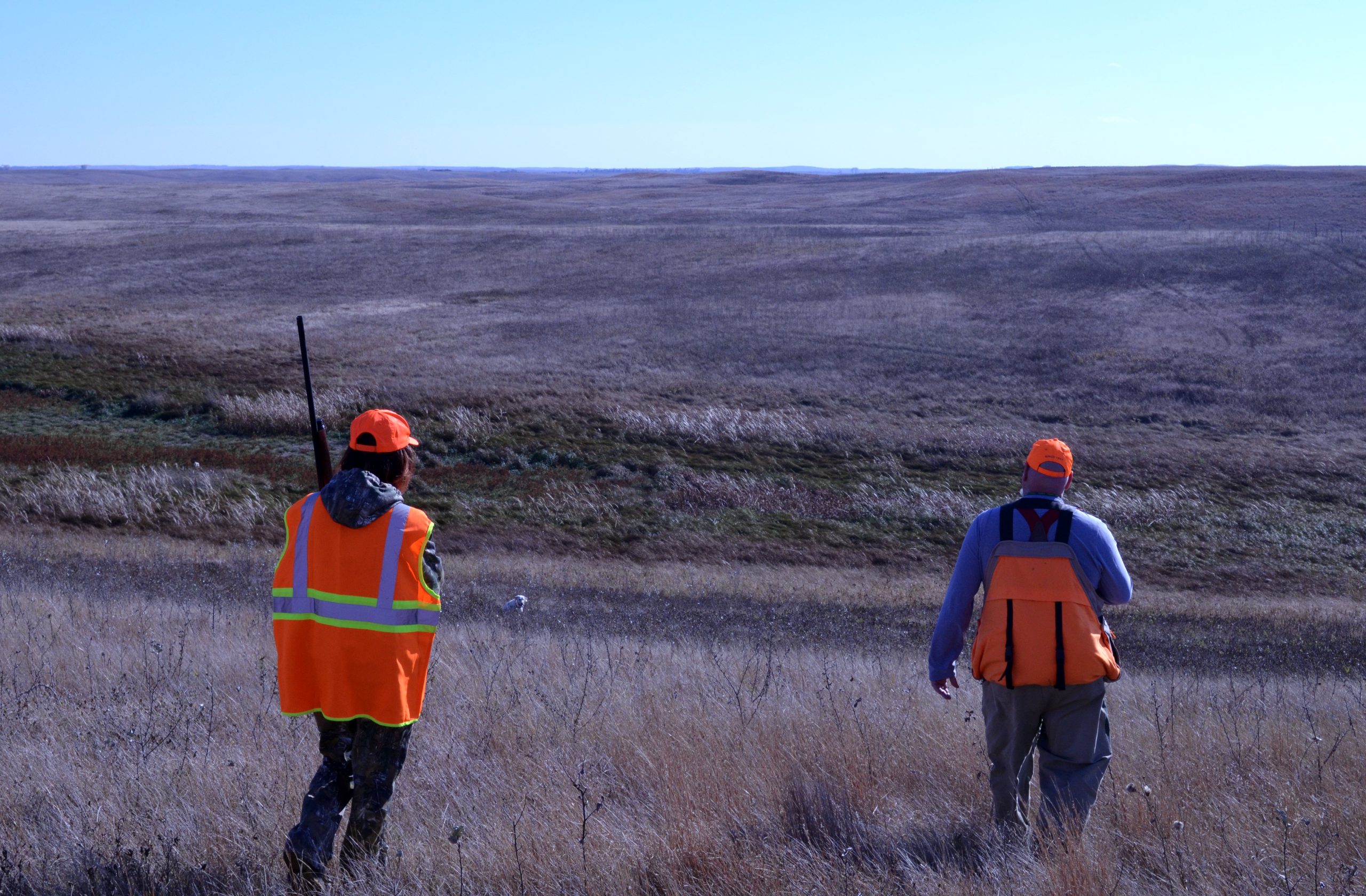
North Dakota benefits from changes involving Des Lacs, Lostwood, J. Clark Salyer, and Upper Souris. For a state known for public-land hunting, adding or refining federal opportunities can be meaningful because prairie wetlands and grasslands support waterfowl and upland game. The 2026-27 process includes station-specific hunt and fish documents and compatibility determinations. The expansion is measured rather than unrestricted. Hunters still need the refuge’s current map, species list, dates, and method-of-take rules before entering the field today.
8. New Mexico
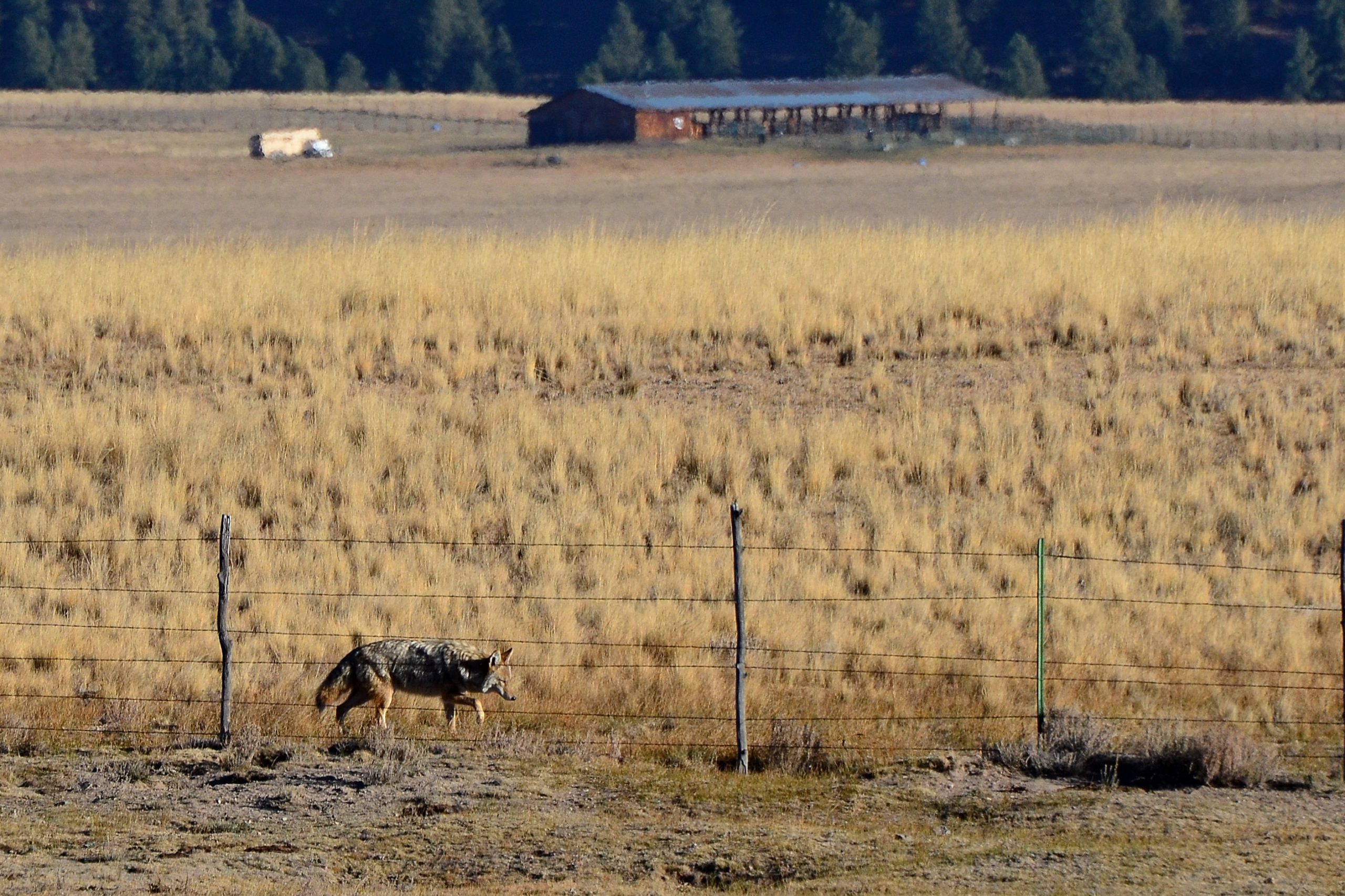
New Mexico is represented by Sevilleta National Wildlife Refuge, where the Service prepared a 2026 hunt plan and related environmental and compatibility documents. That process shows how a new or expanded federal hunting opportunity is established: the agency evaluates the activity, coordinates with state and tribal interests, and connects the hunt to the refuge’s conservation mission. Sevilleta gives New Mexico hunters another federal setting to watch as 2026-27 rules take effect, with access tied to specific species, areas, and approved methods.
9. Mississippi
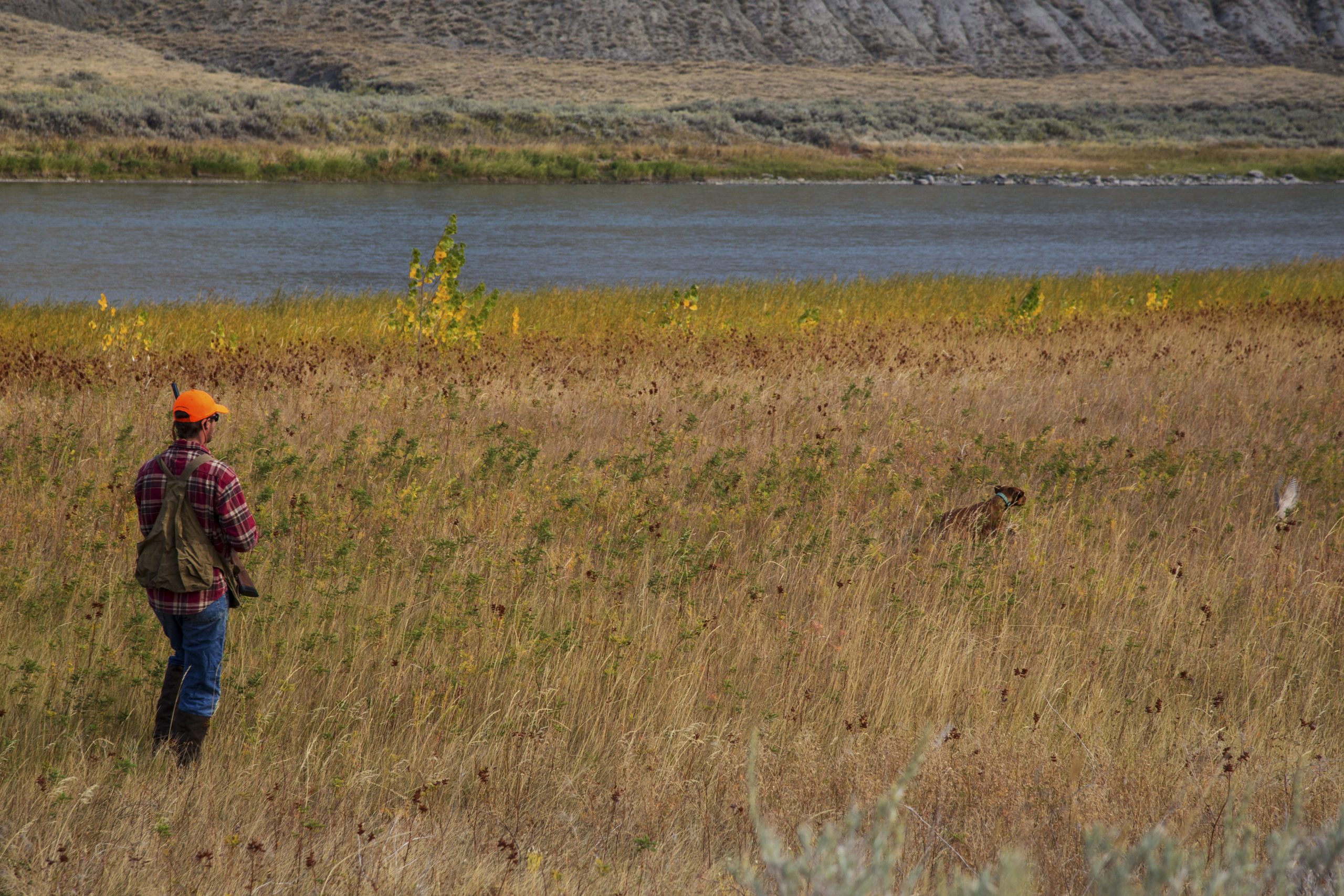
Mississippi figures into the expansion through federal refuge work, including Bogue Chitto, Panther Swamp, and Holt Collier. These bottomland forests, wetlands,s and river habitats can provide valuable hunting country while also serving wildlife conservation goals. The federal rule is designed to increase compatible hunting rather than remove all restrictions. Mississippi hunters therefore gain more potential federal opportunity, but the exact acreage, species, dates, and legal methods still depend on each refuge’s approved 2026-27 regulations this season.