German rifles occupy a fascinating corner of the sporting firearms world. Some are practical hunting tools, but others enter an entirely different category where premium materials, traditional craftsmanship, engineering, and personalization drive the price. A rifle can begin as a proven mechanical design and become a five-figure collector’s piece through custom wood, engraving and bespoke finishing. Here are 9 facts that explain why certain German rifles can command astonishing prices.
1. Mauser 98: The Blueprint That Became Luxury
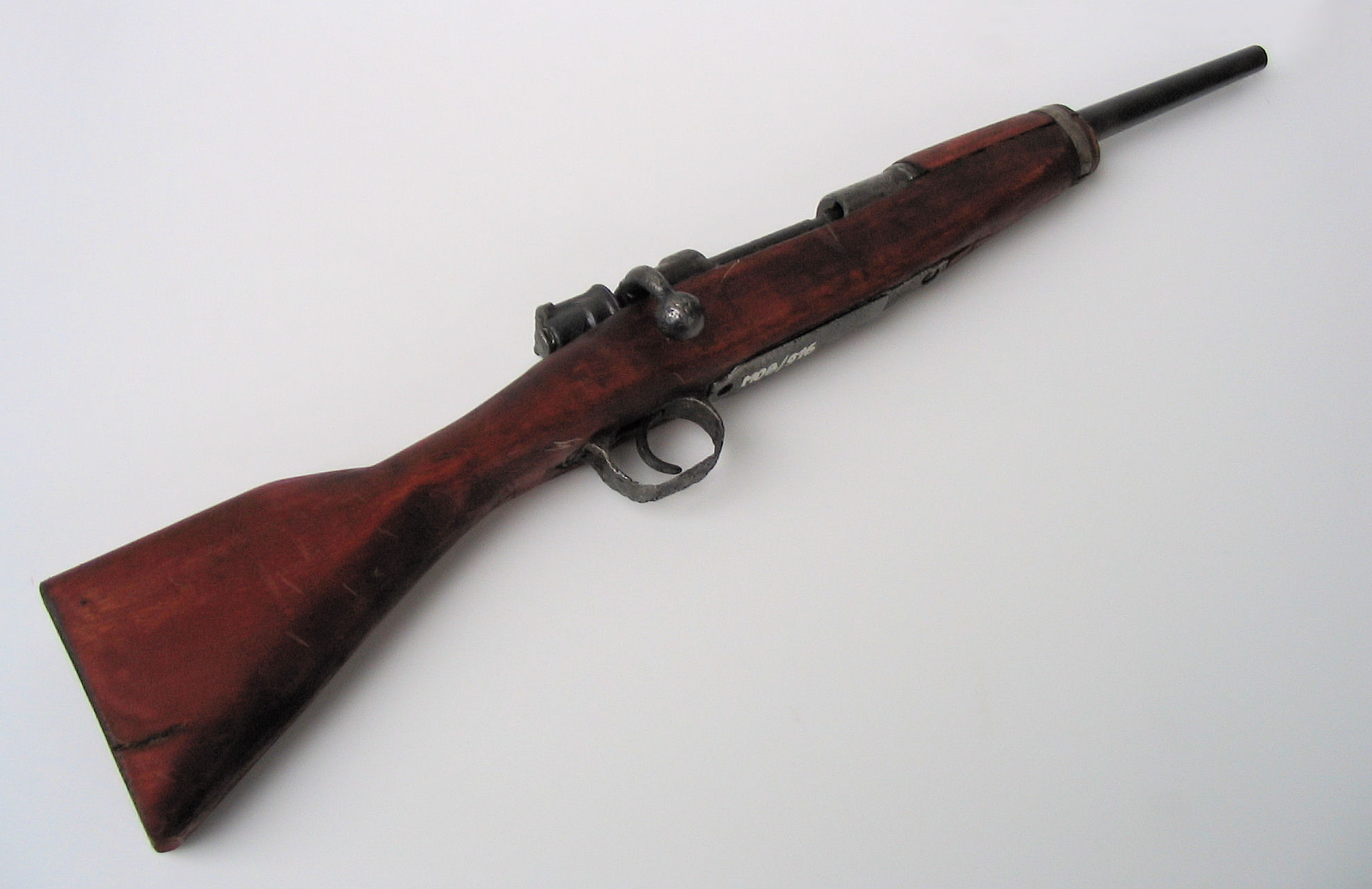
The Mauser 98 remains one of Germany’s most influential rifle designs, but modern versions can move far beyond ordinary sporting prices. The original action dates to 1898, while today’s premium M98 rifles can be built with select walnut, hand engraving and individually fitted metalwork. A plain hunting rifle may cost a few thousand euros, whereas elaborate M98 creations can climb into five-figure territory. That price reflects craftsmanship, rarity, and customization as much as mechanical heritage, especially for collectors seeking originality.
2. Blaser R8: A Rifle Built Around Modularity
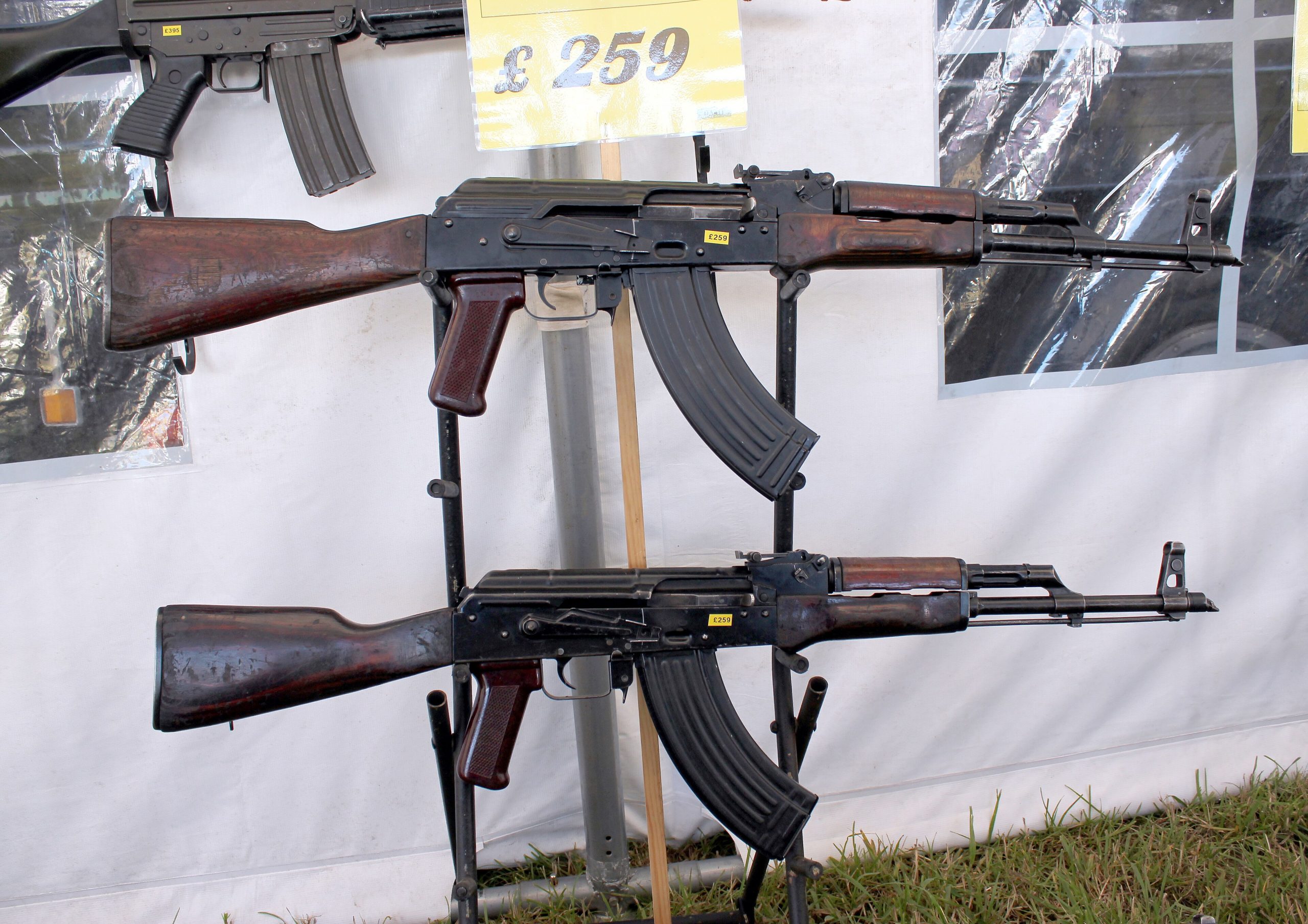
The Blaser R8 takes a very different route to luxury, combining a straight-pull action with a modular architecture. Blaser’s catalogue lists numerous barrel, stock, and caliber choices, allowing one platform to become several hunting configurations. The R8 has been produced since 2008, and reference material records production milestones of over 300,000 rifles. Prices rise sharply when buyers add premium wood, engraving and specialized components, turning a practical modular system into a highly personalized German sporting rifle for demanding buyers worldwide.
3. Blaser R8 Luxus: Where Wood Becomes the Showpiece
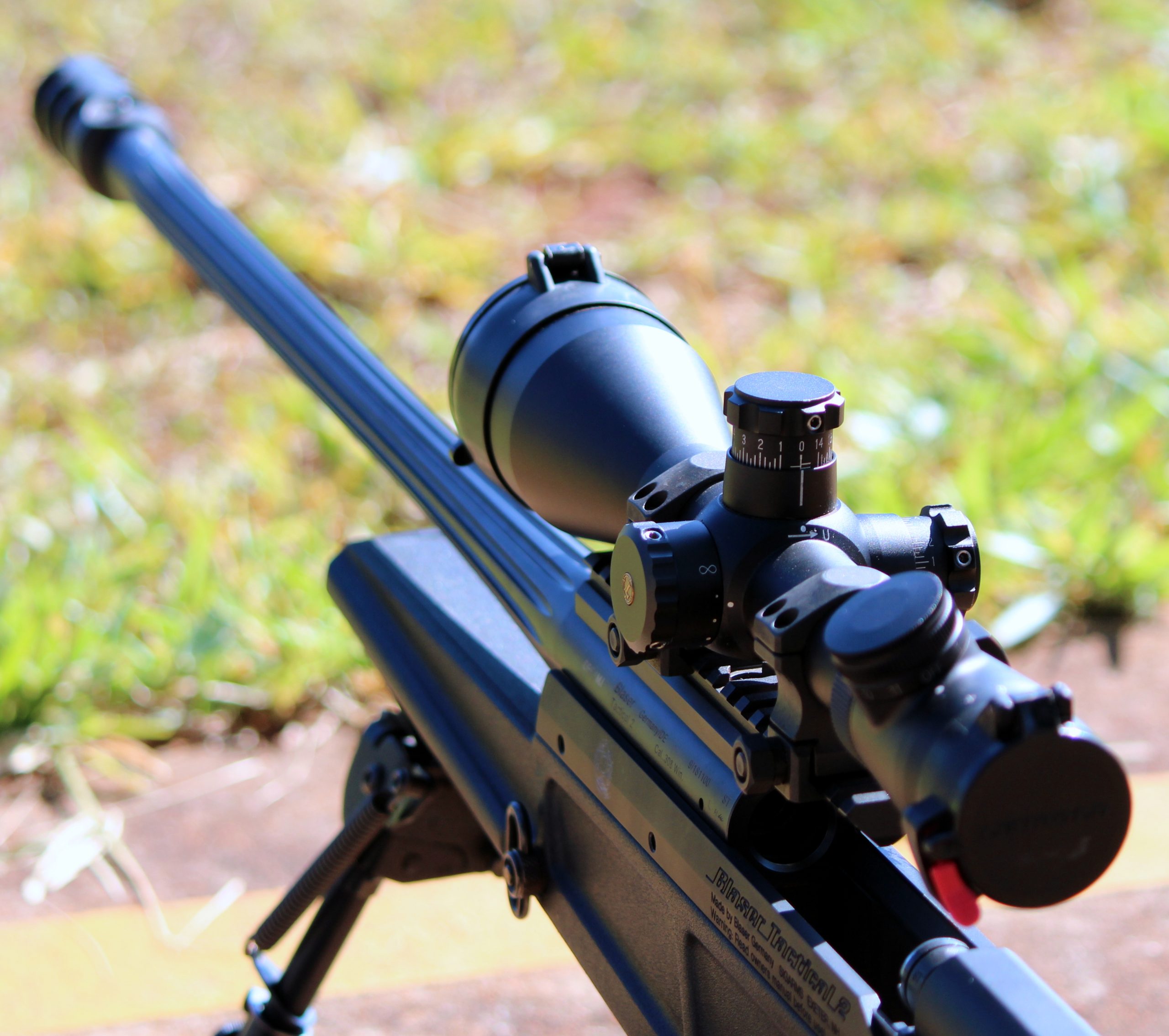
The R8 Luxus demonstrates why some German rifles can approach luxury-goods pricing. Its identity is less about a basic mechanical package and more about presentation: Blaser specifies grade-4 wood, a Bavarian cheekpiece, and optional decorative engraving for Luxus variants. The company also offers Success versions with ergonomic thumbhole stocks. With a standard R8 already positioned above budget hunting rifles, upgraded wood and engraving can push the final figure much higher. Here, craftsmanship becomes a major part of the purchase, particularly in collector-grade configurations.
4. Mauser 98: The Custom Gunmaker’s Canvas
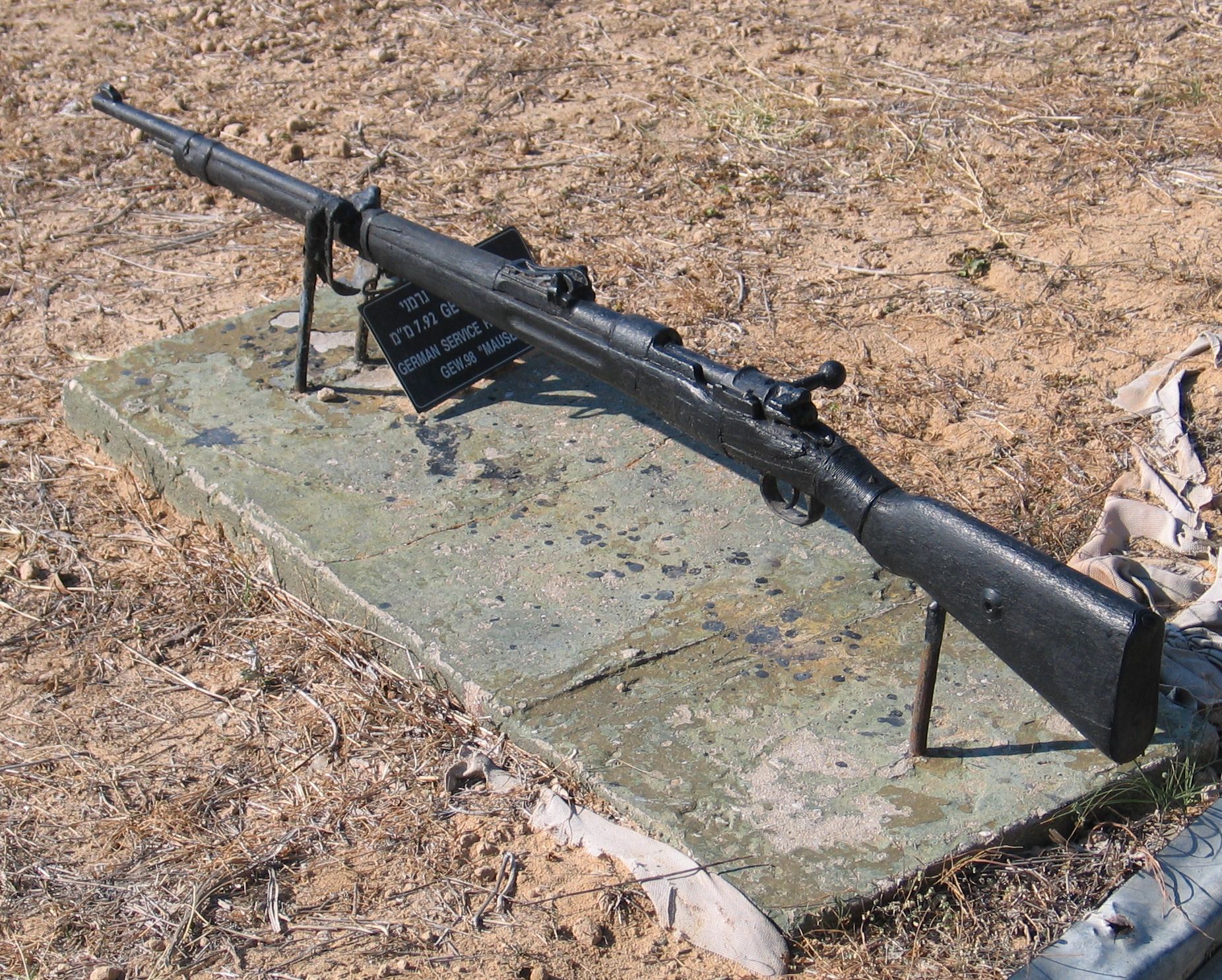
Few German rifle actions have been copied and refined as extensively as the Mauser 98. Its long history gives custom builders a foundation that collectors immediately recognize, while modern craftsmen can tailor the stock, finish, sights and engraving to an owner’s taste. A factory hunting rifle and a hand-finished M98 may share the same basic lineage yet sit worlds apart in price. The most expensive examples are essentially bespoke sporting arms, where hours of fitting and decorative work matter as much as the underlying action and historical appeal.
5. Heym SR30: German Straight-Pull Engineering

The Heym SR30 offers another German interpretation of the premium straight-pull rifle. Introduced in 1998, it uses a roller-locking system and has been offered in several grades, from practical hunting versions to highly decorated models. Published reference material places the SR30’s historical price range from roughly €1,850 to €25,700, illustrating how dramatically specifications can change the cost. Higher grades emphasize refined stocks, engraving, and presentation, making the SR30 as much a luxury hunting object as a precision-made sporting rifle.
6. Sauer 404: Premium Engineering With a Tailored Feel

The J.P. Sauer 404 sits firmly in Germany’s high-end sporting-rifle tradition, emphasizing a modular design and extensive configuration choices. Buyers can select different stocks, barrels, sights, and finishes, while premium versions add more elaborate materials and decoration. That flexibility matters because the advertised starting price is only part of the story: a heavily customized 404 can become substantially more expensive. The appeal is the ability to specify a rifle around personal preferences rather than accepting one fixed factory configuration, giving the buyer considerable control over the final result.
7. Merkel Helix: Luxury Meets Modern Practicality

The Merkel Helix is notable for bringing a straight-pull action into a distinctly modern German hunting rifle. Its interchangeable barrel system and compact action are central to the design, while higher-end versions can feature upgraded wood, refined metalwork and engraving. The result is a rifle that can range from a comparatively practical sporting purchase to a premium presentation piece. Merkel’s long association with Suhl, a historic German firearms center, also adds cultural weight for buyers who value traditional manufacturing alongside modern engineering and design.
8. Mauser 98 Das Original: History Recreated at Premium Cost
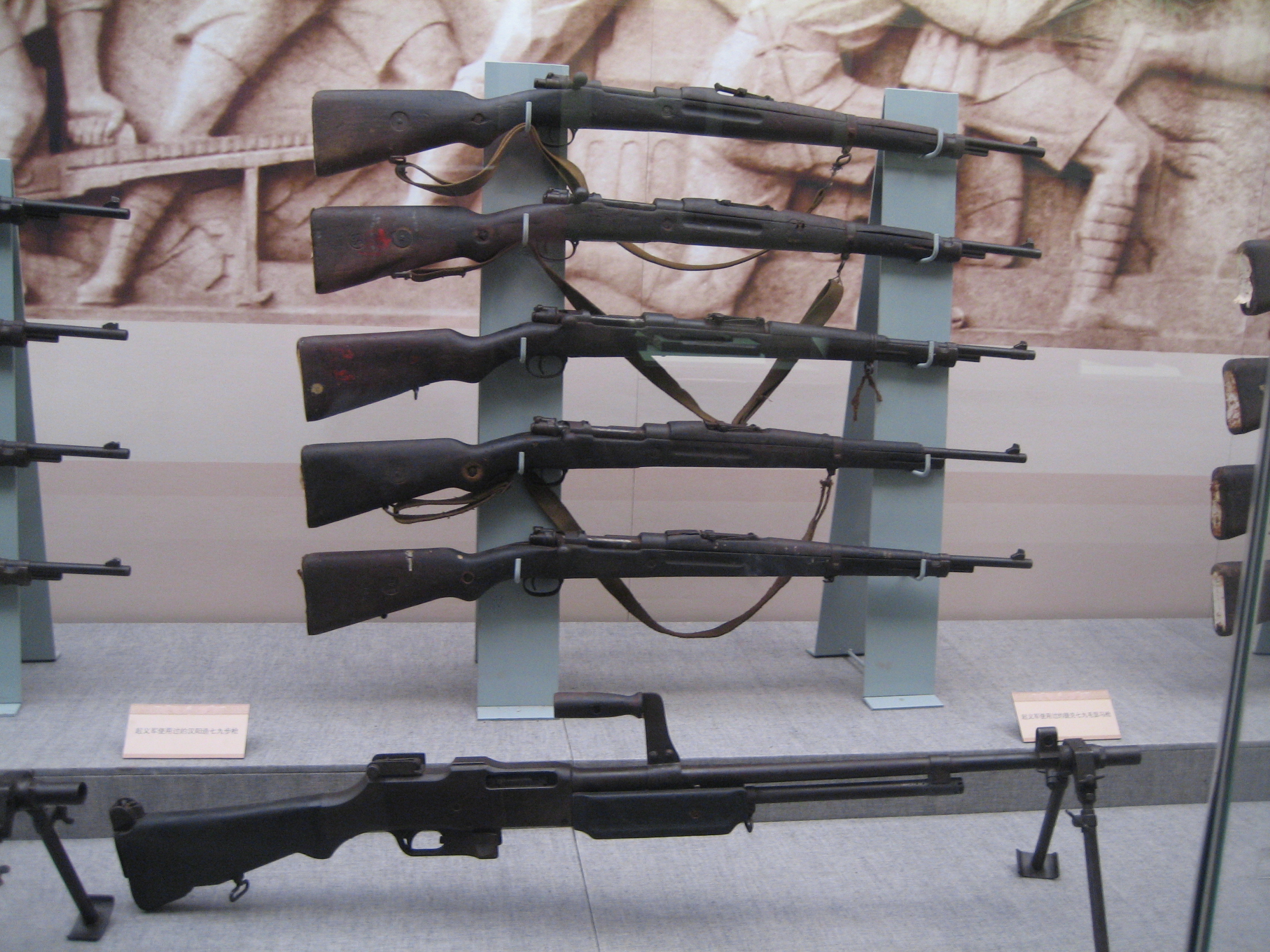
The Mauser 98 Das Original shows how heritage itself can become a luxury feature. Introduced as a modern interpretation of the legendary 98, it is aimed at buyers who want contemporary manufacture wrapped around a historically important design. The Blaser Group presented the rifle publicly in 2026 alongside new Blaser products, highlighting its place in the premium portfolio. For collectors, the attraction is not simply performance; it is the combination of Mauser identity, traditional styling, fine materials, and the prestige of a German-made classic.
9. Bespoke German Rifles: The Price Has No Simple Ceiling

The most expensive German rifles are often difficult to compare with ordinary factory models because they are effectively bespoke commissions. A premium action may be only the starting point before the buyer chooses exceptional walnut, hand engraving, special metal finishes, custom dimensions, and other presentation details. The final bill can therefore reach five figures or more, depending on the maker and specification. That explains the striking price gap: the buyer is paying not only for a rifle but also for individual craftsmanship, rarity, and a highly personal finish.