For hunters used to hardwood ridges, frosty mornings, and compact seasons, the Deep South can feel like a different sporting universe. The weather, habitat, game behavior, and local culture all shape a hunting experience with its own rhythm. These are the details that most often surprise visitors from Northern states, and they explain why Southern hunters do things a little differently.
The season can feel incredibly long
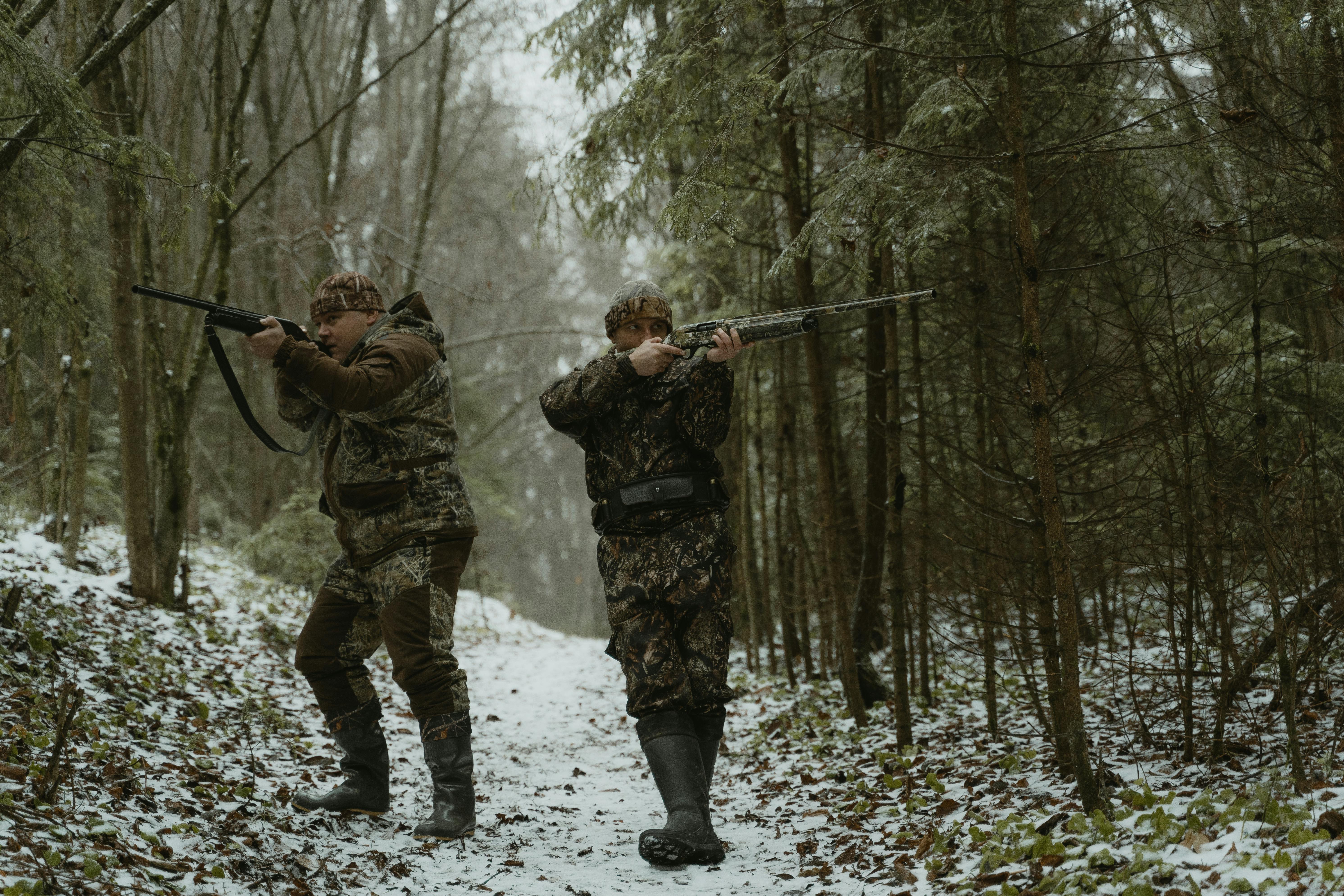
One of the first shocks for Northern hunters is just how long some Southern hunting seasons can run. In parts of the Deep South, deer seasons may stretch for months, with different segments for archery, muzzleloader, and modern firearms creating a calendar that feels almost luxurious to someone used to a tighter window.
That long season changes strategy. Instead of building everything around a few peak weekends, hunters can adapt to weather swings, changing food sources, and rut timing. It often feels less like a sprint and more like a slow, evolving chess match played across an entire winter.
Hot weather is part of the hunting story
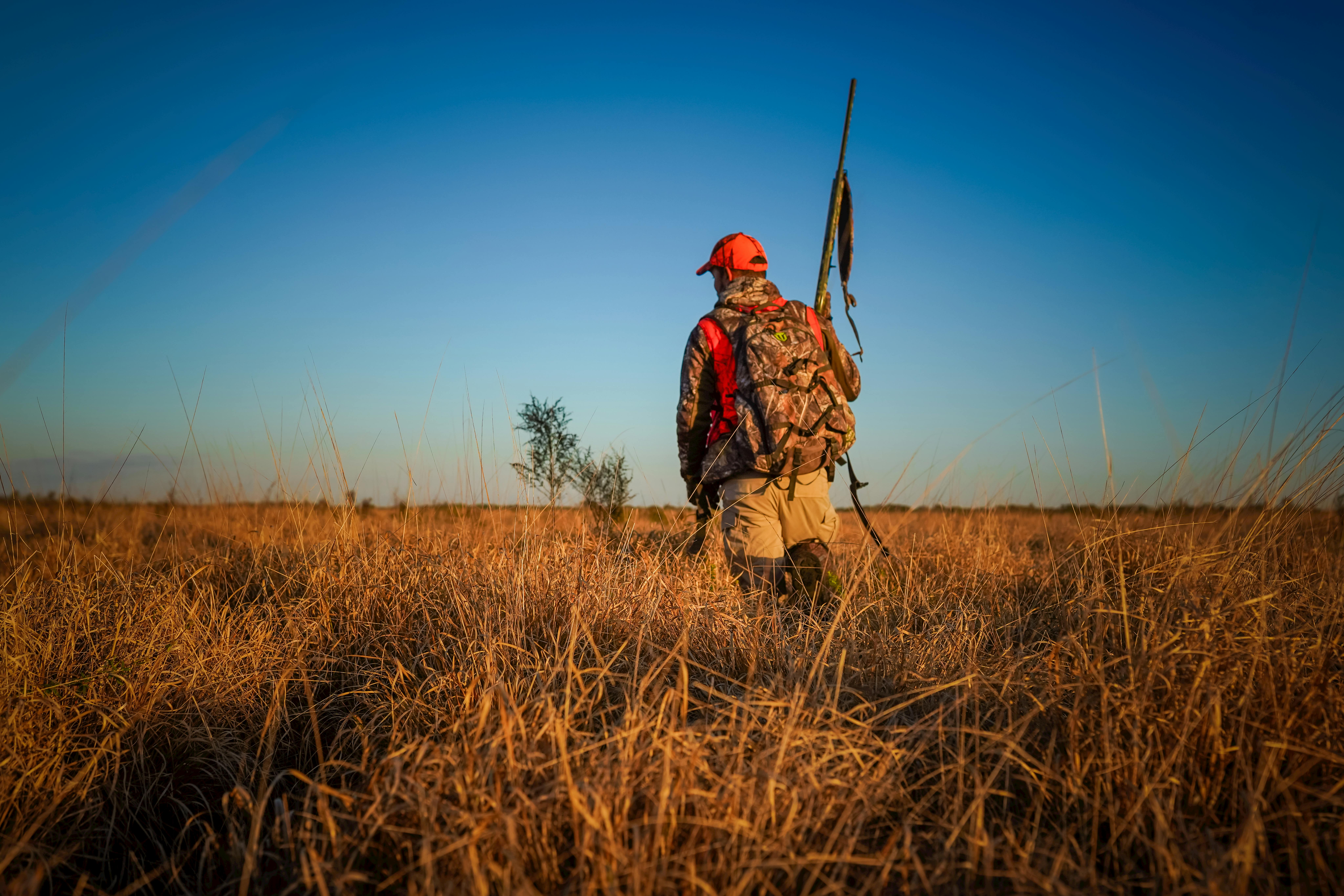
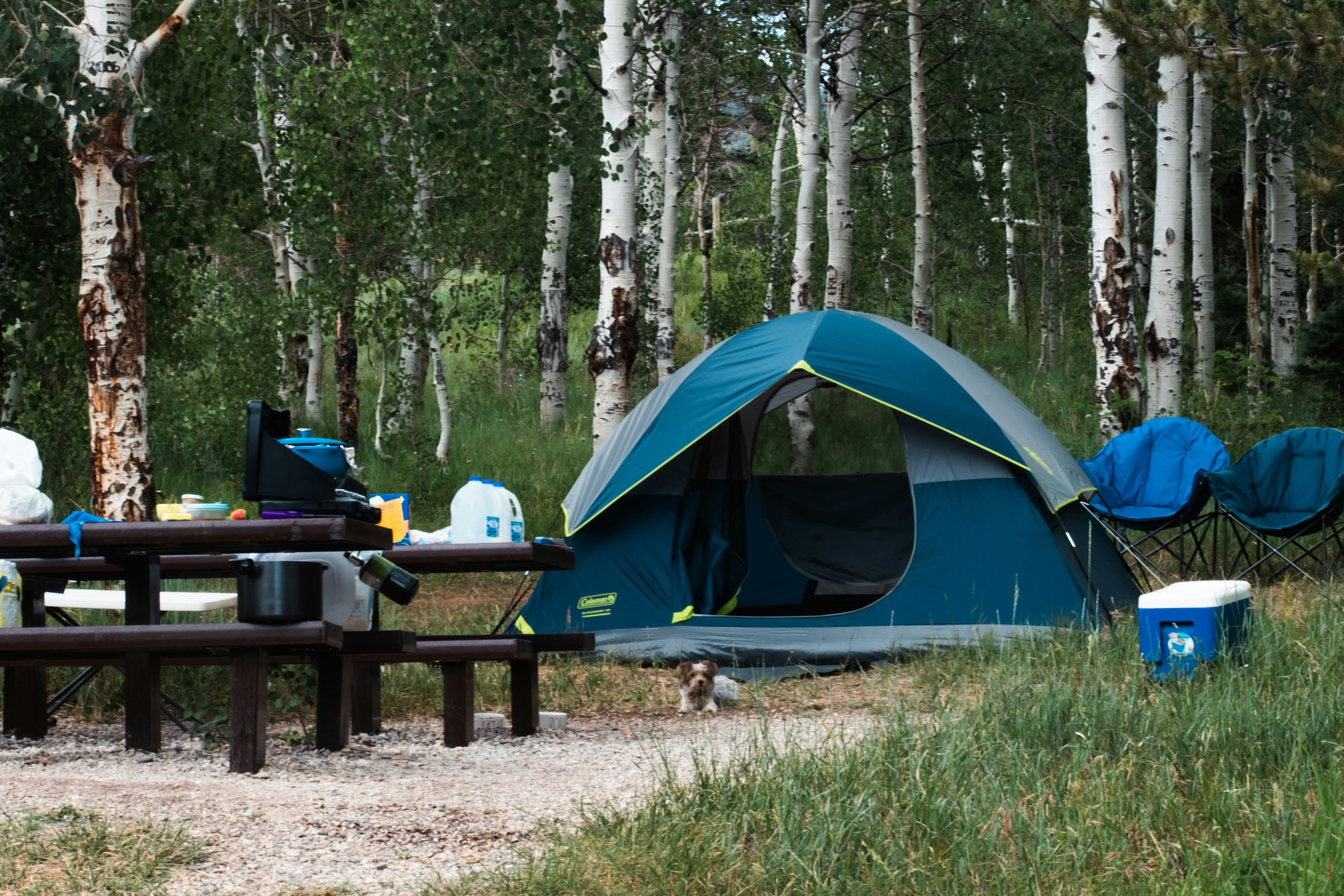
Northern hunters often associate hunting with cold breath, crunchy leaves, and insulated layers. In the Deep South, early season hunts can begin in real heat and humidity, with mosquitoes still active and sweat becoming part of the morning routine before daylight even breaks.
That changes everything from clothing to scent control to meat care. Hunters may head out in lightweight camo instead of heavy jackets, and getting an animal cooled quickly matters in a very practical way. The atmosphere can feel more like late summer than classic fall, which surprises plenty of first-time visitors.
Pines, swamps, and thick cover dominate many properties
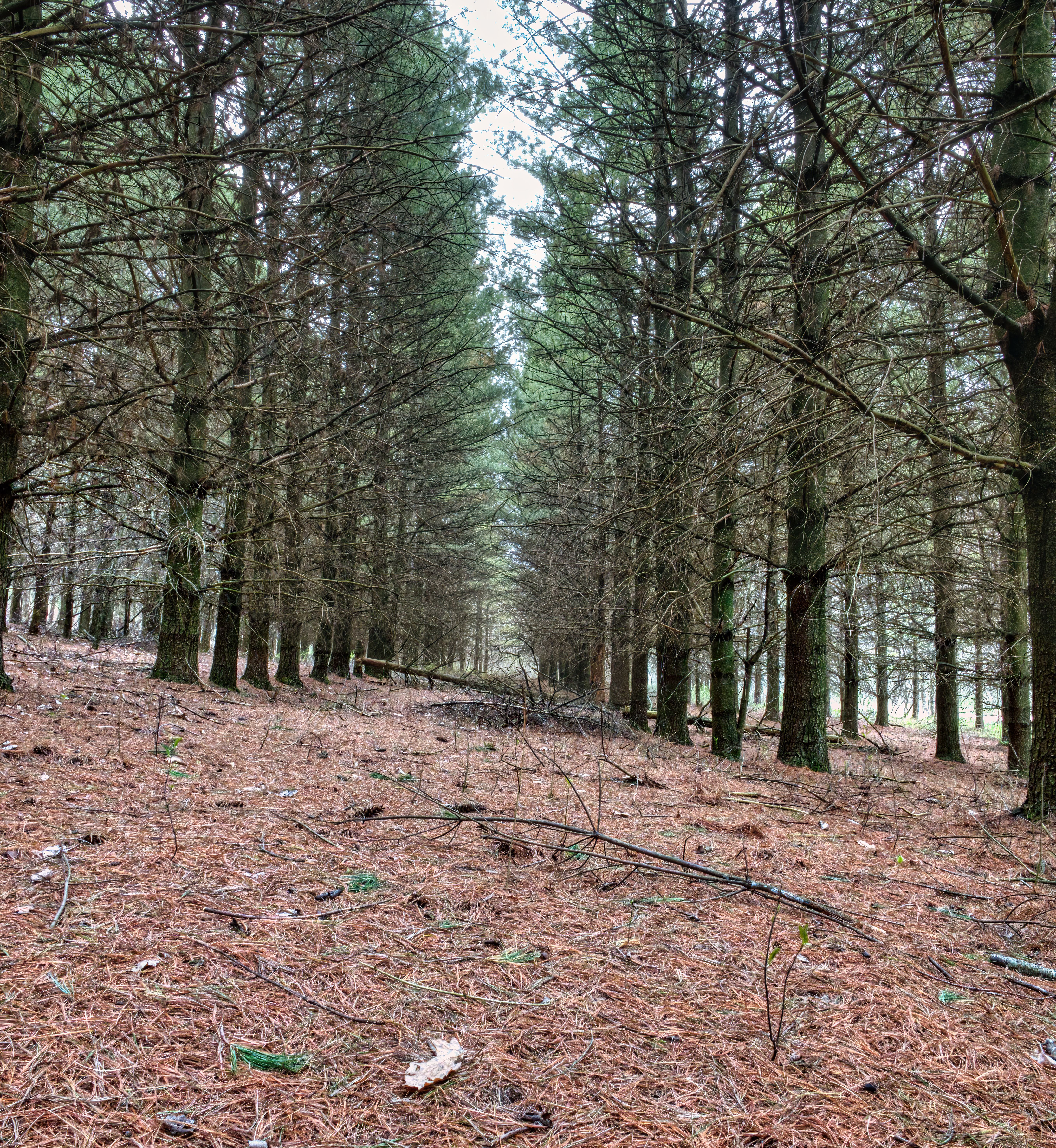
Hunters from Northern states sometimes arrive expecting open hardwoods or farm-country visibility, then discover a world of pine plantations, palmetto flats, cutovers, and swamp edges. In much of the Deep South, the habitat is dense, green, and layered, making long sight lines less common than they might be up North.
That thick cover affects movement and tactics. Deer may appear suddenly and disappear just as fast, and a 75-yard shot can feel generous in some places. Reading funnels, transition lines, and subtle openings becomes just as important as glassing distant fields or ridge tops.
The rut does not happen on one neat schedule
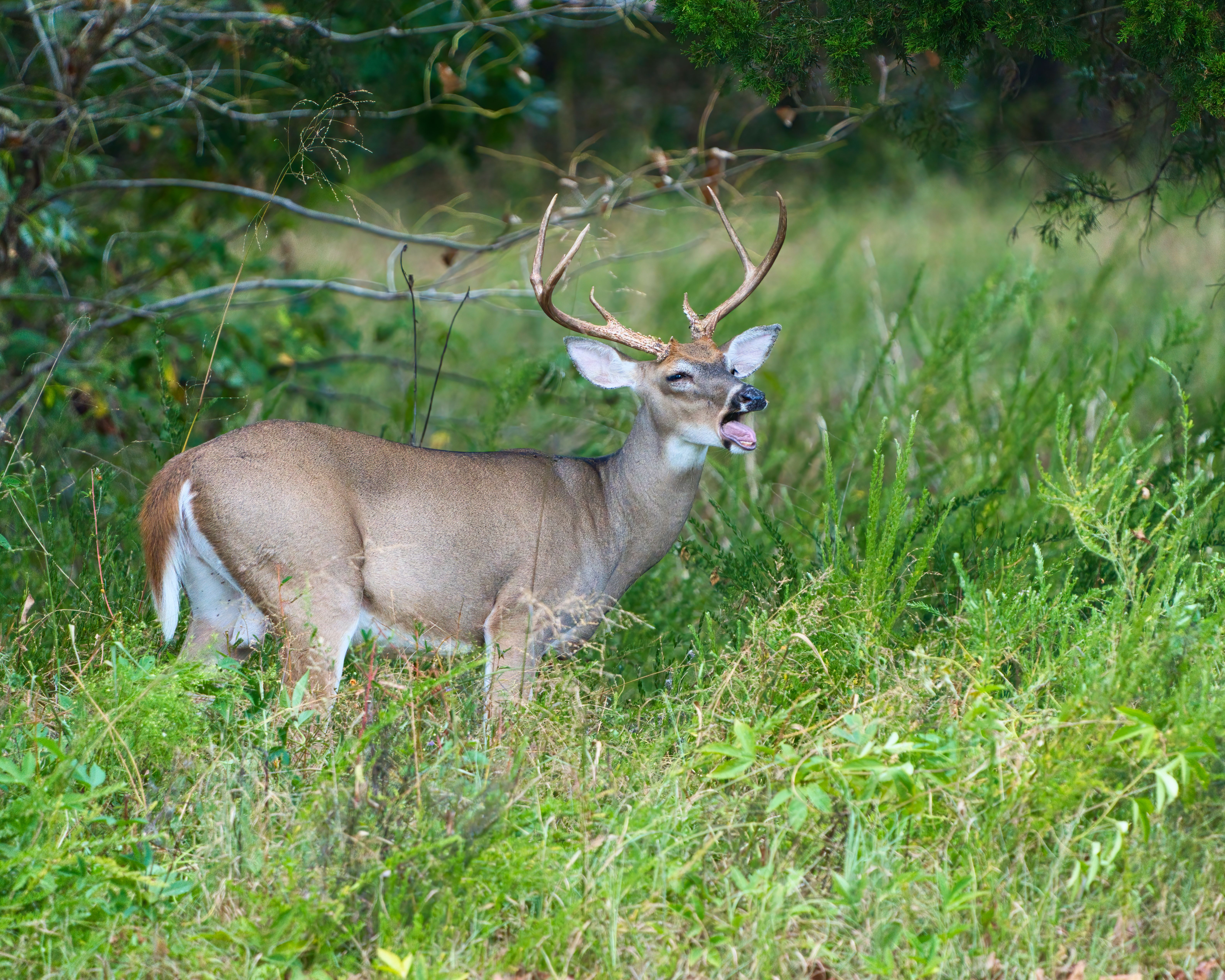
Many Northern hunters grow up with a fairly predictable sense of when the rut should peak. In the Deep South, that expectation gets shaken up fast. Rut timing varies dramatically by state, region, and even county, with some areas seeing peak breeding much later than visitors expect.
That means old assumptions can lead hunters astray. A Northern guest might show up in November expecting nonstop chasing, only to learn the local rut really sparks in December, January, or even later. Southern hunters tend to watch local patterns closely, because timing here is much more regional than outsiders often realize.
Hog hunting is woven into the landscape
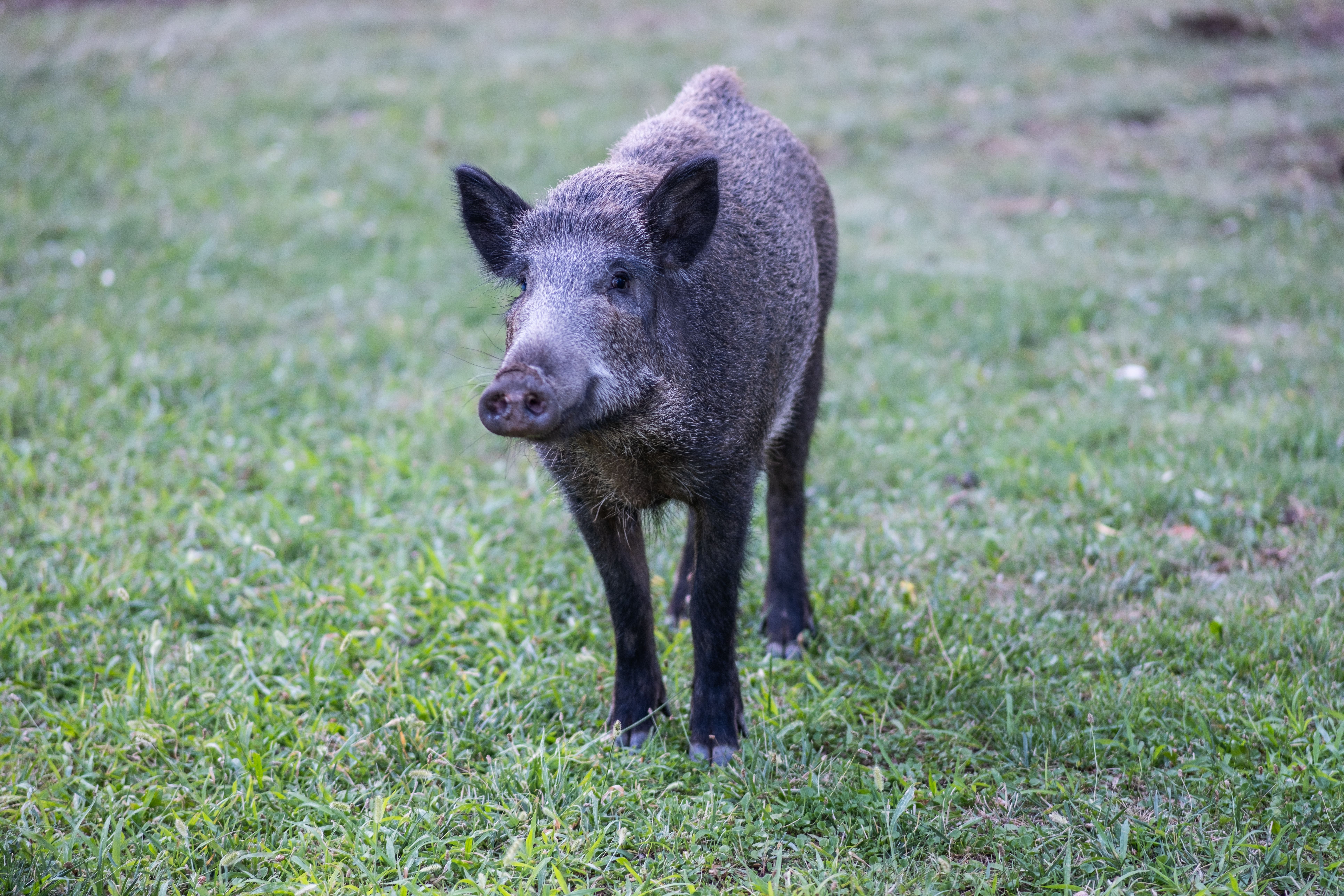
For many Northern hunters, wild hogs are an occasional novelty or a trip-specific target. In the Deep South, feral hogs are often simply part of the everyday hunting conversation. They tear up fields, damage habitat, compete for food, and show up on trail cameras often enough to become a constant factor.
That creates a different mindset. Hunters may pursue deer and hogs on the same property, or switch focus entirely when conditions line up. To visitors, it can be surprising how casually locals talk about hog control, because in many Southern areas, managing them is less a side pursuit and more an ongoing reality.
Private land culture can be especially important
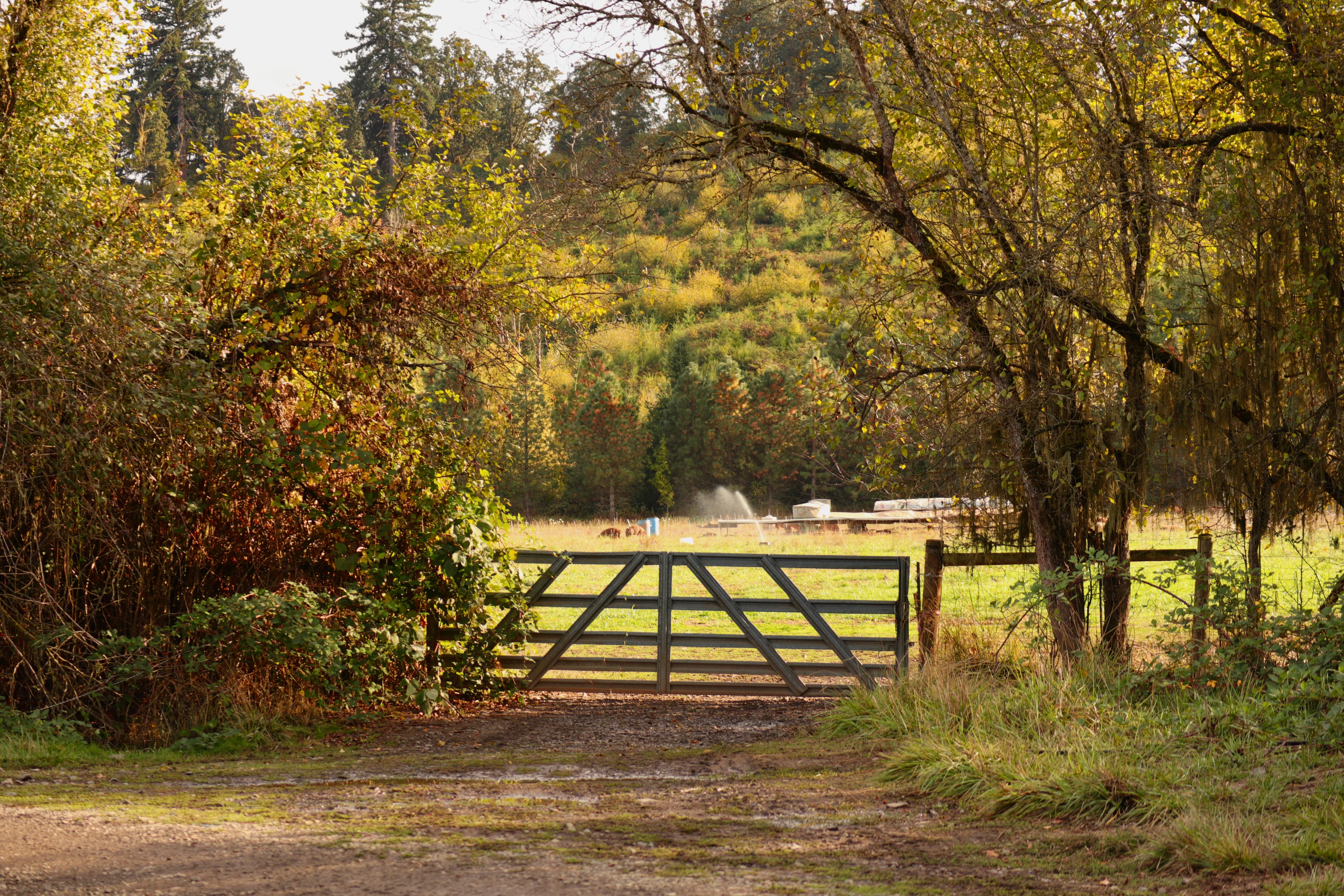
Northern hunters coming from places with strong public-land traditions are often struck by how central private land, leases, and hunting clubs can be in the Deep South. Access is still possible in many ways, but local hunting culture frequently revolves around managed properties, memberships, and long-standing relationships.
That structure shapes everything from camp life to stand placement to harvest expectations. It also means local knowledge matters a great deal, because land boundaries, club rules, and management goals are part of the experience. For newcomers, the social side of access can be almost as important as woodsmanship.
Food plots and feeders are part of the conversation
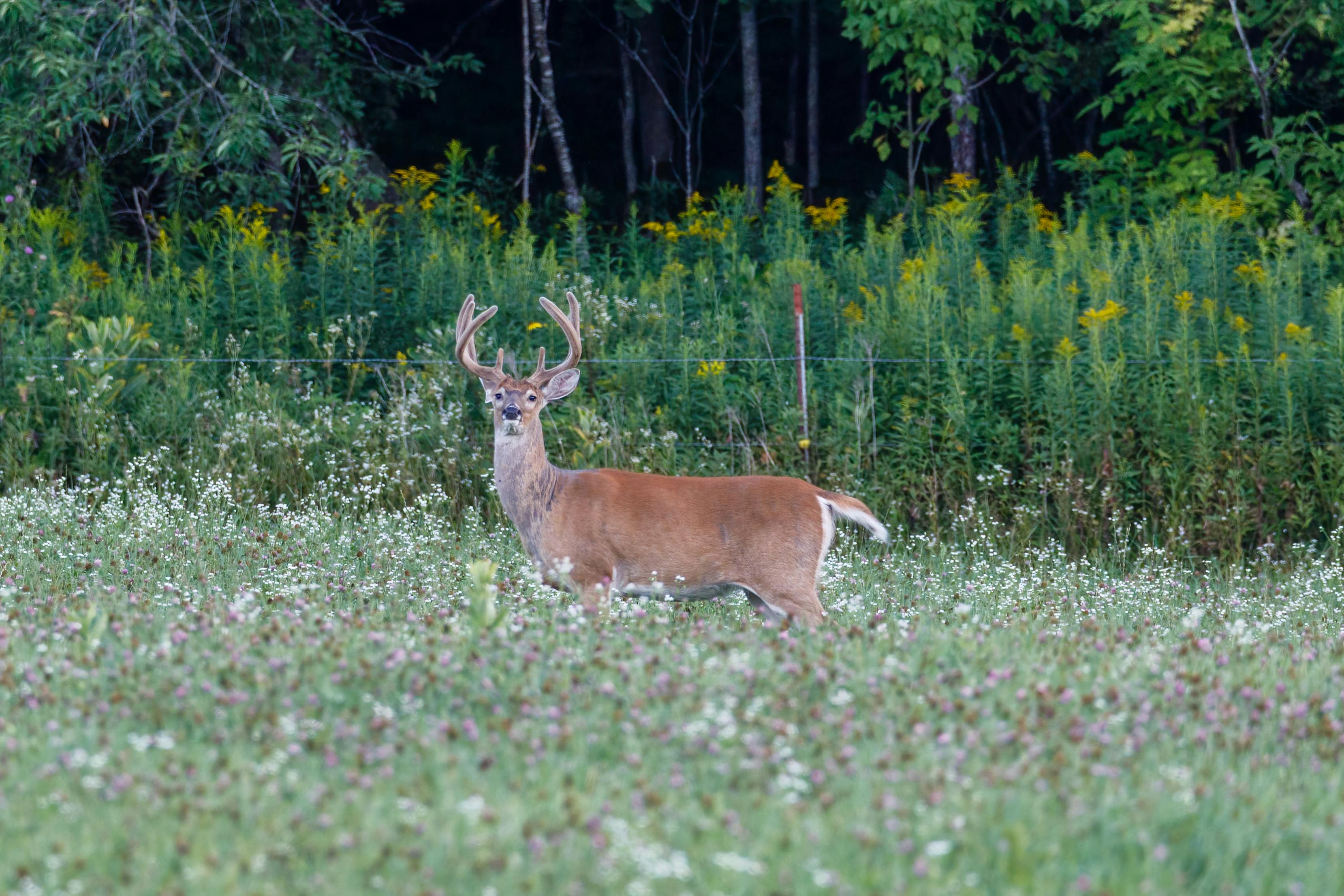
In parts of the North, hunters may rely more heavily on natural mast, agriculture, and travel corridors. In the Deep South, many hunters talk constantly about food plots, supplemental nutrition, feeders, and year-round property work. The hunting season is often just one chapter in a much longer management story.
That surprises visitors who think the action begins when opening day arrives. On many Southern properties, success is tied to summer planting, soil work, camera surveys, and careful habitat planning. Hunting can feel deeply connected to land management, with as much attention paid to preparation as to the hunt itself.
Small differences in terrain matter a lot

To an outsider, some Southern landscapes can look flat or uniform at first glance. Spend a little time with local hunters, though, and you learn how much importance they place on tiny rises, creek crossings, logging roads, drainages, and subtle edges in cover. In low-relief country, those features can direct movement in a major way.
That can be eye-opening for Northern hunters used to reading obvious ridges, saddles, and steep elevation changes. In the Deep South, the best setup may hinge on a barely noticeable pinch point or a gentle fold in the ground. The details are quieter, but they are no less meaningful.
The camp culture is a huge part of the experience
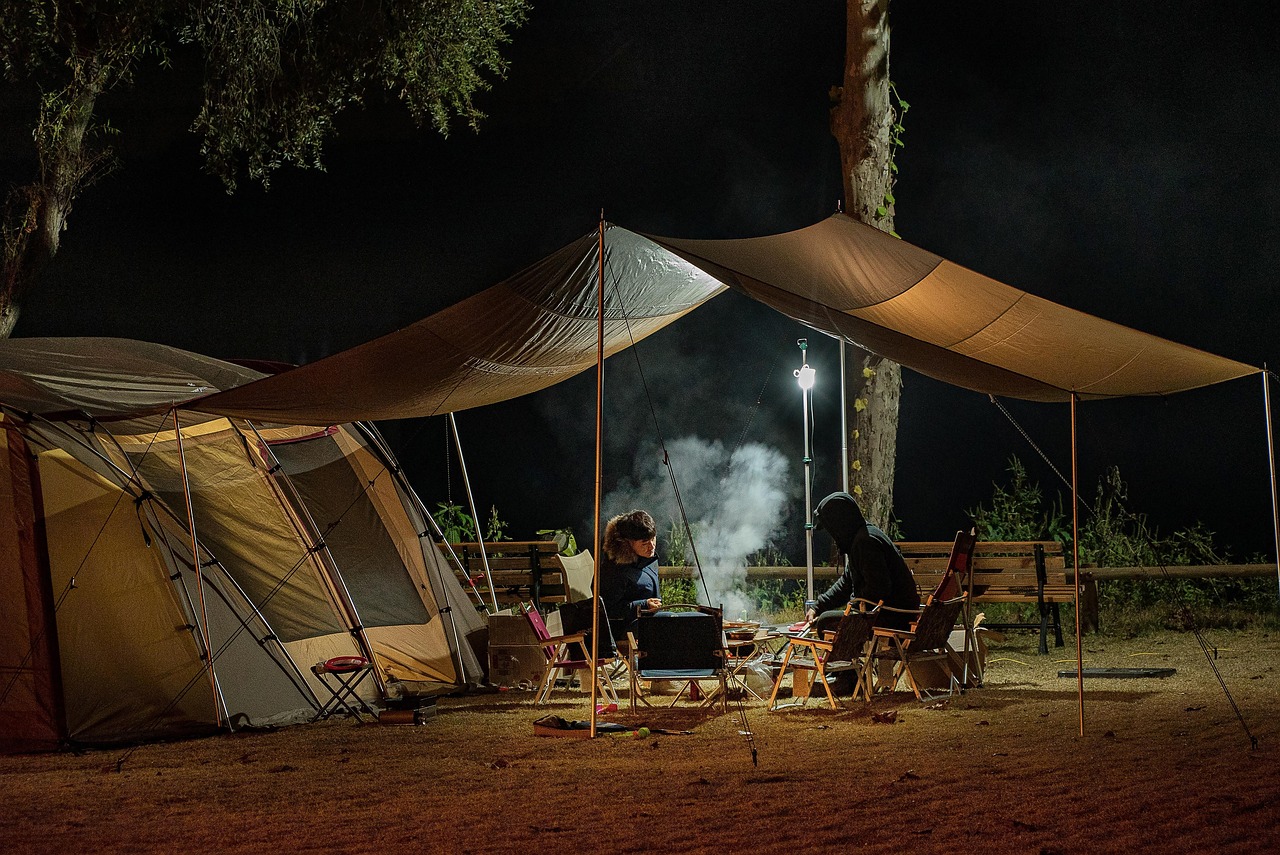
A lot of Northern hunters love camp life, but in the Deep South, hunting camp can feel like an institution all its own. Multi-generational clubs, communal meals, storytelling, skinning sheds, and long weekends built around fellowship are often as memorable as anything that happens in a stand.
That social element can surprise first-time guests who expect a more solitary routine. Southern hunting culture frequently blends tradition, hospitality, and ritual in a way that turns camp into the center of the experience. The hunt matters, of course, but so does breakfast before daylight and the conversation that follows after dark.
Local rules and traditions can vary more than expected
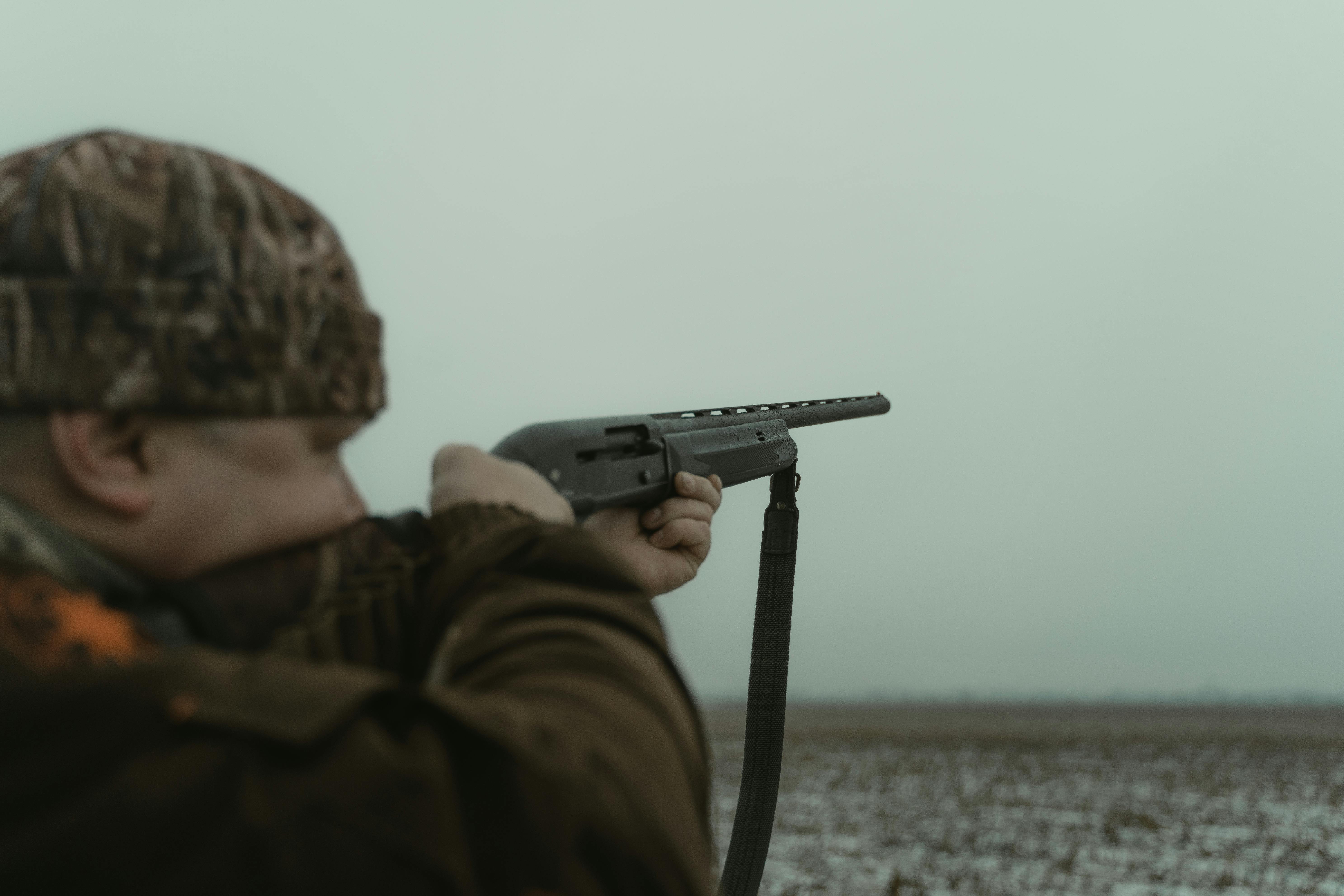
Northern hunters sometimes assume Southern hunting is one broad style shared across the region. In reality, customs and regulations can shift sharply from one state or county to the next. Bag limits, legal methods, season dates, and even the local attitude toward certain tactics may differ more than visitors expect.
That is why experienced travelers ask questions before they hunt. Listening to local biologists, land managers, and longtime hunters can reveal nuances that never show up in stereotypes. The Deep South is not one monolithic hunting culture, and that may be the biggest surprise of all for hunters arriving from farther north.