
Ammunition technology is evolving beyond simply producing more velocity. Modern hunting loads are increasingly built around bullet construction, aerodynamic efficiency, expansion control, environmental considerations, and specific hunting conditions. From solid copper projectiles to high-BC designs, these developments are giving hunters more specialized choices while making ammunition selection more important than ever.
1. Monolithic Copper Bullets

Solid copper and copper-alloy bullets have moved from a specialty option into mainstream hunting. Unlike a traditional lead-core design, a monolithic projectile uses one metal body and a nose engineered to open into petals. That can produce deep penetration while retaining most of the bullet’s mass. Tests have found copper designs retaining more than 98% of their weight, while some lead designs lost far more. The tradeoff is density: copper is lighter than lead, so hunters may need a different bullet weight or seating setup. This is useful where regulations favor non-lead ammunition.
2. Bonded-Core Construction
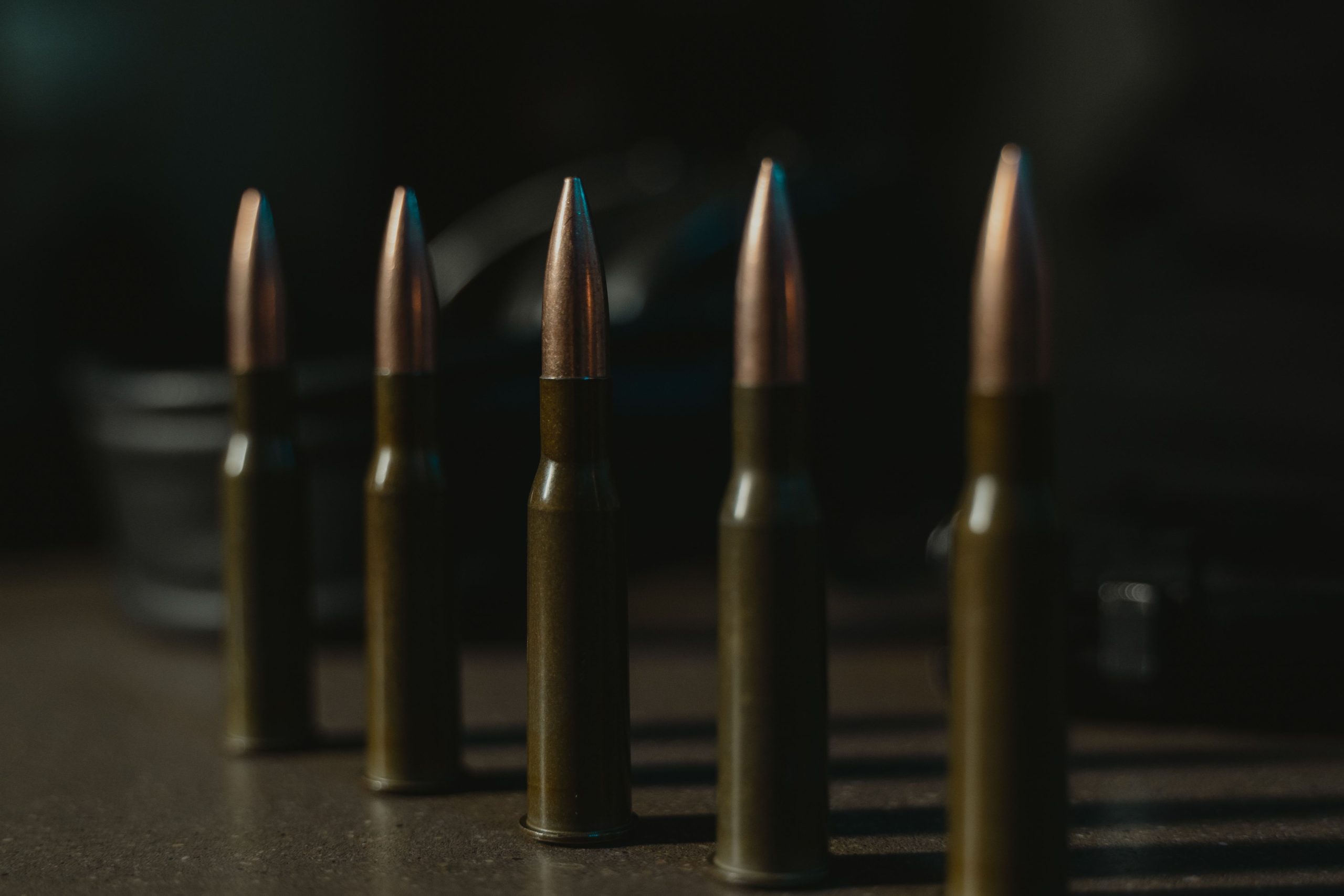
Bonded bullets solve a different problem by joining the lead core to the jacket so the two materials resist separating on impact. This matters when a shot encounters heavy bone or must travel deeply through a large animal. Modern bonded designs can retain around 90% or more of their original weight, depending on construction and impact conditions. Hunters still get the familiar lead-core expansion, but with better structural integrity than basic cup-and-core bullets. That makes bullet construction as important as caliber when choosing a load.
3. Polymer-Tipped Hunting Bullets
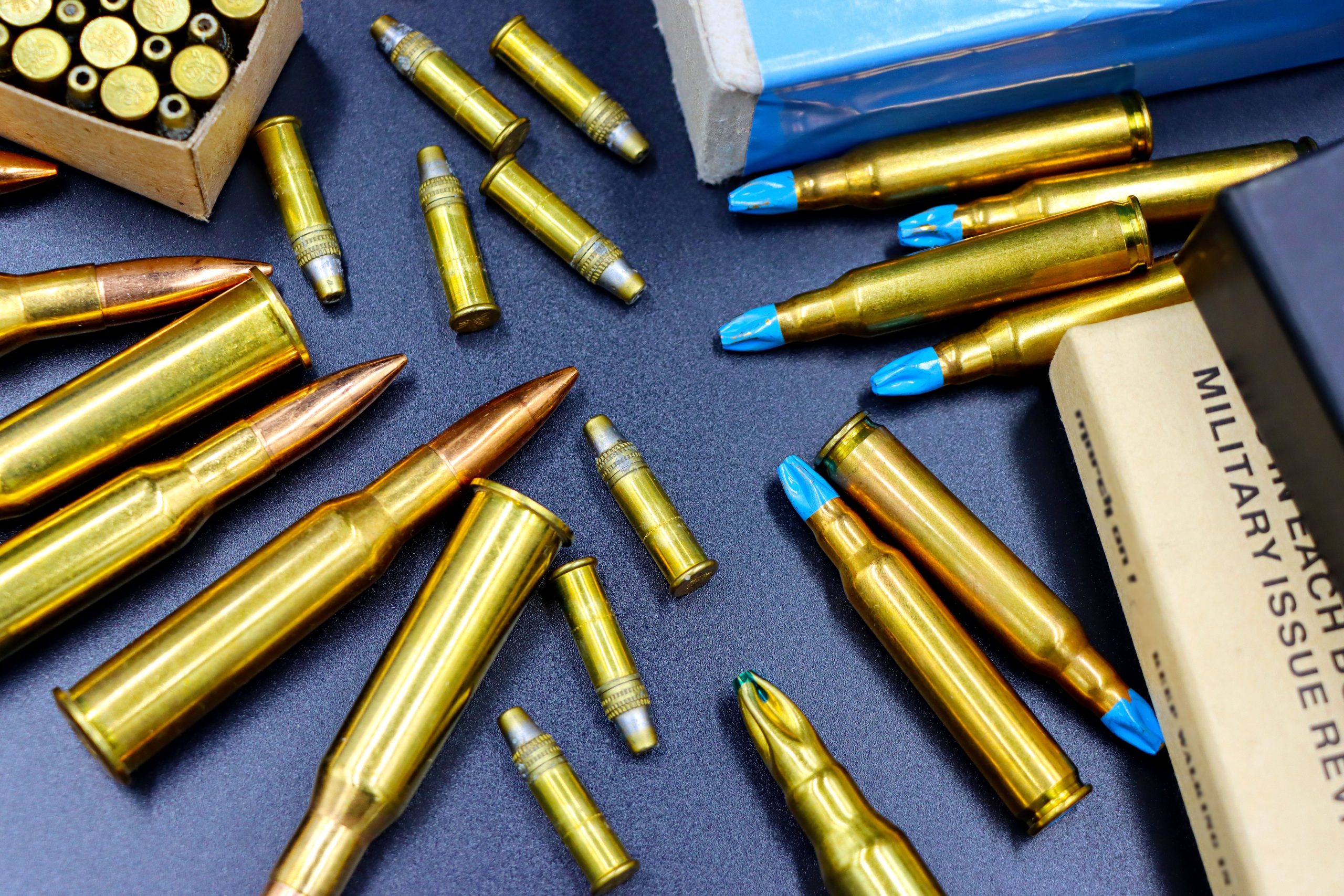
Polymer tips have changed bullet shape as much as they changed terminal performance. A pointed tip can improve aerodynamic efficiency, while the material can also help initiate expansion when the bullet strikes game. Modern designs use heat-resistant polymers so the tip keeps its intended shape during high-speed flight. The benefit becomes clearer as distance increases: a streamlined bullet with a higher ballistic coefficient can retain velocity better and reduce wind drift. Hunters therefore get one projectile designed for both flatter flight and controlled expansion.
4. High-BC Long-Range Projectiles
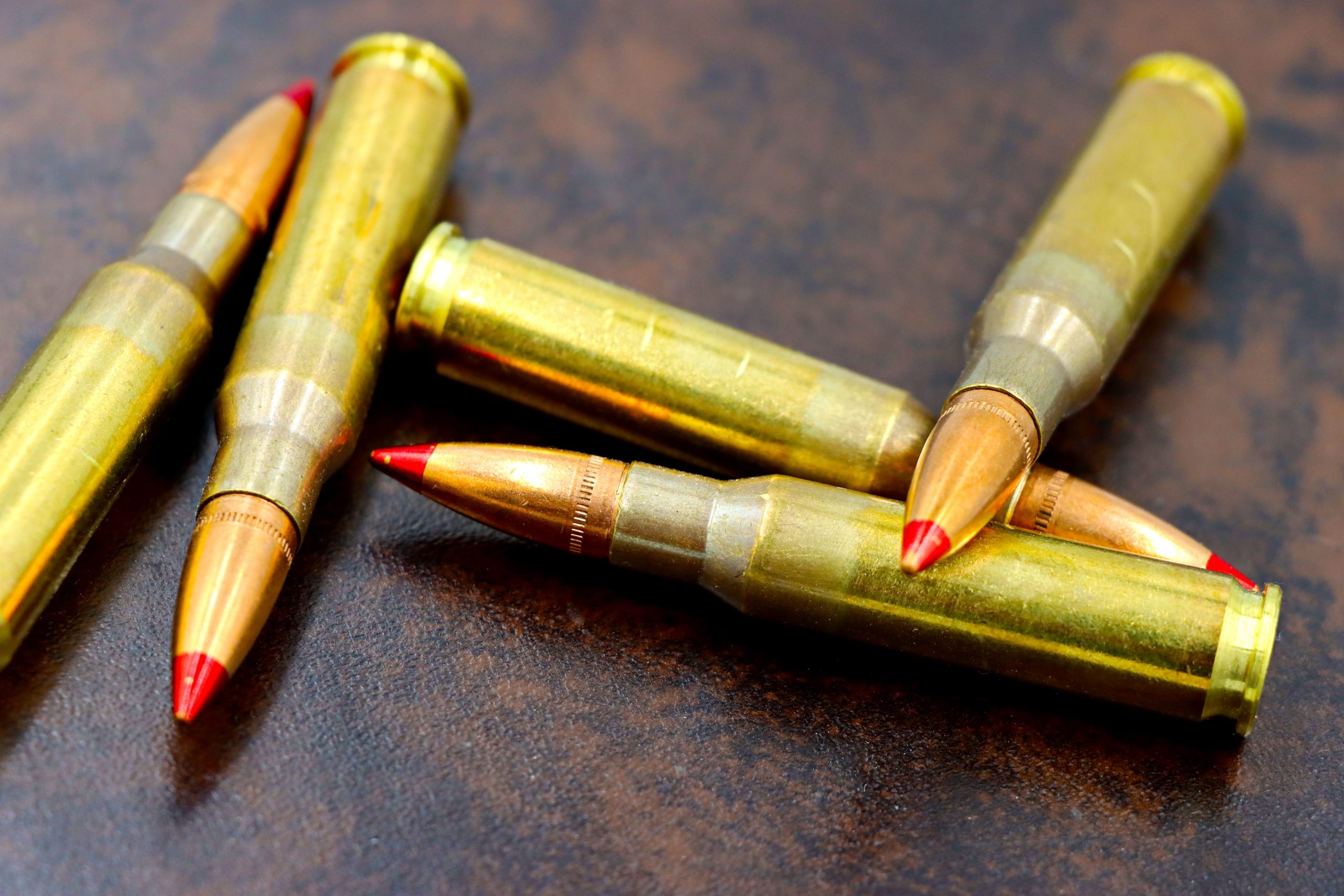
Hunting bullets are increasingly shaped around ballistic coefficient, not simply bullet weight. A high-BC projectile with a sleek ogive can hold velocity longer, reducing drop and wind drift compared with a less aerodynamic bullet. That does not make every long shot appropriate, because field conditions, range estimation, and impact velocity still matter. New hunting loads increasingly combine high-BC profiles with controlled expansion, giving hunters ammunition that remains predictable farther downrange while preserving the terminal behavior expected from a purpose-built hunting bullet.
5. Lead-Free Shotgun Loads
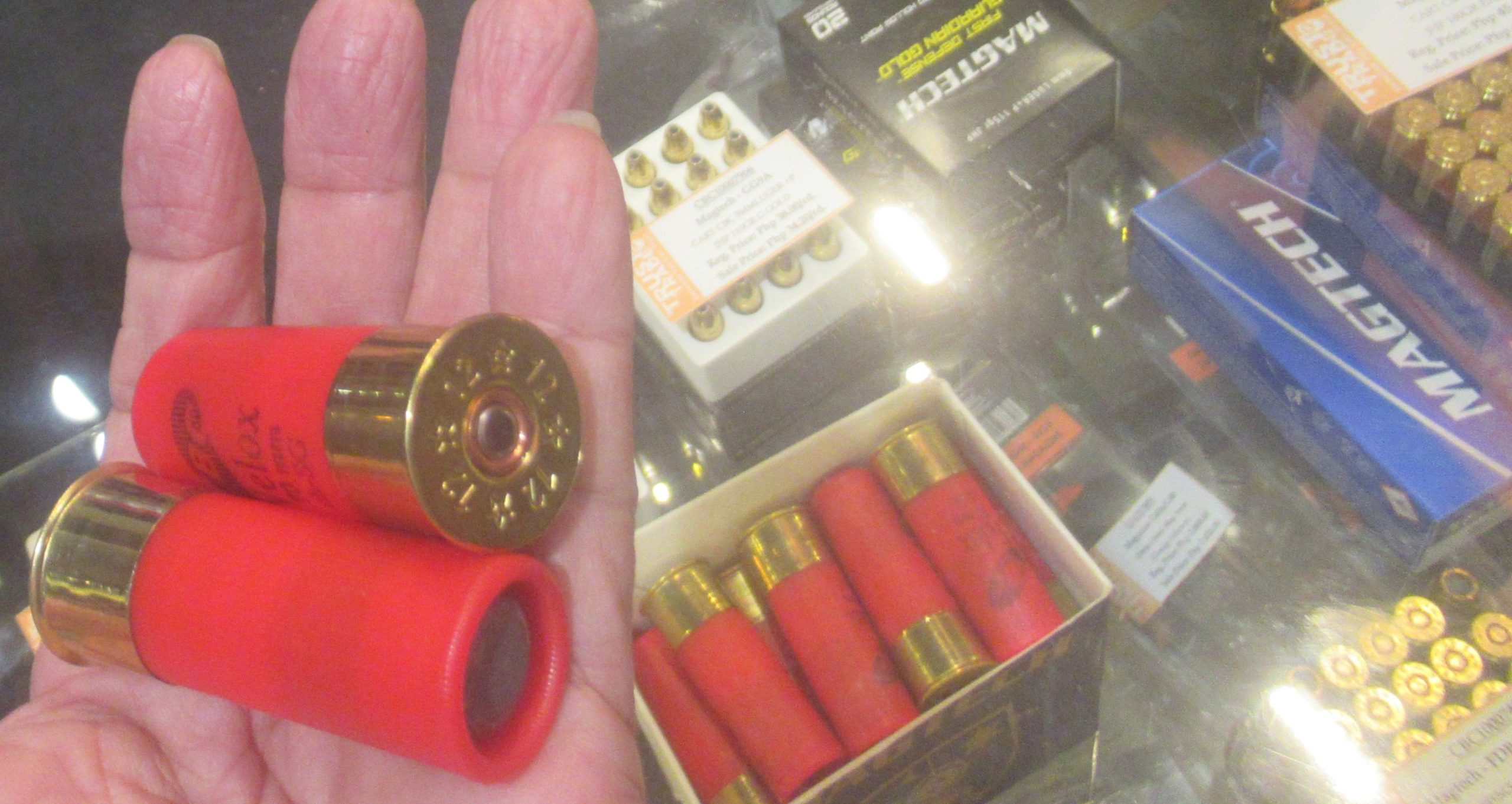
Lead-free ammunition is no longer limited to rifle bullets. Steel, bismuth,h and tungsten-based shot give shotgun hunters alternatives for waterfowl and other applications where lead restrictions apply. The materials behave differently from lead, so pellet size, density, and choke selection can affect the pattern and effective range. Bismuth is notably denser than steel, while tungsten alloys can be denser still. The result is a wider menu of loads rather than a single replacement. Hunters increasingly choose shot material according to the game, regulations,s and shotgun setup.
6. Lower-Velocity Expansion Designs

Bullet engineers are working to make expanding projectiles function across a broader velocity window. This matters because the same bullet may strike at very different speeds depending on cartridge, barrel length, and distance. Some modern copper and lead-core designs use carefully shaped cavities, petals, jackets, etc.,s or bonding to encourage expansion at lower impact speeds while resisting excessive breakup at high speeds. For hunters, that means ammunition selection is becoming more about matching a bullet to its expected velocity range than simply choosing the fastest load available.
7. Cleaner-Fouling Bullet Geometry
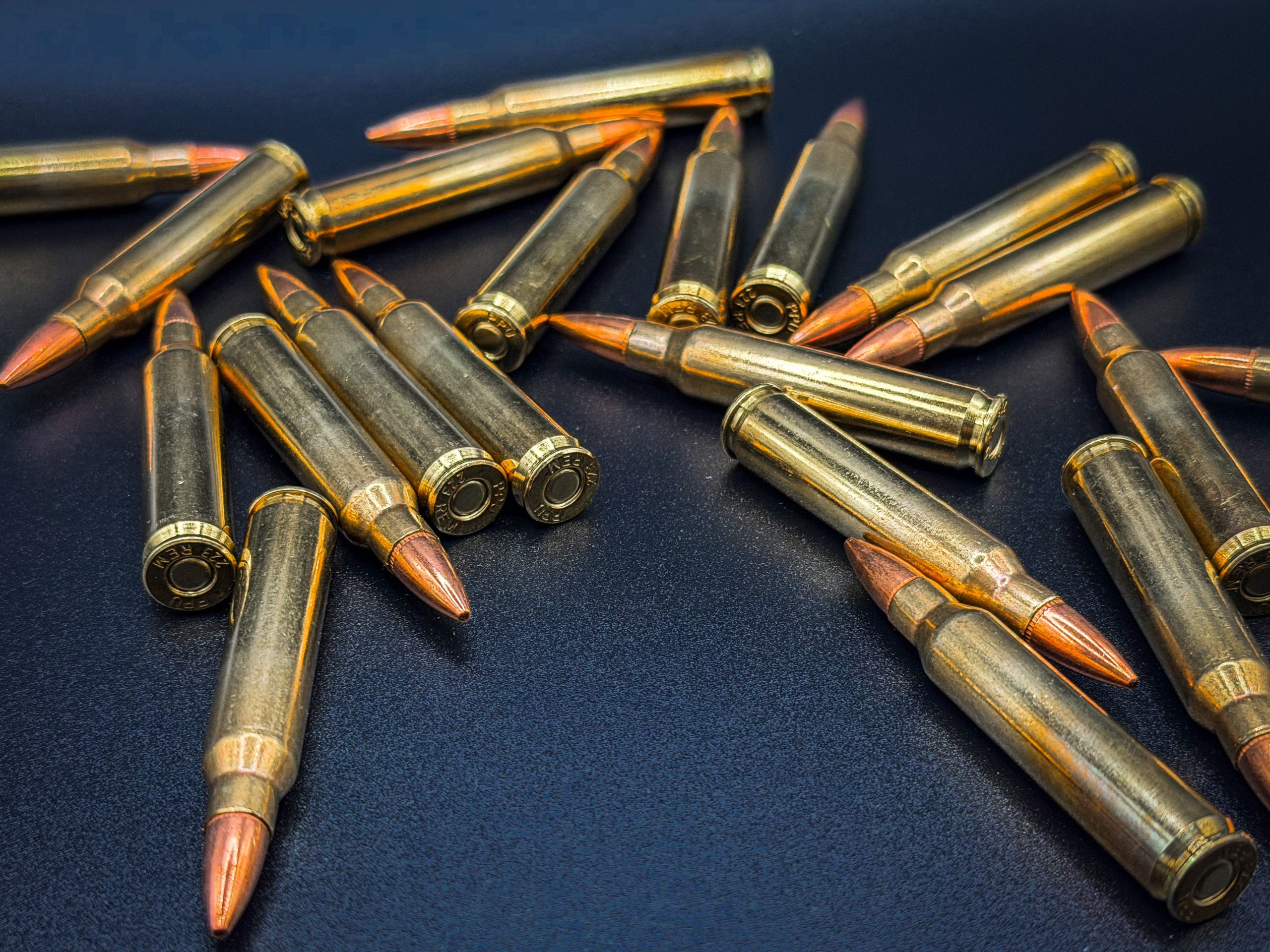
Modern hunting bullets increasingly use grooves, relief cuts, and carefully controlled bearing surfaces to manage how the projectile contacts the bore. These features can reduce fouling while helping maintain consistent performance. Some monolithic designs use driving bands that engage the rifling without forcing the full surface tightly into the bore. That can be useful because copper-alloy bullets behave differently from softer lead-core projectiles. The technology does not eliminate barrel maintenance, but it gives manufacturers more control over pressure, fouling,uling and consistency.
8. Temperature-Resistant Projectile Tips
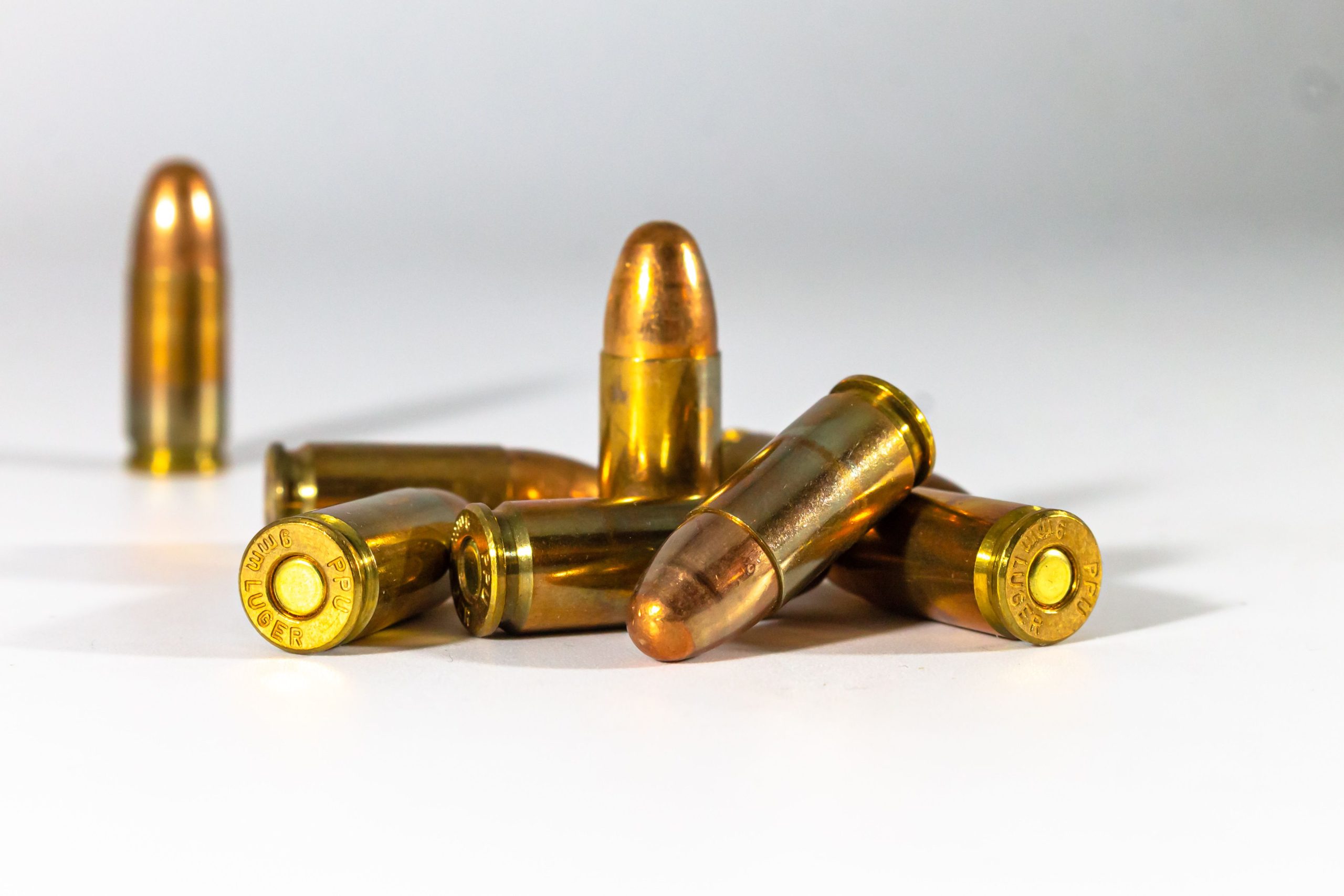
Polymer tips are becoming more sophisticated because their shape influences both flight and expansion. Aerodynamic heating can affect ordinary materials, so modern hunting bullets may use heat-resistant polymers that maintain their profile. Some tips also interact with a hollow nose cavity when the bullet hits game, helping start controlled expansion. That lets one component perform two jobs. Hunters get a projectile engineered for consistency from muzzle to target, rather than relying on a simple exposed lead point. This matters when velocity changes with distance or barrel length.
9. More Specialized Cartridge-and-Bullet Pairings
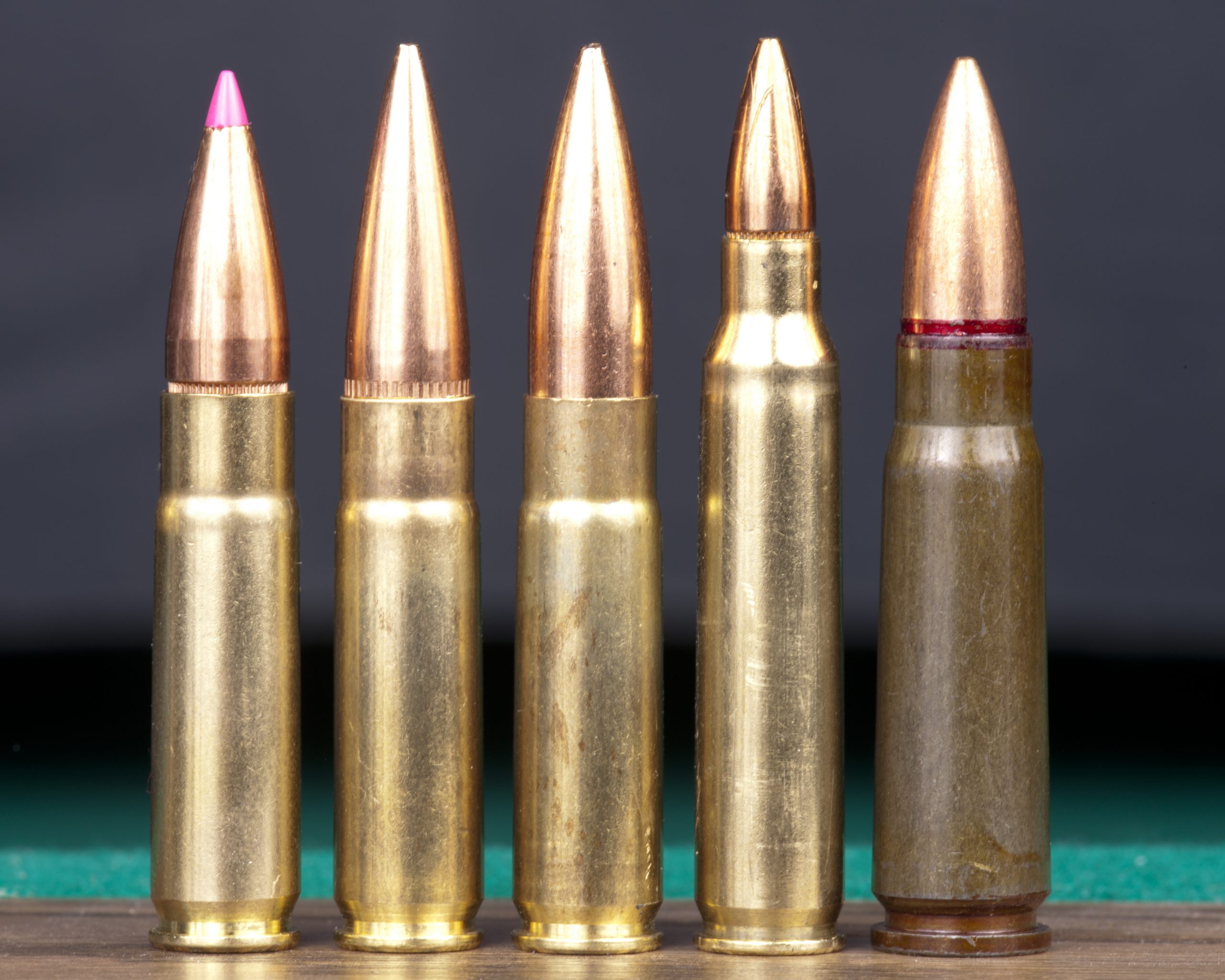
A major change is the growing number of loads built around a cartridge, game, animal, or hunting style. Manufacturers pair bullets with propellant combinations to deliver predictable velocity from different barrel lengths and platforms. In 2026, new ammunition spans lead-free big-game loads, straight-wall cartridges, and loads for suppressed or compact rifles. The practical effect is more choice, but also more responsibility. Hunters need to verify cartridge compatibility, regulations, and terminal performance instead of assuming every load in the same caliber behaves alike.