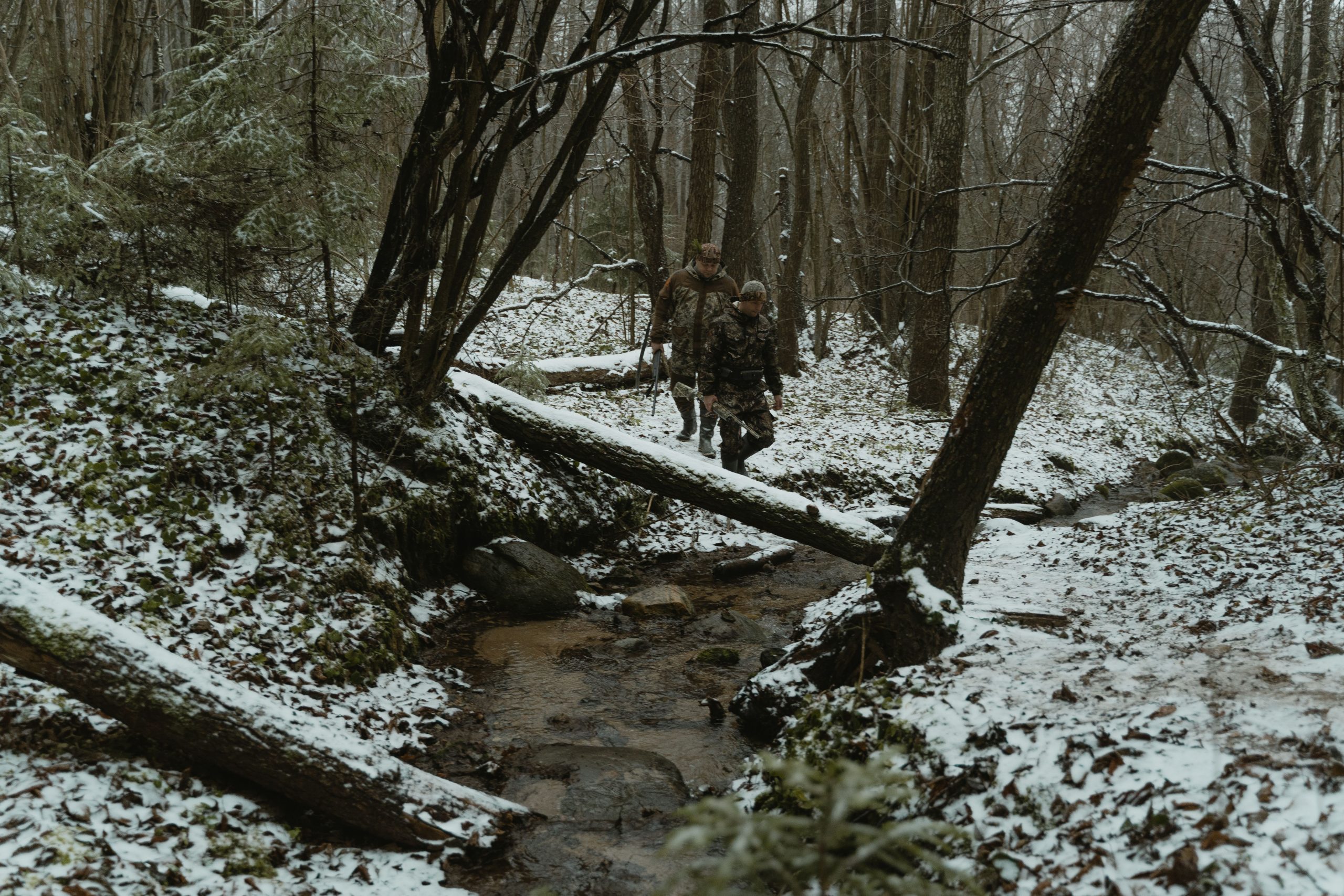
Upland game bird hunting is shaped by more than a hunter’s aim. Each species favors different terrain, reacts differently to pressure, and presents its own challenges when a bird flushes unexpectedly. Some stay close to thick cover, while others run ahead of a hunting party or burst into fast, unpredictable flight. Weather, vegetation, dog work, and seasonal movement can all influence an outing. Understanding these differences helps hunters recognize suitable habitat, identify birds accurately, and adapt their fieldcraft to the species they encounter. Local seasons, bag limits, and regulations should always guide any planned hunt.
1. Ring-Necked Pheasant
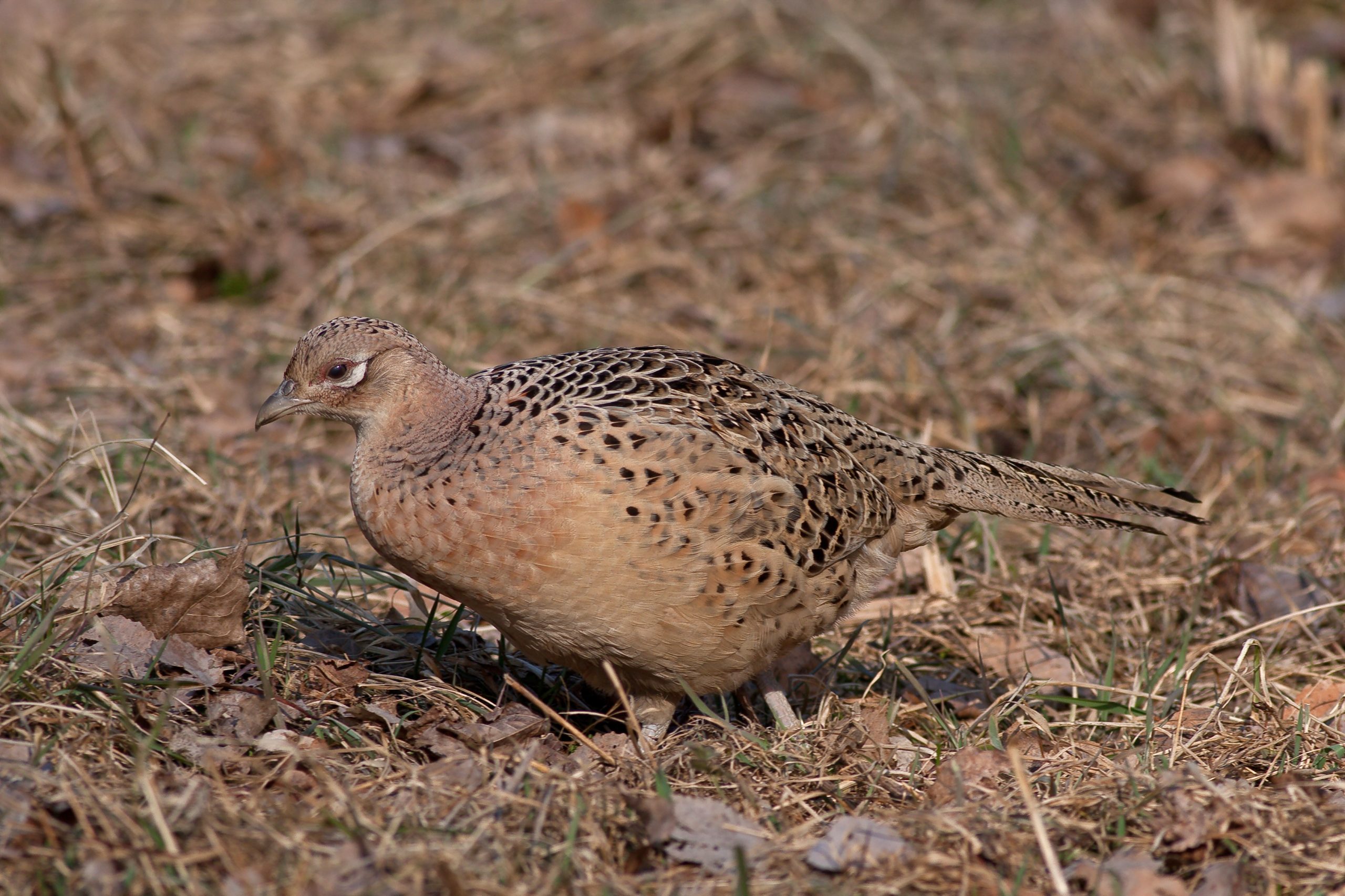
Ring-necked pheasants often hold in tall grass, crop edges, and brushy ditches, but they may run ahead before flushing. That makes steady walking and careful coordination more useful than rushing toward every sound. Adults commonly measure about 20 to 36 inches long, including the male’s long tail, and males show bright colors absent from the mottled brown hens. Dense cover can hide a bird until it rises abruptly, while open ground gives it room to fly fast. Check local rules for season dates, legal shooting hours, and bag limits before hunting.
2. Ruffed Grouse
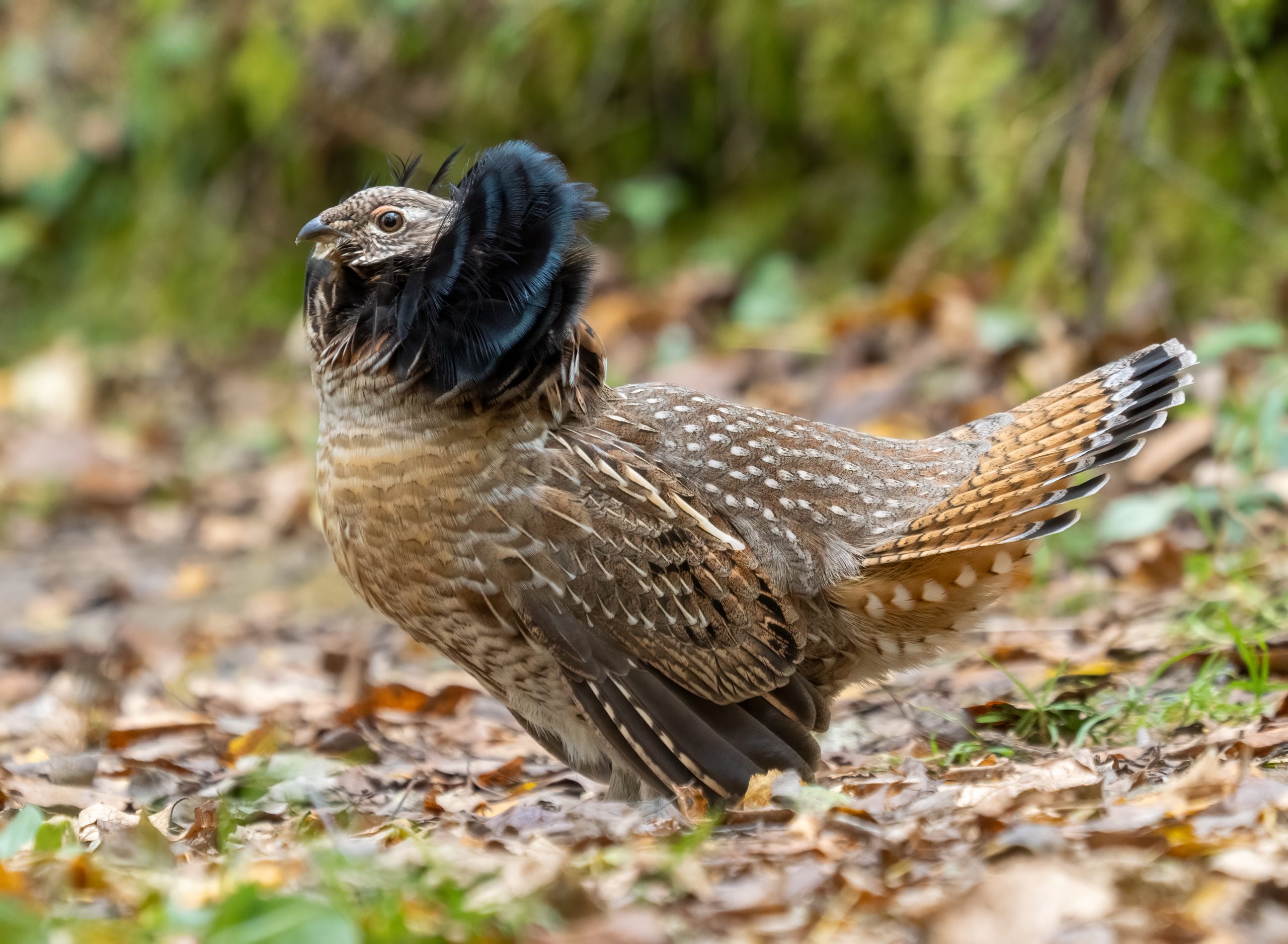
Ruffed grouse favor young forests with dense understory, especially where aspen and other cover provide food and escape routes. They may explode from close range, giving little time to identify the bird or judge its direction. Adults are usually about 16 to 19 inches long, and their barred plumage blends into leaf litter and shadow. Their sudden flush can startle even experienced hunters, so safe muzzle control and clear awareness of companions matter in thick woods. Look for fresh droppings, tracks, and feeding signs, but avoid assuming every rustle is a grouse.
3. Wild Turkey
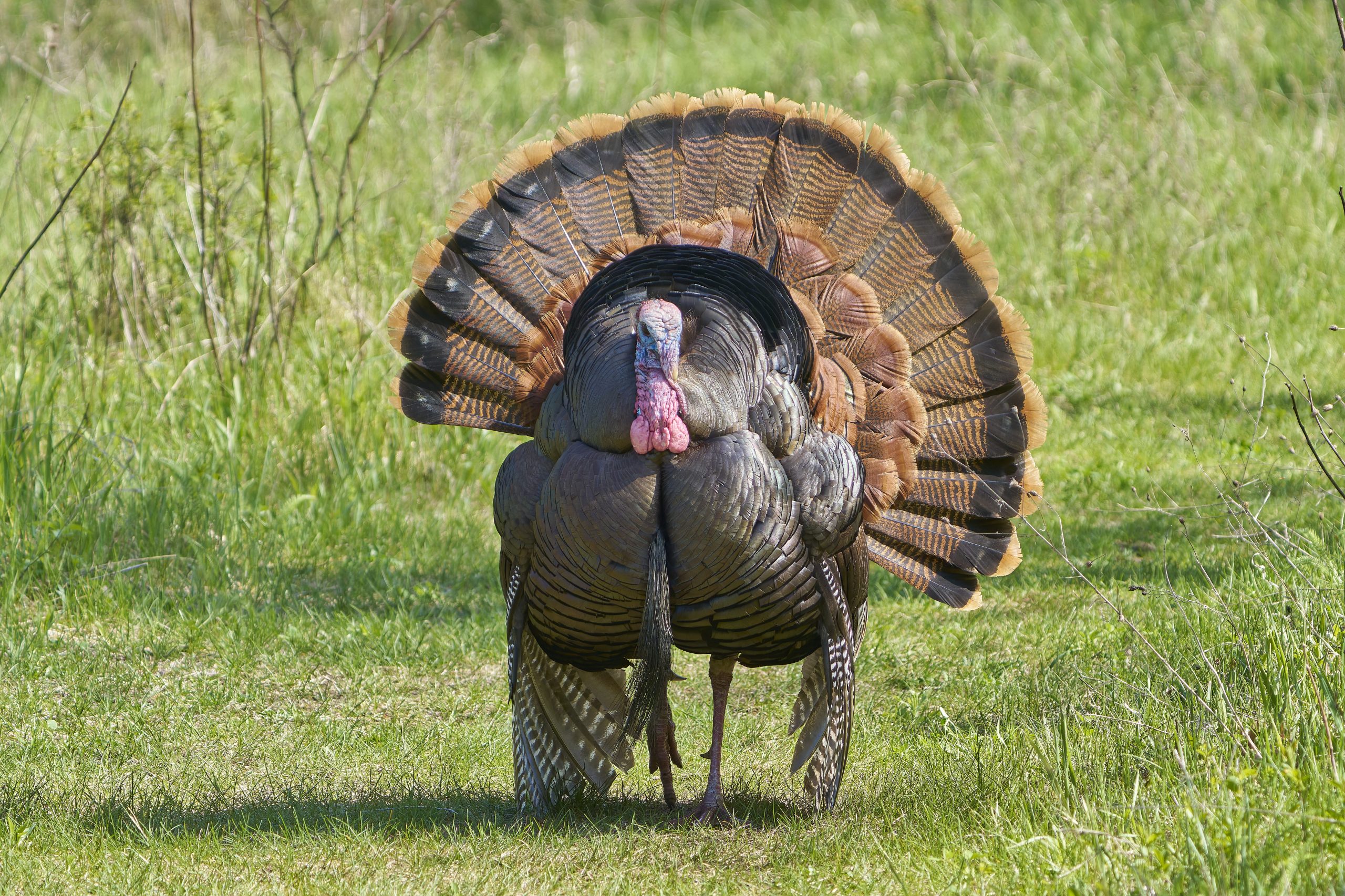
Wild turkeys use a mix of woodland, openings, and field edges, and their keen eyesight makes approaching them in open terrain difficult. Rather than relying on a close flush, hunters often need patience, careful concealment, and accurate identification. Adult birds may stand around 3 to 4 feet tall, with males generally larger and showing a fan-shaped tail during display. Turkeys can move quickly on foot and travel between roosting and feeding areas as conditions change. Follow local rules closely, especially for sex-specific seasons, legal methods, and required safety practices.
4. Chukar
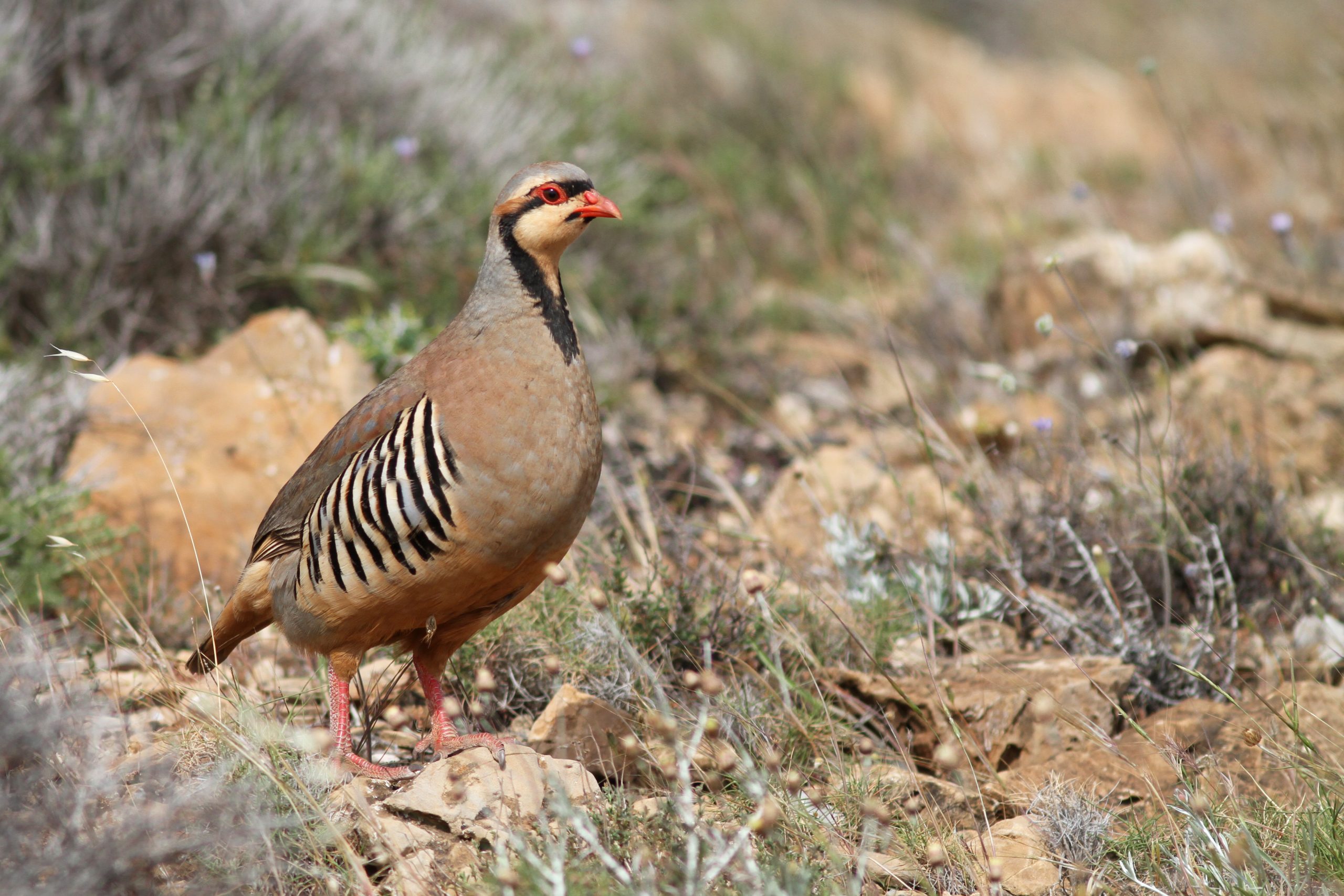
Chukar thrive on dry, rocky hillsides where sparse vegetation and steep slopes can turn a short pursuit into a demanding climb. When disturbed, coveys may run uphill or flush and glide downhill, making terrain awareness essential. Adults are about 13 to 15 inches long, with a pale face, black necklace, and barred flanks that help distinguish them. Their preference for rugged ground tests stamina as much as observation, and loose rock can create a real fall hazard. Move deliberately, keep track of partners, and check local access and season rules before setting out.
5. Gray Partridge
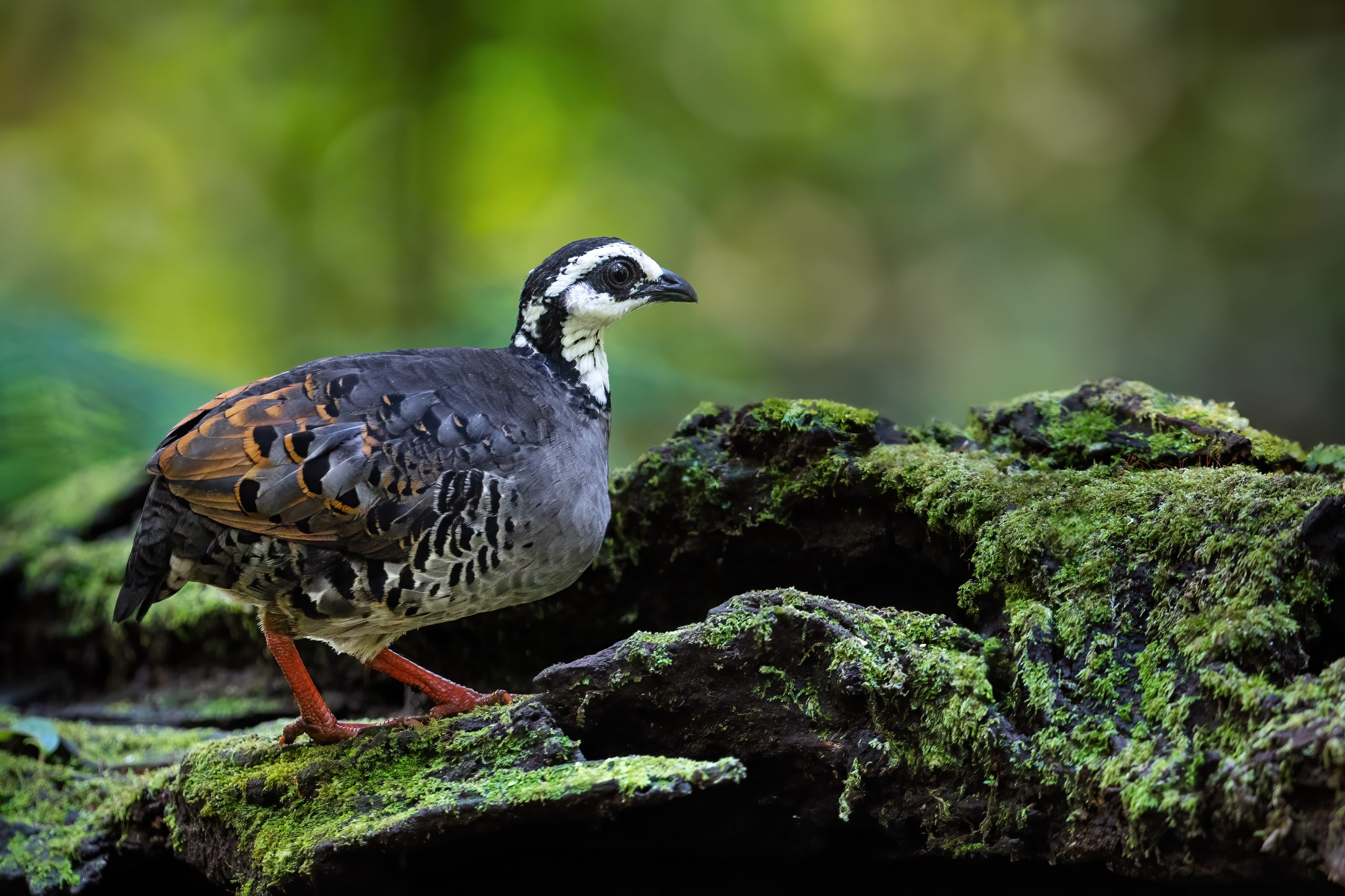
Gray partridges, also called Hungarian partridges, favor farmland with grassy margins, hedgerows, and weedy field borders. They often travel in coveys, so a group may scatter in several directions when disturbed, complicating safe shot selection. Adults measure roughly 12 to 13 inches long and have rounded bodies, gray plumage, and a short tail; males often show a dark chestnut belly patch. Their camouflage makes stationary birds hard to spot among stubble and soil. Scan field edges carefully, identify each bird before acting, and confirm local rules and land access.
6. Northern Bobwhite
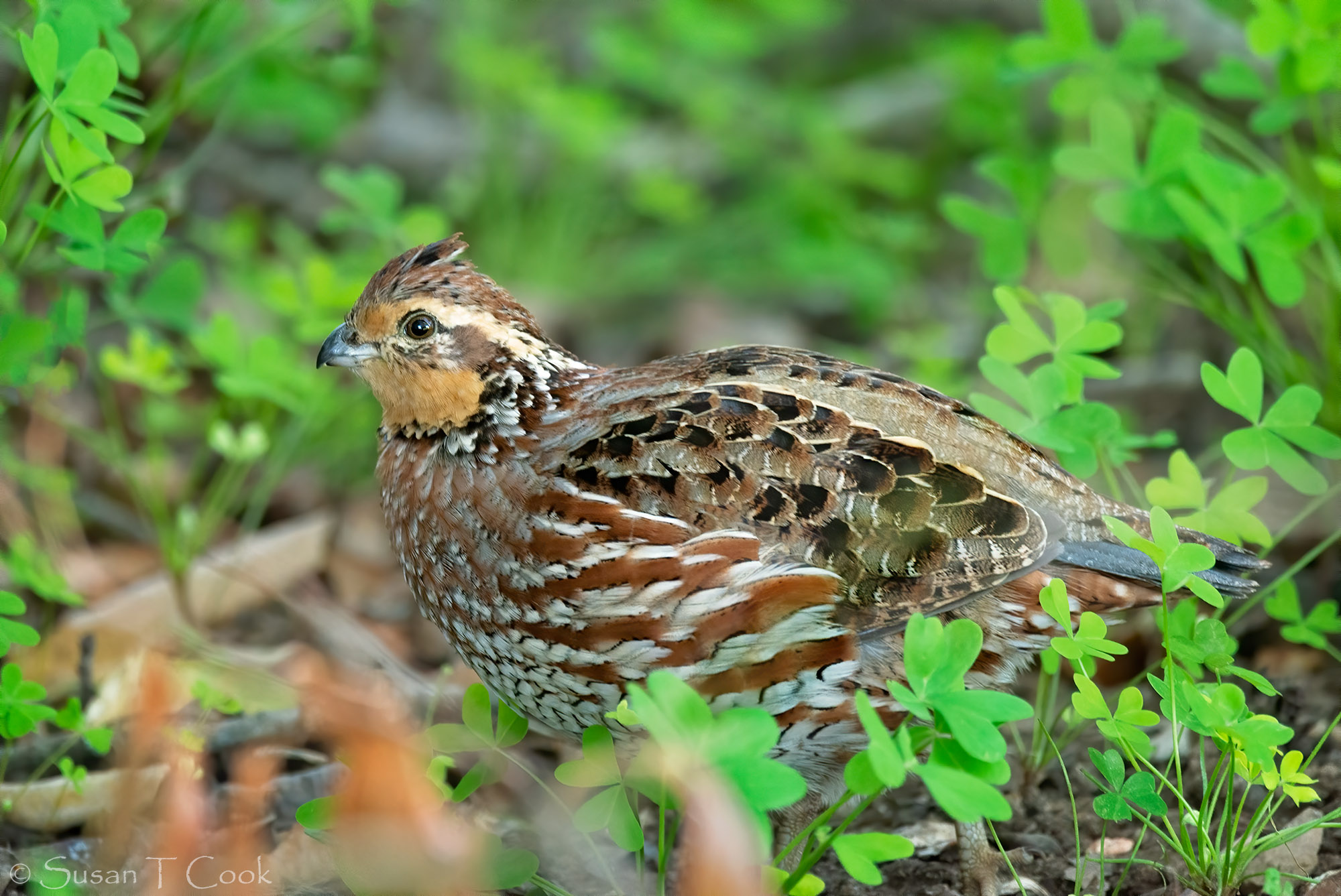
Northern bobwhites inhabit grasslands, brushy fields, and farms with a mix of nesting cover and open feeding ground. Their small size and quick, low flight can make a flush difficult to follow through tangled vegetation. Adults are about 9 to 10 inches long, with males showing a bold white-and-black face pattern and females a warmer buff pattern. Bobwhites often stay in coveys outside the breeding season, but birds may scatter when startled. Habitat quality and weather affect where they are found, so look for varied cover and check regional conservation and hunting regulations.
7. Spruce Grouse
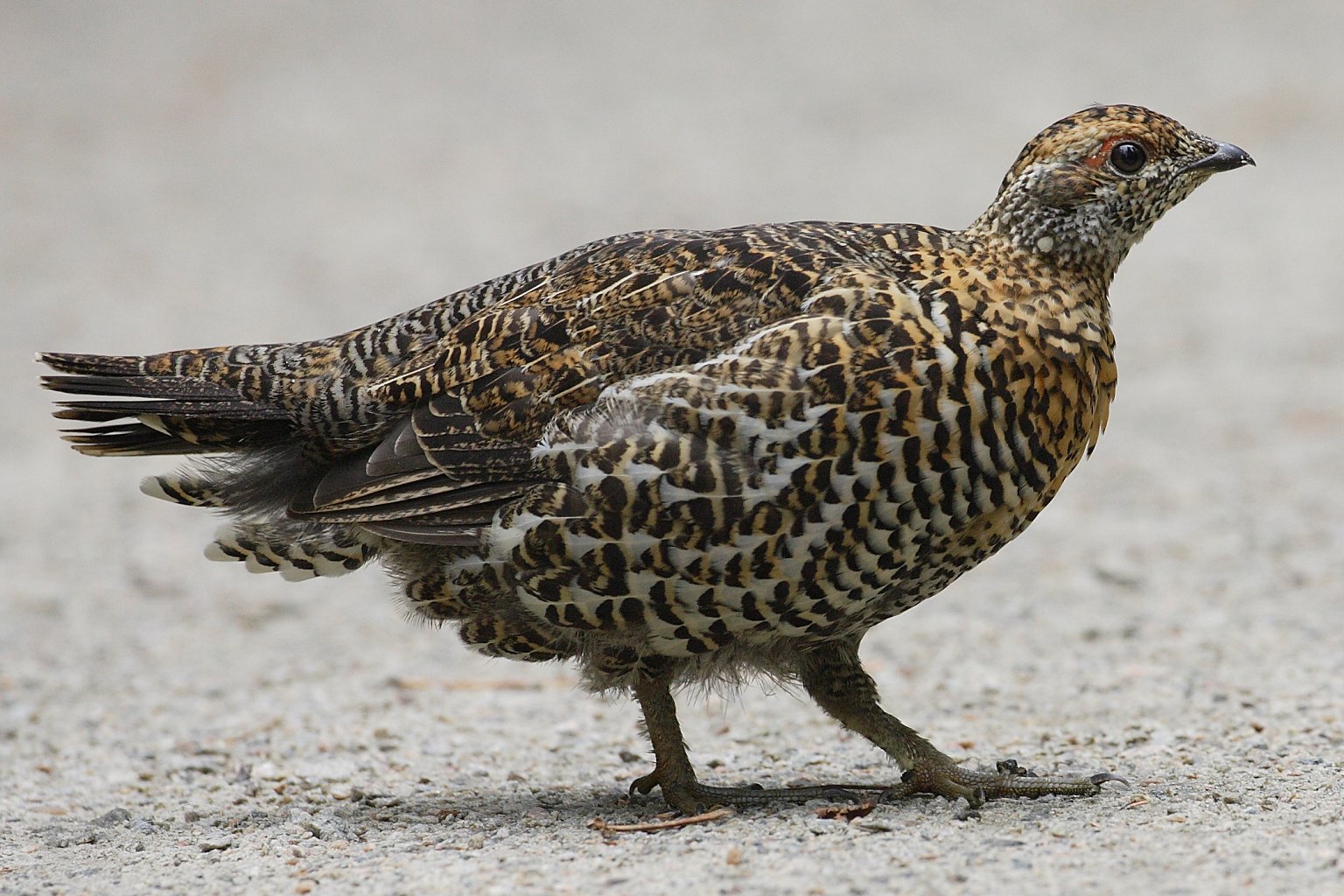
Spruce grouse live in northern conifer forests, where dark plumage and still behavior make them surprisingly hard to notice. They may remain perched or walk away through low branches instead of flushing at once, so slow observation is often more useful than covering ground quickly. Adults are generally about 15 to 17 inches long; males are dark with a red eye comb, while females are mottled brown. Their forest habitat can look uniform, but feeding signs and droppings may reveal use of an area. Confirm local seasons and regulations, which vary widely across their range.
8. Sharp-Tailed Grouse
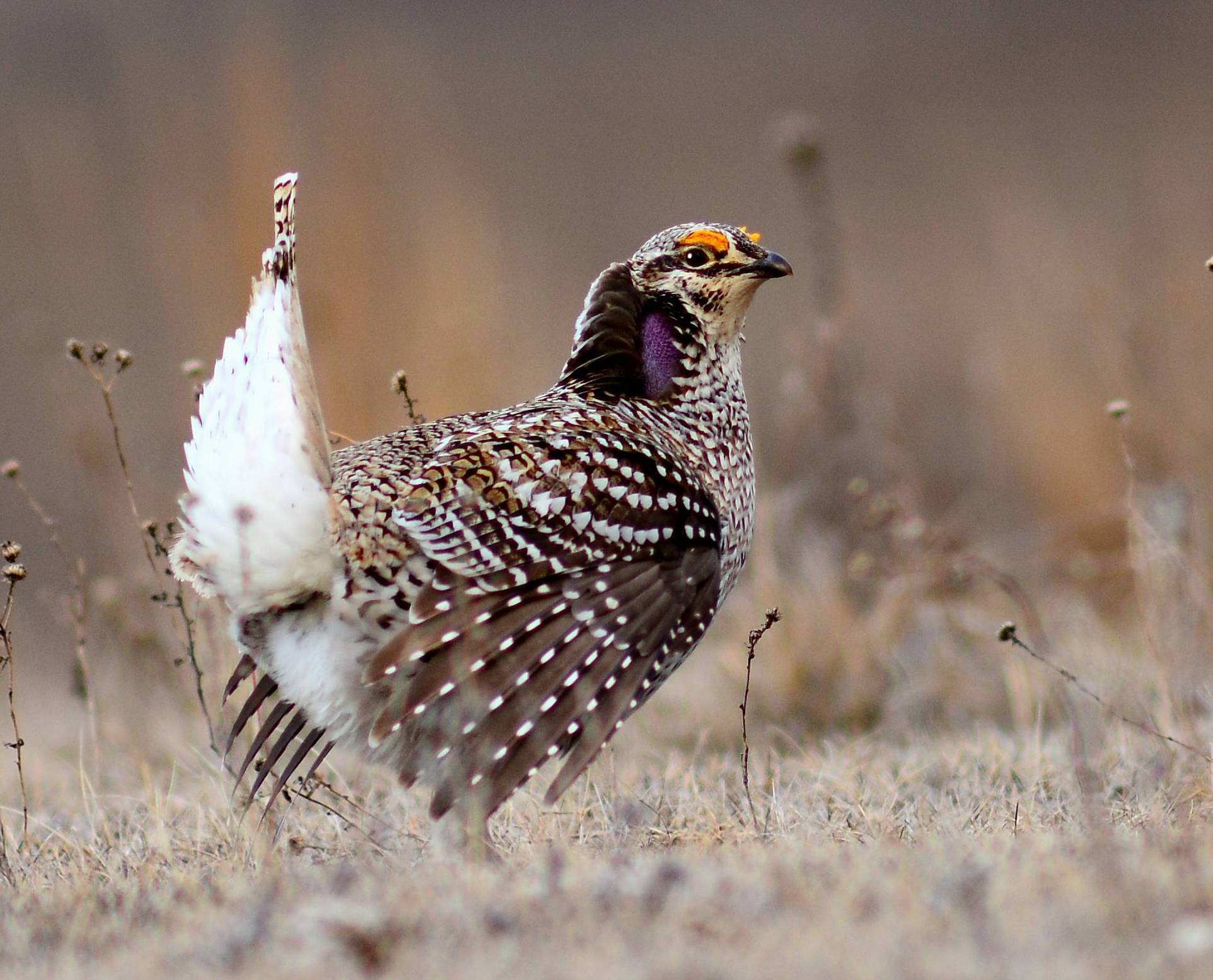
Sharp-tailed grouse favor open prairie, mixed grassland, and brushy edges, where birds can be far apart and exposed to wind. Hunters may need to cover broad areas while watching for coveys that flush suddenly and fly strongly across open ground. Adults measure about 15 to 19 inches long and show pointed tail feathers, barred bodies, and yellowish eye combs on males during breeding season. Their open-country habitat offers long sightlines but little concealment, and weather can change walking conditions quickly. Check property boundaries, local seasons, and bag limits before hunting.