Shoppers looking for an AR-15 in 2026 are running into a familiar problem: sticker shock. Prices are climbing for complete rifles, parts, and even basic accessories, leaving many owners irritated and confused. This gallery breaks down the biggest reasons costs are rising and why the market still feels so tense.
Raw material costs are still elevated
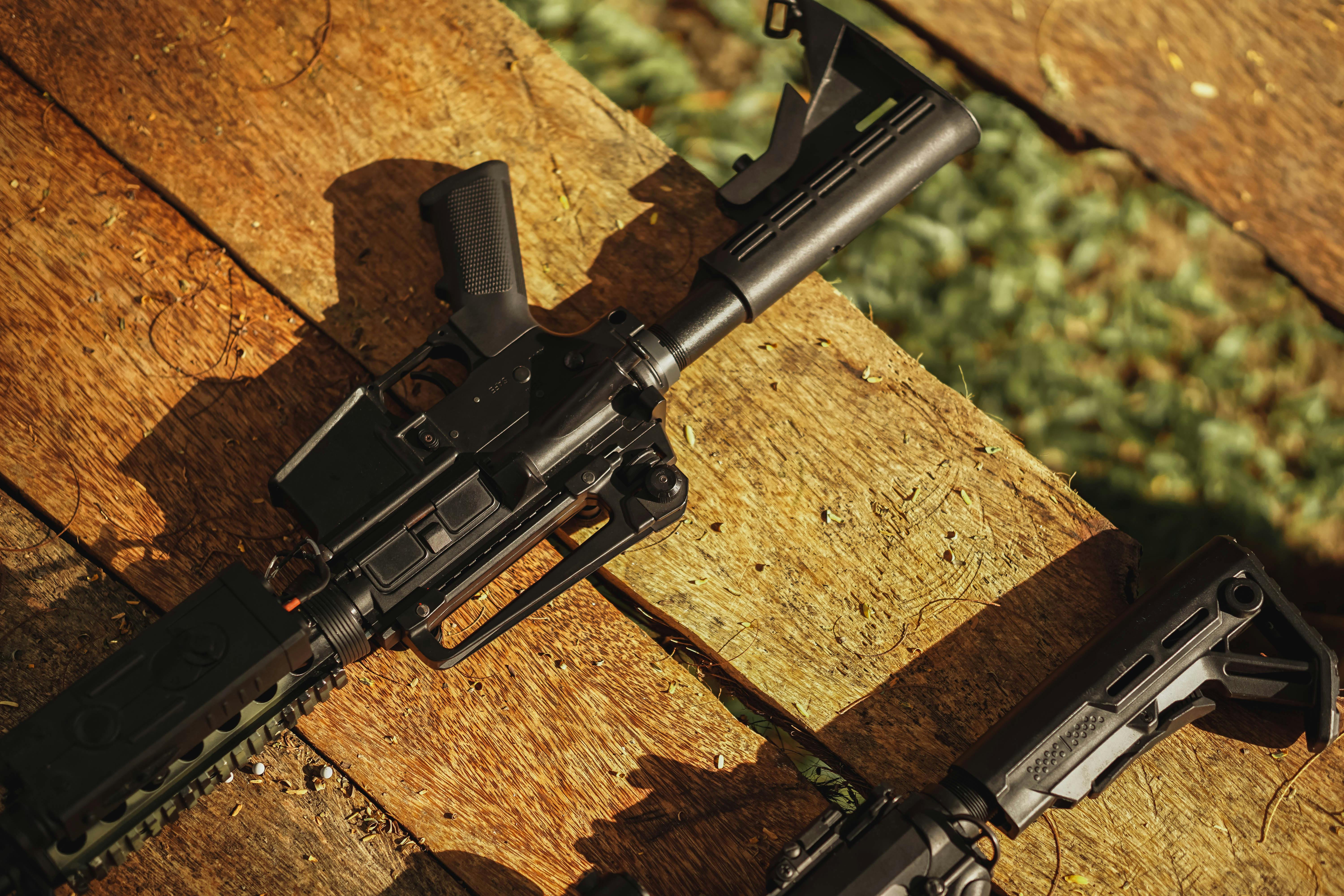
Building an AR-15 still depends on aluminum, steel, polymers, copper, and packaging materials that have all seen uneven pricing. Even when headline inflation cools, manufacturers often keep paying more for specific inputs used in barrels, receivers, springs, and magazines.
Those increases ripple through the entire product line. A company paying more for forgings, machining time, and freight rarely absorbs the hit for long. Instead, the extra cost gets baked into the final sticker price, which is why buyers often notice higher prices on both budget rifles and premium models.
Labor and manufacturing expenses have gone up

AR-15s may be common, but they are not cheap to make well. Factories need machinists, assemblers, finishers, quality control staff, and logistics workers, and wages have risen as companies compete for skilled labor in a tighter hiring market.
Energy, insurance, compliance, and facility costs add another layer. When the cost of running a plant rises, every upper, lower, and complete rifle carries a little more overhead. Owners may see a simple price tag increase, but behind it is a more expensive production environment than many shoppers realize.
Supply chains remain unpredictable

The supply chain problems of the past few years never fully disappeared. Some parts arrive late, some vendors raise prices without much notice, and some imported components or accessories get caught in shipping delays that throw off production schedules.
That uncertainty matters because AR-15 manufacturing is built around many specialized inputs. If one small component is delayed, an entire batch of rifles can be held up. Retailers then get fewer units than expected, and limited availability tends to push asking prices higher, especially when buyers are already worried about missing out.
Political uncertainty keeps demand elevated

Few consumer products react to politics quite like the AR-15 market. Whenever buyers sense possible restrictions, tougher state laws, or a renewed federal debate, demand can spike quickly as shoppers rush to buy before any rules change.
That behavior creates its own pricing pressure. Dealers see faster sell-through, distributors tighten allocations, and manufacturers gain room to raise prices because the market is suddenly more emotional than rational. Even people who were not planning to buy immediately can end up purchasing sooner, which only intensifies the cycle.
State compliance models cost more to produce

In many places, manufacturers cannot simply ship one standard rifle nationwide. They often need state-compliant configurations with different stocks, magazine setups, feature restrictions, or packaging rules, and that creates extra design, inventory, and assembly headaches.
Making multiple versions of the same platform is less efficient than making one broad model at scale. Smaller production runs usually mean higher per-unit costs, and those costs are passed to consumers. For buyers in restrictive states, the result can feel especially frustrating because the compliant version often costs more while offering fewer features.
Tariffs and import costs affect parts and accessories

Even rifles made in the United States can depend on globally sourced inputs. Optics, electronics, small components, raw materials, and shop equipment may all be affected by tariffs, customs fees, or higher international shipping costs.
Those expenses do not stay neatly separated from the rifle itself. When accessory makers and parts suppliers pay more, the broader AR-15 ecosystem gets more expensive too. Owners notice it when replacement parts, red dots, lights, magazines, and other add-ons jump in price, making the total cost of ownership feel much steeper.
Retailers are pricing in risk

Gun retailers are operating in a market that can change quickly. Inventory rules, payment processing concerns, insurance costs, theft prevention, and uneven demand all create business risk, and stores often price products to protect themselves from sudden swings.
That means the rifle on the wall may include more than wholesale markup. It can also reflect the cost of carrying inventory longer, replacing stock at higher future prices, or simply staying profitable in a category that attracts extra scrutiny. From the buyer’s side, it feels like gouging. From the retailer’s side, it often looks like survival.
Ammunition and accessory inflation changes buying behavior
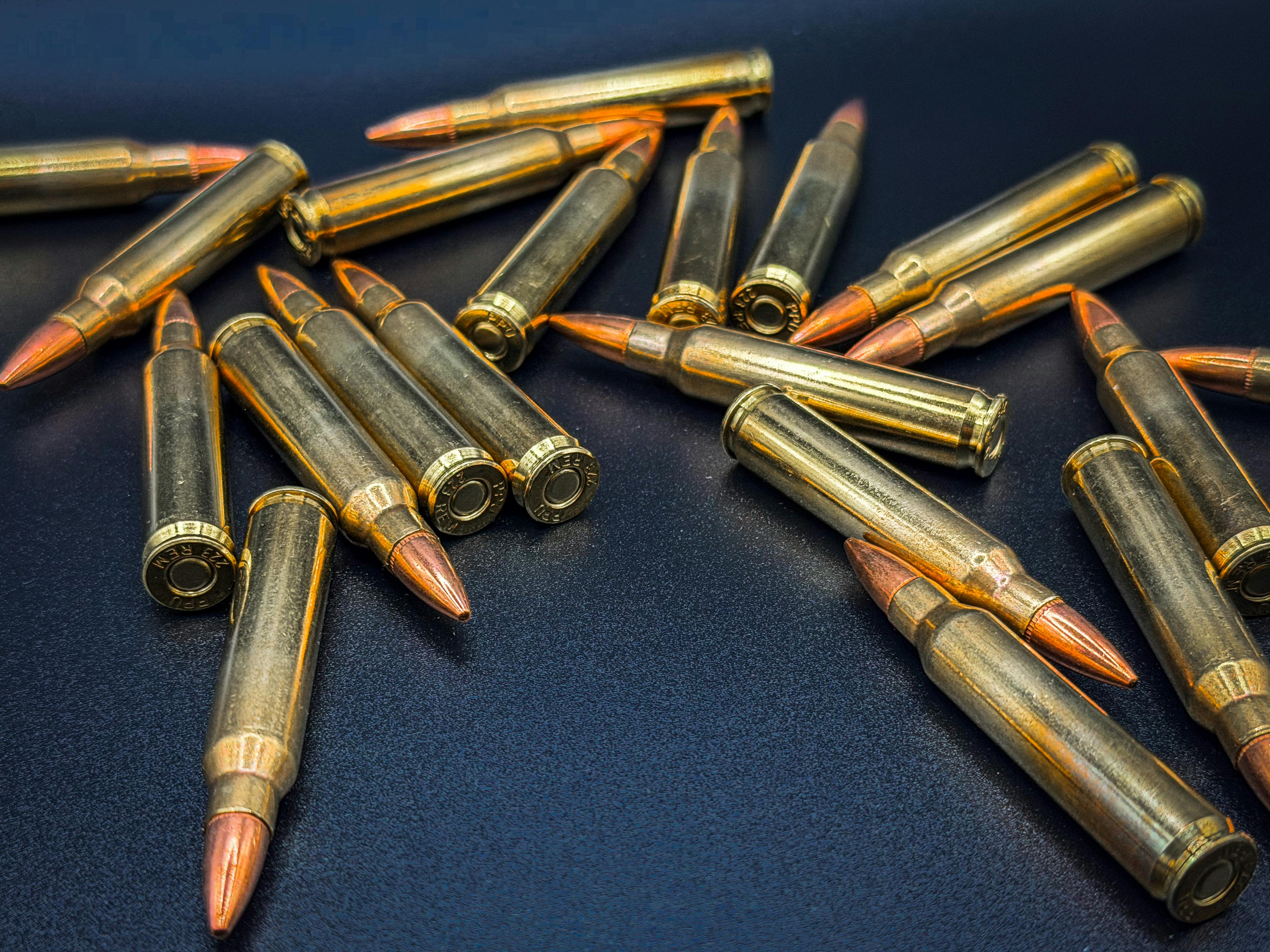
The rifle itself is only part of the equation. When ammunition, magazines, optics, cases, and range fees all cost more, buyers become more selective and often shift toward higher-end purchases they believe will hold value better over time.
That can nudge average selling prices upward. Instead of grabbing the cheapest rifle available, some shoppers stretch for a more established brand or upgraded configuration. Manufacturers and retailers respond to that mix shift by emphasizing better-margin models, which can leave entry-level buyers feeling squeezed out of the market.
Brand positioning is pushing prices higher

Many companies no longer want to compete only on bargain pricing. They are marketing AR-15s with improved coatings, upgraded triggers, ambidextrous controls, better furniture, and premium barrels, all of which help justify higher price points.
That strategy can reshape the whole category. Once more brands present their rifles as premium or duty-grade products, the baseline price for what feels acceptable starts to rise. Owners shopping in 2026 are not just paying for materials and labor. They are also paying for branding, product differentiation, and a market that has moved upscale.
Consumers remember lower prices and resent the new normal

Part of the frustration is psychological. Many owners remember when decent AR-15s were far cheaper, parts were abundant, and discounts were easy to find. Today, even a modest setup can feel expensive once taxes, magazines, optics, and ammunition are added.
That gap between memory and reality makes every price increase feel sharper. The market has changed, but buyer expectations have not fully caught up. In 2026, the irritation is not only about what an AR-15 costs now. It is about the sense that a once-accessible platform keeps drifting further out of reach for ordinary enthusiasts.