The PPSh-41 is often remembered as one of the defining small arms of the Eastern Front, but its real story goes beyond its distinctive drum magazine and rapid fire. Designed during an industrial emergency, it combined uncomplicated engineering with production methods suited to a nation fighting for survival. Its reputation for being “cheap” does not mean it was literally the least expensive firearm ever made. Rather, its importance came from how efficiently Soviet factories could turn relatively simple materials and processes into millions of serviceable weapons. Here are eight details that explain why the PPSh became such a powerful symbol of wartime mass production.
1. It Was Designed Around Production Speed
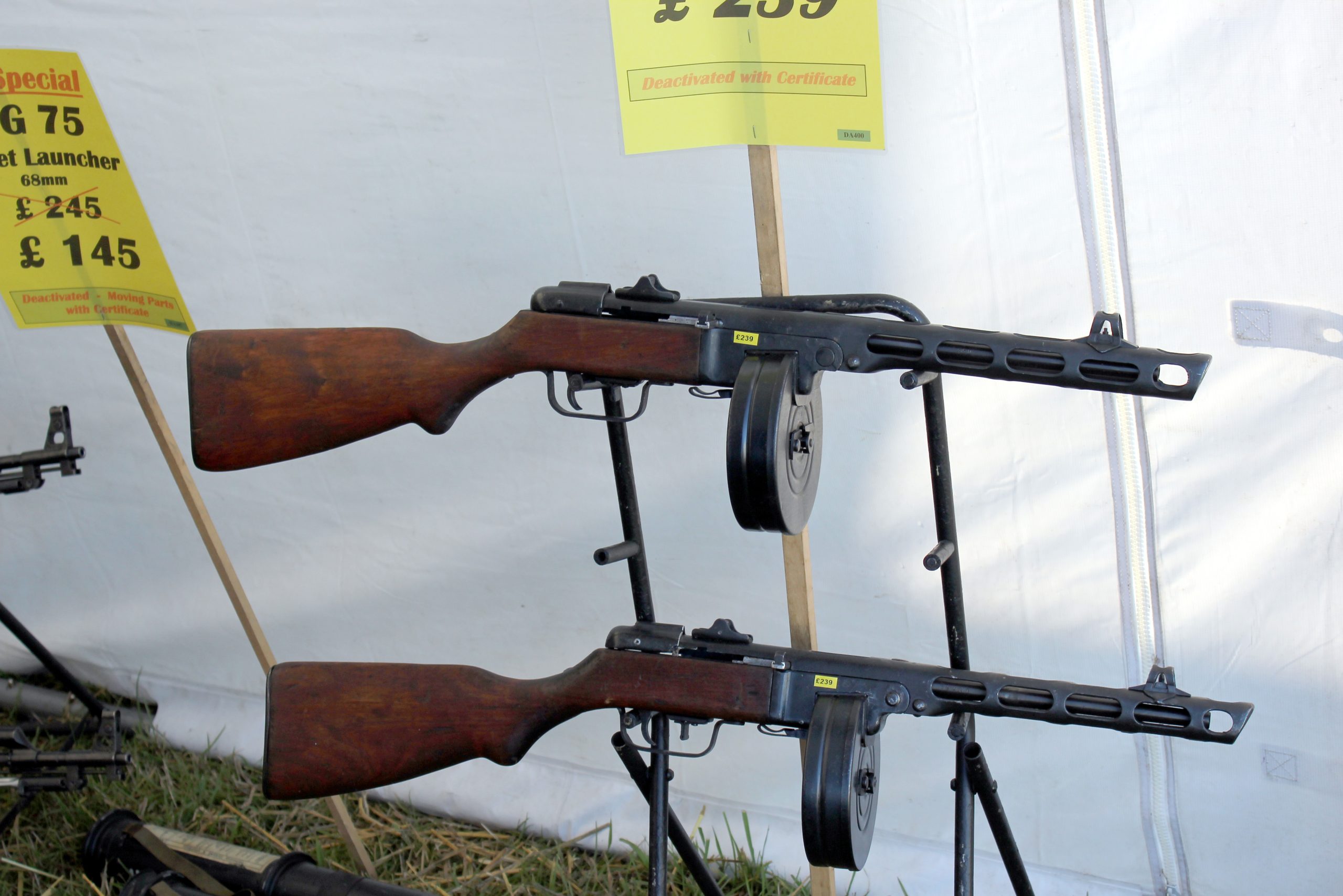
The PPSh-41 was born from a wartime manufacturing problem, not a quest for elegance. Designer Georgy Shpagin developed it in 1940 as the Red Army sought a simpler replacement for the costly PPD. It was adopted on 21 December 1940, just months before Germany invaded the Soviet Union. The design used stamped steel and straightforward construction so factories could produce it rapidly. A PPSh used about 87 components, compared with roughly 95 in the PPD-40, while machining time was estimated at 5.6 hours versus 13.7 hours. That industrial economy became its greatest advantage. Its purpose was simple: get more usable guns into soldiers’ hands without tying up scarce skilled machining capacity.
2. Millions Could Be Built When They Were Needed
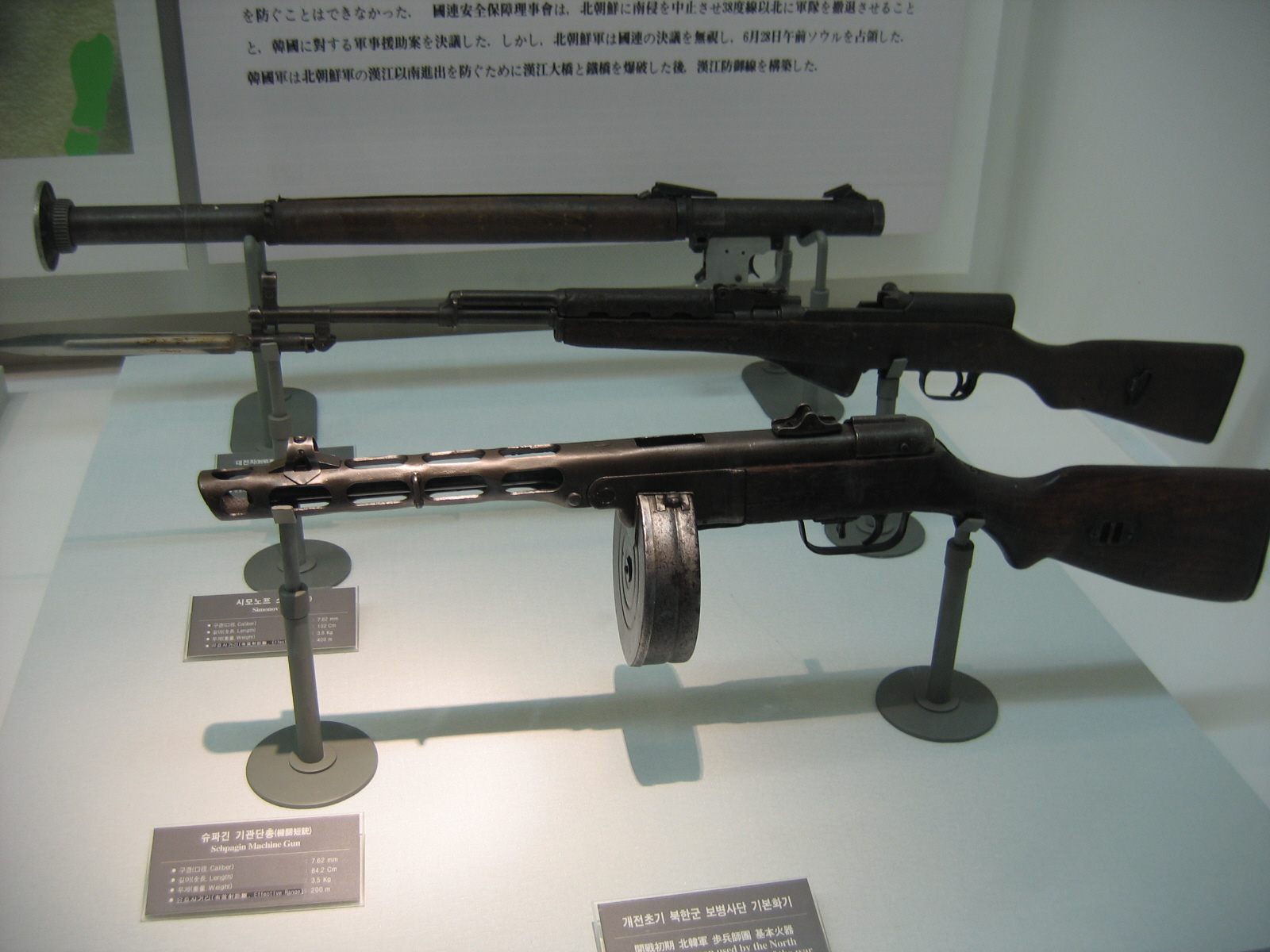
Its nickname as a “cheap” weapon makes sense only when manufacturing is considered. The PPSh did not rely on expensive precision milling for most of its structure; stamped sheet steel, wood and existing industrial processes did much of the work. Soviet production expanded dramatically as the war consumed small arms. By spring 1942, Moscow-area factories were reportedly turning out about 3,069 PPShs per day. Wartime totals are commonly placed above 5 million, with many references giving roughly 6 million. Few infantry weapons matched that combination of low production burden and enormous output. That mattered enormously when factories were under pressure to replace battlefield losses.
3. Its Cartridge Gave It Serious Close-Range Firepower
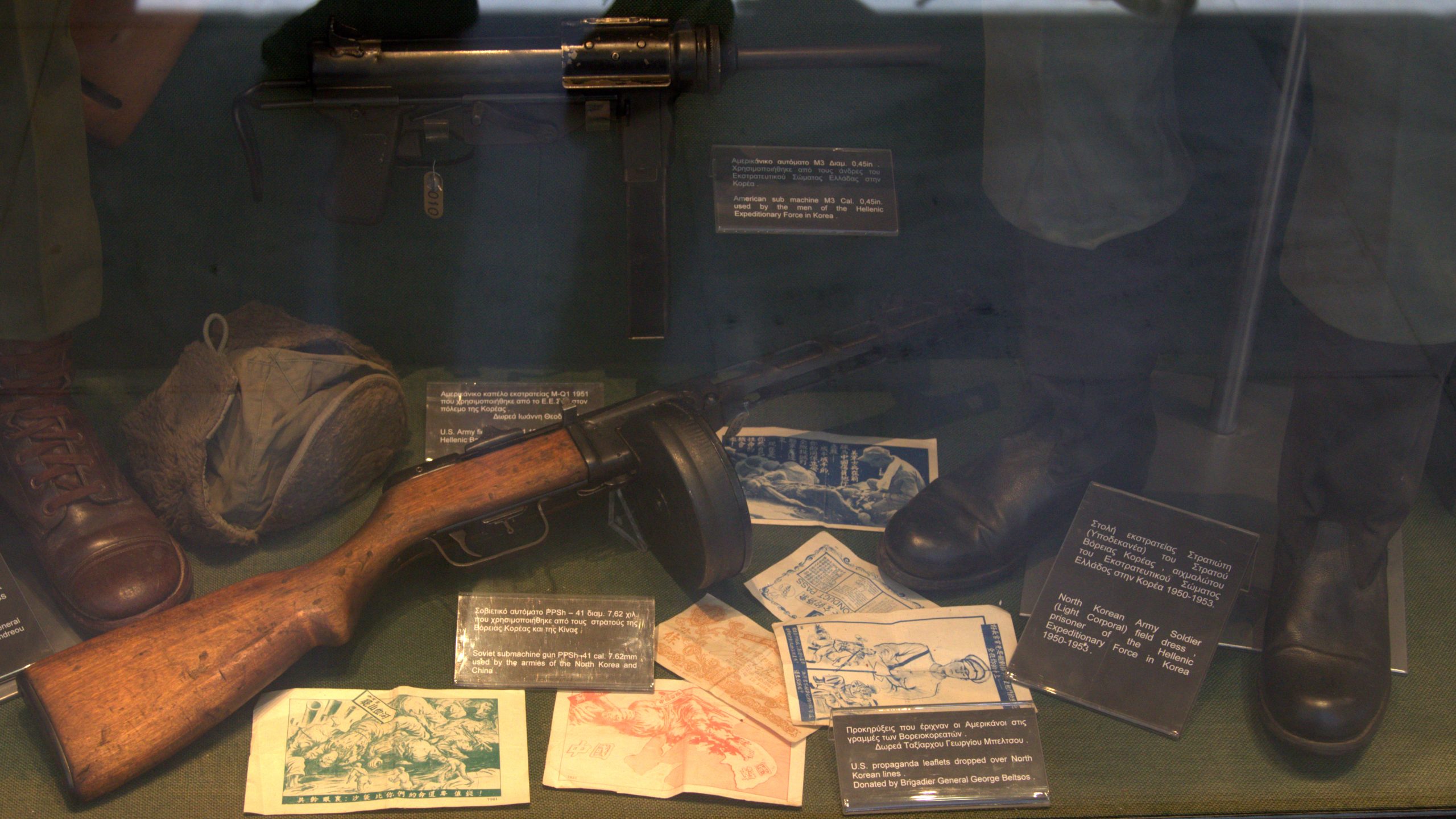
The PPSh-41 was chambered for the Soviet 7.62×25mm Tokarev cartridge, a compact round already used in the TT pistol. Its 269mm barrel helped the cartridge reach roughly 488–500 m/s, giving the weapon a notably brisk trajectory for a World War II submachine gun. The action was simple blowback and fired from an open bolt. Depending on production configuration, the cyclic rate was around 900 rounds per minute, creating intense short-range fire. Those figures explain why the PPSh was especially valuable when fighting became close, fast, and chaotic. That combination made it particularly effective where engagements collapsed into sudden close-range fights.
4. The 71-Round Drum Became Its Signature
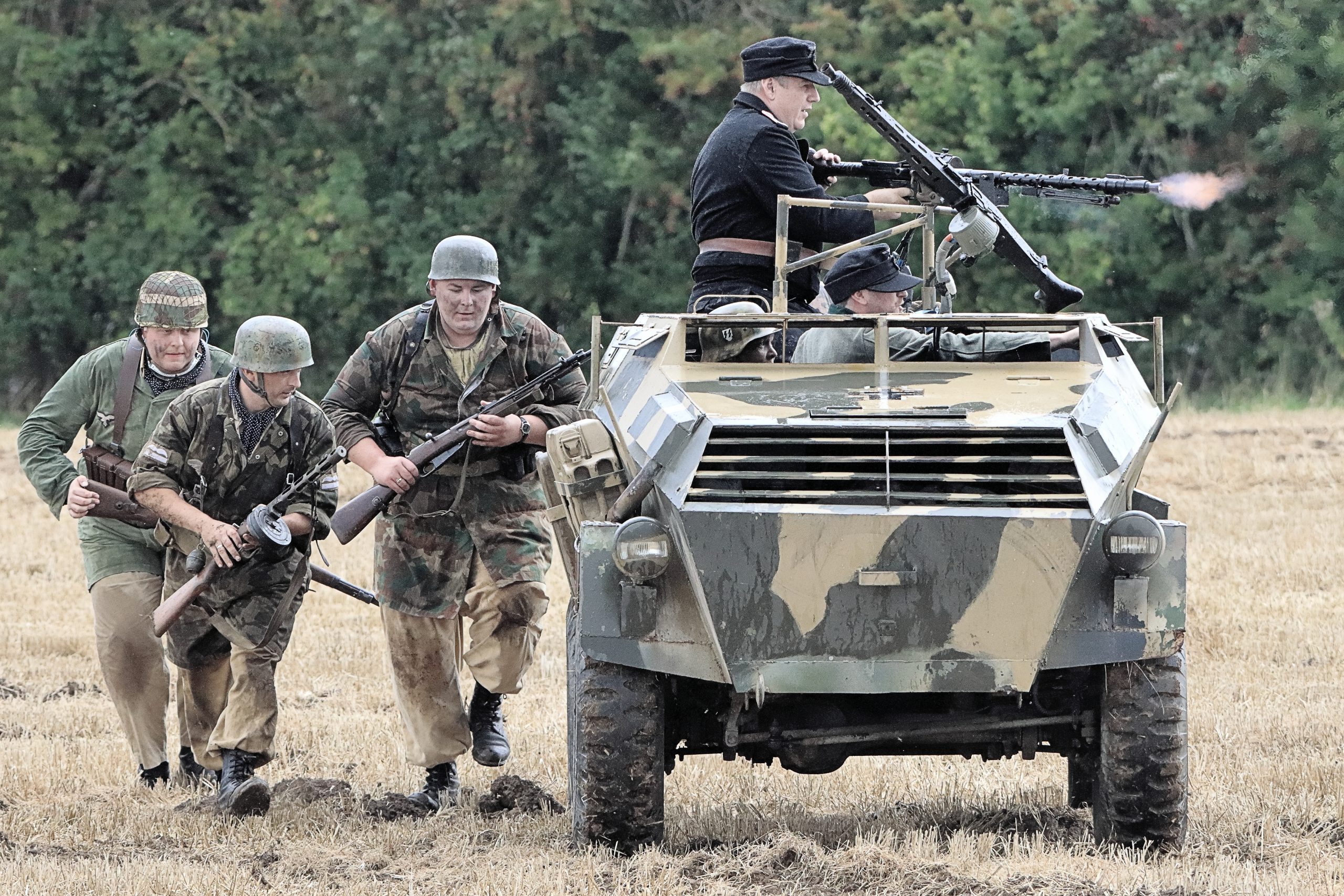
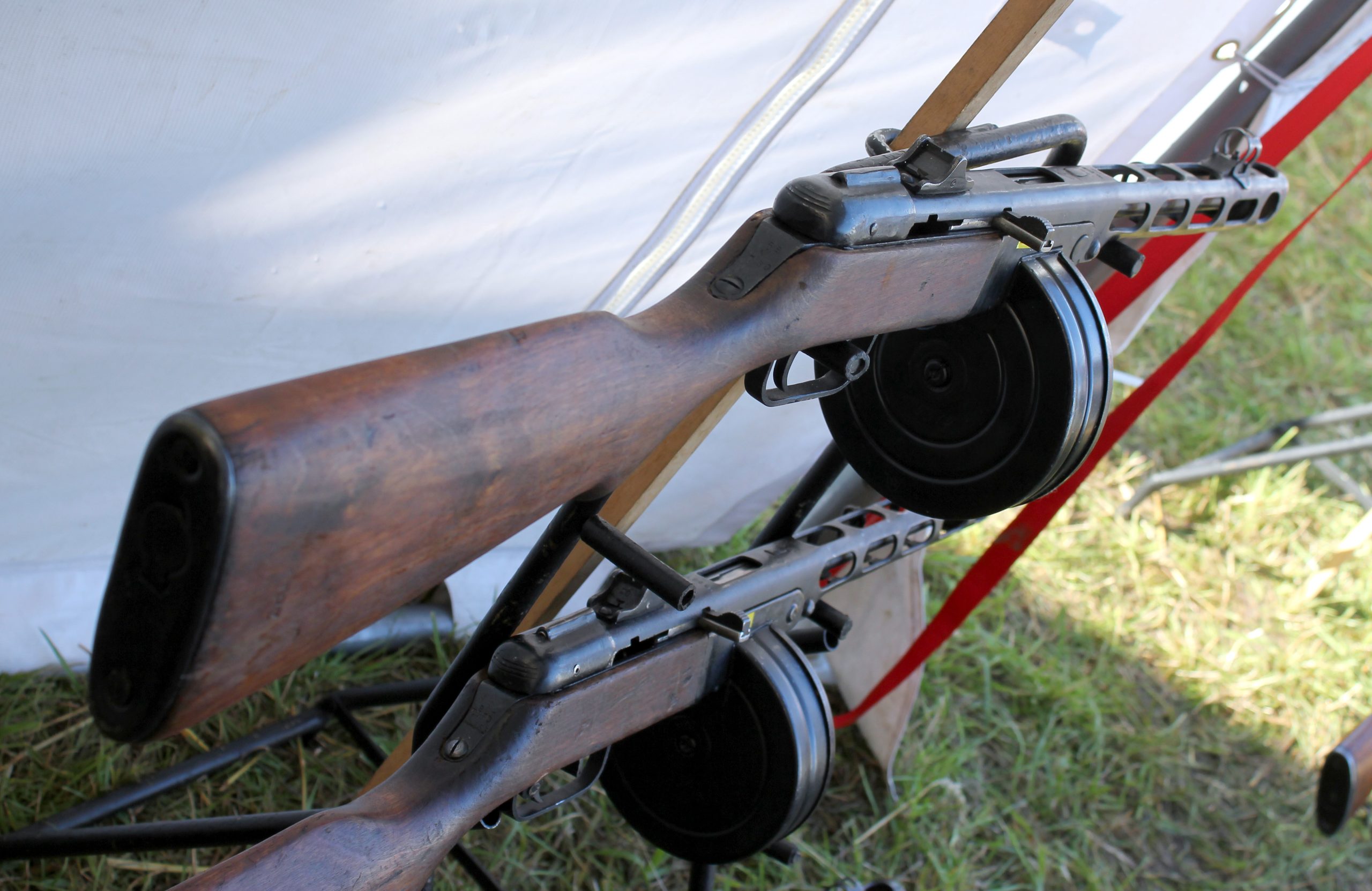
The famous drum magazine gave the PPSh a remarkable ammunition reserve for its era. Its standard drum held 71 rounds, while a later 35-round curved box magazine offered a simpler alternative. A loaded drum could bring the complete weapon to about 5.45 kg, compared with roughly 4.3 kg using a loaded box magazine. The box magazine gradually became more attractive because it was easier to manufacture and handle. Even so, the 71-round drum remains one of the PPSh’s defining visual features and helped Soviet troops sustain dense fire without frequent magazine changes. For many soldiers, capacity mattered more than elegance. For troops moving quickly, a lighter box magazine could also be easier to carry and replace under pressure.
5. Ruggedness Mattered More Than Refinement
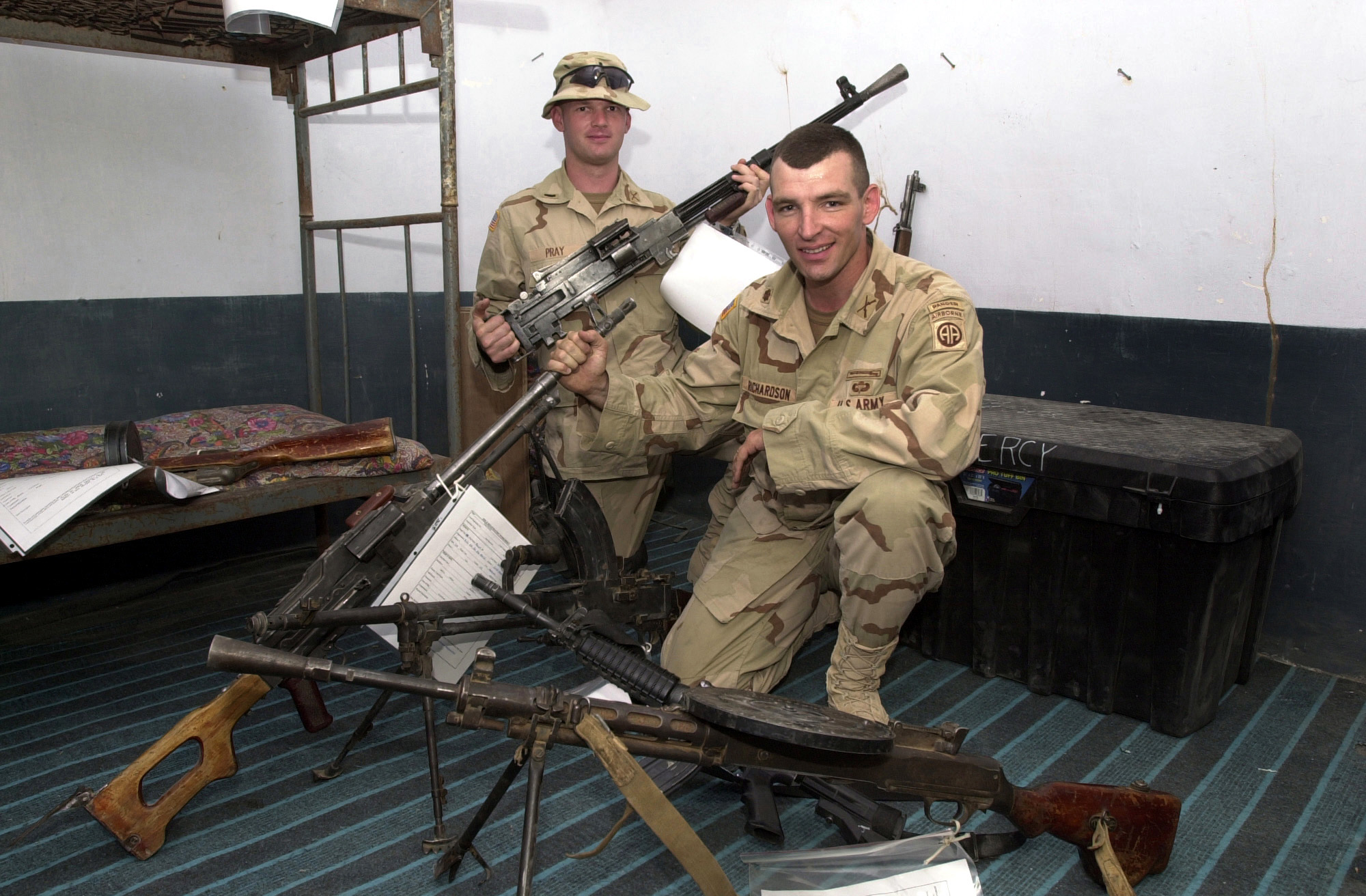
The PPSh was deliberately rugged rather than refined. Its receiver and barrel jacket used practical sheet-metal construction, while a wooden stock provided a familiar rifle-like shoulder mount. The barrel was chrome-lined, an important feature for resisting corrosion and maintaining service life under harsh conditions. The receiver also hinged open, simplifying access to the bolt and recoil system during maintenance. The weapon weighed about 3.63 kg without a magazine and measured roughly 843 mm overall. Its plain finish was a feature, not a flaw, because the weapon was meant to leave factories in quantity and keep working in difficult conditions.
6. It Changed How Soviet Units Used Submachine Guns
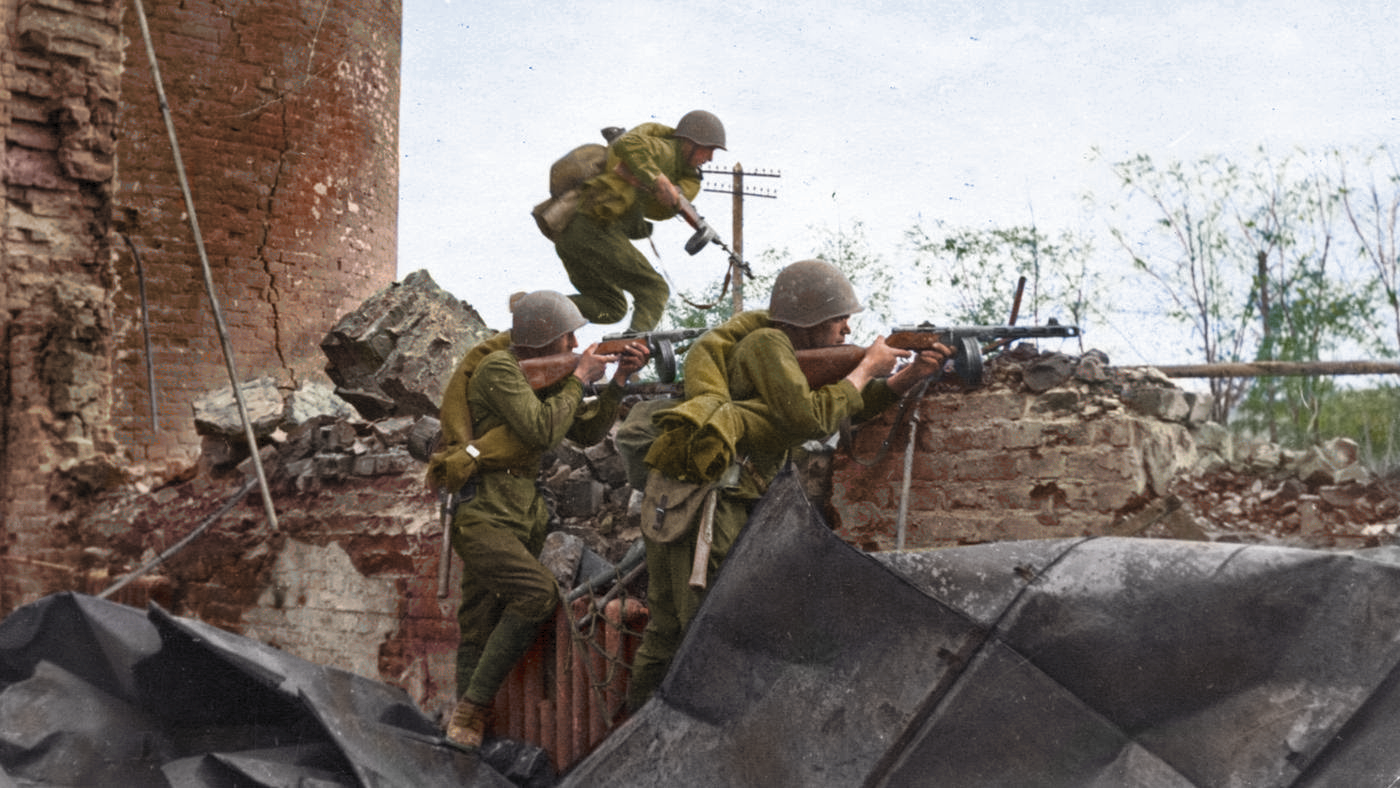
The PPSh’s firepower changed how Soviet units could be organized. It was not merely issued as a specialist weapon; large numbers allowed entire assault groups and, in some cases, units to carry unusually high proportions of submachine guns. Its strengths were most obvious in streets, forests, trenches and other close-range environments where volume mattered more than long-range precision. The 71-round drum could support sustained bursts, while the 7.62×25mm cartridge and roughly 900-rpm cyclic rate produced a dense stream of fire. That made the PPSh a natural fit for Soviet close-combat tactics. This helped Soviet formations exploit the weapon where its strengths were greatest.
7. Even German Forces Put Captured PPShs to Use
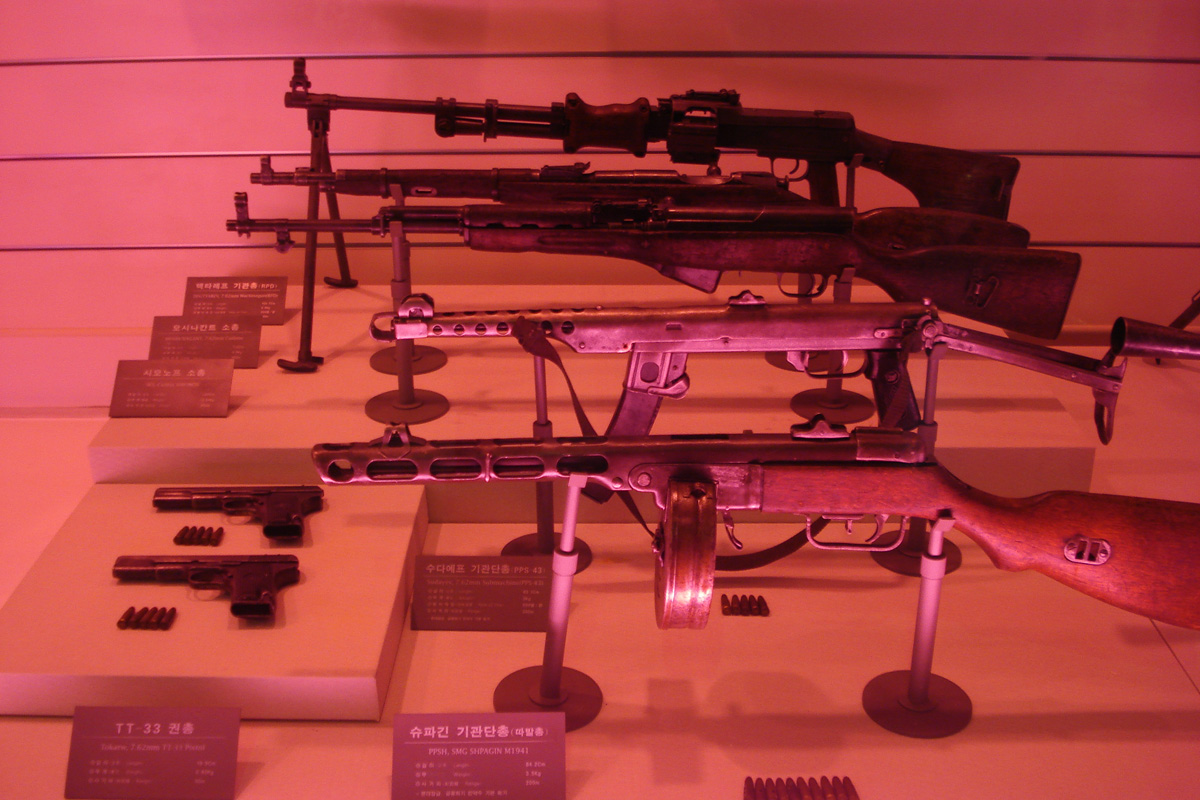
The weapon’s reputation also survived because German troops recognized its usefulness. Captured PPSh-41s were designated MP 717(r), and Germany even converted some examples to fire 9×19mm ammunition, creating the MP 41(r) designation. The Soviet design therefore crossed an unusual battlefield boundary: an enemy army valued it enough to adapt captured examples for its own ammunition system. This was not a sign that the PPSh was universally superior, but it demonstrated how its simple construction, high capacity and strong close-range performance could remain useful even outside the army that designed it. The episode also shows how battlefield reputation could cross enemy lines.
8. Its Real Achievement Was Industrial, Not Just Mechanical
Calling the PPSh-41 the cheapest gun to “win a world war” is catchy, but it is not a literal accounting claim. Victory came from people, logistics, factories, artillery, armor, aircraft and countless other weapons. The PPSh mattered because it fit that larger Soviet system exceptionally well: it could be produced in huge numbers, used a standard cartridge and delivered formidable close-range firepower. Adopted in 1940 and produced by the millions during World War II, it became an enduring symbol of Soviet wartime industrial power and one of history’s most recognizable submachine guns. That is the real reason its reputation has lasted for more than 80 years.