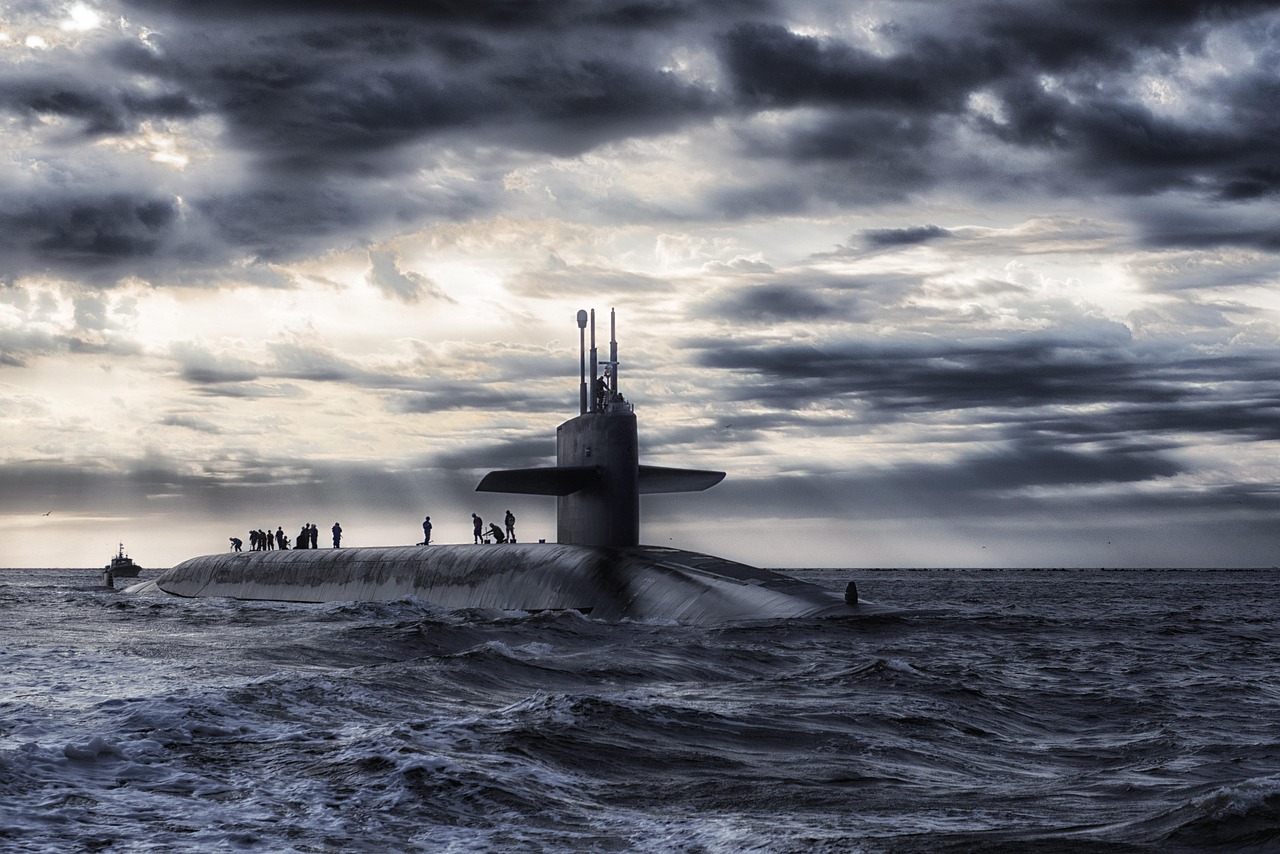
It happened far below the surface, out of sight and nearly out of history. For a few terrifying minutes in October 1962, a war that might have ended civilization came down to one argument inside a Soviet submarine.
The Crisis Beneath The Cuban Missile Crisis

Most people remember the Cuban Missile Crisis as a showdown between John F. Kennedy and Nikita Khrushchev. That version is true, but incomplete. The most dangerous moment may not have unfolded in the White House or the Kremlin at all.
It unfolded underwater aboard the Soviet submarine B-59 on October 27, 1962, the day historians often call Black Saturday. According to the U.S. State Department’s Office of the Historian, the Cuban Missile Crisis was the moment the United States and the Soviet Union came closest to nuclear conflict. What was not widely known at the time was that Soviet submarines near Cuba were carrying nuclear weapons.
The National Security Archive later documented that four Soviet Foxtrot-class diesel submarines were dispatched as part of Operation Anadyr, the secret Soviet deployment to Cuba. Each carried a nuclear-tipped torpedo. That detail alone changes the story from tense superpower brinkmanship to something far more intimate and frightening: a battlefield where local commanders could make civilization-level decisions.
Why B-59 Was In Such A Dangerous Position
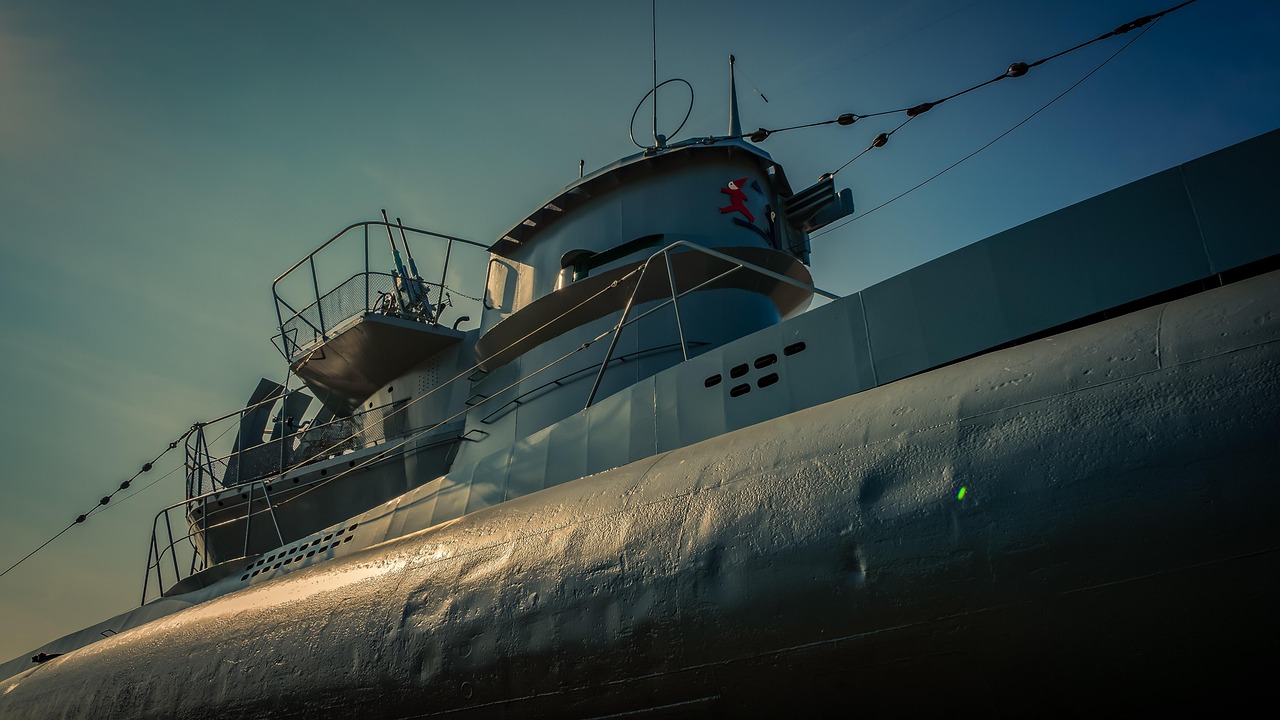
B-59 was a diesel-electric submarine, not a nuclear-powered boat built for long, comfortable submerged patrols. By the time it neared American forces, conditions inside had become punishing. Heat soared, fresh air was scarce, and carbon dioxide levels were rising.
Accounts preserved by the National Security Archive and the National Archives describe a crew under crushing physical and psychological strain. The submarine had been out of reliable radio contact with Moscow. The officers aboard did not have a clear picture of events above them, which meant rumor, fear, and assumption filled the gap where command-and-control should have been.
That matters because military decisions made in isolation are often shaped less by doctrine than by stress. B-59’s crew had no easy way to tell whether the U.S. Navy was signaling, shadowing, or actively attacking them. In a Cold War environment built on suspicion, ambiguity was not just dangerous. It was explosive.
The American Moves That Nearly Lit The Fuse
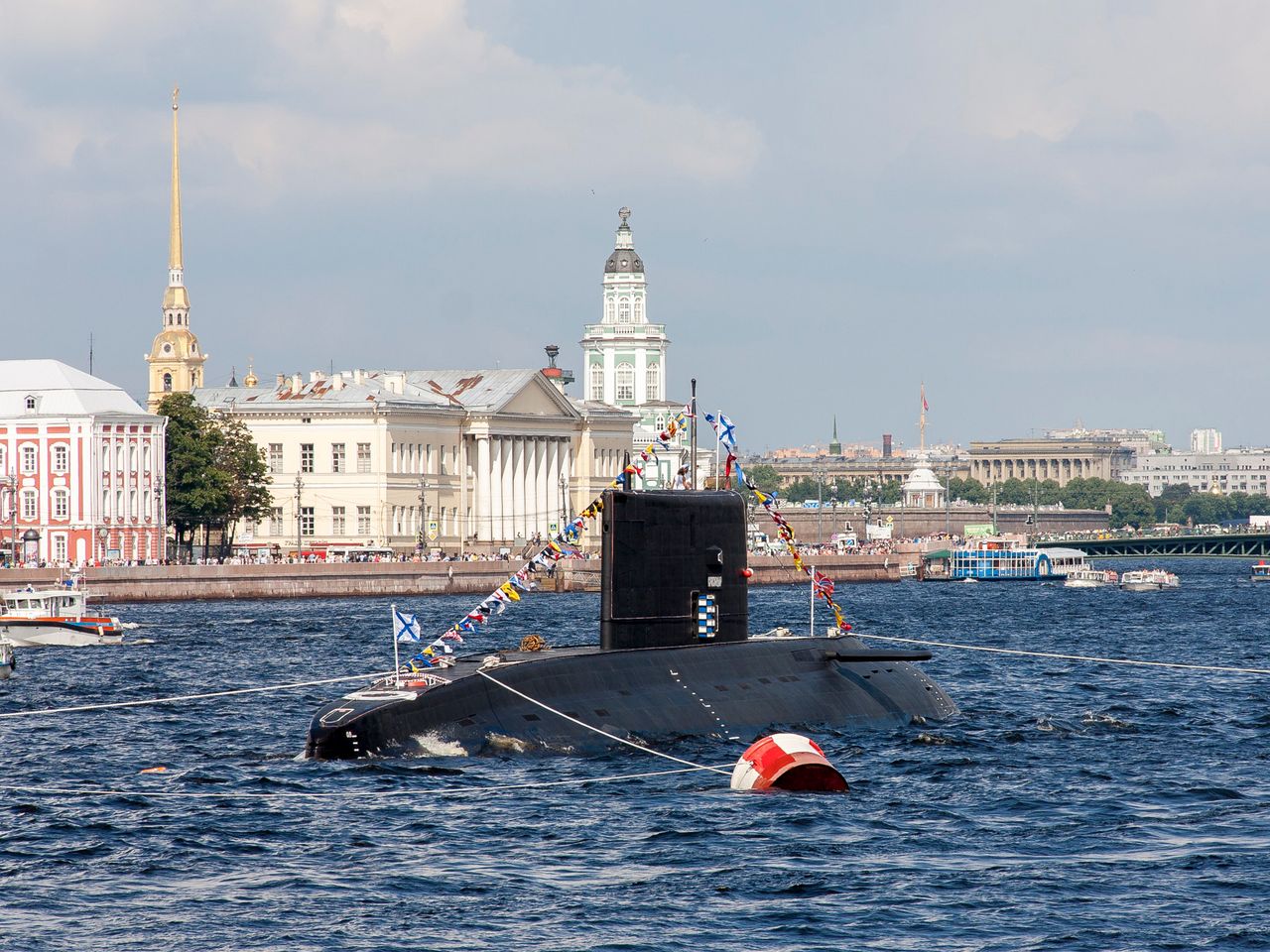
As U.S. warships tracked Soviet submarines, American forces used practice depth charges and signaling explosives to force them to surface. From the American point of view, these were limited, controlled measures. They were not meant to start a war.
But weapons do not always communicate intent clearly, especially underwater. The National Security Archive and the National Archives both note that the warning procedures used by the U.S. Navy were either not understood or not effectively conveyed to the Soviet submarine commanders. To men sealed inside an overheated submarine, repeated blasts could look and sound like the opening of combat.
That disconnect is one of the most chilling lessons of the episode. Neither side necessarily needed to want nuclear war for nuclear war to begin. Misread signals, broken communications, and local commanders under pressure could do the job all by themselves.
The Nuclear Torpedo And The Vote That Mattered
The most alarming fact about B-59 is the simplest one: it had a nuclear torpedo ready for use. American sailors confronting the submarine did not know that. Had they known, the encounter would have looked less like a maritime pressure tactic and more like a brush with apocalypse.
According to later Soviet accounts published through the National Security Archive, Captain Valentin Savitsky came to believe that war might already have started. In that moment, he wanted to prepare the nuclear torpedo for launch against the American ships pressing his submarine. The political officer supported him.
But one more senior voice mattered aboard B-59: Vasili Arkhipov, the flotilla chief of staff. On this submarine, launch approval required unanimity among the top officers present. Arkhipov refused. Instead of endorsing a nuclear strike, he argued for surfacing and reestablishing contact rather than assuming the worst and firing first.
Why Arkhipov’s Refusal Was So Important
It is easy to turn Arkhipov into a legend and leave it there. The reality is more useful, and more sobering. He was not acting in a movie scene with perfect moral clarity. He was making a judgment under extreme pressure while trapped in a steel tube with angry men, rising heat, and no trustworthy information.
That is exactly why his decision matters. Systems are often praised for preventing disaster, but in this case the system had already failed in key ways. Communications had broken down. Strategic intent had become tactical confusion. The chain of command had placed a nuclear weapon in an unstable confrontation zone and left officers to interpret events almost blindly.
Arkhipov’s refusal prevented panic from becoming policy. B-59 eventually surfaced, and the confrontation ended without a nuclear launch. As several later historical accounts have argued, if the torpedo had been fired, the United States might well have interpreted it as a deliberate Soviet nuclear attack, with unimaginable consequences.
What A Launch Might Have Triggered
No historian can prove the exact sequence that would have followed a detonation, but the likely direction is not hard to see. In October 1962, both superpowers were operating within military doctrines that left little room for calm, measured nuclear response once the threshold had been crossed.
A nuclear explosion against U.S. naval forces near Cuba would almost certainly have produced immediate American retaliation. Given the broader context of the missile crisis, that retaliation might not have remained limited to the ships involved. Airstrikes on Cuba, attacks on Soviet assets, and rapid escalation toward strategic exchange would have been entirely plausible.
This is why the B-59 incident remains so haunting to military historians. The near-catastrophe did not depend on a master plan from Washington or Moscow. It depended on how one submarine crew interpreted noise, shock, and silence. The world’s fate narrowed to a handful of exhausted men trying to decide whether they were already in World War III.
The Enduring Lesson Of The B-59 Standoff
The B-59 episode vanished from public understanding for decades because so much of it remained classified or obscure. Only later, through declassified material and testimony highlighted by institutions like the National Security Archive, did the full danger become widely understood.
What emerges is not a comforting story about steady hands at the top. It is a warning about how fragile deterrence can be when real human beings are cut off, frightened, and armed with terrible power. The Cold War did not stay cold by magic. Sometimes it stayed cold because one person said no at the exact moment everyone else was ready to say yes.
That is the real legacy of the submarine standoff that almost started a war. It reminds us that history is not only shaped by presidents and premiers. Sometimes it turns in the dark, underwater, on a decision almost nobody knew had been made.