Montana looks like a hunter’s dream from a distance: big skies, public land, and the promise of true Western adventure. Then reality shows up in the form of brutal weather swings, sprawling country, and rules that demand close attention. For out-of-state hunters, the learning curve can be steep, and these are the ten surprises that hit hardest once boots are on the ground.
The Weather Can Turn a Good Plan Inside Out

Montana weather has a way of making forecasts feel like polite suggestions. A bluebird morning can become sleet by lunch, followed by hard wind and a temperature drop that changes the entire hunt. Hunters arriving from milder climates often underestimate how quickly comfort turns into a safety issue.
It is not just about being cold. Sudden snow, muddy roads, and whiteout conditions can shut down access, alter animal movement, and force a complete change in tactics. In Montana, packing for one season usually means preparing for three.
Distances Are Bigger Than They Look on a Map
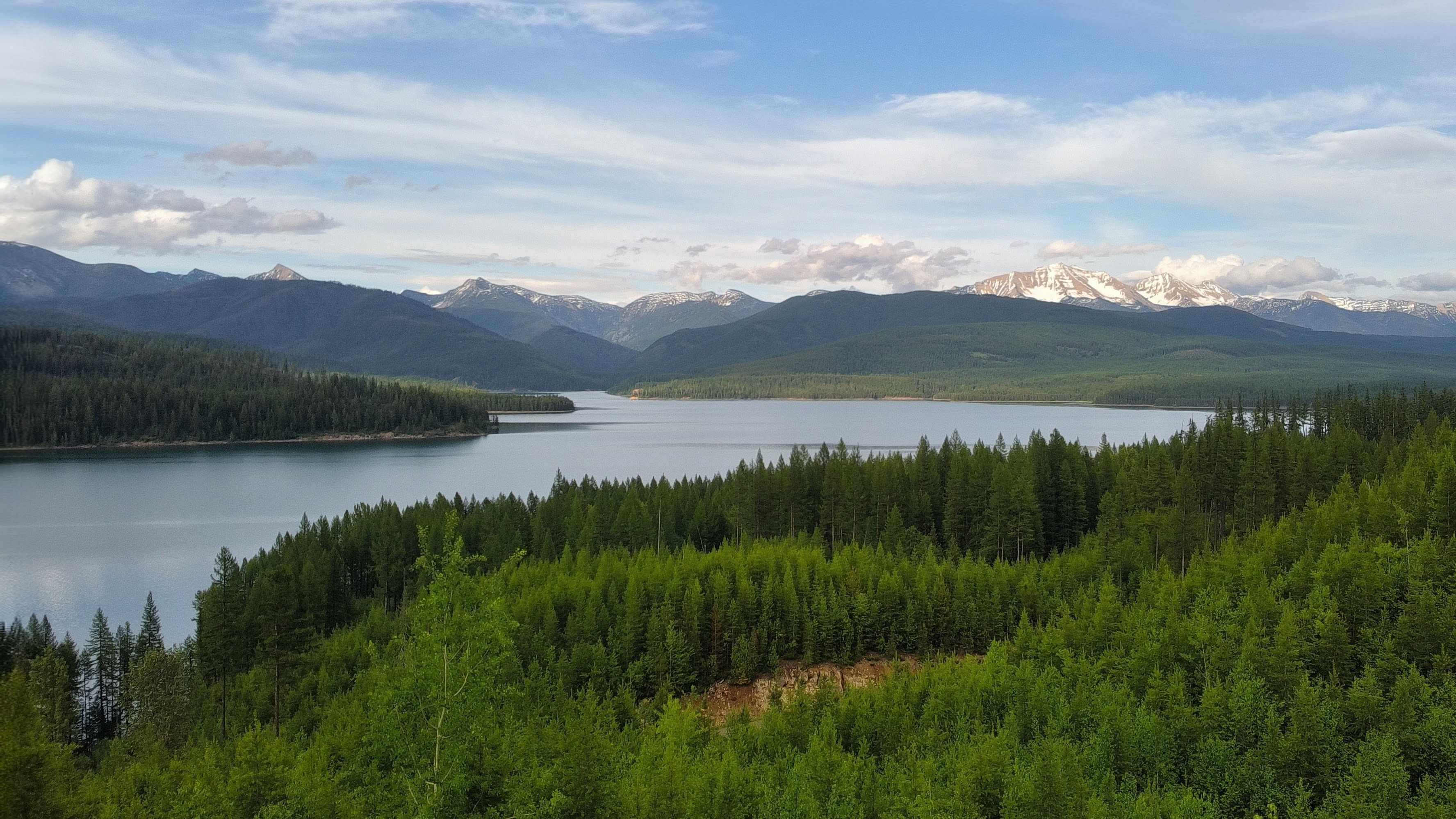
Out-of-state hunters often study Montana on a screen and come away feeling prepared. Then they arrive and realize a promising drainage is farther, steeper, and more time-consuming than it appeared at home. The scale of the landscape can stretch both expectations and daylight.
Even a simple move between access points can eat up a surprising part of the day. Gravel roads, rough two-tracks, and slow mountain travel make short map distances feel long. In a state this large, logistics become part of the hunt, not just the drive to it.
Altitude and Terrain Wear You Down Fast
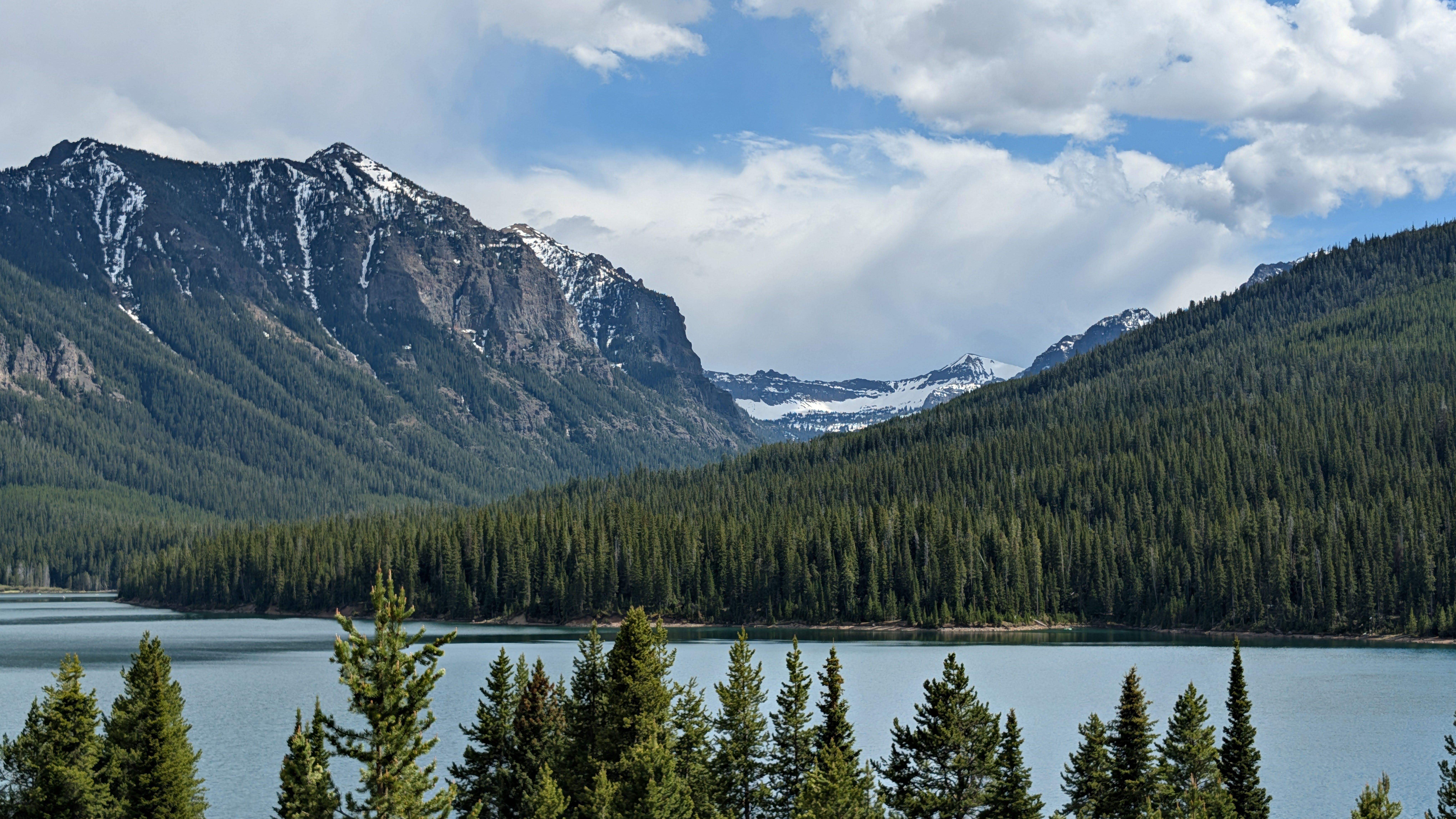
Montana does not need extreme elevation everywhere to humble a visiting hunter. Long sidehills, loose rock, deadfall, creek crossings, and endless uneven ground can drain energy faster than expected. A person who feels fit at home may suddenly discover that mountain miles are a different currency.
Fatigue matters because it affects decisions. Tired hunters glass less carefully, push too hard, and often save too little energy for the pack out. In Montana, the shot is only part of the job. Getting yourself, and maybe an animal, back out is the real test.
Public Land Access Is More Complicated Than It Seems

Montana is famous for opportunity, but access is rarely as simple as seeing public land on a map and heading in. Parcels can be broken up, surrounded by private ground, or reachable only through specific routes. Newcomers are often surprised by how much planning it takes to hunt legally and efficiently.
This is where research pays off. A hunter may find thousands of acres available, yet still struggle to reach a useful starting point or avoid crowded trailheads. Understanding access points, block management areas, and local road conditions can make the difference between hunting and just driving around.
Tag Rules and Seasons Demand Close Reading
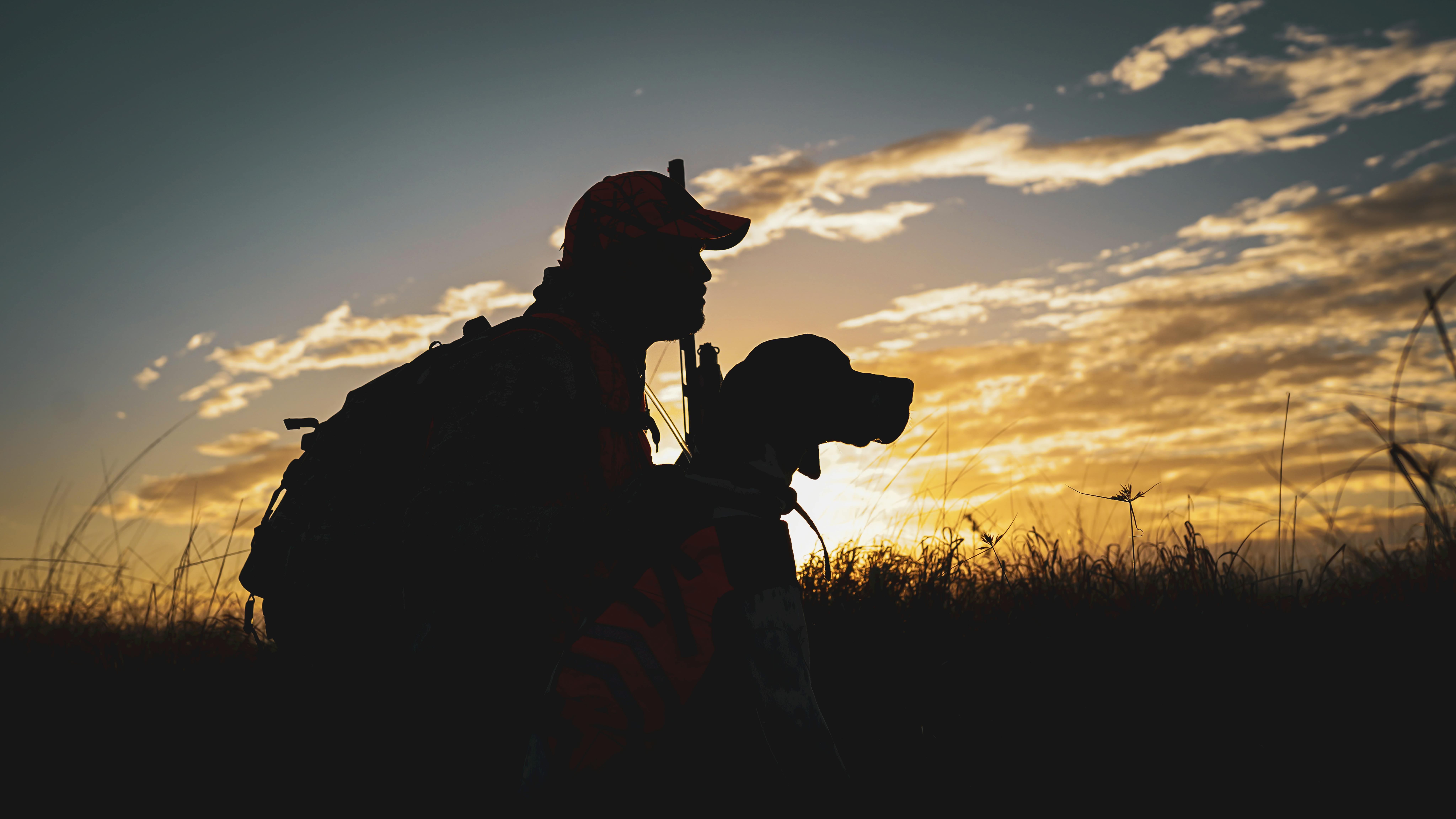
Many nonresidents assume a license is the hard part and the rest is straightforward. In Montana, regulations can be nuanced, especially when districts, weapon restrictions, season dates, and tag types overlap. A small misunderstanding can ruin a trip that took months of planning.
This is not a place to skim the booklet. Hunters need to know exactly where they are, what is open, and which animal qualifies under the tag in their pocket. Montana rewards careful preparation, but it punishes assumptions, especially when the excitement of a real opportunity arrives.
Other Hunters May Be Everywhere You Planned to Go
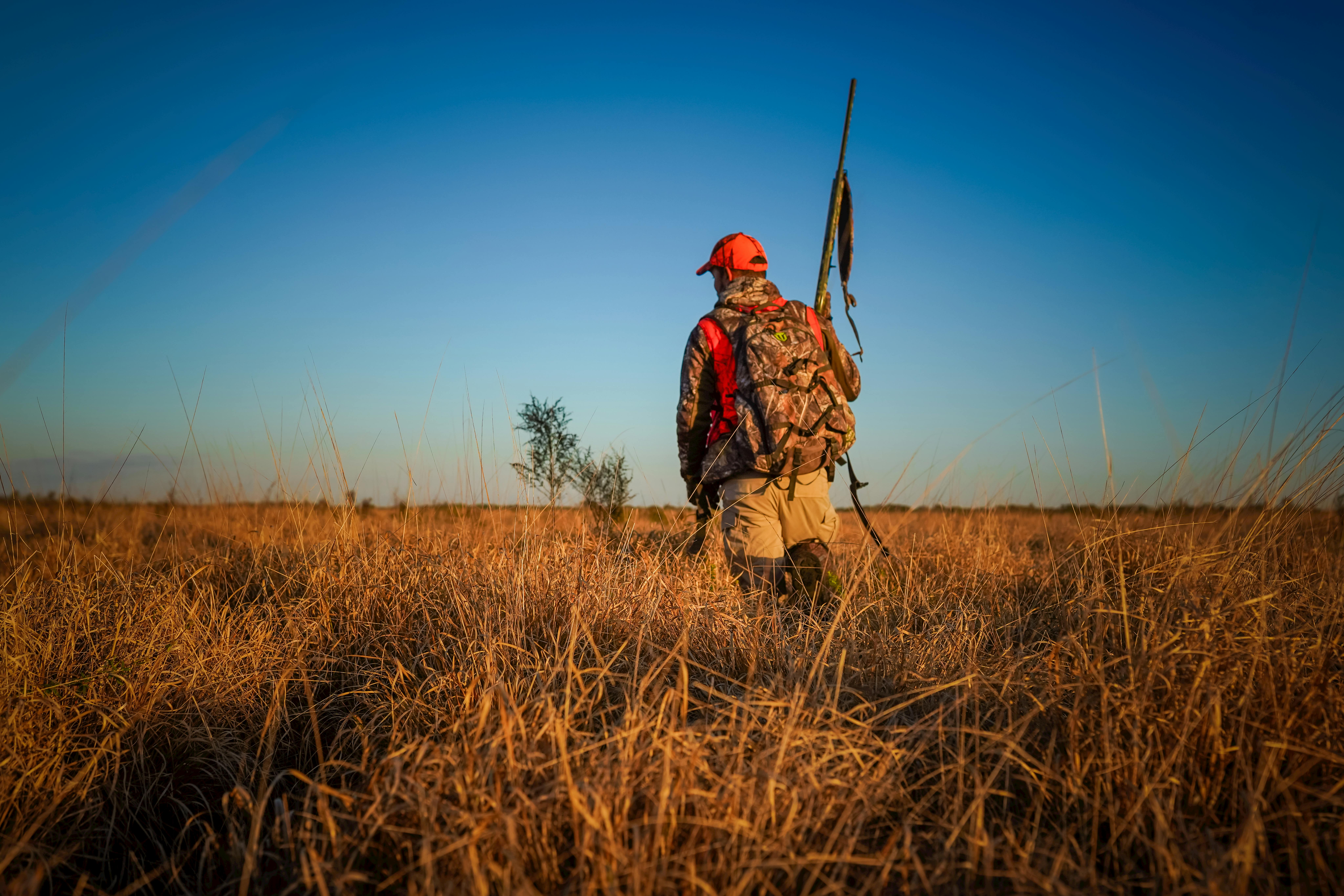
The romantic version of Montana hunting is all solitude and bugling ridges. Sometimes that happens. Sometimes you crest a hill before daylight and realize several other headlamps had the exact same idea. Popular units, easy access areas, and opening weekends can feel crowded in a hurry.
Pressure changes animal behavior and hunter behavior at the same time. Elk slip into nastier cover, deer move oddly, and patience starts to wear thin in camp and on the mountain. Visiting hunters are often least prepared for the mental adjustment required when Plan A already has company.
Wind Changes Everything
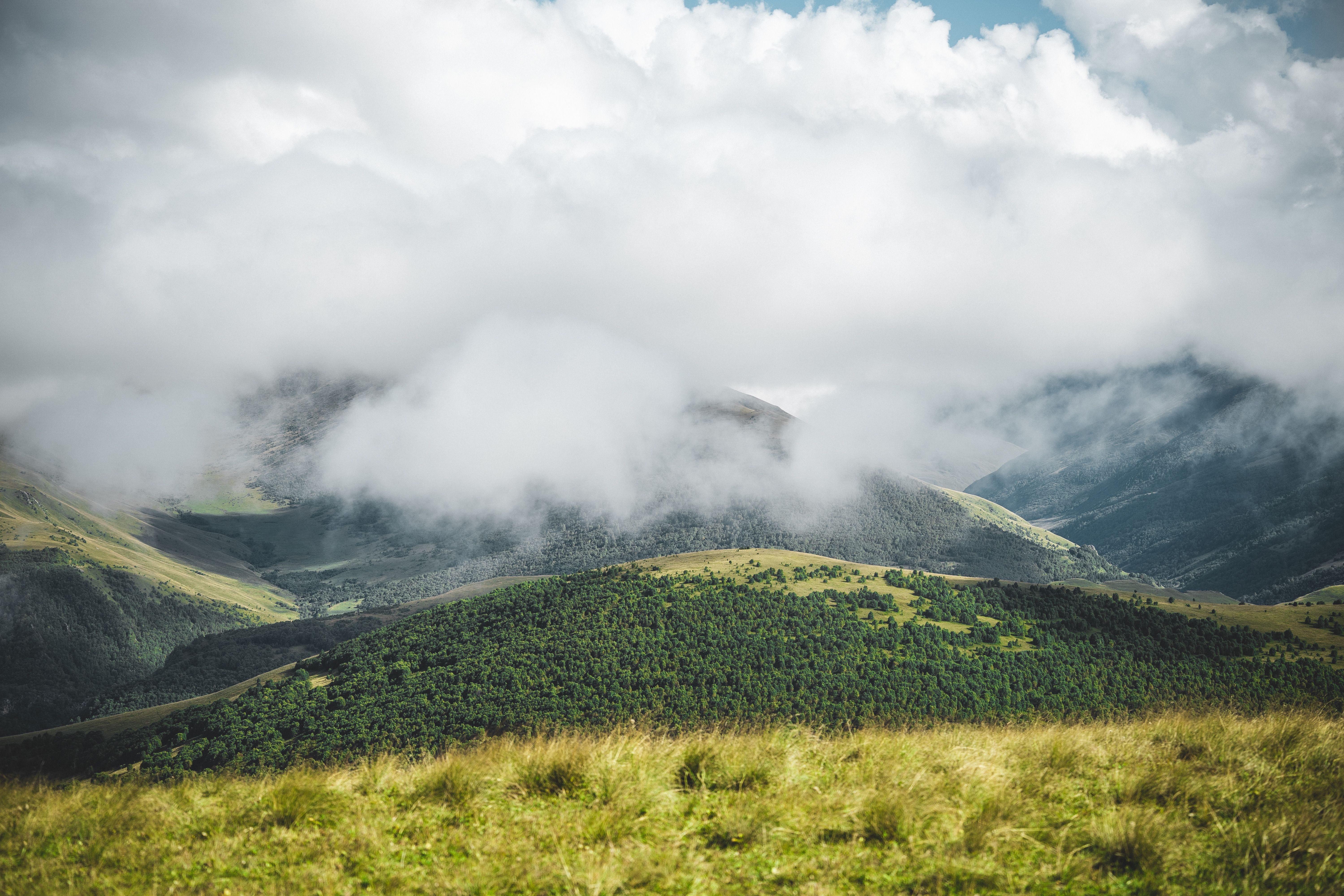
Montana wind is not a background detail. It can be the dominant force on the landscape, reshaping where animals bed, how scent travels, and whether a glassing point is usable at all. Hunters used to calmer conditions often struggle to adapt when every stalk seems to unravel in a gust.
Wind also affects shooting more than many visitors expect. Long, open-country opportunities look tempting, but crosswinds can make a manageable shot feel irresponsible fast. In Montana, reading the breeze is not a nice skill to have. It is central to every hour of the day.
Retrieving an Animal Can Be the Hardest Part

A lot of first-time Montana hunters picture the stalk, the shot, and the photo. Fewer spend enough time thinking about what happens next when an elk dies in a hole, a mule deer falls into rough breaks, or snow turns the route back into a slog. Recovery can become an all-day ordeal.
This is where preparation turns practical. Game bags, headlamps, extra water, a realistic pack system, and enough help matter more than any campfire story. Montana has a way of reminding hunters that success is not measured at the trigger. It is measured at the truck.
Cell Service and Backup Plans Are Not Guaranteed

Many visiting hunters are shocked by how quickly service disappears once they leave major highways and towns. In some country, a phone becomes little more than a camera and map screen, and that assumes the battery survives the cold. Montana still has plenty of places where self-reliance is the rule.
That changes how you plan everything from navigation to emergencies. A missed turn, a stuck truck, or a delayed return to camp becomes more serious when there is no easy call for help. Smart hunters arrive with offline maps, communication backups, and a clear plan others understand.
The Best Hunts Often Require Patience, Not Just Effort
Out-of-state hunters sometimes arrive with a run-and-gun mindset, expecting Montana to reward nonstop movement. But many successful hunts here come from slowing down, glassing longer, learning patterns, and waiting out weather or pressure. The country is big enough to make rushed decisions feel expensive.
That patience can be surprisingly hard to maintain when the clock is ticking on travel days and tag costs. Still, Montana often favors the hunter who settles in, watches carefully, and trusts the process. For many visitors, that is the final lesson: the state does not bend to urgency.