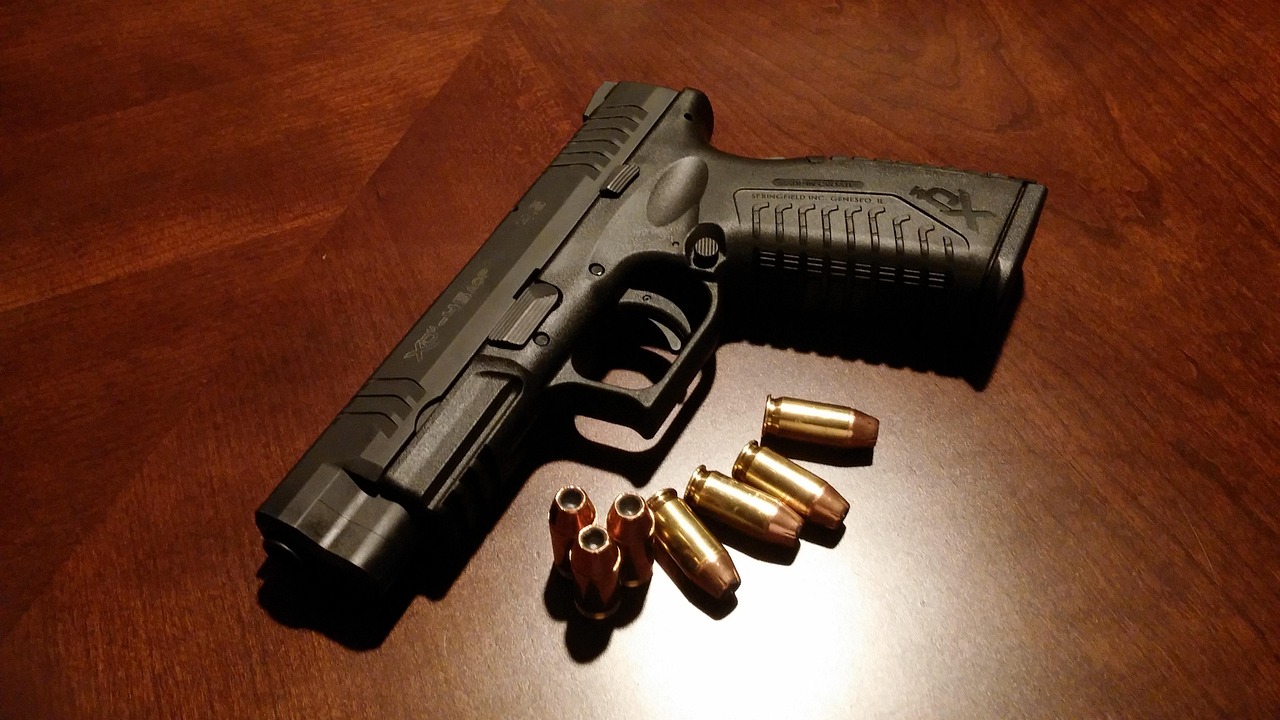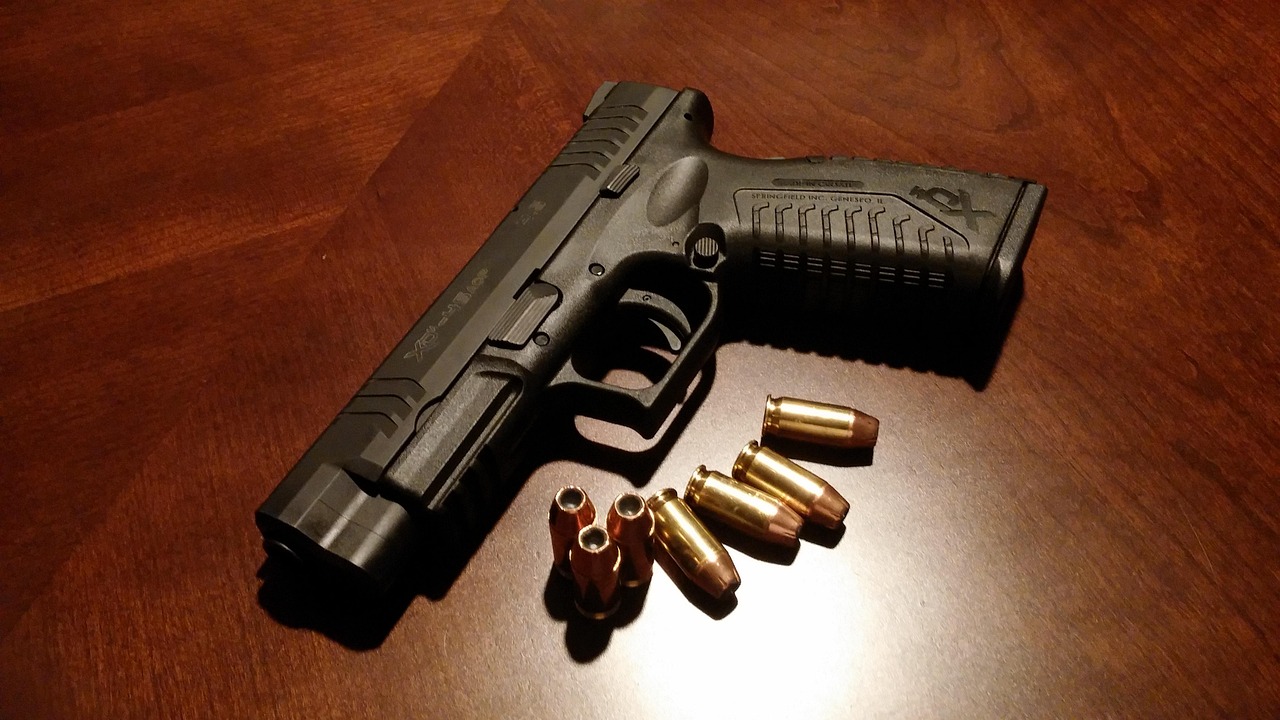
Nickel-plated ammo usually costs more, so it is fair to ask what buyers are really getting for the premium. For many shooters, the answer is not hype but a handful of practical advantages that can matter at the range, in the field, or in a defensive firearm. This gallery breaks down the real-world traits that make nickel-plated cartridges worth considering for some uses, even if they are not necessary for everyone.
Better corrosion resistance

One of the biggest selling points of nickel-plated ammo is that it tends to resist corrosion better than plain brass. Moisture, sweat, humidity, and daily handling can all take a toll on cartridges, especially if they spend long periods in a carry gun, spare magazine, or hunting pack.
That extra protection matters most for people who actually expose ammunition to rough conditions. A concealed carrier in summer heat or a hunter dealing with wet weather may appreciate a round that keeps its finish and function longer. It is not magic, but it can add peace of mind where environmental exposure is a real concern.
Smoother feeding in some firearms

Many shooters choose nickel-plated cases because the slicker surface can help rounds feed more smoothly. In some pistols, revolvers, and rifles, that reduced friction can make chambering feel a bit more consistent, which is especially appealing when reliability is the top priority.
This does not mean nickel plating automatically fixes a finicky gun. A firearm with true feeding problems still needs proper diagnosis, maintenance, or gunsmith work. But for shooters who want every small edge in dependable cycling, especially in defensive loads, the smoother feel of nickel-plated cases is often part of the appeal.
Easier visual identification

Nickel-plated ammo stands out immediately from standard brass, and that can be useful in a crowded ammo can or range bag. A quick glance is often enough to tell defensive loads, hunting rounds, or special-purpose cartridges apart from everyday practice ammunition.
That visual distinction may sound minor, but it can make gear organization simpler and faster. Shooters who keep multiple calibers or load types on hand often appreciate anything that reduces confusion. When conditions are rushed, dim, or stressful, being able to recognize the right rounds instantly is a practical benefit, not just a cosmetic one.
Cleaner appearance after handling and storage

Nickel-plated cases tend to keep a bright, clean appearance longer than plain brass. They are less likely to show tarnish quickly, which makes them attractive to shooters who store ammunition for extended periods or simply like gear that looks well-kept and easy to inspect.
There is a functional angle here too. A cartridge that stays visually clean can make it easier to spot dents, bullet setback, or other problems during a quick check. While appearance alone is not a performance advantage, many shooters like that nickel-plated ammo often looks less aged and less neglected after months of storage or carry.
Useful for carry ammo that gets handled often

Ammunition carried daily tends to live a harder life than ammo that stays boxed on a shelf. It gets chambered, unloaded, reloaded, exposed to lint, and pressed against clothing and skin. Nickel-plated cases are popular in this role because they are often better suited to repeated handling and less likely to look worn quickly.
For concealed carriers, this can make premium defensive ammo feel like a more durable long-term choice. It still needs regular inspection and replacement, of course. But if your carry rounds spend weeks or months in magazines and holsters, nickel plating can offer a little more resilience where it counts.
Popular in premium defensive loads
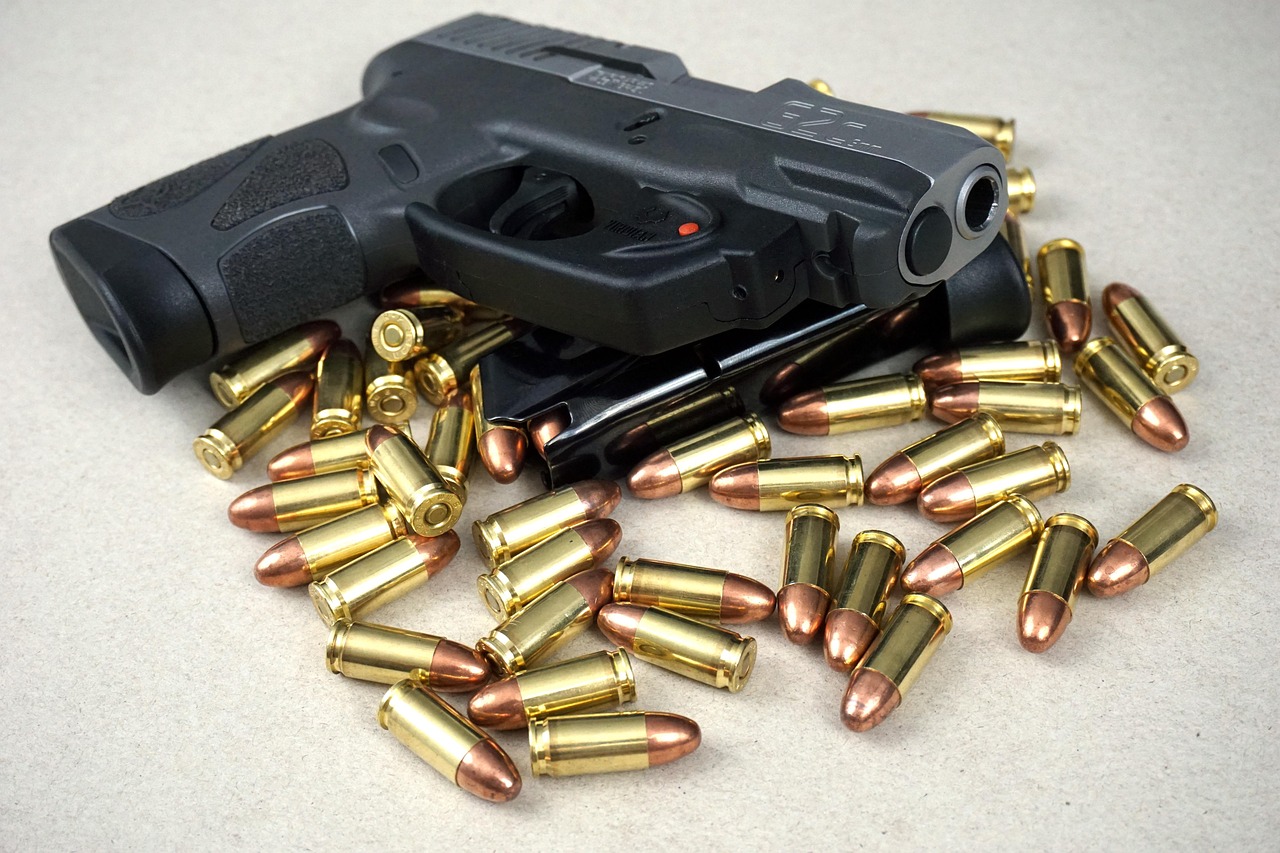
A lot of well-known defensive ammunition is loaded in nickel-plated cases, so many shooters associate the finish with higher-end performance. That does not mean the nickel itself creates stopping power, accuracy, or better bullet expansion. The real value is that nickel plating often appears as part of a premium package built around reliability-focused components.
In other words, shooters are often buying a whole product philosophy, not just a shinier case. Better bullet design, tighter quality control, and dependable ignition usually matter more than the plating alone. Still, the finish has become one of the visual markers people expect from serious defensive ammo.
Can extract smoothly in demanding conditions

Beyond feeding into the chamber, case behavior during extraction also matters. Some shooters report that nickel-plated cases seem to extract a bit more cleanly in firearms run hard, carried in dusty conditions, or exposed to temperature swings. The smooth surface is part of why nickel cases maintain a reputation for dependable operation.
As with feeding, this is not a universal upgrade that transforms every gun. Firearm design, chamber condition, and load quality still do most of the heavy lifting. But for shooters trying to stack small reliability advantages together, smoother extraction is one more reason the extra cost can make sense.
Worth it when reliability matters more than price

For high-volume practice, nickel-plated ammo is often hard to justify purely on cost. Standard brass usually does the job just fine at the range. But that calculation changes when the ammunition is meant for personal defense, duty use, hunting, or any role where shooters want the most confidence possible in storage and function.
That is really the heart of the nickel-plated ammo debate. The benefits are usually incremental rather than dramatic, but incremental matters when the stakes are higher. For some shooters, paying a bit more for corrosion resistance, easy identification, and potential reliability gains feels like smart insurance rather than wasted money.