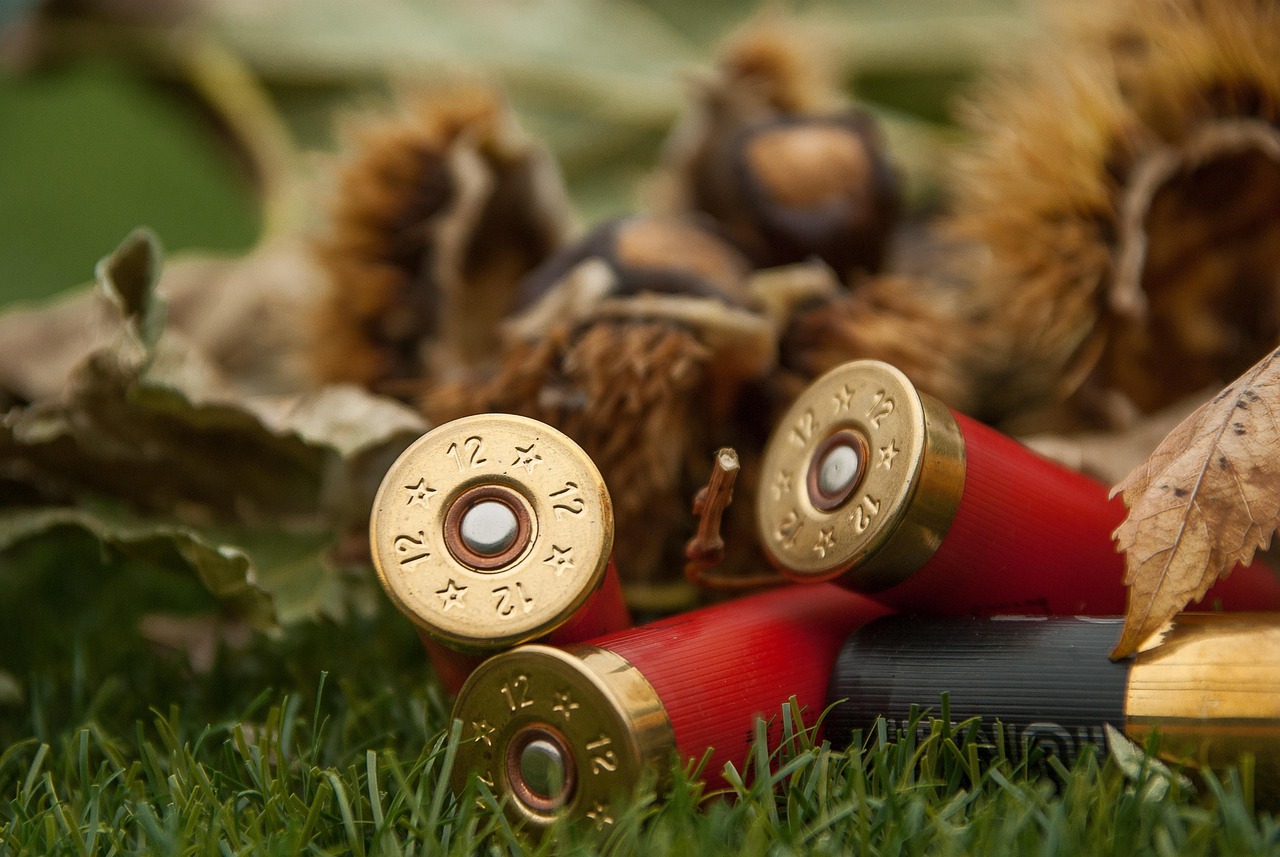
A chronograph can reveal a side of ammunition that the packaging never shows. Two boxes carrying the same caliber, bullet weight, and product name can produce noticeably different velocity patterns in the same firearm. That does not automatically mean one box is bad. Lot variation, barrel differences, temperature, storage, and statistical chance can all influence the numbers. Understanding average velocity, extreme spread, and standard deviation makes those differences easier to interpret.
1. Different Lots Can Behave Differently
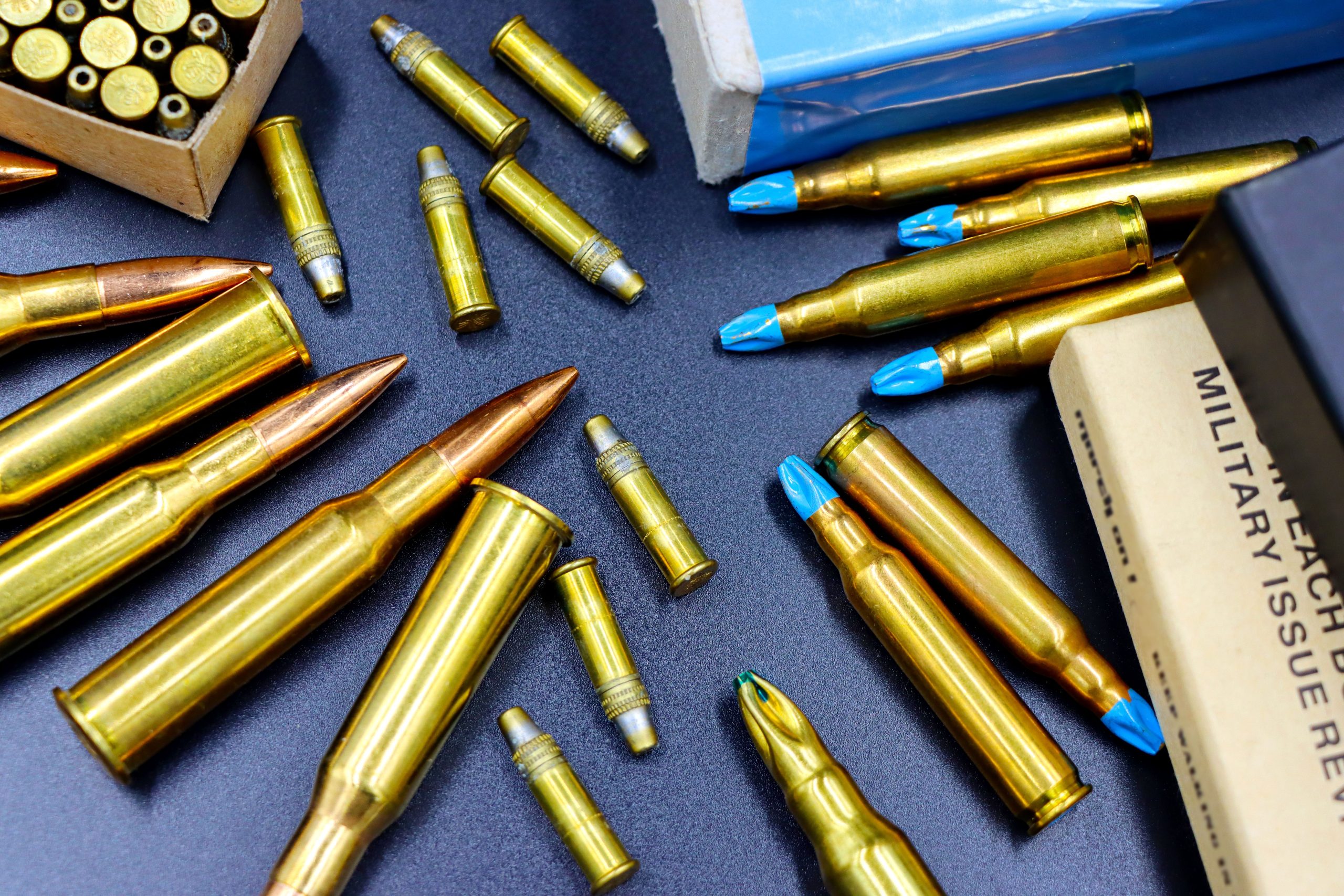
Ammunition is manufactured in production lots, and the lot code can be more informative than the brand name alone. A box with the same load can come from a different production run, with small changes in components or manufacturing conditions. Those differences can alter velocity consistency without making ammunition unsafe or defective. For example, two 10-shot samples might average 2,850 fps and 2,805 fps. That 45 fps gap is measurable and can matter more as distance increases. It simply means your rifle is seeing two distinct velocity distributions.
2. The Barrel Changes the Result
Factory velocity is normally measured under specified test conditions, while your rifle may have a different barrel length, chamber, bore, or throat. SAAMI specifically warns that commercial firearms can produce results different from standardized test barrels. A practical example is a 24-inch test barrel versus a 20-inch hunting rifle. Even with the same box of 20 cartridges, the shorter barrel may show a lower average velocity. So a chronograph is measuring your rifle and ammunition combination, not a universal number printed on the package.
3. Extreme Spread Reveals the Fastest and Slowest Shot
Extreme spread, or ES, is the highest velocity minus the lowest velocity in a string. Imagine 10 shots ranging from 2,780 to 2,835 fps. The ES is 55 fps. Another box might produce 2,805 to 2,815 fps, giving an ES of only 10 fps. Both could have similar advertised velocities, yet their shot-to-shot behavior is clearly different. ES is useful, but one unusually fast or slow round can make a small sample look worse than the broader lot really is. Read it with SD and sample size in practical testing.
4. Standard Deviation Adds More Context
Standard deviation, or SD, describes how tightly individual velocities cluster around the average. Consider two 10-shot strings that both average 2,800 fps. One might record at 8 fps, while another records at 24 fps. Their averages match, but the second string is much less uniform. A chronograph cannot promise a smaller group on paper, because accuracy also depends on bullet construction, barrel harmonics, wind, shooter technique, and rifle fit. Still, SD gives you a useful numerical measure of velocity consistency.
5. Temperature Can Move the Numbers
Ammunition does not perform in a laboratory vacuum. Temperature can influence propellant behavior, and the firearm itself changes as the barrel warms. A cold first shot may not match later shots after 5, 10, or 15 rounds. Weather also affects external ballistics, so comparing a box tested at 20°F with another tested at 90°F can be misleading. If two boxes show averages of 2,780 fps and 2,850 fps, record the temperature and shooting conditions before blaming the ammunition. Context makes chronograph data meaningful.
6. Storage History Can Matter
Two boxes with the same label may have spent very different lives before reaching the range. SAAMI notes that storage conditions outside manufacturer recommendations can contribute to velocity variation. Heat, moisture, and long-term exposure to poor conditions are therefore worth considering when an old box behaves differently from a newer one. Imagine Box A averaging 2,820 fps with an ES of 35 fps, while Box B averages 2,790 fps with an ES of 70 fps. The chronograph gives you evidence that something changed, but not necessarily the exact cause.
7. Five Shots Can Mislead You
A tiny sample can make ammunition look exceptionally consistent or unusually erratic by pure chance. A 5-shot string might show an ES of only 12 fps, while a 20-shot sample from the same box could reveal a much wider range. Larger samples provide a more dependable picture of velocity behavior. For comparison, 10 shots are useful for a quick check, while 20 or 30 shots give stronger evidence about a box or lot. Record every velocity instead of relying only on the headline average.
8. Chronograph Data Is a Clue, Not a Verdict
The biggest mistake is treating velocity consistency as a complete accuracy test. Two boxes can show nearly identical averages and still produce different groups because bullet dimensions, jacket quality, seating, barrel harmonics, and rifle preferences all matter. Conversely, a box with a higher ES may still shoot well at modest range. For example, 2,800 fps with a 30 fps ES does not automatically beat 2,760 fps with a 50 fps ES. The target confirms accuracy, while the ch