BUL Armory has built a distinctive reputation by combining classic 1911 architecture with modern competition-focused features. Founded in Israel in 1990, the company initially worked with shooting ranges before moving deeper into firearm manufacturing. Its modern SAS II line places 2011-style pistols at the center of its identity, offering features such as optics-ready slides, high-capacity magazines, tuned triggers, and competition-oriented configurations. Recent reviews have highlighted the brand’s performance-focused approach and value compared with more expensive custom pistols.
1. BUL Armory Started With Range Expertise
BUL Armory’s history began in 1990, when the Israeli company focused on developing, constructing, and maintaining shooting ranges. That background gave it a practical connection to competitive shooting before pistols became its main identity. By 1992, BUL had introduced the M-5, a polymer-framed 1911-style pistol, marking an early move toward modernized competition handguns. Over the following decades, its designs evolved considerably. Today, the company is especially associated with high-performance 2011-style pistols, reflecting more than 30 years of development and experimentation.
2. The SAS II Became Its Signature Platform
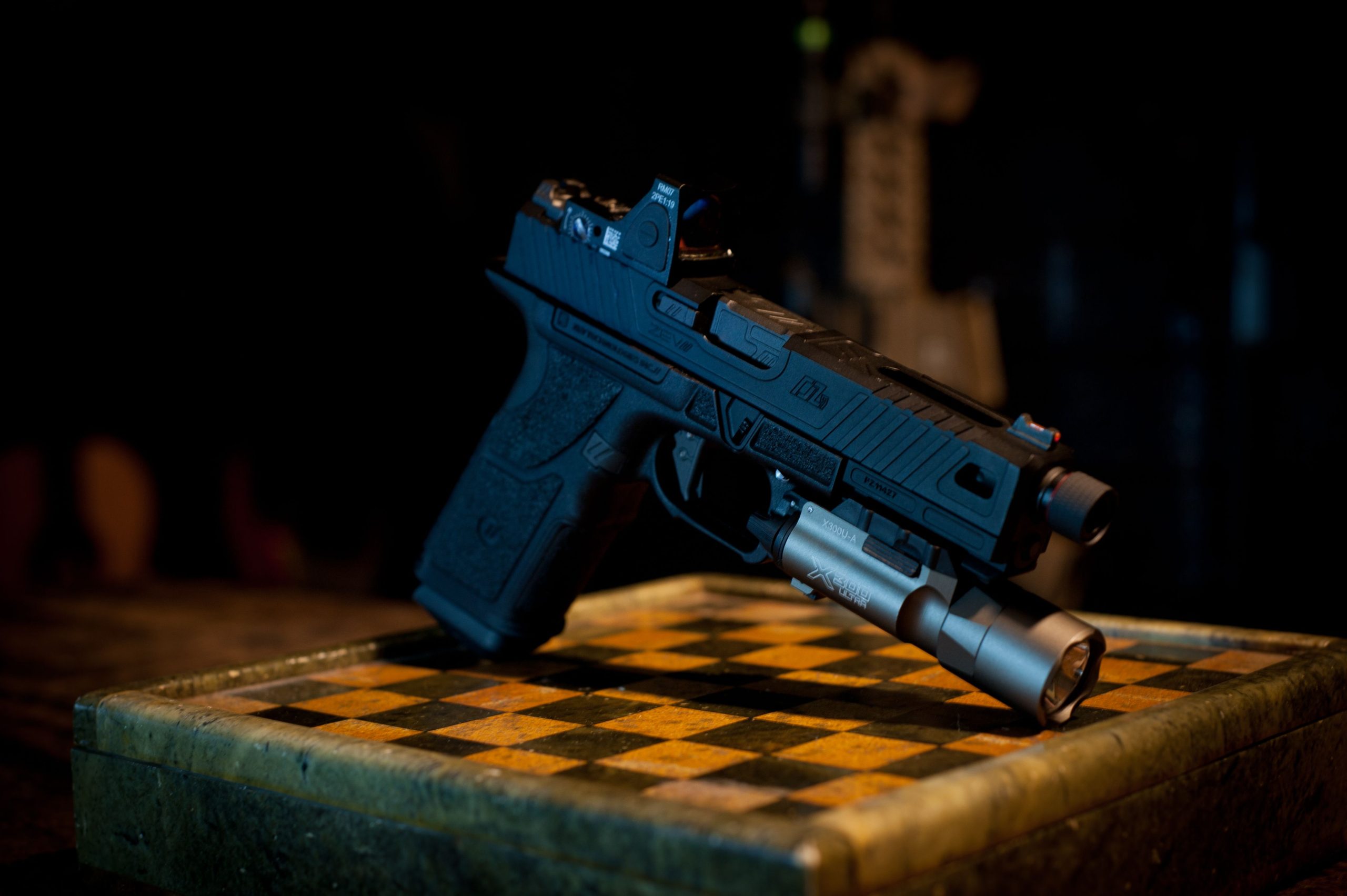
The SAS II family is central to BUL Armory’s modern reputation. Built around the high-capacity 2011 concept, these pistols combine a single-action operating system with double-stack magazines and competition-oriented ergonomics. Models vary considerably, but the family includes configurations aimed at different shooting disciplines and preferences. The TAC and TAC PRO lines add features such as optics compatibility and specialized barrel systems, while competition models push the concept further. This broad range allows BUL to build multiple pistols around one recognizable platform.
3. Its Competition Focus Is Deliberate

BUL’s competition credentials are not simply a marketing invention. Earlier models such as the Trophy 1911 were specifically configured around USPSA and IPSC-style competition requirements. A reviewed Trophy example featured a match-oriented trigger, ambidextrous safeties, a magwell, G10 grips, and a competition hammer. Later SAS II models continued that philosophy with optics-ready systems, aggressive controls, and specialized barrels. The result is a product line designed around competitive shooting rather than adapting an ordinary service pistol after production.
4. The Trigger Is a Major Part of the Appeal
Competition shooters place enormous emphasis on trigger characteristics, and BUL gives this component considerable attention. Its single-action designs are intended to provide a short, crisp trigger experience suited to precision shooting. A reviewed Trophy 1911 was reported with a factory trigger in the approximate 2.5 to 2.8-pound range, while newer TAC-family specifications can vary by model. The exact pull weight should therefore be checked against the individual configuration. The broader point is clear: BUL treats trigger performance as a central design feature rather than an afterthought.
5. High Capacity Gives the 2011 Formula Its Identity
The 2011 concept separates BUL’s competition pistols from traditional single-stack 1911s. Instead of relying on the classic narrow grip and limited magazine capacity, SAS II pistols use a wider double-stack arrangement. Current competition-oriented models can offer capacities of around 20+1 in 9mm, depending on configuration and magazine. That extra ammunition capacity is particularly relevant in practical shooting sports, where stages can involve numerous targets and magazine changes. BUL combines that capacity with a familiar single-action trigger system and competition-focused controls.
6. BUL Uses Weight and Barrel Design for Control

Many competition pistols deliberately balance mass, barrel configuration, and reciprocating components to make rapid shooting more manageable. BUL’s TAC family illustrates this approach. The TAC PRO 5-inch model, for example, combines a steel frame with a specialized V8-ported barrel system, while the newer TAC Comp adds both porting and compensation. A published specification for the TAC Comp lists a 5-inch barrel and 34.8-ounce weight. These features are intended to influence muzzle movement and handling, making the pistol feel more stable during fast competition stages.
7. Its Value Proposition Helped Attract Attention

One reason BUL has gained attention is the space it occupies between mass-produced pistols and extremely expensive custom competition guns. Recent reviews have described models such as the SAS II TAC as offering a substantial collection of performance features without reaching the pricing associated with top custom builds. That positioning has helped the brand attract shooters who want a specialized 2011-style pistol without immediately entering the highest-priced segment. The exact price varies by model, market, and year, but value remains an important part of BUL’s appeal.
8. Its American Reputation Keeps Expanding

BUL Armory’s growing American profile reflects a combination of Israeli manufacturing experience, competition-oriented engineering, and an expanding range of models. Recent coverage has highlighted the TAC PRO, TAC Comp, and other SAS II variants as examples of the company’s continued development. The brand is not simply reproducing an old 1911 formula; it is adapting that architecture for modern optics, high capacity, specialized barrels, and practical shooting disciplines. After more than 30 years of development, BUL’s biggest achievement may be turning a relatively specialized Israeli brand into a recognized name among American competition shooters.