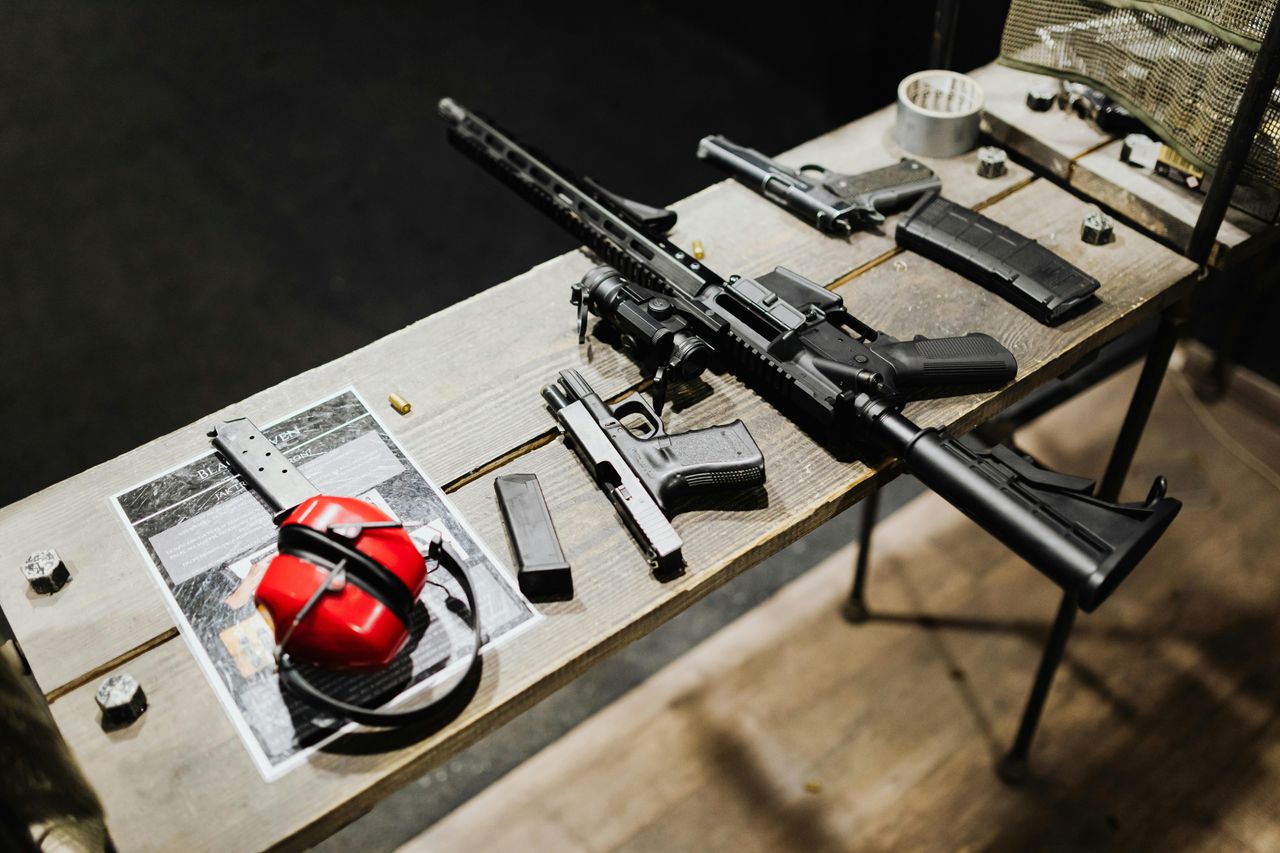
Rimfire ammunition helped shape everything from backyard plinking to small-game hunting, but not every cartridge survived the march of time. Some were clever ideas that never quite caught on, while others were simply outclassed by more practical rounds. This gallery revisits eight rimfire cartridges that slowly slipped away, leaving behind a surprisingly rich little corner of firearms history.
.22 Winchester Automatic
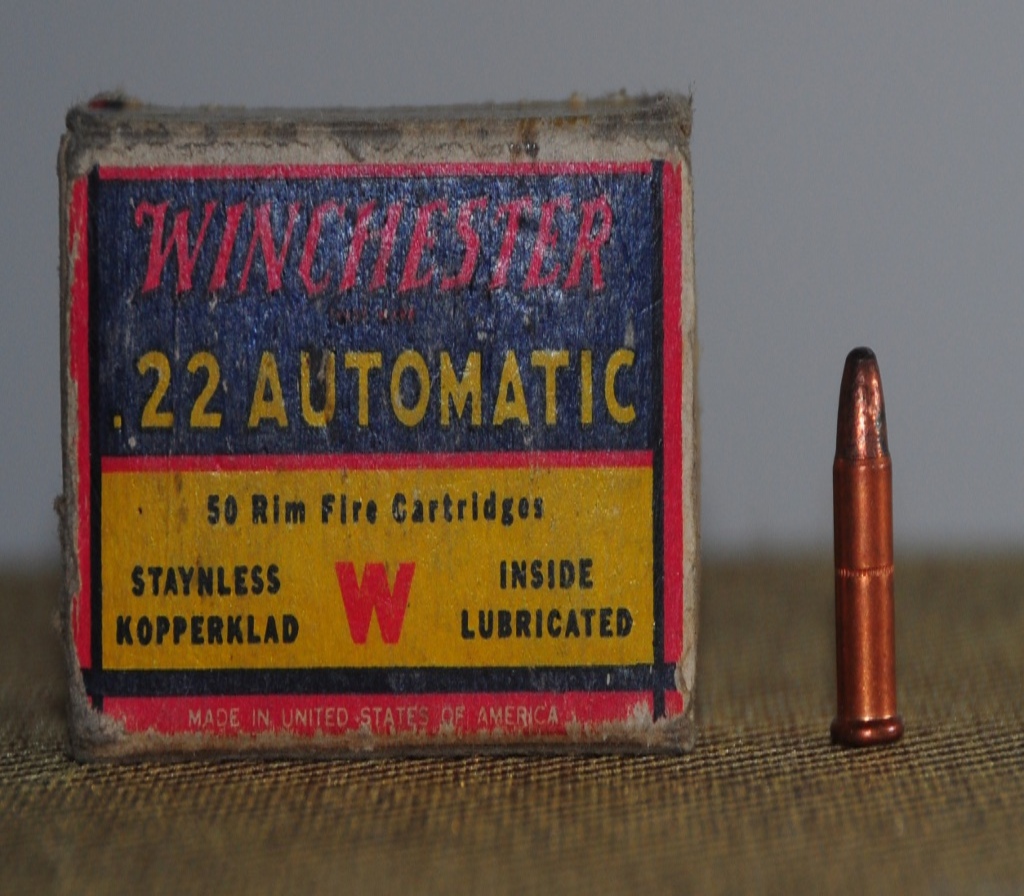
The .22 Winchester Automatic arrived in 1903 for one very specific reason: Winchester wanted a cartridge that worked only in its new self-loading rifle. That meant it was deliberately different from the .22 Long Rifle, a smart business move at the time but one that limited its future almost immediately.
Performance was respectable for the era, and the round had loyal users, especially among shooters who appreciated early semi-automatic technology. But once the industry standardized around .22 LR, a proprietary cartridge had little room to breathe.
When the rifles faded from regular use, the ammunition followed. Today, it survives mostly as a collector’s curiosity with a backstory that feels surprisingly modern.
.22 Remington Automatic
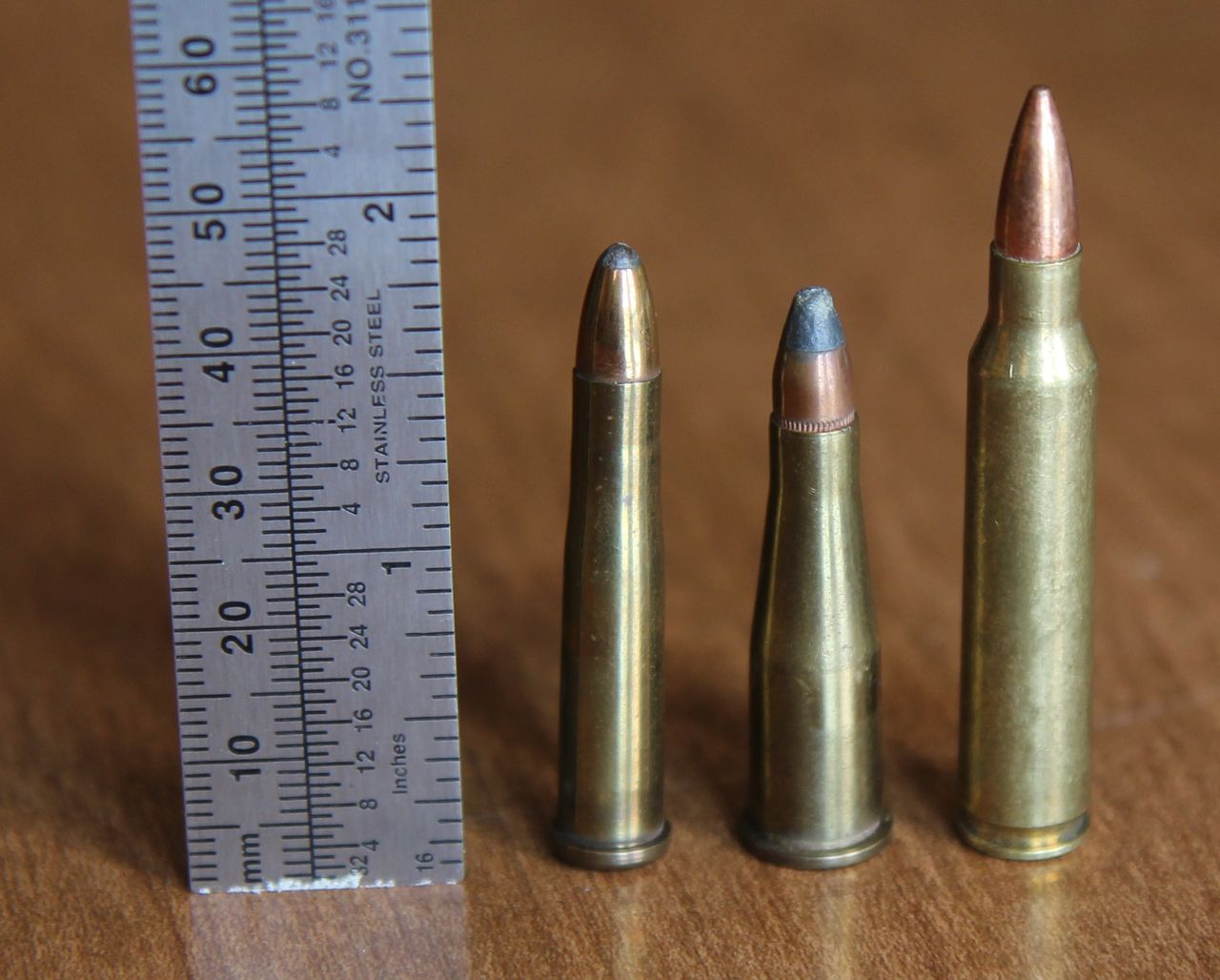
Remington answered Winchester’s proprietary play with the .22 Remington Automatic, introduced for the Model 16 autoloading rifle. Like its rival, it was designed to keep shooters buying brand-specific ammunition, which made sense in the showroom but not necessarily in the long run.
The cartridge offered decent utility for casual shooting and small game, yet it never built the broad ecosystem needed for lasting success. Ammunition that works in only a narrow slice of firearms has a hard time staying relevant once trends shift.
As .22 LR tightened its grip on the market, the .22 Remington Automatic became one more specialized round edged out by convenience. That quiet disappearance is a familiar story in ammunition history.
.25 Stevens
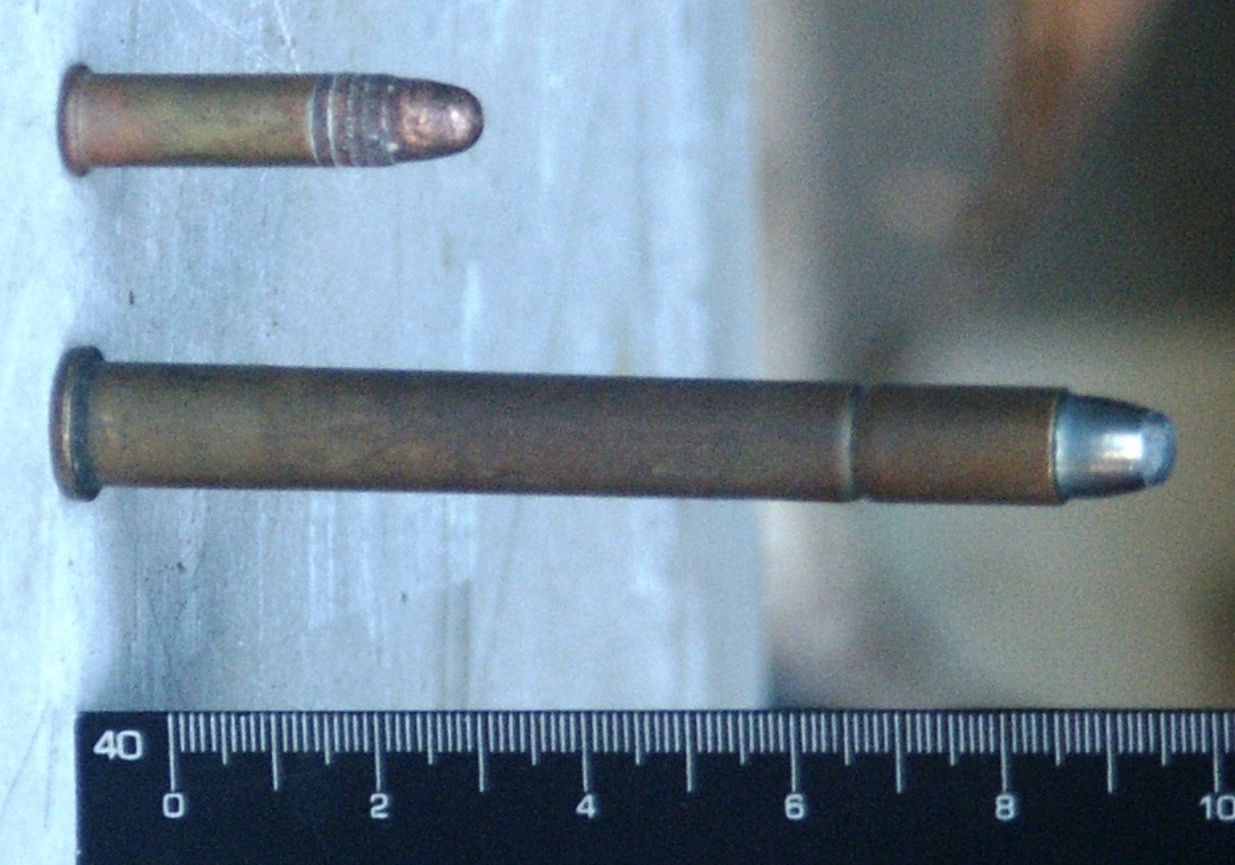
The .25 Stevens was created to offer more punch than the little .22s while still keeping recoil and report mild. For hunters using inexpensive single-shot rifles, that extra authority on small game made it an appealing option during its best years.
It found a home in utility rifles from Stevens and others, especially in a period when ammunition variety was far broader than many modern shooters realize. But greater performance came with a tradeoff, including less widespread availability and less standardization than the endlessly adaptable .22 family.
Over time, improved .22 loads and changing rifle preferences squeezed the .25 Stevens off the stage. What remains is a cartridge remembered fondly by collectors and lovers of old farm guns.
.30 Rimfire

Long before centerfire deer rifles became the unquestioned standard, the .30 Rimfire served hunters who wanted more reach and energy than tiny small-bore rounds could offer. It became closely associated with the Remington Rolling Block and a style of practical hunting that now feels distinctly 19th century.
By modern standards, it was an odd survivor, a larger rimfire trying to hold ground as centerfire technology matured around it. Reloadability, stronger cases, and broader ballistic potential all favored centerfire designs, and the market noticed.
That left the .30 Rimfire stranded between eras. It was useful, even important for a time, but progress in ammunition design made its exit feel inevitable rather than dramatic.
.32 Rimfire
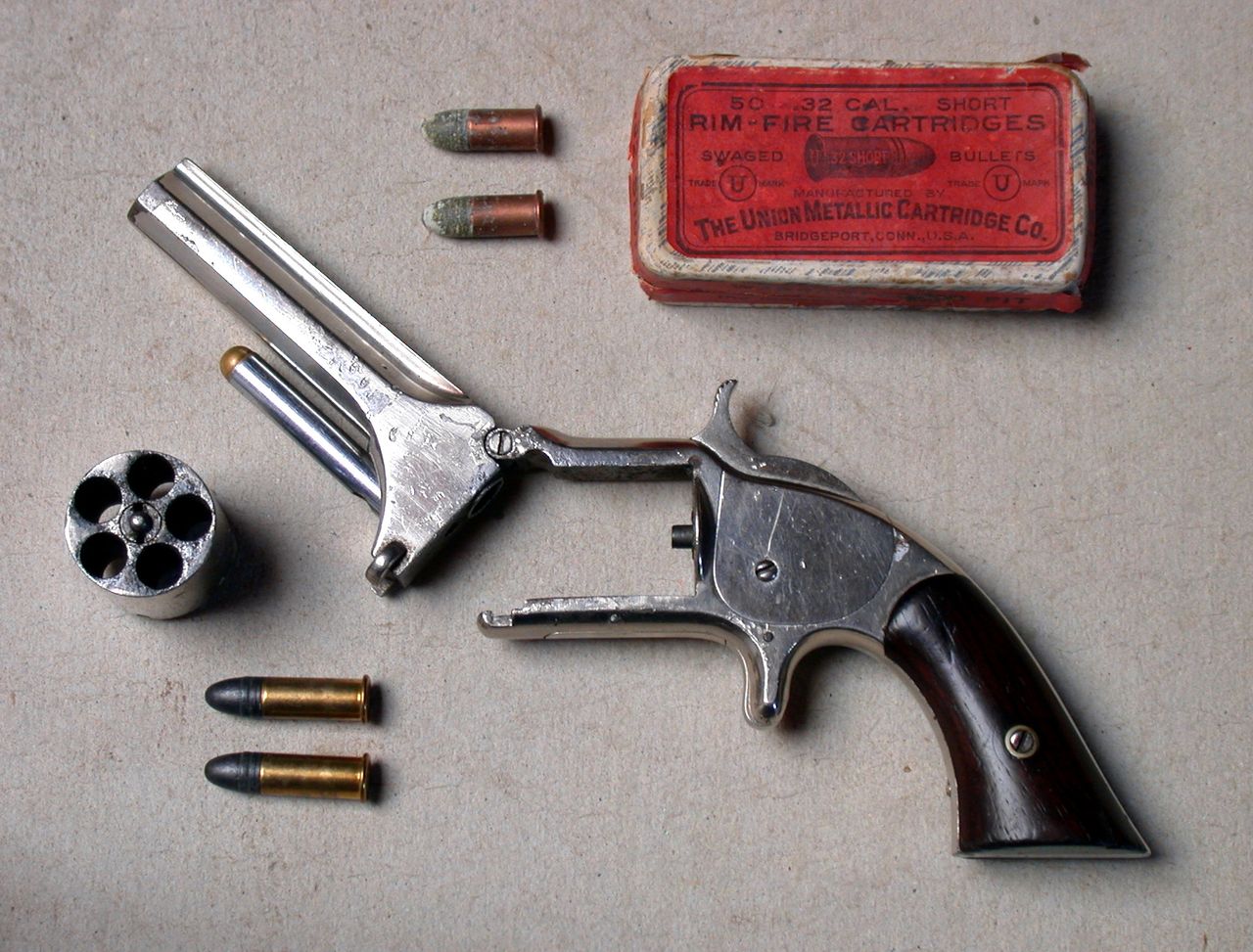
The .32 Rimfire once had real presence in both rifles and revolvers, especially in the late 1800s. It offered more authority than many pocket-size cartridges of the day, which helped it become a practical choice for defense, dispatch work, and general use in a very different firearms market.
Its problem was not usefulness. It was timing. As metallic cartridge technology evolved, centerfire rounds proved easier to reload and often more dependable, while manufacturers increasingly shifted their attention to newer systems.
That slow migration left the .32 Rimfire behind, even though countless old firearms were still chambered for it. Today, its scarcity is part of why so many antique revolvers remain fascinating conversation pieces instead of regular shooters.
.38 Rimfire
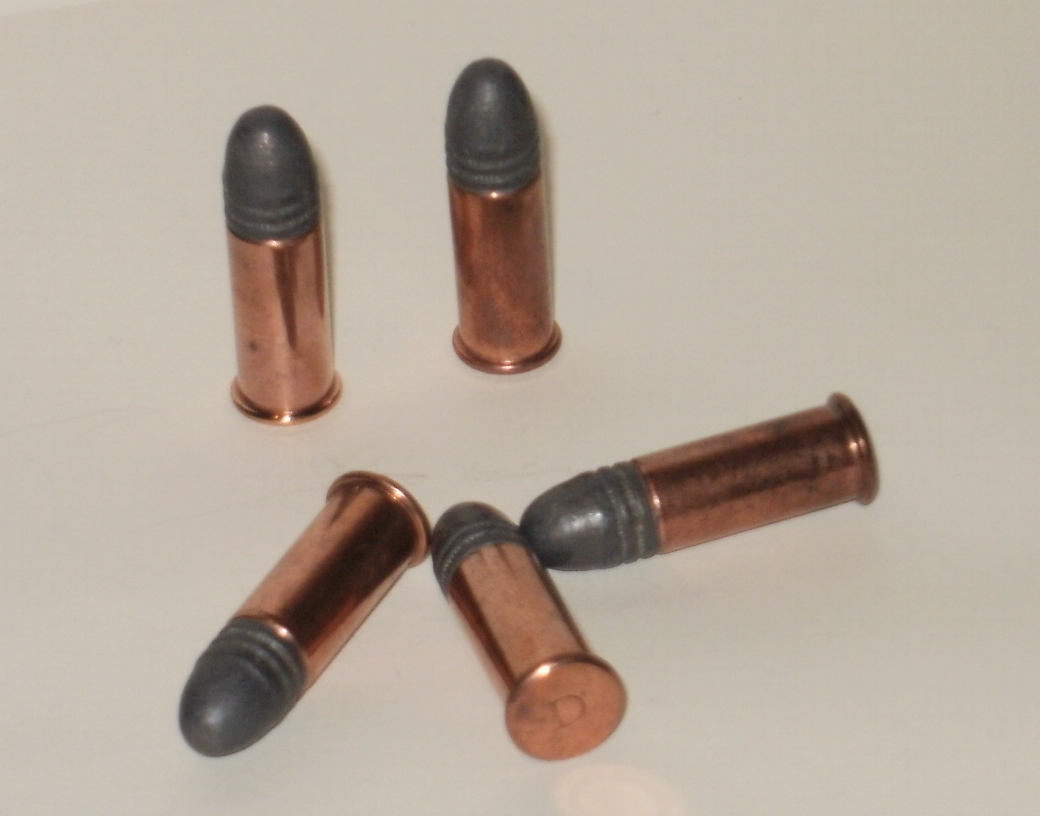
The .38 Rimfire is often remembered through Old West imagery, and with good reason. It appeared in both revolvers and rifles and carried enough power for the needs of its time, giving it a versatility that made it more than a historical footnote.
Still, versatility could not save it from the centerfire wave. Once shooters realized the advantages of stronger brass, reloadable cases, and steadily improving performance, larger rimfires began to look like transitional technology rather than the future.
Its decline was gradual rather than sudden, which is why it feels like a cartridge that quietly slipped out the side door. Yet in period firearms collections, the .38 Rimfire still represents an important step in ammunition evolution.
.44 Henry Rimfire
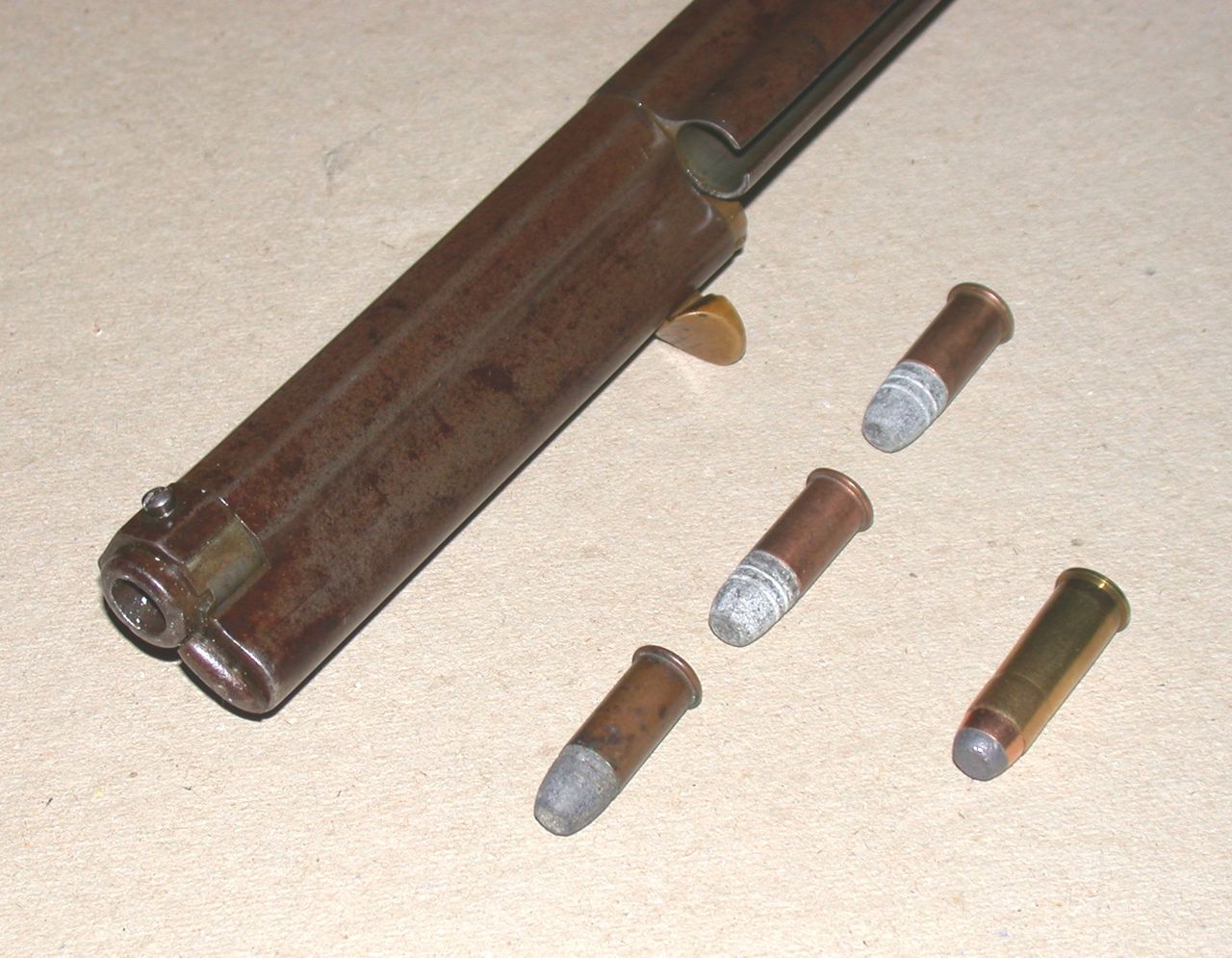
The .44 Henry Rimfire earned a permanent place in firearms history thanks to the Henry rifle and the Winchester Model 1866. In its heyday, it symbolized repeating firepower and frontier-era innovation, the kind of cartridge that helped define a generation of lever-action shooting.
But fame does not guarantee permanence. As black powder designs gave way to stronger actions and more capable centerfire cartridges, the .44 Henry’s limitations became harder to ignore. Ammunition development was moving fast, and this early rimfire giant simply could not keep pace forever.
Its disappearance was less about failure than succession. New cartridges did the job better, and the .44 Henry became a legend preserved by museums, reenactors, and devoted collectors rather than everyday hunters.
.17 Mach 2
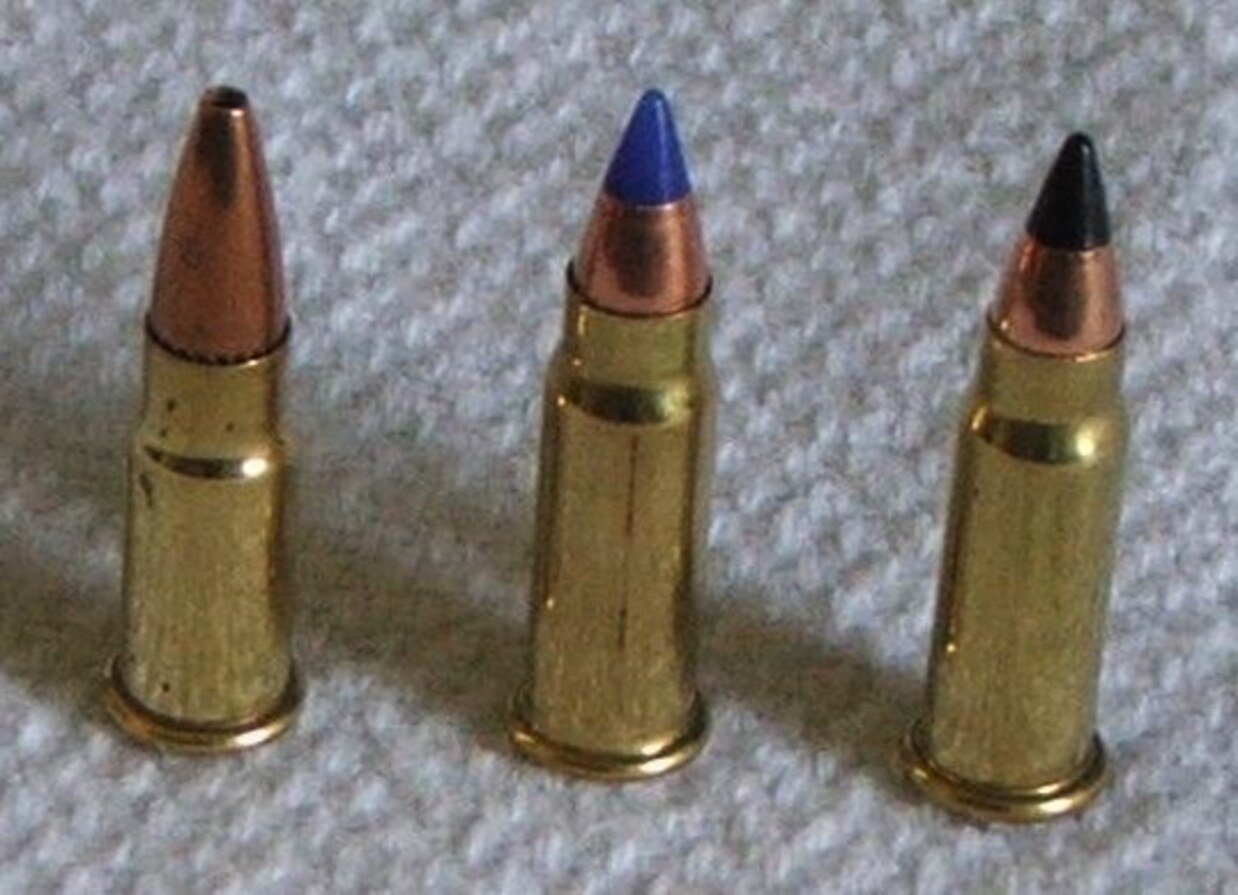
Not every vanished rimfire belongs to the 1800s. The .17 Mach 2, introduced in the early 2000s, promised blistering speed and flat trajectory by necking down the .22 Long Rifle-based Stinger case to .17 caliber. On paper and on varmints, it could be genuinely impressive.
Shooters who used it often liked its accuracy and low recoil, but the market never fully embraced it. Reliability in some semi-automatic platforms, limited rifle choices, and competition from the more established .17 HMR made it harder to build momentum.
That left the .17 Mach 2 in an awkward spot: admired, but not essential. It has not vanished completely, yet it faded far enough that many shooters barely remember it was ever pitched as the next big thing.