A pistol’s grip is where engineering becomes instinct. The shape in your hand can change recoil control, speed, accuracy, and even how confident a shooter feels on the range. This gallery explores seven grip designs that left a real mark on shooting culture, from classic target pistols to modern polymer handguns.
The Luger P08 Grip Angle
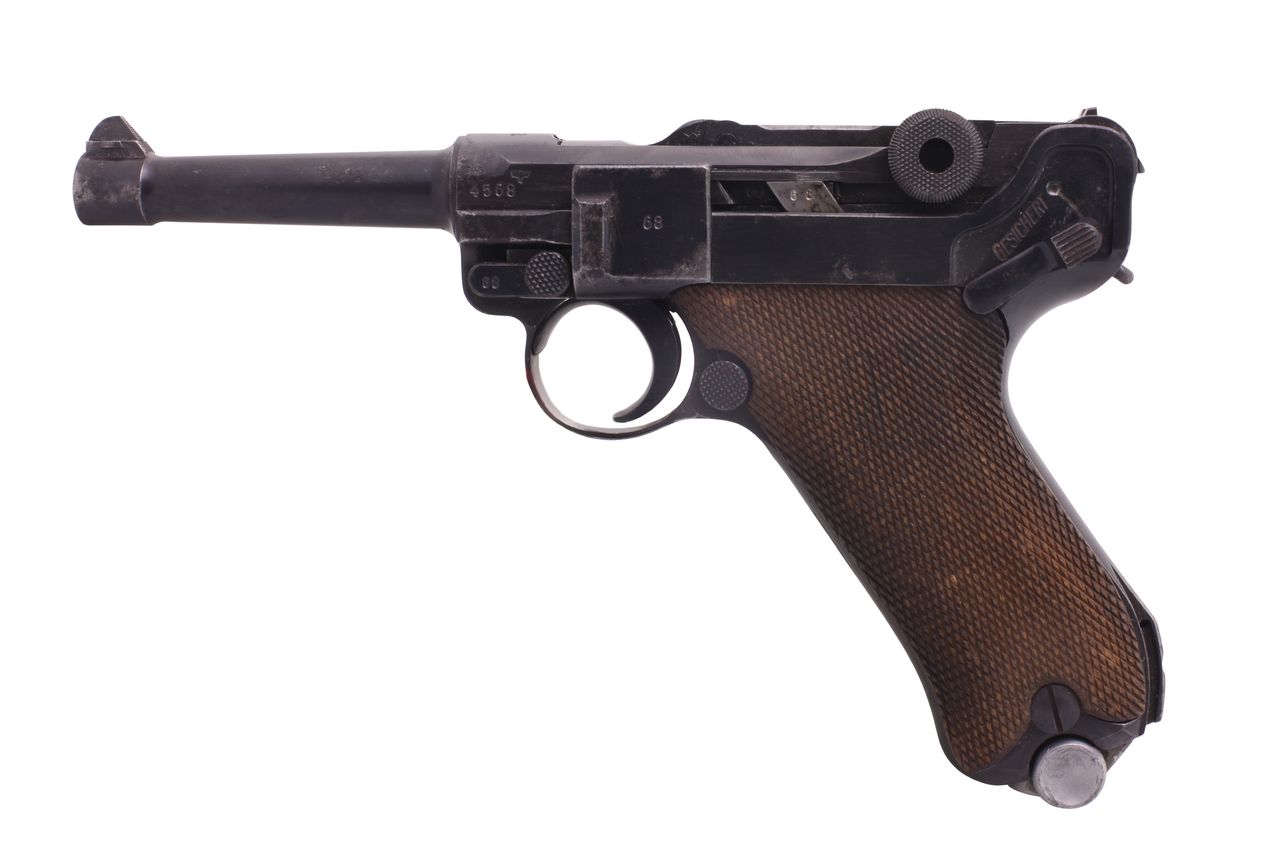
Few handgun silhouettes are as instantly recognizable as the Luger P08, and much of that identity comes from its steeply raked grip. It looked unusual then and still does now, but the angle gave many shooters a natural pointing feel that made the pistol seem lively in the hand.
That shape helped popularize the idea that grip angle could actively influence instinctive aim, not just comfort. Even people who never fired a Luger have felt its legacy in later debates over what angle best aligns the wrist, sights, and target under pressure.
The 1911 and the Standard for Natural Pointing
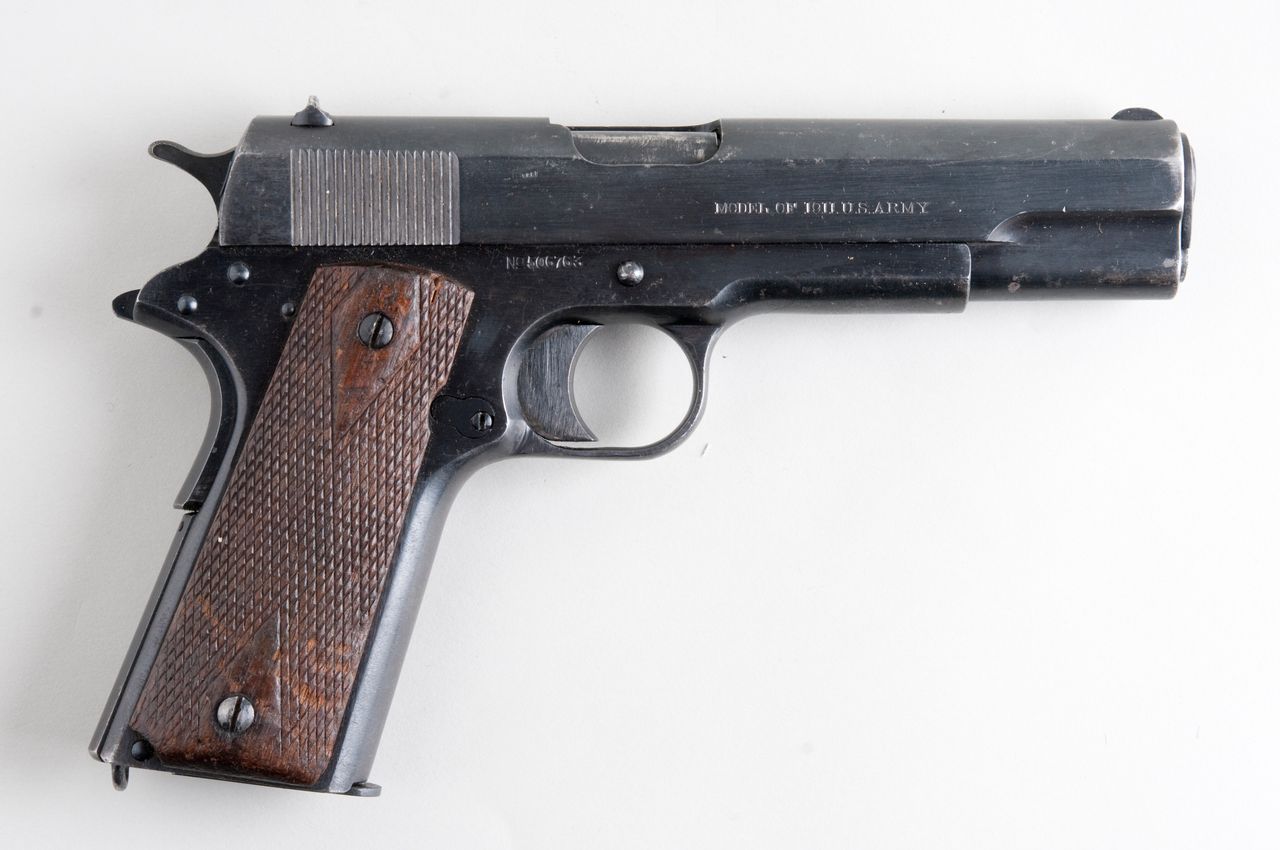
John Browning’s 1911 set a benchmark that many shooters still use as a reference point. Its grip angle, slim frame, and straight-back feel under recoil created a sense of balance that generations of military personnel, competitors, and enthusiasts came to trust.
What changed shooting was not just the pistol’s fame, but how completely its grip shaped expectations. For many hands, the 1911 established what a handgun should feel like when drawn, presented, and fired. More than a century later, makers still chase that mix of control, reach, and familiar ergonomics.
Orthopedic Target Grips on Precision Pistols
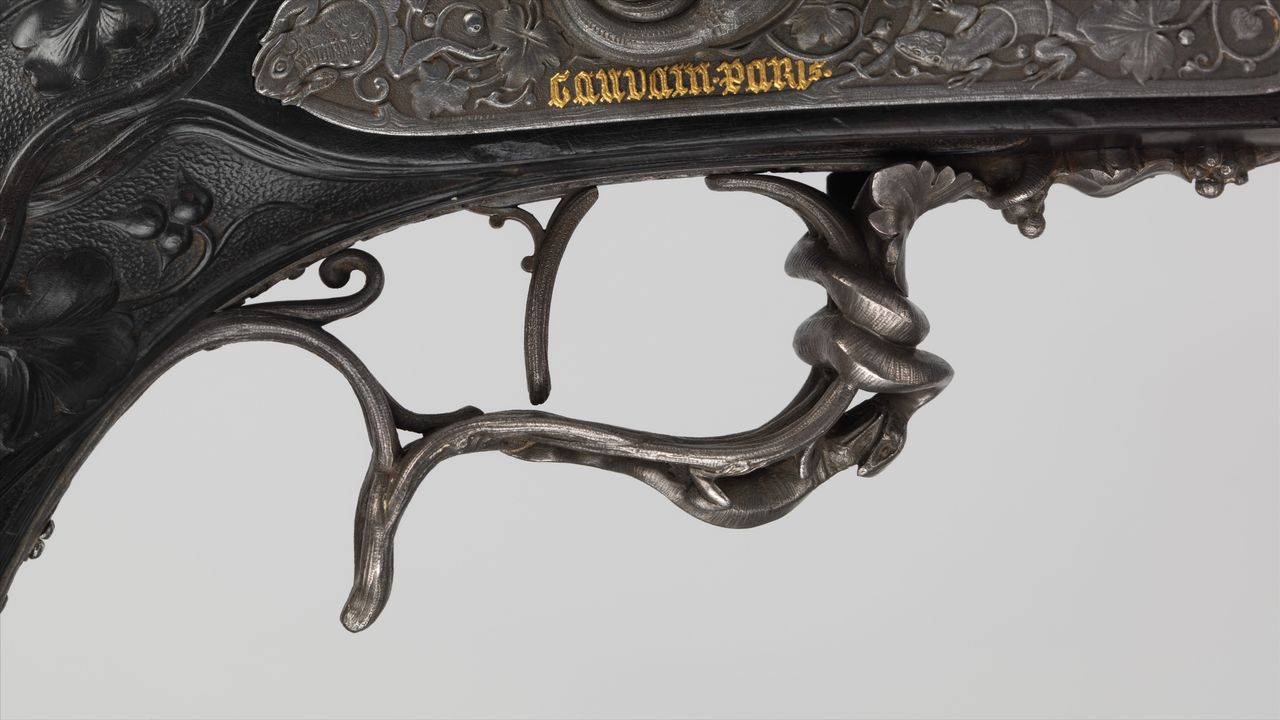
Target pistols from makers like Hammerli, Walther, and Pardini introduced a very different philosophy. Their sculpted orthopedic grips were built to fit the hand almost like custom furniture, with palm shelves, thumb rests, and carved contours designed for repeatable placement.
These grips changed how people thought about precision shooting by proving that consistency starts before the trigger breaks. They reduced unnecessary movement and encouraged a highly disciplined hold. In bullseye and Olympic-style competition, the grip stopped being a generic handle and became an essential part of the sighting system itself.
The Hi-Power and the Double-Stack Breakthrough
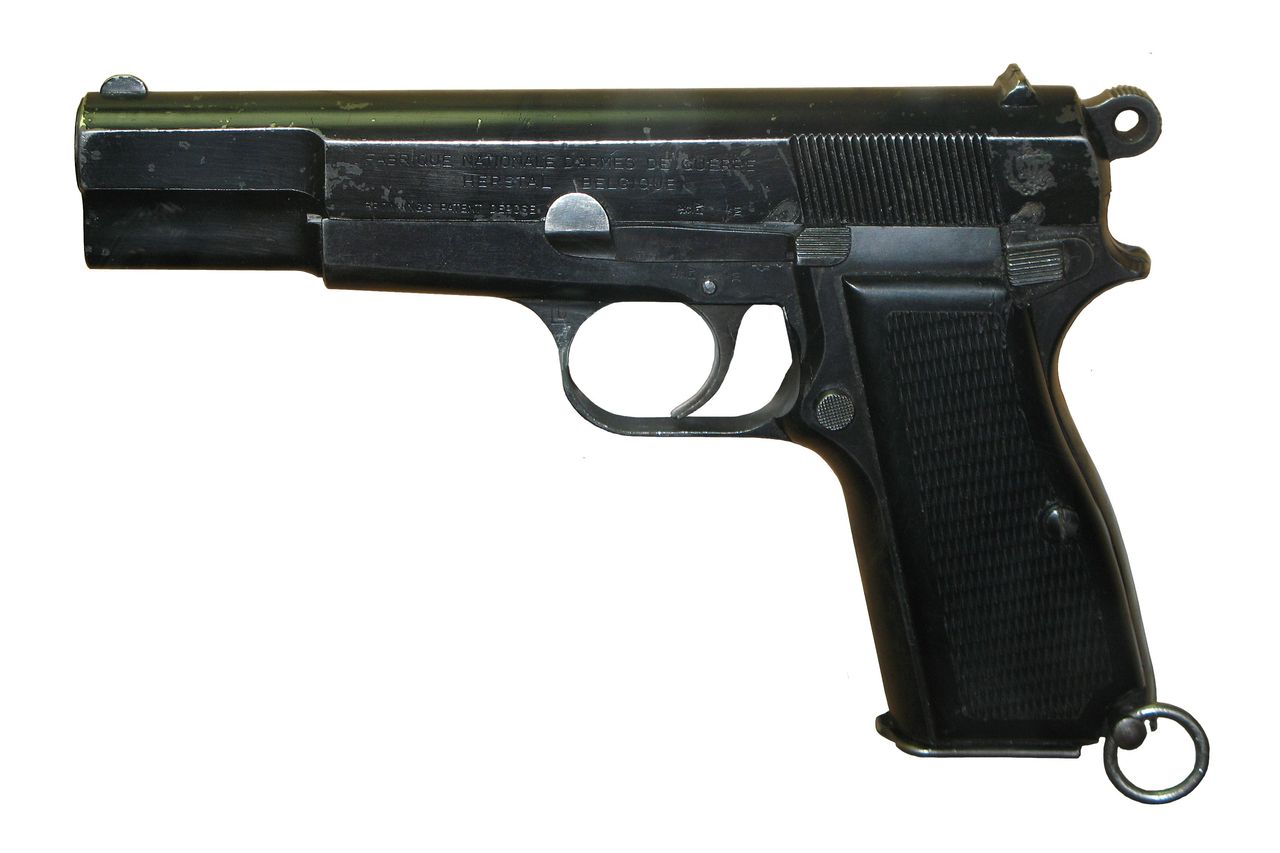
The Browning Hi-Power helped usher in the era of higher-capacity handguns, but its real trick was making a double-stack magazine feel surprisingly manageable. Its grip was fuller than a single-stack design, yet many shooters found it elegant rather than bulky.
That mattered because it showed manufacturers they could increase capacity without completely sacrificing handling. The Hi-Power became a bridge between old-school feel and modern firepower. In practical terms, it changed how people judged service pistols, pushing the industry toward grips that balanced ammunition load with real-world shootability.
The Hogue Rubber Grip Revolution
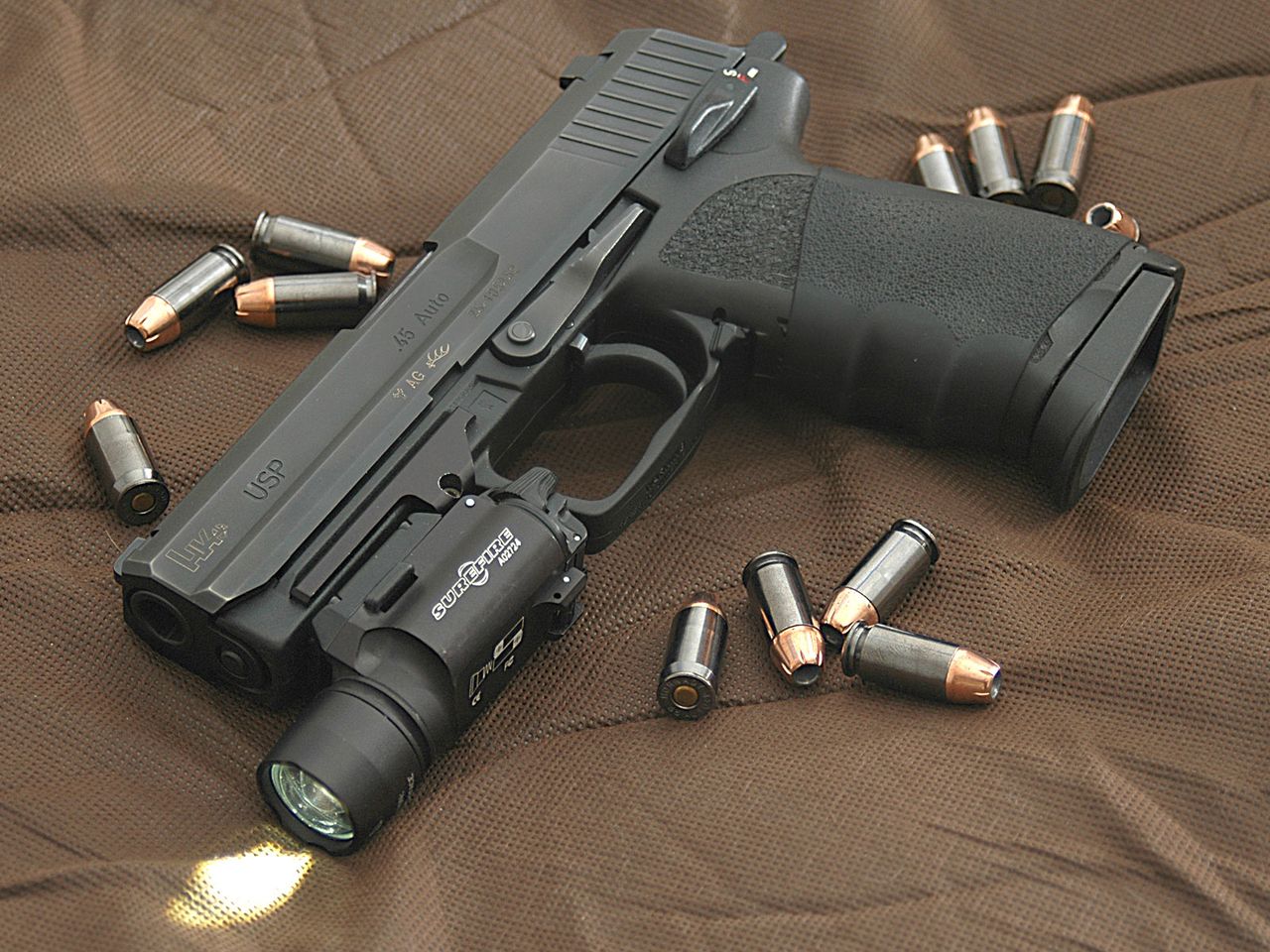
Not every shooting breakthrough comes from a whole new gun. Hogue-style rubber grips transformed revolvers and many semi-autos by offering finger grooves, palm-filling contours, and a tackier surface that inspired confidence, especially during long range sessions.
For everyday shooters, this was a practical ergonomic revolution. Factory stocks could be swapped for something softer, steadier, and more forgiving under recoil. The idea that a grip could be an easy aftermarket performance upgrade took hold fast, and it changed the way people personalized firearms for comfort, control, and hand fit.
Glock and the Polymer Grip Era
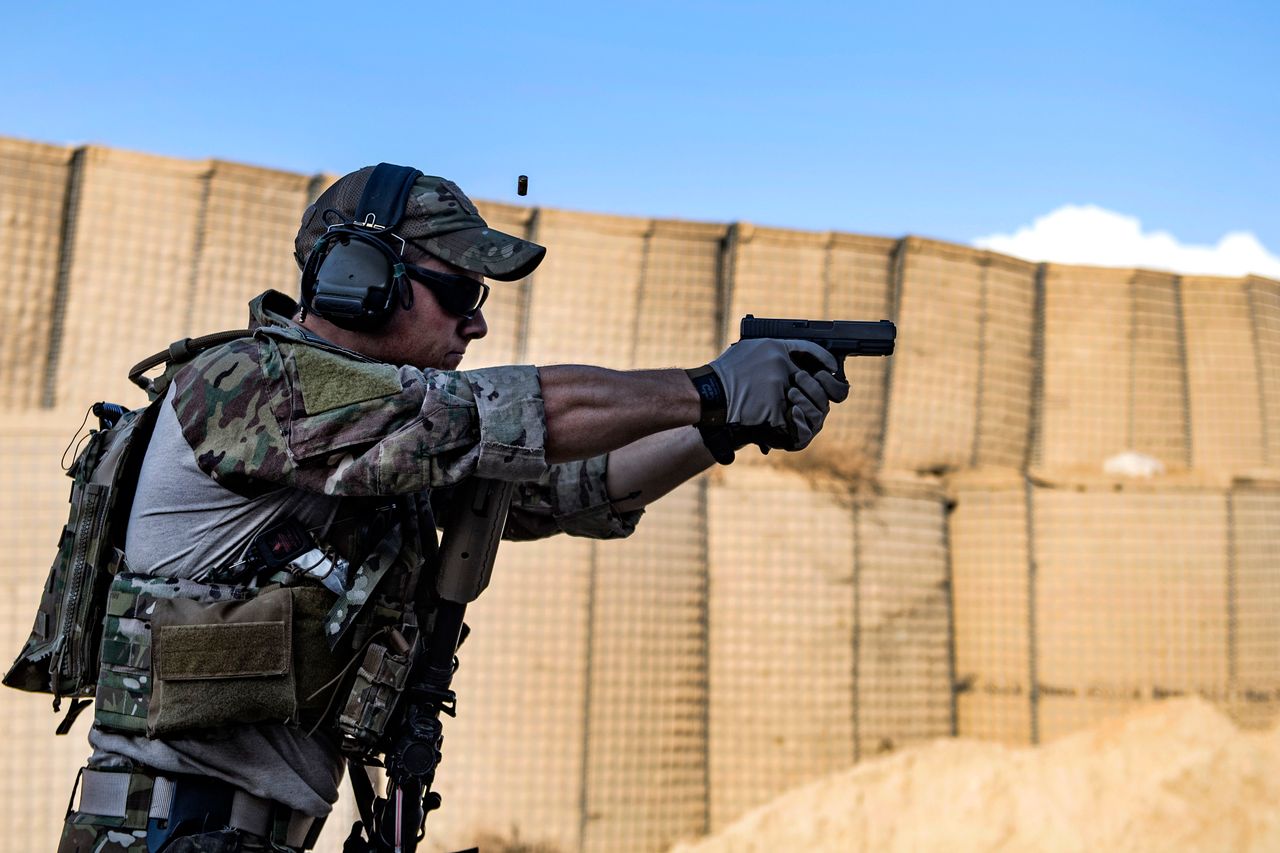
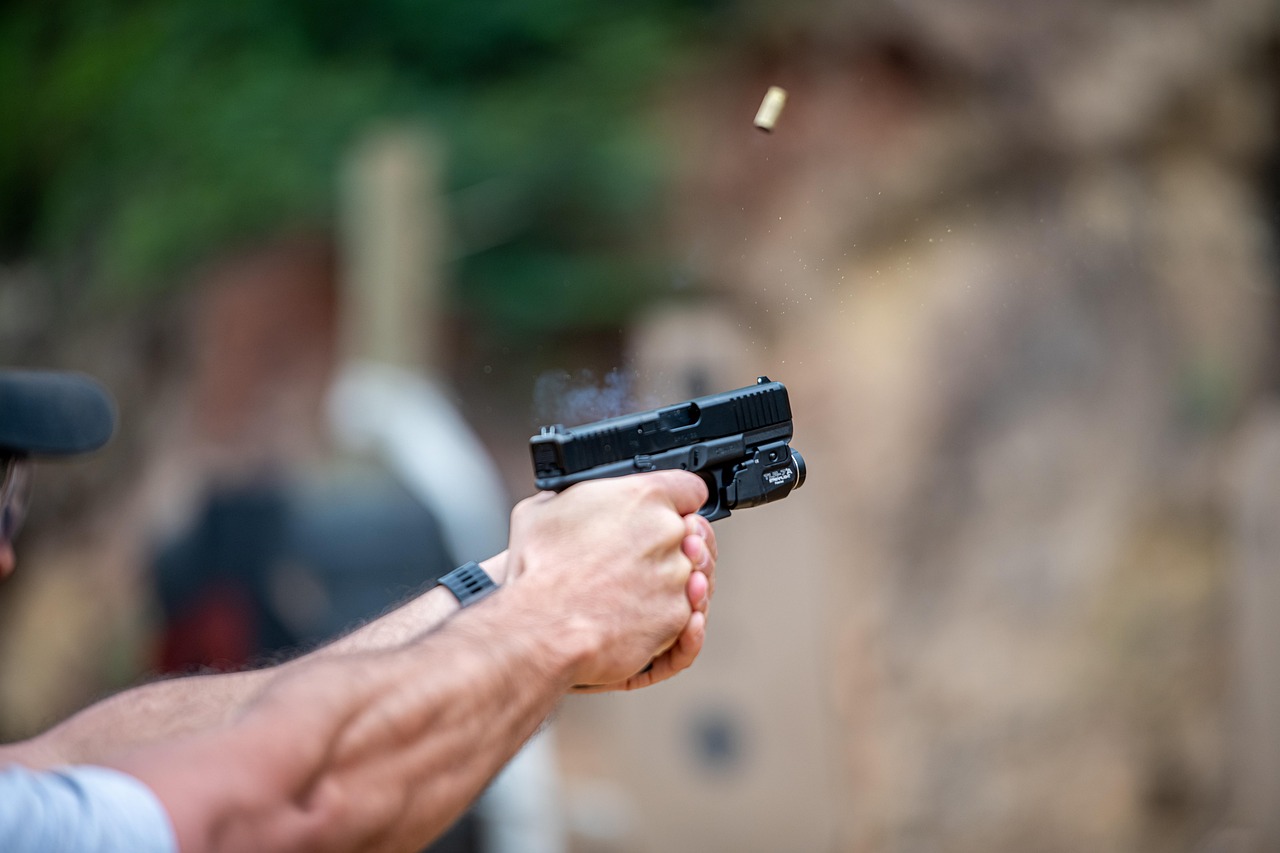
When Glock arrived, the grip looked plain compared with classic steel pistols, but its impact was enormous. The polymer frame made new shapes possible, lowered weight, and introduced a practical, utilitarian feel that matched the brand’s no-nonsense reputation.
More importantly, Glock normalized the modern service pistol grip. Its angle, texture, and simple durability influenced law enforcement training, concealed carry habits, and endless design copycats. Whether shooters loved it or argued with it, the Glock grip forced a new conversation about consistency, recoil management, and what a duty handgun should feel like every day.
Interchangeable Backstraps and Modular Fit
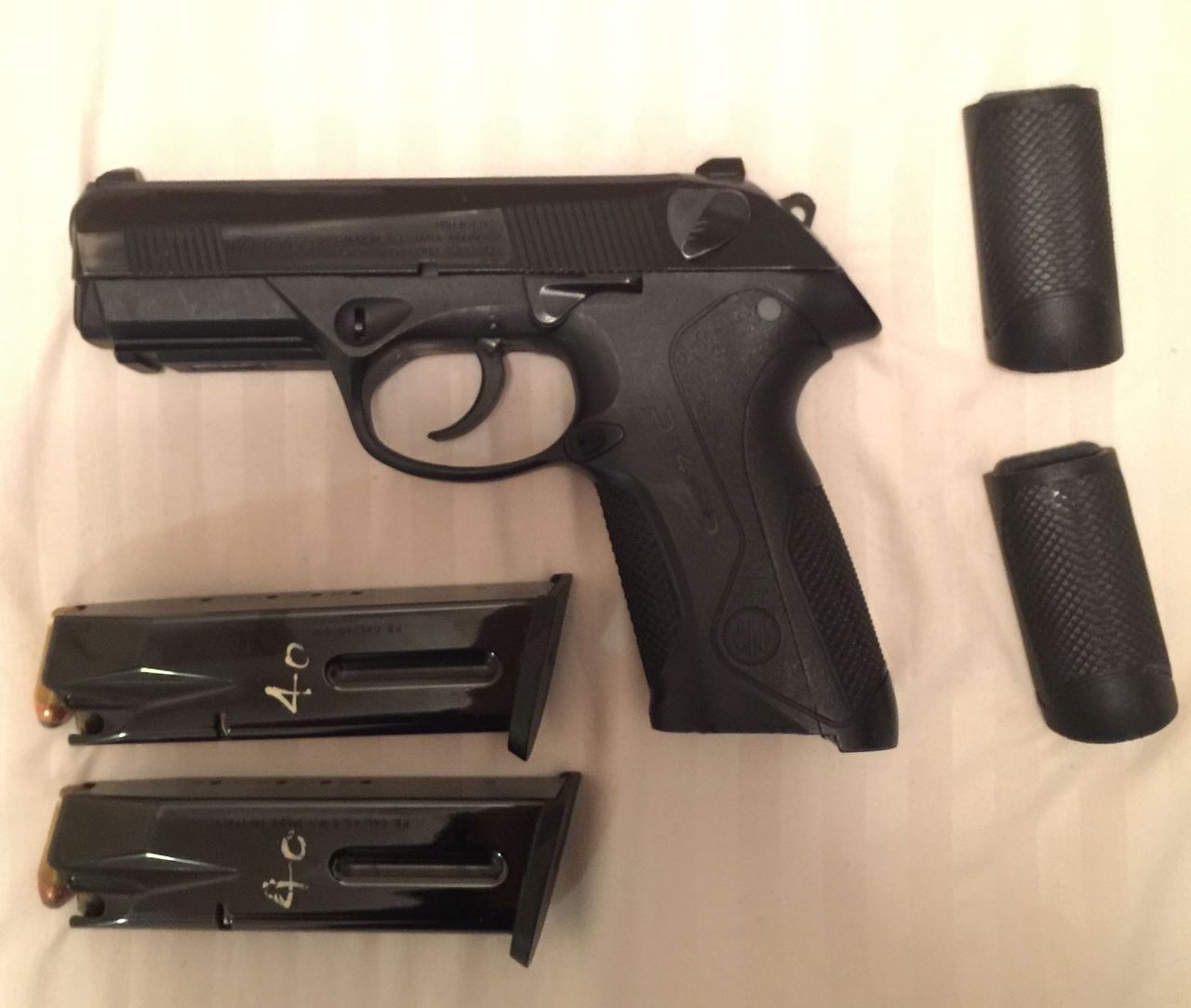
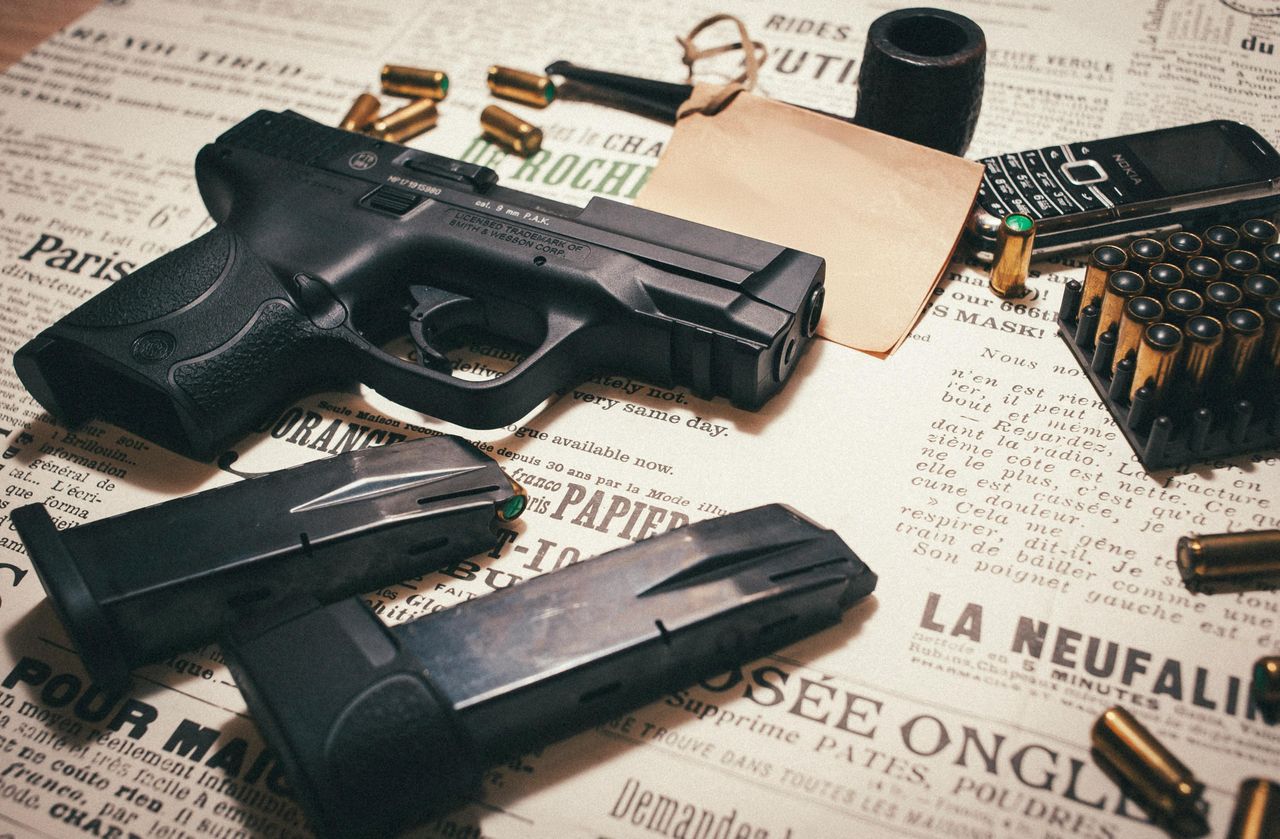
One of the biggest recent changes in handgun design has been the move toward interchangeable backstraps and modular grip panels. Pistols from Smith & Wesson, Walther, SIG Sauer, and others recognized a simple truth: one grip shape does not fit every shooter.
That shift changed shooting by making fit part of the factory package instead of an afterthought. A better match between hand size and grip circumference can improve trigger reach, control, and confidence almost immediately. It also opened the door to a more inclusive idea of handgun design, where adjustability became a core performance feature.