Primers may be tiny, but they have an outsized effect on ignition, pressure, and reliability at the loading bench. For new reloaders, the names can blur together fast, especially when packaging looks similar and small specification changes carry big consequences. This gallery breaks down seven primer types worth knowing apart so you can read labels more confidently and think more clearly about safe component selection.
Small Pistol Primers
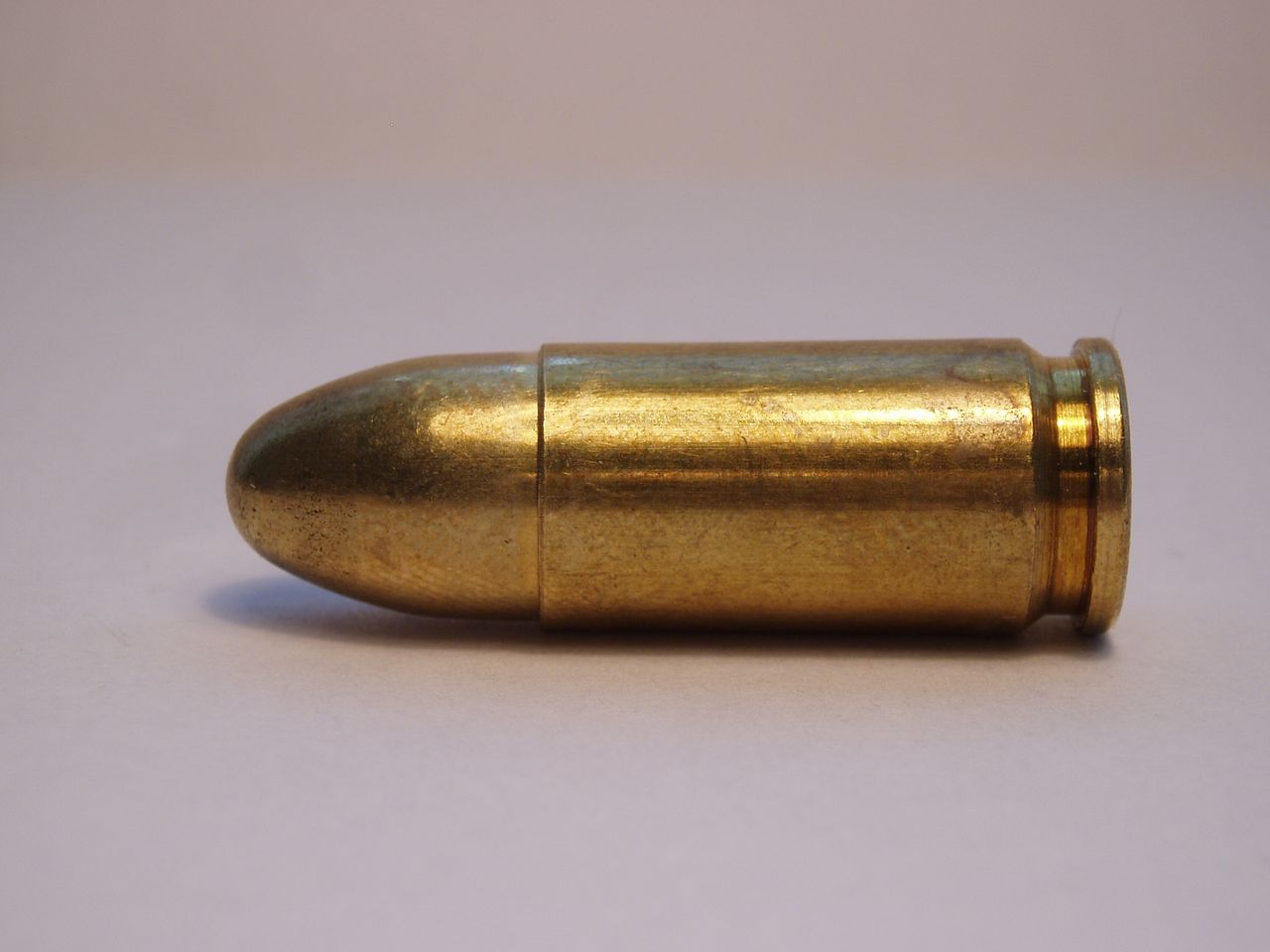
Small pistol primers are one of the most common components in handgun reloading, showing up in cartridges such as 9mm Luger, .38 Super, and many others. They are designed around the ignition needs of pistol powders and pressure ranges, which helps explain why they are not just a miniature version of every other primer on the shelf.
At the bench, they are easy to confuse with similarly sized small rifle primers because the diameter is close enough to invite mistakes. The important difference is in cup thickness and intended use. Treat them as a category with their own job, not as a convenient substitute when supplies run thin.
Large Pistol Primers
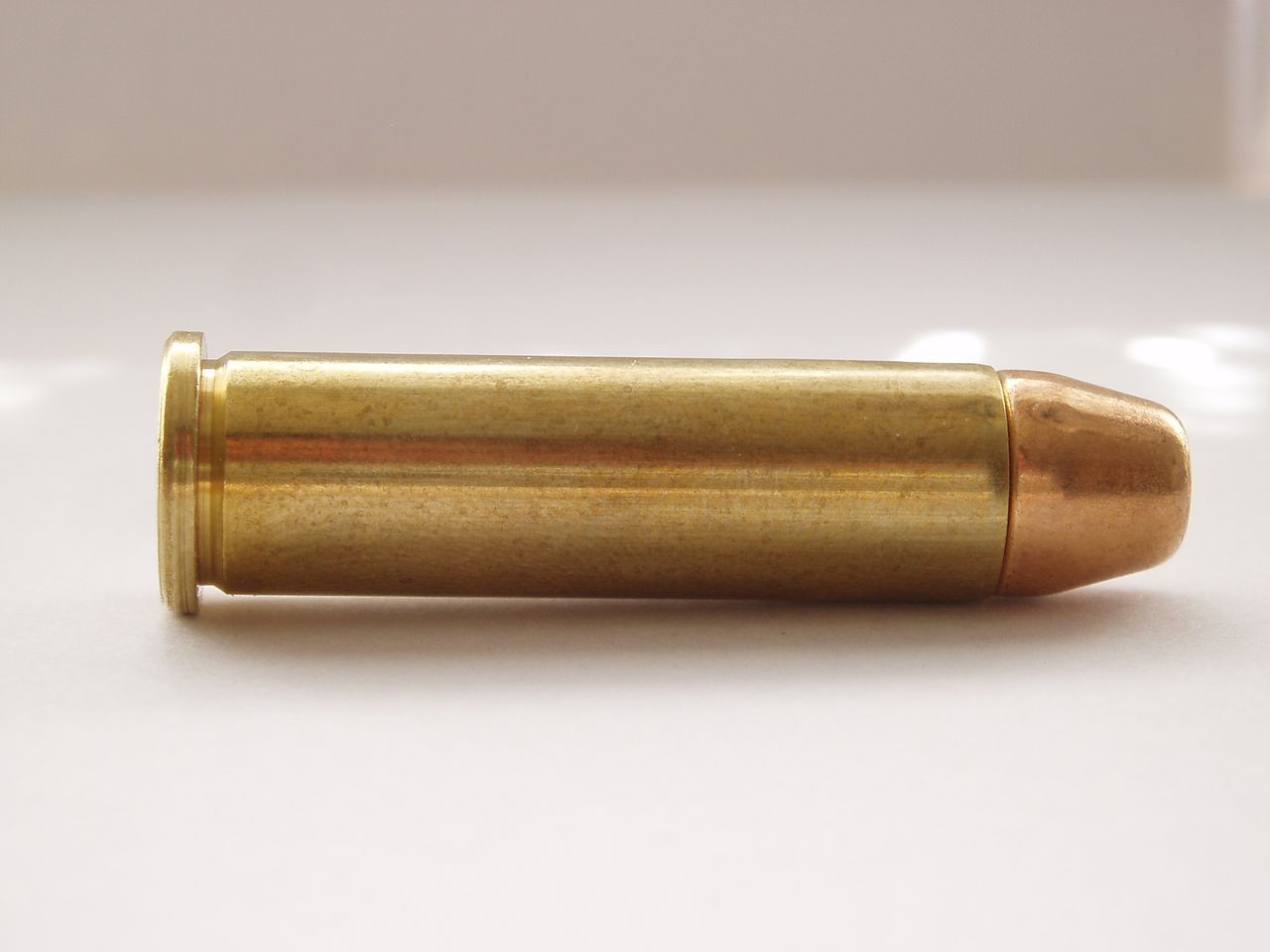
Large pistol primers are typically associated with classic revolver and semi-auto cartridges such as .45 ACP, .44 Special, and .357 Magnum in certain load data combinations. Their larger dimensions suit primer pockets cut specifically for them, and that physical fit is the first clue that careful sorting matters.
They are often discussed as straightforward components, but they deserve attention because not every case in a given caliber uses the same pocket size. Some cartridges have appeared with both large and small primer variations over time. That means headstamp inspection and disciplined case organization are not optional habits, but basic reloading housekeeping.
Small Rifle Primers
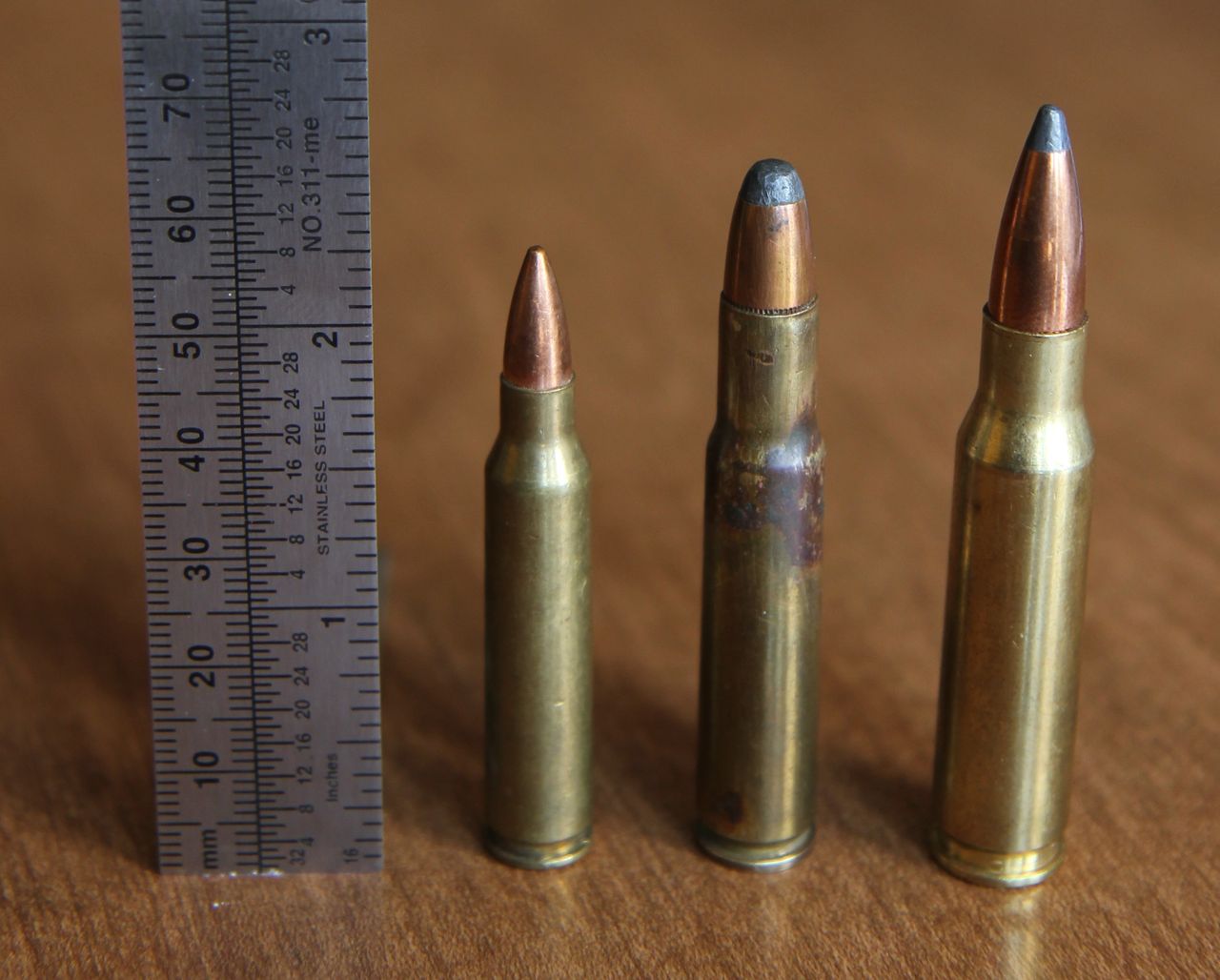
Small rifle primers are built for rifle cartridges that use a small primer pocket, including popular rounds like .223 Remington and 5.56-related handloads when matched to appropriate data. They are made to handle rifle conditions, which generally means a tougher cup and ignition characteristics suited to rifle applications.
This is where many reloaders learn that size alone tells only part of the story. A small rifle primer may resemble a small pistol primer at a glance, yet the intended pressure environment is very different. Good labeling, separate storage, and a slow hand at the loading bench help prevent a tiny part from causing a very large problem.
Large Rifle Primers

Large rifle primers serve many full-size rifle cartridges, from .308 Winchester to .30-06 Springfield and beyond. They are familiar fixtures on the benches of hunters, target shooters, and precision reloaders, and they are chosen to ignite charges that often sit behind heavier bullets and in larger case capacities.
Because rifle loads can be sensitive to ignition consistency, experienced handloaders often pay close attention to lot numbers and component changes in this category. Even when everything else remains the same, a primer swap can affect velocity and pressure behavior. That is why careful recordkeeping matters so much when a load is being developed rather than simply assembled.
Magnum Pistol Primers
Magnum pistol primers are intended for certain handgun loads that call for a stronger ignition impulse, often with slower-burning powders or larger cases. They are not a universal upgrade, and the word magnum on the box should be read as a specification, not a performance promise for every load.
Reloaders sometimes assume a magnum primer simply makes a cartridge more powerful, but the real issue is matching the primer to tested data. In some combinations, using one can change pressure enough to matter. This is why manuals separate standard and magnum components so carefully, and why substitutions should never be treated casually.
Magnum Rifle Primers

Magnum rifle primers are generally chosen for loads that need a hotter, more assertive spark, especially in large-capacity cases or with powders that can be harder to ignite uniformly. They are common in many magnum-class rifle cartridges, but the label alone does not mean every powerful cartridge automatically requires them.
Their role becomes especially important when reloaders are chasing consistency across changing conditions, such as cold weather or long columns of slow powder. Even then, the correct choice comes from tested load data, not intuition. A magnum rifle primer is a tool for a specific job, and like every good tool, it works best when used exactly as intended.
Military Style and Specialty Primers
Military style and specialty primers round out the picture by introducing features beyond the standard commercial categories. Some are designed with harder cups to reduce the chance of slamfires in certain firearms, while others may be formulated around niche performance goals or unusual cartridges.
This is the category that rewards careful reading more than any other. Brand labels, technical notes, and published data matter because the differences are not always obvious from a quick glance at the packaging. For reloaders, the lesson is simple and lasting: primers are never interchangeable by assumption, especially when a product is built for a specialized purpose.