
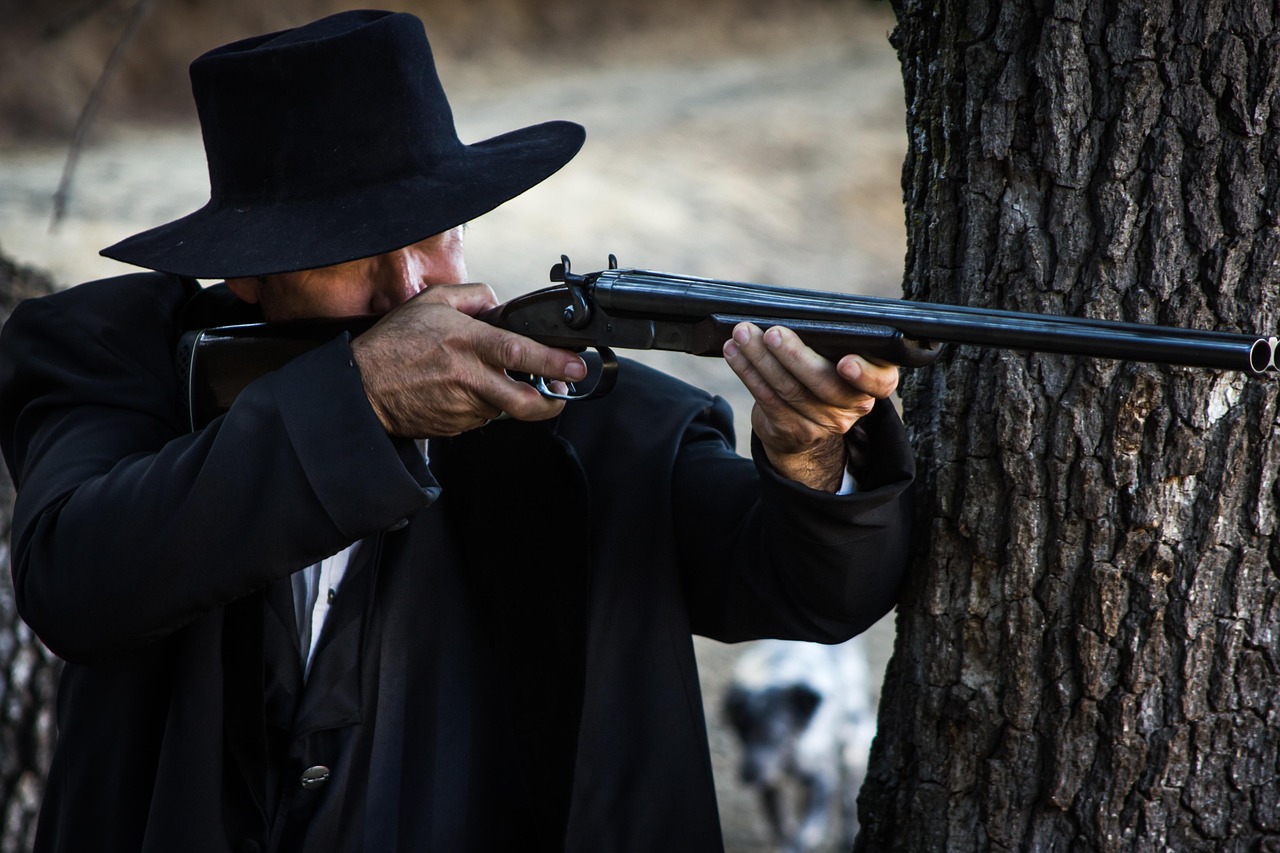
Vintage gun advertisements offer a striking window into another era of American marketing. What once seemed ordinary in print now feels revealing, and sometimes jarring, as attitudes about safety, identity, and persuasion have evolved. This gallery revisits eight ad themes that highlight how dramatically the language and imagery around firearms have changed.
Firearms Sold as Family Essentials

Many early firearm ads framed guns as practical household items, almost in the same category as tools, radios, or kitchen appliances. The message was simple: a respectable home was a prepared home, and a gun fit neatly into that picture.
What stands out now is how casually these ads blended domestic comfort with weapon ownership. Smiling families, tidy living rooms, and reassuring copy worked together to remove any sense of risk.
Today, marketing language around firearms is far more likely to acknowledge regulation, storage, or intended use. That older, matter-of-fact household framing now feels like a snapshot of a very different advertising culture.
Hunting as a Rite of Passage

A common thread in vintage gun ads was the idea that hunting marked the transition from boyhood to adulthood. Advertisers leaned heavily on tradition, presenting a first rifle or shotgun as a milestone filled with pride, discipline, and belonging.
The imagery often featured fathers and sons in matching outdoor gear, standing side by side in fields or woods. It was less about the product alone and more about inheritance, identity, and the promise of becoming a capable man.
That emotional appeal still exists in some outdoor marketing, but modern campaigns are usually more careful about youth messaging. The shift says a lot about changing expectations around responsibility and public perception.
Women Cast as Stylish Participants
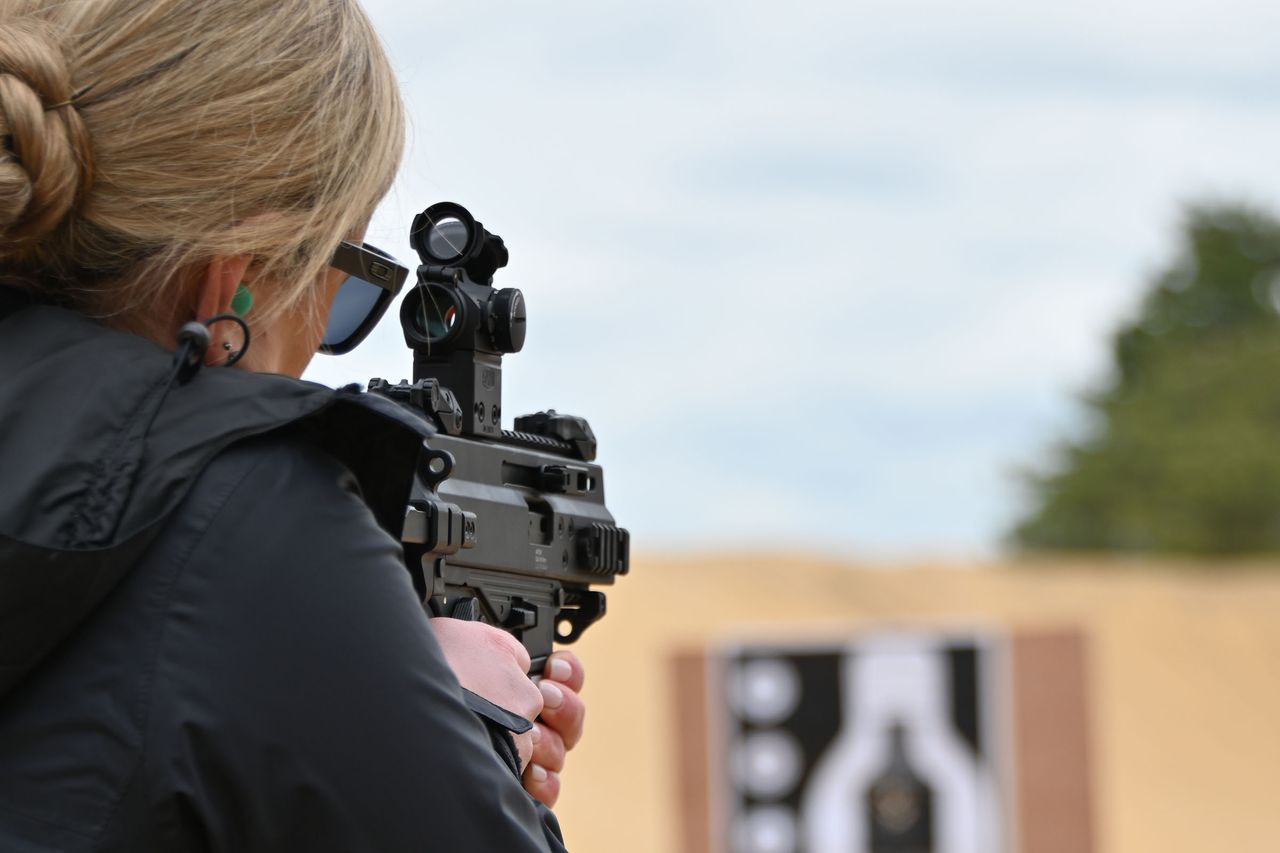
Some vintage firearm advertisements targeted women directly, but often through the lens of glamour, romance, or novelty. Instead of emphasizing technical performance, these ads sometimes suggested that a gun could be elegant, fashionable, or even a charming gift.
The visual language did much of the work. Well-dressed women appeared in polished settings, signaling that gun ownership could coexist with sophistication and modern femininity.
Seen now, those campaigns reveal how rigidly marketers once defined gender roles. Contemporary advertising tends to present women more as independent consumers and skilled participants, not simply as accessories to a lifestyle or audience stand-ins for someone else’s purchase.
Home Defense Framed as Peace of Mind

Vintage ads for home protection often relied on calm, reassuring language rather than alarm. The product was presented as a sensible measure, something that offered confidence without disrupting the image of a stable, orderly household.
That tone is revealing because it softened the seriousness of the subject. Rather than dwell on danger, many ads wrapped the idea of self-defense in familiarity and control, making it feel almost routine.
Modern advertising in this space can still sell reassurance, but the presentation is usually shaped by sharper legal, ethical, and cultural sensitivities. The contrast shows how much messaging standards have evolved over time.
Boys Marketed Through Adventure Fantasy

A remarkable number of old ads spoke directly to boys with promises of adventure, courage, and frontier-style excitement. Even when the products were framed as sporting tools, the emotional pitch often sounded closer to comic books than cautious instruction.
Illustrations were especially powerful here. Rugged landscapes, heroic poses, and action-heavy copy turned ownership into a fantasy of independence and daring.
That approach feels especially distant from current standards, which are more likely to avoid overtly romanticizing youth access to weapons. Looking back, these ads show how freely earlier marketers borrowed from childhood dreams to sell products with very real consequences.
Military Prestige Used to Sell Civilian Products
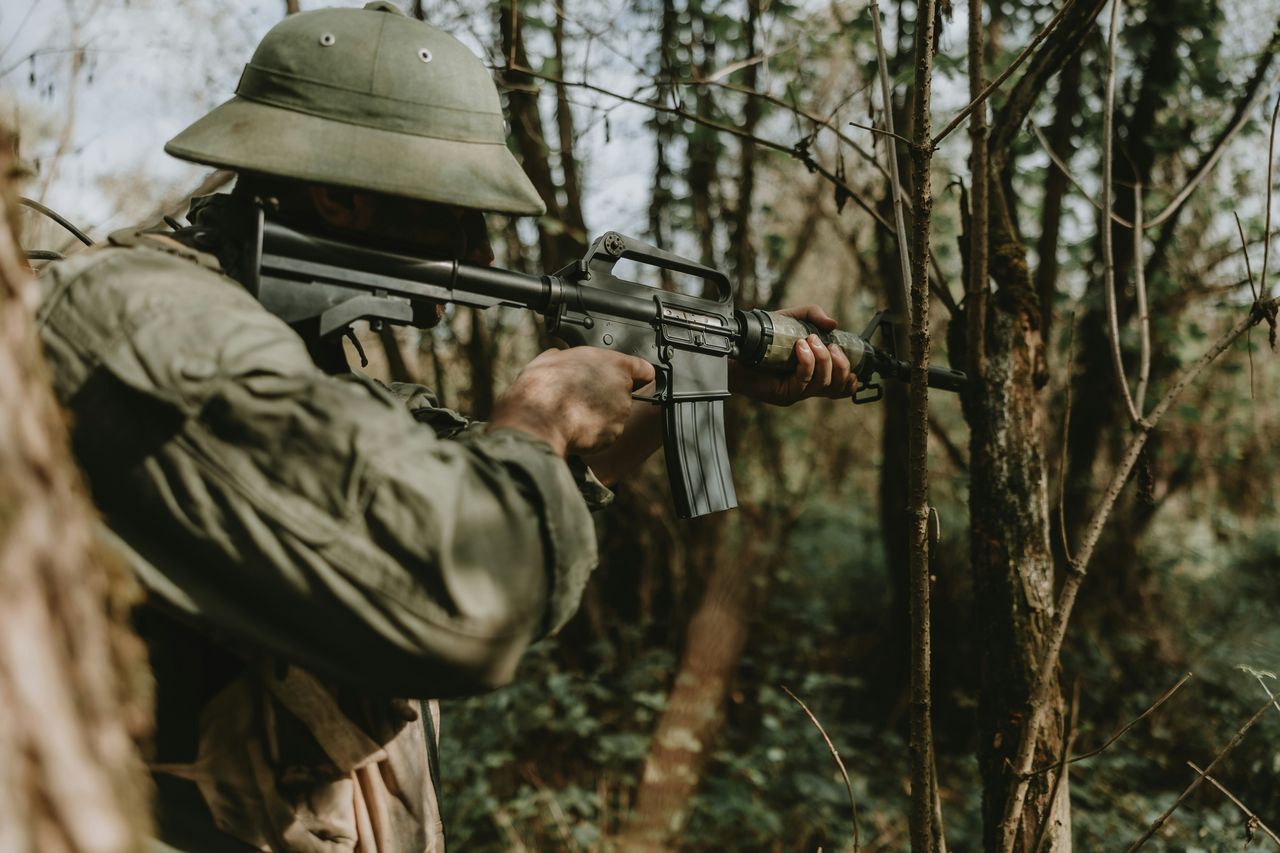
Another familiar strategy was borrowing the authority of the military to elevate civilian firearms. Advertisements referenced battlefield reliability, service-style design, or wartime reputation to imply toughness, precision, and proven value.
For consumers living close to the memory of major wars, that message carried enormous weight. It connected purchase decisions to patriotism, competence, and a wider national story.
Today, that sort of appeal still appears in some corners of the market, but audiences tend to read it more critically. What once felt like unquestioned prestige now also raises questions about symbolism, identity, and the blending of military and consumer culture.
Technical Claims as a Badge of Modernity
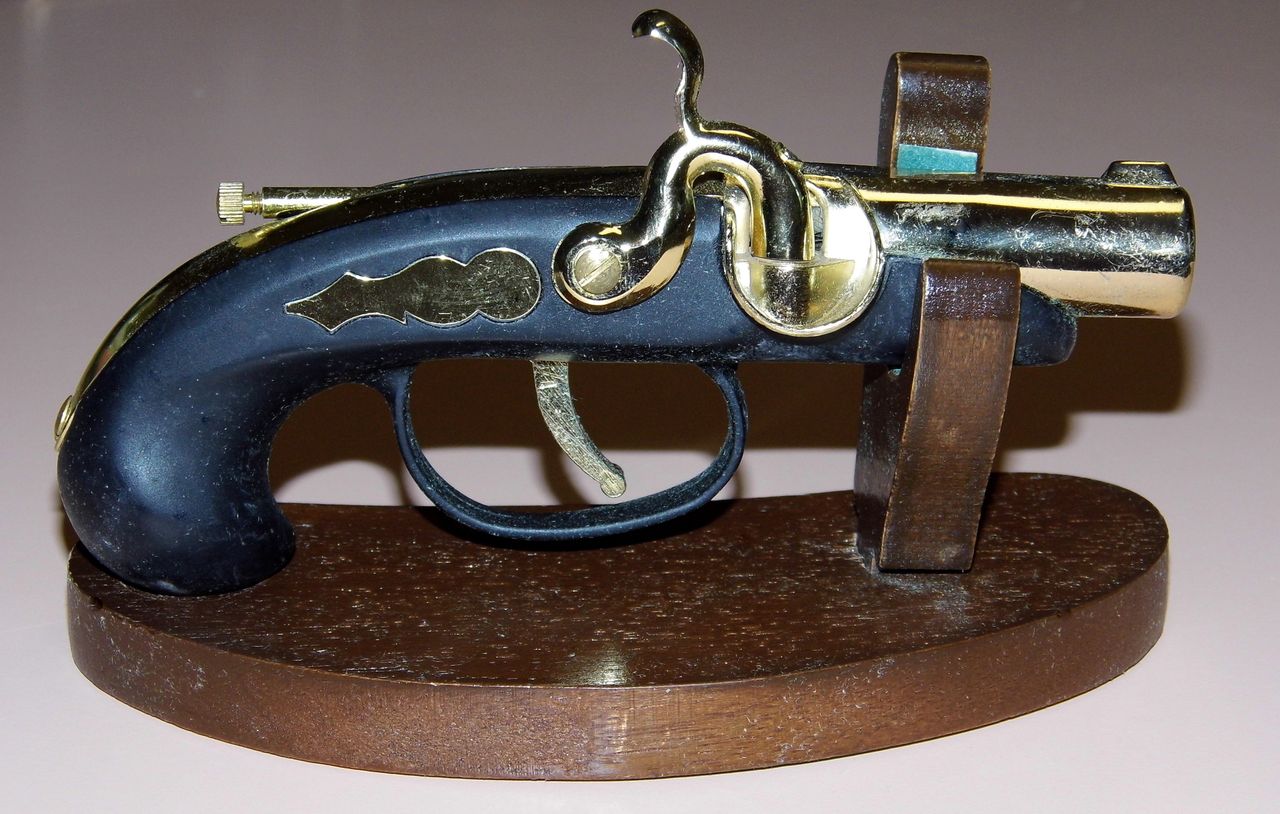
Not every vintage ad leaned on emotion. Many sold firearms through a dense list of features, calibers, mechanisms, and performance claims, presenting mechanical detail as proof of progress and superiority.
There was a distinctly modern faith behind that approach. More engineering, more precision, and more innovation were treated as self-evident selling points, especially in eras when consumers were fascinated by industrial advancement.
That style survives in product marketing everywhere, but today’s audience often expects a balance of specs, context, and responsible framing. In older ads, the fascination with machinery could feel almost breathless, as though technology alone settled the entire argument.
Copy That Assumed Fewer Limits

Perhaps the biggest difference in vintage gun advertising is tone. The copy was often bolder, looser, and more confident in what it could promise about safety, status, happiness, or personal transformation.
That freedom reflected a broader media environment with fewer guardrails and less scrutiny from the public. Marketers could be sweeping, emotional, and occasionally reckless in ways that would stand out immediately today.
Seen together, these ads are less about nostalgia than about contrast. They show how advertising evolves alongside culture, and how products once promoted with casual certainty are now discussed in a much more contested and carefully managed space.