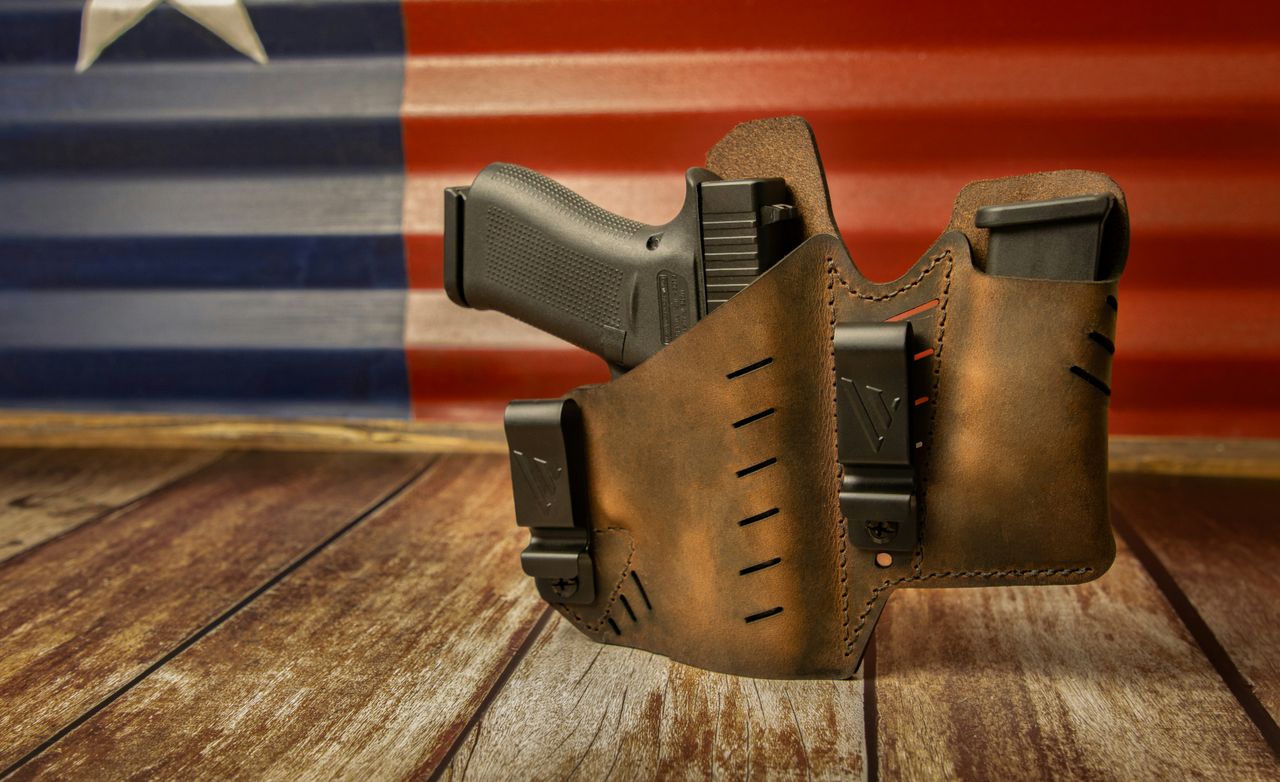
Holster trends change with clothing, technology, and the way people move through daily life. Yet some older styles disappeared less because they failed and more because tastes shifted. This gallery revisits six forgotten holster designs that once solved real problems, and still have something to offer for comfort, concealment, and character.
Shoulder Holster
The shoulder holster may be the most cinematic style on this list, but its staying power comes from comfort, not just drama. Worn under a jacket, it shifts weight off the belt and can feel surprisingly balanced during long hours of standing, walking, or driving.
It fell out of favor as casual dress codes got lighter and smaller waistband holsters became standard. Even so, for cooler climates, outerwear-heavy wardrobes, and people who spend serious time seated, the shoulder rig still solves problems modern favorites sometimes create.
Cross-Draw Holster
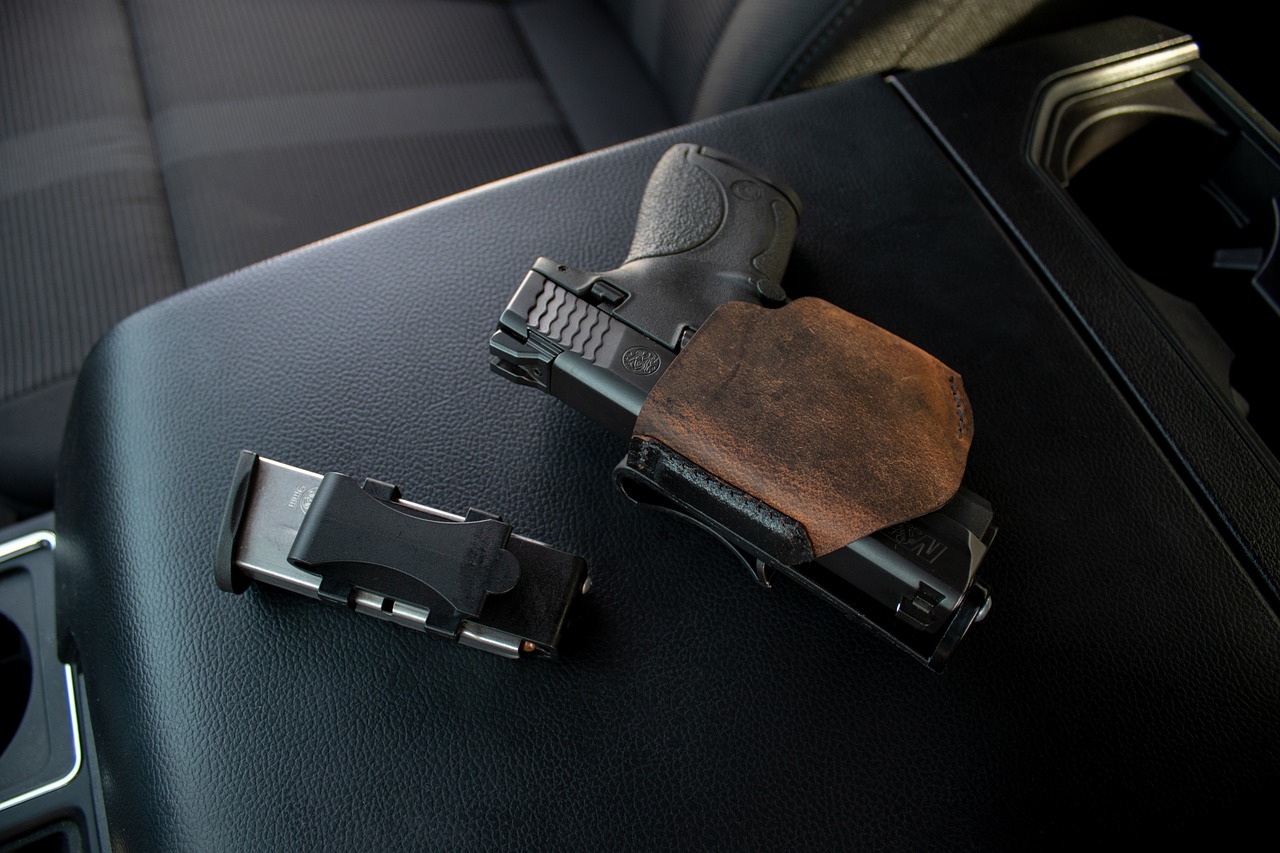
Cross-draw holsters were once a practical answer for people who spent much of the day sitting, especially in vehicles or at desks. Positioned across the front of the body, they offered easier access than strong-side belt carry and worked well with heavier coats or layered clothing.
As training trends shifted toward other draw strokes, cross-draw became less common and sometimes unfairly dismissed as outdated. But in the right setting, especially for comfort while seated, this style still has a clear purpose and a distinctly old-school charm.
Flap Holster
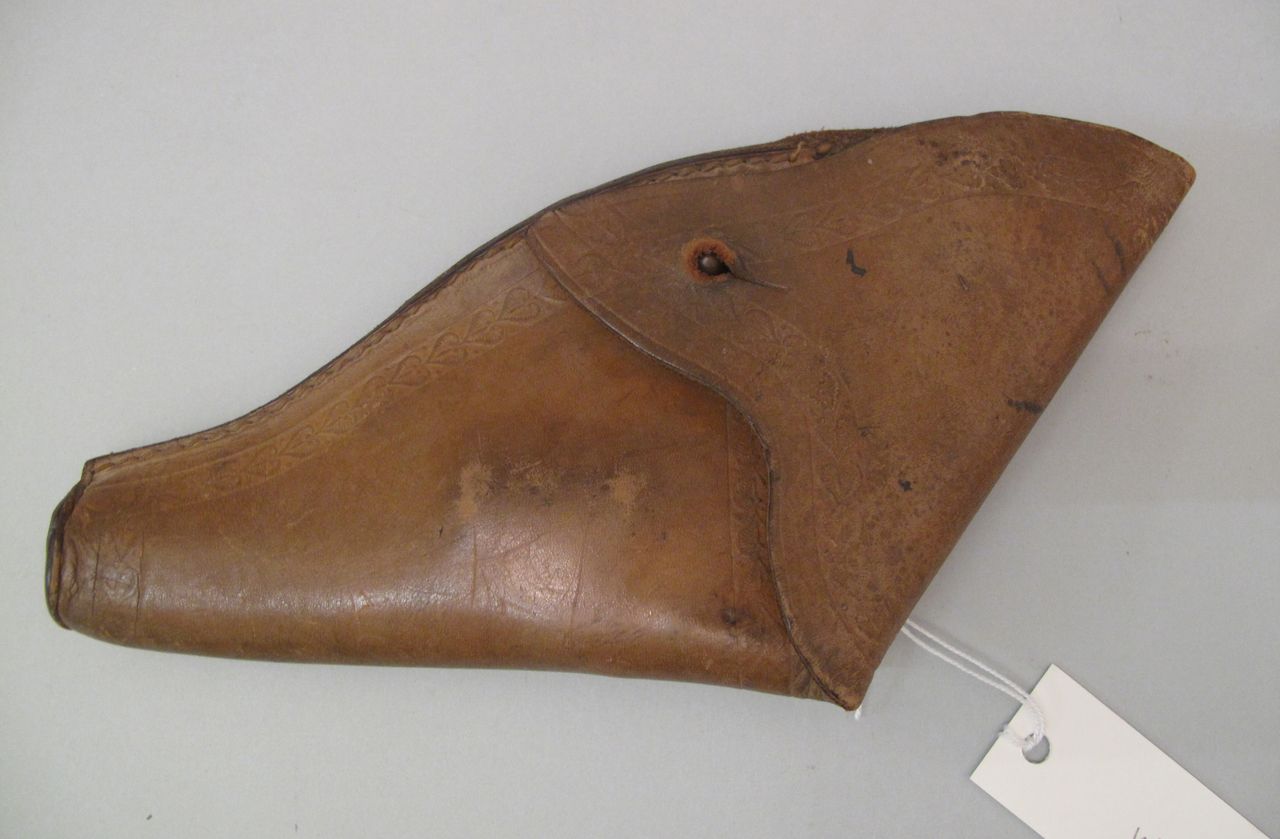
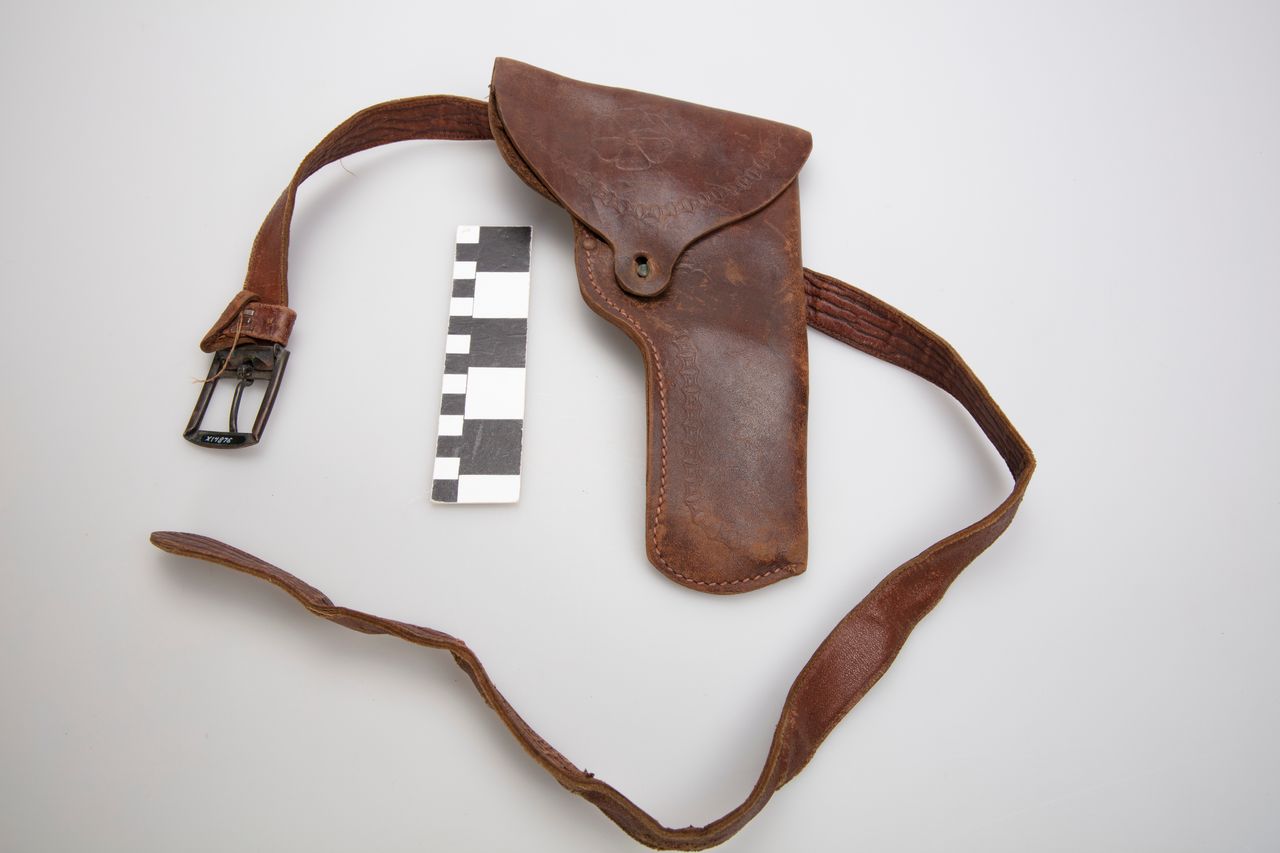
The flap holster is not subtle, and that is part of its appeal. Designed with a full cover over the firearm, it offered serious protection from dust, rain, brush, and rough movement, which made it a natural fit for military service, field work, and horseback travel.
It drifted out of fashion as speed became the obsession and streamlined designs took over store shelves. Still, anyone spending time outdoors can appreciate a holster that prioritizes protection first. It is slower, yes, but it is also sturdy, handsome, and built for real conditions.
Small-of-Back Holster
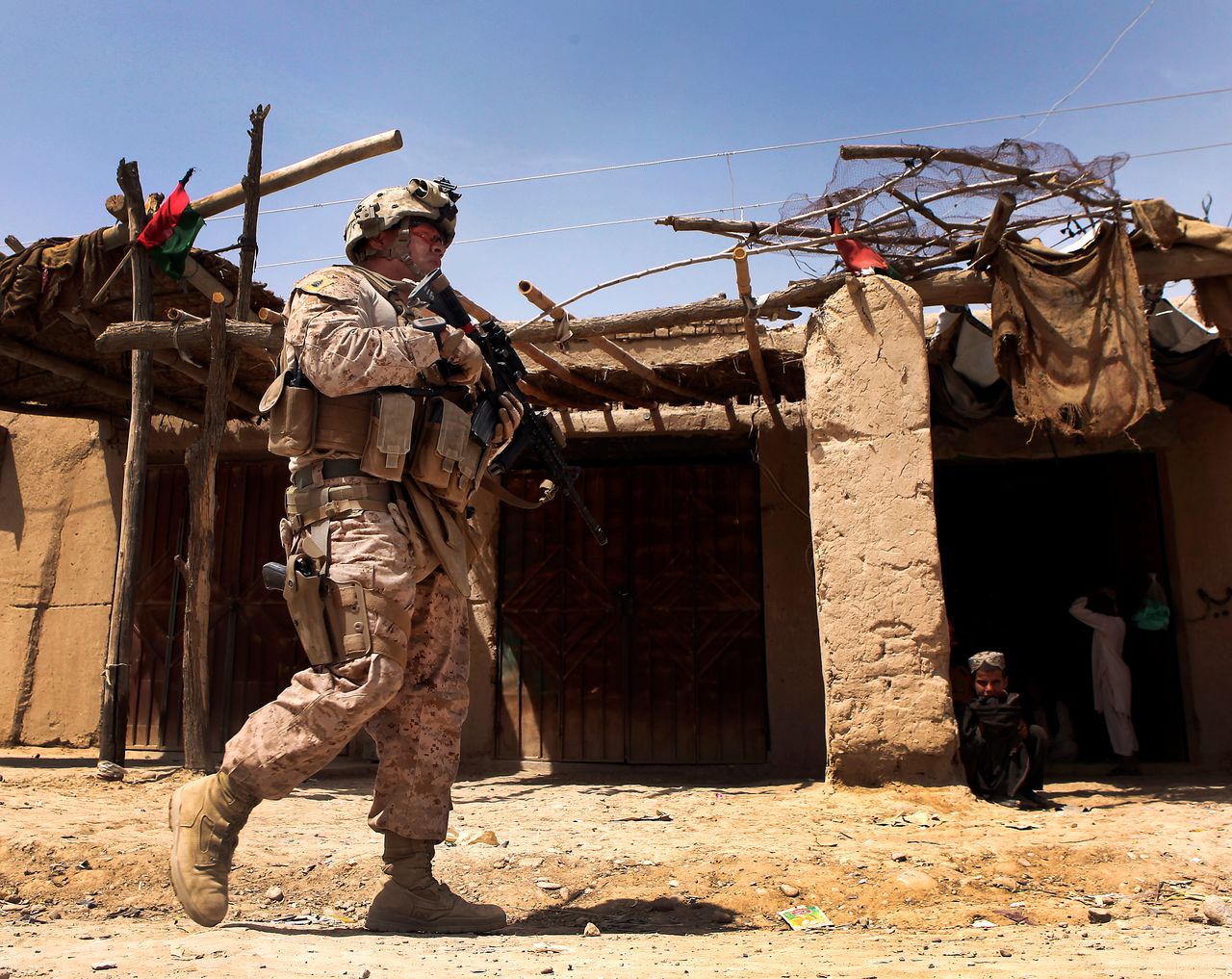
The small-of-back holster was once marketed as the sleek answer to concealment. Tucked behind the waistline, it kept the profile clean from the front and sides, which made it feel especially appealing during an era that prized minimal visual bulk under fitted clothing.
Over time, comfort concerns and changing opinions about accessibility pushed it to the margins. Yet its original appeal is easy to understand. For certain wardrobes and occasional use cases, it remains a style people remember for its discreet look, even if it now requires more careful consideration than enthusiasm alone.
Pocket Holster
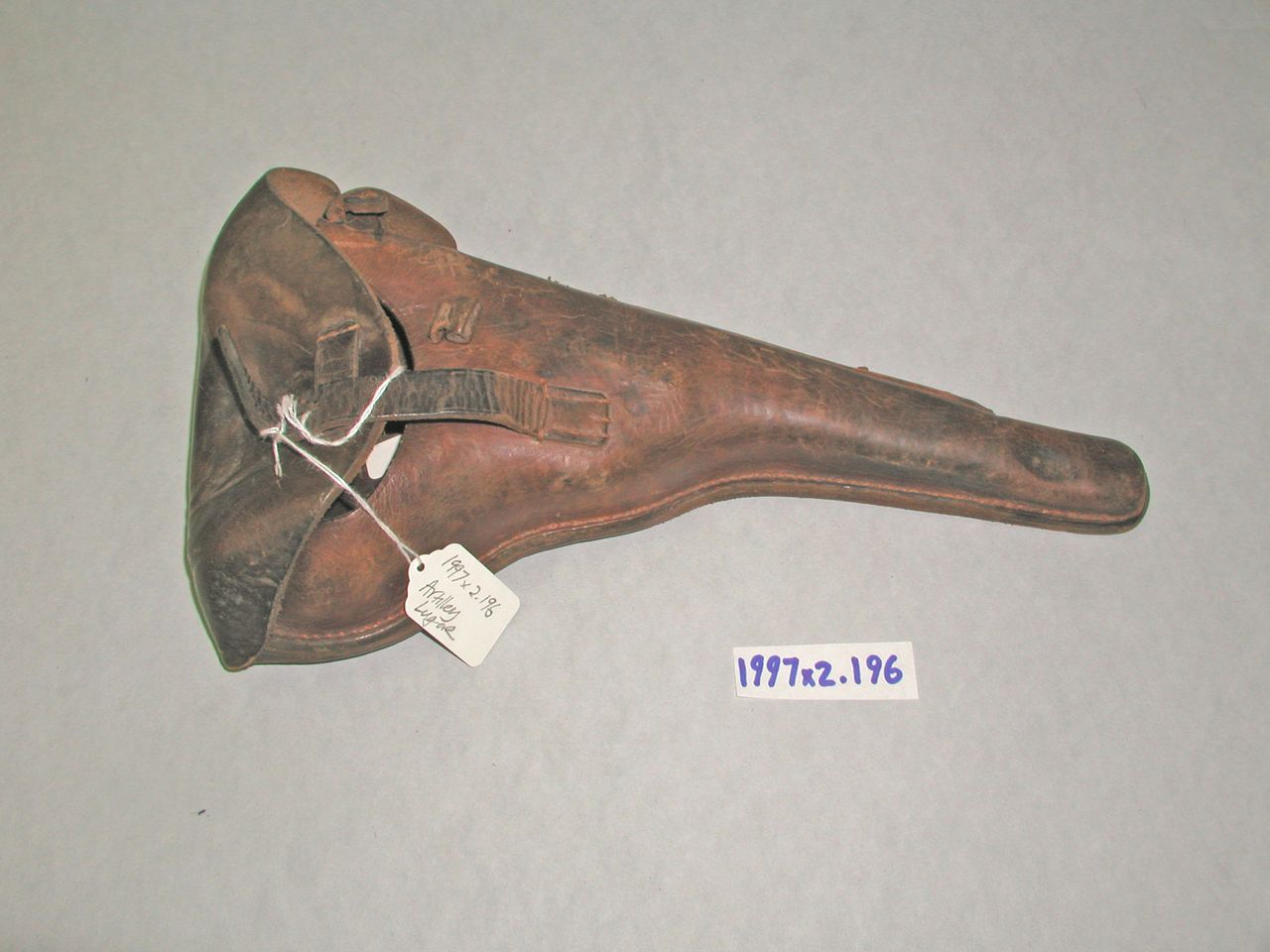
Pocket holsters never vanished completely, but they lost some prestige as larger carry systems and tactical styling came to dominate conversation. That is a shame, because a good pocket holster does something many trendier options cannot: it makes everyday simplicity feel effortless.
For lightweight firearms and clothing with the right pockets, this style can be discreet, comfortable, and refreshingly low maintenance. It also fits the way many people actually live, moving from errands to commutes to casual social settings without wanting to dress around a bulky rig.
Ankle Holster
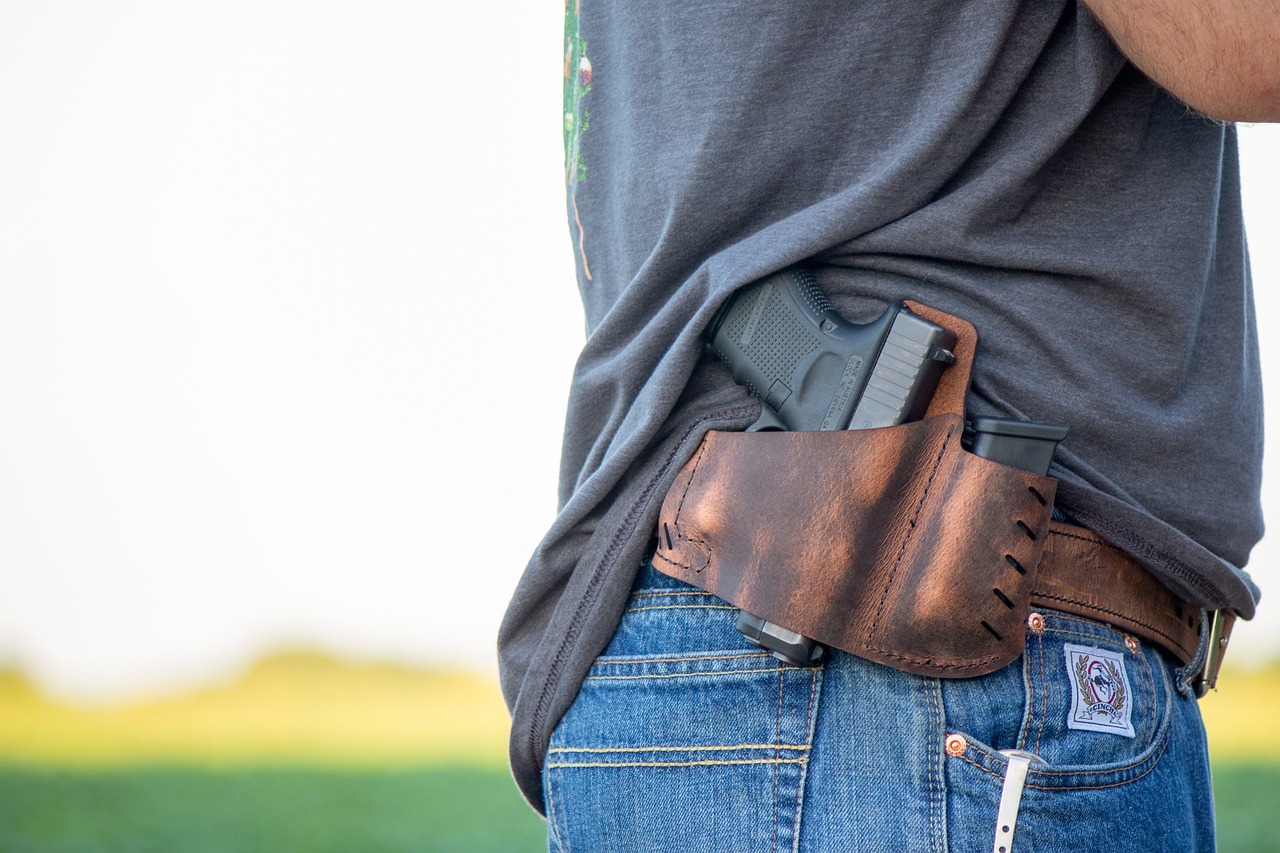
Ankle holsters had a moment when deep concealment and backup carry were major style markers in both pop culture and practical use. Worn low and out of sight, they offered a way to carry discreetly without changing the line of a shirt or jacket.
They became less fashionable as people prioritized faster access and more all-purpose placement. Even so, the ankle holster still fills a niche. For those wearing slacks, boots, or longer pant legs, and especially for people seated much of the day, it can remain surprisingly relevant.