Knowing where the best cuts sit on a carcass can make field dressing, butchering, and cooking much more rewarding. This guide walks through six essential game cuts hunters should recognize at a glance, with simple cues for location, texture, and best use. Whether you process your own deer or just want to understand the animal better, these are the cuts worth learning.
Backstrap
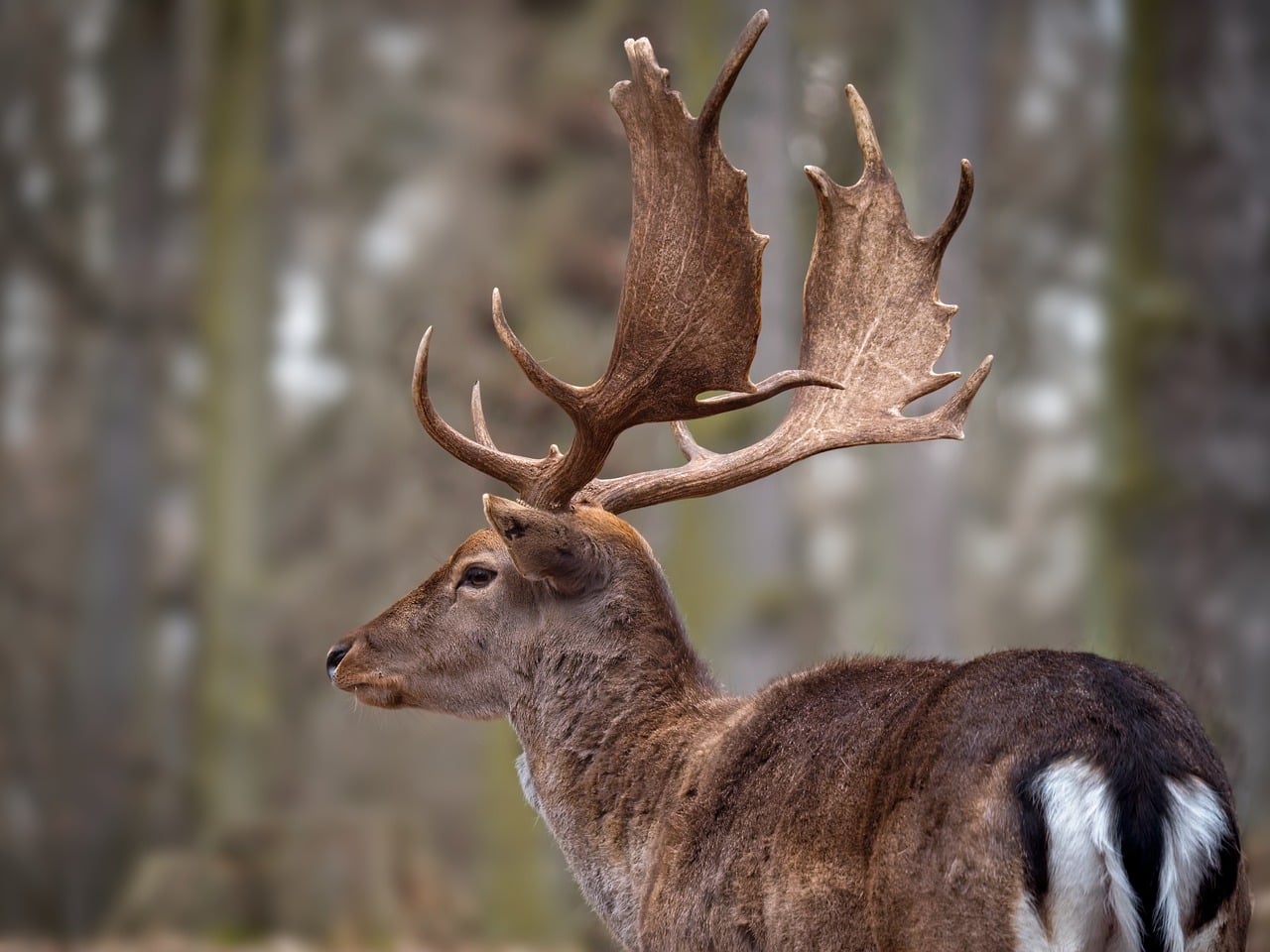
The backstrap is the cut many hunters look for first, and for good reason. It runs along both sides of the spine from the shoulder area back toward the hips, forming a long, clean muscle that does very little hard work. That light use is what gives it such a tender bite.
On the carcass, think of it as the prime loin of the animal. Once the hide is off, it appears as a thick strip lying just outside the backbone. Trimmed carefully, it yields medallions, steaks, or a roast that needs very little help beyond salt, heat, and attention.
Tenderloin
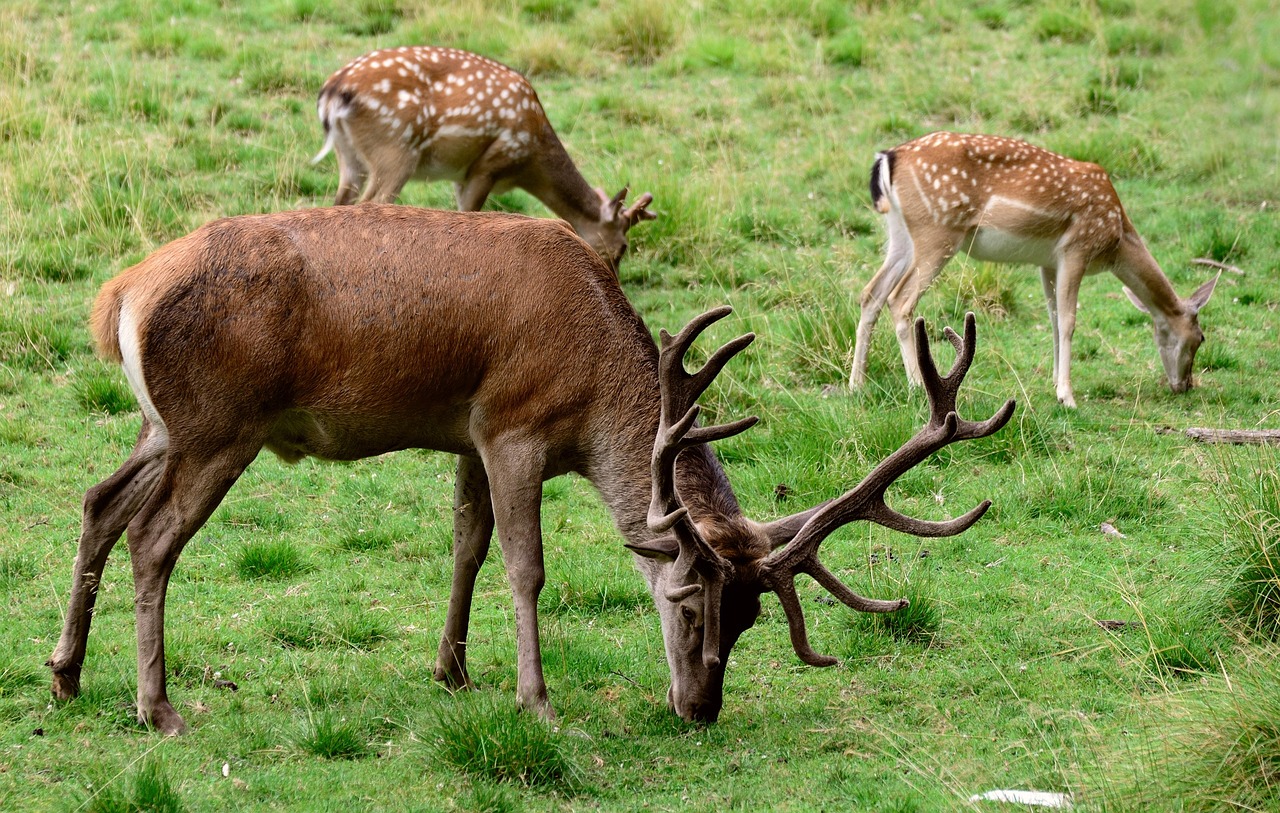
The tenderloin is smaller than the backstrap but often even more prized. It sits inside the body cavity, tucked beneath the spine near the rear of the ribs, and because it is protected and lightly used, it stays exceptionally soft. Many hunters remove it early to keep it clean and intact.
This cut is easy to miss if you do not know where to look. Reach inside along the lower backbone and you will find two narrow, delicate muscles. They cook quickly and can dry out fast, so simple preparation is usually best. A fast sear in a hot pan is often all this cut needs.
Shoulder
The shoulder is a hardworking section, and it shows in both structure and flavor. Found at the front quarter, it includes several muscles layered around the shoulder blade and upper leg. It will not behave like a loin cut, but it rewards patience with rich, deep taste.
On the carcass, the shoulder comes off as a large front quarter once skinned. Because of the connective tissue and seams, many hunters break it down for stew meat, grind, sausage, or slow roasting. If you like pulled venison or braised game, this is one of the most useful cuts on the animal.
Hind Quarter
The hind quarter is the powerhouse cut from the rear leg, and it carries some of the largest single muscles on the animal. This section includes top round, bottom round, sirloin tip, and eye of round, though many hunters first learn it as one big rear quarter before separating those seams.
On the carcass, it is the substantial back leg running from the hip down toward the hock. Once removed, it can be divided into excellent roasts, jerky strips, steaks, or cube meat. If you want versatility and volume from a deer, this is where a lot of the practical meat value lives.
Neck
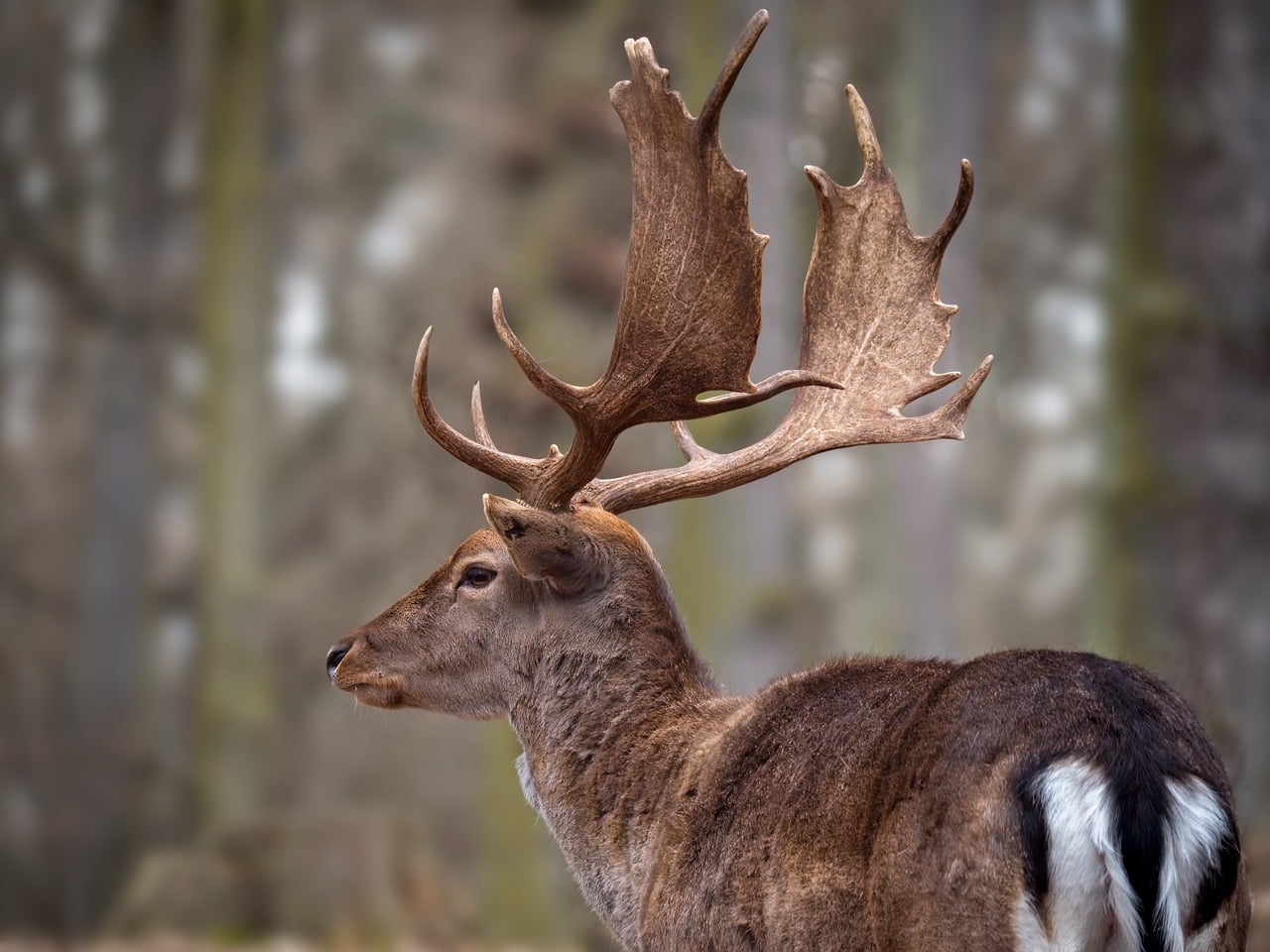
The neck is often overlooked by beginners, but experienced hunters know it can be one of the most flavorful parts of the carcass. Because it works constantly, the muscles are full of connective tissue and collagen that transform beautifully during long, slow cooking.
You will find this cut at the front of the carcass between the head and shoulders, with meat wrapping around the cervical vertebrae. It is not usually a quick-cooking cut, yet that is exactly its charm. Braised, smoked, or ground, neck meat can become tacos, shredded roast, or burger with a surprisingly rich character.
Ribs
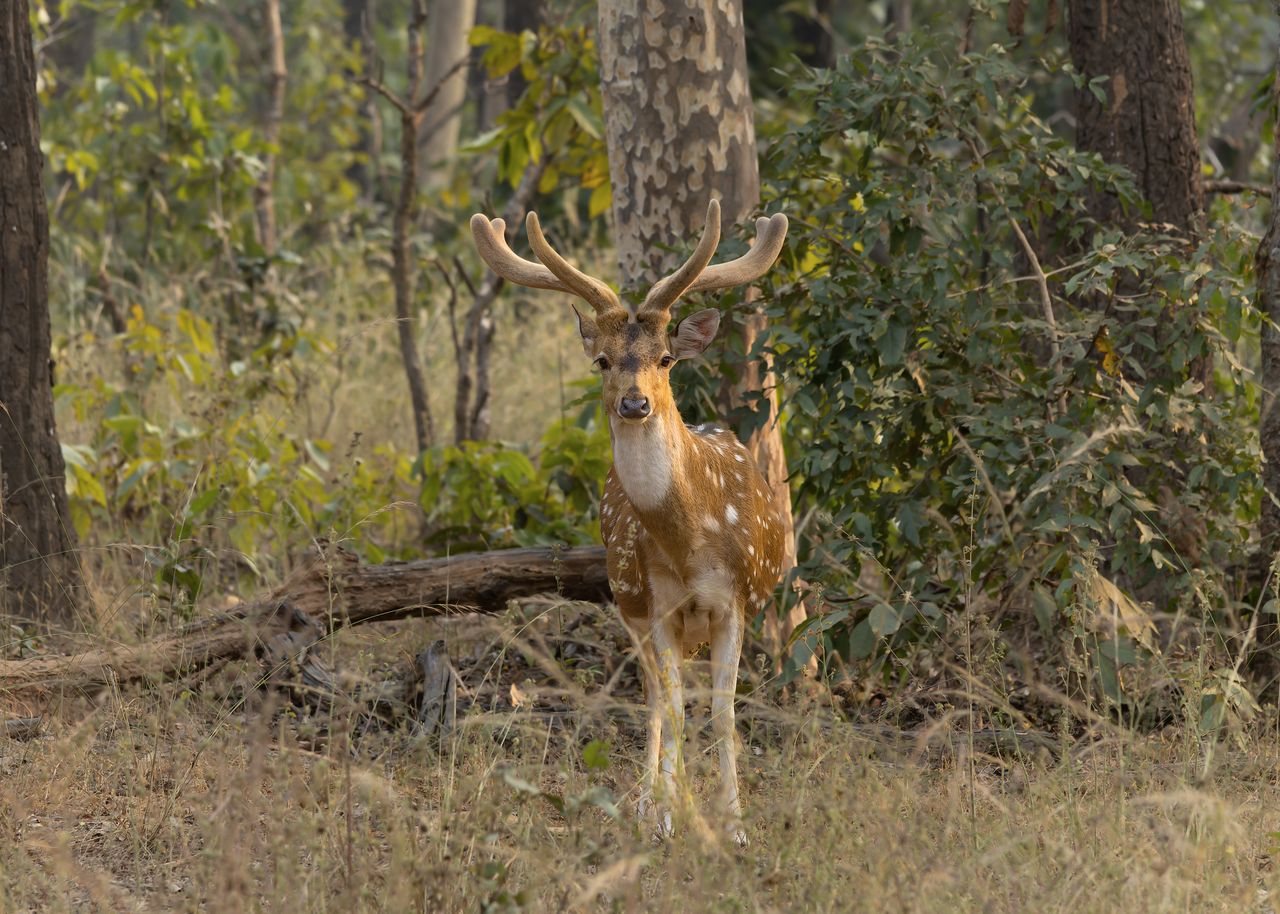
Ribs are not the meatiest part of most wild game animals, especially deer, but they still deserve recognition on the carcass. This section runs along the rib cage behind the shoulder, and depending on the species and the animal’s condition, there can be enough meat to justify saving for stock, trim, or slow cooking.
Many hunters pass over the ribs because the yield is modest compared with domestic livestock. Still, they are useful for adding flavor to broth or for picking clean after a low, slow roast. If you value nose-to-tail use, the rib section is worth a second look before disposal.