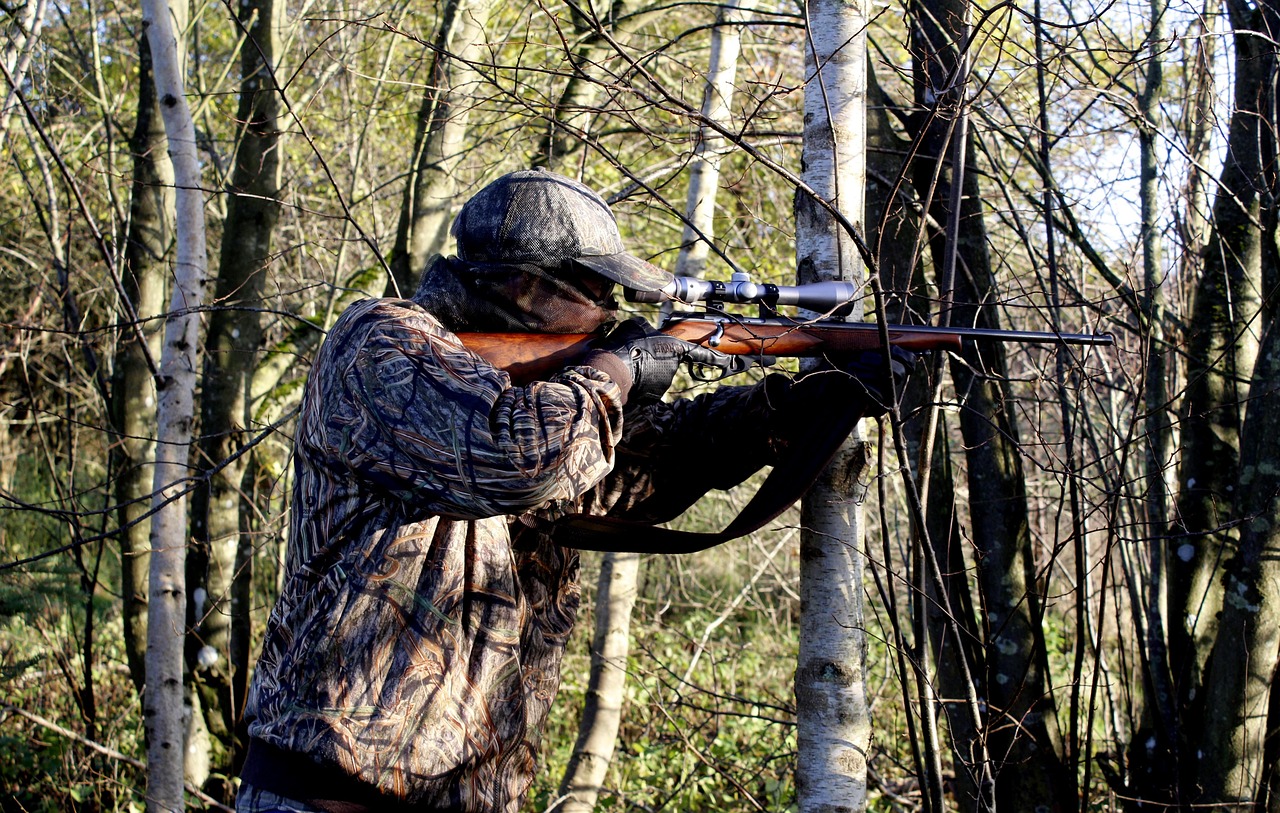
Some hunting gear fades into nostalgia, but a few rifle scopes from the mid-century era still get the call when deer season opens. These classics combine simple mechanics, durable construction, and a look that feels right at home on walnut-stocked rifles. For hunters who appreciate old-school glass and proven field performance, these six names still matter.
Weaver K4
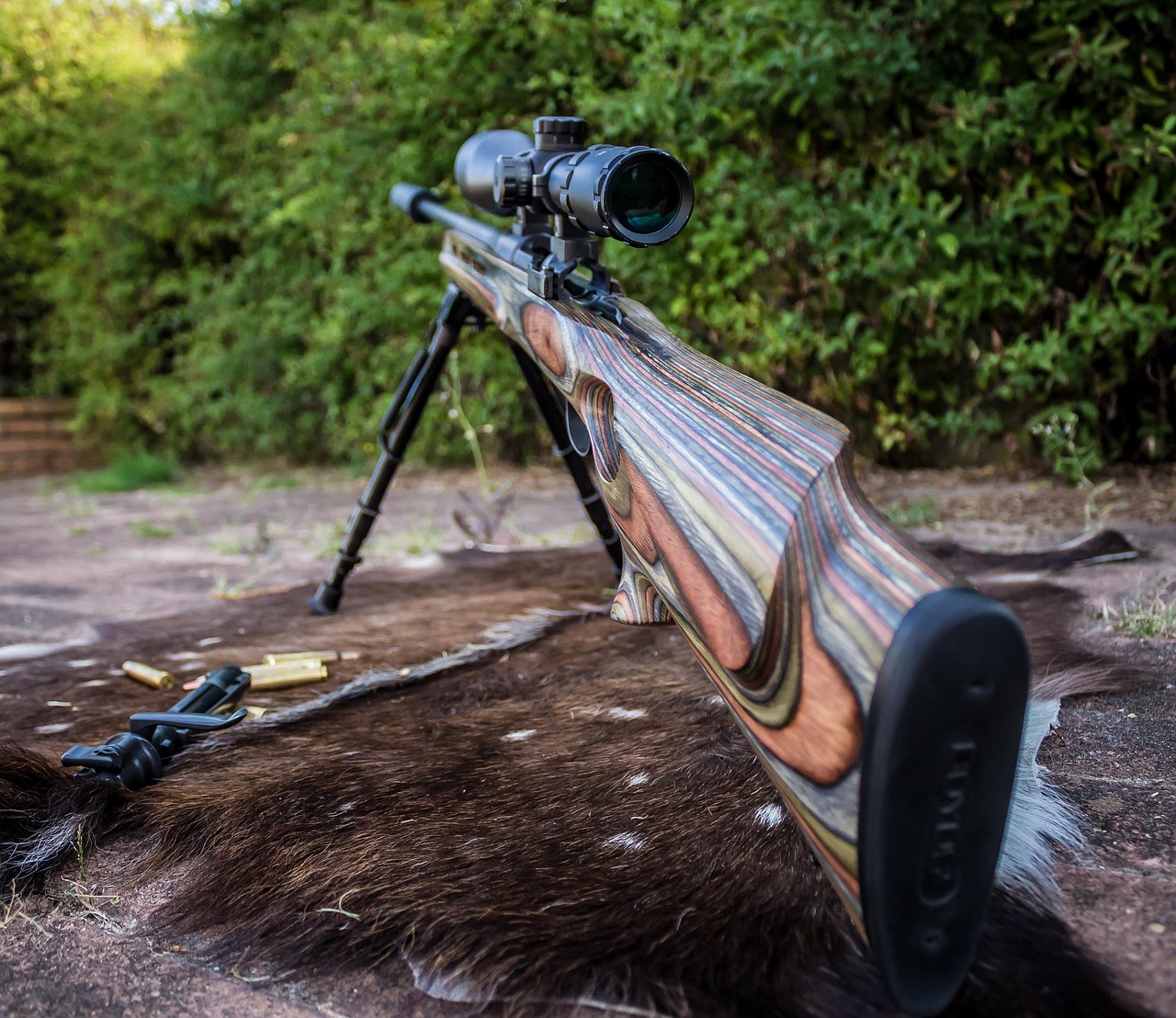
The Weaver K4 is one of those scopes that seems to appear everywhere old hunting rifles still roam. Fixed at 4x, slim in profile, and famously straightforward, it became a trusted companion for generations of deer hunters who wanted a sight picture that was clean and quick without much fuss.
Part of the K4’s staying power is how easy it is to live with. It balances beautifully on classic bolt-actions and lever guns, and its all-business design still feels practical today. Hunters still mount them because they are light, rugged, and perfectly matched to the ranges where most game is actually taken.
Lyman All-American
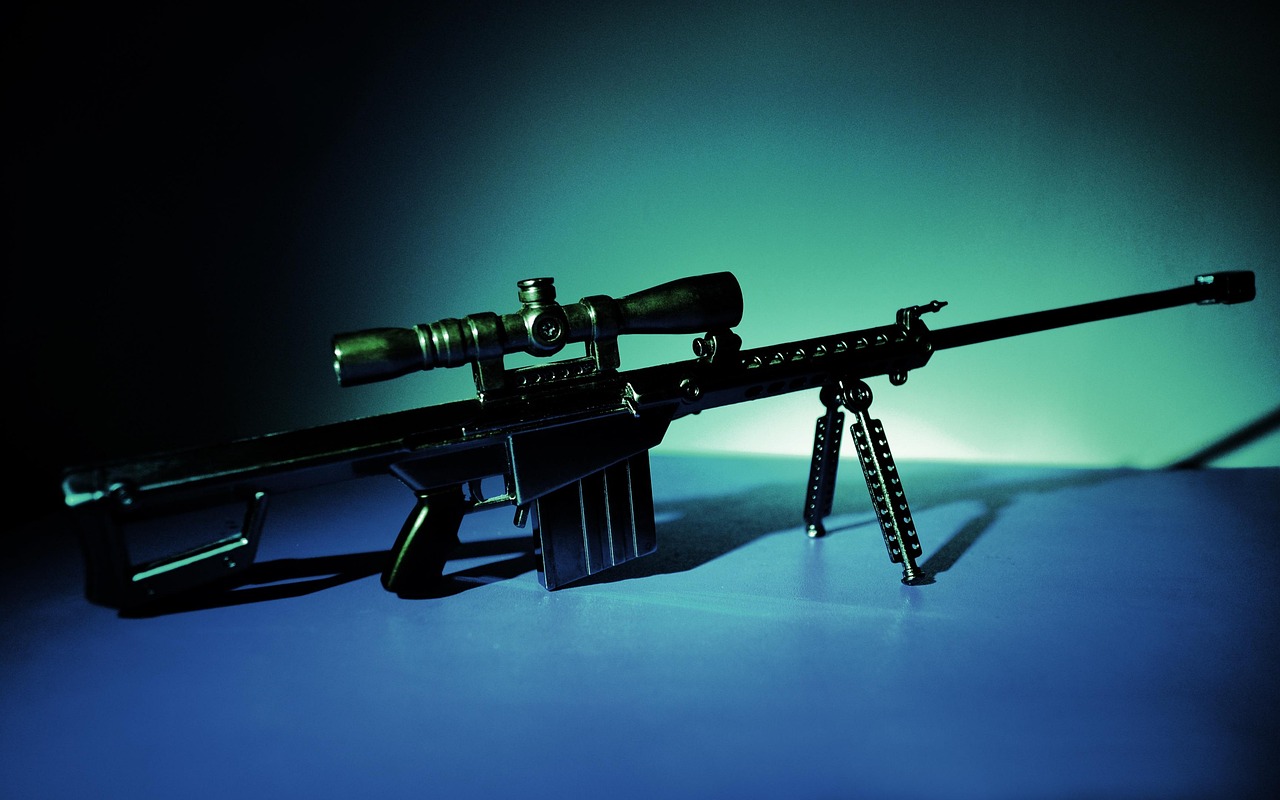
The Lyman All-American has a loyal following among shooters who admire the polished, mid-century look of classic sporting optics. Built in an era when quality machining was part of the sales pitch, these scopes brought respectable clarity and a refined finish that still looks right on period rifles.
Hunters continue to mount them because they offer more than visual charm. The proportions suit older sporters beautifully, and the image remains useful in the field when light is decent and shots are sensible. For many owners, using one is not about collecting alone. It is about carrying a rifle in the way earlier hunters intended.
Leupold Plainsman
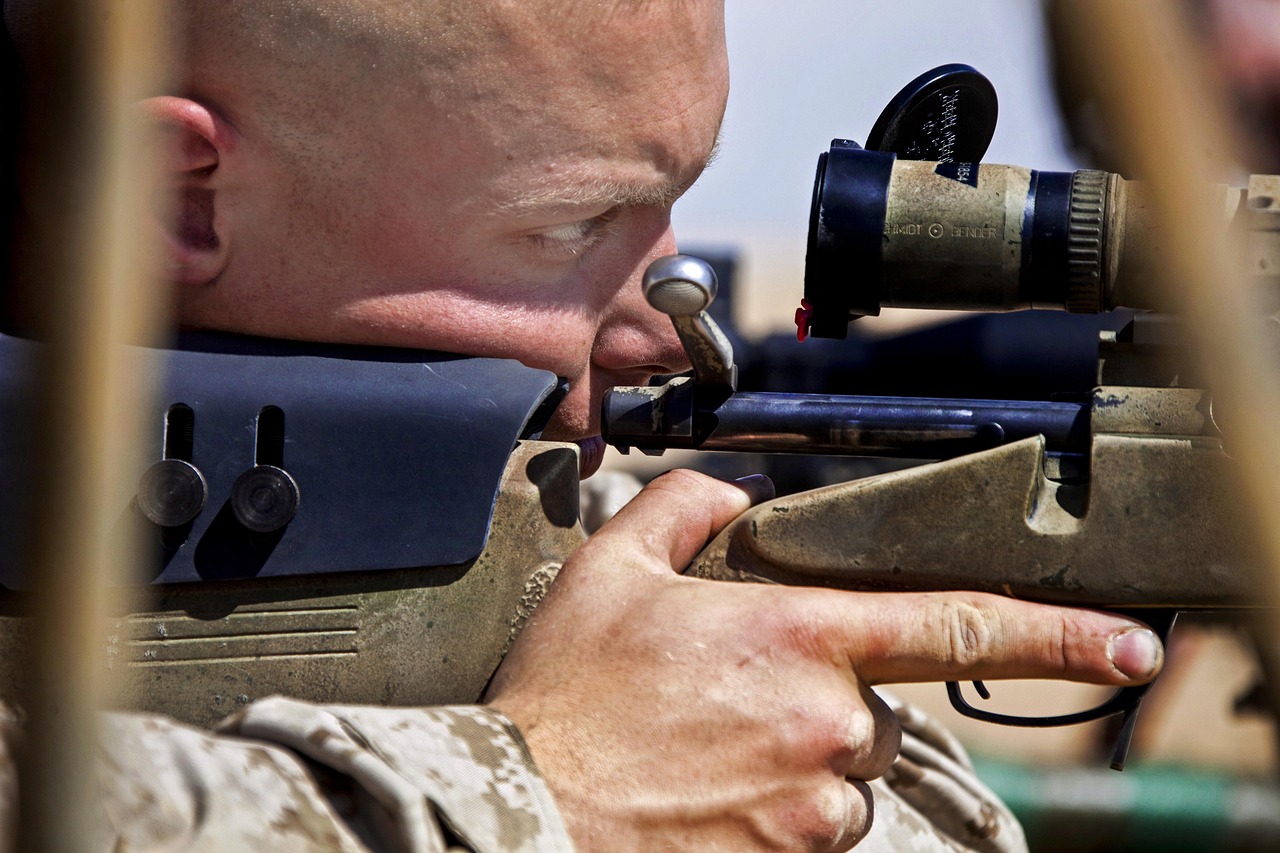
Before Leupold became a dominant name in modern hunting optics, the Plainsman helped establish the brand’s reputation with practical hunters. It reflected a no-nonsense philosophy: keep the scope dependable, make it light enough for mountain carry, and give shooters a sight they could trust when weather and rough handling came into play.
That spirit still appeals today. A Plainsman looks at home on a trim .270 or .30-06, and many hunters appreciate how naturally it complements rifles from the 1950s and 1960s. It may not offer modern magnification ranges, but its simplicity is exactly why some sportsmen continue to seek one out.
Redfield Widefield
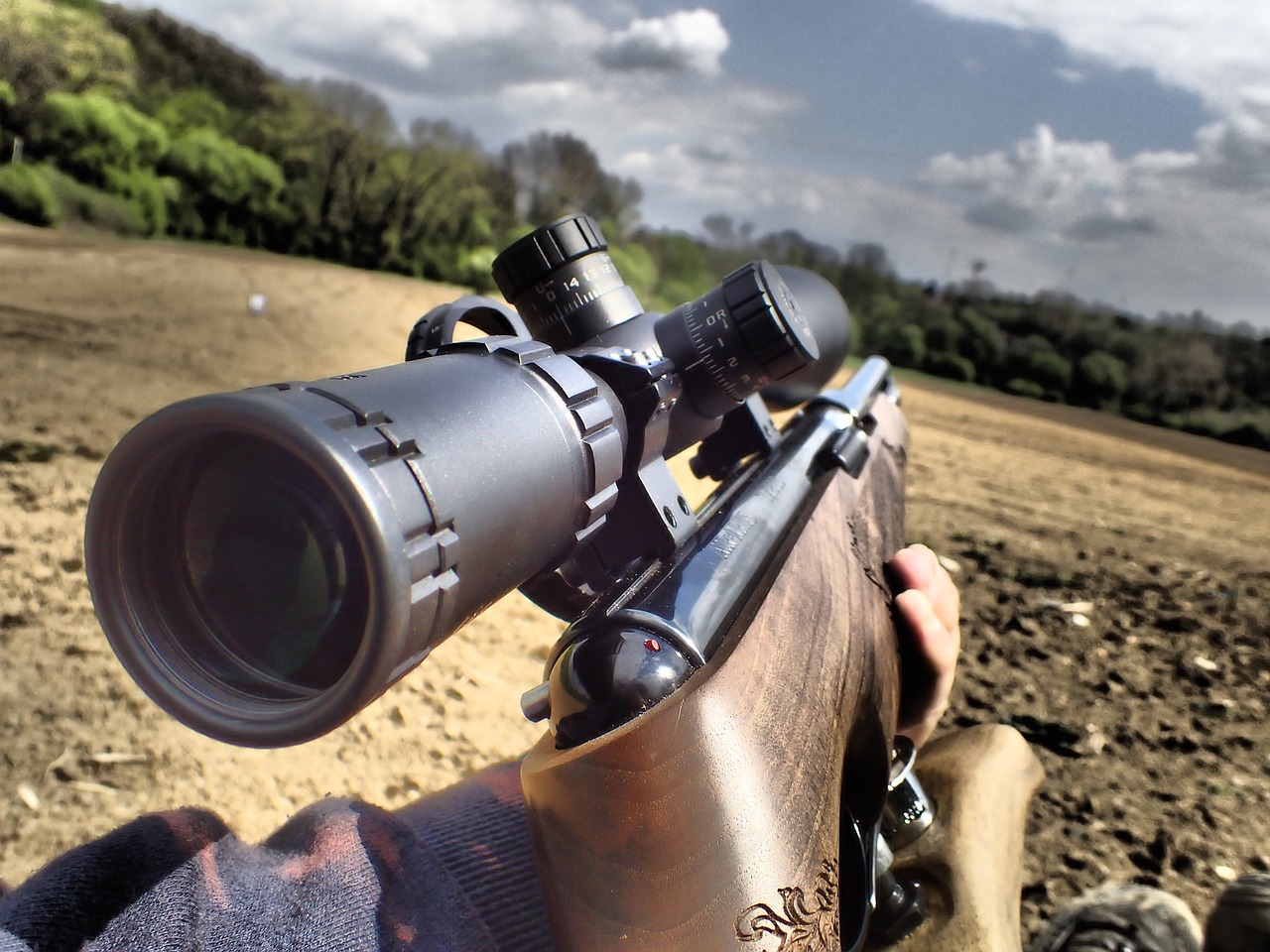
The Redfield Widefield stood out because it promised something hunters always want: a broader, more open view when game suddenly appears. Its distinctive ocular shape gave it a recognizable profile, and for many shooters in the postwar decades, that wider visual impression made it feel like a serious upgrade from more conventional designs.
Even now, some hunters mount a Widefield for exactly that old appeal. It carries a lot of visual character, and on a classic American rifle it looks undeniably right. More important, it still performs well enough for woods hunting, where quick target acquisition can matter more than chasing the latest optical trend.
Bausch & Lomb Balvar
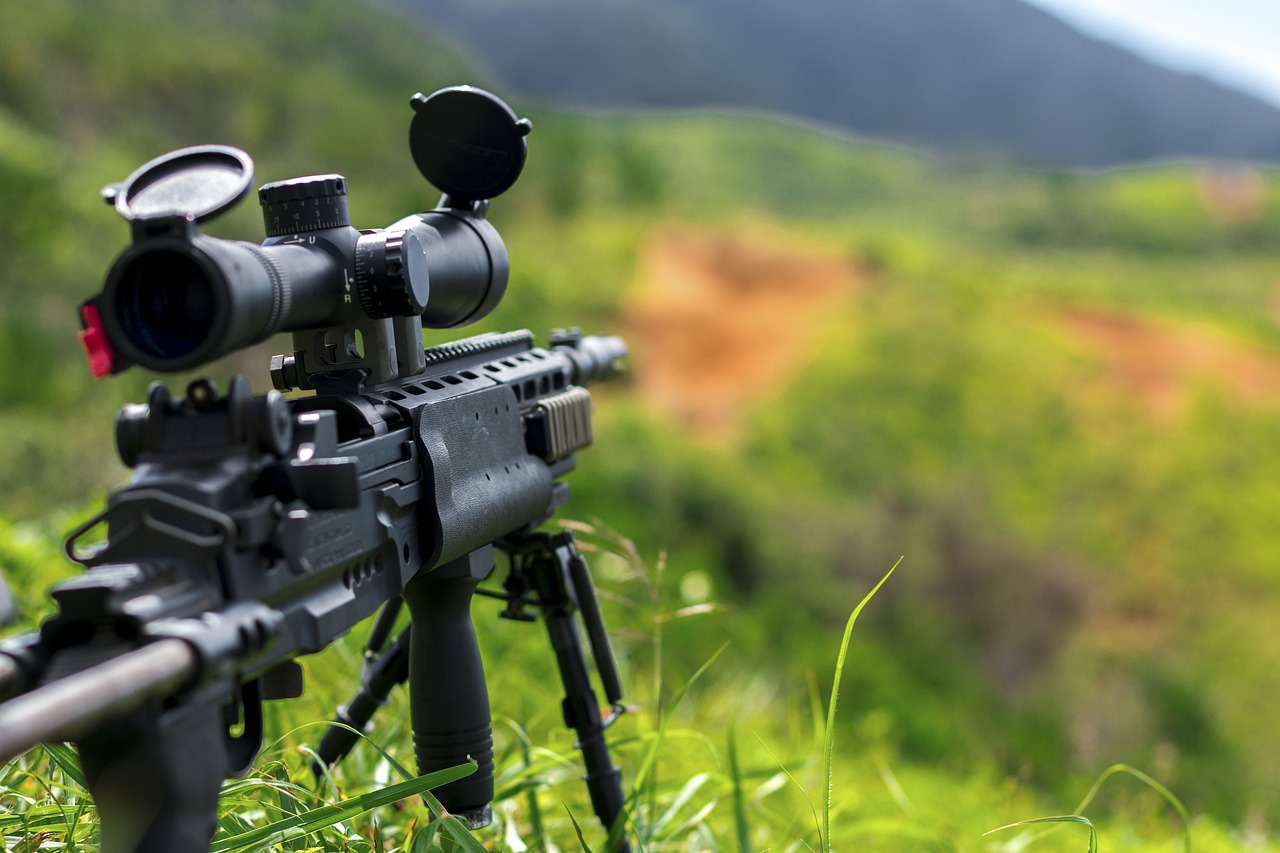
The Bausch & Lomb Balvar brought a more ambitious feel to the hunting market, blending strong optical credentials with a distinctive mid-century style. In its day, it represented a step toward premium sporting glass, and it gave hunters a sense that they were carrying something engineered with real attention to image quality.
Collectors and shooters still mount Balvar scopes because they offer both performance and presence. The lines are elegant, the brand name carries old prestige, and the view through a good example can still surprise people accustomed to dismissing vintage optics. On a classic sporter, it adds a touch of sophistication without losing practical field utility.
Stith Bear Cub

The Stith Bear Cub represents an era when compactness and clever mounting solutions had real appeal for hunters using trim, easy-carry rifles. Smaller than many full-sized optics of its time, it offered a neat, balanced look that paired especially well with lightweight carbines and lever actions headed into thick timber.
Today, the Bear Cub still attracts hunters and vintage rifle fans who value handling as much as magnification. It keeps a rifle lively in the hands and preserves the graceful lines that oversized modern scopes often overwhelm. For close-to-moderate range hunting, that compact old design can still feel refreshingly honest and effective.