Some rifle safeties feel obvious at the gun counter, then become a very different story once you are at the range or in the field. This gallery looks at six popular platforms where the safety’s location, feel, or operation can catch new owners off guard. It is not about good or bad design so much as the small ergonomic details that only reveal themselves with real use.
Ruger 10/22

The Ruger 10/22 is famously friendly, but its cross-bolt safety can still surprise first-time owners. On paper, it seems simple enough. In practice, the little button ahead of the trigger guard can feel less intuitive when you are moving quickly or shooting from awkward positions.
A lot of people expect a thumb-operated safety, especially if they grew up around shotguns or AR-style rifles. The 10/22 asks for a different motion, and that can take longer to become automatic than buyers expect.
It is not a flaw so much as a quirk of familiarity. After a few range sessions, most owners adapt, but many only realize the difference after the honeymoon phase is over.
Remington 700
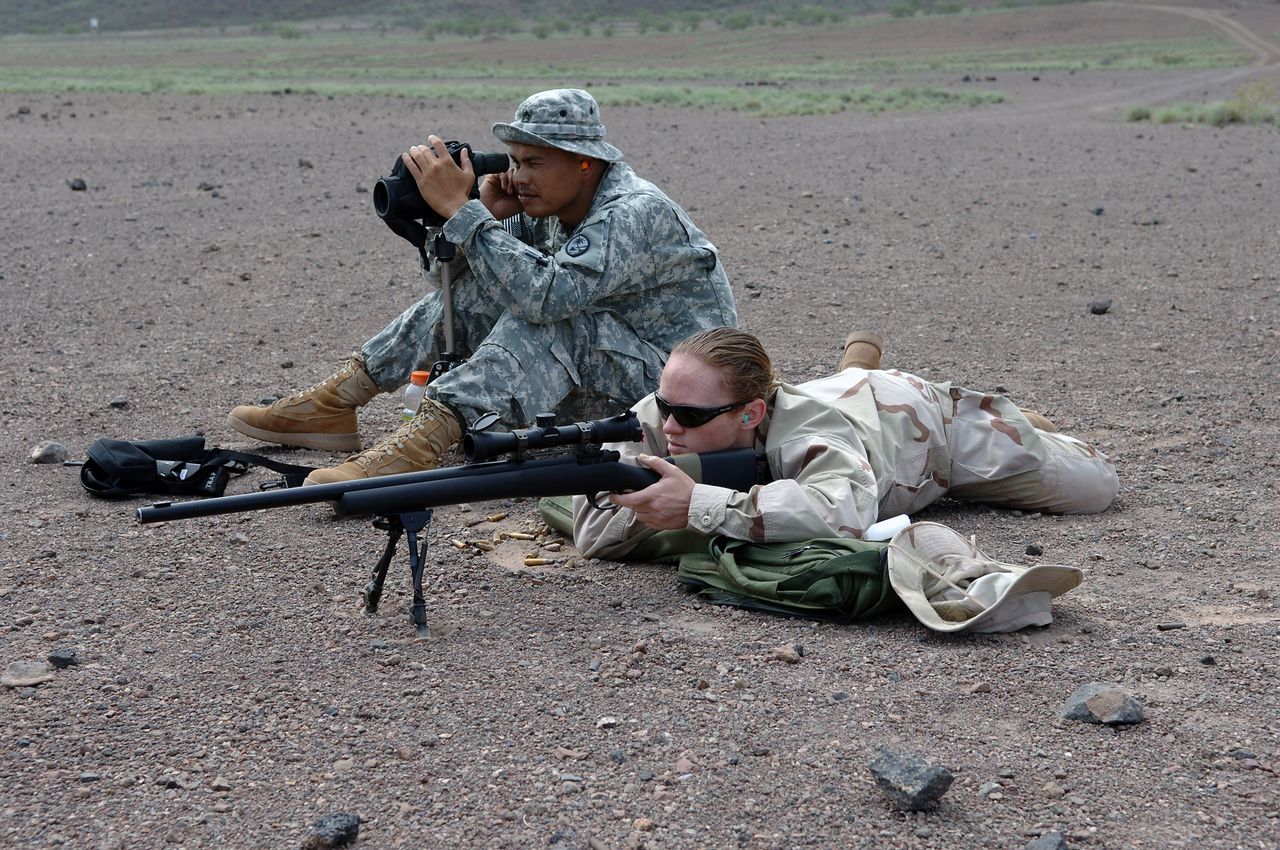
The Remington 700 looks like the definition of a straightforward bolt-action rifle, which is exactly why its safety behavior can catch buyers off guard. Depending on the model and production era, the safety’s interaction with the bolt can feel noticeably different from what a new owner expected.
Some shooters discover only later that unloading with the safety engaged is not always as intuitive as on other rifles. That matters more in cold weather, in a blind, or any time you are handling the rifle carefully under stress.
The placement itself is familiar, but the real surprise is operational nuance. It is the kind of detail you rarely think about at the store and quickly notice in everyday use.
Mossberg Patriot

The Mossberg Patriot often wins people over with value and clean lines, but its tang-style safety is one of those features that reveals its personality over time. At first glance, it seems wonderfully obvious. Then scope size, hand position, and shooting posture start to shape the experience.
For some owners, the tang location feels fast and natural. For others, especially with gloves or a high-mounted optic, reaching and confirming the position can be less seamless than expected.
That disconnect is what makes it memorable after purchase. The safety is right there in plain sight, yet how it fits your actual shooting routine is something you only learn after a few trips outdoors.
Marlin Model 336
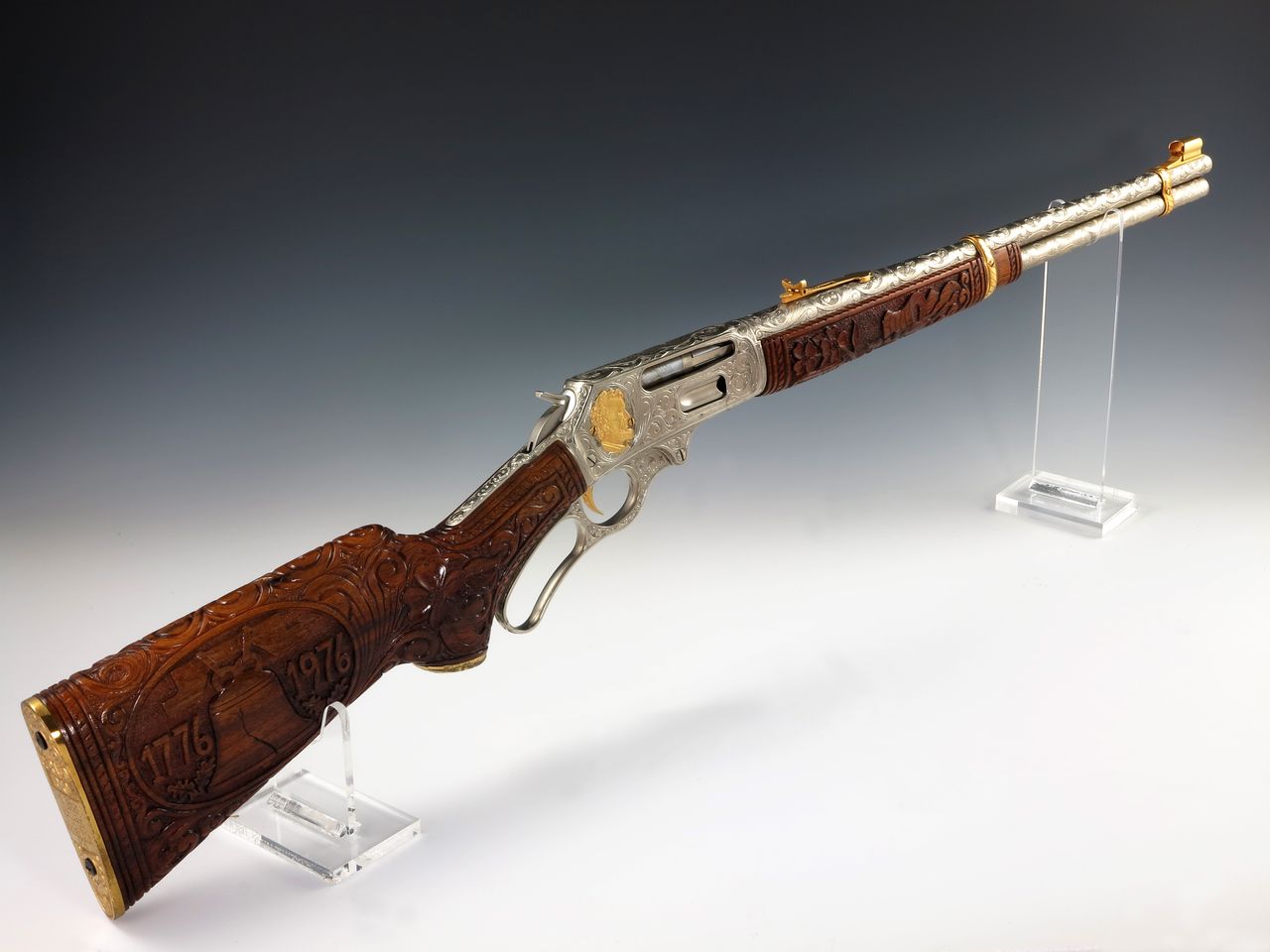
The Marlin 336 has classic lever-gun appeal, which leads many buyers to assume every control will feel equally old-school. Then they meet the cross-bolt safety, a later addition that stands out on a rifle many people associate with simpler handling traditions.
Some owners appreciate the extra layer of security right away. Others find that it interrupts the clean, instinctive rhythm they expected from a lever-action carried in the woods.
What makes this one memorable is not that the safety is hidden. It is that its presence changes the rifle’s personality more than new buyers often anticipate. That realization usually happens after carrying, loading, and shouldering it for real, not while admiring it at the counter.
AR-15 Pattern Rifles

AR-15 pattern rifles are everywhere, which can make buyers think the safety story is basically settled. Then a left-handed shooter, an ambidextrous selector, or a different grip angle enters the picture, and suddenly the familiar selector feels more personal than universal.
Many first-time owners do not realize how much the safety’s size, throw angle, and stiffness affect comfort during live use. What seems crisp in a shop can feel awkward after repeated transitions or extended practice.
The platform’s popularity actually increases the odds of surprise. There are so many variants that the safety on one AR can feel notably different from the next, even when both look almost identical at first glance.
Winchester Model 70
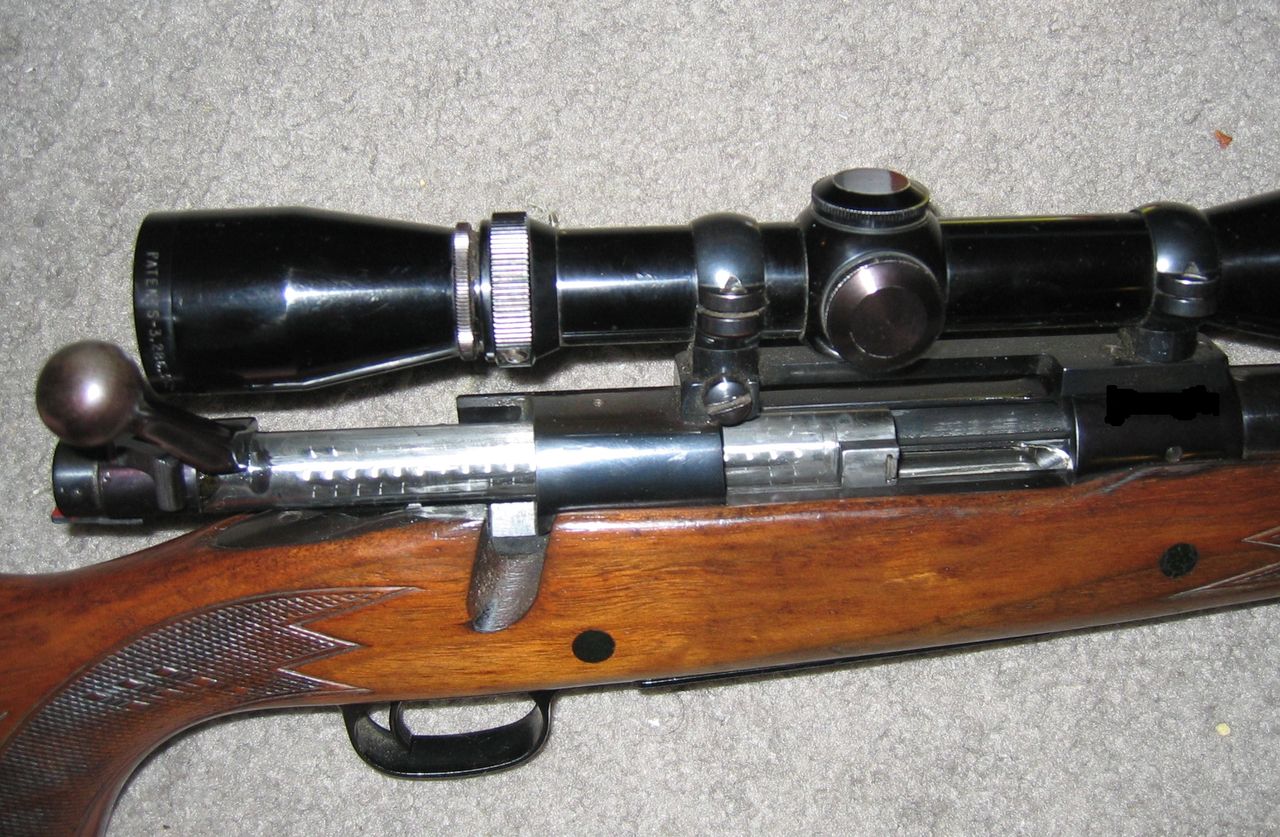
The Winchester Model 70 is often praised for its three-position safety, and deservedly so, but that does not mean new owners instantly connect with it. The design offers useful control, yet it asks the shooter to learn a slightly more deliberate sequence than a simpler on-off arrangement.
People tend to appreciate the system more once they understand how it works with loading and unloading. Before that, the positions can feel less intuitive than expected, especially for someone coming from rifles with fewer steps.
That is why it belongs on this list. The safety is excellent in many eyes, but it is also a feature whose advantages really click after ownership, not always during the first impression.