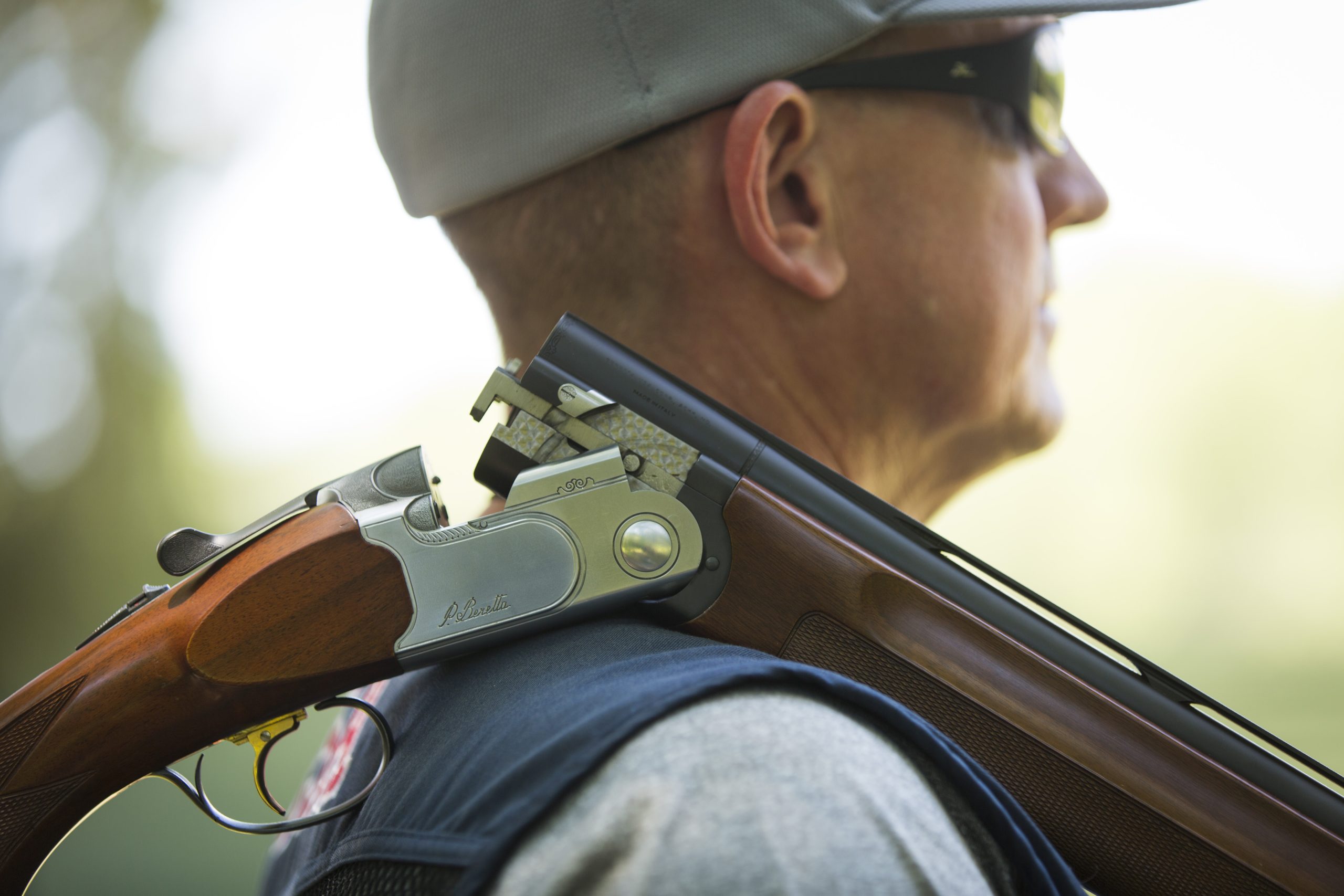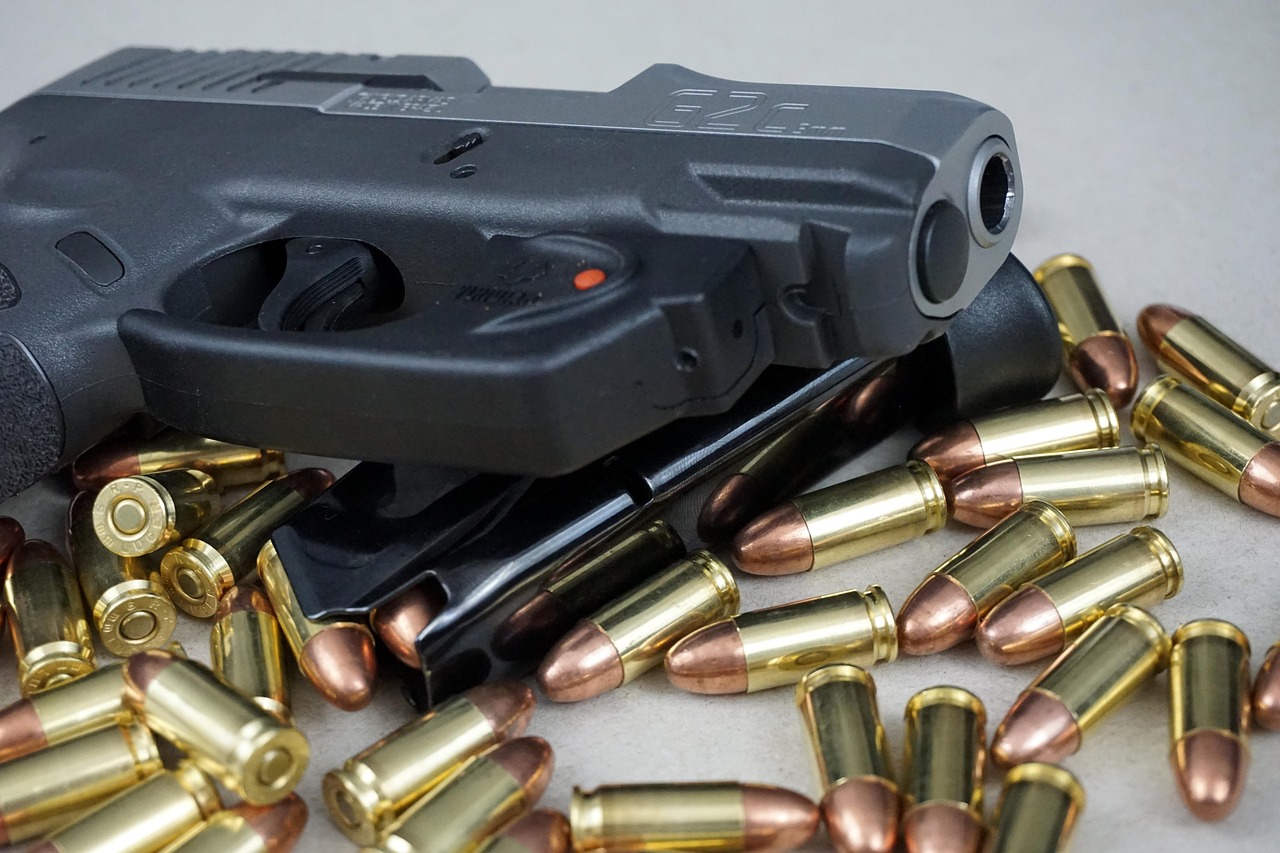
Gun history is full of plot twists, and cartridges often have the best ones. Some rounds were built for a specific rifle or handgun, only to find lasting fame in a completely different firearm later on. This gallery follows seven memorable examples where the ammo’s original purpose was not the one that made it legendary.
.44 Magnum
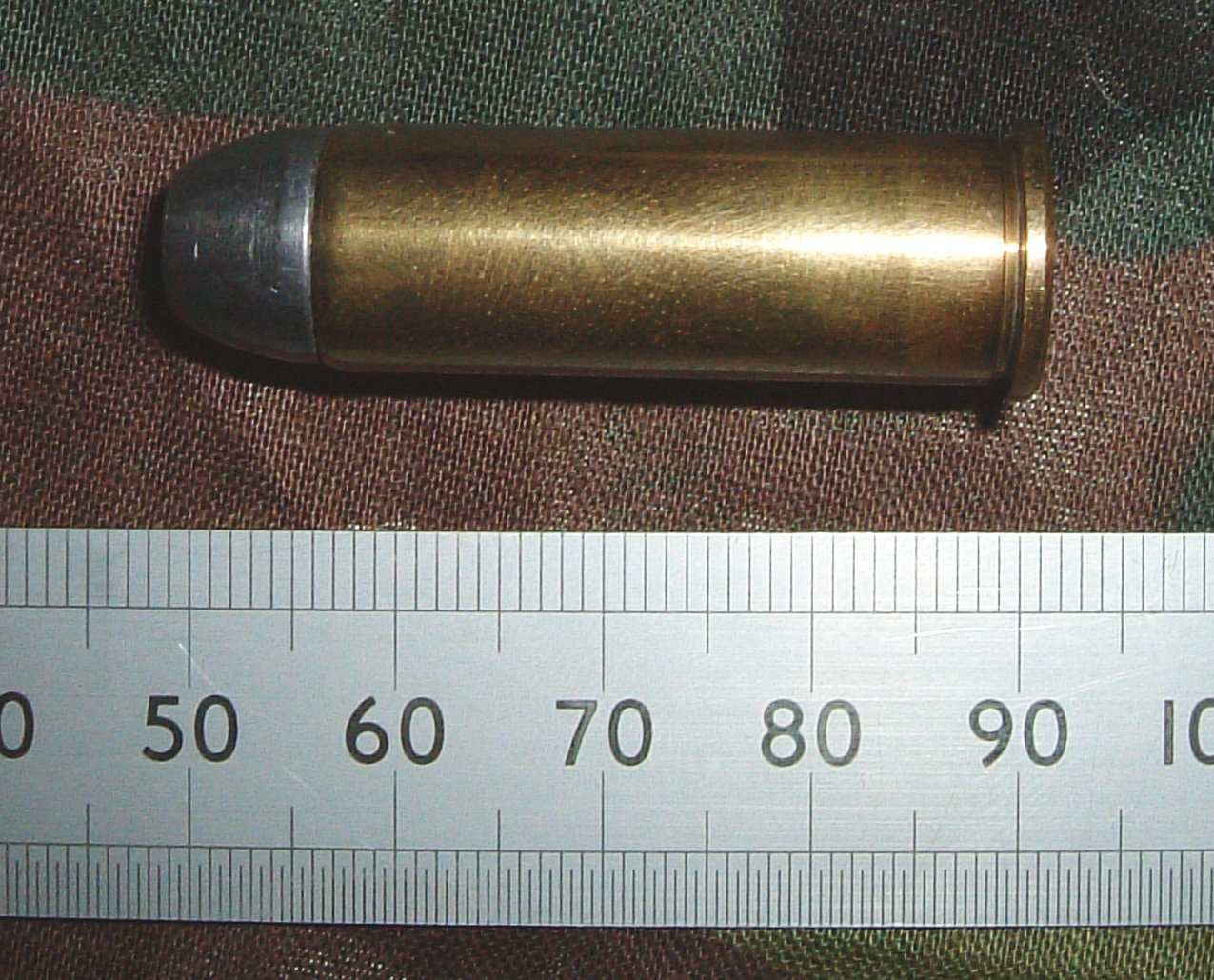
The .44 Magnum was developed around powerful revolvers, and that is exactly where it began its public life. Built as a high-pressure extension of the .44 Special idea, it was meant to deliver serious handgun performance for hunting, field use, and shooters who wanted more authority from a sidearm.
Then lever action carbines gave the round a second act. In rifles from makers like Marlin and Ruger, .44 Magnum became smoother to shoot, louder in reputation, and often more practical in the field. What started as a revolver powerhouse became just as beloved, if not more so, as a compact deer and ranch rifle cartridge.
.22 Hornet
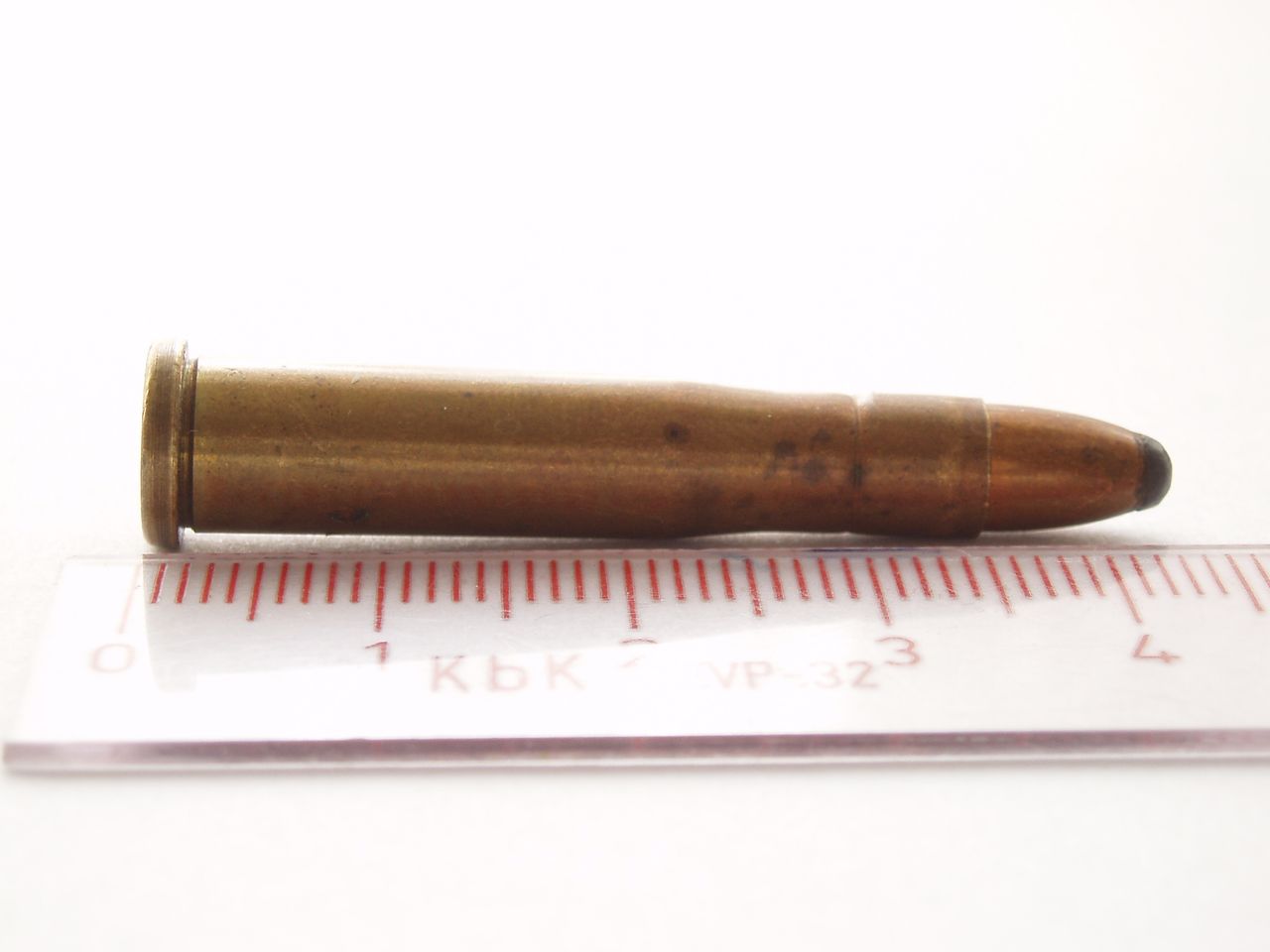
The .22 Hornet was born from early 20th-century experimentation with small, fast varmint rounds, and it first took shape in modified Springfield bolt-action rifles. That origin story matters because the cartridge was essentially a rifleman’s project, refined for accuracy, low recoil, and efficient performance on pests and small game.
Its broader fame, though, spread through lightweight sporting rifles rather than the military action that helped inspire it. Once commercial bolt guns and elegant single shots adopted it, the Hornet became a darling of farmers, trappers, and careful handloaders. The original host was important, but the cartridge’s personality really blossomed in trim field rifles made for a very different audience.
.357 Magnum
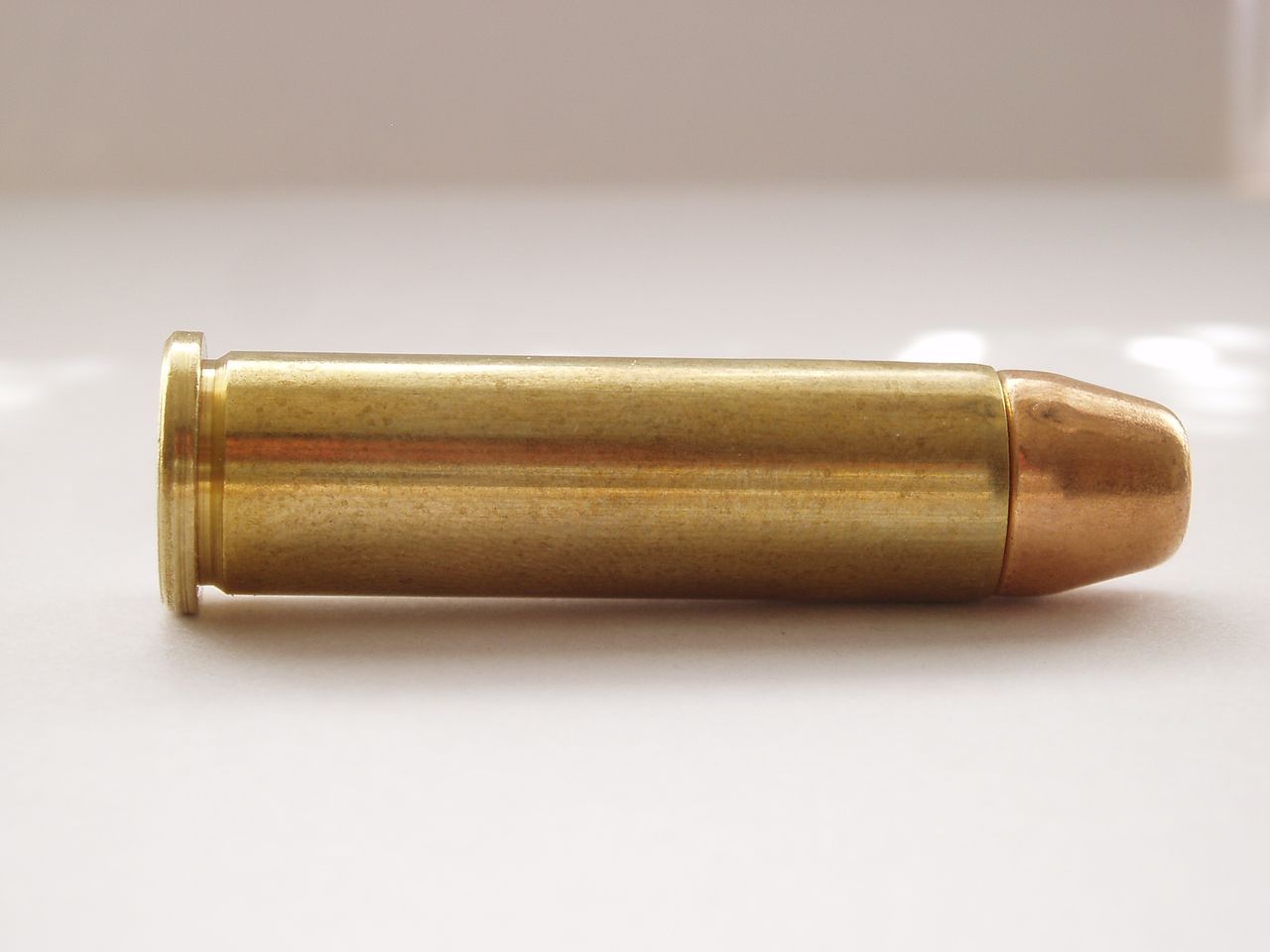
The .357 Magnum was designed as a revolver cartridge through and through. It arrived as a stretched, strengthened answer to the .38 Special, promising greater velocity and penetration from service and sporting handguns. For decades, the revolver remained its natural home and the place where its reputation for versatility was first established.
Yet many shooters discovered the cartridge’s sweetest spot in a lever action rifle. Out of a carbine barrel, .357 Magnum often gains impressive velocity while keeping recoil light and handling friendly. That combination turned it into a favorite for plinking, small game, and even deer in appropriate settings. A revolver round became one of the most charming rifle cartridges around.
.45 Colt
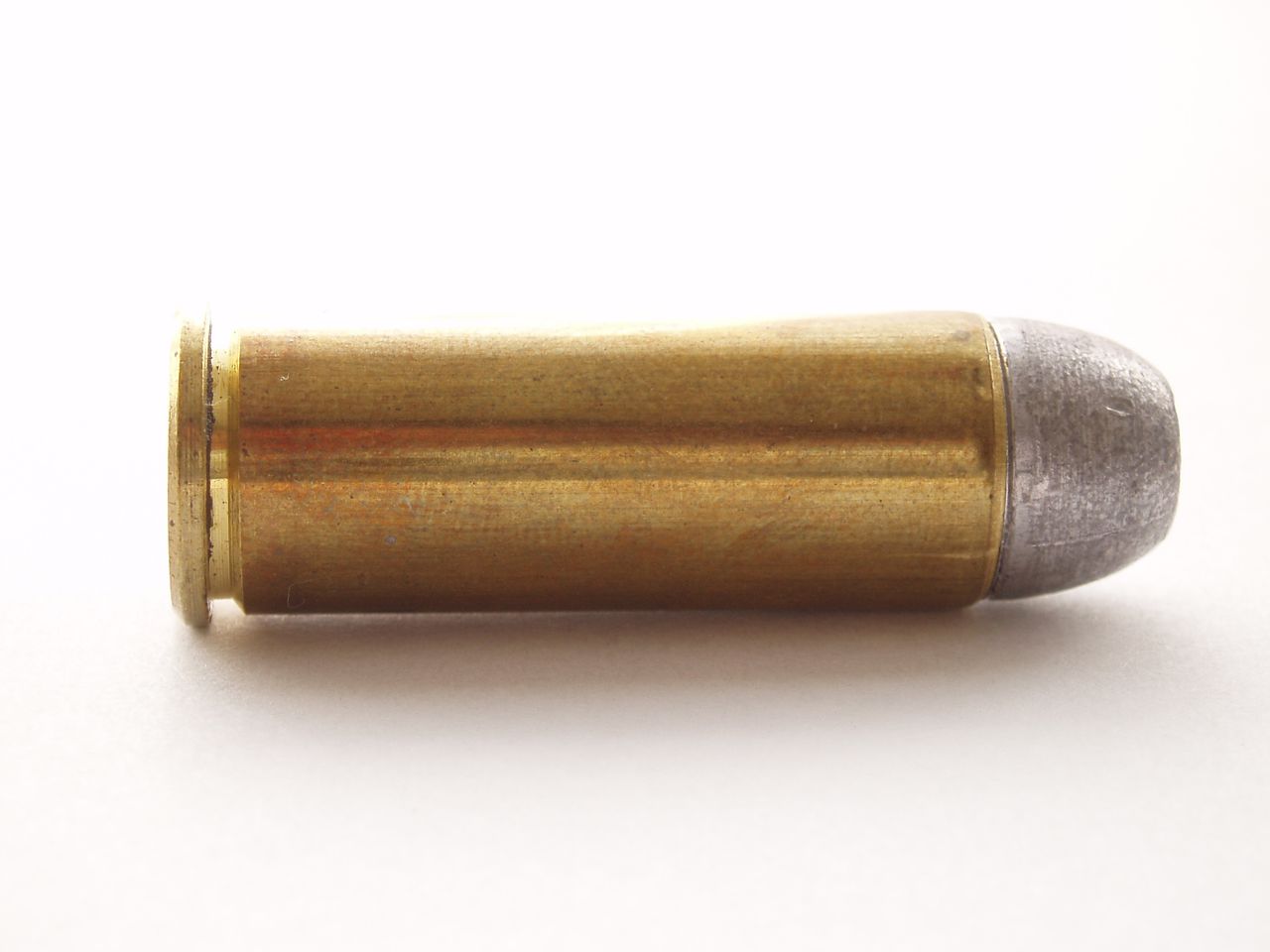
The .45 Colt was created for the Colt Single Action Army, and few pairings in firearms history feel more iconic. It entered the world as a black powder revolver cartridge with military ambitions and frontier practicality, carrying heavy bullets at moderate speed. For generations, its identity seemed permanently tied to six-shooters and the mythology around them.
Then rifles, especially lever actions, gave it fresh life. In a handy carbine, .45 Colt becomes easier to shoot well and more efficient from longer barrels, especially with modern loads in strong actions. Cowboy action competition also helped cement this crossover appeal. A cartridge born in one of history’s most famous handguns found enduring popularity in rifles that looked equally at home on the range and in the West of the imagination.
.30 Carbine
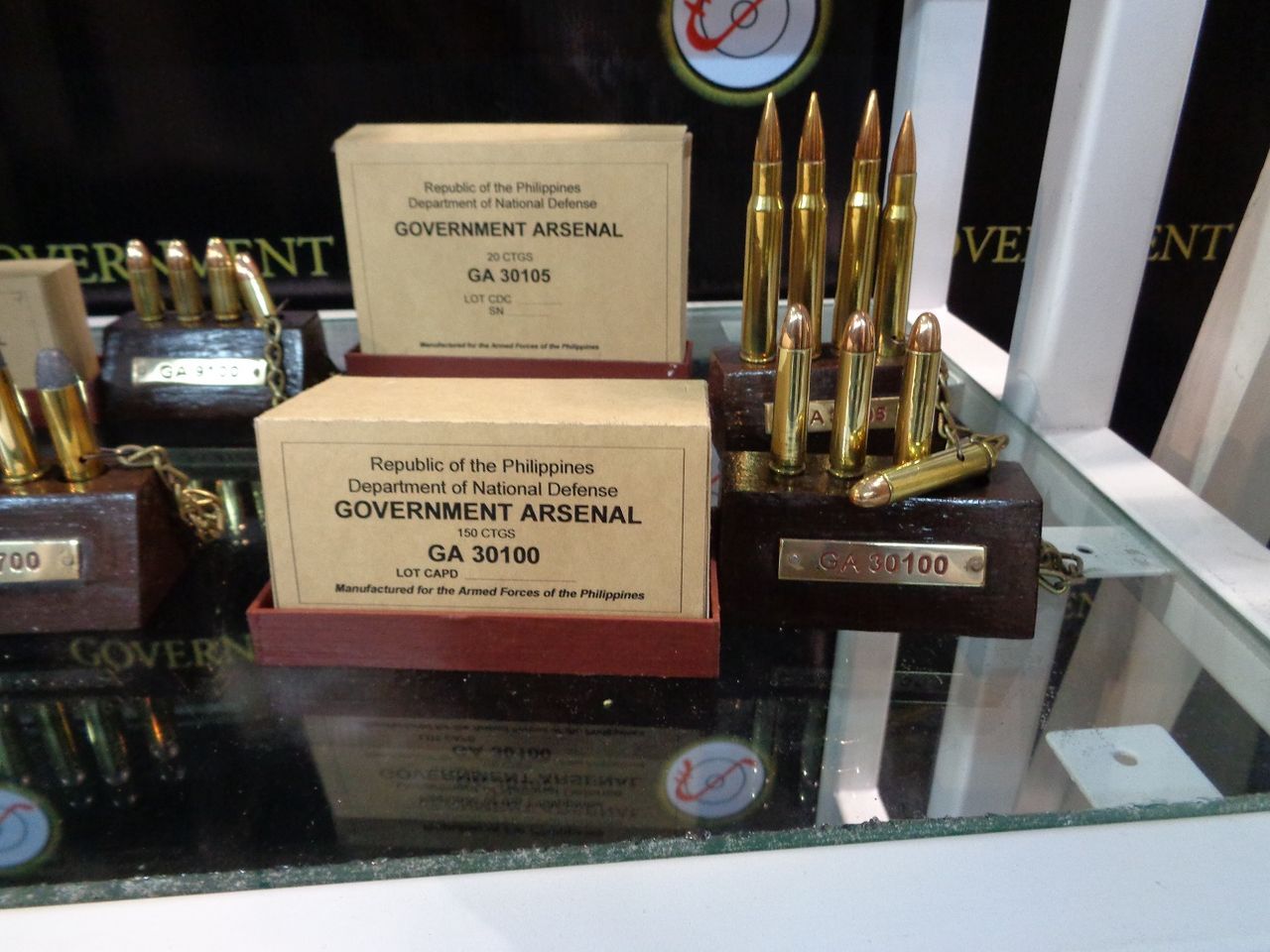
The .30 Carbine was designed specifically for the U.S. M1 Carbine, a light military shoulder arm intended to sit somewhere between a pistol and a full-power rifle. It was compact, fast-handling, and easier to carry than a battle rifle, and the cartridge reflected that balancing act with modest recoil and useful short-range performance.
What surprised many people later was how the round gained a second identity in handguns. Ruger Blackhawk revolvers chambered in .30 Carbine gave shooters a loud, flashy, unexpectedly flat shooting experience that stood apart from traditional wheelgun fare. It never eclipsed the M1 Carbine historically, but for many enthusiasts the cartridge’s most memorable modern outing is in a revolver that no wartime planner would have predicted.
.410 bore shotshell
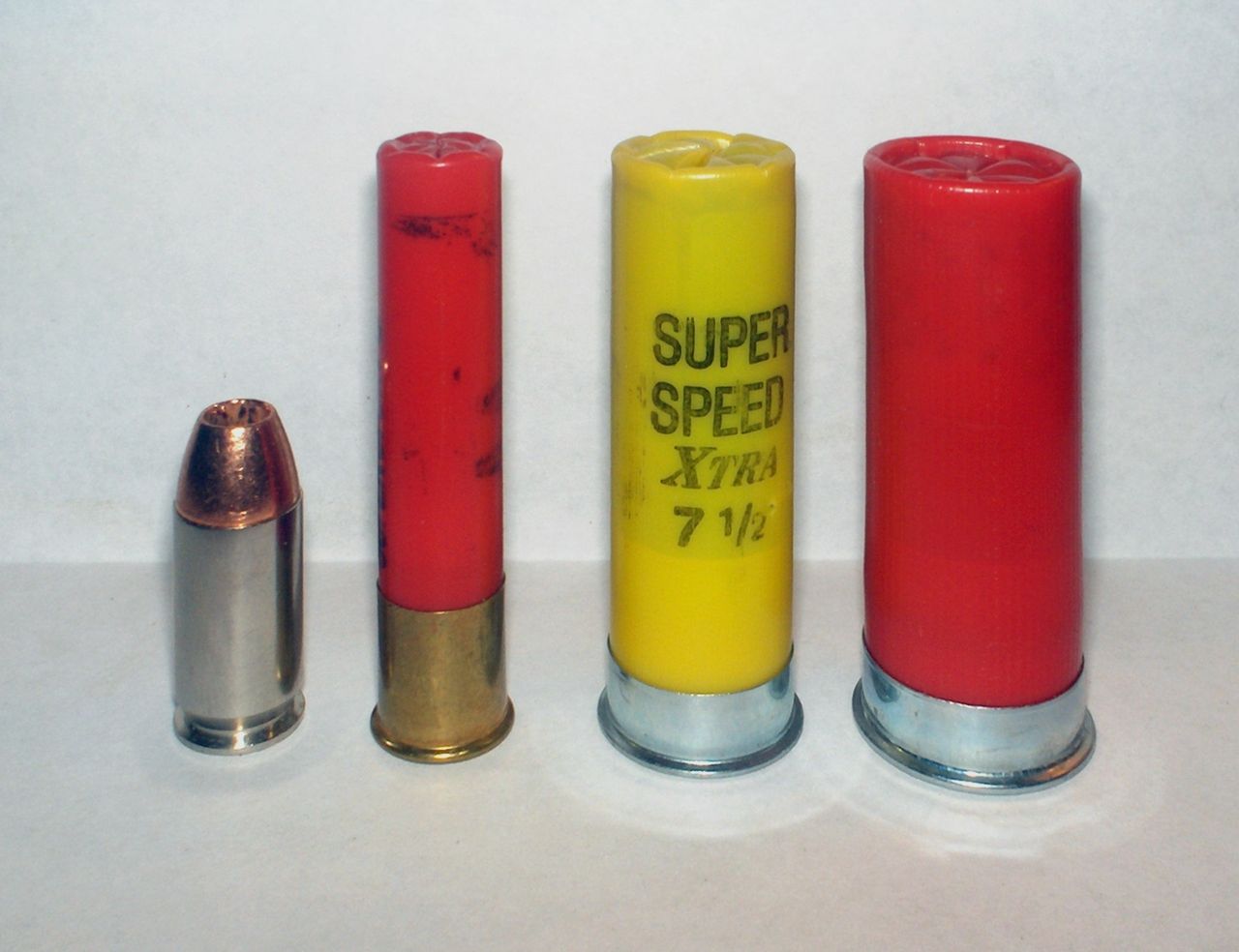
The .410 began as a small shotgun bore suited to slim, light long guns. It earned a reputation as a farm, youth, and pest control option, offering lower recoil and a narrow pattern that rewarded careful aim. For most of its life, the .410 was firmly a shoulder-fired proposition, associated with simple field guns and practical chores.
Then specialty handguns changed public perception. Firearms like the Thompson/Center Contender and later revolvers such as the Taurus Judge made the .410 unexpectedly famous in handgun form. That shift brought a wave of attention, debate, and marketing heat that the little shotshell had never seen in its traditional role. A humble shotgun bore suddenly became a handgun headline, proving how dramatically a new platform can reshape an old round’s image.
.300 AAC Blackout
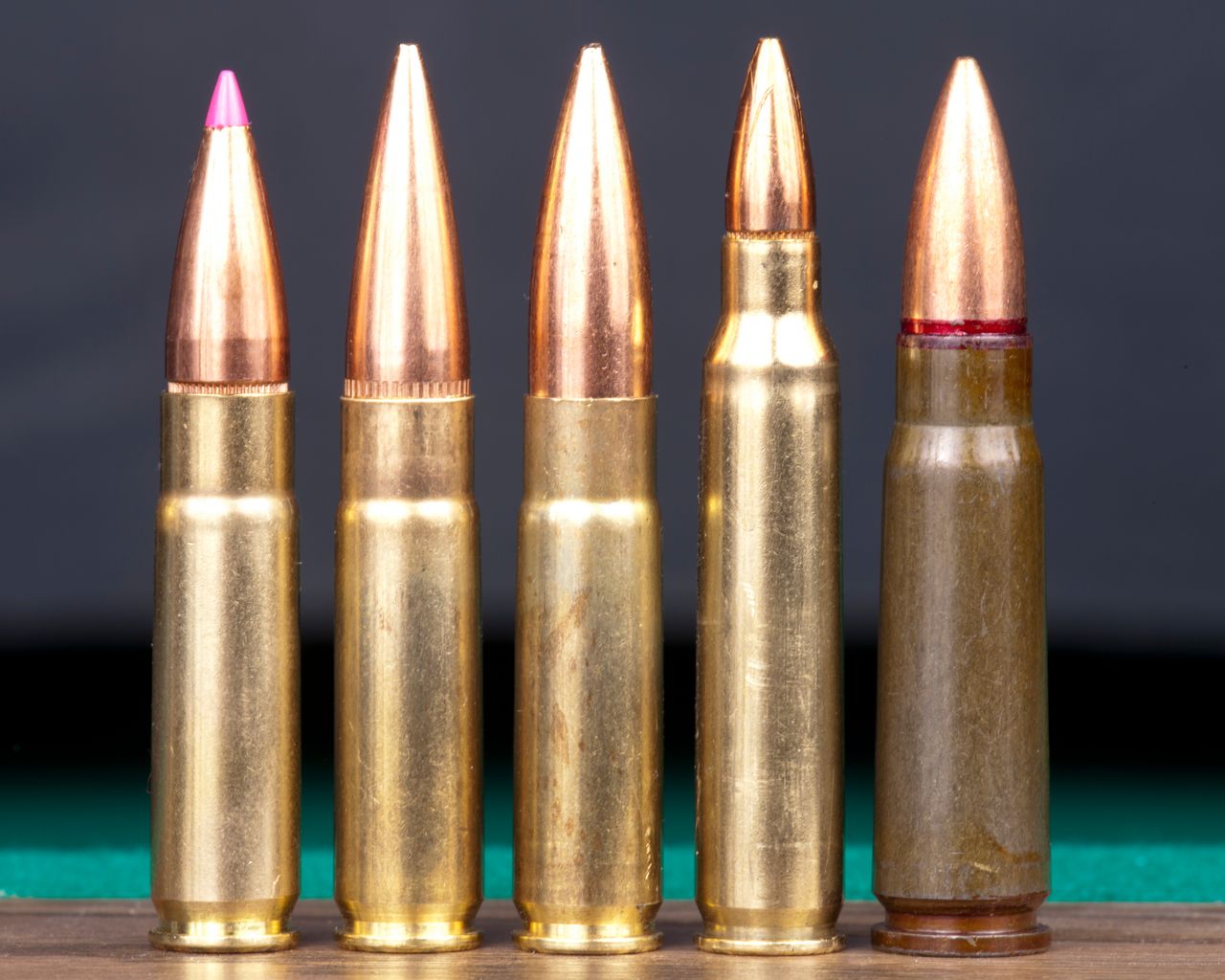
The .300 AAC Blackout was engineered with the AR-15 platform in mind, solving a very modern problem. Shooters wanted a cartridge that could run heavy subsonic bullets or lighter supersonic loads while using standard AR magazines and bolts. It was purpose-built for short barrels, suppressors, and familiar controls, which gave it a clear mission from day one.
Even so, some of its strongest practical appeal has shown up in compact bolt-action rifles. In that setting, the cartridge feels efficient, quiet when suppressed, and surprisingly handy for hunting at sensible distances. Many shooters who have little interest in tactical-style rifles still appreciate what Blackout does in a simple bolt gun. Designed for the AR, it won over a very different crowd once it left that original home.