Traveling in an RV gives unparalleled freedom, but knowing where you can legally park overnight is essential for a stress-free trip. Many states provide safe, sanctioned options that balance convenience, amenities, and compliance with local laws. From public lands to private resorts, understanding these options ensures a worry-free experience. Here are five common places where overnight RV parking is legal and widely accepted.
1. State and National Park Campgrounds
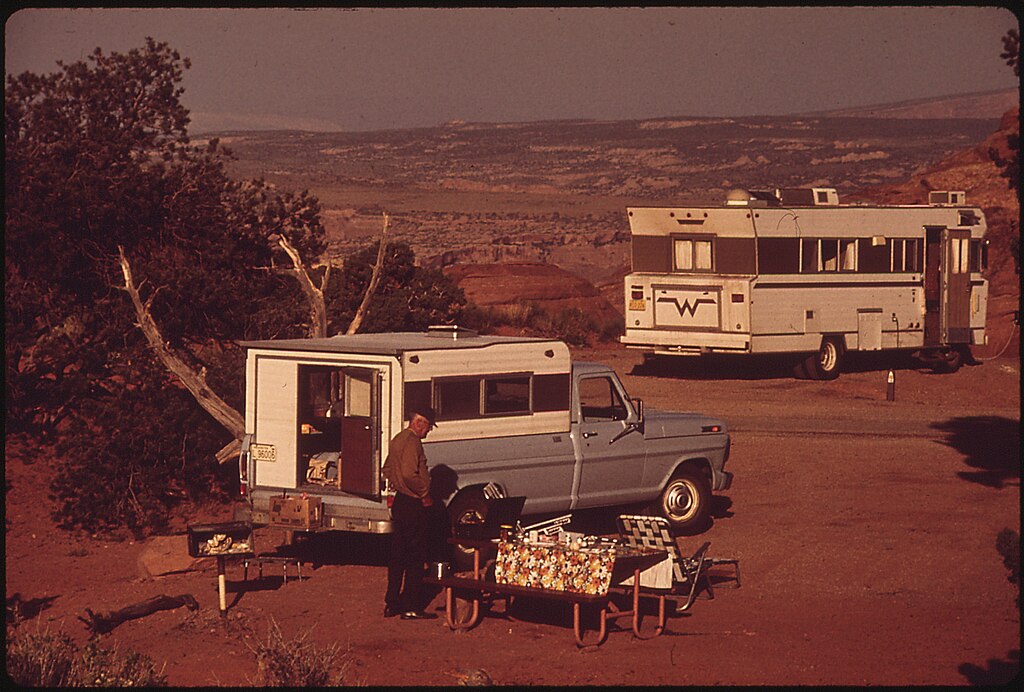
Campgrounds in state and national parks are some of the safest and most scenic options for overnight RV stays. These sites often offer electricity, water hookups, dump stations, and restroom facilities, making them highly convenient for travelers. Reservations are sometimes required during busy seasons. Beyond amenities, these campgrounds provide easy access to hiking trails, lakes, and natural vistas, allowing RVers to immerse themselves in nature while staying completely compliant with regulations.
2. Bureau of Land Management (BLM) Lands
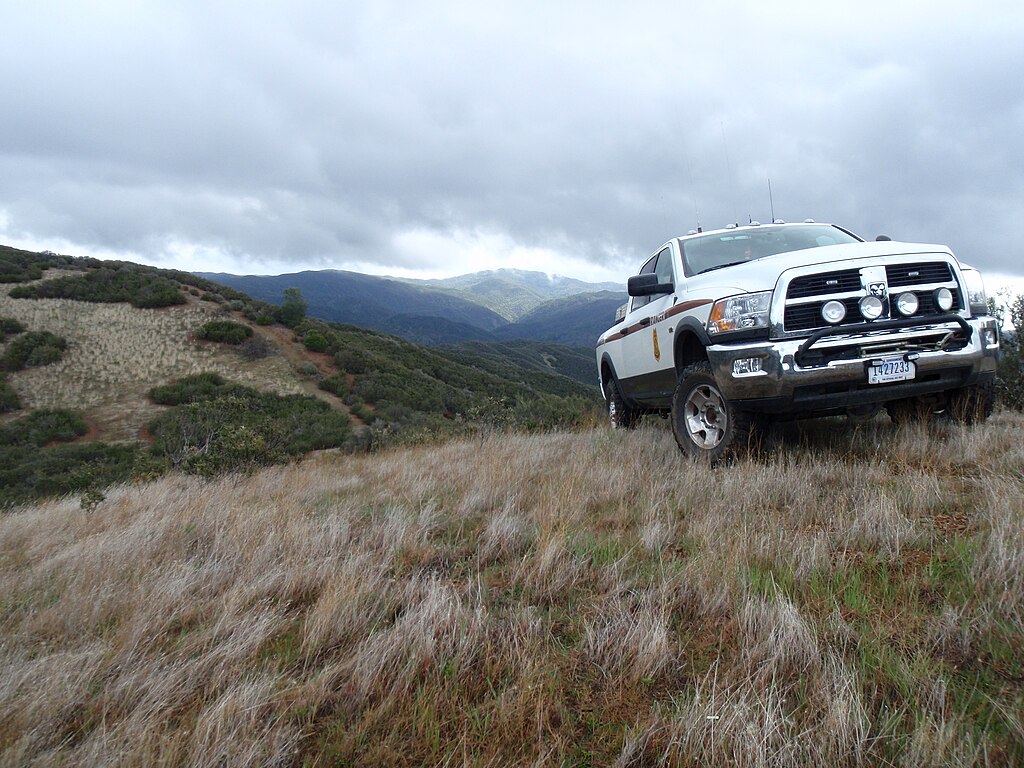
BLM lands provide dispersed camping opportunities, mainly in western states, and are generally free or very low cost. While amenities are minimal or nonexistent, these areas offer legal overnight RV parking away from city limits, with stunning scenery ranging from deserts to mountains. Visitors should follow Leave No Trace principles and abide by 14-day stay limits in most regions. BLM lands are perfect for travelers seeking solitude, adventure, and breathtaking panoramic views without crowds.
3. Walmart, Cabela’s, and Other Retail Parking Lots

Many Walmart, Cabela’s, and other large retail stores allow overnight RV parking as a courtesy, although policies vary by location. Typically, overnight stays are free, but it’s important to ask store management for permission and follow posted guidelines. These lots provide convenient access to supplies, restrooms, and city centers, making them a practical short stop solution. Travelers benefit from a safe, well-lit area for rest, while minimizing driving fatigue during long journeys.
4. Highway Rest Areas and Welcome Centers
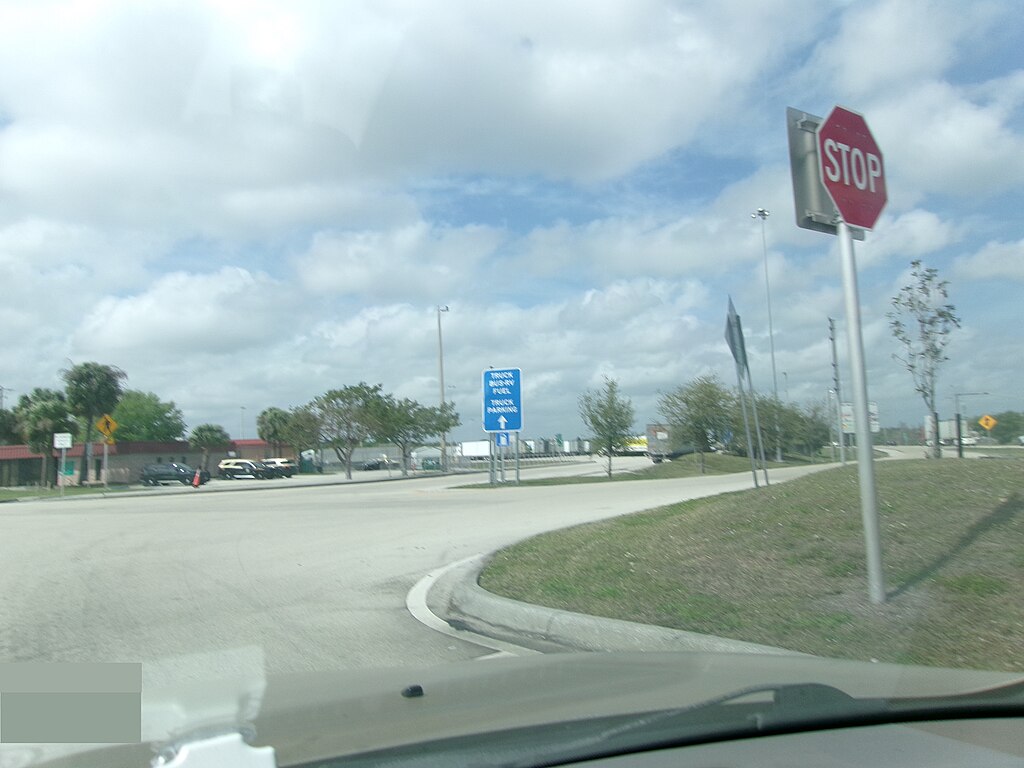
Several states permit RVers to park overnight at rest areas or highway welcome centers, primarily to combat driver fatigue and enhance safety. These facilities usually include restrooms, picnic tables, and safe parking spots. While amenities may be basic, the advantage is convenience for interstate travelers. Each state sets time limits, so it’s critical to read posted signage. These locations are ideal for a quick overnight stay or as a midpoint between destinations, balancing legality with safety and accessibility.
5. Private RV Parks and Resorts
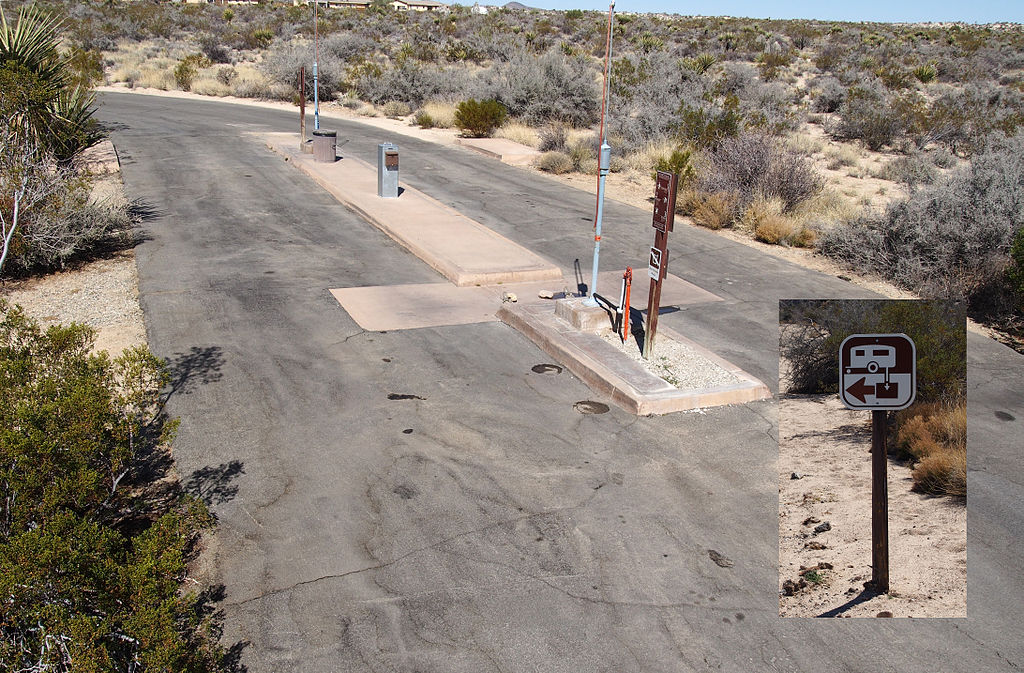
Private RV parks offer fully equipped sites with hookups, Wi Fi, showers, laundry, and recreational amenities. While there is a nightly fee, they provide a secure and regulated environment for overnight stays. Many cater exclusively to RV travelers, offering community events, playgrounds, and scenic surroundings. These parks are perfect for longer stays, families, or those seeking comfort and convenience. Staying in private parks ensures legal compliance while enjoying enhanced amenities and social opportunities.