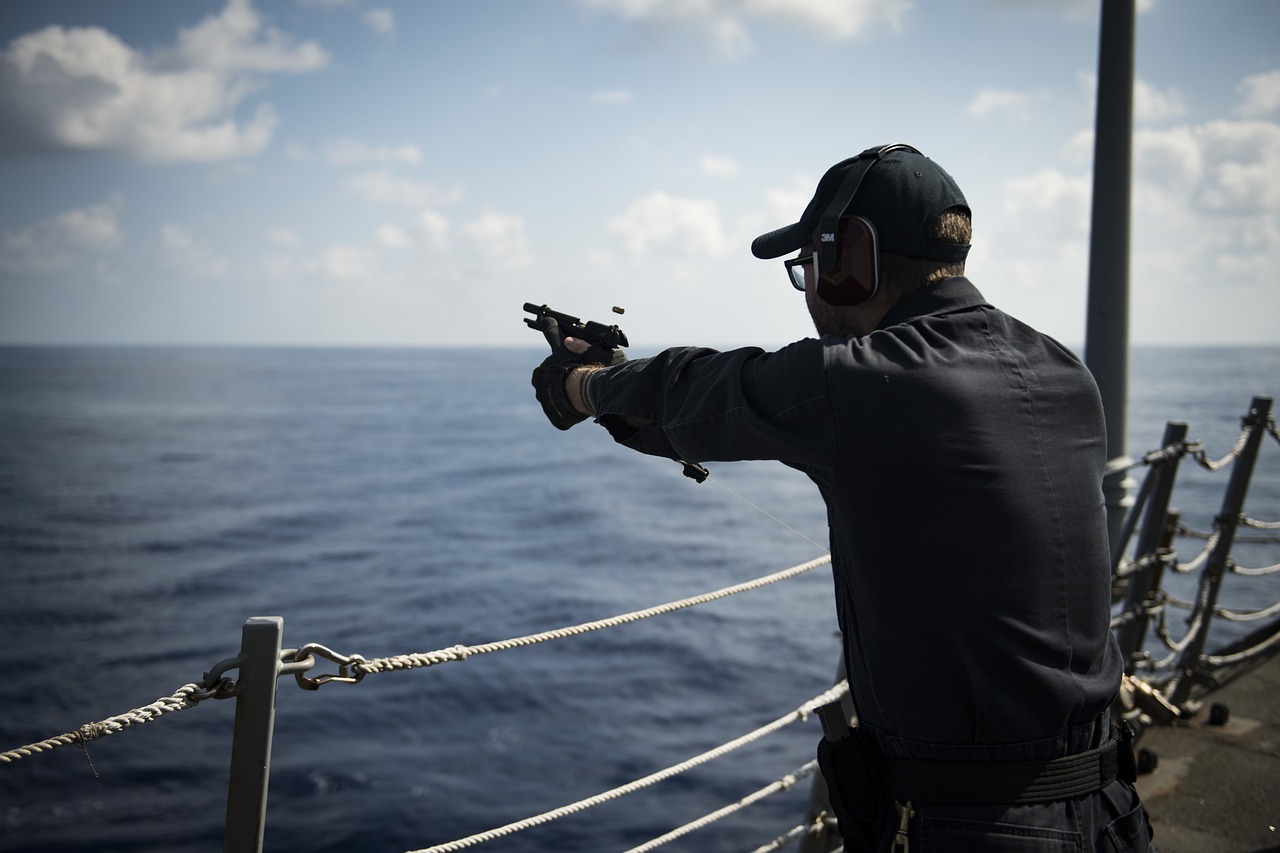
To many civilians, the Beretta 92 is just a famous full-size pistol with movie credentials and a recognizable silhouette. For veterans who actually carried the M9 variant in uniform, it means something more specific: long hours on duty, strict maintenance habits, and a sidearm judged less by hype than by whether it worked when everything else got complicated. Their perspective reveals details that range culture and internet debates often miss.
It Was a Daily Burden Before It Was a Range Toy
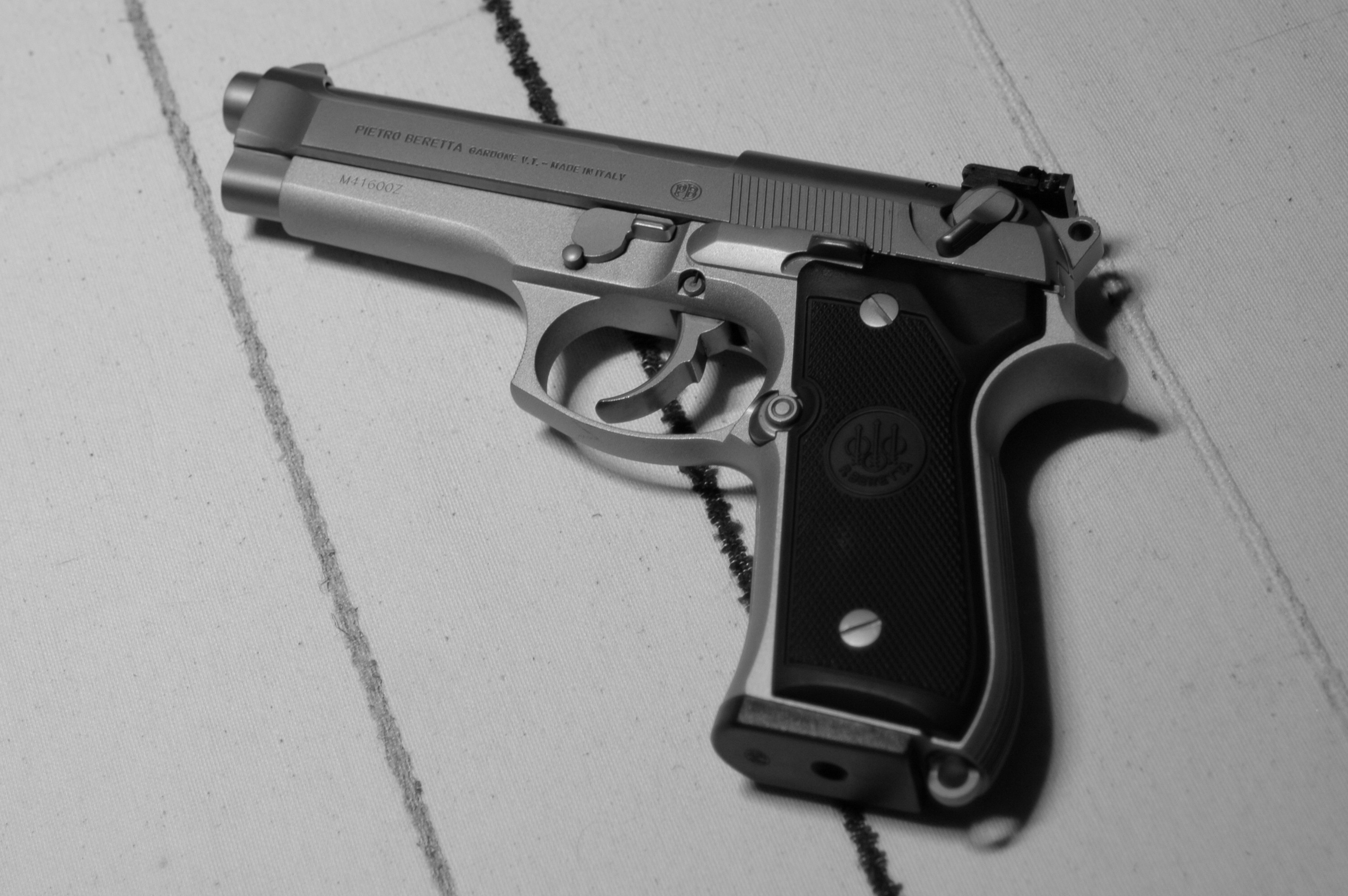
Civilians often meet the Beretta 92 on a clean lane at a well-lit range, where its size feels reassuring, and its weight helps tame recoil. Veterans remember something less glamorous. The pistol was often just one more item hanging from a belt already crowded with gear, tugging at the hips through long shifts, vehicle rides, and endless walks.
That changes how the gun is judged. A service sidearm is not admired only for how it shoots in ten relaxed minutes. It is also measured by how it rides for twelve hours, how it snags on equipment, and how quickly it becomes another piece of daily friction that has to be managed without complaint.
Its Size Meant Control, But Also Compromise

Veterans often say the Beretta 92 shoots softly for a 9mm service pistol, and that matters more than casual shooters may realize. Its full-size frame, long sight radius, and weight helped many troops qualify more comfortably, especially those who were not handgun enthusiasts to begin with. The gun could be forgiving in ways smaller pistols are not.
But that same size came with tradeoffs. Troops with smaller hands sometimes struggled with the reach to the trigger in double action, and the thick grip was not ideal for everyone. What civilians may see as classic heft, veterans often remember as a compromise between shootability, hand fit, and practical carry comfort.
The Double-Action First Shot Was a Real Training Issue
One detail veterans bring up again and again is the transition from the heavy first double-action pull to the lighter single-action shots that follow. On paper, that is just a design feature. On the range, especially under qualification pressure, it could be the moment where an average shooter threw the first round and spent the rest of the string trying to recover.
Experienced users learned to manage it, but that does not mean it was intuitive. Civilians who shoot the pistol casually may admire the trigger once it settles into single action. Veterans are more likely to remember how much repetition it took to make that first shot predictable when scores and confidence were on the line.
Reliability Was About Maintenance More Than Myth

The Beretta 92 has collected plenty of mythology over the years, both flattering and critical. Veterans tend to describe it more practically. When the gun was clean, properly lubricated, and fed decent magazines and ammunition, many found it dependable enough for the role it filled. Problems often had less to do with the design than with the condition of the gear around it.
That is a very military kind of lesson. A sidearm in service lives inside an ecosystem of inspections, armory procedures, worn parts, and institutional habits. Civilians may argue about whether the pistol is inherently flawless or flawed. Veterans often remember that reliability was usually tied to maintenance discipline and whether support equipment was up to standard.
Bad Magazines Shaped the Gun’s Reputation

Ask enough veterans about the Beretta 92, and the conversation often turns to magazines. Not the sleek lines of the pistol, not the accuracy, not the movies. Magazines. That may sound dull to civilians, but in service use, feeding issues can define how a weapon is remembered long after the exact cause gets blurred in retelling.
Many veterans distinguish between the pistol itself and the magazines issued with it at different times. A gun can earn a bad name if the components supporting it are inconsistent, dirty, or worn out. That is one of those unglamorous truths military users rarely forget, because confidence in a sidearm disappears fast when the weakest part keeps being the one inserted first.
The Safety and Decocker Needed Deliberate Handling

The slide-mounted safety and decocker on the Beretta 92 is one of those features that divides opinion instantly. Civilians may see it as either reassuringly safe or unnecessarily awkward after a few range sessions. Veterans usually frame it in terms of training habits, because under stress, small control placements can feel much bigger than they do during casual shooting.
Some troops appreciated the decocking function and the visible, easy-to-understand status of the pistol. Others disliked the possibility of engaging the safety unintentionally while manipulating the slide. The point veterans make is less ideological than practical: every control scheme creates its own human errors, and the Beretta demanded repetitions until those errors became less likely.
It Was Often More Symbolic Than Central to Combat

One of the biggest gaps between civilian fascination and military memory is how the pistol fits into actual service life. For many troops, the Beretta 92 was not the primary weapon that defined their daily mission. It was a secondary tool, sometimes rarely fired outside qualification, yet constantly accounted for, secured, maintained, and carried.
That gives it an oddly powerful presence. A sidearm can feel both essential and peripheral at the same time, important because of what it represents, even when it is not the first answer to a threat. Veterans often appreciate that distinction more sharply than civilians, who may imagine the pistol playing a more central role than it usually did.
Qualification Scores Did Not Always Equal Confidence

The Beretta 92 could help shooters post respectable qualification scores, especially thanks to its manageable recoil and decent accuracy. But veterans often note that qualification is not the same thing as true confidence. A troop might pass the course and still feel only moderately comfortable with the pistol, especially if handgun training time was limited.
That matters because sidearms expose weaknesses quickly. Grip, trigger control, and sight alignment are hard to fake with a pistol, and many service members simply did not get enough repetitions to feel fully fluent. Civilians sometimes assume a standard-issue sidearm becomes second nature to everyone who carries it. Veterans know familiarity and mastery are very different things.
Its Open-Slide Design Had Practical Fans

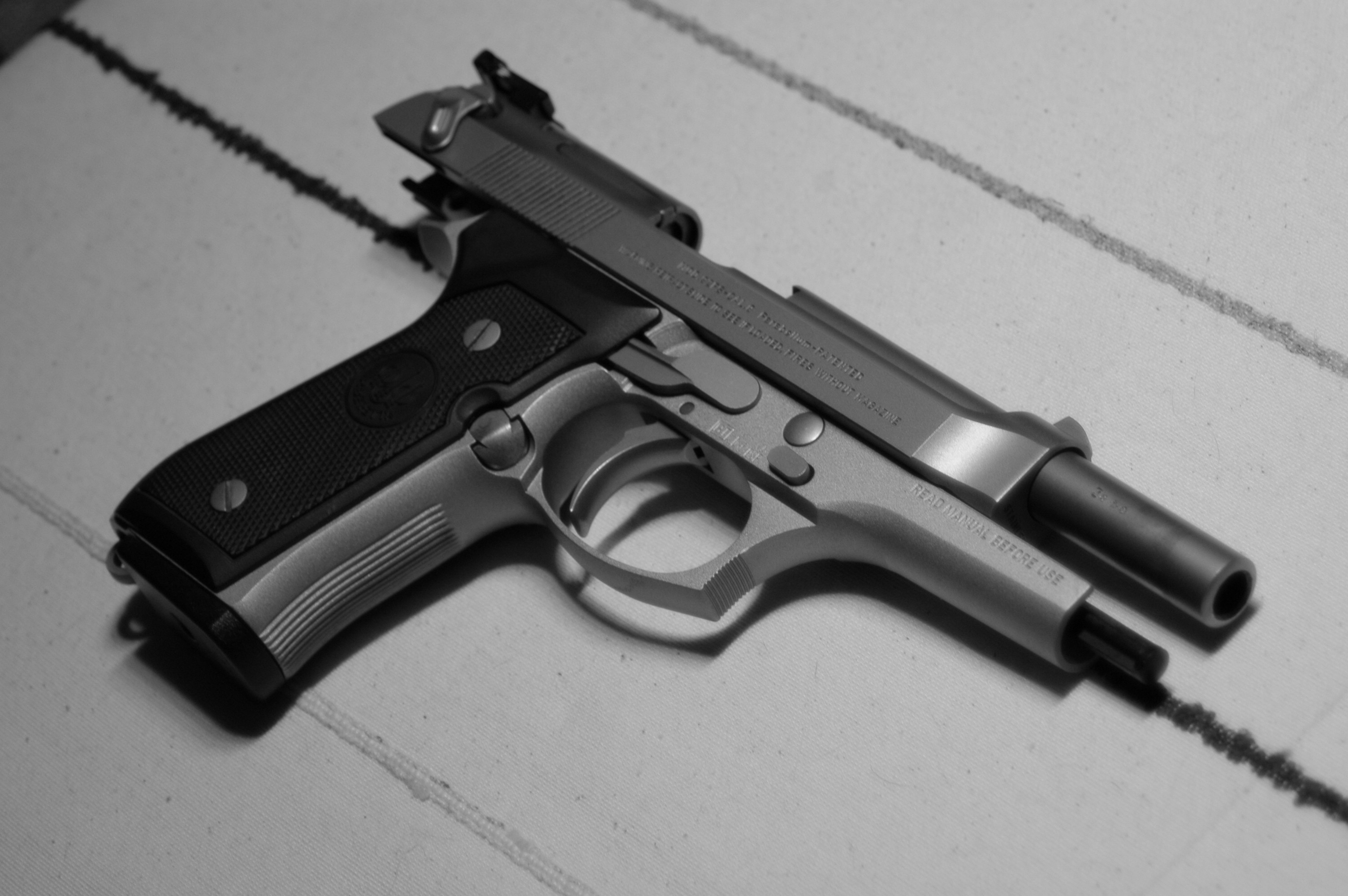
The Beretta’s open-slide design is one of its signature visual traits, and veterans who liked the pistol often mention it for practical reasons rather than aesthetics. They appreciated the straightforward ejection and the generally easy feel of loading, clearing, and checking the weapon. In institutional environments, simplicity in those routine actions counts for a lot.
No design feature is magic, of course, and experienced users know every system has tradeoffs. Still, many troops found the pistol mechanically legible. You could look at it, run it, and understand what was happening without much mystery. Civilians may notice the style first. Veterans tend to appreciate how that design felt during repetitive, ordinary handling over the years of service.