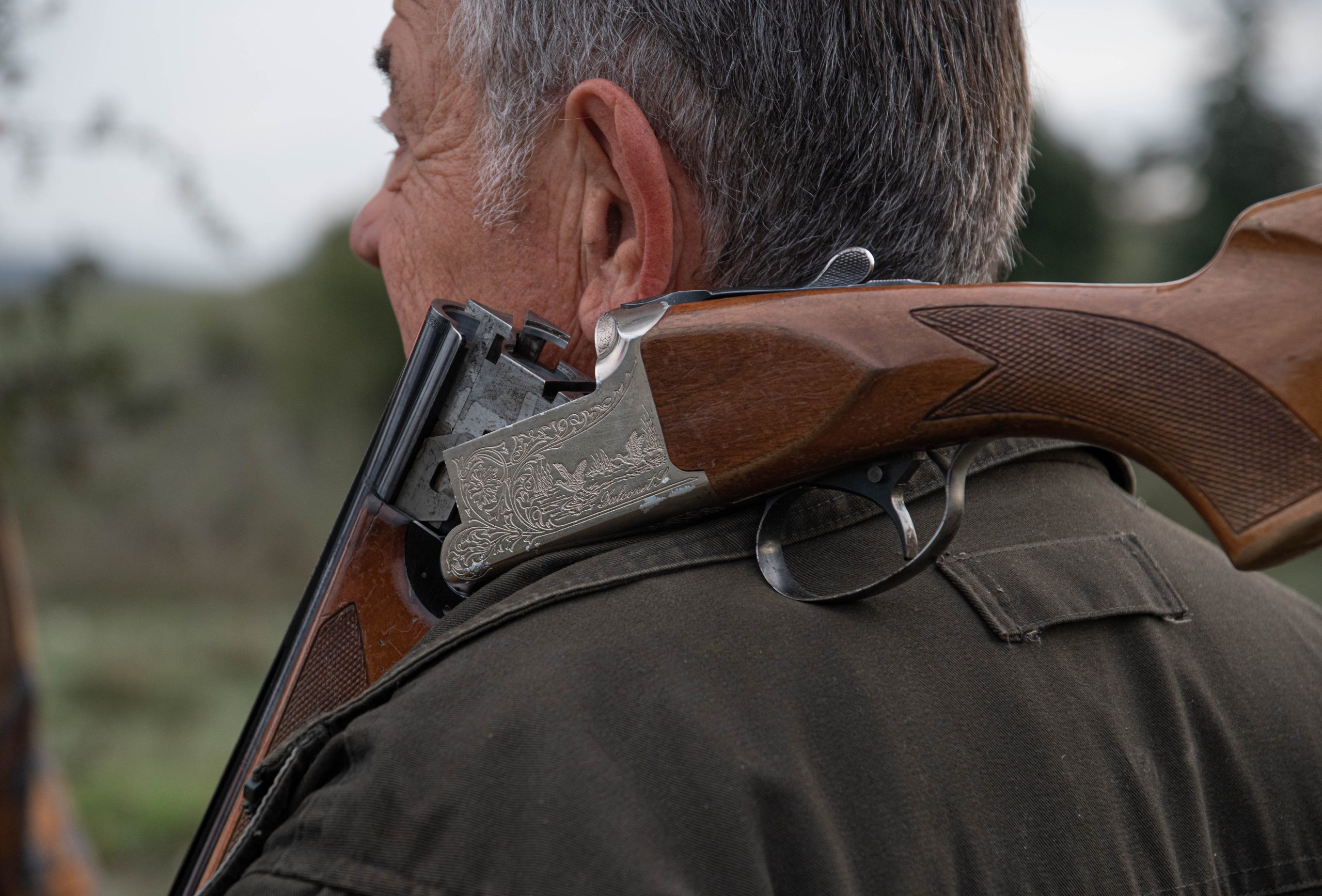
Surveying unfamiliar territory in the 18th and 19th centuries was rarely a simple matter of measuring distances and drawing lines. Explorers, military surveyors, and expedition members crossed dense forests, mountain passes, open plains, and remote river valleys where reliable maps were scarce. Their equipment had to survive difficult weather, long journeys, and the practical demands of fieldwork. Rifles sometimes accompanied these expeditions for protection and hunting, although many surveyors relied on military escorts or other members of their parties for armed security. These eight rifles reveal how changing firearm designs intersected with the exploration of places that remained poorly understood by outsiders.
1. 1792 Contract Rifle
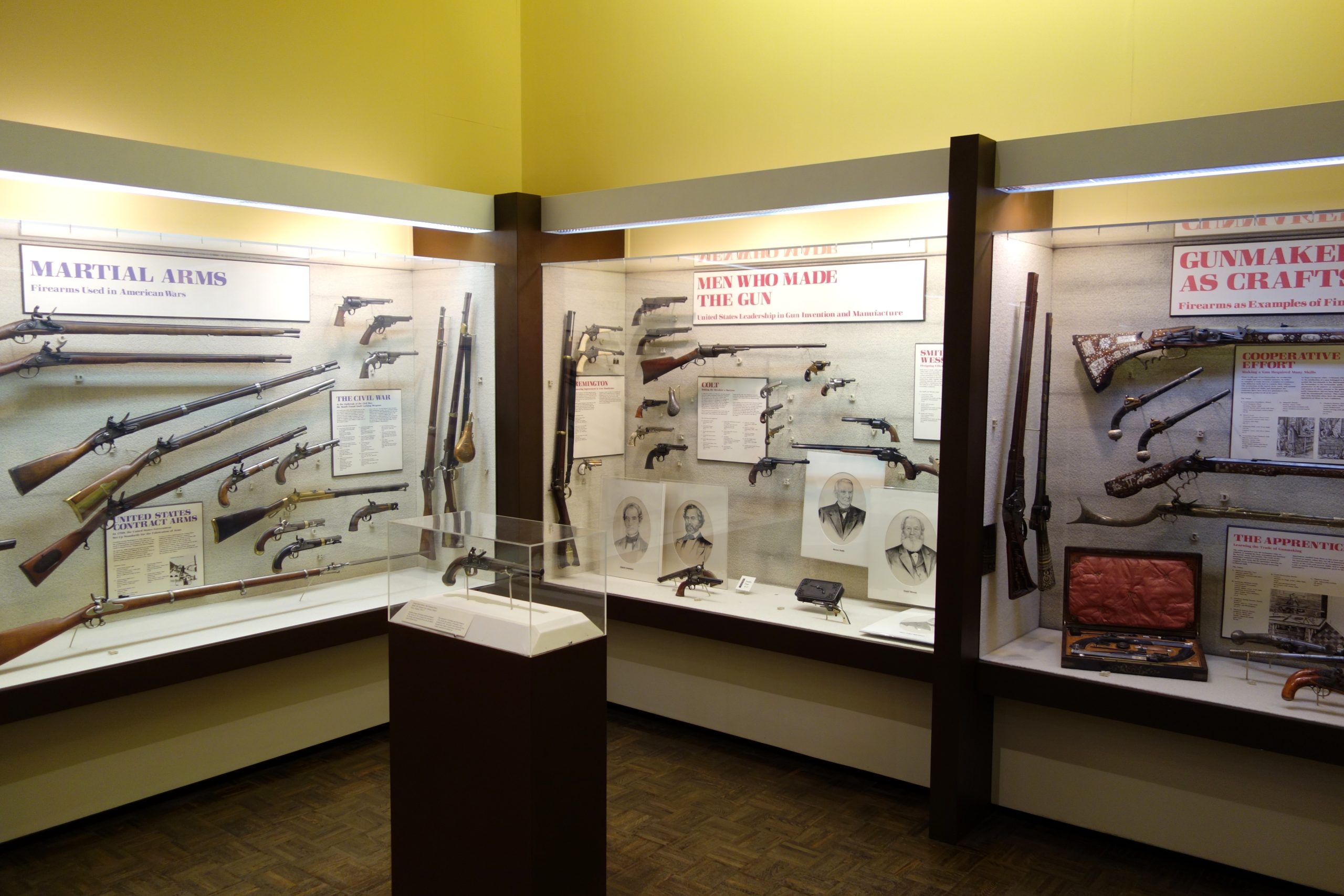
The 1792 contract rifle is a useful starting point for understanding early American exploration. Produced under federal contracts, these flintlock long arms were among the weapons associated with the Lewis and Clark expedition of 1804–1806, though surviving records do not identify every gun by exact model. Their rifled barrels improved accuracy over smoothbore muskets, while muzzle-loading made reloading slow. In unfamiliar country, a rifle could help provide food and security, but it was only one part of a survey party’s equipment, alongside instruments, notebooks, and provisions.
2. Kentucky Long Rifle
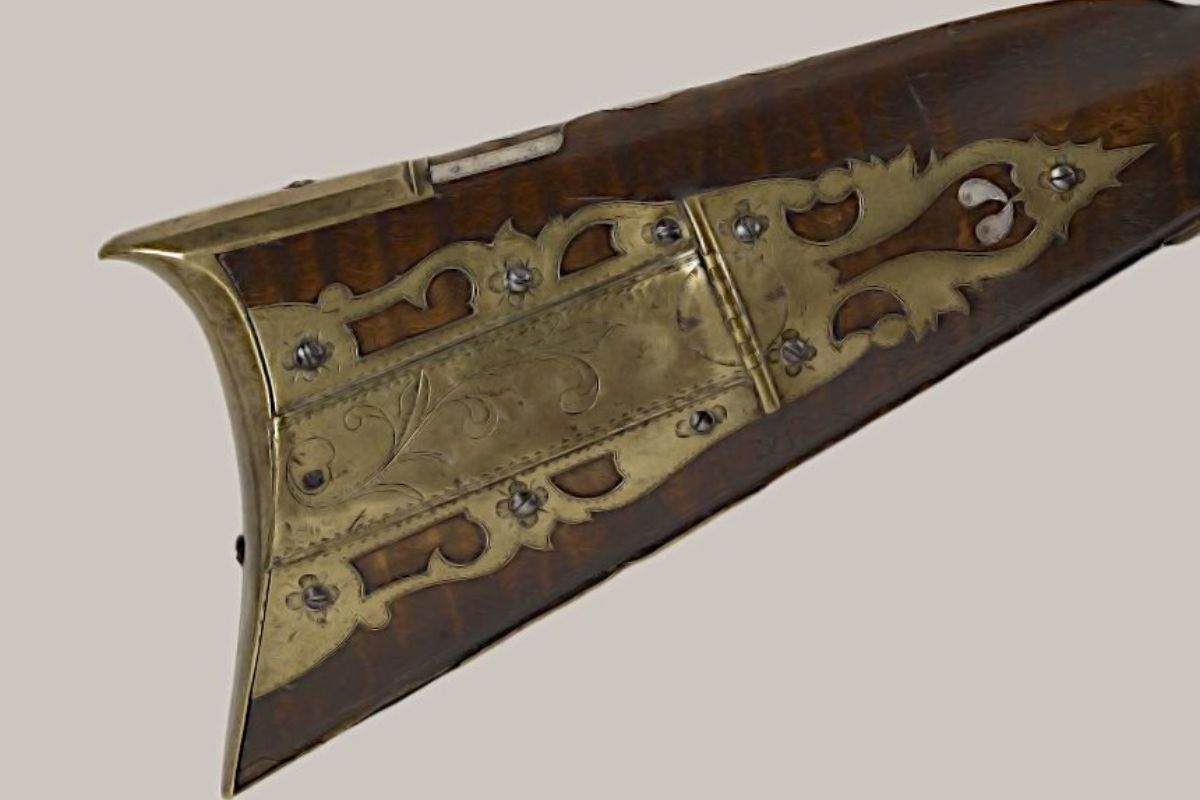
The Kentucky long rifle was not one standardized model but a family of handmade American firearms, often built by gunsmiths in Pennsylvania and nearby regions. Many had barrels around 40–48 inches long and fired a single patched ball from a muzzle-loaded, rifled bore. Its accuracy made it useful for hunting on long journeys, including travel through wooded valleys and open country. Yet every rifle differed, and black-powder fouling and slow reloading demanded patience. It is plausible in frontier travel stories, but a particular surveyor’s use should not be claimed without evidence.
3. U.S. Model 1803 Harpers Ferry Rifle
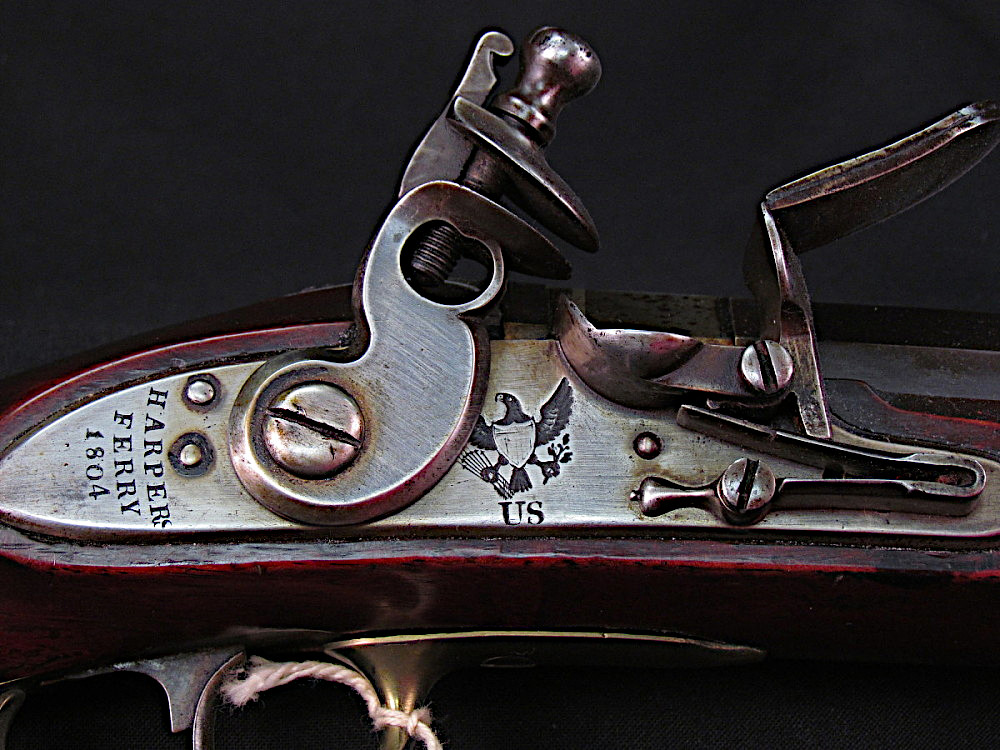
The U.S. Model 1803 rifle was an important early American military design made at Harpers Ferry. It was shorter and handier than many earlier long rifles, a practical advantage for soldiers moving through forest and river terrain. The weapon used flintlock ignition and muzzle-loading, so it was far from quick by modern standards. Some accounts link this model to the Lewis and Clark expedition, although researchers debate which specific rifles the party carried. It illustrates how government arms could support exploration without being designed specifically for mapmaking.
4. Girandoni Air Rifle
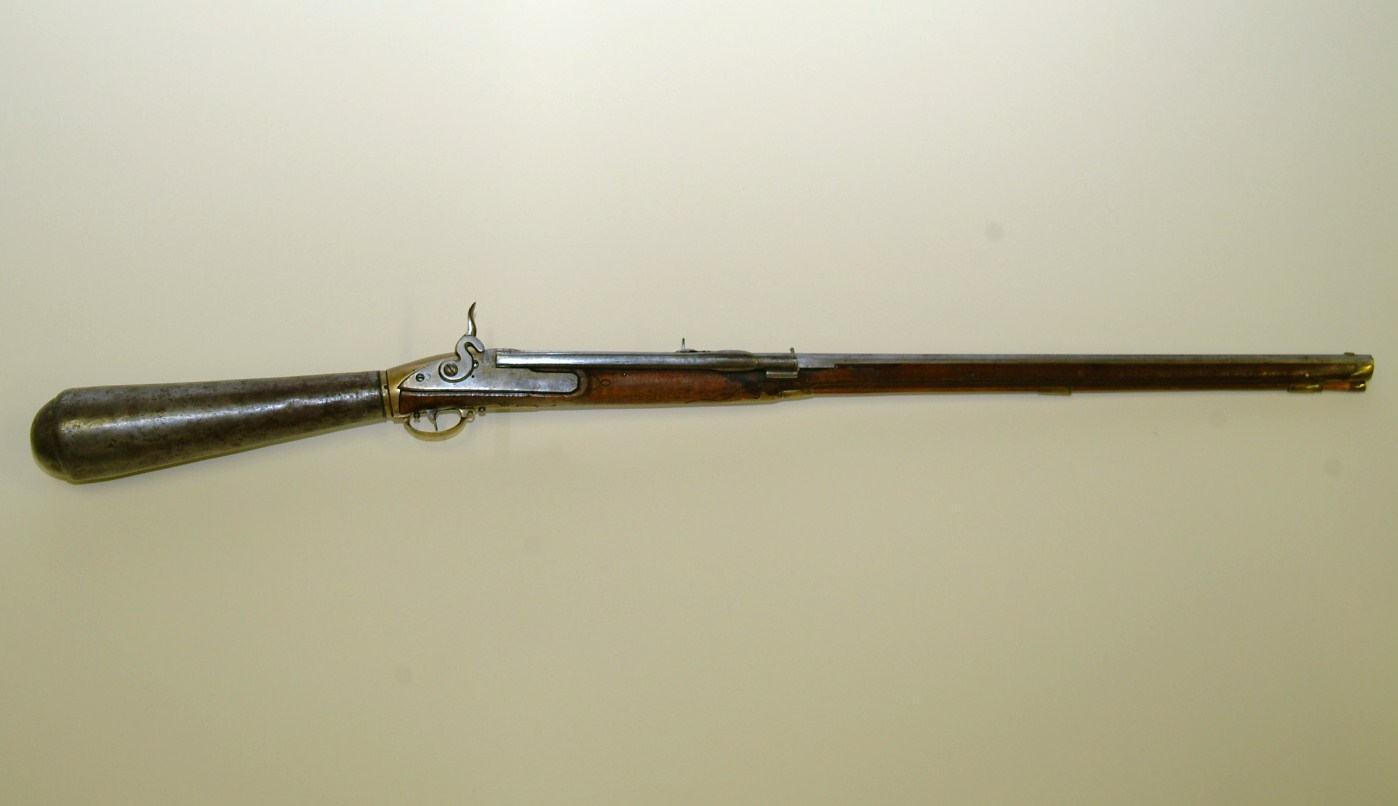
The Girandoni air rifle stands apart from black-powder firearms associated with early expeditions. It used compressed air stored in a removable reservoir rather than a powder charge, and Meriwether Lewis famously carried one on the 1804–1806 journey. Its unusual technology could attract attention during encounters, but it was mechanically complicated and depended on its reservoir and pumping equipment. It was not a standard rifle for surveyors. Its place in expedition history shows how an unusual tool could become part of travel into poorly documented territory.
5. Baker Rifle
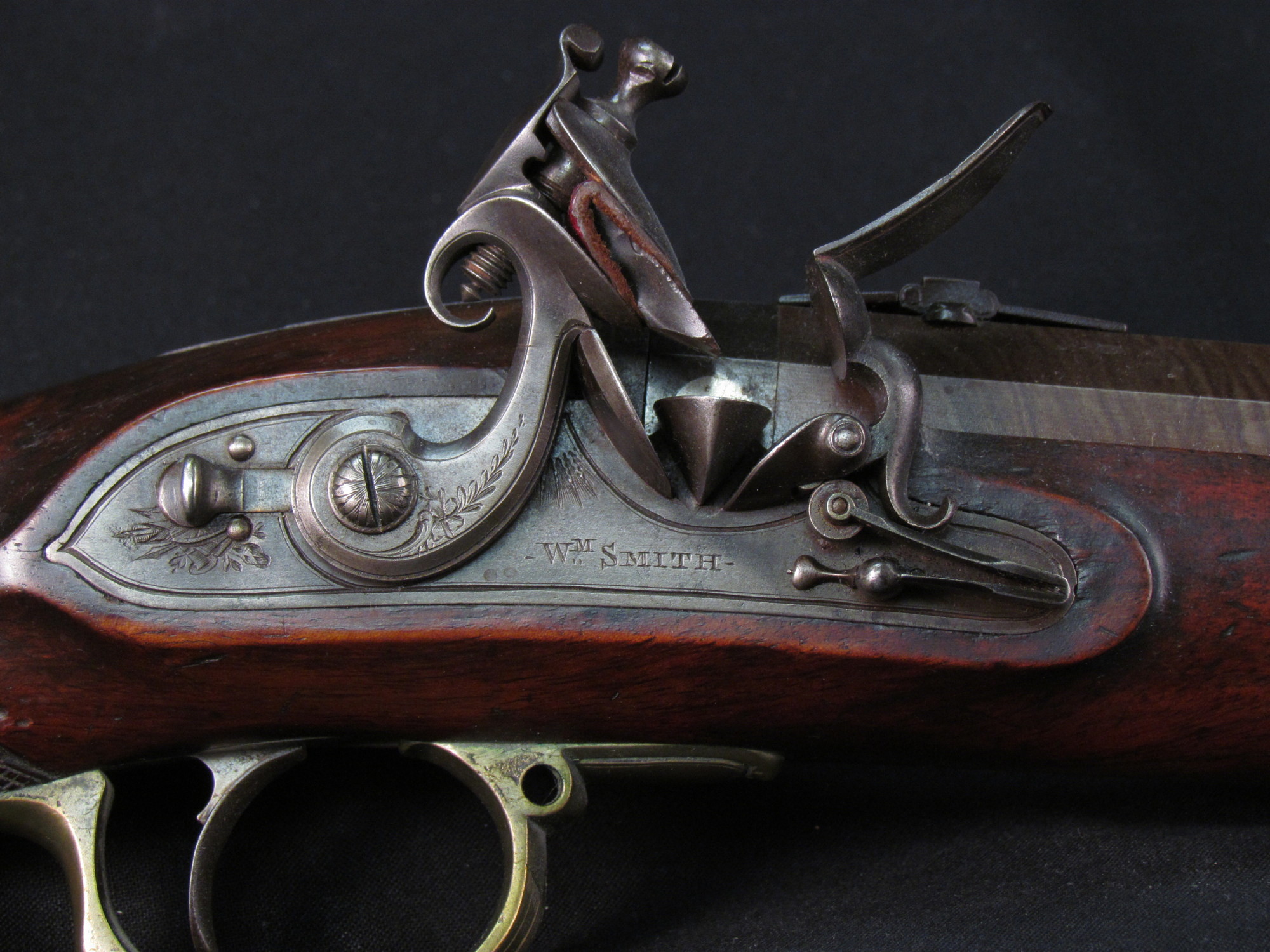
Introduced for British rifle troops in 1800, the Baker rifle was a flintlock muzzle-loader designed for military use rather than surveying. Its relatively compact form and rifled barrel offered a balance of handling and accuracy, and it remained in British service into the late 1830s. Surveying parties attached to military expeditions might travel with armed soldiers using service weapons, but that does not mean every surveyor carried a Baker rifle personally. The distinction matters: it belongs to the history of armed exploration, not a universal kit for mapmakers.
6. Hall Rifle
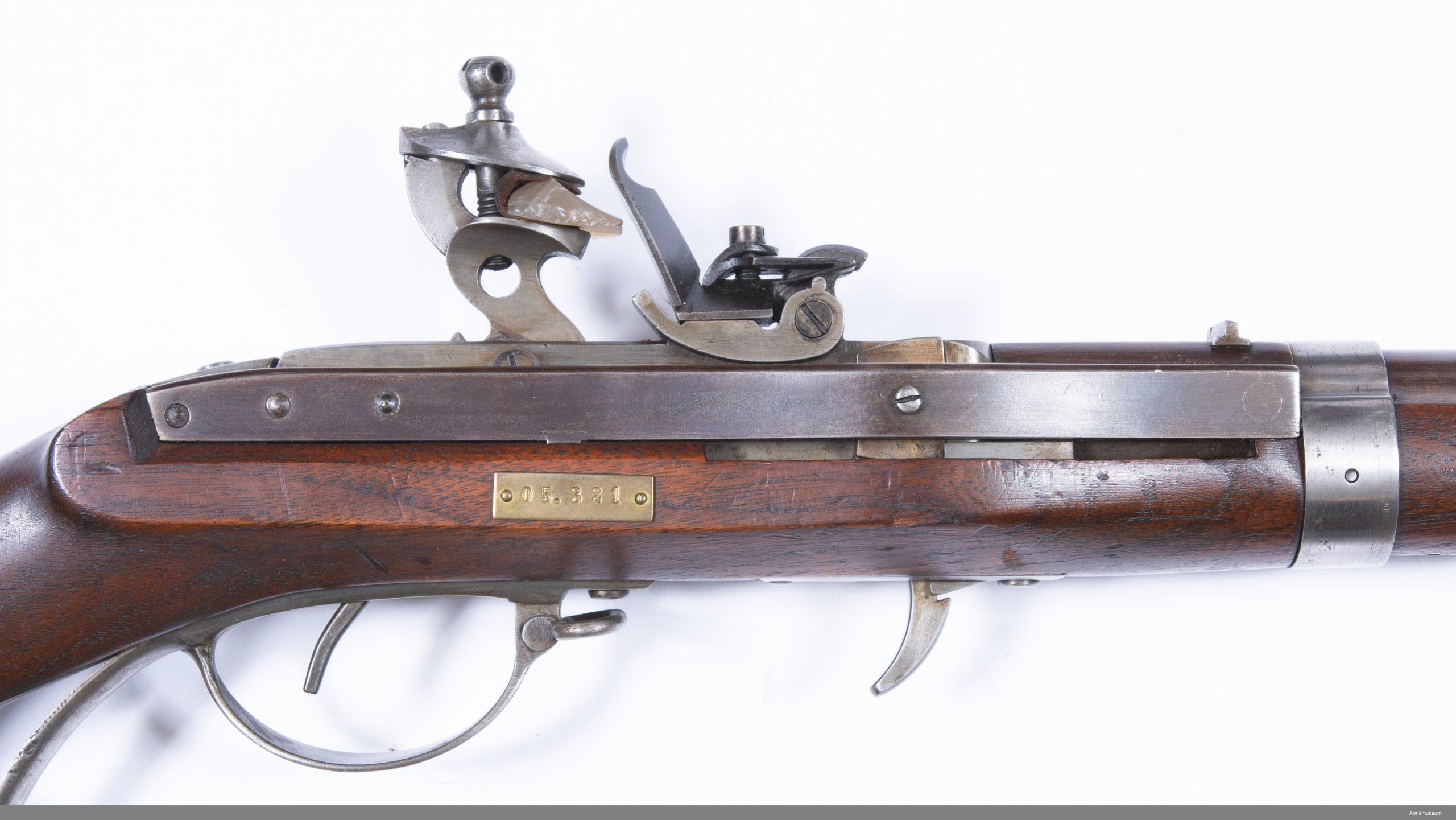
John H. Hall’s rifle, patented in 1811 and produced for U.S. military service, helped introduce breech-loading to American service arms. Instead of loading every charge down the muzzle, the user loaded a separate chamber at the breech, an important design shift for its time. Hall rifles were used by the military during the first half of the 19th century, so they could appear with troops operating in frontier regions. Still, evidence is needed before linking one to a named surveyor. Its significance lies in the changing technology available to expedition escorts and soldiers.
7. Sharps Rifle
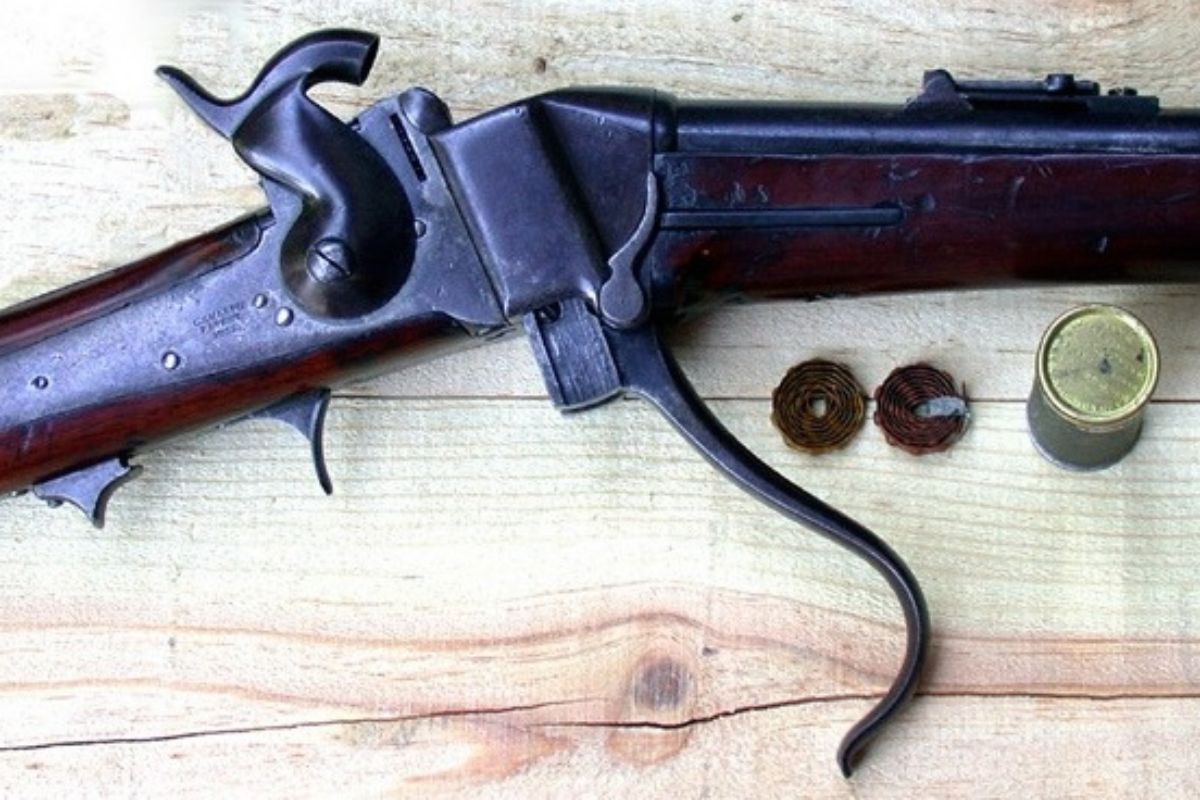
Christian Sharps patented his first breech-loading rifle design in 1848, and later models became associated with military service, hunting, and life on the American plains. Breech-loading made reloading more convenient than with older muzzle-loaders, especially for mounted users and people crossing wide landscapes. Surveyors often travelled alongside military escorts or civilian parties, so a Sharps might belong to the setting of later western expeditions. It should not be called a standard surveyor’s rifle; equipment depended on the date, employer, and expedition.
8. Winchester Model 1873

The Winchester Model 1873 became one of the best-known repeating rifles of the American West. Introduced in 1873, it commonly used .44-40 cartridges and came in rifle and shorter carbine versions. Compared with single-shot muzzle-loaders, a lever-action repeater offered several cartridges before reloading, a change for people travelling through remote regions. By this period, many areas were already mapped by Indigenous communities and earlier expeditions, even when official maps remained incomplete. The Winchester reflects a later era of western travel, not the first wave of exploration.