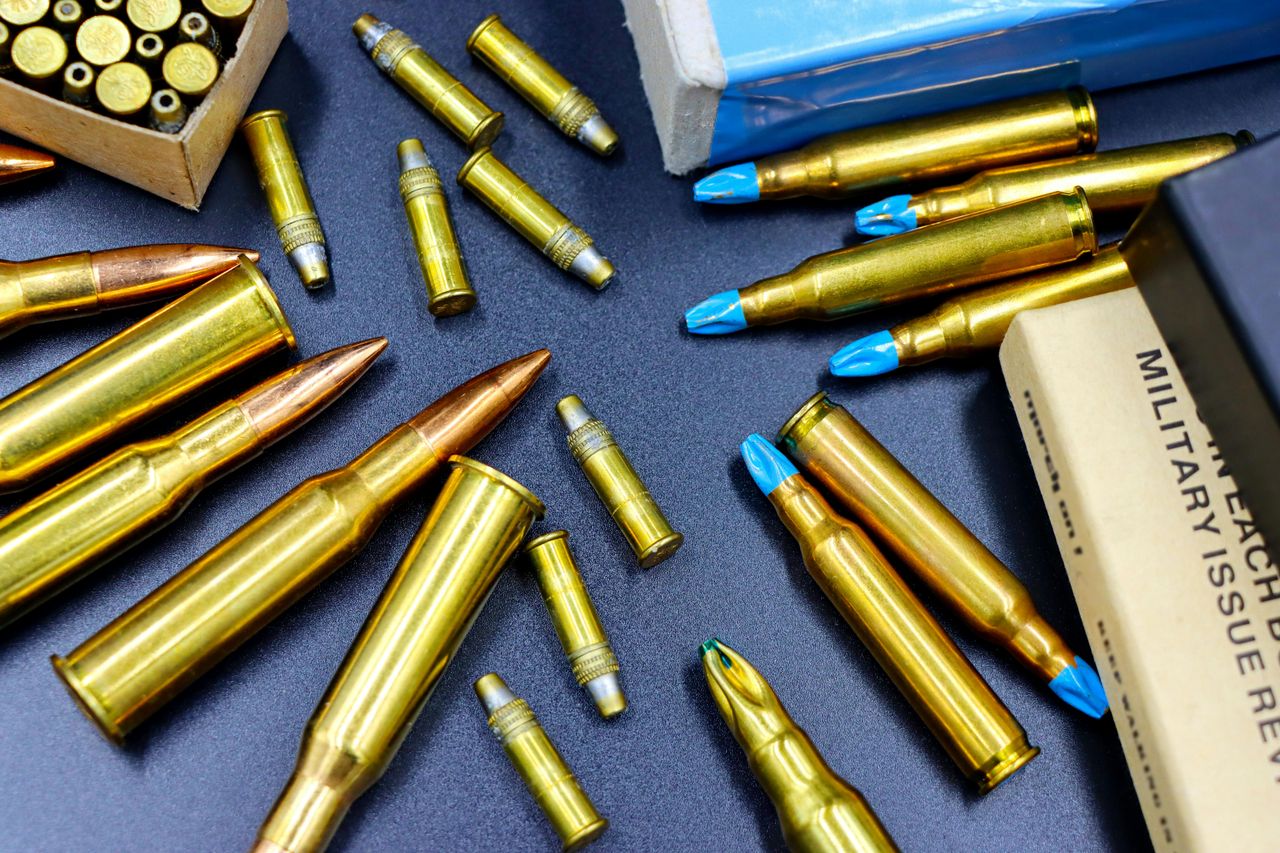
Hunters rarely abandon a cartridge overnight. More often, they slowly stop suggesting it to friends after dealing with hard-to-find ammo, sharp recoil, fussy performance, or better modern alternatives. This gallery looks at eight rifle calibers that have lost some quiet support in hunting circles, not because they never worked, but because many seasoned shooters think there are now easier, smarter options.
.243 Winchester
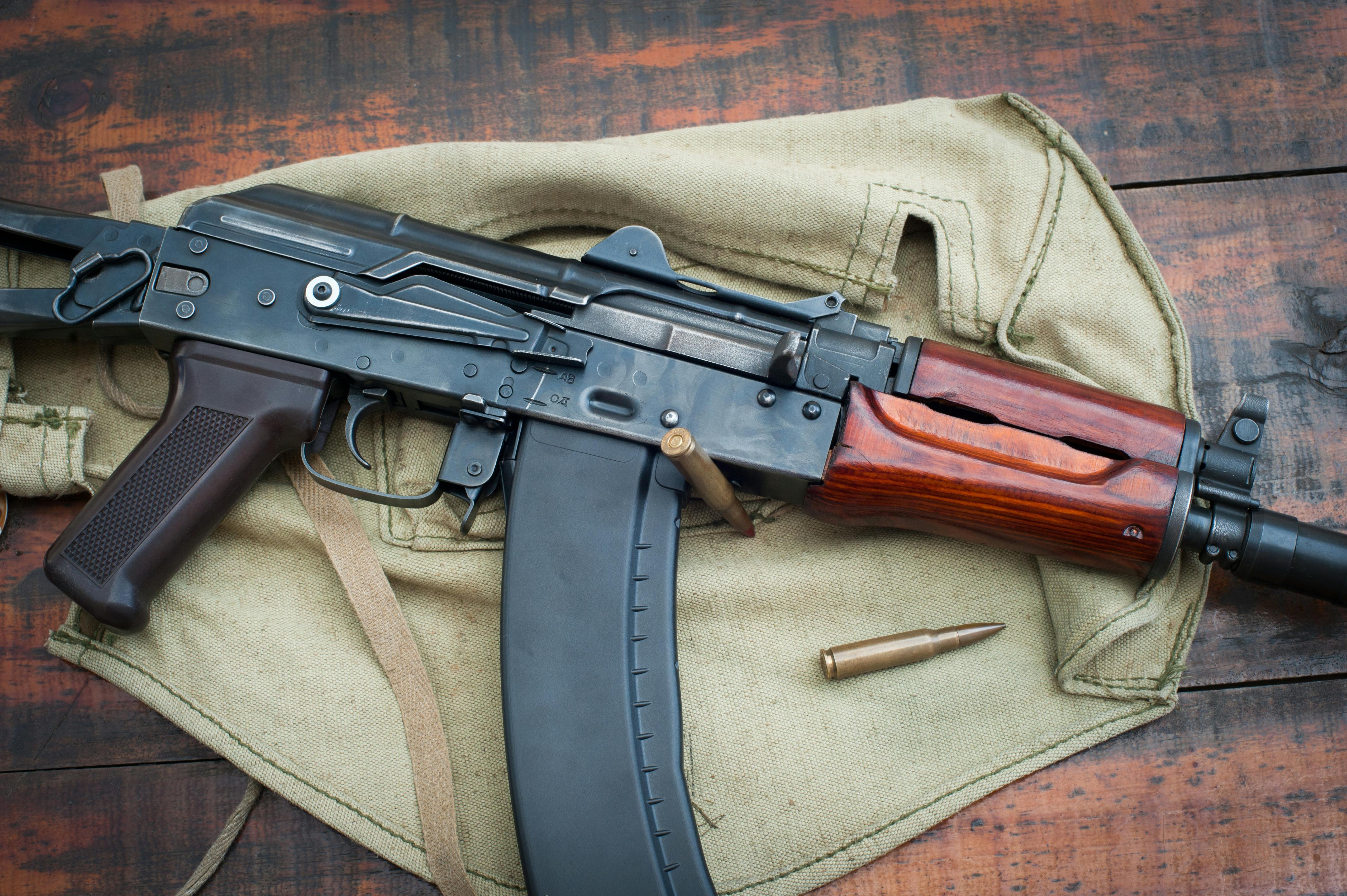
The .243 Winchester still has loyal fans, especially among recoil-sensitive shooters and younger hunters. But serious hunters often hesitate to recommend it as a general big-game round because its margin for error can feel slim once animals get larger, angles get worse, or shot placement is less than perfect.
On deer-sized game, it can work beautifully with the right load. The problem is that many hunters want one rifle that covers more situations, and the .243 can seem a bit light for that role. In a market full of mild-recoiling 6.5 mm options, this old favorite no longer feels like the obvious answer it once was.
.25-06 Remington

For years, the .25-06 Remington had a reputation as a flat-shooting, elegant deer cartridge with real reach. Hunters appreciated its speed and versatility, and in open country it earned a lot of respect. Quietly, though, fewer experienced shooters have been steering newcomers toward it.
Part of the change comes down to practicality. Rifle and ammo selection is not what it is for more mainstream chamberings, and barrel length matters if you want full performance. Many hunters now look at cartridges like the 6.5 Creedmoor or .270 Winchester and decide they get similar field results with easier ammo access, broader rifle choices, and less fuss overall.
.270 WSM
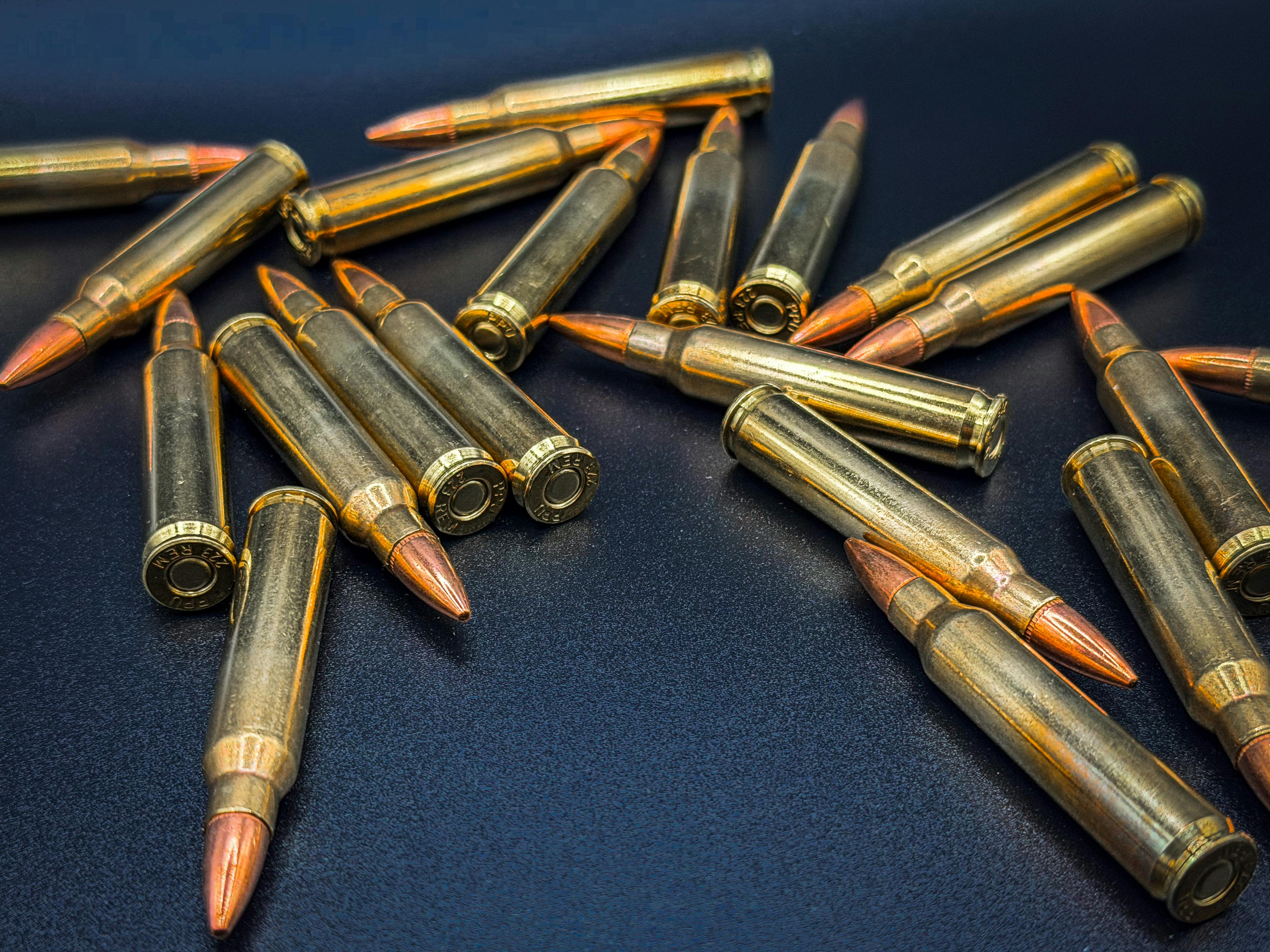
The .270 WSM promised magnum-like speed in a short-action package, and on paper that sounded like a winner. It certainly delivers strong ballistics, and some hunters still swear by it in big country where longer shots are part of the plan.
The hesitation comes from everything around the cartridge, not just what it does on target. Ammo can be harder to find and more expensive than standard chamberings, especially during shortages. Hunters who once liked the idea of extra velocity have increasingly decided the gain is not dramatic enough to outweigh cost, recoil, and availability headaches when classic options already get the job done.
7mm Remington Magnum
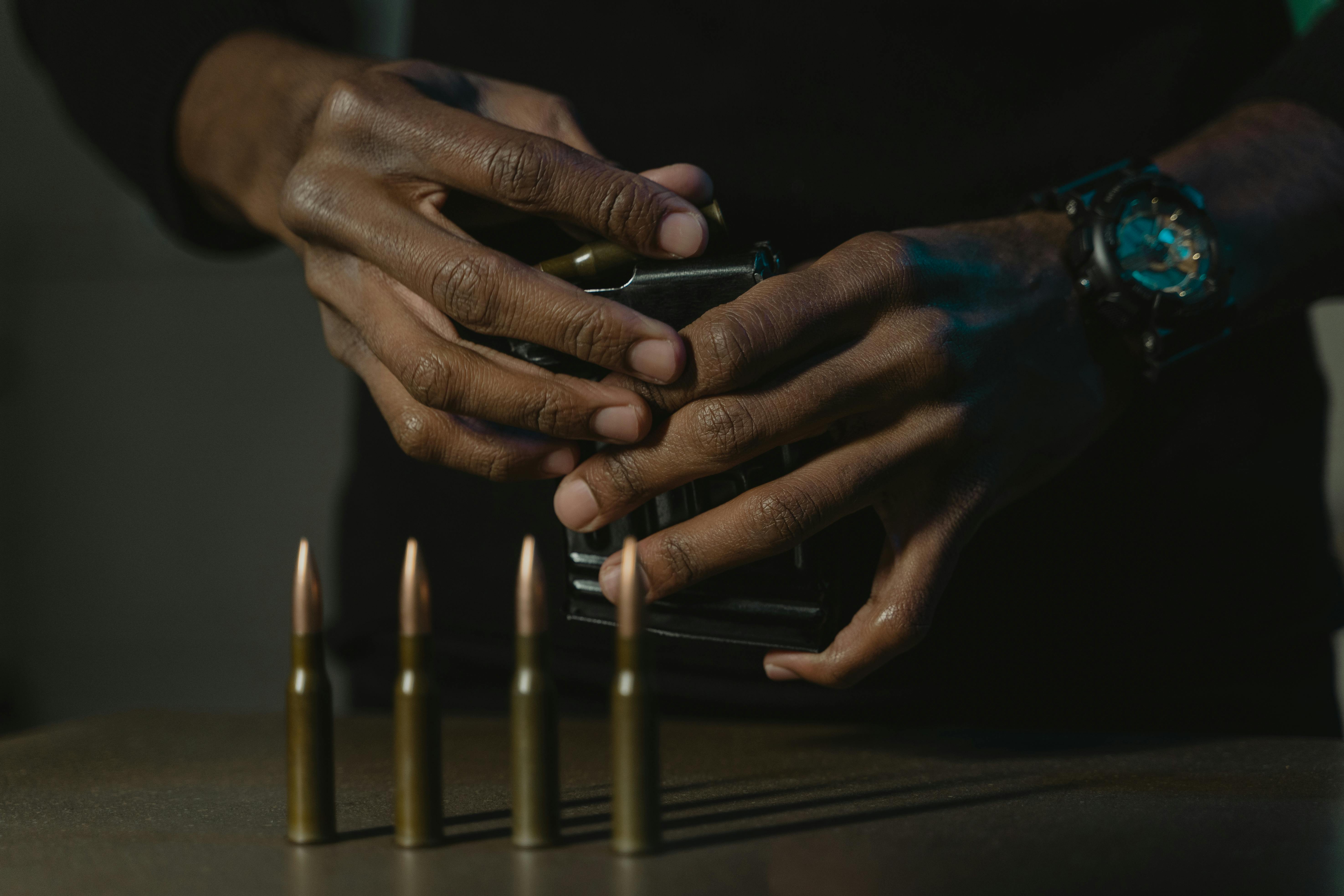
The 7mm Remington Magnum remains one of the most capable hunting cartridges ever made. It shoots flat, hits hard, and has taken just about every kind of North American game. Yet many serious hunters have become more selective about recommending it to the average person.
The reason is simple: many shooters do not handle the recoil as well as they think they do. In the field, confidence matters more than ballistic bragging rights, and too much rifle can lead to flinching, poor practice habits, and missed opportunities. Plenty of hunters now steer friends toward softer-shooting rounds that are easier to master and more enjoyable to shoot often.
.300 Winchester Magnum

There is no denying the authority of the .300 Winchester Magnum. It has long been the answer for hunters who want reach, power, and flexibility for bigger animals. But that broad capability has also made it a default recommendation when, in many cases, it is simply more cartridge than most people need.
Experienced hunters have watched plenty of newcomers buy one, shoot it a little, then dread range time because of recoil and muzzle blast. For elk, moose, or long open-country shots, it still makes sense. For ordinary deer hunting, though, many now see it as an expensive, loud, overcommitted choice when lighter rounds produce cleaner real-world shooting.
.30-06 Springfield

The .30-06 Springfield is not obsolete, and no experienced hunter would call it ineffective. In fact, its long record is exactly why this one surprises people. The quiet shift is not about failure. It is about the fact that it no longer feels like the automatic best answer for nearly everyone.
Modern hunters often prefer more specialized tools, whether that means lower recoil for deer, short-action efficiency, or high-ballistic-coefficient bullets in newer chamberings. The .30-06 can still do almost everything well, but it does not always do any one thing best. For many serious hunters, that all-around competence has become less compelling than it used to be.
.257 Weatherby Magnum
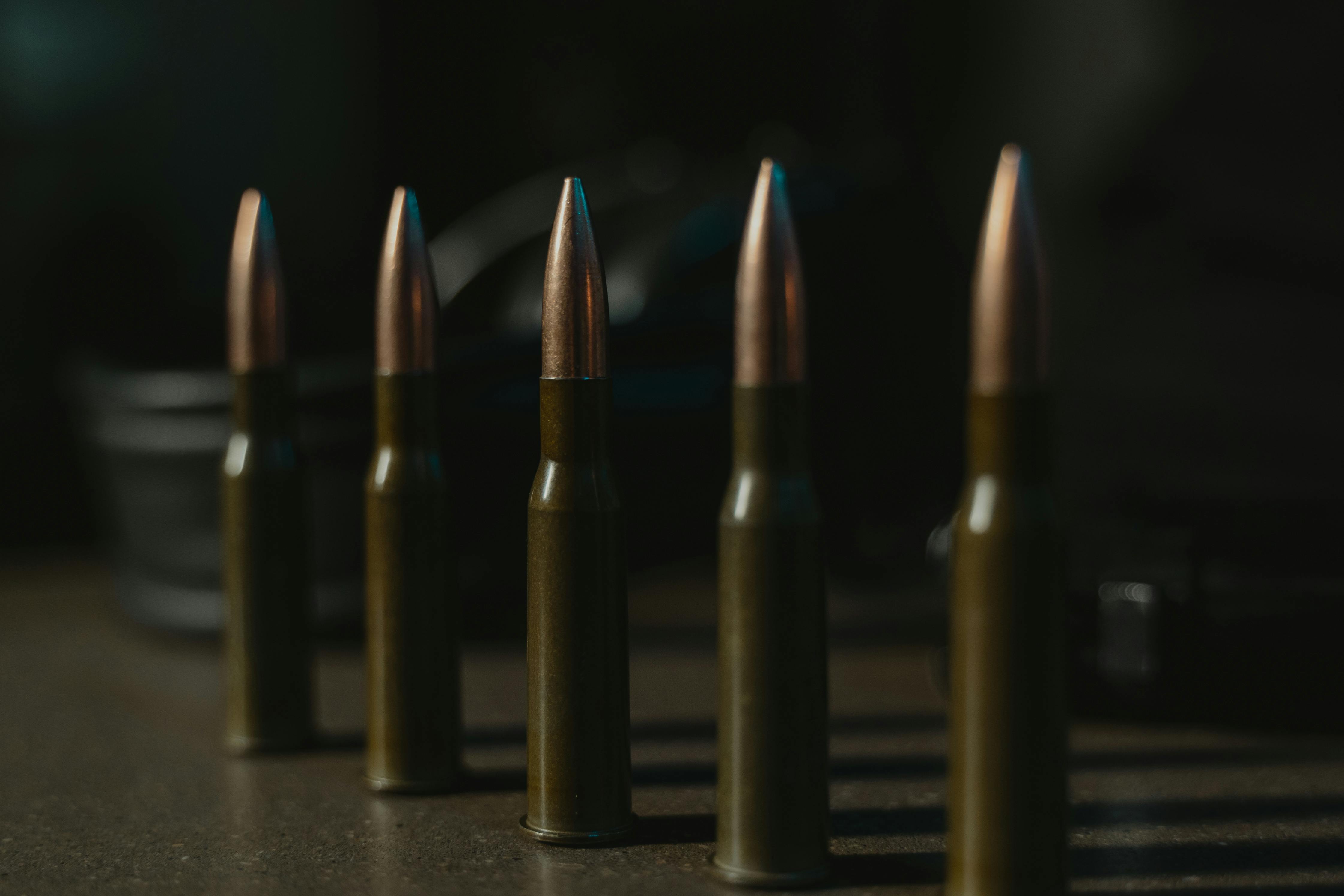
The .257 Weatherby Magnum has always had a certain mystique. It is fast, glamorous, and undeniably effective on deer and antelope when used well. Hunters who love velocity often speak about it with real affection, especially in wide-open country where flat trajectories are prized.
Still, serious recommendations have softened because it asks a lot from the owner. Ammo cost is steep, availability can be spotty, and the cartridge performs best in rifles built to support that speed. For many hunters, the juice simply is not worth the squeeze. More common rounds can deliver practical hunting performance without the same expense, barrel wear, or logistical hassle.
6.5-300 Weatherby Magnum

The 6.5-300 Weatherby Magnum arrived with attention-grabbing speed and serious long-range appeal. On paper, it looked like the kind of cartridge that could dominate mountain and western hunting conversations. In reality, many experienced hunters came to see it as impressive but excessive for ordinary field use.
Its drawbacks are the kind that matter more over time than on a spec sheet. Recoil is not trivial, barrel life is a common concern, and ammunition is neither cheap nor easy to grab at every store. Hunters who value practice, availability, and balanced performance often end up recommending more manageable 6.5 mm cartridges instead of this high-octane outlier.