A great camping knife can do a surprising amount of work. If you could carry only one in 2026, experts say the smartest choice is a versatile fixed blade that handles real camp tasks without becoming a burden.
Why experts keep coming back to the same kind of knife
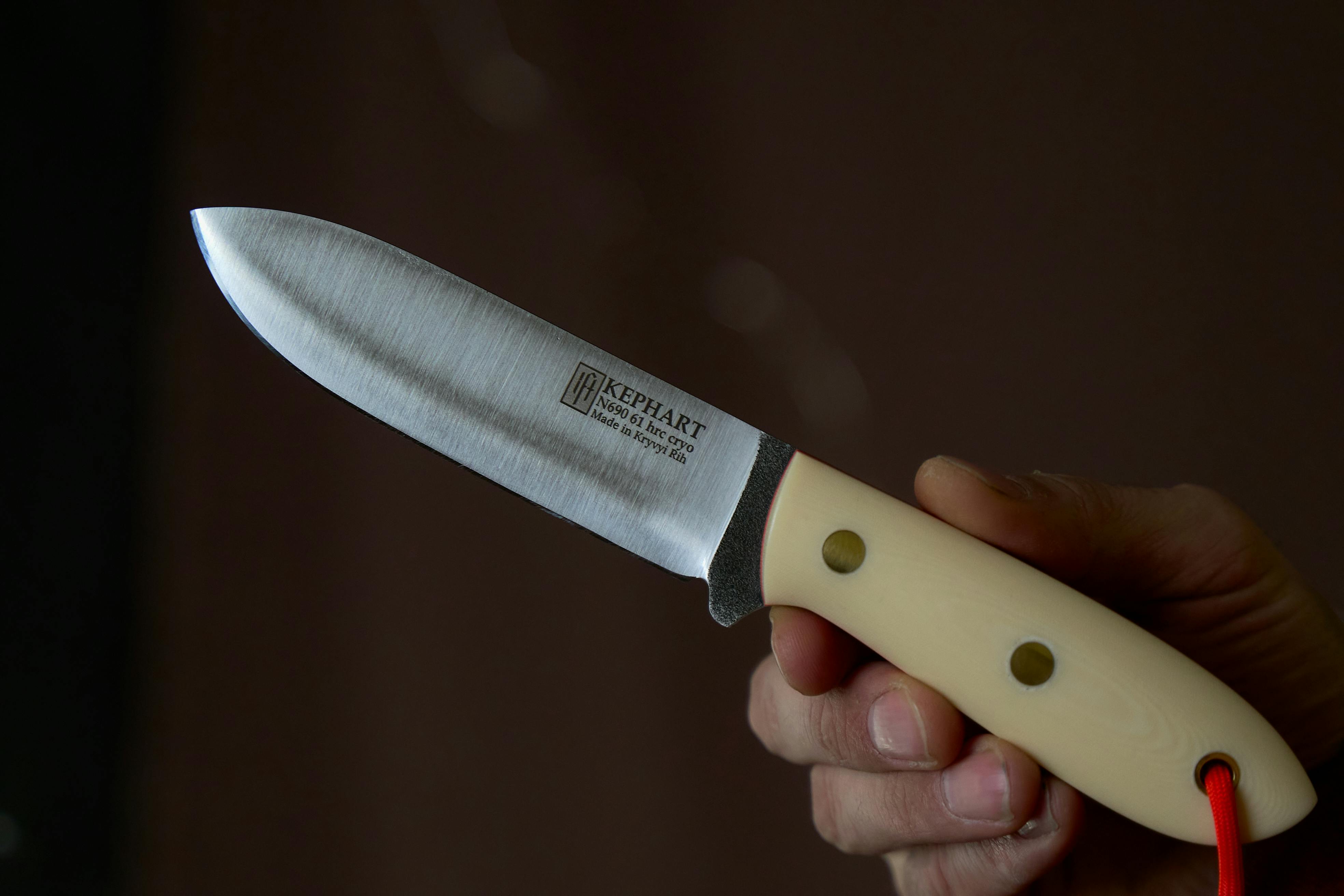
Ask guides, survival instructors, hunters, and long-distance campers what single knife they would trust for a weekend or a week, and a pattern appears quickly. Most do not choose the biggest blade, the fanciest steel, or the most tactical-looking design. They usually recommend a mid-sized fixed blade, often in the 4 to 5 inch range, because it covers the broadest range of camp jobs with the fewest compromises.
That recommendation has held steady for years, but in 2026 it feels even more relevant. Outdoor gear has become more specialized, and folding knives have improved dramatically, yet field professionals still value simplicity when conditions are wet, cold, dirty, or rushed. A fixed blade has no pivot to gum up with grit, no lock to fail, and no moving parts to baby when your hands are numb.
The sweet spot, according to many knife makers and wilderness trainers, is a blade long enough to process kindling, cut cordage, prepare food, and handle emergency tasks, but short enough to stay controllable. That is why so many one-knife recommendations cluster around practical models such as the ESEE-4, the Benchmade Anonimus, the Morakniv Garberg, and similar all-purpose fixed blades. Different brands come and go, but the formula remains strikingly consistent.
The features that matter more than brand hype
If experts had to rank priorities, blade geometry would be near the top. A camping knife is a tool first, so the shape and grind matter more than flashy finishes or aggressive styling. A drop point blade remains the most common recommendation because it gives a strong tip, a broad belly, and useful control for everything from feather sticks to food prep. It is not the most dramatic profile, but it is one of the most consistently useful.
Steel matters too, though not always in the way buyers expect. Super steels sound appealing, yet many seasoned users still favor steels that are tough, predictable, and easy to resharpen in the field. That is why steels like 14C28N, 1095, MagnaCut, and CPM Cru-Wear often enter the conversation. In a camping context, edge stability and sharpenability usually beat bragging-right hardness.
Handle design is another quiet make-or-break factor. Experts often emphasize a knife you can grip safely when wet, cold, or tired, with no hot spots during extended carving. A secure sheath matters just as much. In real camp life, a knife that disappears comfortably on the belt or pack strap gets carried, and a knife that annoys you gets left behind, no matter how impressive it looked in the store.
The one-knife profile most specialists recommend in 2026
So what does the ideal one-knife setup look like this year? In practical terms, it is usually a full-tang fixed blade with a blade length around 4.25 inches, a plain edge, and a sturdy but not overly thick spine. Many experts point to thickness around 0.12 to 0.16 inches as a useful middle ground. Thin enough to slice efficiently, thick enough to take abuse, that range avoids the wedge-like feel of oversized survival knives.
Most specialists also favor a neutral handle shape over deeply finger-grooved designs. A neutral handle works in more grip positions, whether you are choking up for detail work, bearing down for wood processing, or slicing dinner ingredients at camp. Materials like micarta, rubberized polymers, and textured G-10 remain popular because they hold traction in rain and require little maintenance.
As for finish and carry, practical users often prefer a subdued coating or stonewashed surface that hides wear. Sheath choice has become more refined in 2026, with molded polymer sheaths and modern leather hybrids both earning support. The best one-knife system is not just a blade. It is a package you can deploy quickly, carry comfortably, clean easily, and trust without fuss.
Why fixed blades beat folders when you only get one choice
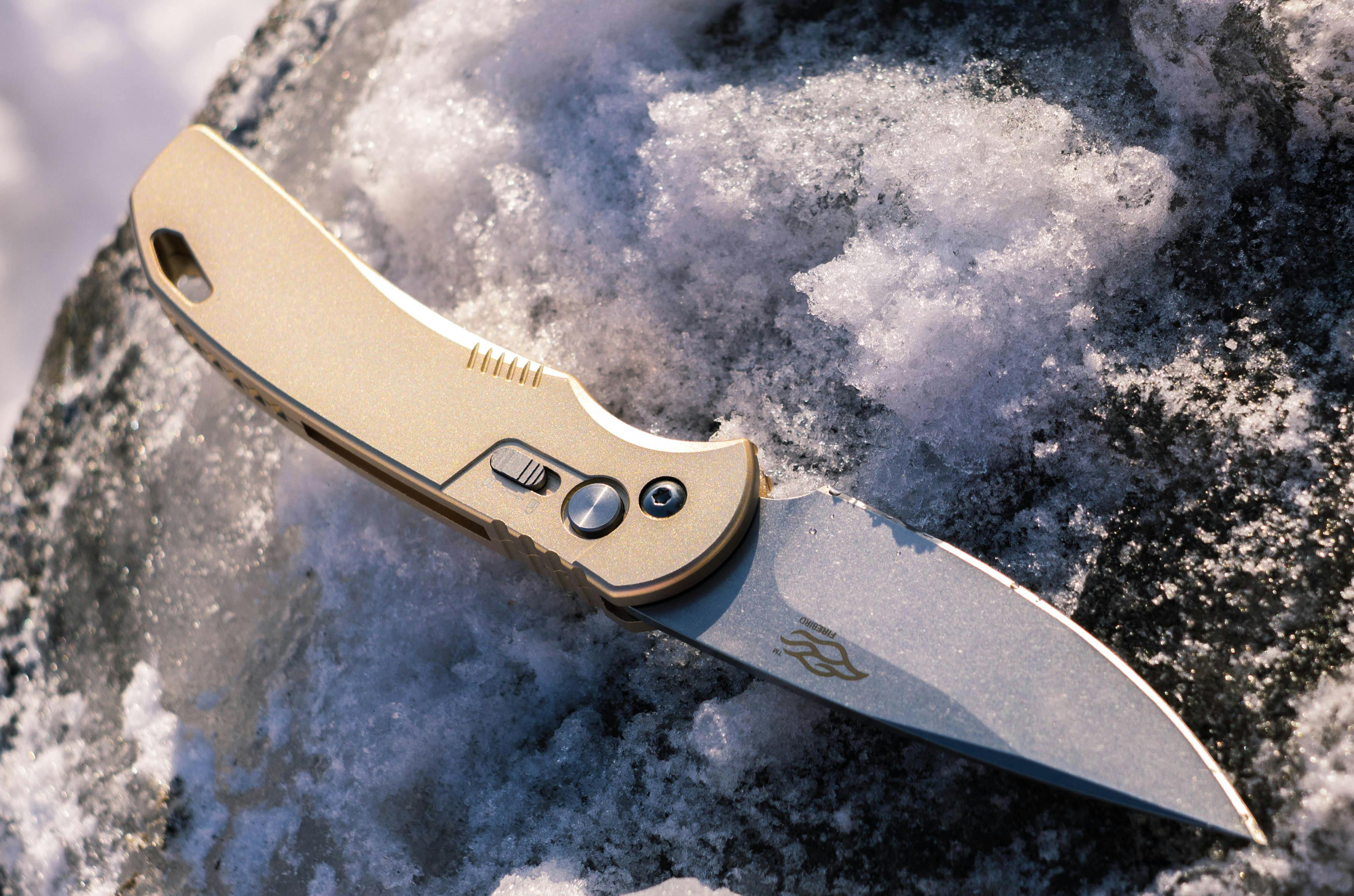
Plenty of people love folding knives, and for daily carry they make a lot of sense. But when experts answer the one camping knife question seriously, fixed blades keep winning for straightforward reasons. Strength is the obvious one. Batoning through small wood, twisting during notching, or cutting tough material puts stress on a knife, and a fixed blade distributes that stress more confidently than a pivoting design.
Reliability is the second reason. Dirt, sap, fish slime, and pocket lint are all annoying but manageable until they interfere with opening or locking. In camp, maintenance opportunities can be limited. A fixed blade is easier to rinse, wipe, and put back to work. That may sound mundane, but in the outdoors the boring tool that always works is often the best tool.
Safety is the third advantage, and it is frequently overlooked. Under fatigue, cold weather, or rain, any extra mechanical step becomes one more chance for error. A fixed blade comes out ready to use and goes back into the sheath just as simply. Experts who train beginners often note that people make fewer handling mistakes with a well-sheathed fixed blade than with folders that require careful opening and closing under awkward conditions.
Real-world examples of knives that fit the expert formula
If you want names, several models show up repeatedly because they reflect this balanced approach. The Morakniv Garberg is widely praised for offering strong performance at a relatively accessible price, with a practical Scandinavian-inspired grind and durable construction. The ESEE-4 remains a favorite among instructors because of its proven toughness, excellent warranty reputation, and straightforward usability in rough conditions.
Higher-end buyers often hear recommendations for knives in CPM MagnaCut, which by 2026 has become one of the most talked-about stainless options for good reason. It offers an unusually appealing mix of toughness, edge retention, and corrosion resistance. Models from makers such as Benchmade, White River, and Bradford often attract attention here, especially for campers in wet climates where rust resistance matters day after day.
Then there are the quiet specialists. Knife users who spend time fishing, canoe camping, or backpacking often favor lighter fixed blades with thinner stock, because slicing efficiency and carry comfort matter more than brute-force durability. That is an important expert lesson in itself. The best single camping knife is not the most extreme knife. It is the knife whose strengths match what campers actually do most often.
How to choose based on your camping style, not trends
Your ideal one-knife choice changes depending on how you camp. Car campers who split kindling, cook full meals, and set up a more permanent site can comfortably carry a slightly heavier blade. In that case, toughness and hand comfort may matter more than ounces. A robust 4.5 inch fixed blade can feel like the perfect all-around camp companion when weight is not critical.
Backpackers, on the other hand, often benefit from restraint. Every ounce counts, and many trail tasks involve slicing food packets, trimming cord, making small fire prep cuts, and occasional repairs. For that user, a lighter knife with a thinner grind may outperform a heavier survival-style blade. Experienced hikers often point out that carrying too much knife is just as real a mistake as carrying too little.
Climate also plays a major role. In humid forests, coastal environments, or snowy trips where gear stays wet, stainless steel earns a clear advantage. In dry climates, simple carbon steels remain attractive because they are easy to touch up and often very tough. Experts consistently suggest matching the knife to the trip environment first, then your preferences second, and marketing claims a distant third.
The smartest final answer if you can buy only one
If you forced a broad panel of experts to settle on one type of camping knife for 2026, the consensus answer would be remarkably practical. Choose a fixed blade with a 4 to 5 inch drop point blade, full tang construction, comfortable textured handle scales, and steel that balances corrosion resistance, toughness, and easy maintenance. That description may not sound glamorous, but it captures what works again and again in the field.
For many buyers, that means resisting the urge to go too large, too thick, or too specialized. A giant survival knife is cumbersome for food prep and fine carving. An ultralight blade may feel great until harder use begins. The best one-knife solution lives in the middle, where enough strength meets enough slicing ability and enough comfort to be used for hours rather than minutes.
If you want the shortest version of expert advice, it is this: buy the knife you will actually carry, can sharpen confidently, and feel safe using in bad weather. In 2026, that still points to the same dependable answer professionals have favored for years. A mid-sized fixed blade is not the most exciting choice. It is simply the one most likely to prove right when the trip gets real.