Carrying a concealed firearm comes with more than a permit and a holster. Small lapses in judgment, training, or attention can quickly turn into legal headaches, safety risks, or life-changing consequences. This gallery breaks down common concealed carry mistakes in clear, everyday terms so readers can better understand where people go wrong.
Ignoring local and state laws

One of the biggest mistakes concealed carriers make is assuming the rules are basically the same everywhere. In reality, laws can change from one state to the next, and sometimes from one city or public building to another. A permit that is valid at home may not protect you while traveling.
Even details like magazine limits, duty to inform police, signage requirements, and where carry is prohibited can vary widely. People often get into serious trouble not because they meant to break the law, but because they never checked the law closely enough before carrying.
Carrying without real training

A permit class is not the same thing as meaningful training. Many people meet the minimum legal requirement, then assume they are fully prepared to carry a firearm in public. That gap between certification and competence is where bad decisions often begin.
Real training covers safe handling, drawing from concealment, target identification, stress response, and de-escalation. It also teaches what not to do, which can matter just as much as marksmanship. Without practice, even a well-intentioned carrier can fumble a firearm, misread a threat, or make a panicked choice in a fast-moving situation.
Using a poor holster

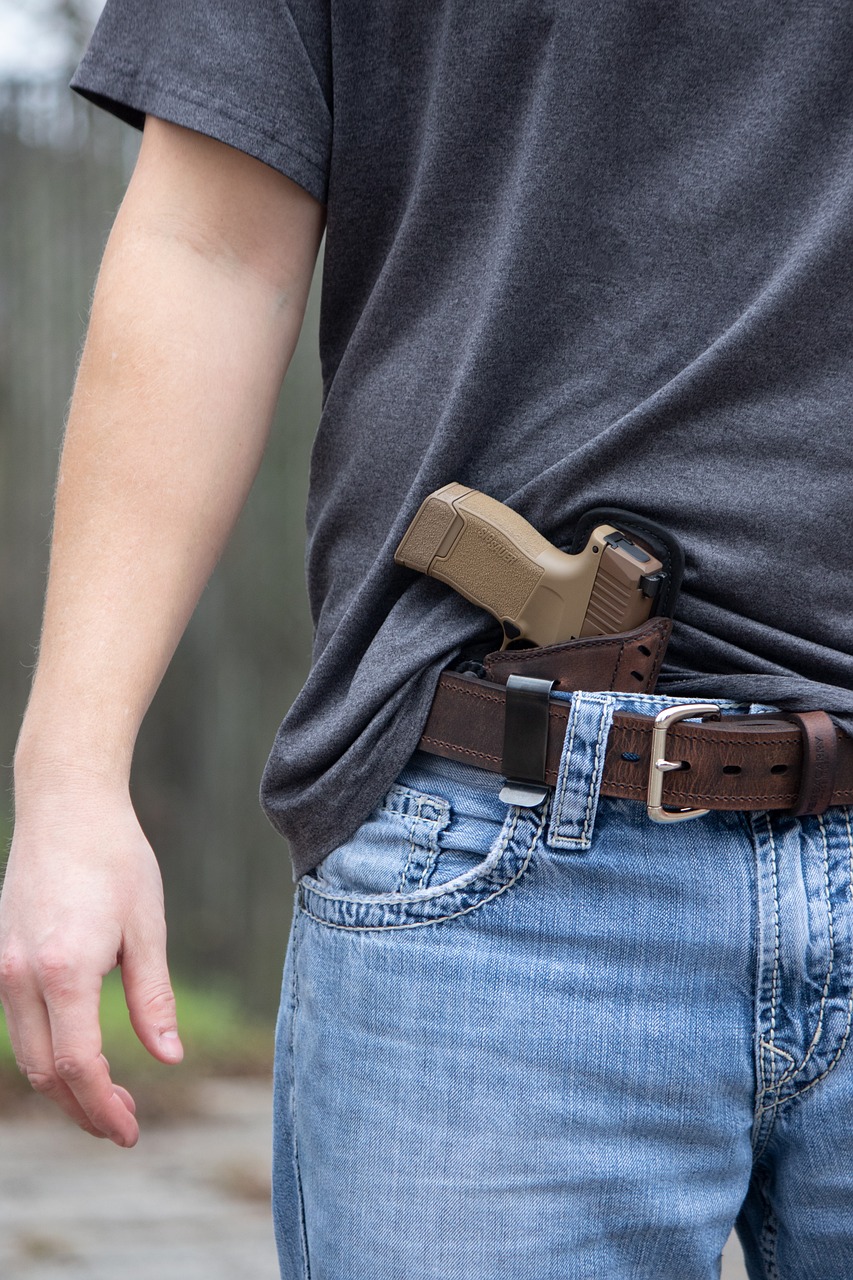
A cheap or badly designed holster can create problems long before anyone notices you are carrying. If it does not fully cover the trigger guard, retain the firearm securely, or stay in place during movement, it introduces unnecessary risk into an already serious responsibility.
Poor holsters can lead to accidental exposure, unsafe reholstering, or even negligent discharges. Comfort matters, but safety and fit matter more. A concealed carrier who cuts corners on gear may discover that the holster they chose for convenience becomes the reason a routine day turns into an emergency or an arrest.
Printing or exposing the firearm carelessly

Concealed means concealed, yet many carriers pay too little attention to how their firearm appears under clothing. A visible outline, known as printing, may not always be illegal, but it can attract unwanted attention from strangers, store employees, or law enforcement.
Careless exposure can happen while reaching, bending, or adjusting clothing in public. It may alarm people who are unfamiliar with firearms or cause someone to report a weapon. Even when no crime has occurred, that kind of encounter can escalate quickly and create a stressful situation that could have been avoided with better wardrobe choices and awareness.
Leaving the gun unsecured in a vehicle

Vehicles are one of the most common places firearms are stolen, especially when owners leave them in glove boxes, center consoles, or under seats. A quick stop can feel harmless, but a smash-and-grab thief only needs seconds to turn that firearm into a public safety problem.
In some places, the law may also require specific storage methods when a gun is left in a car. Beyond the legal issue, there is the moral one. A responsibly carried firearm should not become an easy target for theft simply because its owner chose convenience over secure storage.
Entering prohibited places

Schools, courthouses, government buildings, certain businesses, and secured airport areas often have strict rules about firearms. Some concealed carriers assume a permit gives them broad authority to carry almost anywhere, only to learn too late that prohibited locations are taken very seriously.
Walking into the wrong place with a concealed firearm can lead to removal, arrest, permit suspension, or criminal charges. Sometimes the mistake happens because someone forgot the gun was on them. That explanation rarely solves the problem. Good concealed carry habits include checking destinations ahead of time and having a lawful storage plan before leaving home.
Handling the firearm in public

Few things create panic faster than someone casually adjusting, checking, or repositioning a handgun in public view. Even if the carrier believes they are being discreet, other people may see only a weapon being handled outside a clear emergency. That can trigger fear, 911 calls, and a dangerous police response.
A firearm should stay holstered unless there is a lawful and urgent reason to draw it. Constant touching or readjusting also suggests poor concealment setup and weak discipline. In public, calm and restraint matter. The more a concealed carrier fusses with the gun, the more trouble they invite.
Talking too loosely about carrying

Some people treat concealed carry like a personality trait and mention it to friends, coworkers, or even strangers. That habit can create tension, attract unwanted scrutiny, or make others feel threatened, especially if the comments are casual, boastful, or poorly timed.
Loose talk also undermines the entire point of concealed carry. The fewer people who know, the fewer opportunities there are for misunderstanding, gossip, theft, or confrontation. A responsible carrier does not need to advertise that they are armed. Quiet judgment and discretion usually do far more to keep a situation calm than bravado ever will.
Failing to practice judgment and restraint

A concealed firearm does not make ordinary arguments safer, and it certainly does not make someone a police officer. Yet people still get into serious trouble when they let ego, anger, or fear guide their decisions while armed. The presence of a gun raises the stakes of every confrontation.
Good judgment means walking away from insults, avoiding escalation, and recognizing that carrying a weapon brings a greater duty to stay calm. A legally armed person who chases conflict, inserts themselves into questionable situations, or reaches for a gun too quickly can face devastating legal and personal consequences.
Neglecting safe storage at home

Concealed carry responsibility does not end when the day is over. At home, a firearm that is left unsecured on a shelf, in a drawer, or under a pillow can be accessed by children, guests, or thieves. Many tragedies begin with a gun that was carried responsibly in public but stored carelessly in private.
Safe storage can include quick-access safes, lock boxes, and consistent household rules about who may access the firearm. It is not just about compliance. It is about reducing preventable harm. A carrier who takes public safety seriously should treat home storage as part of the same commitment.