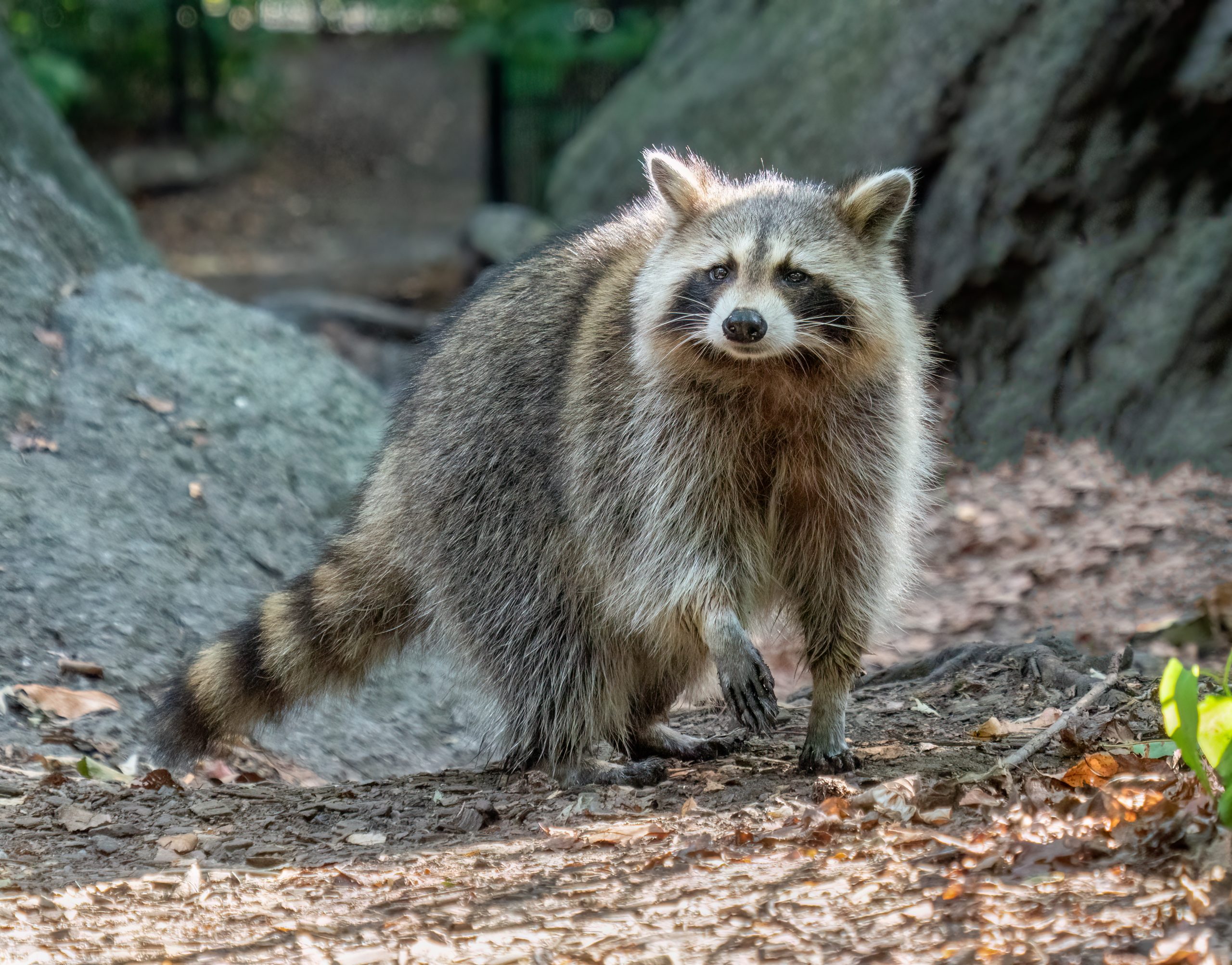
Raccoon hunting holds a special place in many rural American communities, where generations have passed down nighttime outings, trained hounds, and stories from memorable hunts. Unlike many forms of hunting that focus on daylight hours, this pursuit often begins after sunset and depends heavily on listening, patience, and teamwork. Its traditions grew from practical needs, local landscapes, and close relationships between hunters and their dogs. From familiar gathering spots to distinctive calls echoing through the woods, raccoon hunting has developed a culture that extends beyond harvesting an animal and connects people through shared experiences.
1. Nighttime Hunts Create a Different Atmosphere
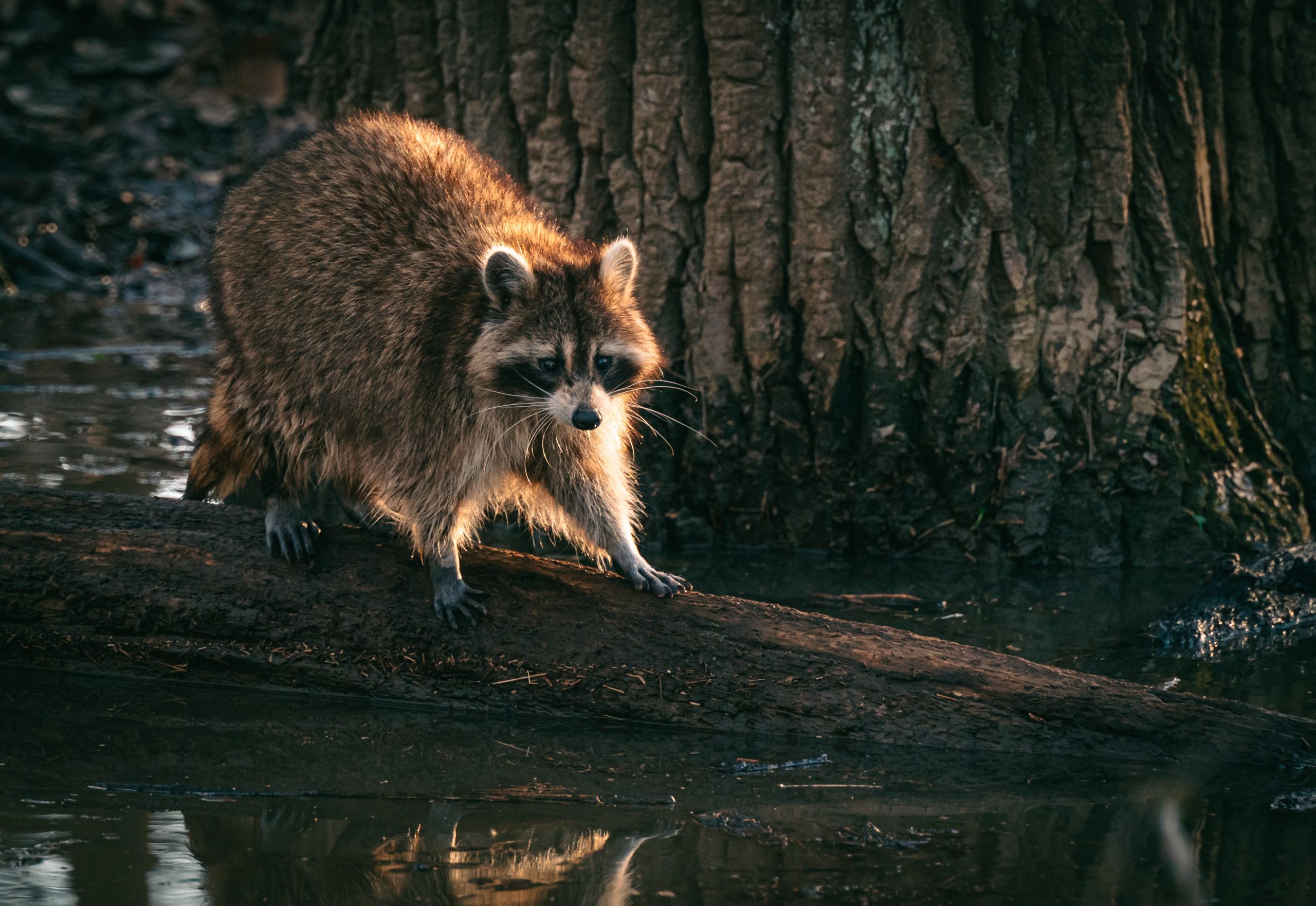
Raccoon hunting traditionally takes place after dark because raccoons are primarily nocturnal, becoming active as evening approaches. Hunters often gather around sunset, check their equipment, and prepare dogs before entering wooded areas. Darkness changes the experience completely: familiar trails become harder to navigate, and distant sounds carry greater importance. A hunt lasting 2 to 4 hours can involve long stretches of waiting interrupted by sudden excitement when dogs locate a scent. These nighttime outings create a distinctive atmosphere that many families and hunting partners have preserved across generations.
2. Hunting Hounds Are Central to the Tradition
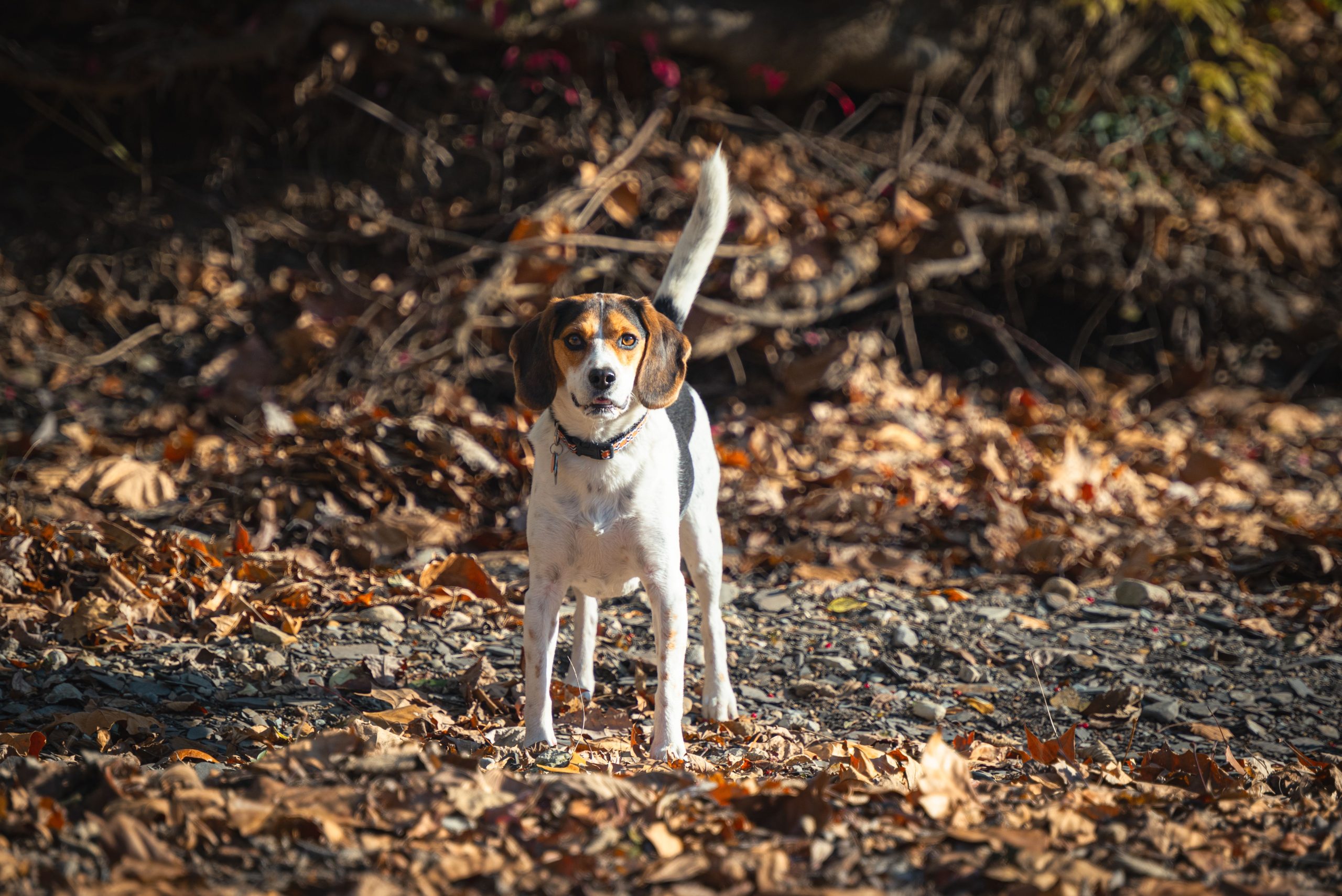
Trained hounds are a defining feature of traditional raccoon hunting, with breeds such as Treeing Walkers, Blueticks, and Black and Tans commonly associated with the pursuit. Their job is to follow a raccoon’s scent and alert hunters when the animal has climbed a tree. Training can begin when a dog is young and continue for months or years as it develops reliable tracking skills. A successful outing depends on cooperation between the handler and dog, not simply speed. For many enthusiasts, breeding, training, and caring for these dogs are traditions in their own right.
3. Distinctive Hound Music Brings Hunters Together
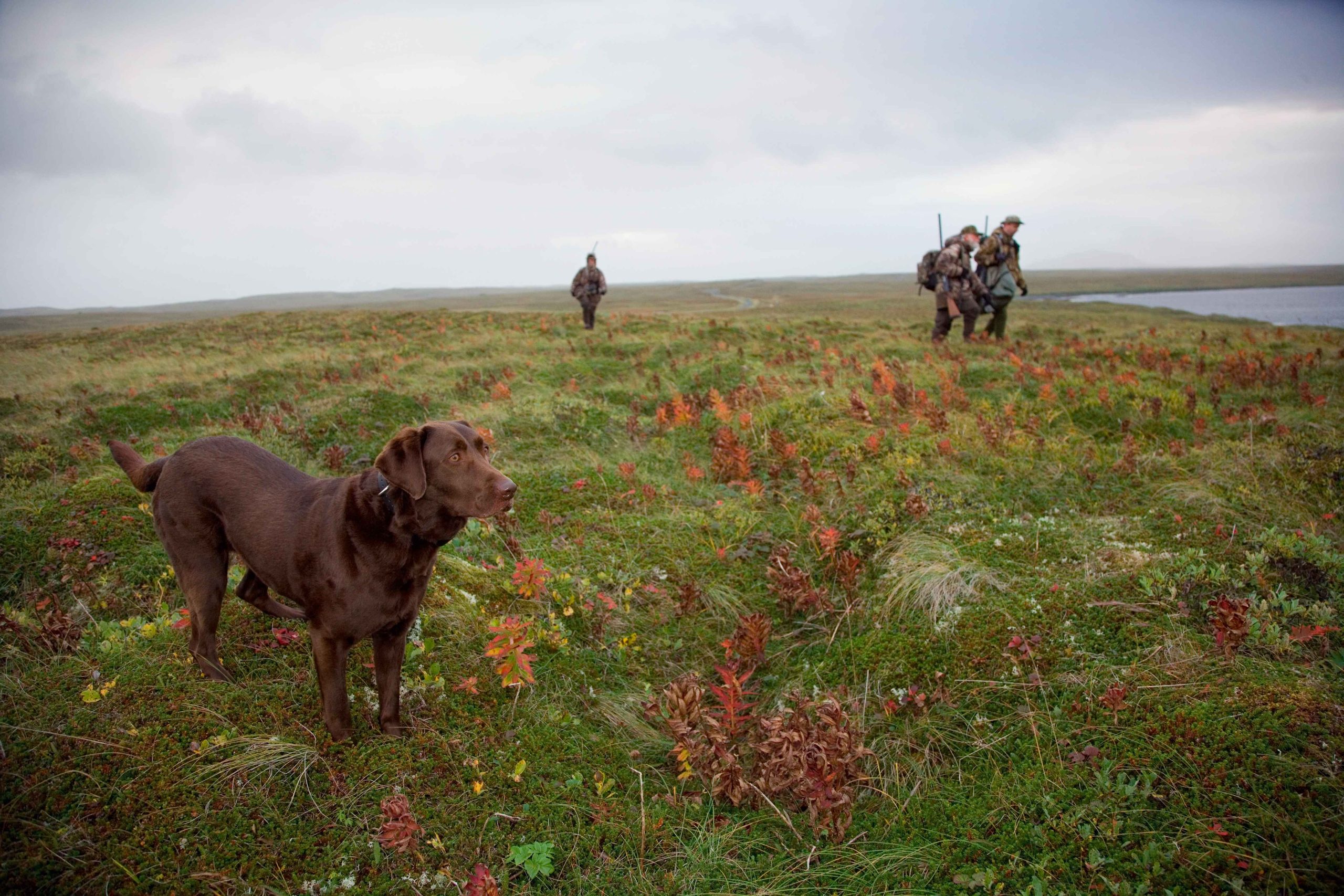
Experienced raccoon hunters often recognize individual dogs by their voices, including the changes in their calls as they follow a trail or locate an animal. These sounds help handlers understand what may be happening beyond their immediate view, although vocalizations alone cannot confirm every stage of a hunt. Some hunters can identify their own dog’s voice among several hounds working together. A group of 3 or 4 dogs may create a chorus that carries through the woods at night. Listening carefully and interpreting those sounds are skills passed from experienced hunters to newcomers.
4. Treeing Creates a Memorable Moment
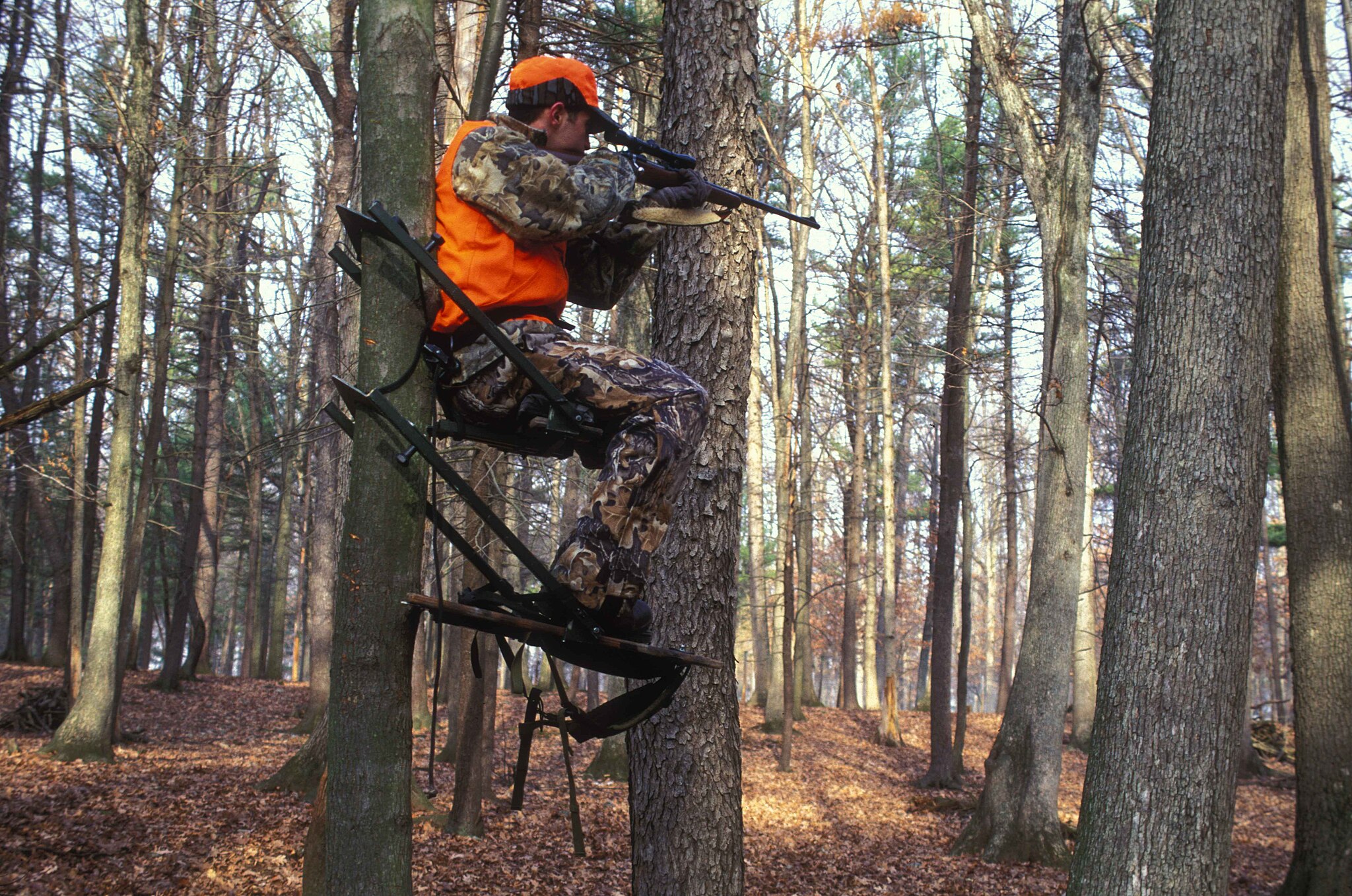
One of the best-known traditions in raccoon hunting is treeing, when a hound follows a scent until the raccoon climbs a tree and the dog signals its location. Hunters then move toward the sound, often using flashlights to examine branches and surrounding cover. The search may take only a few minutes or require a longer walk through difficult terrain. Raccoons can blend into thick foliage, so locating the animal is not always straightforward. For many hunters, the moment when a dog successfully trees a raccoon represents the result of training, persistence, and close teamwork.
5. Family Knowledge Passes Between Generations
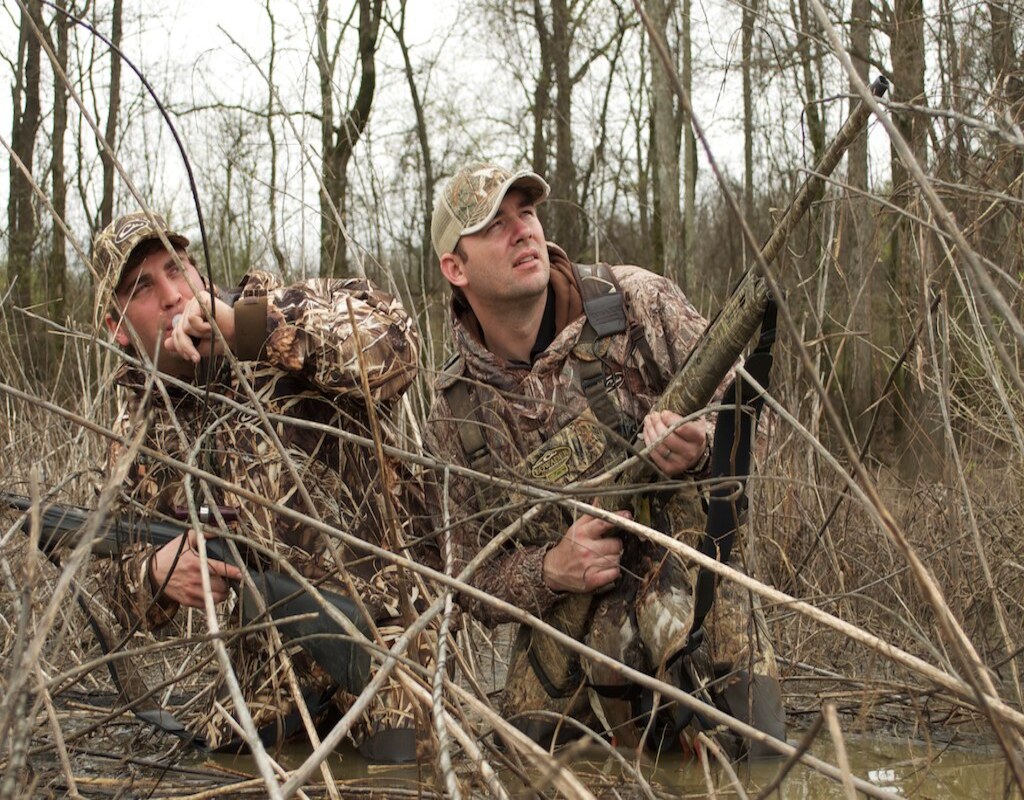
In many rural communities, raccoon hunting serves as an informal way to teach younger family members about wildlife, outdoor safety, and responsible dog handling. A parent or grandparent might explain how to read tracks, recognize animal signs, or move carefully through unfamiliar terrain. These lessons often happen gradually over repeated outings rather than during a single formal session. Even a short 2-hour trip can provide opportunities to discuss weather, habitat, and animal behavior. Families also share stories about old dogs and memorable nights, keeping personal experiences connected to a wider local heritage.
6. Local Competitions Preserve Hunting Skills
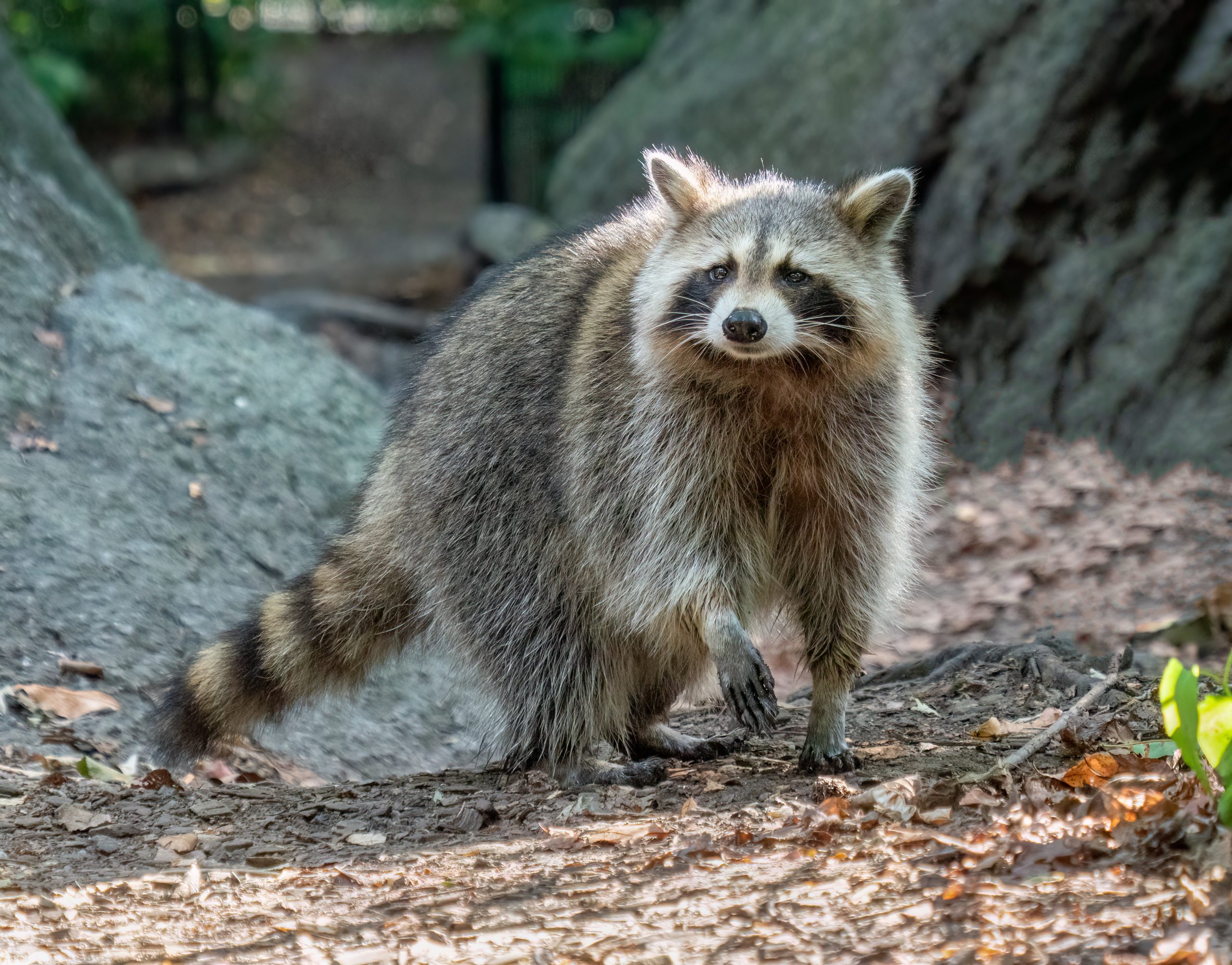
Organized coonhound events have helped preserve raccoon-hunting traditions by giving handlers chances to show their dogs’ abilities. Competition formats vary, but some use timed casts, judges, and scoring rules to assess performance on a trail. A cast may last around 2 hours, depending on the event’s rules. Competitors often prepare well in advance, working on obedience, tracking, and consistent responses to scent. These gatherings also provide opportunities to exchange training advice and meet other enthusiasts. Participants should understand each event’s rules, including animal welfare requirements and fair judging.
7. Rural Gathering Spots Strengthen Community Bonds
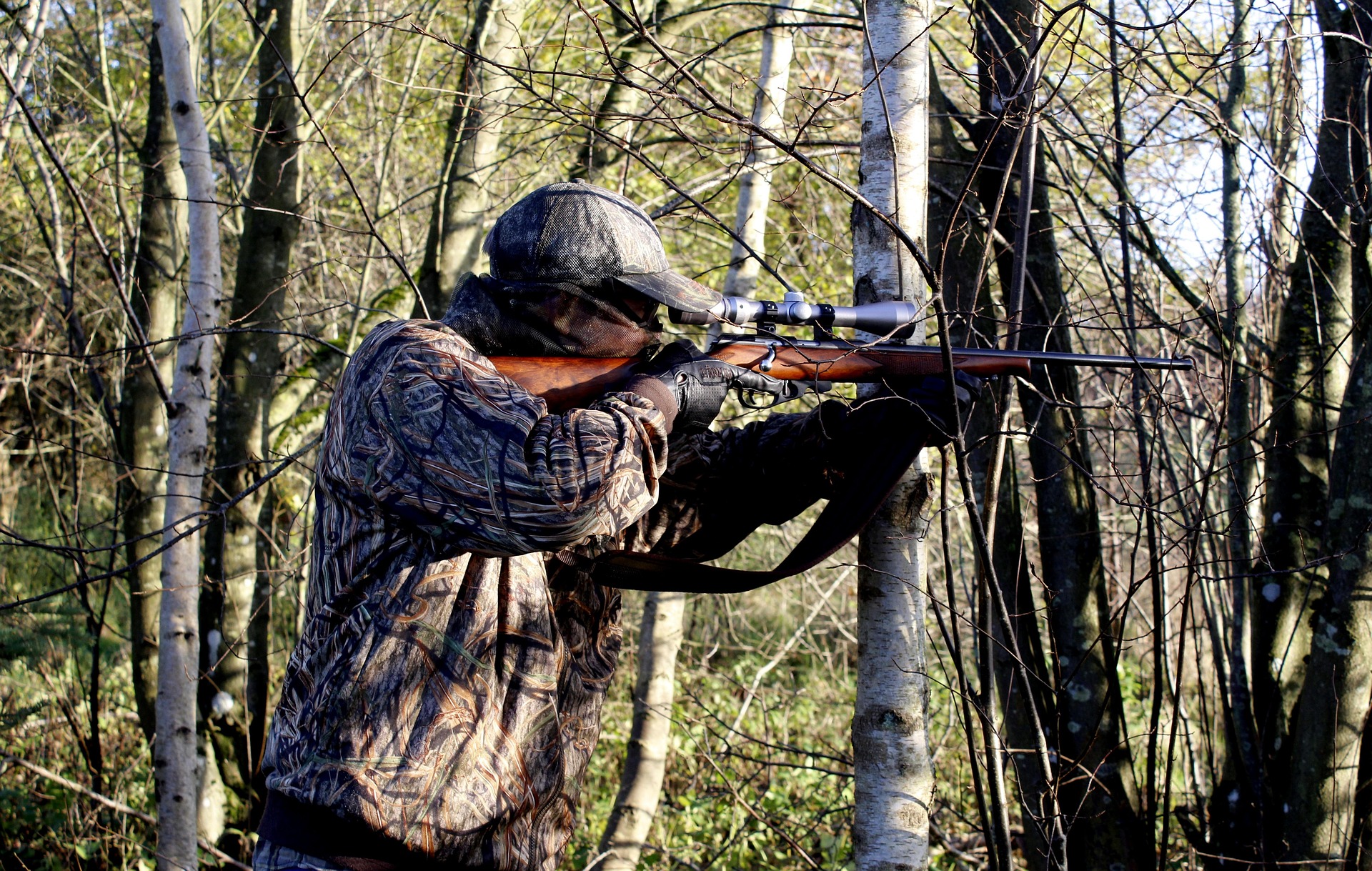
Raccoon hunts often begin with a familiar routine: meeting friends at a home, farm, or trail entrance, discussing conditions, and checking that dogs and equipment are ready. These gatherings can be as important socially as the hunt itself. Groups of 3 to 6 people may share transportation, compare recent experiences, and plan where to go based on access and local conditions. Afterward, conversations often continue over a meal or a warm drink. Such repeated gatherings build friendships and preserve local knowledge, giving raccoon hunting a community identity beyond the activity in the woods.
8. Seasonal Routines Keep the Heritage Alive
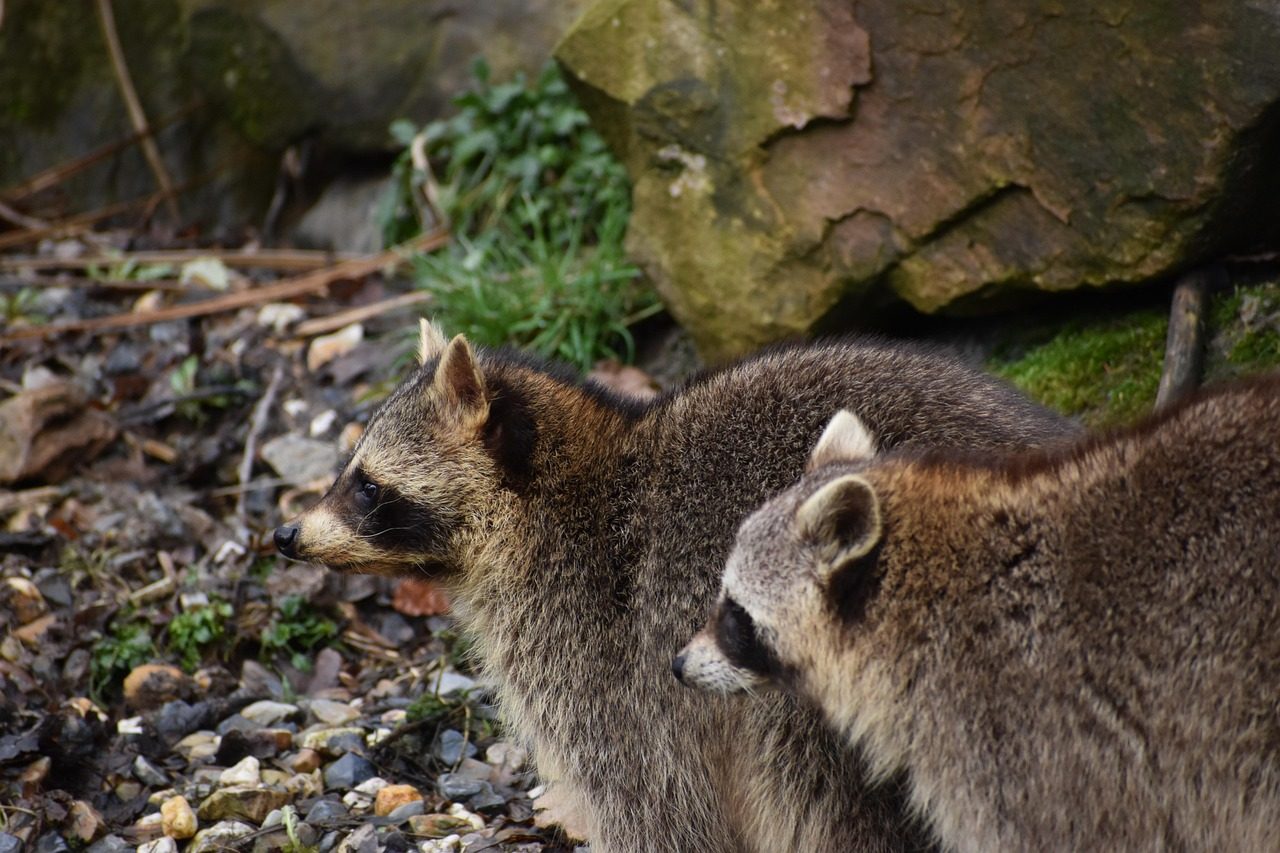
Raccoon hunting traditions often follow local seasons and weather patterns, with cooler nights making extended outdoor outings more comfortable in many regions. However, legal hunting dates vary by state and sometimes by county, land type, and hunting method. Some areas allow raccoon hunting for much of the year, while others impose specific restrictions. Hunters may spend several weeks preparing dogs, checking equipment, and reviewing regulations before a season opens. These recurring preparations create a familiar annual rhythm, helping traditions continue while reminding participants to follow current rules and respect private property.