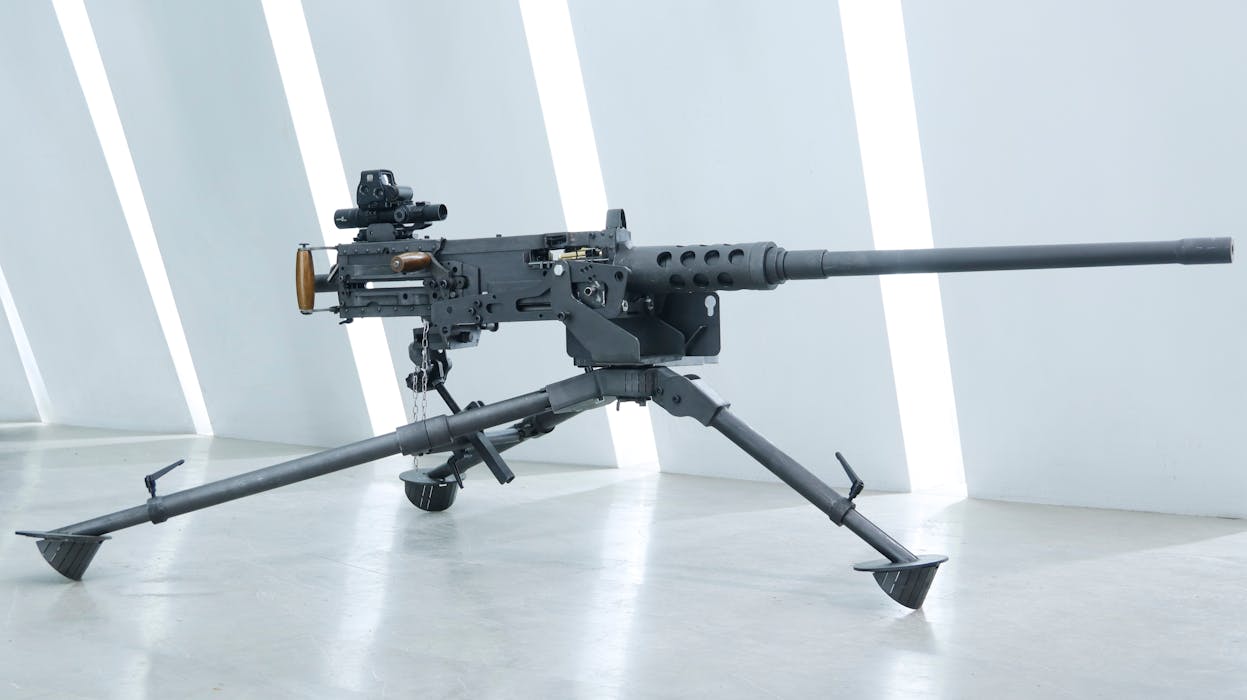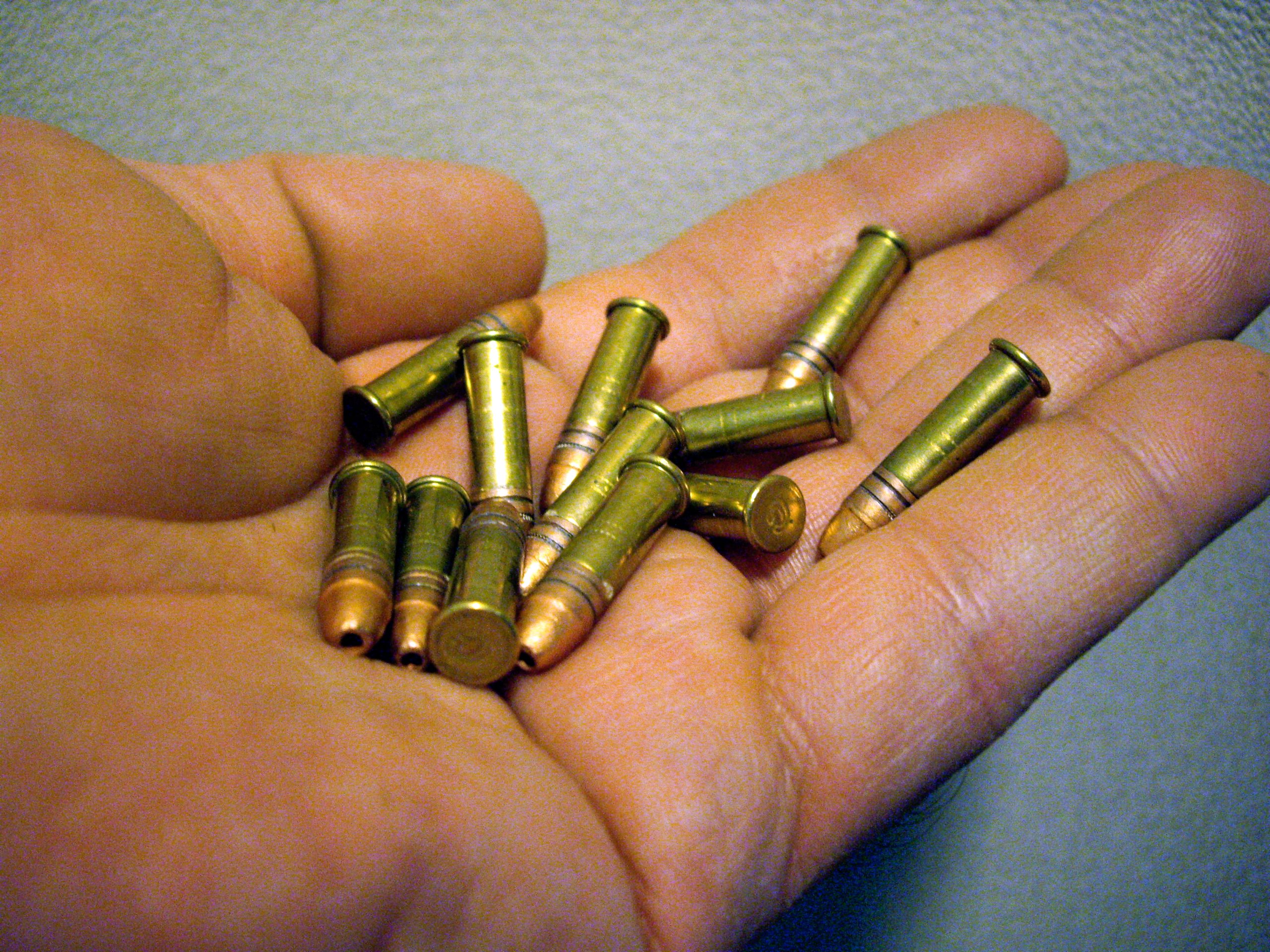
When survival depends on carrying equipment for days rather than minutes, the biggest weapon is not automatically the most useful one. A .22 rimfire firearm has limitations, including lower power and sensitivity to ammunition quality, but it also offers several practical advantages. Its light ammunition, generally modest recoil, and compact overall setup can matter when every kilogram in a pack counts. These advantages do not make a .22 universally superior. Instead, they show why survival equipment should be judged by the entire situation rather than caliber alone.
1. .22 Ammunition Is Exceptionally Light
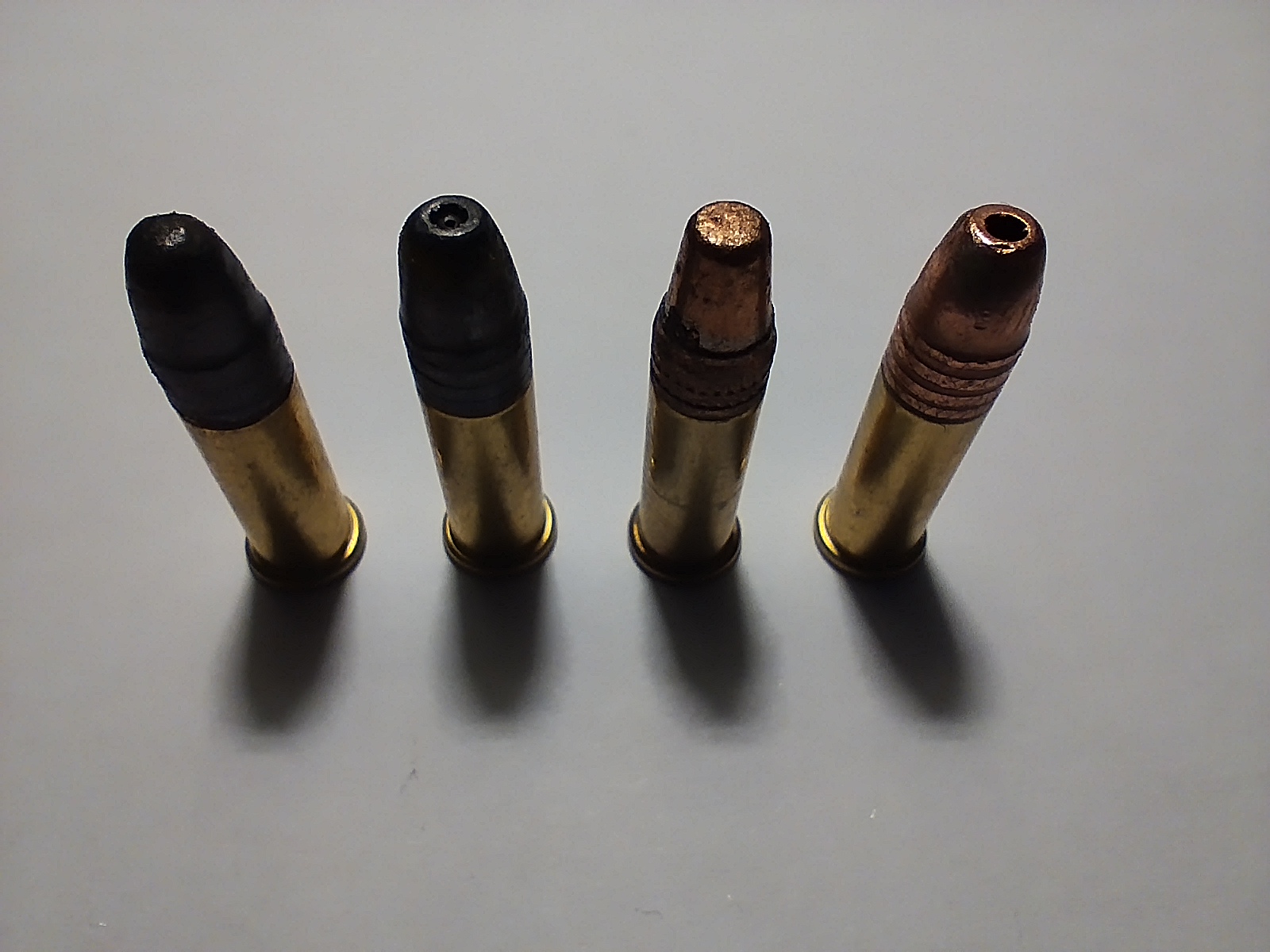
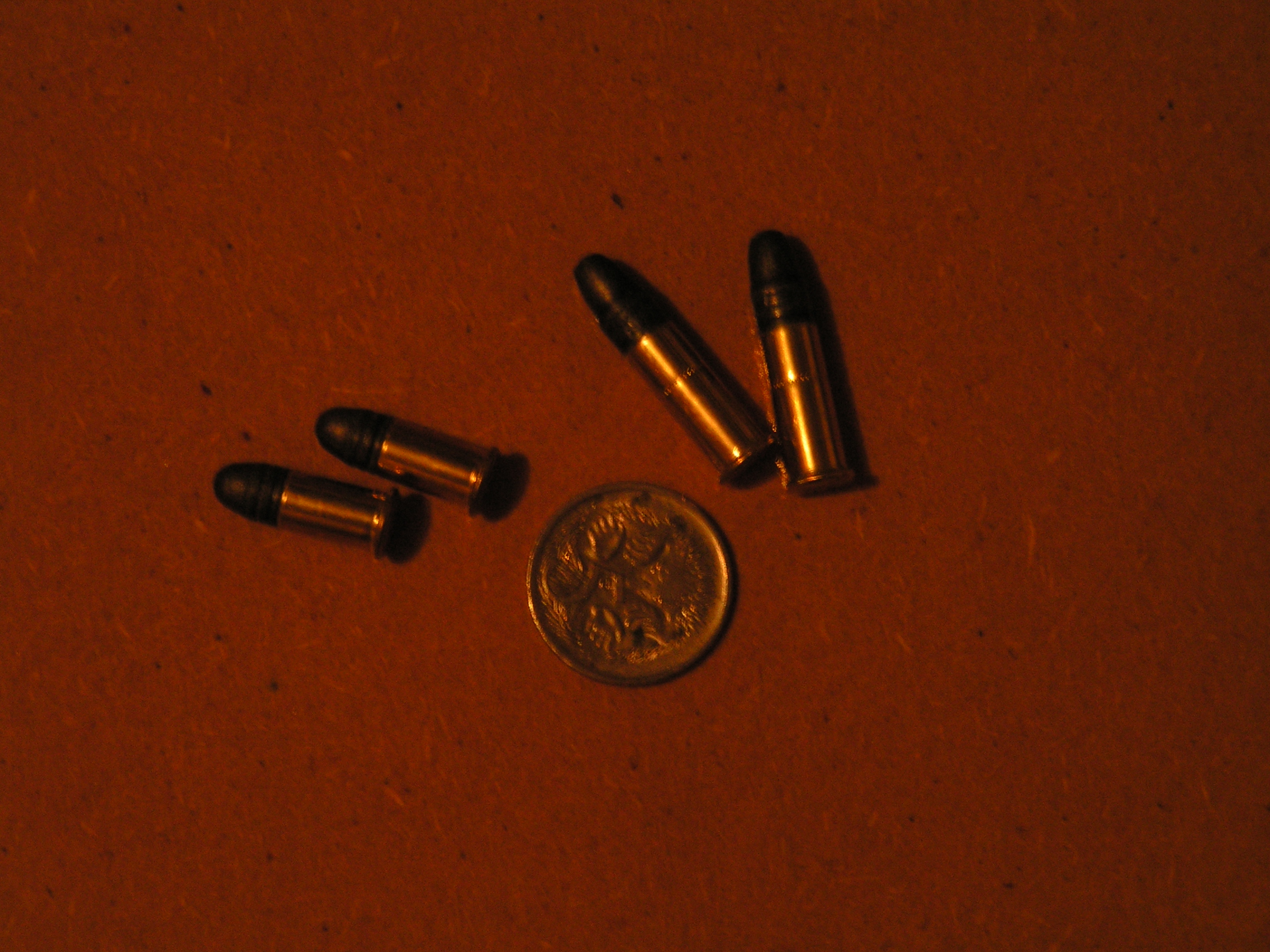
Weight becomes important when someone must carry food, water, shelter, medical supplies, and other essentials over a long distance. .22 Long Rifle ammunition is notably light compared with many centerfire cartridges. A typical .22 LR cartridge weighs roughly 40 grains, or about 2.6 grams, although exact weights vary by load and manufacturer. That means 100 cartridges can weigh only around 260 grams before packaging. Heavier cartridges can add considerably more weight for the same round count. In a prolonged emergency, saving several hundred grams may seem minor, but repeated over multiple pieces of equipment, those savings become meaningful.
2. You Can Carry a Large Ammunition Reserve
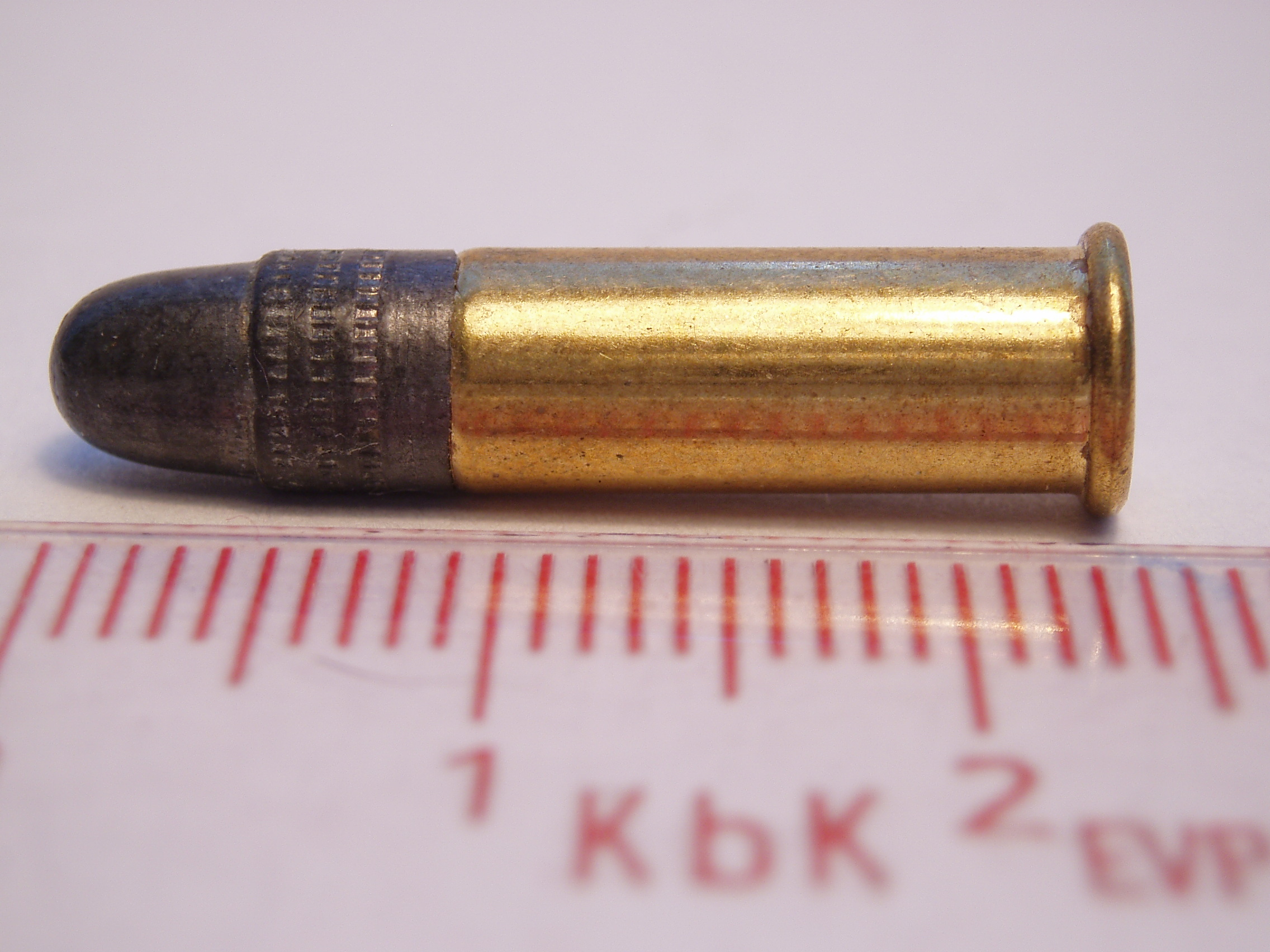
The small dimensions of .22 LR ammunition make it possible to carry substantially more cartridges for the same weight and storage space. As a simple comparison, 500 rounds at approximately 2.6 grams each represent about 1.3 kilograms of ammunition before packaging. That is a sizeable reserve without becoming an especially heavy load. Availability is another consideration, although it varies greatly by country and location. A survival plan should never assume ammunition can simply be replaced in the field. Storage conditions matter too, because moisture, dirt, and damaged cartridges can affect reliability when ammunition is kept for extended periods.
3. Low Recoil Can Reduce Physical Fatigue
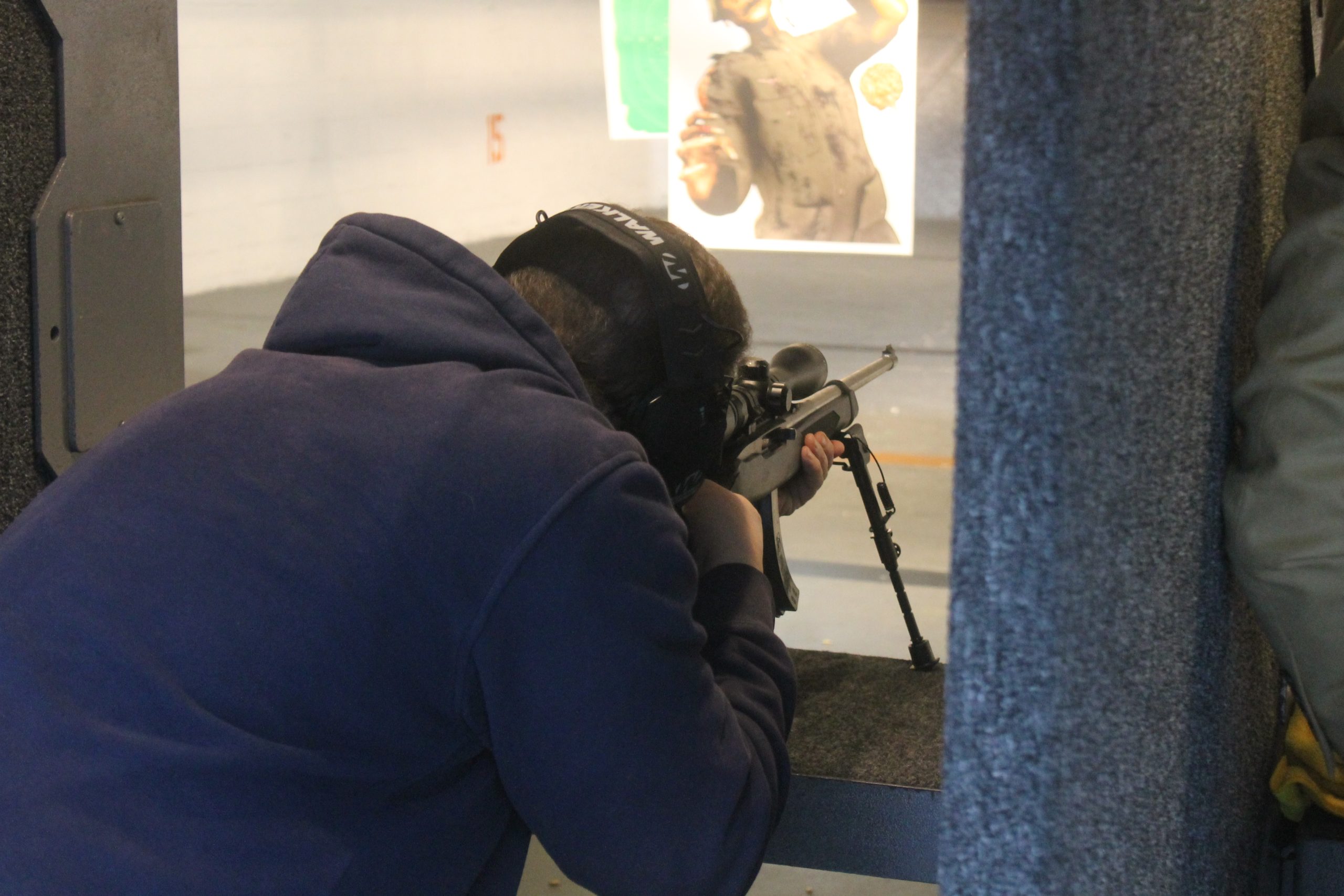
Recoil may not seem important during a single shot, but repeated shooting can become tiring and uncomfortable. .22 LR produces substantially less recoil than many larger rifle cartridges, making it easier for many shooters to control and more comfortable during extended practice. Lower recoil can also be useful for maintaining familiarity with a firearm without excessive physical fatigue. However, reduced recoil does not eliminate the need for safe handling. A .22 remains capable of causing fatal injuries, and its relatively mild shooting characteristics should never be confused with harmlessness. Its practical advantage is primarily reduced physical punishment, not increased terminal performance.
4. Smaller Firearms Can Be Easier to Carry
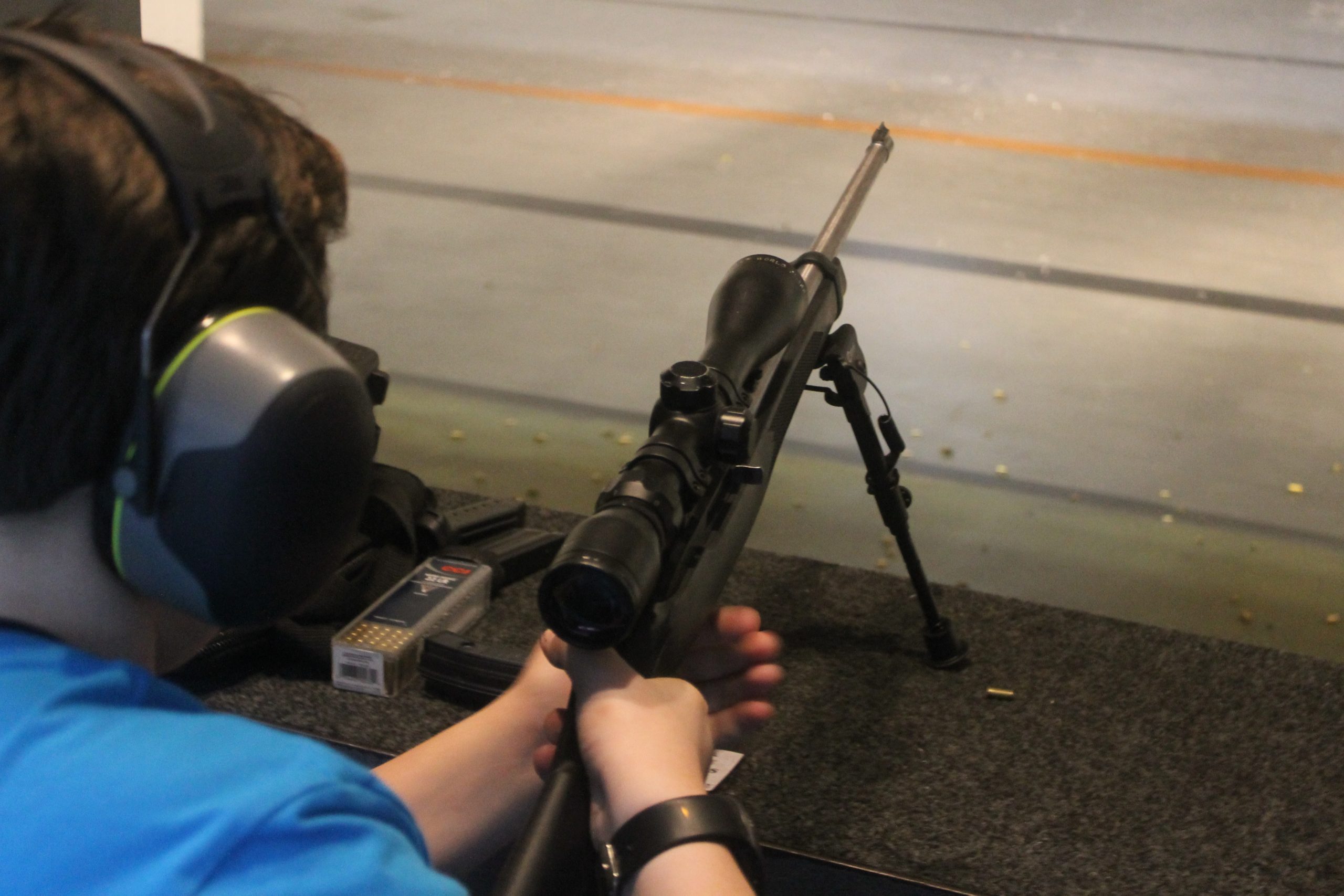
A survival firearm has to compete with every other item in a backpack. Depending on the model, a .22 rifle can be relatively lightweight and compact, reducing the burden during long-distance travel. Saving even 1 to 2 pounds can become noticeable after several hours of walking, particularly when combined with food, water, clothing, and shelter equipment. Compact designs can also occupy less storage space. The exact advantage depends entirely on the firearm’s construction, barrel length, accessories, and ammunition carried. A lightweight setup is useful only if it remains reliable and legal to possess and transport in the area where survival travel occurs.
5. It Can Be Easier to Practice With Regularly
Survival equipment is valuable only when its owner understands how to handle it safely. Because .22 ammunition is generally less expensive and produces relatively little recoil, it can make regular supervised practice more accessible than shooting larger centerfire cartridges. Consistent training can improve familiarity with safe loading, unloading, storage, and basic firearm handling. The important point is that practice should emphasize responsible handling rather than treating the firearm as a guaranteed survival solution. Ammunition prices and availability vary widely, and local laws may impose additional requirements. Training with an appropriately qualified instructor remains more important than simply choosing a particular caliber.
6. It Produces Less Physical Disruption
A larger cartridge generally produces more recoil, muzzle blast, and overall shooting disturbance than a .22 LR. The smaller cartridge is therefore often more comfortable to shoot, particularly in situations where repeated firing would otherwise become unpleasant. However, claims that a .22 is automatically “quiet” are misleading. Standard .22 LR ammunition still produces a significant report, and the sound can travel a considerable distance outdoors. Hearing protection remains important whenever circumstances permit. In survival planning, this characteristic should be treated as a comfort and handling consideration rather than a reason to assume the firearm will go unnoticed.
7. Simple Equipment Can Be Easier to Maintain
Many .22 firearms have relatively straightforward designs, although reliability varies significantly between individual models and ammunition types. A simpler setup can reduce the number of accessories, batteries, specialized components, or heavy equipment carried alongside the firearm. That can be useful when maintaining a lightweight emergency kit. At the same time, rimfire ammunition has characteristics that distinguish it from centerfire ammunition, and malfunctions can occur. Dirt, moisture, poor storage, or incompatible ammunition can create problems. Anyone relying on a firearm as emergency equipment should understand its manufacturer’s instructions and maintain it properly rather than assuming a .22 will function perfectly under every condition.
8. Survival Is About the Whole Load, Not Maximum Power
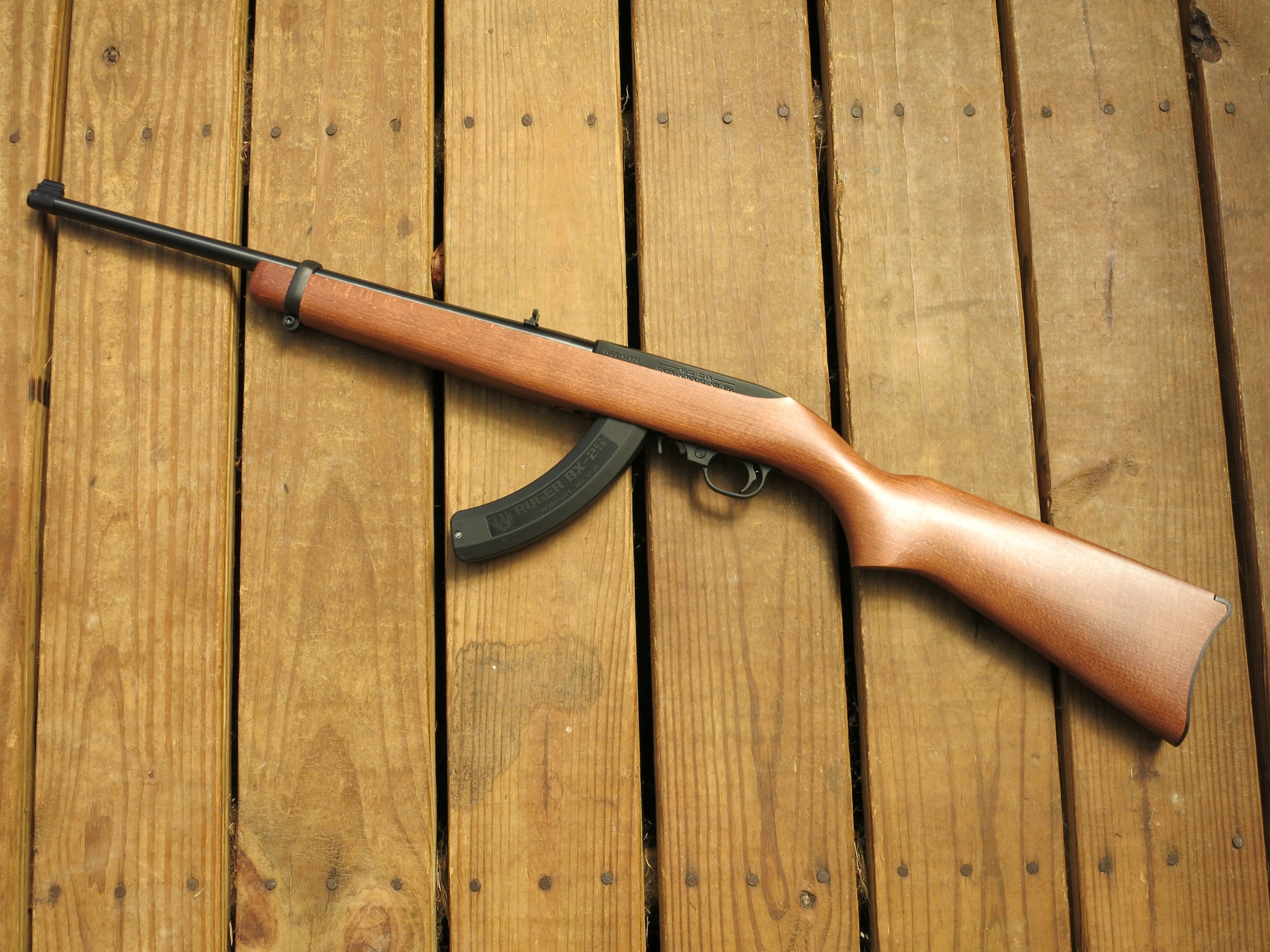
The biggest argument for a .22 in some survival situations is not that it is more powerful, but that it can fit efficiently into a broader equipment plan. A person carrying water, food, first-aid supplies, navigation equipment, shelter, and communication gear may value low weight more than maximum cartridge performance. A .22 can offer advantages in ammunition weight, recoil, and portability, while larger firearms can provide capabilities a .22 cannot match. There is no universal survival caliber. The appropriate choice depends on the environment, legal restrictions, intended role, training, and the rest of the equipment being carried.