A weapon does not have to fire faster to change war. Sometimes it changes everything simply by changing when, where, and how a soldier reloads.
The Old Rhythm of Muzzle-Loading War
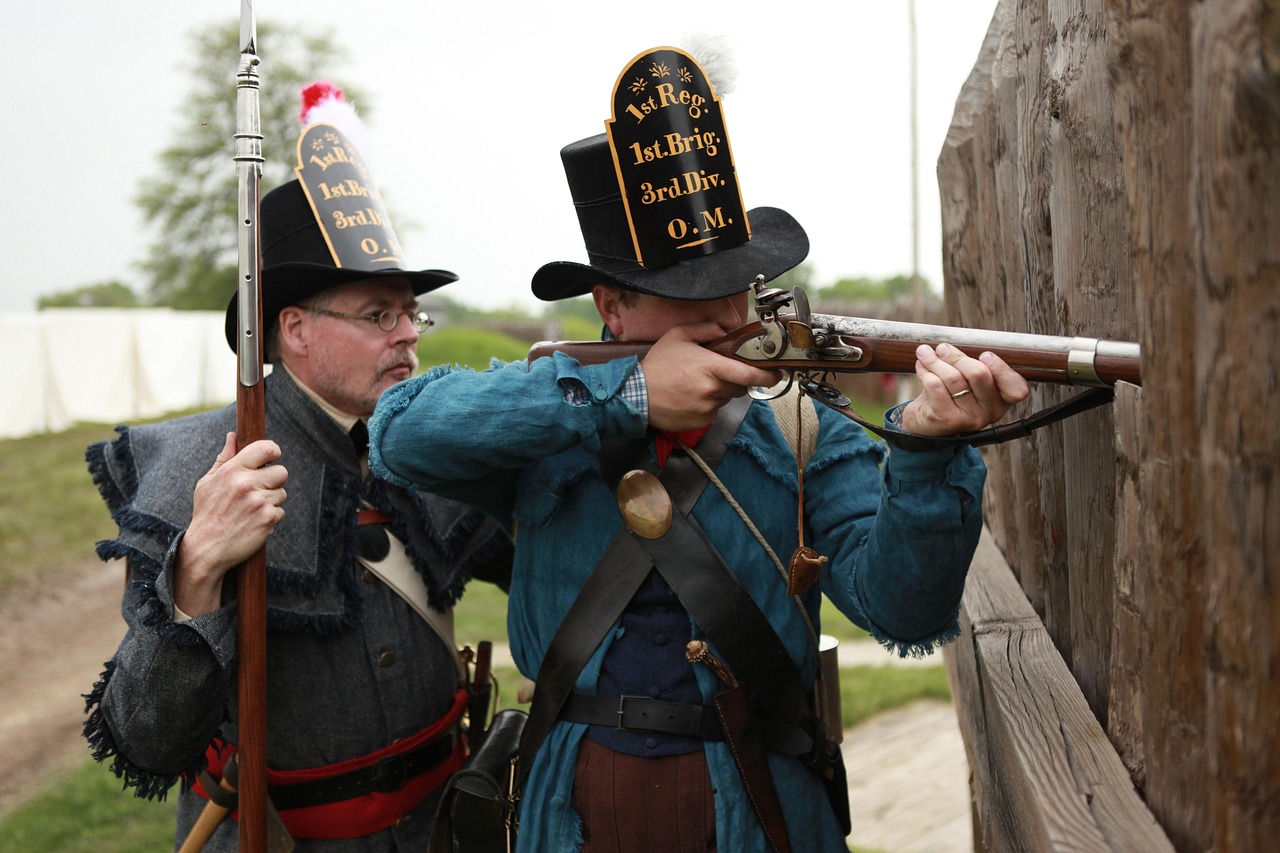
For centuries, infantry combat ran on a brutal rhythm: stand, bite cartridge, pour powder, ram the charge, cap the weapon, fire, and do it again. That drill shaped formations, discipline, and battlefield timing. Soldiers had to expose themselves for nearly every step.
Even fairly advanced mid-19th century muzzle-loading rifles still demanded that same basic routine. According to U.S. Army historical material, a Civil War rifleman with a muzzle-loader might manage about three shots per minute under battle conditions. That rate mattered, but the bigger issue was posture.
A muzzle-loader was hardest to recharge when a man was hugging the ground or hiding behind cover. In practical terms, that pushed armies toward standing lines and volleys, because the weapon itself encouraged exposure. Tactics were built around the loading sequence as much as the shot.
Why the Breech Changed More Than Speed
Breech-loaders attacked the problem at the rear of the barrel. Instead of forcing powder and bullet down the muzzle, the shooter opened the breech and inserted a cartridge at the back. That sounds mechanical, but on the battlefield it was revolutionary.
U.S. Army studies note that breech-loading permitted much more rapid fire once designers solved the gas-seal problem and paired the action with reliable cartridges. Just as important, the soldier could reload while kneeling, sitting, or lying prone. That single fact changed survivability.
Reloading became less of a ceremony and more of a quick motion. Soldiers no longer had to rise, ram, and advertise themselves to the enemy every time they wanted another shot. Firepower increased, but so did the value of cover, fieldworks, and dispersed formations.
Prussia, France, and the Shock of New Rifles
The Dreyse needle gun gave Prussia one of the century’s most famous advantages. In the Austro-Prussian War of 1866, its breech-loading design let Prussian infantry maintain a faster, more flexible fire than opponents still relying heavily on muzzle-loaders. The lesson was noticed everywhere.
France answered with the Chassepot, a more advanced bolt-action rifle that offered excellent range and accuracy. In the Franco-Prussian War of 1870-1871, the Chassepot often outclassed the Dreyse tactically at the small-unit level, but Prussia’s broader system of mobilization, command, and artillery still prevailed.
That contrast is important. Breech-loaders were not magic wands. They rewarded armies that adapted doctrine, training, and logistics along with hardware. The rifle mattered, but the real transformation came when military institutions learned to fight around its strengths.
The American Civil War as a Transition Zone
The American Civil War sat in the middle of the change. Most infantry still carried muzzle-loading rifle-muskets, yet breech-loaders and repeaters clearly pointed to the future. Army history and battlefield summaries highlight weapons such as the Sharps, Spencer, and Henry as faster-firing alternatives.
The Spencer, with its seven-round magazine, and the Henry, with fifteen shots, showed what happened when breech-loading merged with repeating fire. Cavalry and select infantry units could deliver bursts that seemed astonishing to troops used to slower, methodical volleys.
Still, industrial capacity, cost, ammunition supply, and conservative ordnance policy limited universal adoption. So the war became a laboratory instead of a full conversion. It revealed that once reloading became quicker and less exposed, old assumptions about charges, open ground, and staying power were suddenly dangerous.
Britain and the Practical March to Conversion
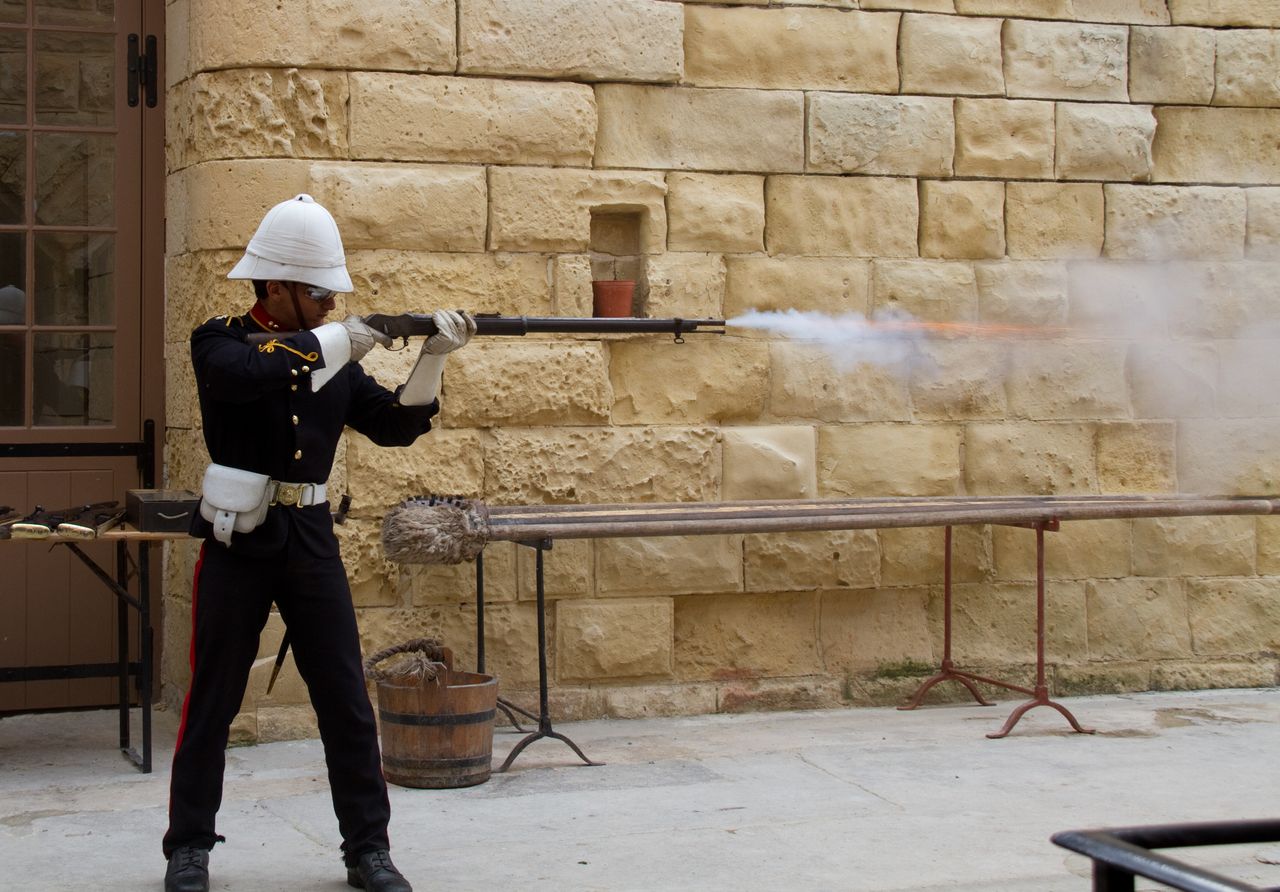
Britain’s path shows how armies often modernize in stages rather than all at once. The National Army Museum notes that the Snider rifle, introduced in 1866, became the first British breech-loading infantry weapon. It was essentially a conversion of the familiar Enfield muzzle-loader.
That mattered because it made change affordable and manageable. Troops could gain breech-loading advantages without scrapping every existing rifle overnight. Then came the Martini-Henry, first issued in 1874, a purpose-built single-shot breech-loader that became a symbol of later Victorian warfare.
The jump from Snider to Martini-Henry also shows that “less important” did not mean “unimportant.” Soldiers still reloaded constantly. What changed was the penalty attached to reloading. It took less time, less exposure, and less disruption to maintain accurate fire under pressure.
The Tactical Legacy: Cover, Firepower, and Modern War
Once soldiers could load from cover, the battlefield punished anyone who fought as if it were still the age of smoothbore muskets. Dense lines, dramatic rushes across open ground, and leisurely reloading drills became harder to justify. Fire zones deepened, and survival depended more on concealment.
Breech-loading artillery amplified the same trend. By the 1870s, armies were embracing systems that increased range, speed, and sustained fire across both infantry and gun lines. The combined effect pushed warfare toward entrenchment, looser formations, and more methodical attack planning.
So breech-loaders did not make reloading disappear. They made it less dominant as the central problem of combat. Once loading became quicker, safer, and mechanically simpler, commanders had to think less about the act of recharging a weapon and far more about fire discipline, position, and terrain.