Buying a first firearm can be exciting, but excitement can also make it easy to overlook practical details. The most common regrets usually come from choosing a gun because it looks impressive, seems convenient, or has a strong reputation without considering fit, intended use, training, storage, and total ownership costs. A firearm should suit the person using it and the lawful activity planned for it. Here are 9 types of first purchases that can become frustrating when the choice is based on appearance or assumptions rather than careful consideration.
1. The Oversized Handgun
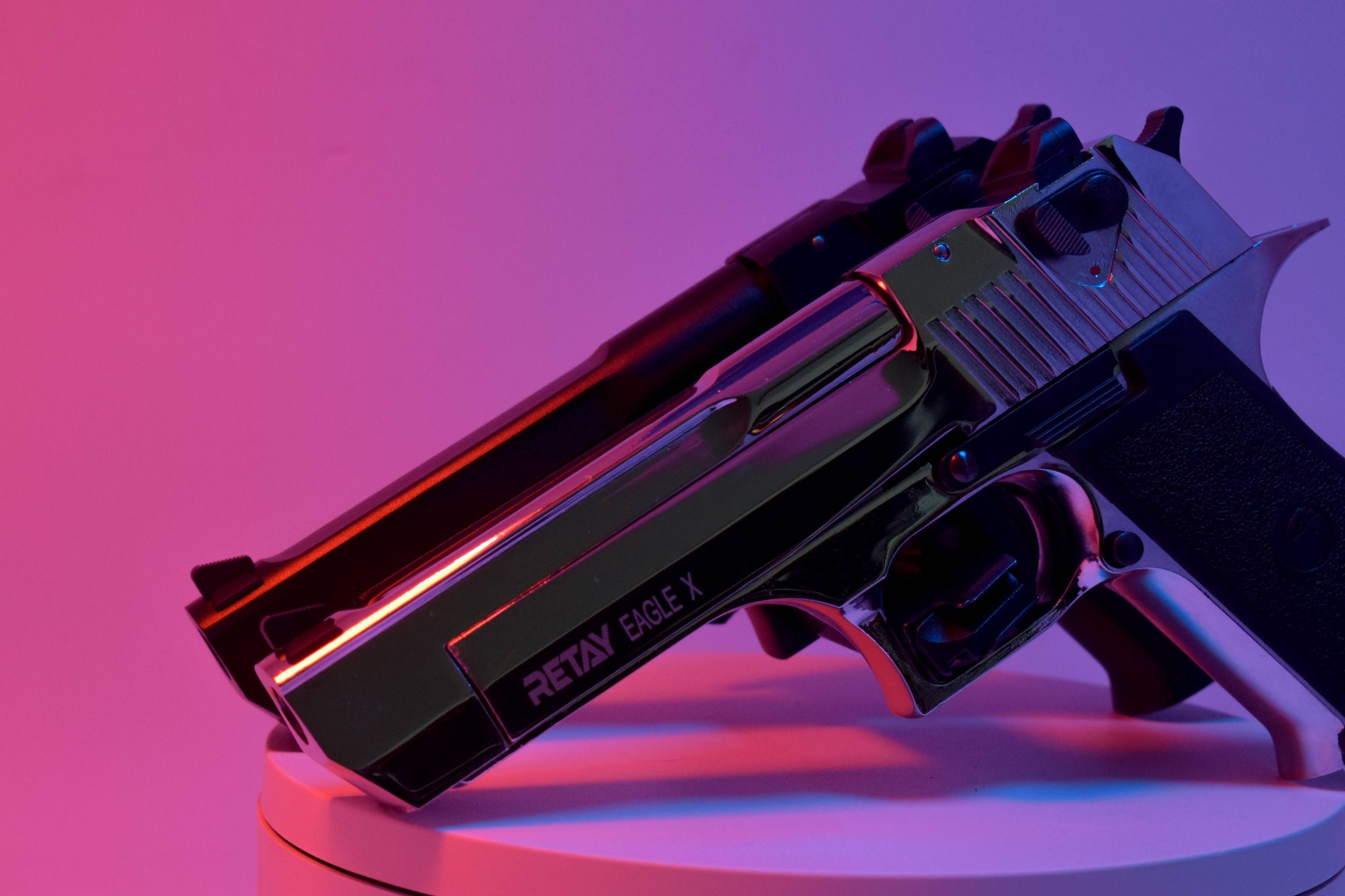
Large handguns can look reassuring on a dealer’s counter, yet their size may become a daily annoyance for a new owner. A full-size model can be heavier, harder to grip comfortably, and less convenient to store than expected. That does not make it a bad firearm, only a poor match for some beginners. Try several unloaded models under proper supervision before buying. Pay attention to reach, grip comfort, controls, and how naturally you can keep the muzzle pointed safely. A comfortable fit matters more than appearance, and 1 uncomfortable choice can quickly discourage regular practice.
2. The Tiny Pocket Pistol
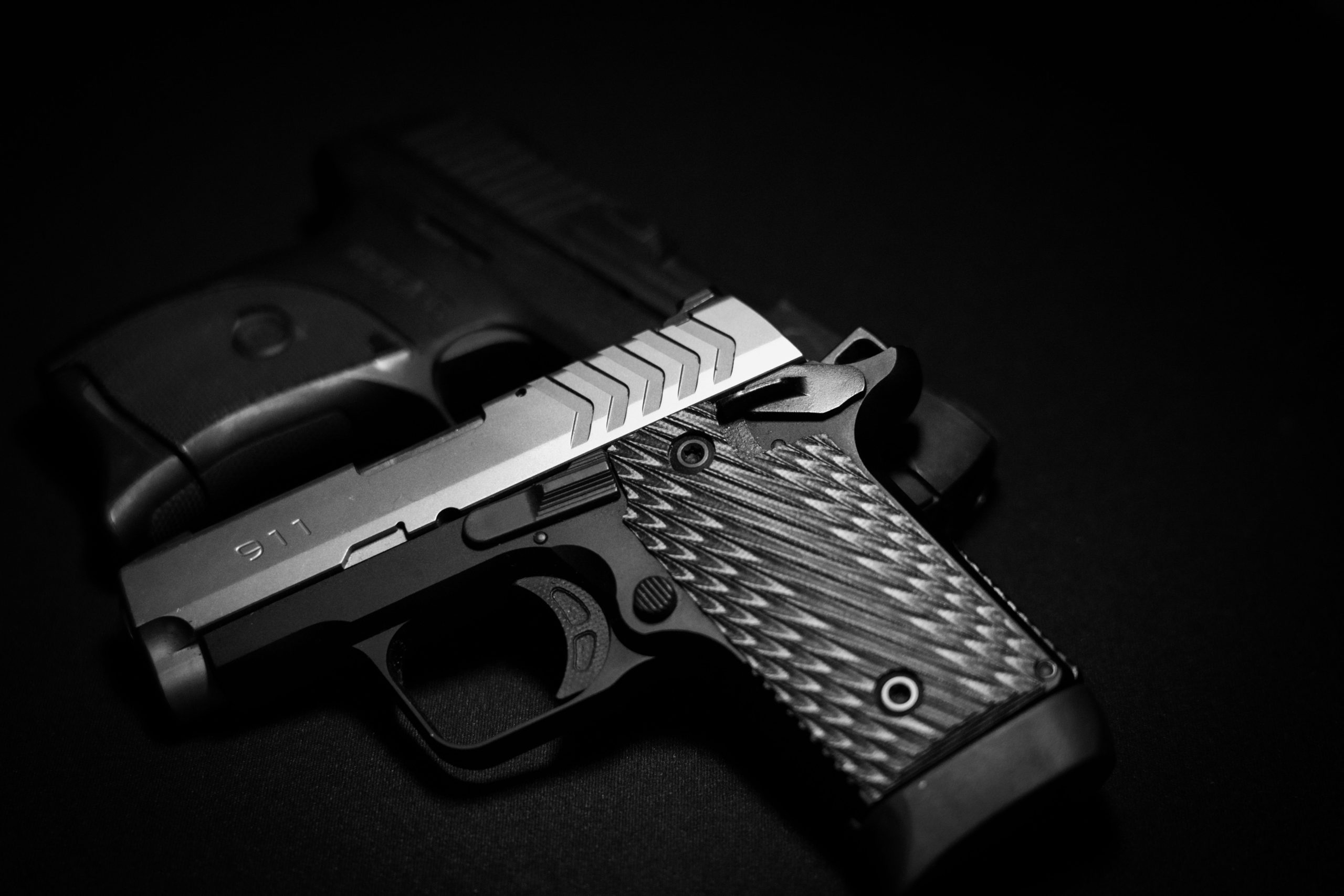
Very small handguns attract first-time buyers because they appear simple and easy to carry. The tradeoff is that compact dimensions can make controls, sights, and the grip less forgiving for inexperienced hands. A short grip may also feel less stable during supervised range practice. Smaller does not automatically mean easier. Before choosing one, handle it unloaded and learn its controls with a qualified instructor. If your hands struggle to operate the firearm safely, its small size is not an advantage. Comfort and control should come first during the first 2 or 3 training sessions.
3. The Powerful Rifle With No Clear Purpose
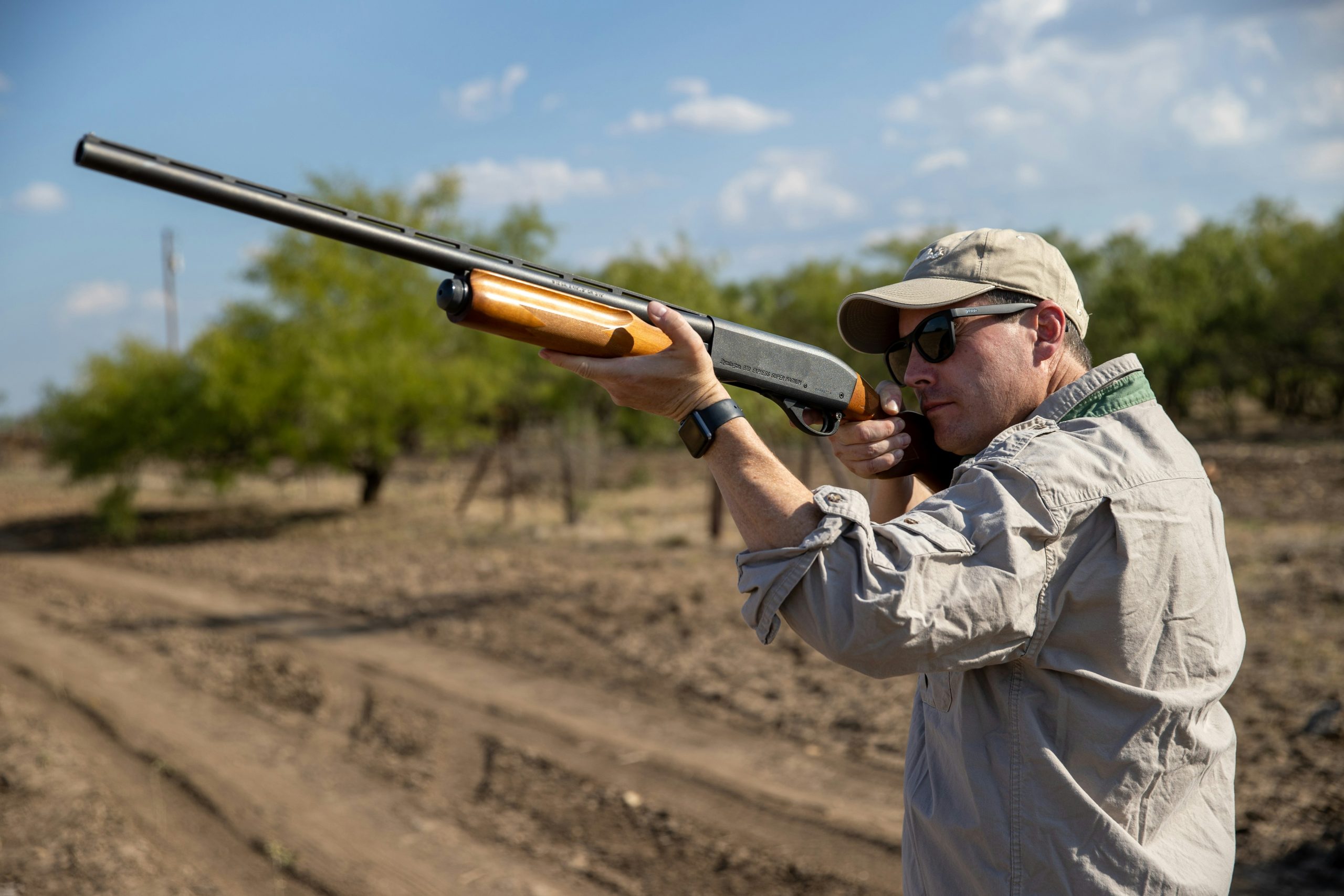
A powerful rifle can be an impressive first purchase, but power alone does not define usefulness. A buyer without a clear plan for hunting, target shooting, or another lawful purpose may end up with a firearm that receives little practice. Ammunition cost, range rules, and storage needs can all affect ownership. New shooters should identify how often they expect to use it and where. A firearm suited to the activity is easier to learn than one chosen mainly for reputation. Even 1 hour of planning can prevent an expensive mismatch safely.
4. The Cheap Gun Bought on Price Alone
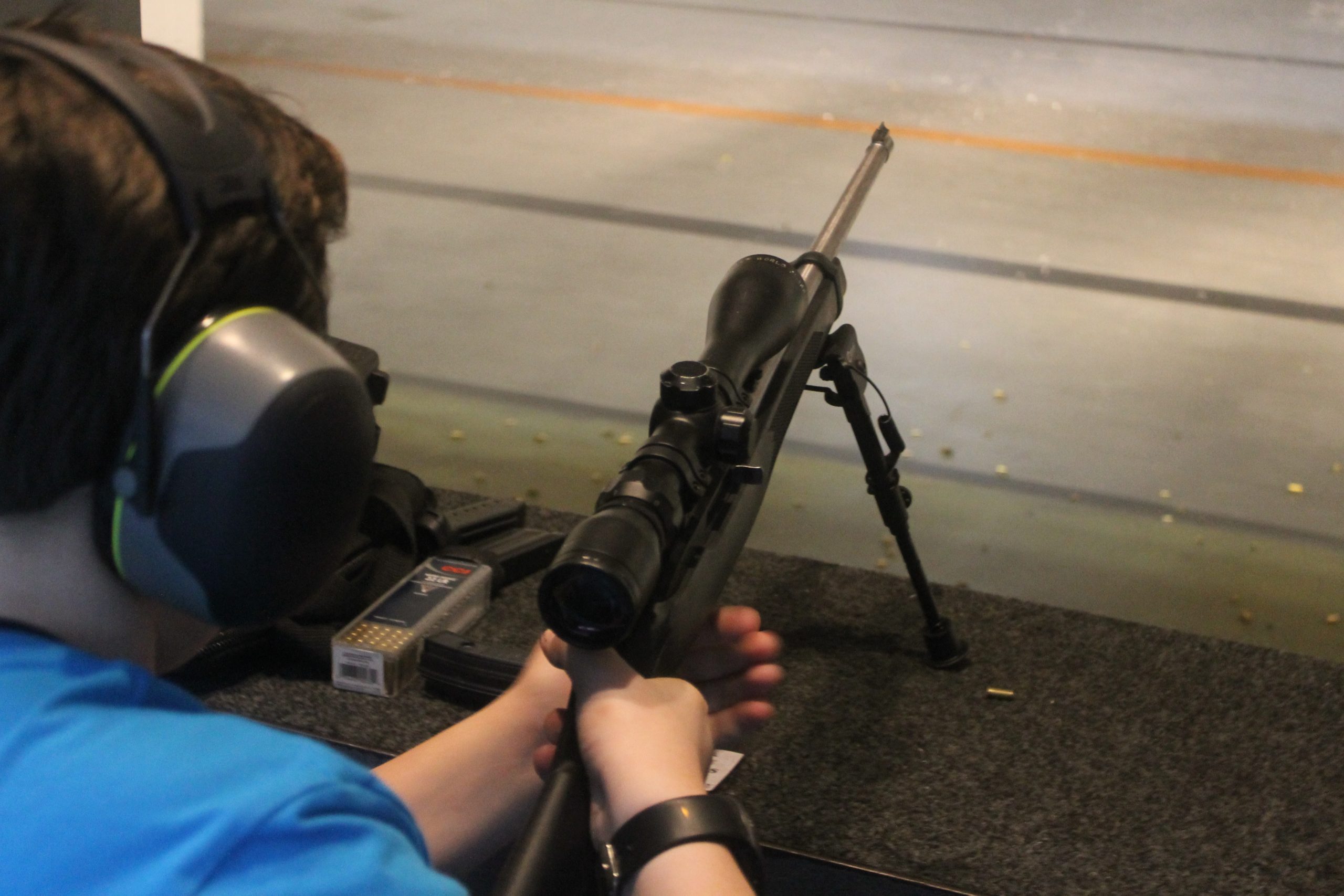
A low purchase price can feel like a bargain until the buyer discovers the full cost of ownership. Ownership still requires secure storage, ammunition, eye and ear protection, training, cleaning supplies, and lawful transportation. A first-time buyer who spends nearly the entire budget on the gun can be left unprepared for those responsibilities. Compare complete ownership cost rather than the sticker price alone. Spending less upfront does not necessarily mean spending less overall, especially when safety equipment and training are essential. Budget for all 5 categories before deciding.
5. The Collectible Chosen Instead of a Practical First Gun
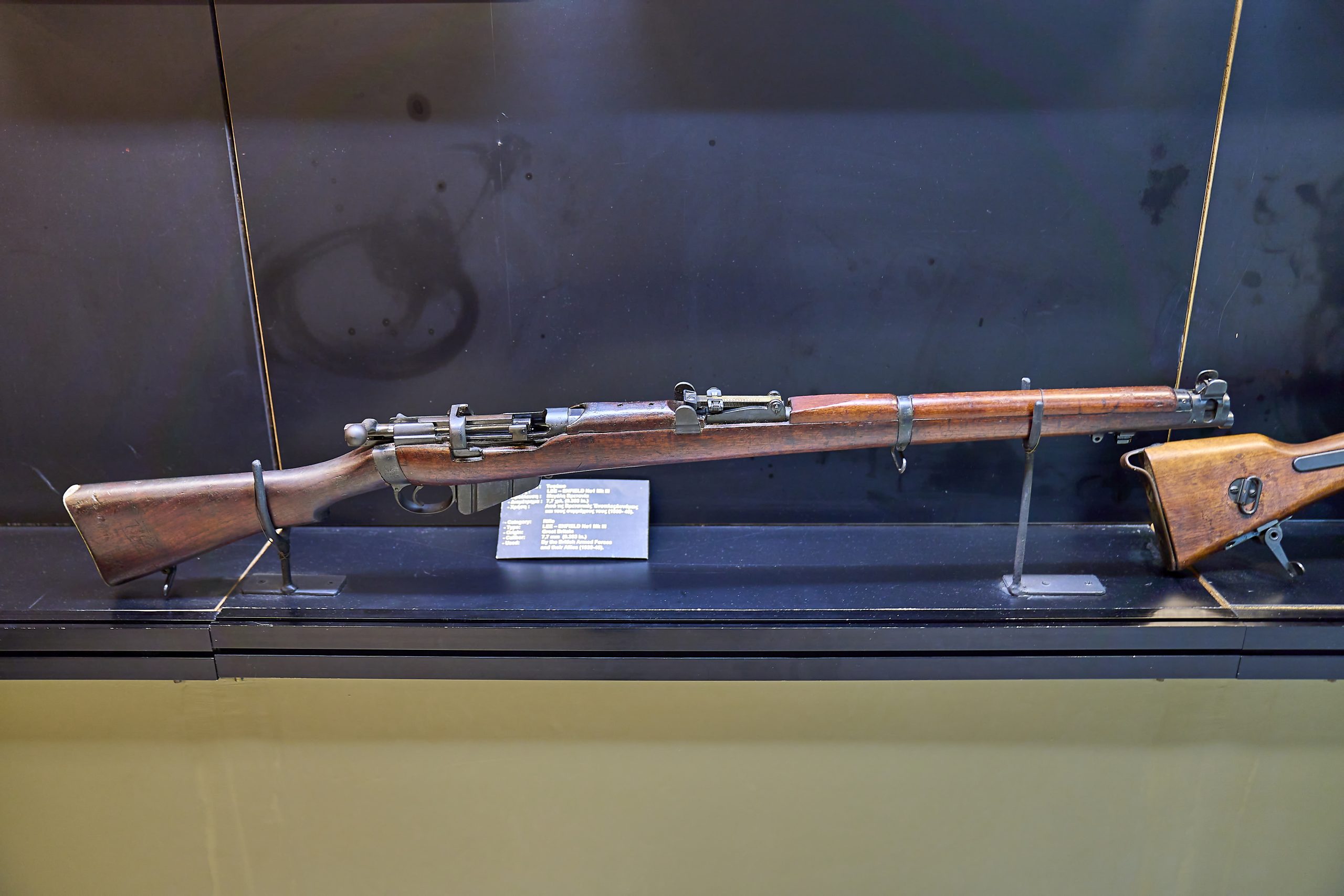
A historic or unusual firearm can be fascinating, but collecting and learning to shoot are different goals. Older designs may have unfamiliar controls, ammunition requirements, maintenance needs, or handling differences. Age can also make professional inspection important. Some buyers discover that a beautiful purchase spends more time stored than used. If the goal is learning, choose based on fit, lawful use, training, and safe handling rather than rarity or visual appeal. A collectible may satisfy 1 interest while serving poorly as a first learning tool, particularly when its operation differs greatly from modern firearms.
6. The Rifle That Is Too Long or Heavy
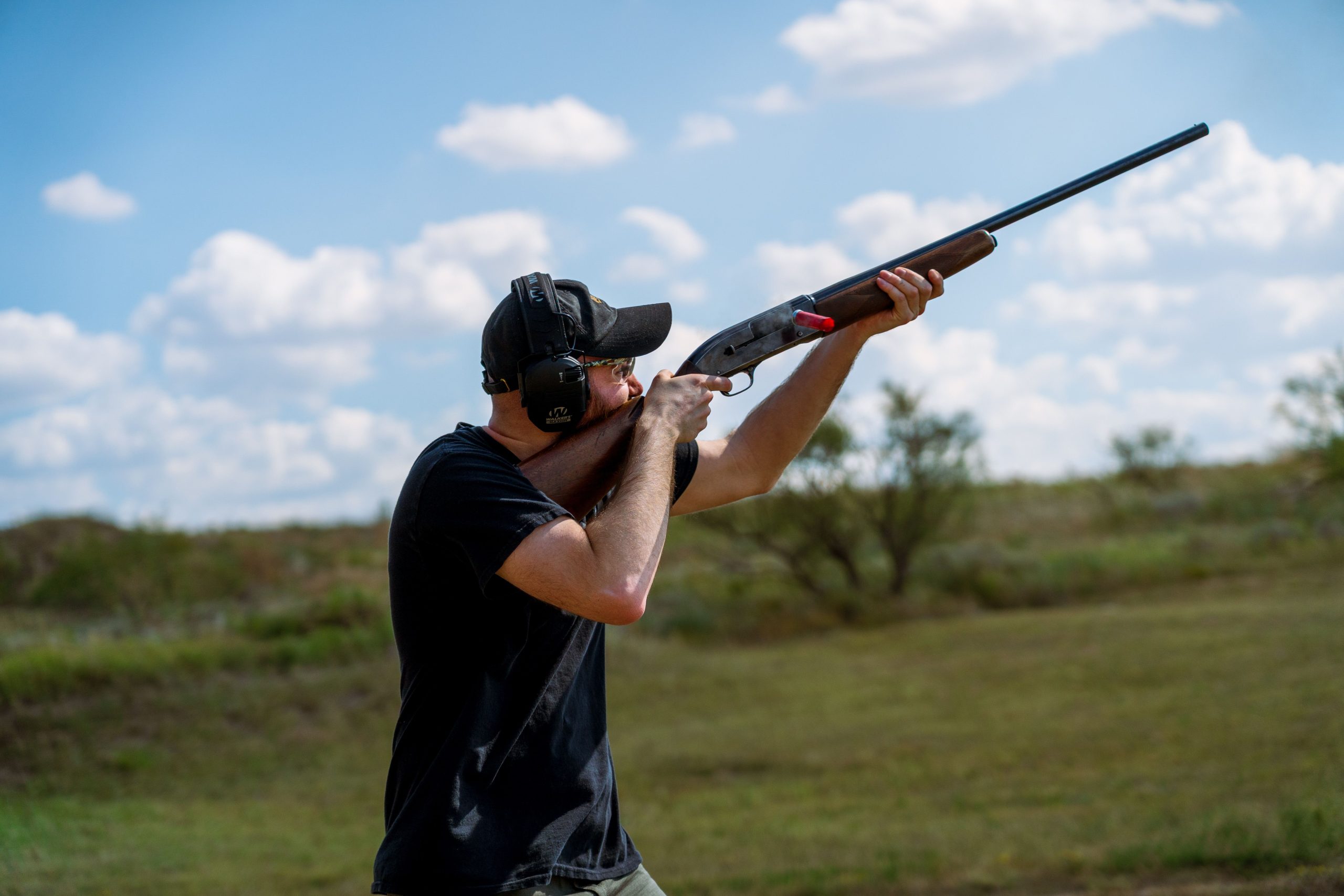
A long, heavy rifle can feel impressive in a showroom but become awkward when a beginner has to carry, position, store, or handle it safely. Fit matters because body size varies. A firearm that feels unwieldy can make supervised practice more tiring and less enjoyable. Before purchasing, handle the unloaded firearm with an instructor and consider the space where it will be stored. Length and weight are not simply comfort details. They can affect how confidently a new owner manages the firearm during ordinary handling. Even a difference of several pounds can change its practicality.
7. The Shotgun Chosen Without Thinking About Its Role
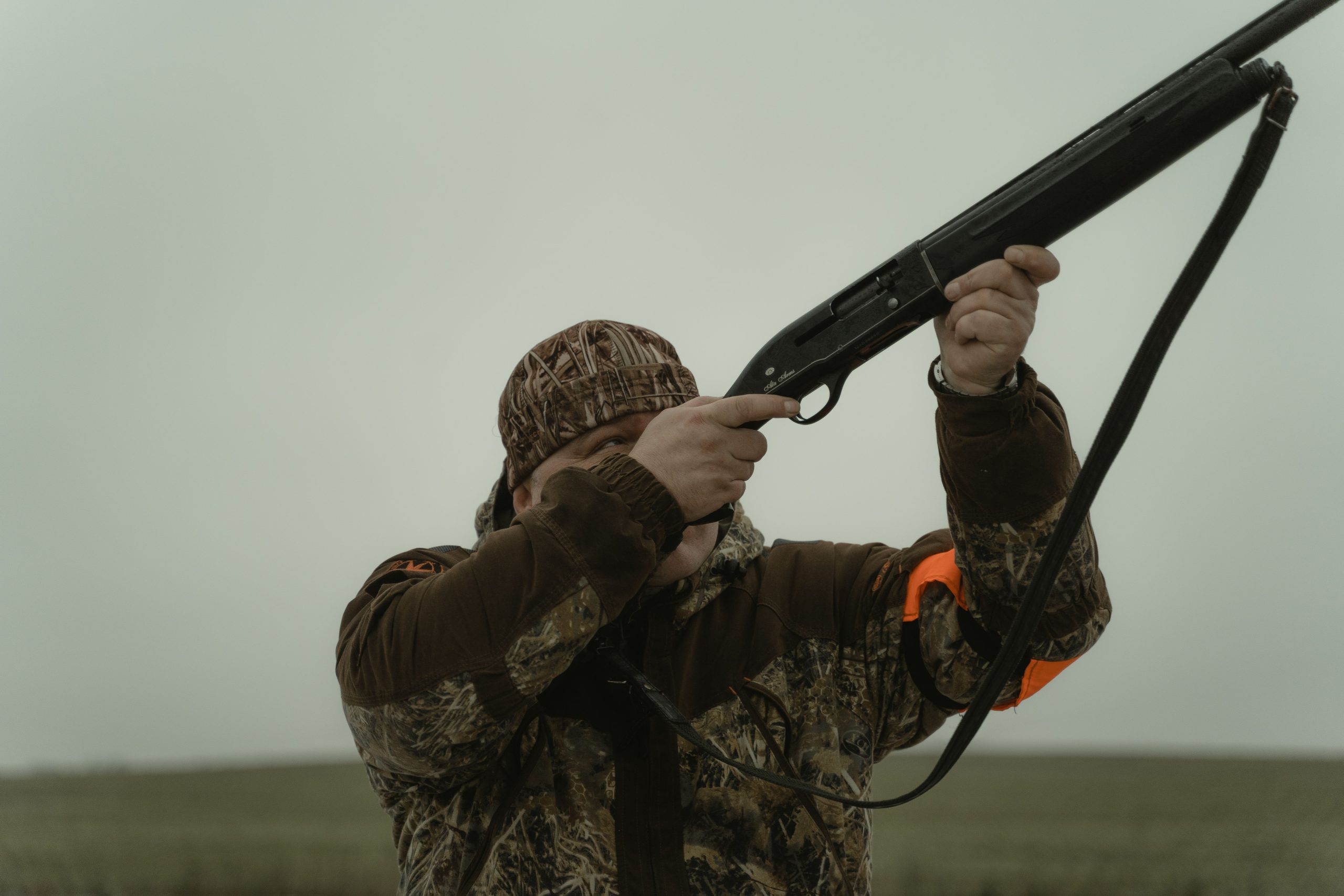
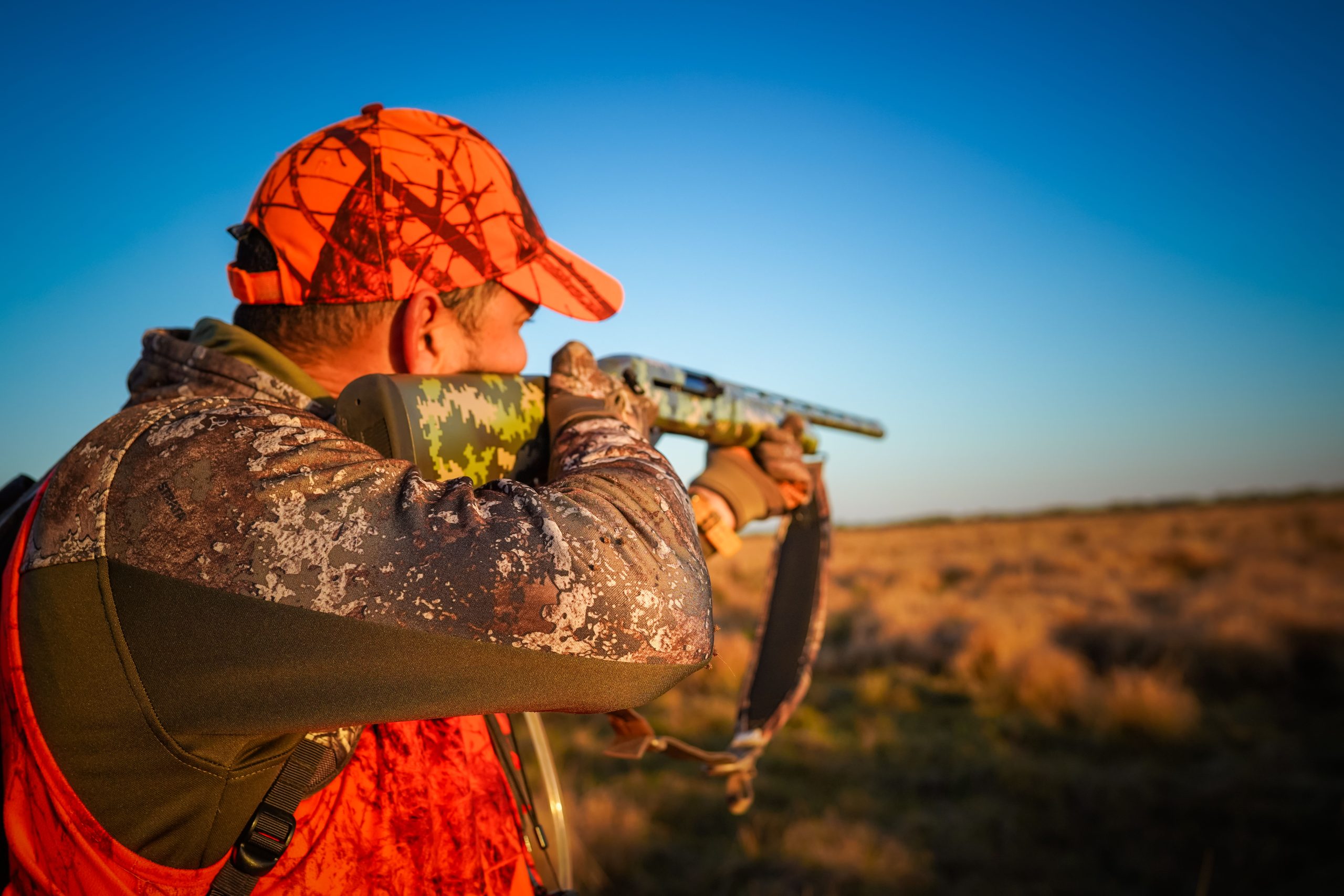
Shotguns serve several sporting purposes, and a beginner can regret buying one before deciding what those purposes are. A model suited to one activity may not be comfortable for another. Stock fit, weight, controls, and intended use deserve attention. Rather than choosing by appearance or by what friends own, learn the differences under qualified supervision. A first shotgun should make safe handling and practice manageable. The goal is not the most versatile-looking option, but one that fits the intended activity. Think through 3 factors: purpose, fit, and access to training.
8. The Firearm Bought Before Training
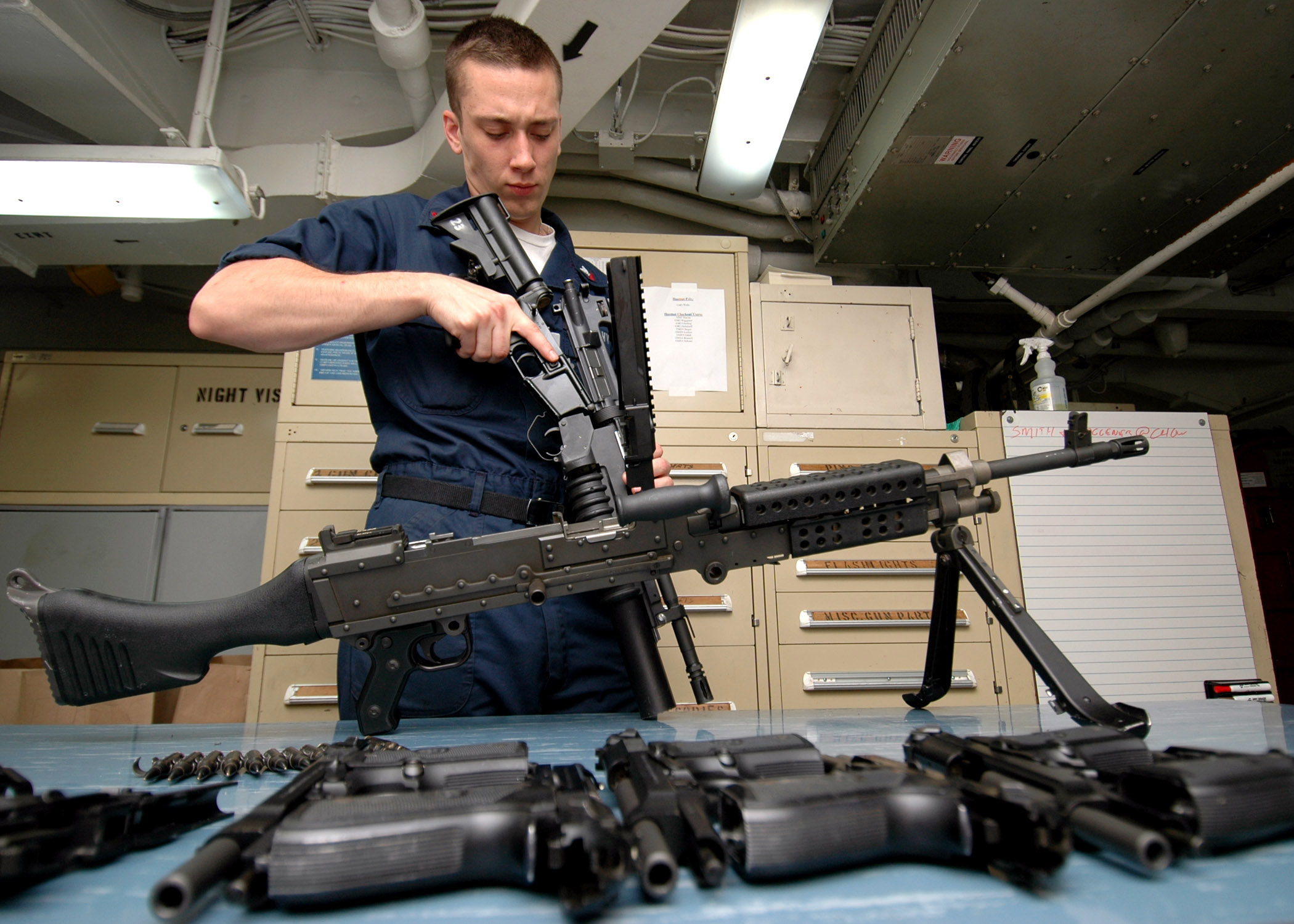
Sometimes the biggest regret is buying before learning the basics. A first-time owner can misunderstand controls, storage, unloading, or range etiquette. Training helps make unfamiliar equipment easier to understand and handle safely. NSSF recommends that new owners take a course with a qualified instructor and become familiar with their particular firearm. Firearms differ significantly in operation. The purchase should begin responsible learning, not end it. For a beginner, 1 course can provide a useful starting point and establish safer habits before regular range use.
9. The Gun That Does Not Fit the Owner’s Real Life
A firearm can be technically excellent and still be the wrong purchase if it does not fit the owner’s routine. Someone who rarely visits a range may not need the same type of firearm as an active hunter or competitive shooter. Storage space, local laws, transportation, training opportunities, and family circumstances can affect the decision. Before spending money, write down the intended use and practical responsibilities. The best first purchase is not a universal model. It is one the owner can legally, safely, comfortably, and responsibly manage over the next 1, 2, or 5 years.