Some firearms disappear from dealer shelves so quickly that buyers may only realize something happened when they can no longer find the model in catalogs or stores. But “overnight” can mean different things: a formal recall, a temporary withdrawal, a discontinued production run, or the removal of a particular chambering. The eight examples below show how safety concerns, redesigns, manufacturing decisions, and changing product lines have all contributed to sudden-looking disappearances.
1. Remington Model 887 Nitro Mag
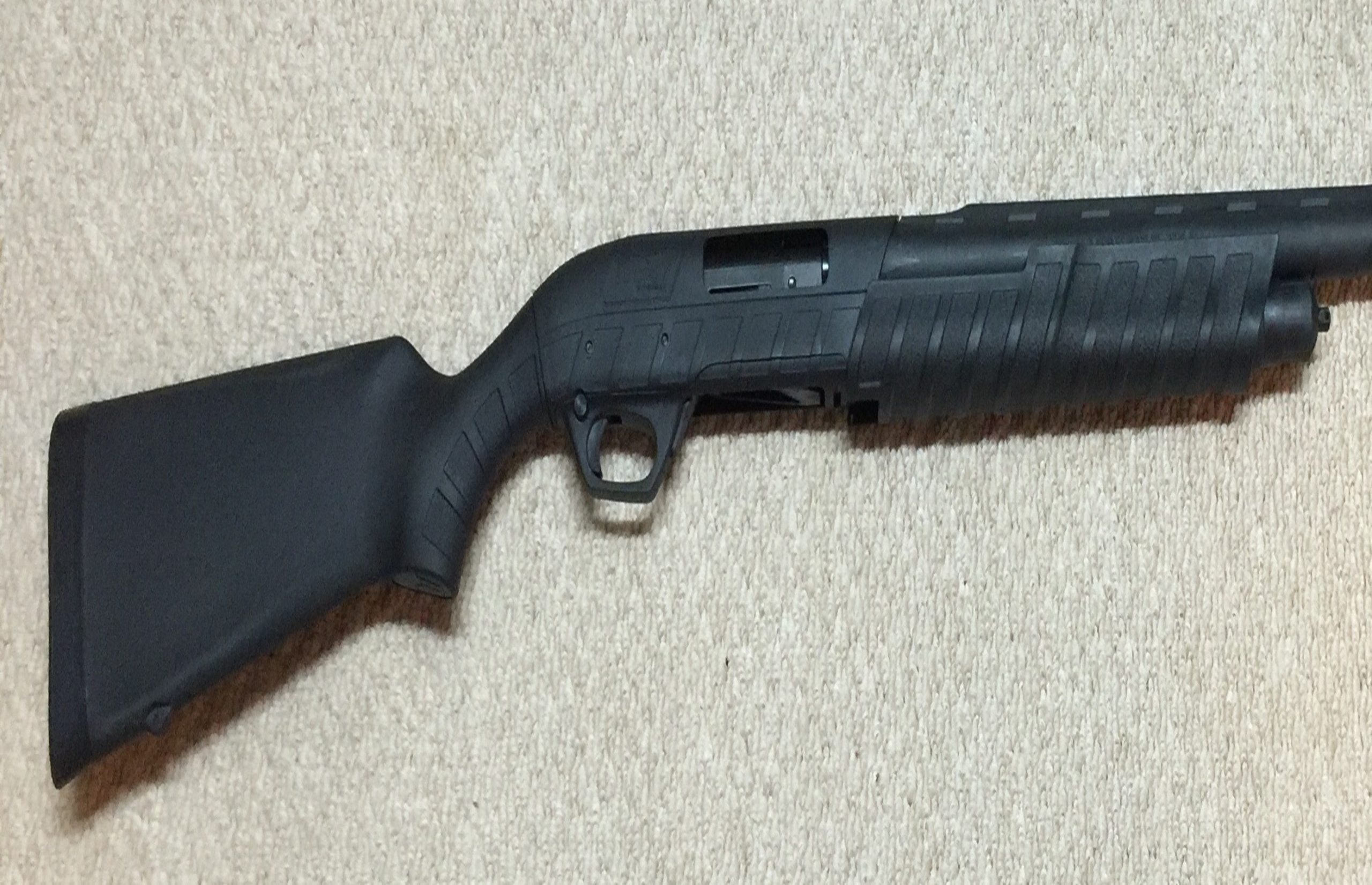
The Remington Model 887 Nitro Mag disappeared after a short production run that lasted from 2009 to 2015, with a safety recall adding to its troubled final chapter. In 2014, Remington recalled 887 shotguns made between December 1, 2013, and November 24, 2014, after identifying a firing-pin problem that could lead to an unintended discharge. The company said the defect involved flawed components rather than the basic design. Production ended less than a year after the recall, turning a relatively new shotgun into a discontinued model that could vanish from dealer racks with little warning. The short timeline is what makes its retail disappearance memorable to collectors.
2. Remington Model 597 in .17 HMR
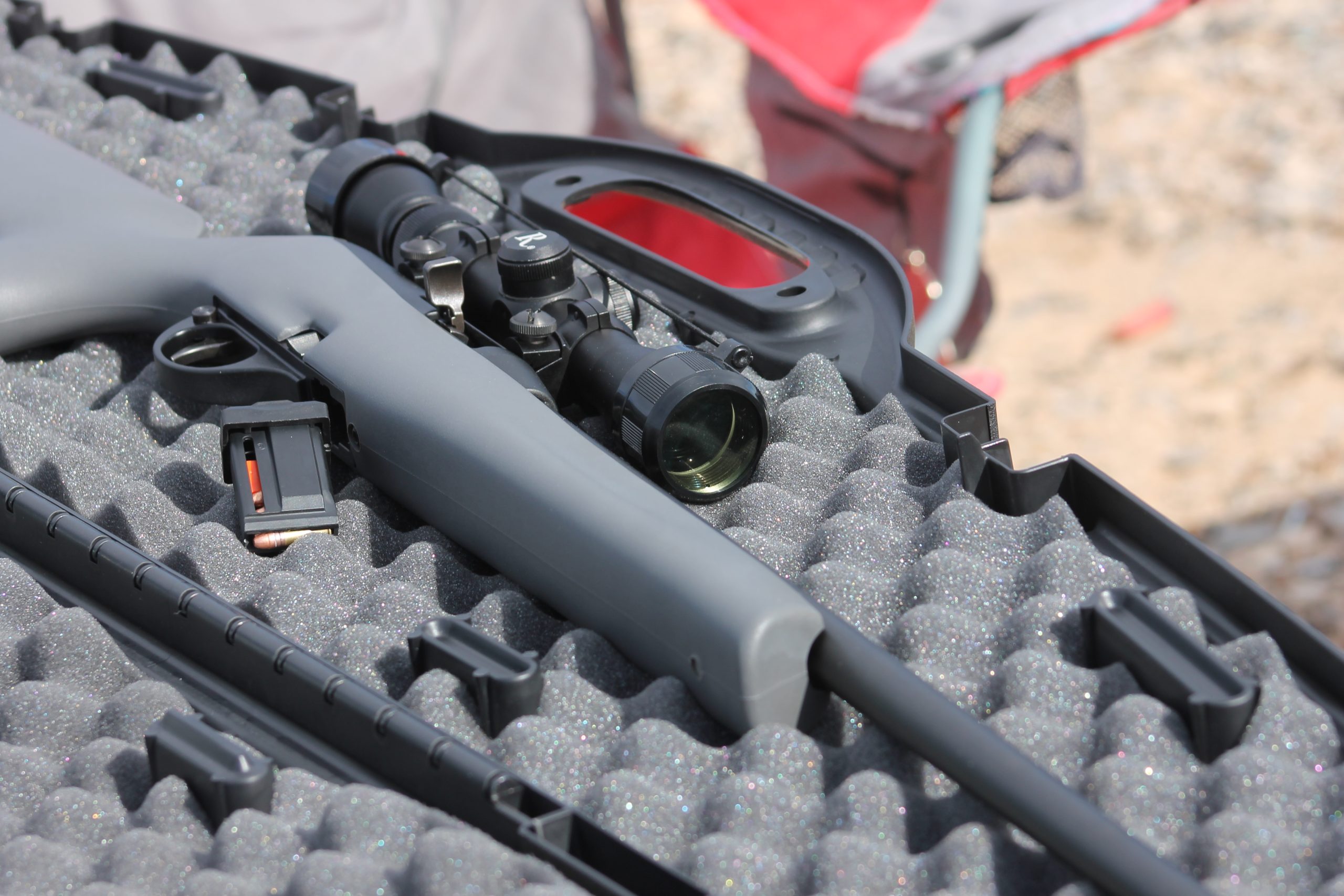
The .17 HMR version of the Remington Model 597 is a clear example of a product disappearing because ammunition and firearm compatibility became a safety issue. In August 2009, Remington warned owners to stop using the .17 HMR rifle and return affected rifles and Remington-brand .17 HMR ammunition. Its production window was 2002 to 2009, making this a case where one chambering vanished while the broader rifle line survived. The warning was unusually specific because it targeted the .17 HMR configuration rather than every 597 rifle. That made the model one of the shorter-lived chambering experiments in the 597 family.
3. Remington Model 710
Remington’s Model 710 had a remarkably short life, running from 2001 to 2006 before the company replaced it with the Model 770. The rifle was recalled between July and October 2002 because of improperly made safety detent springs. Its polymer receiver also became a major talking point, and the final production year used a steel receiver. The 710 was not simply erased overnight after one incident, but its quick replacement shows how a manufacturer can move away from a model when engineering changes, market reaction and a successor converge. The result was a six-year model cycle, followed by a replacement rather than a long-term continuation.
4. Smith & Wesson Model 916
The Smith & Wesson Model 916 shows how a shotgun can leave the market after safety concerns and broader product changes collide. Introduced in 1973, the 12-gauge pump was sold in versions including the 916, 916T and 916A. The 916T became associated with a barrel safety problem involving ruptures, prompting a recall in the late 1970s. The series was eventually discontinued around 1980 and replaced by other shotgun designs produced by Howa in Japan. Its roughly seven-year run was short compared with Smith & Wesson’s long handgun history, making the disappearance especially notable. The retail disappearance was therefore gradual rather than a single overnight event.
5. Remington Model 600 and 660
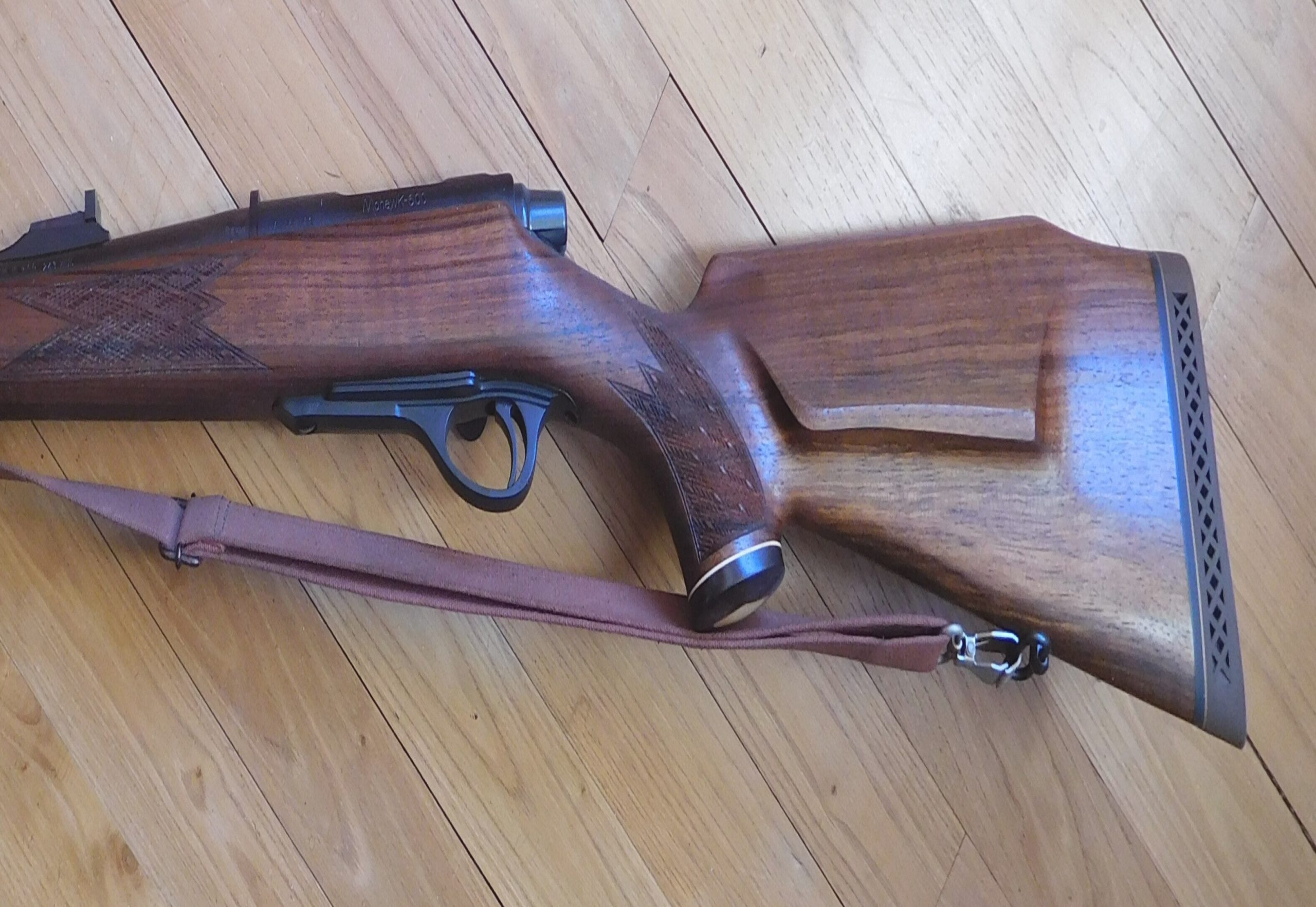
Remington’s Model 600 and Model 660 rifles became part of a major recall involving their trigger mechanisms. Contemporary reporting in 1978 said the recall covered all Model 600 and Model 660 rifles made before 1975, along with certain 600 Mohawk carbines and XP-100 pistols. Remington planned to install improved trigger mechanisms at no cost to owners. The episode affected thousands of firearms and came after a reported accidental shooting. The rifles are historically important because the recall and changing product plans overlapped. The episode shows how a recall can rapidly change a model’s retail status. That made the factory remedy central to the rifle’s later history.
6. Remington Model 700 Family, 1987 Rifles
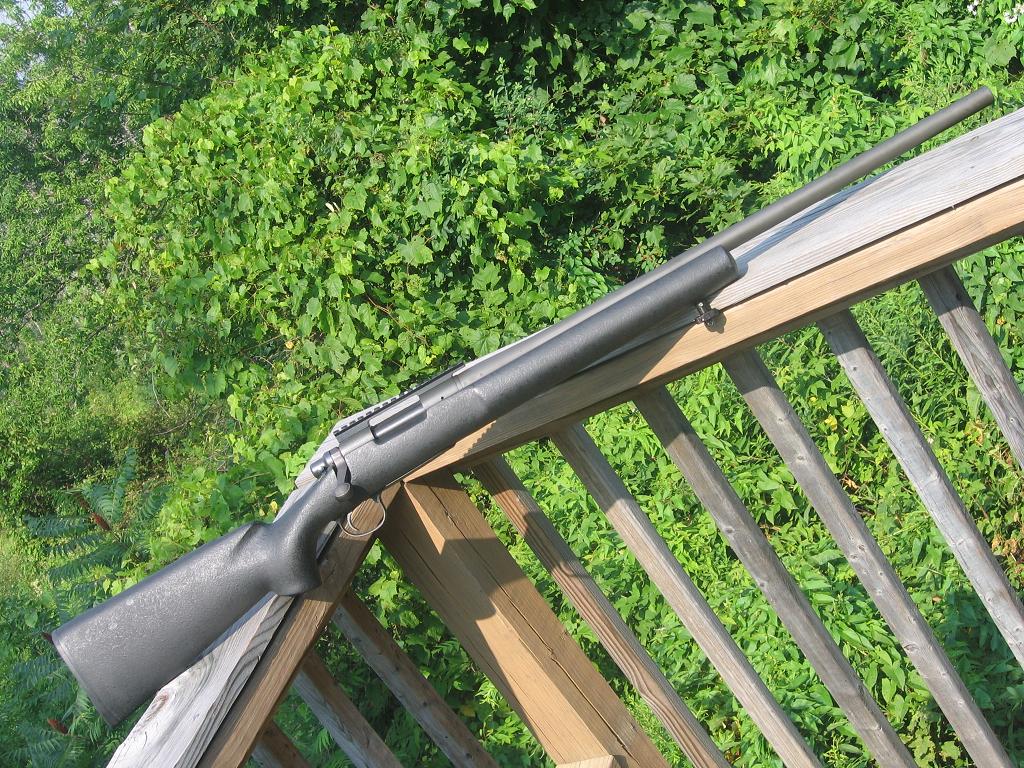
A limited production group of Remington centerfire rifles was temporarily withdrawn from sale after a trigger-assembly concern was identified. The affected group included Model 700, Model Seven, 40-XB, 40-XC and Sportsman 78 rifles made from July 29 through December 11, 1987. Remington said a limited number could contain an improperly manufactured trigger component that might break and cause an accidental firing. The company sought to recover the affected rifles and replace the trigger assemblies. This was not a permanent cancellation of the Model 700, but it is a strong example of a model disappearing from sale while a safety campaign was underway.
7. Colt CBX
The Colt CBX is a much newer example of a rifle line being removed from the market after a safety recall. Colt’s recall notice covers both CBX Precision and CBX Tac Hunter bolt-action rifles. The company says some rifles can develop a condition in which the trigger may not fully reset after being pulled with the safety engaged, potentially allowing an unintended discharge when the safety is moved to fire. Colt also states that the CBX line has been discontinued and is offering recall options for returned rifles. That combination makes the CBX a particularly clear modern case of a product disappearing rather than simply receiving a routine update.
8. Ruger LCP
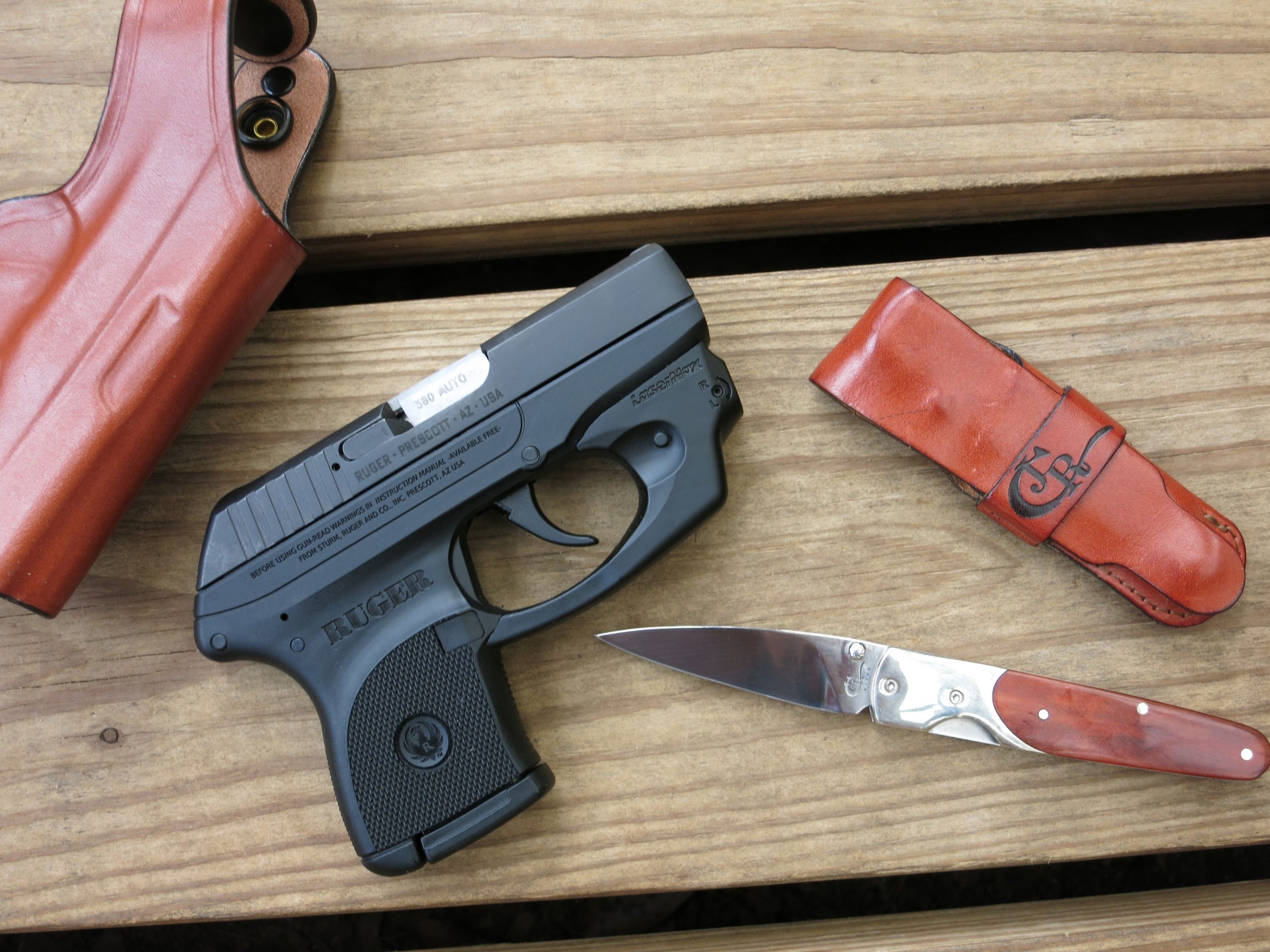
The Ruger LCP illustrates a different kind of shelf disappearance: a popular handgun can remain part of a company’s family while an early production group is removed from normal sale. Ruger’s 2008 recall followed reports that affected LCP pistols could discharge when dropped onto a hard surface with a round chambered. The company identified pistols with the 370 serial prefix as potentially affected and offered a free hammer retrofit. The LCP itself survived, with Ruger’s production history showing shipments beginning in 2008. The important number is 2008: the model was only about one year into its history when the recall became a major part of its story.