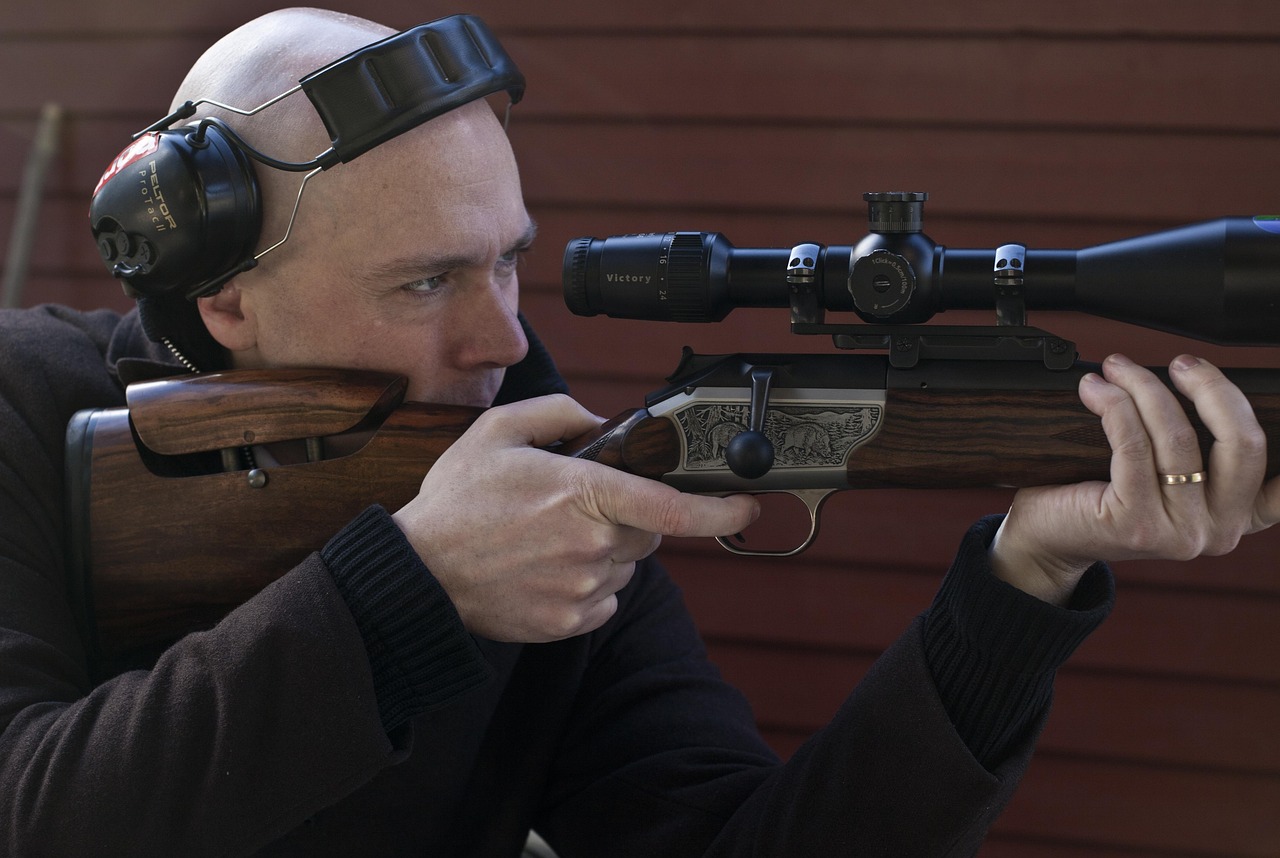
Some firearms became so successful, recognizable, or closely associated with military use that regulators eventually treated them very differently from ordinary sporting guns. The headline is a little dramatic, though. In several cases, the guns were not completely banned. Instead, imports were stopped, particular configurations were restricted, or federal classifications placed them under much tougher rules. These eight examples show how quickly a firearm’s reputation could turn from engineering success into a political liability.
AK-47
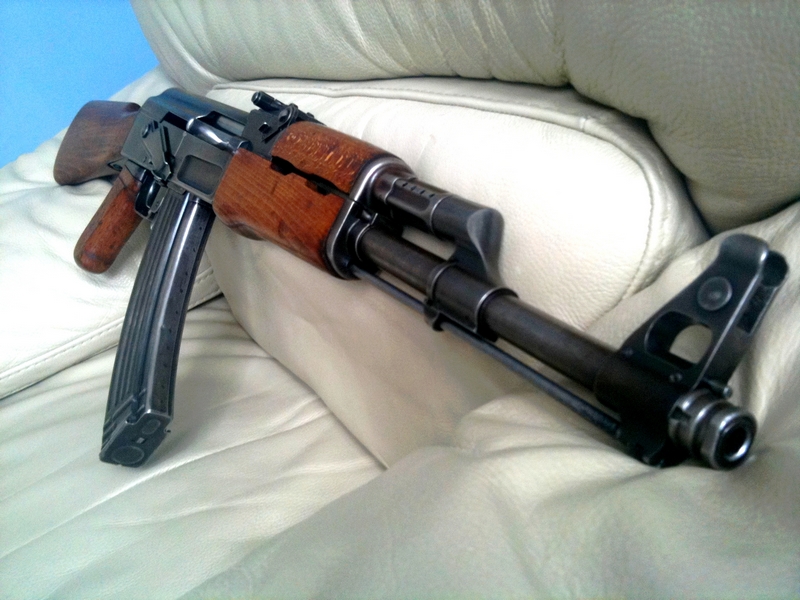
The AK-47 became a defining target of the 1989 import fight because its military lineage, detachable magazine, and popularity made it politically difficult to treat as an ordinary sporting rifle. In March 1989, the Bush administration temporarily stopped imports while ATF reviewed the sporting-purpose test. By July, 43 foreign semiautomatic rifle types were barred, including AK variants. The action did not outlaw rifles already owned in America, and domestic manufacture was a separate issue. That distinction shaped later debates. It targeted future imports, not firearms already lawfully owned.
Uzi
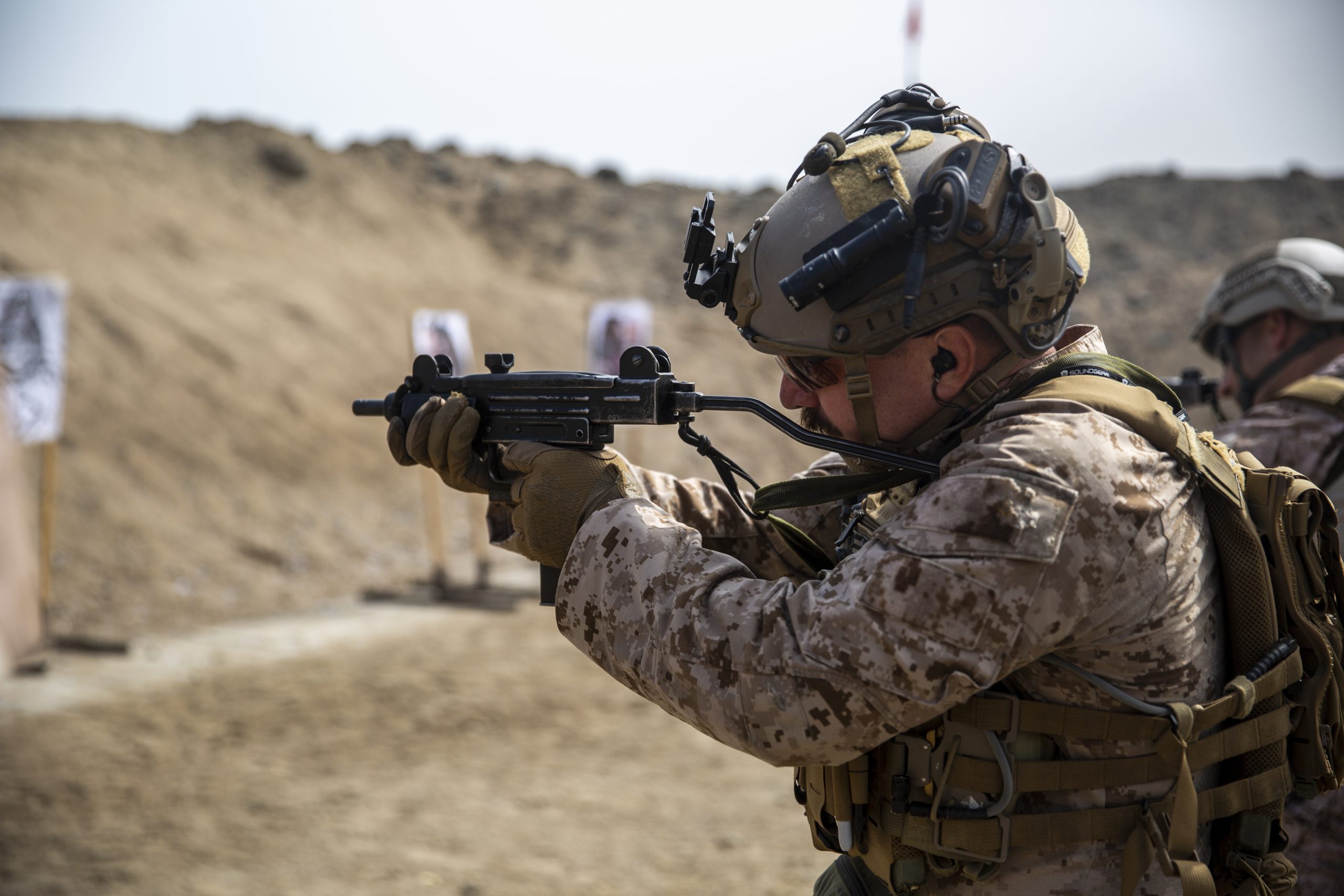
The Uzi faced a similar fate, although civilian U.S. versions were semiautomatic rather than military machine guns. Its compact layout, detachable magazine, and unmistakable military styling made it a prominent example during the 1989 review. The final decision barred the importation of the Uzi carbine among 43 foreign semiautomatic types. Congress later named the Uzi in the 1994 federal assault-weapons law, which covered new manufacture and transfers for 10 years. The model therefore became a symbol of how design features could drive policy. Its reputation outlasted the original rule.
HK91
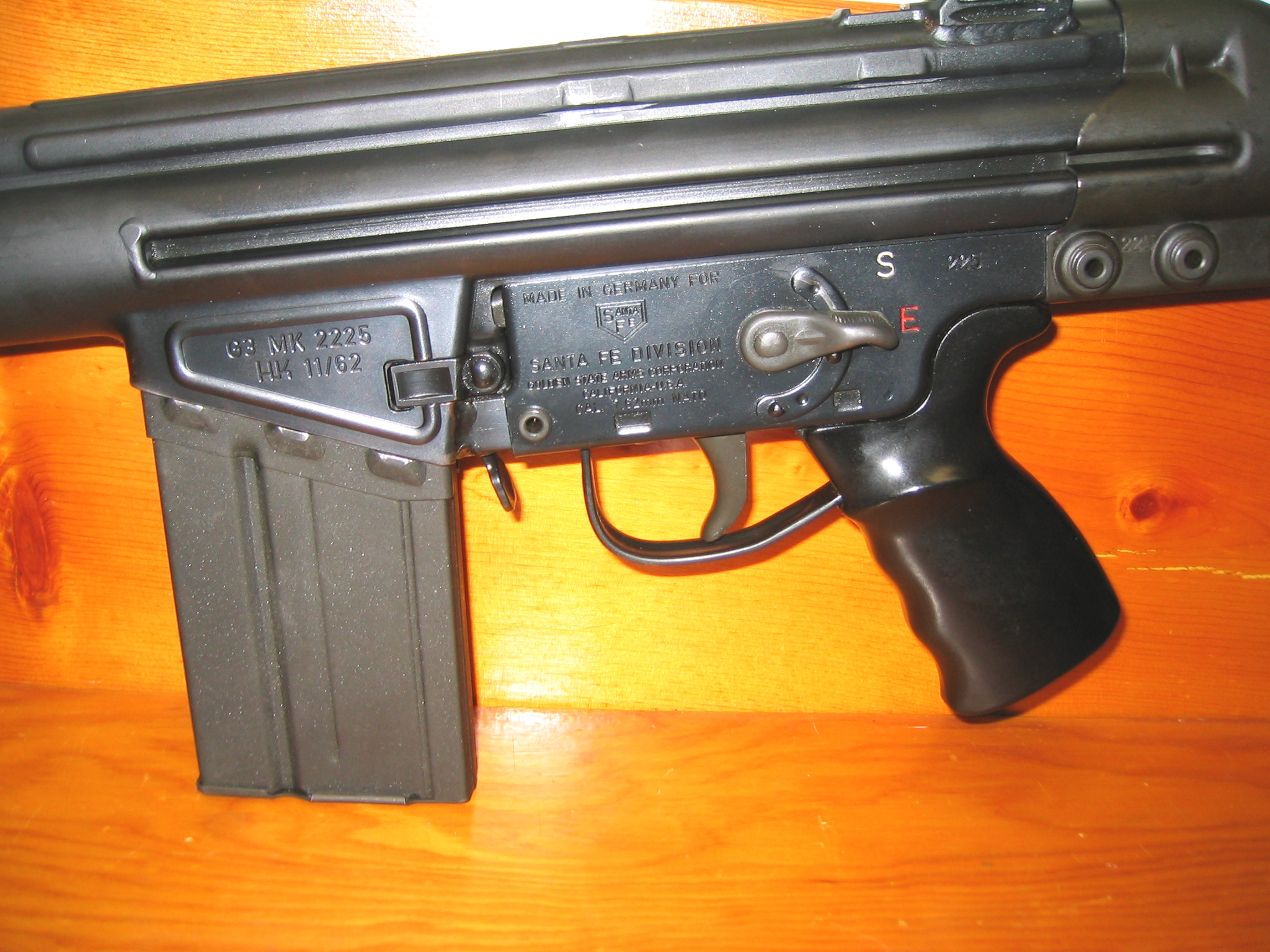
The HK91 was a semi-automatic civilian version of the German G3 family, giving it a strong military connection while retaining a civilian firing system. In 1989, the federal government included the HK91 among foreign semiautomatic rifles that failed the sporting-purpose test. That made new imports unavailable under the federal rule, although existing examples were not simply confiscated. The 1994 law later listed the HK91 family among covered rifles. Its story shows that a successful military design could become politically controversial without being universally prohibited.
FN FAL
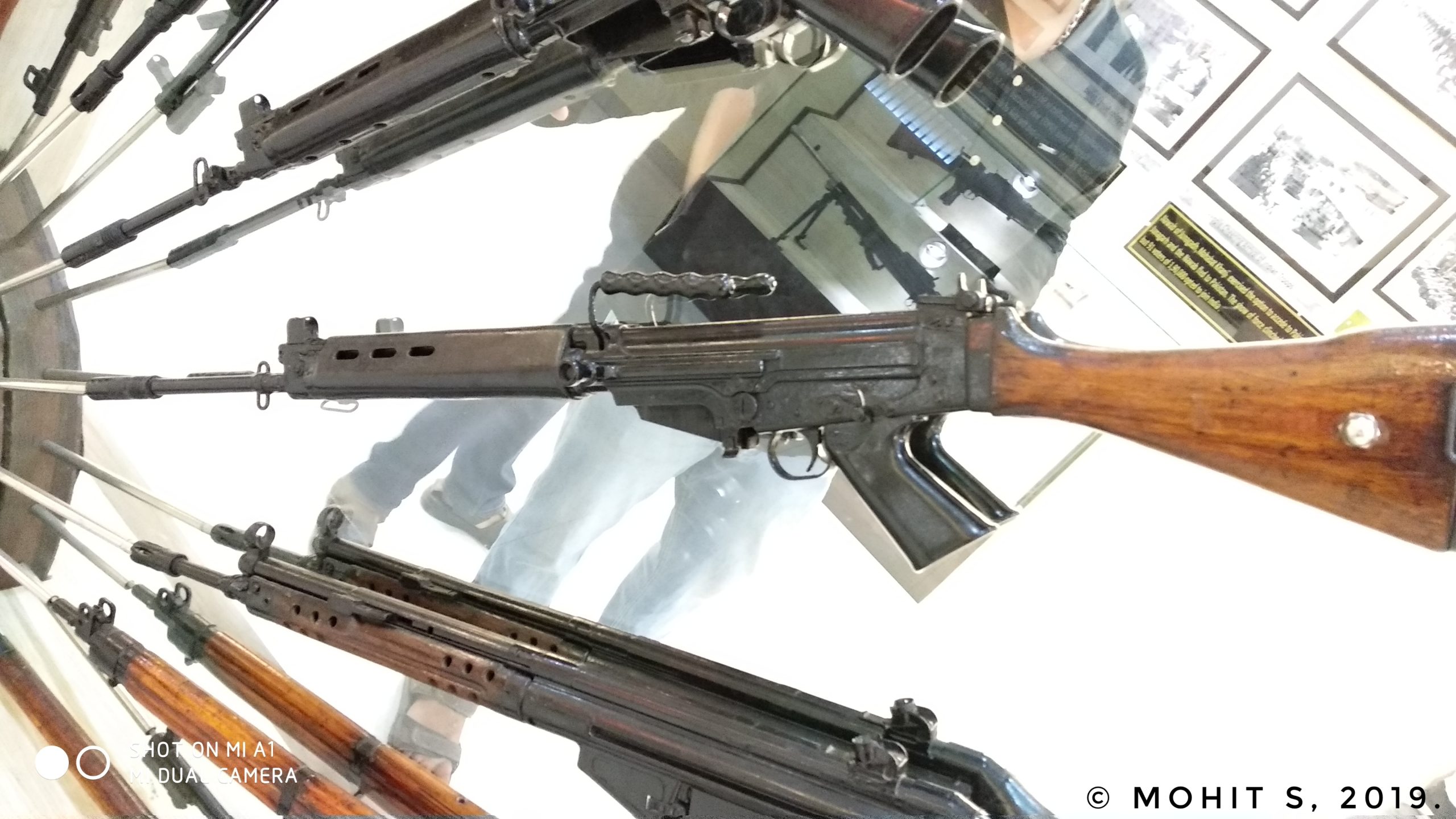
The FN FAL earned the nickname “the right arm of the free world” through widespread military service, but its civilian semiautomatic versions became controversial in the United States. The 1989 federal import decision specifically included FN/FAL-type rifles among the 43 barred foreign models. Five years later, the 1994 law again named FN/FAL and FN/LAR rifles. The restrictions focused on importation and later specified configurations, not on every rifle using the same operating concept. That distinction is essential when describing what was actually banned.
Steyr AUG
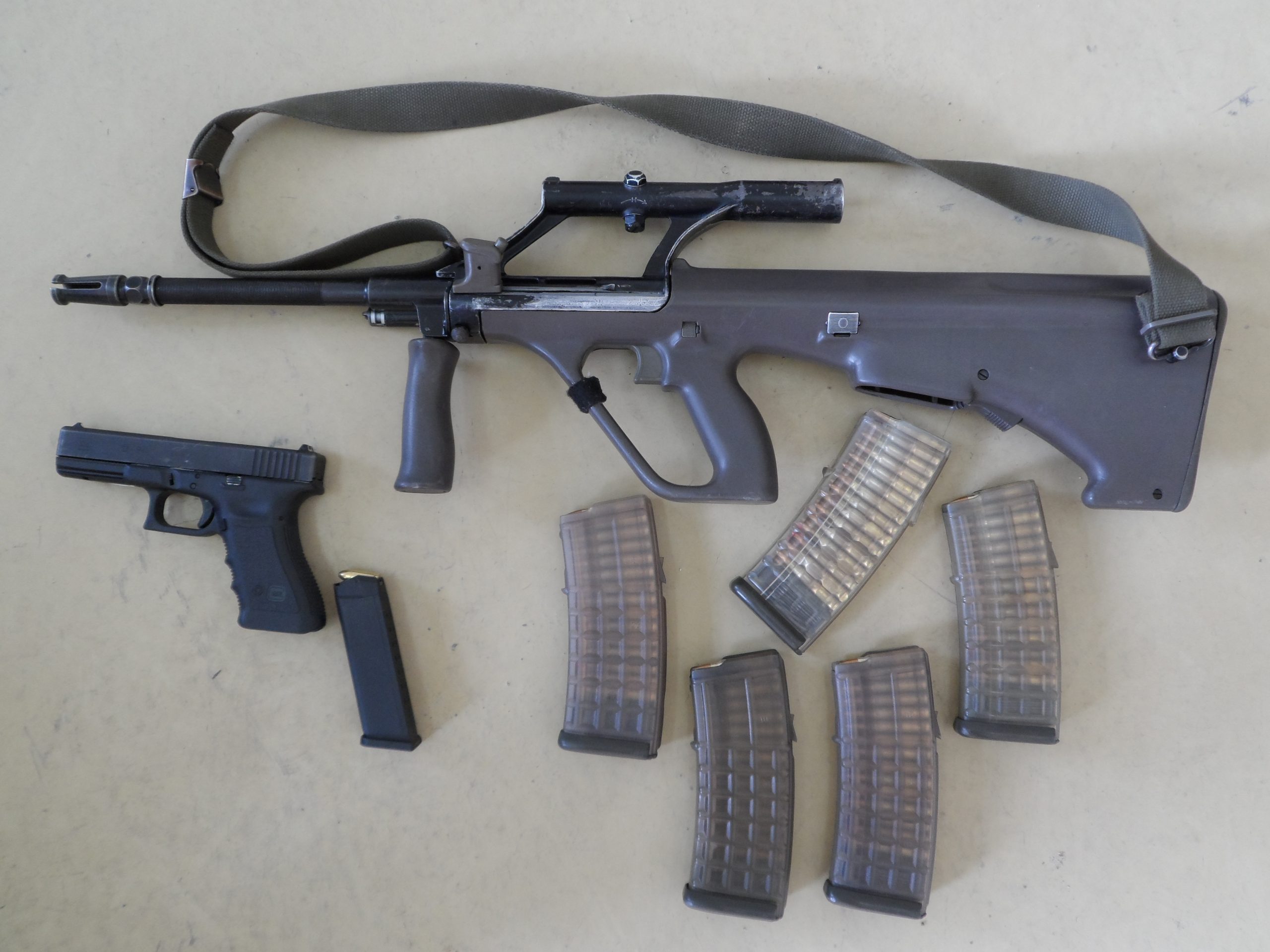
The Steyr AUG looked radically different from conventional sporting rifles because its bullpup layout placed the action behind the trigger. Its compact military design and association with Austrian service made it an obvious example in the 1989 sporting-purpose review. The AUG was among the 43 foreign semiautomatic rifle types whose importation was permanently barred that year. Congress then included the Steyr AUG in the 1994 federal assault-weapons definition. The episode showed how appearance, configuration, and military heritage could combine to attract regulation.
TEC-9
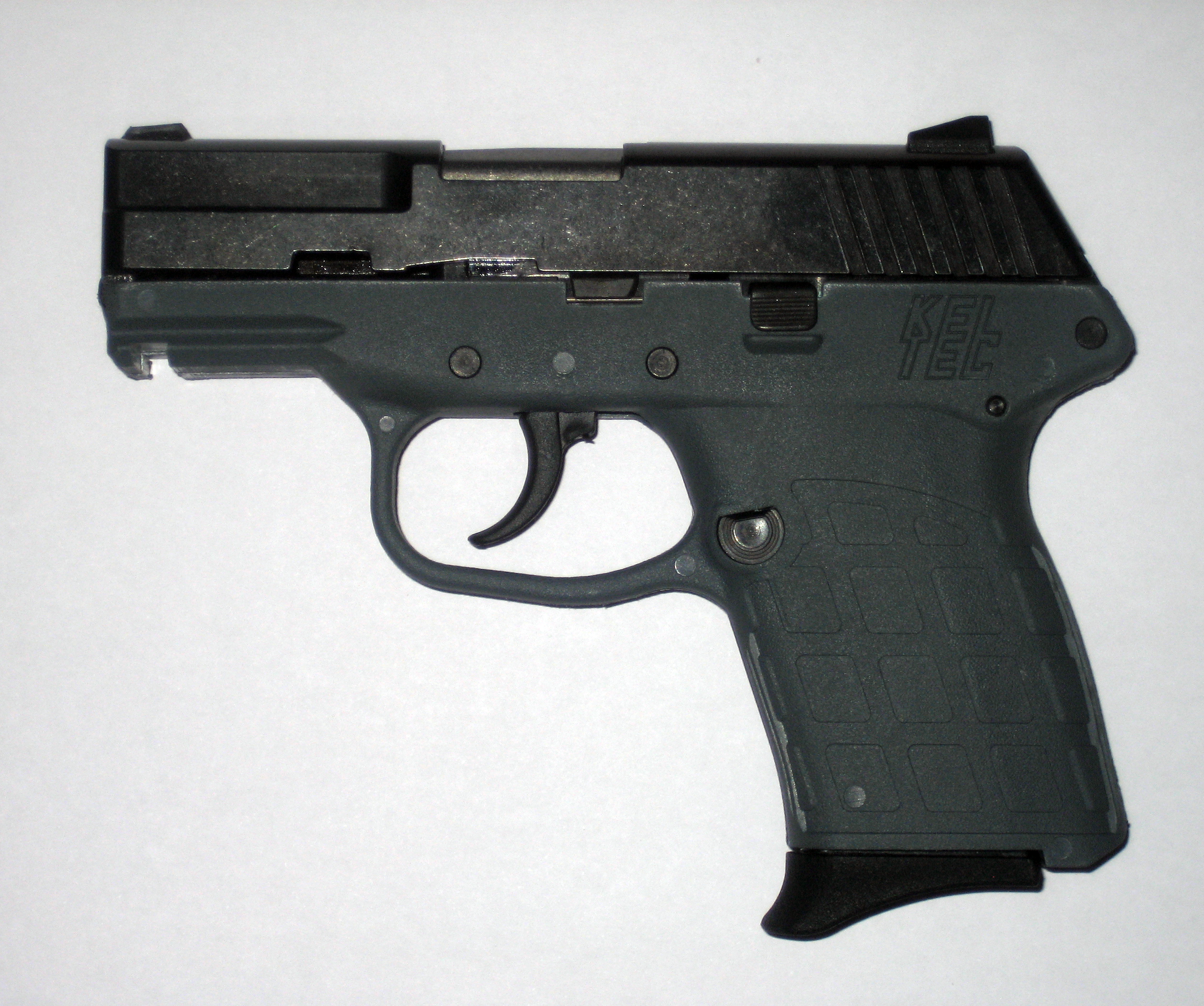
The TEC-9 was a semiautomatic pistol that became one of the most recognizable names in the 1990s gun-control debate. Its large-format design and ability to use detachable magazines helped make it a frequent political example, especially after high-profile crimes. Congress named the TEC-9, TEC-DC9, and TEC-22 in the 1994 federal assault-weapons law. That provision lasted 10 years and prohibited the manufacture and transfer of newly covered examples, subject to statutory exceptions. The model later continued in modified forms rather than simply disappearing.
Street Sweeper
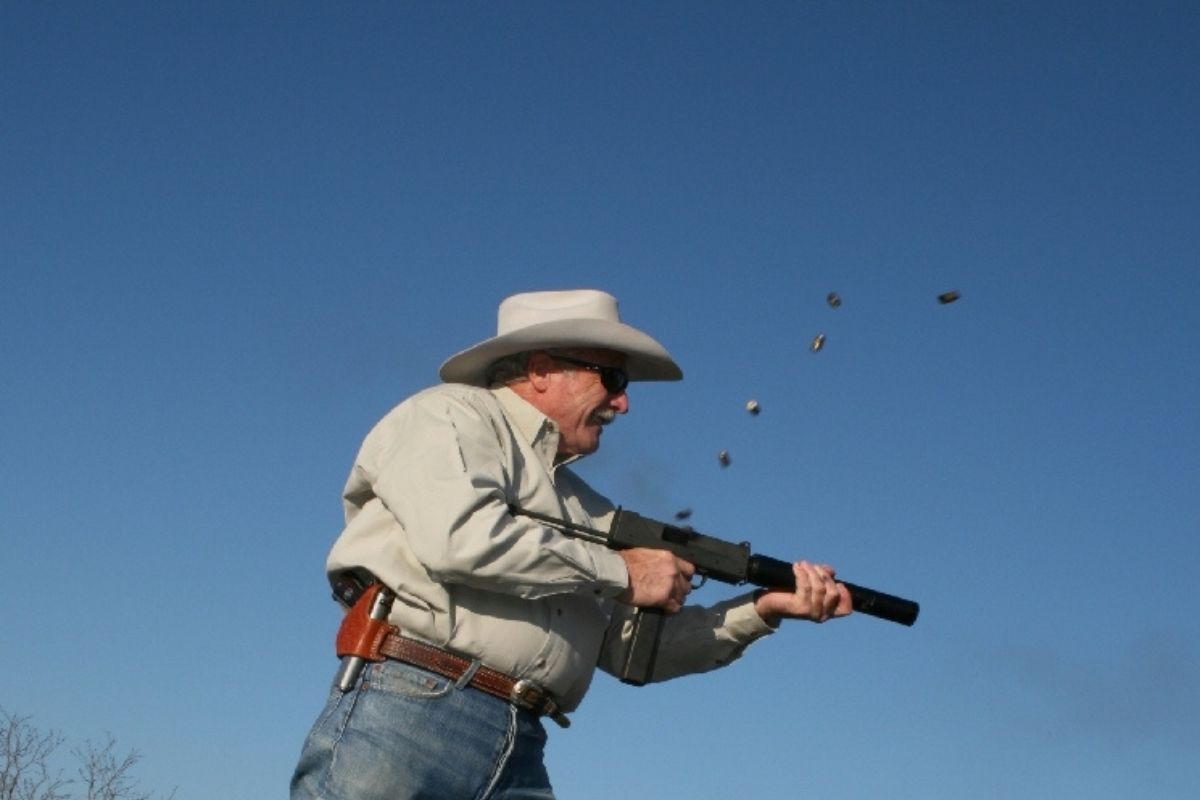
The Street Sweeper gained notoriety because its revolving-cylinder shotgun design looked unusual and its large bore made regulators question whether it fit a conventional sporting role. ATF classified the Striker 12 and Street Sweeper as National Firearms Act destructive devices in 1994 because they exceeded one-half inch in bore diameter and were not generally recognized as suitable for sporting purposes. That was a regulatory classification, not a sudden blanket ban. The decision placed the guns under a much more restrictive federal framework than ordinary shotguns.
USAS-12
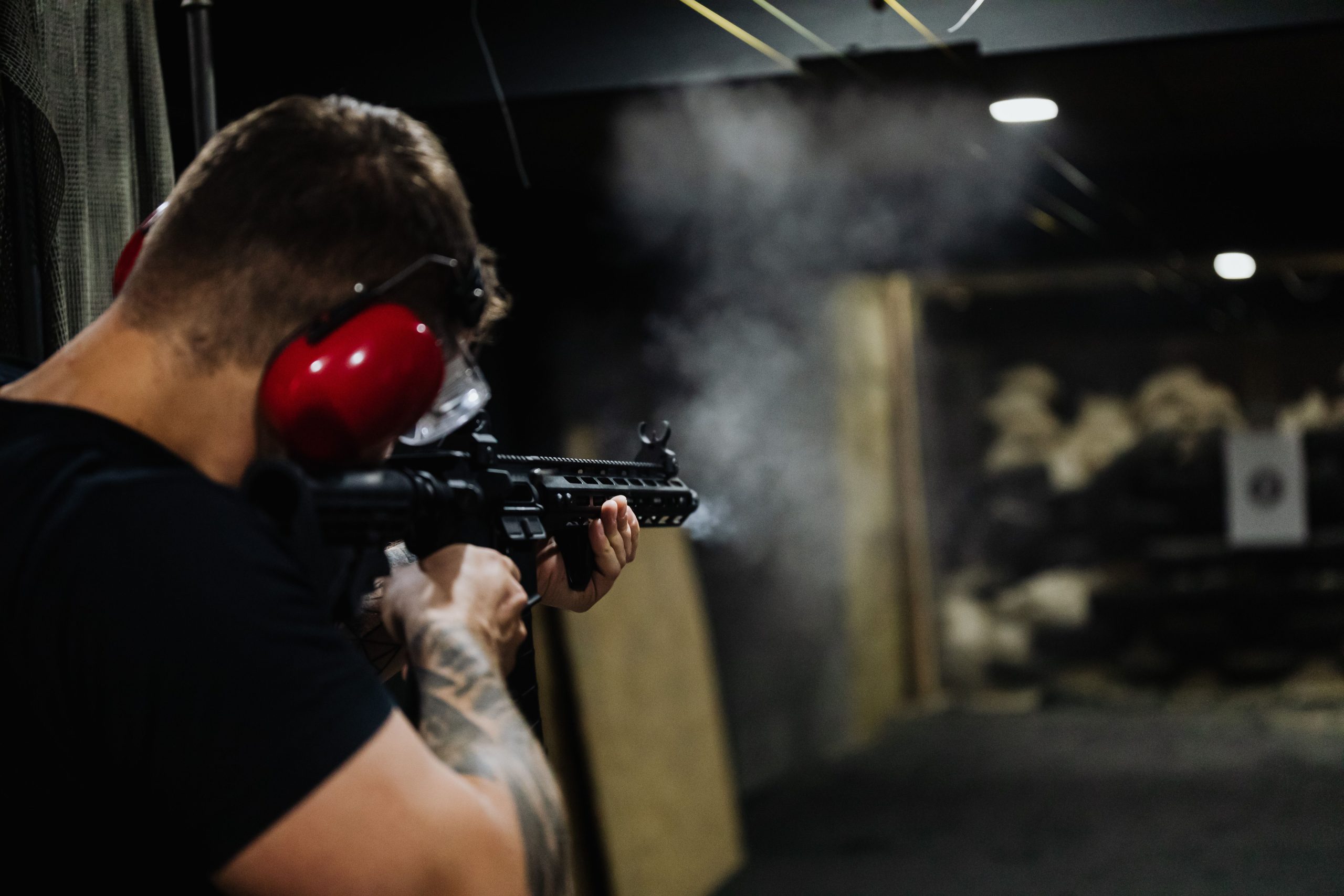
The USAS-12 was a semiautomatic shotgun designed around military-style handling and a large magazine, which made it an easy target during the era’s assault-weapons debate. In 1994, ATF classified the USAS-12 as a destructive device under the National Firearms Act because its bore exceeded one-half inch and the agency found it was not generally recognized as particularly suitable for sporting purposes. The ruling hcewvblveiip changed its federal status. It illustrates why some firearms became restricted through classification rather than a conventional named ban.