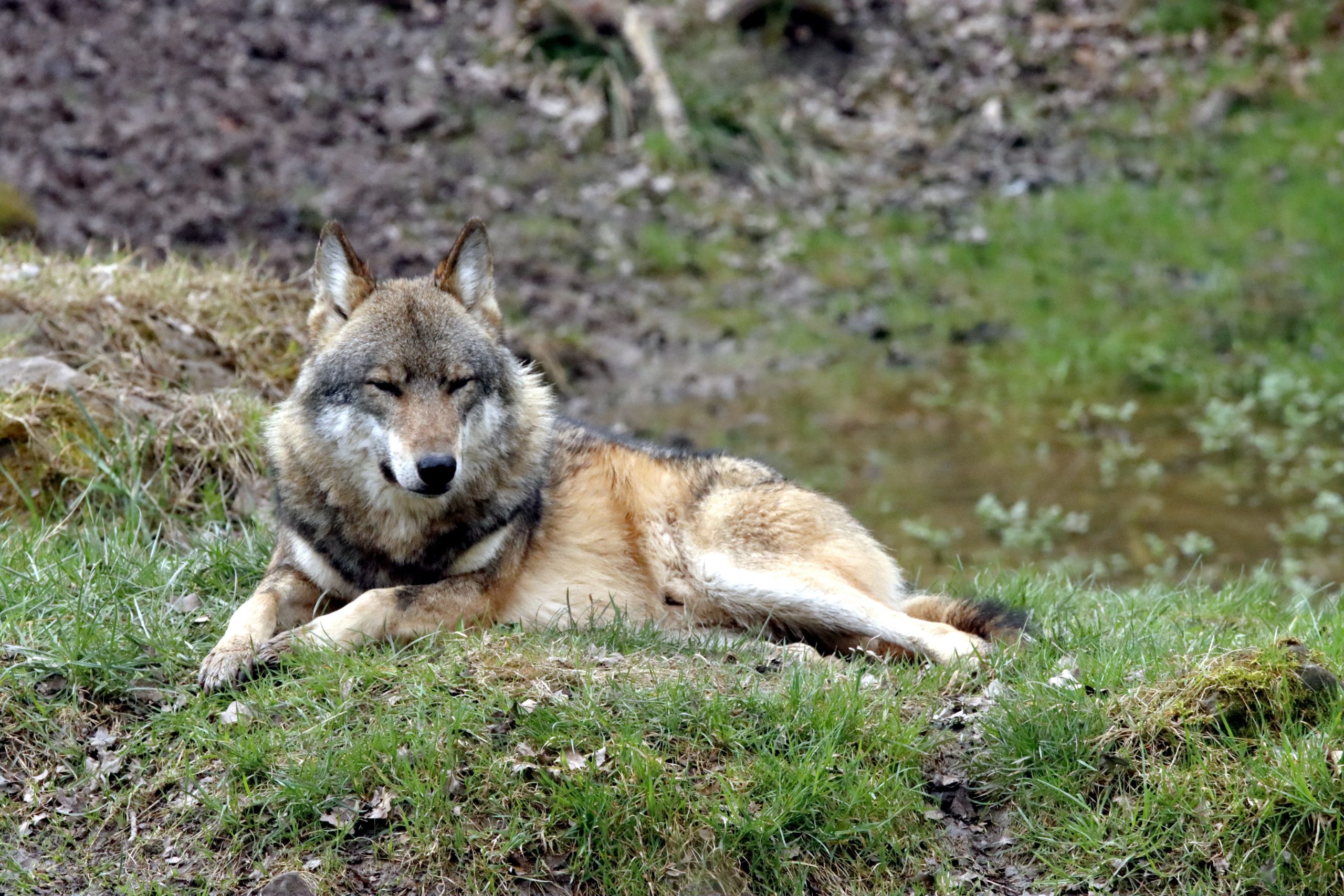
Predator attacks on livestock rarely happen in the dramatic way people imagine. More often, the problem builds quietly through repeated calf injuries, missing sheep, stressed herds, and isolated kills across enormous grazing areas. Wolves are the main focus in several Western states, while bears, mountain lions and coyotes also contribute to livestock losses. Recent wildlife reports show that the pattern is highly localized: some areas are seeing more conflicts as predator populations expand, while others are experiencing declines. The numbers below help show where livestock-predator encounters are becoming an important management issue.
1. Washington
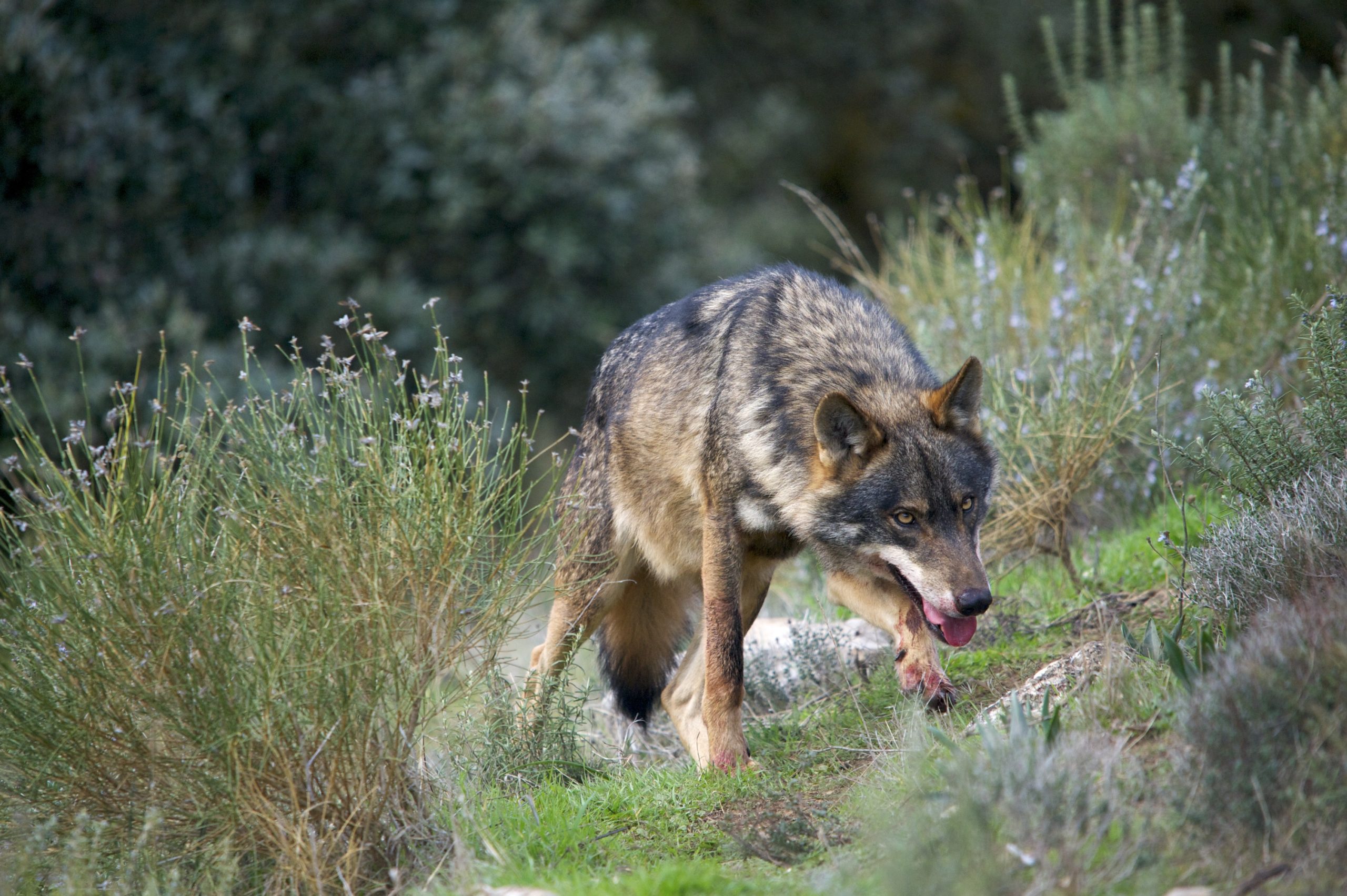
Washington’s wolf-livestock conflict became more visible in 2025 as the state’s wolf population expanded. WDFW recorded 17 depredation events involving 19 cattle, with 8 calves confirmed killed, 1 probably killed, 8 confirmed injured, and 2 probably injured. Five of the state’s 49 known packs were tied to at least one confirmed or probable loss. The pattern was concentrated rather than statewide: 90% of known packs had no documented depredation. That distinction matters because a growing wolf population does not automatically mean every ranch is facing greater risk. Repeated incidents around individual packs remain the main management concern.
2. California
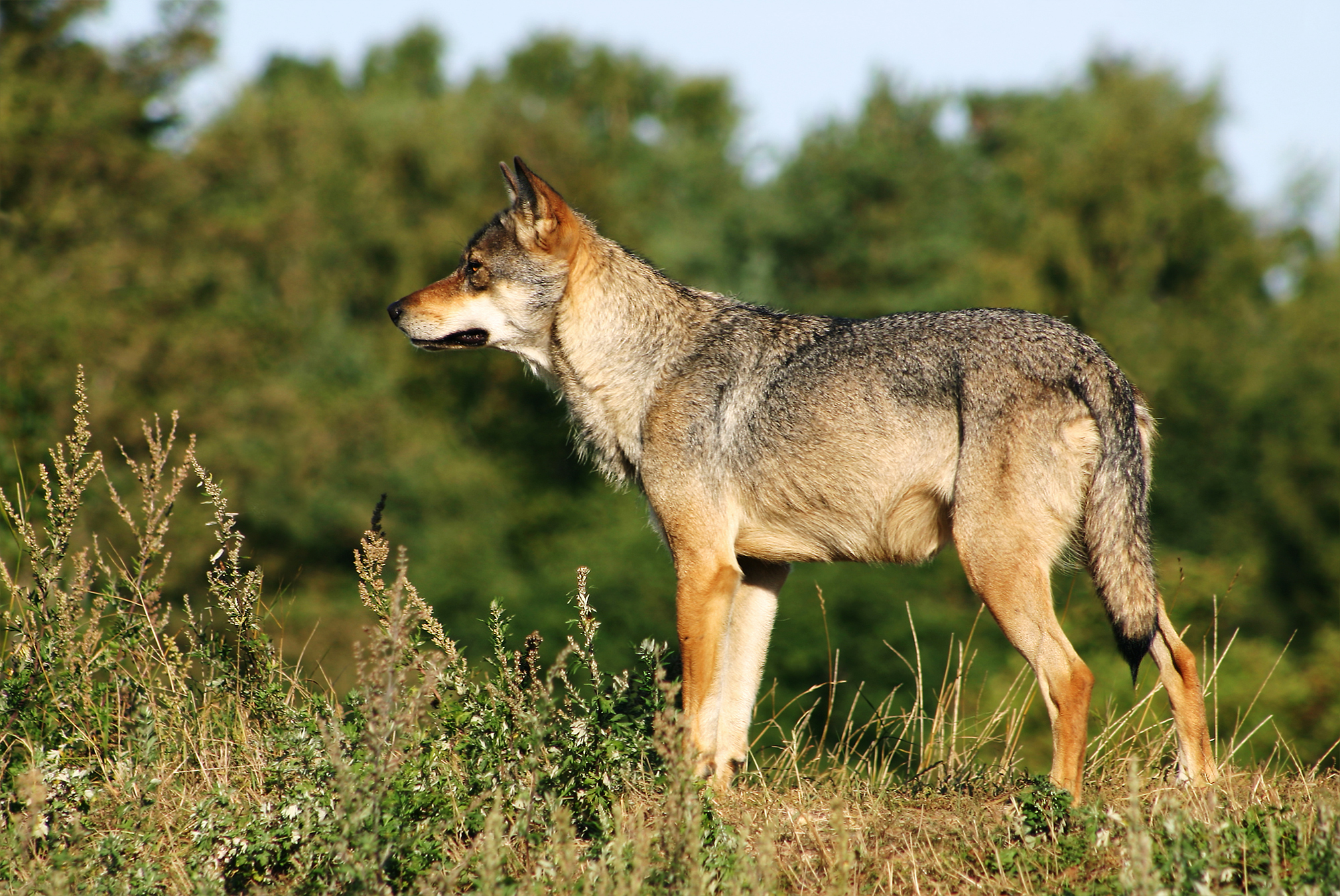
California is seeing a newer phase of wolf-livestock conflict as packs spread into cattle country. CDFW says the state had 11 confirmed wolf packs and changed its reporting system in 2025 because the number of depredation investigations was growing. In the Sierra Valley, 17 additional confirmed or probable livestock losses were documented from September 10 through October 14, 2025. Wildlife officials used drones, range presence, fladry, and other deterrents before lethal action was considered. The important number is not just livestock lost, but the concentration of repeated incidents around particular wolves or packs. Ranchers therefore watch packs closely where losses repeat.
3. Colorado
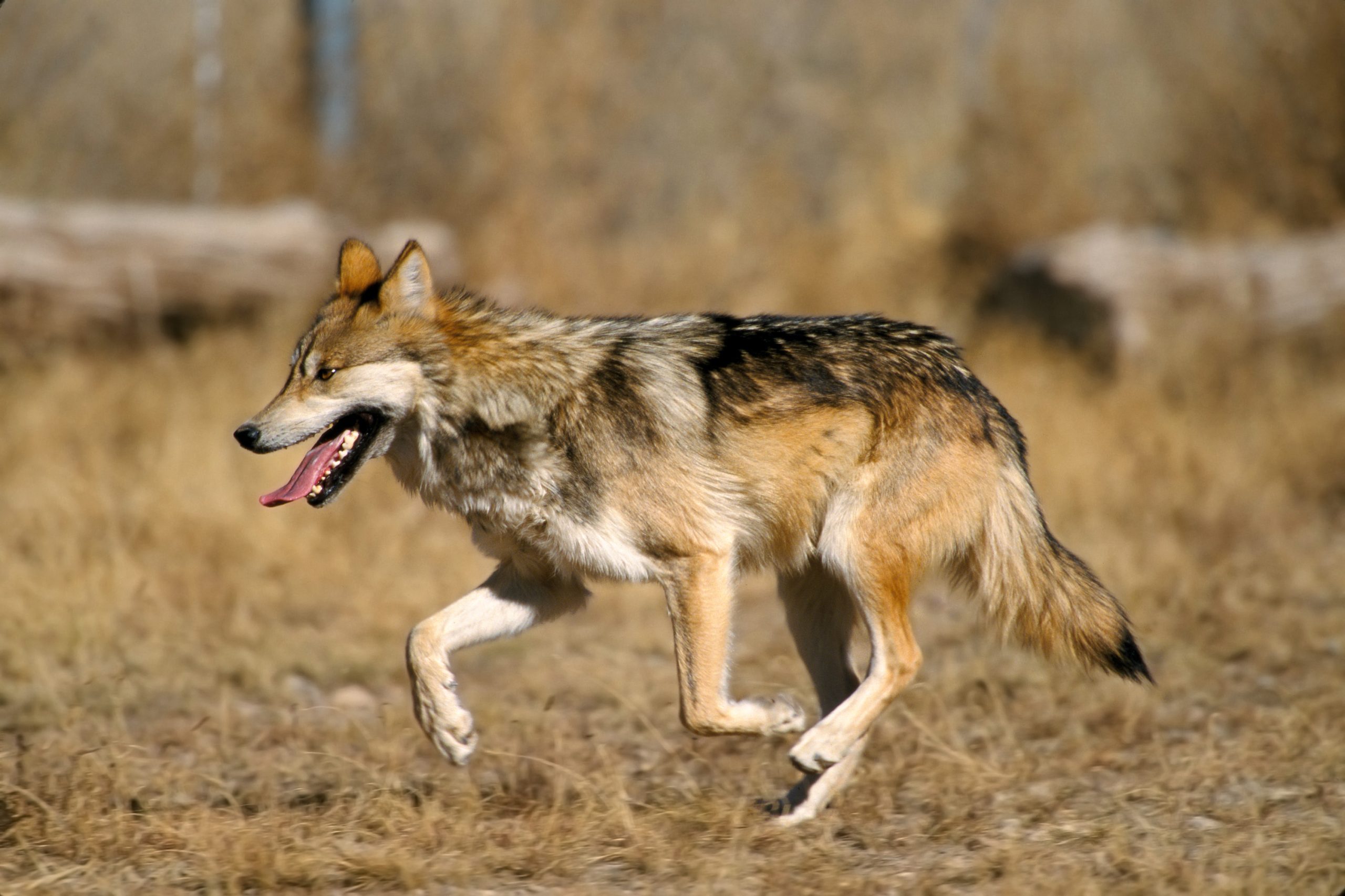
Colorado’s wolf population is young, but livestock conflicts have become a measurable management issue. During the 2025-26 wolf year, CPW confirmed 43 depredations involving 19 cattle, 23 sheep and 1 working dog. The state also expanded prevention work, including more than 13 miles of fladry and a range-rider program. Riders logged over 4,300 hours and nearly 15,000 miles while working with 34 producers. Those figures show why the story is not simply about attacks: Colorado is simultaneously testing methods intended to prevent repeat losses as wolves establish themselves across western and northwestern ranch country. That is significant as more packs occupy working ranch landscapes.
4. Oregon
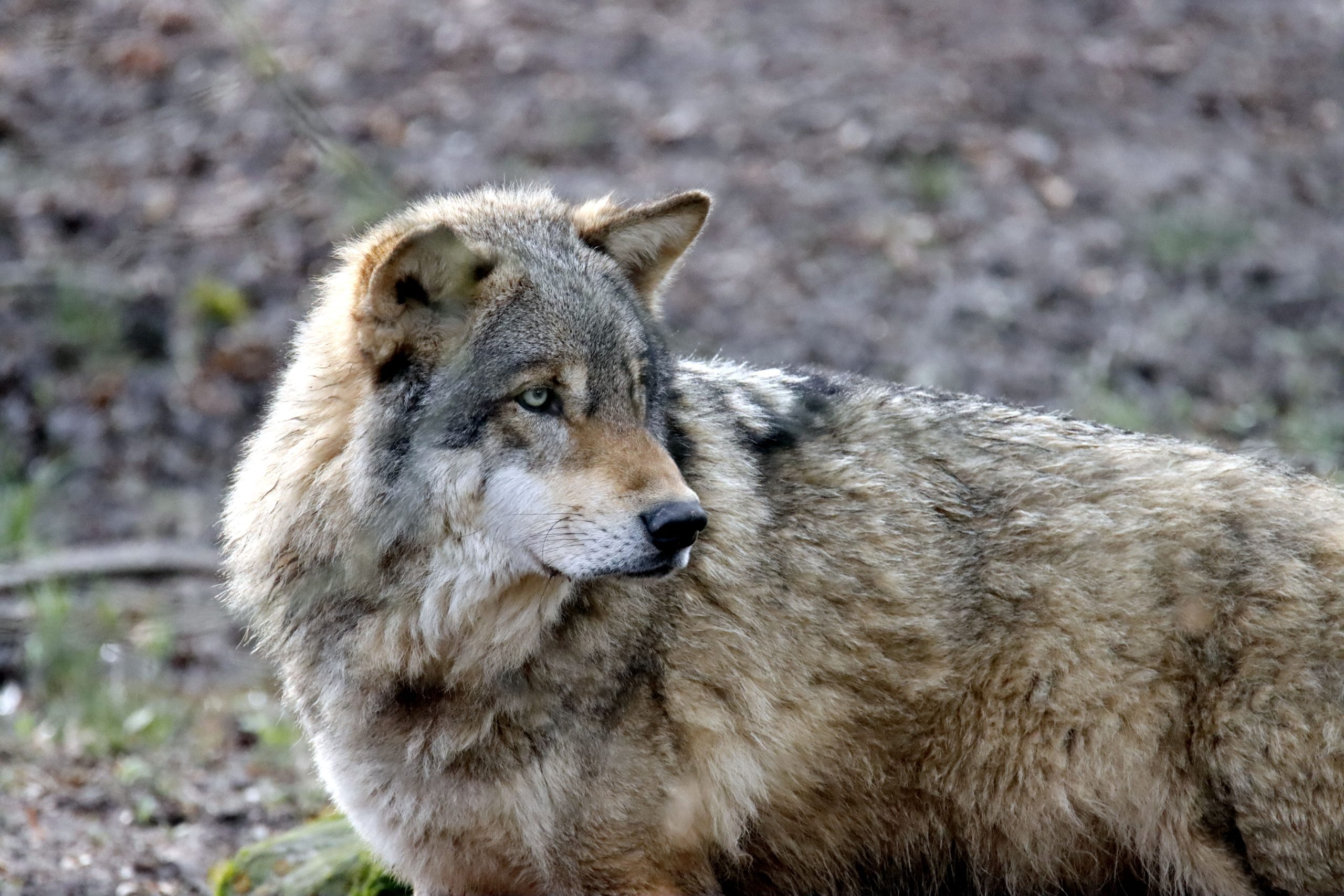
Oregon has one of the longest-running modern wolf-livestock conflict records in the West, and 2025 investigations continued to document losses. ODFW’s 2024 annual report recorded 69 confirmed depredation events, down from 73 in 2023, plus 12 probable events. Confirmed 2024 losses included 5 cows, 24 calves and 62 sheep killed, while 6 cows, 16 calves, 2 sheep and 3 working dogs were injured. In 2025, individual investigations continued across large public and private grazing areas. The numbers show persistent pressure, but they also show why “rising” should be used carefully: annual totals can move in either direction. Repeated incidents can matter more than the annual total.
5. Idaho
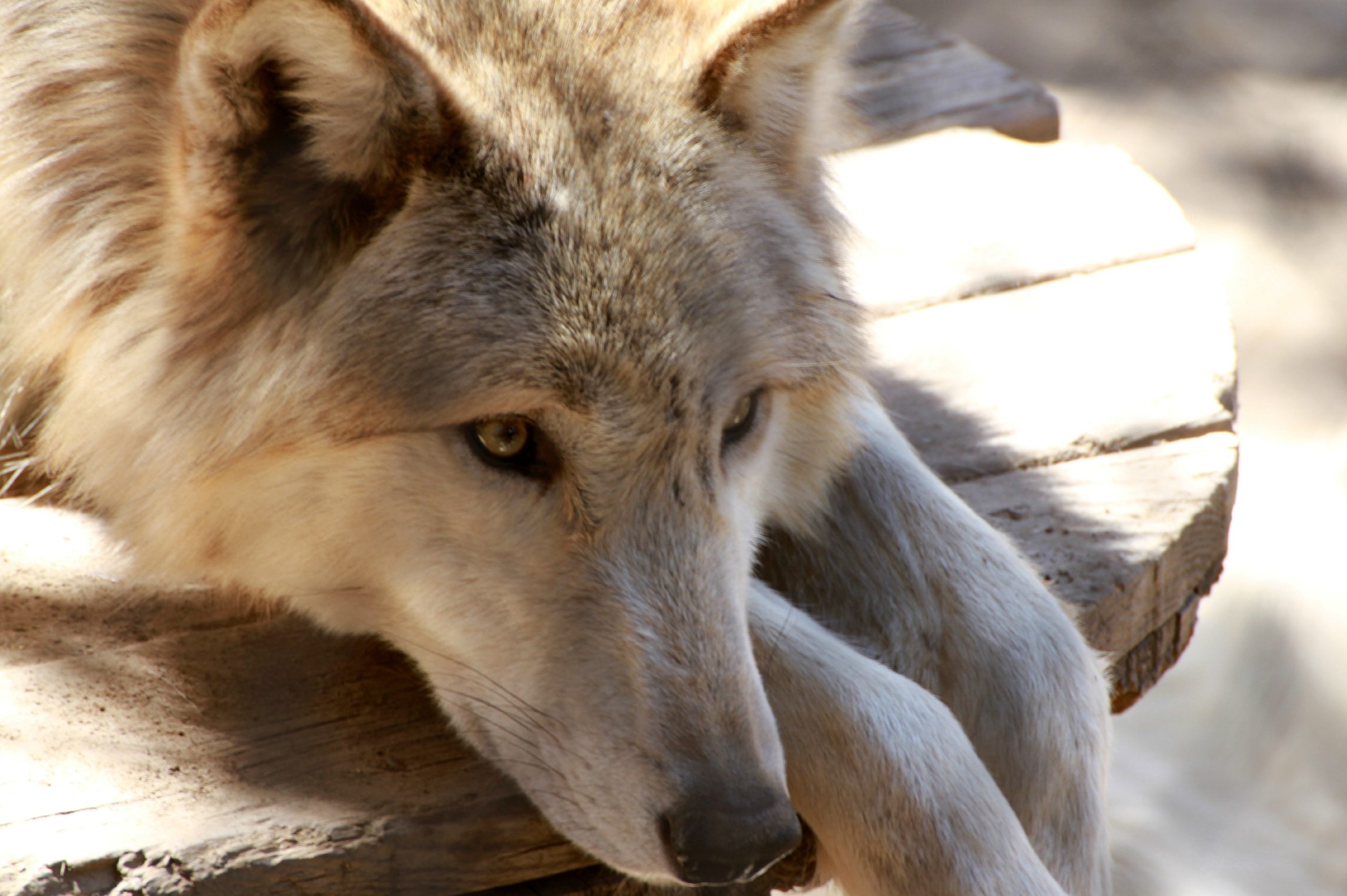
Idaho remains a major wolf-livestock conflict state, although recent figures do not show a simple upward trend. By November 2025, state officials reported 23 cattle, 43 sheep and 1 dog that investigators classified as confirmed, probable or possible wolf kills during the year. That was substantially below 2022, when officials recorded 84 cattle and 192 sheep losses attributed to wolves. Idaho’s experience illustrates an important point: a large predator population can produce serious localized losses without statewide attacks continually increasing. For ranchers, the practical concern is often where a pack overlaps calving, lambing, or grazing areas.
6. Montana
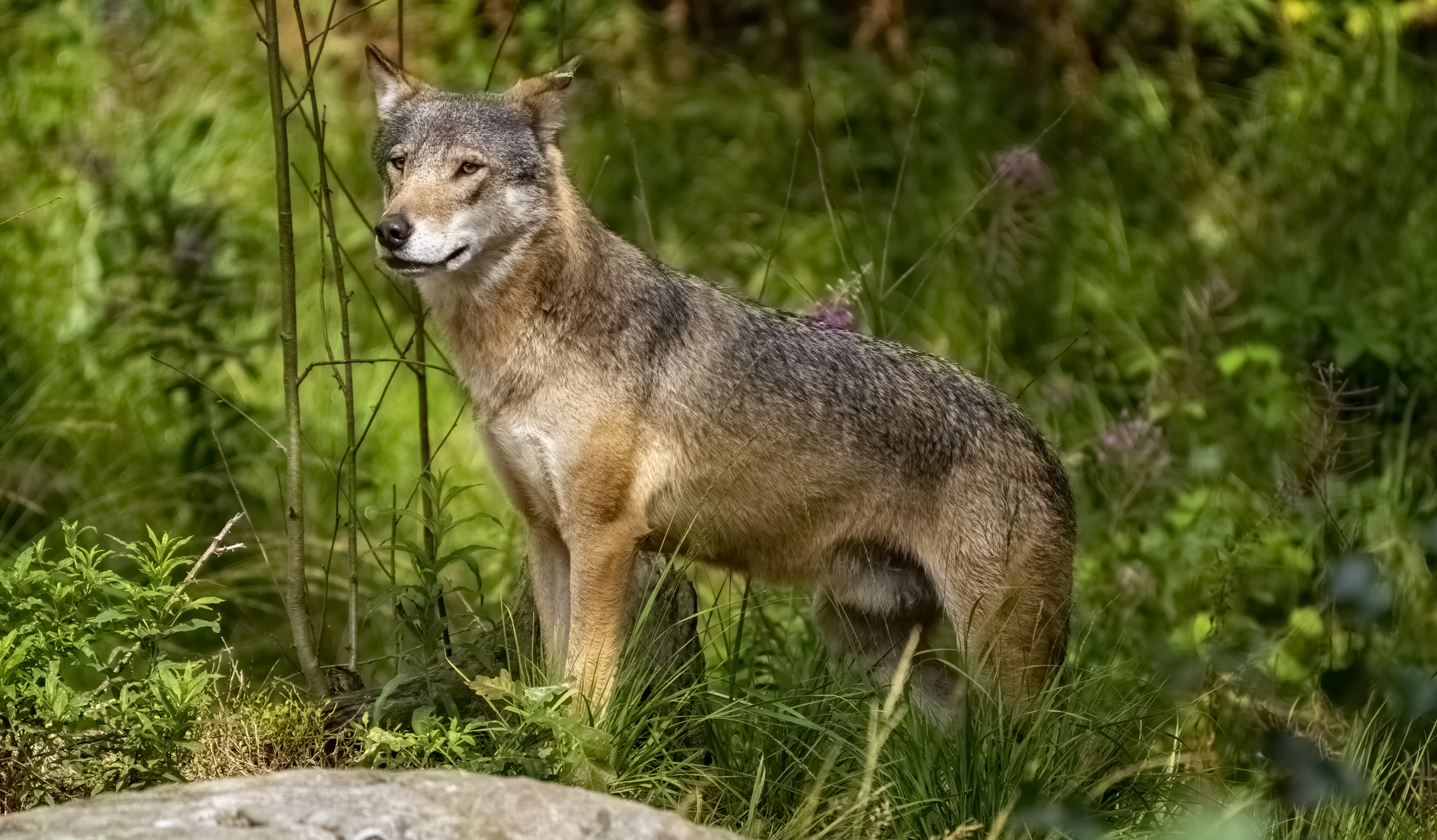
Montana continues to record wolf attacks on livestock across a large ranching landscape, with losses varying by year and location. In 2024, Wildlife Services confirmed 62 livestock losses to wolves: 35 cattle, 16 sheep, 3 foals and 8 livestock guardian dogs. That was up from 32 confirmed losses in 2023, although it remained below the state’s recent long-term average. Twenty-five wolves were killed in response to depredation or to reduce the risk of further losses. Montana’s own management material also notes that most livestock deaths have non-predator causes, making verified investigations essential before blaming wolves. Those losses are still a small share of total livestock mortality.
7. Wyoming
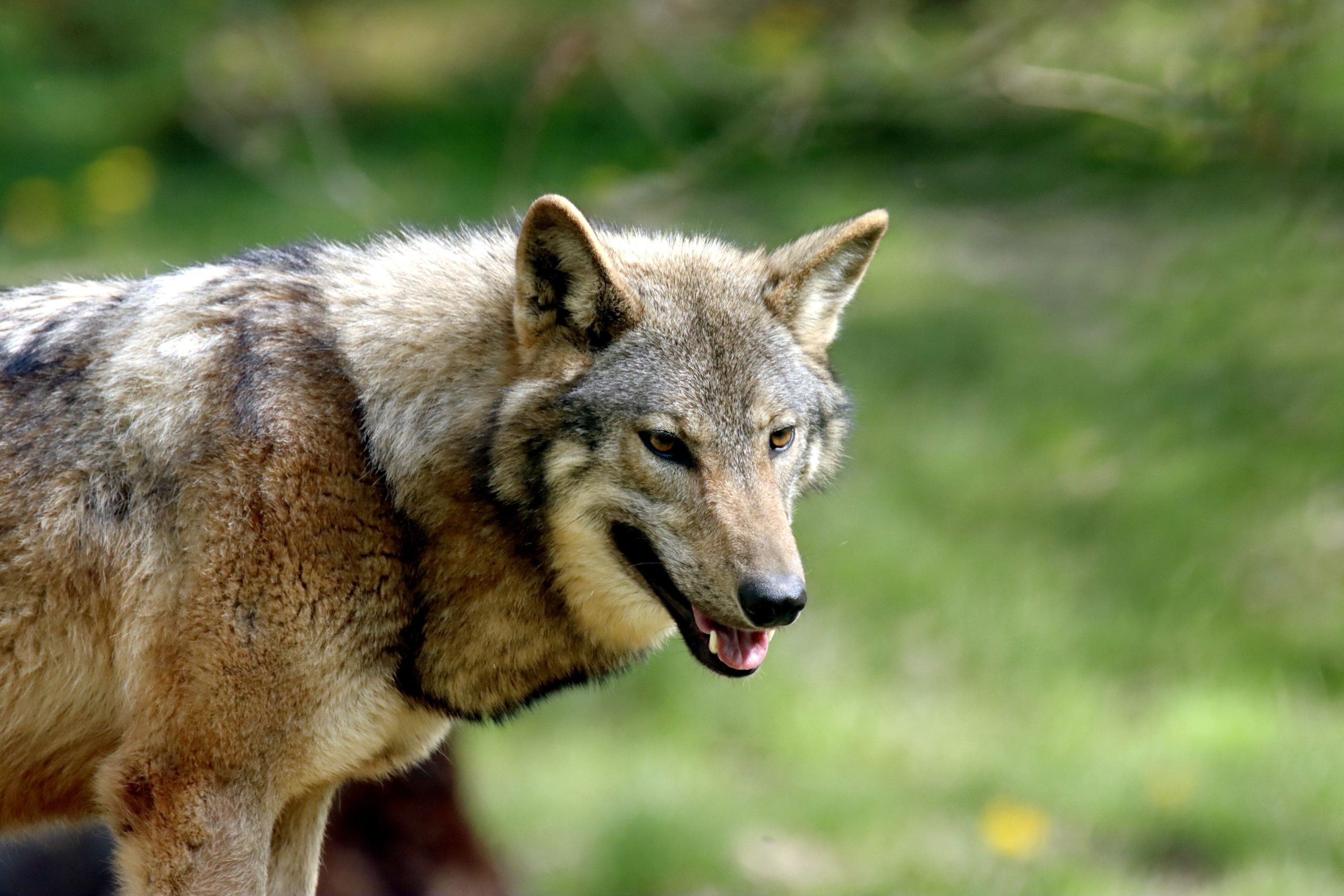
Wyoming recorded verified wolf conflicts with livestock in 2025, particularly in areas where wolves and working ranches overlap. The Wyoming Game and Fish Department reported 5 cattle, all calves, and 25 sheep, including 15 lambs and 10 adults, killed or injured by wolves in designated predatory-animal areas. A total of 33 wolves were lethally removed to prevent livestock conflicts, including 32 removed by Wildlife Services and 1 taken by a member of the public defending livestock. These figures show that the problem can be concentrated in specific grazing areas rather than evenly spread across the state. Sheep and calves appear especially exposed in these verified conflict areas.
8. Utah
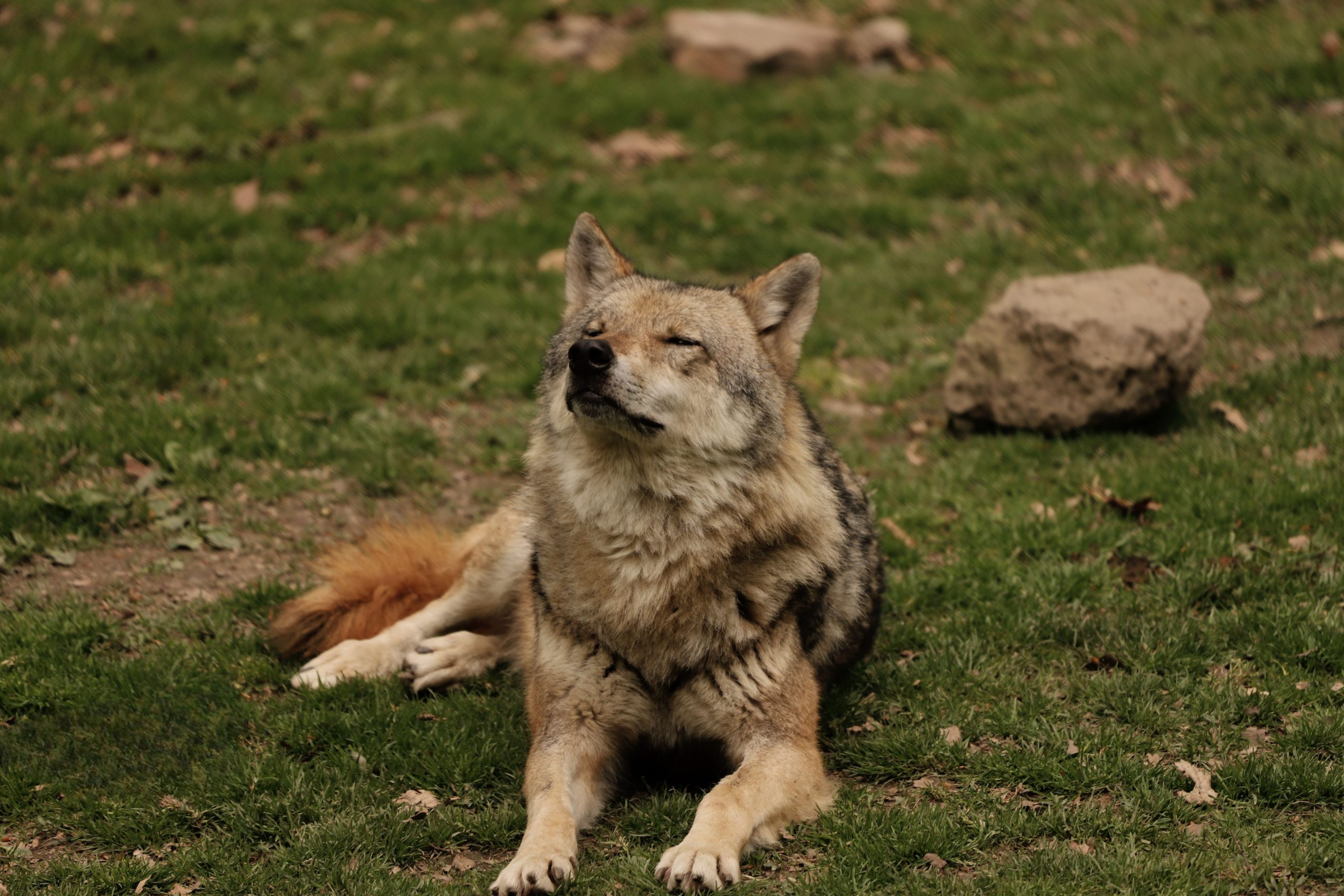
Utah’s situation is different because the state does not have an established breeding wolf population. DWR says dispersing wolves from Idaho and Wyoming have been confirmed at least 21 times since 2004, and documented depredation incidents have involved both cattle and sheep. As of September 2025, officials knew of at least one lone male wolf in the state, while an animal from Colorado briefly entered in 2025. DWR expects dispersal to continue as Colorado’s wolf population expands. For Utah ranchers, the concern is therefore emerging exposure rather than a widespread established-pack problem across the state. That distinction is important when interpreting isolated livestock incidents.
9. New Mexico
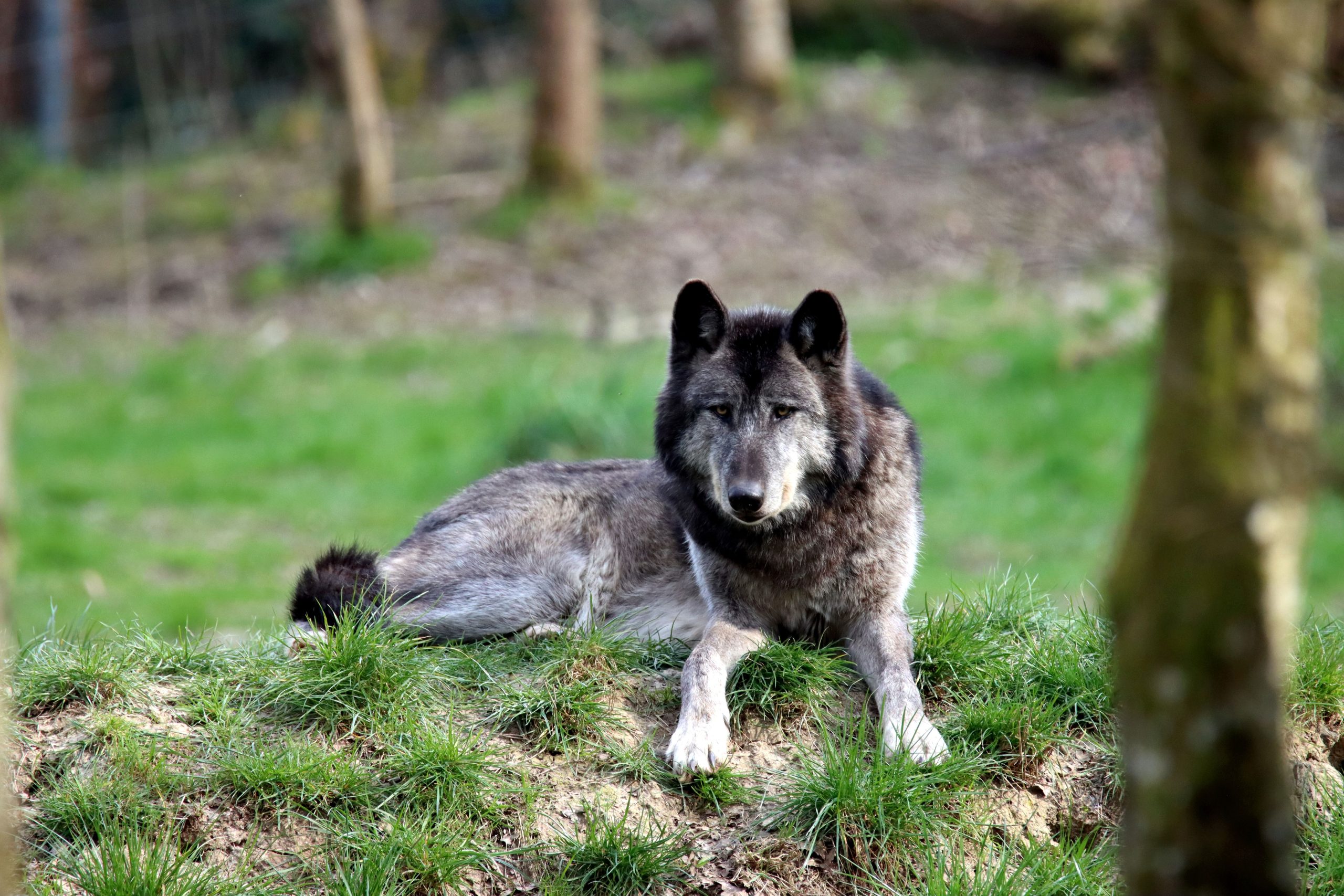
New Mexico’s predator story includes black bears, mountain lions, coyotes and wolves, with impacts varying by region. The 2024 winter count found 162 Mexican wolves and 37 packs in the state. Wolf-related risk is more limited because Mexican gray wolves occupy a defined recovery area and remain under a specialized federal and state management framework. That makes individual incidents important even when statewide numbers are modest. Losses can be difficult to attribute after scavenging or disappearances on large grazing allotments. Careful investigation must distinguish a predator kill from deaths caused by disease, injury, weather or other causes.