Hunters are often practical people, but hunting traditions can be surprisingly strong. Over decades, certain rifle habits have become personal rituals: some are passed down by older relatives, while others grow from one memorable hunt that seemed to prove the superstition right. These beliefs are not guarantees of accuracy or success, and several have practical explanations hiding underneath them. What makes them interesting is how quietly they survive. A hunter may never call a habit superstition, yet still refuse to break it before opening morning.
1. Never Let Another Hunter Fire Your Rifle Before the Hunt

Some hunters refuse to let another person fire their hunting rifle just before a season or important trip. The belief is that a rifle develops a “relationship” with its owner, and another shooter might somehow bring bad luck or change its behavior. The practical reason is less mysterious: a different shooter can expose a fit, trigger, optic, or zero issue that the owner has never noticed. A hunter may also dislike changing anything before opening morning. The superstition can become a routine built around familiarity. One rifle, one owner, one trusted setup, especially during the final 24 hours before a hunt. That routine can feel as important as checking the weather, boots, pack, and tags.
2. Never Touch a Proven Zero at the Last Minute
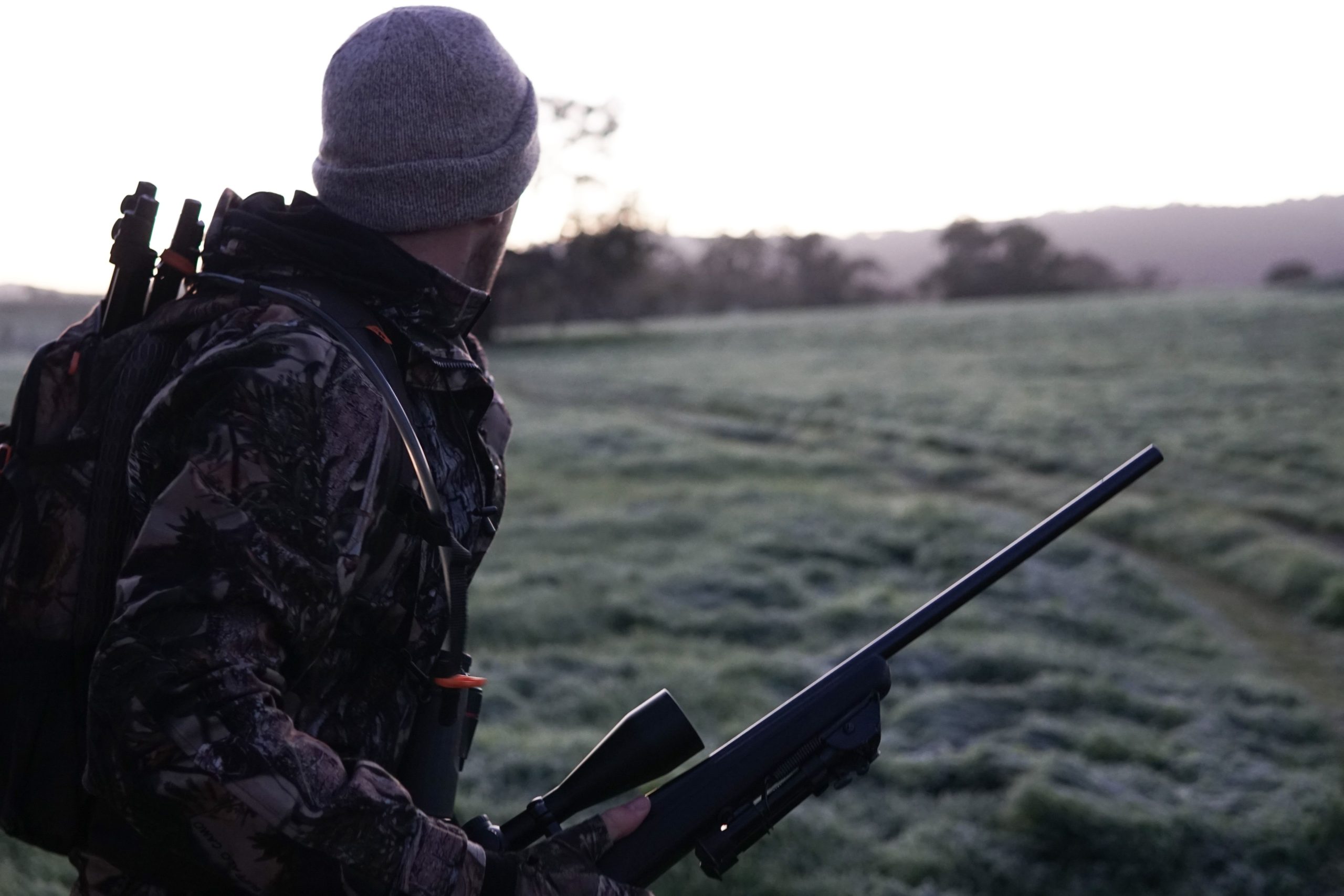
A surprisingly common rifle ritual is leaving a proven hunting rifle alone once its zero is confirmed. Some hunters become nervous if someone suggests a last-minute scope adjustment, ammunition change, or new accessory. The superstition says that touching a rifle too much before opening day invites a miss. There is a sensible idea underneath it: every change creates another variable. A different load, mounting position, or optic setting can alter point of impact. For that reason, hunters often record their zero and repeat their normal setup. A useful number to remember is 1: one confirmed hunting load is better than unnecessary last-minute experimentation.
3. Some Hunters Avoid a Deep Cleaning Before Opening Day
Some hunters have a rule about leaving a rifle’s bore in its familiar condition before a hunt. The old superstition is that a perfectly scrubbed barrel may “forget” its accuracy and send the first shot somewhere unexpected. There can be a mechanical reason for the belief because some rifles show a different first-shot point of impact depending on bore condition, ammunition, temperature, or fouling. The safe approach is not to trust folklore blindly. Clean according to the manufacturer’s guidance, then verify the rifle is unloaded and confirm its actual cold-bore behavior at the range. One first shot can provide useful information, especially when hunting depends on a single opportunity.
4. The First Shot of the Season Must Not Be Wasted
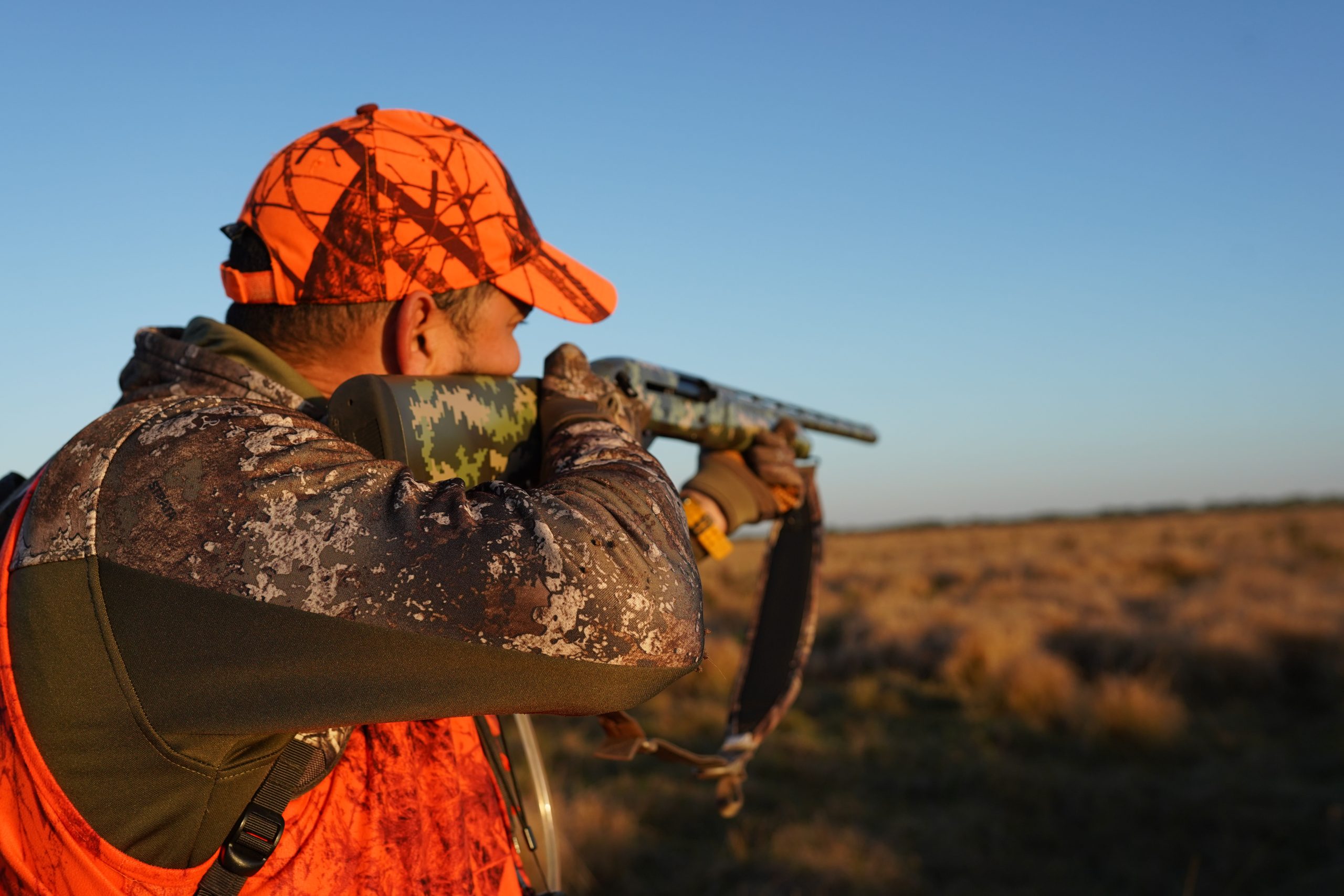
Another quiet tradition is the belief that the first shot of the season should never be wasted. Some hunters see it as a bad omen if their opening-day rifle fires at a target, misses a simple opportunity, or produces an unexpected result before the real hunt begins. That idea can turn the first cartridge into something almost ceremonial. The useful lesson is to treat the first shot as important data rather than magic. A hunter can verify the rifle, ammunition, optic, and cold-bore zero before entering the field. Many hunters deliberately practice one carefully observed first shot, because hunting may ultimately give them only one clean opportunity.
5. Don’t Let Too Many People Handle Your “Lucky” Rifle

Some hunters have a rule that nobody should handle, carry, or even casually “admire” their rifle on the morning of a hunt. In hunting culture, the rifle can become a personal good-luck object, so passing it around feels like inviting trouble. The number 1 matters here: one familiar setup means fewer chances for an overlooked change. There is also a practical side to the habit. Unnecessary handling creates opportunities for a rifle to be bumped, dropped, exposed to moisture, or pointed carelessly. Whatever the superstition, safe handling still comes first. Every firearm should be treated as loaded, and the muzzle must remain pointed in a safe direction.
6. Never Change Ammunition Right Before a Hunt

A few hunters quietly believe that changing a rifle’s ammunition immediately before a hunt is asking for bad luck. They may have a favorite box that has “always worked,” and switching brands or bullet weights can feel like breaking a winning streak. The superstition is easy to understand because hunters build confidence around familiar equipment. More importantly, ammunition changes can produce different results in the same rifle. A new load should be tested rather than assumed to behave identically. The number 1 is a useful rule: use one verified hunting load and confirm its zero before relying on it in the field. Confidence should come from testing, not the label on the box.
7. Keep the Rifle Setup Exactly the Same
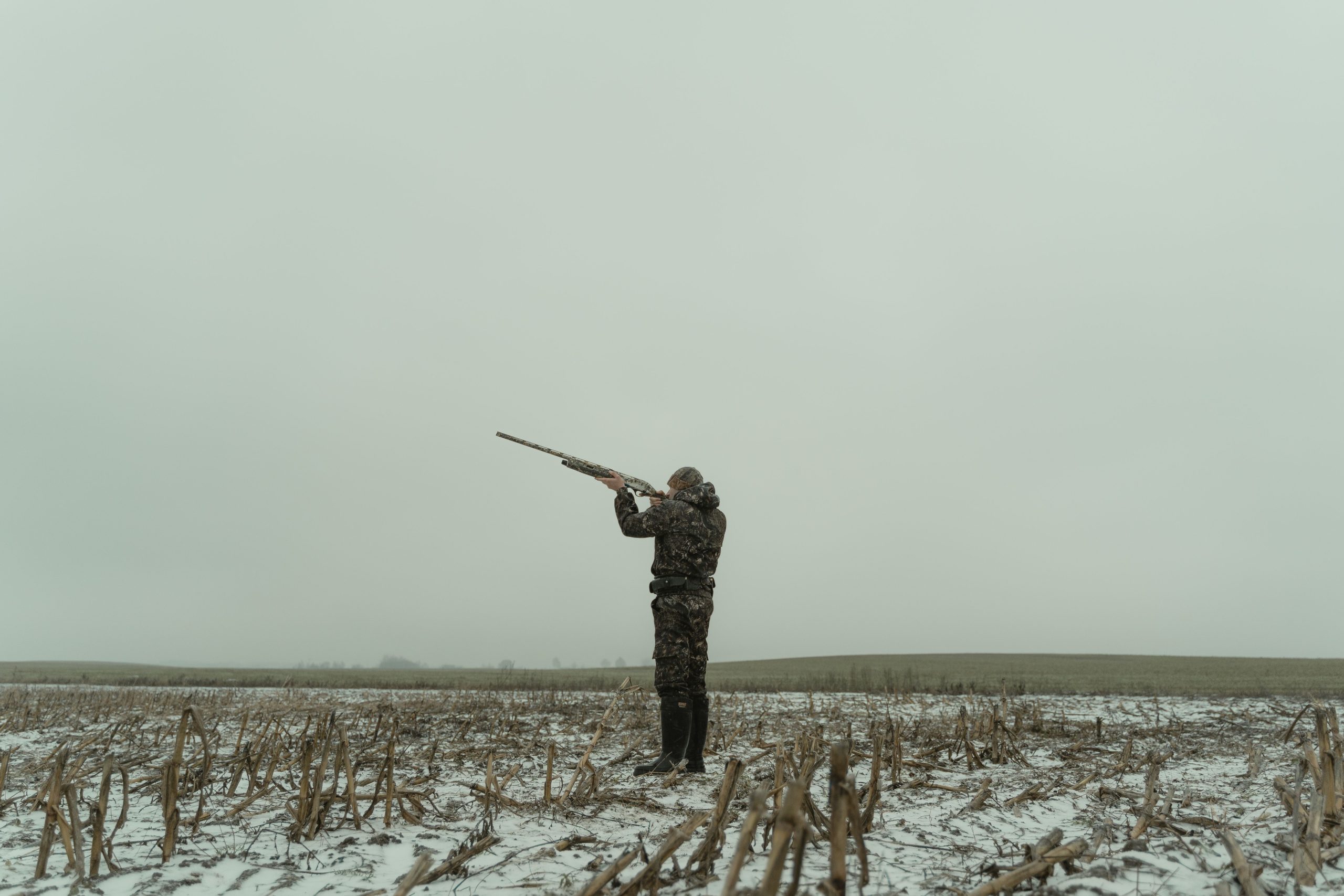
Some hunters believe a rifle should be carried in the same sling, case, or position it has used for years, especially on opening morning. The ritual can seem excessive to outsiders, but long seasons create habits that become part of a hunter’s routine. A familiar setup can reduce distractions and help the hunter notice when something feels different. Still, tradition should never override safety or equipment checks. Before a hunt, the rifle should be inspected according to its manufacturer’s instructions, kept unloaded during transport where required, and protected from damage. The number 2 matters too: check both the firearm and its surroundings before relying on any lucky routine.