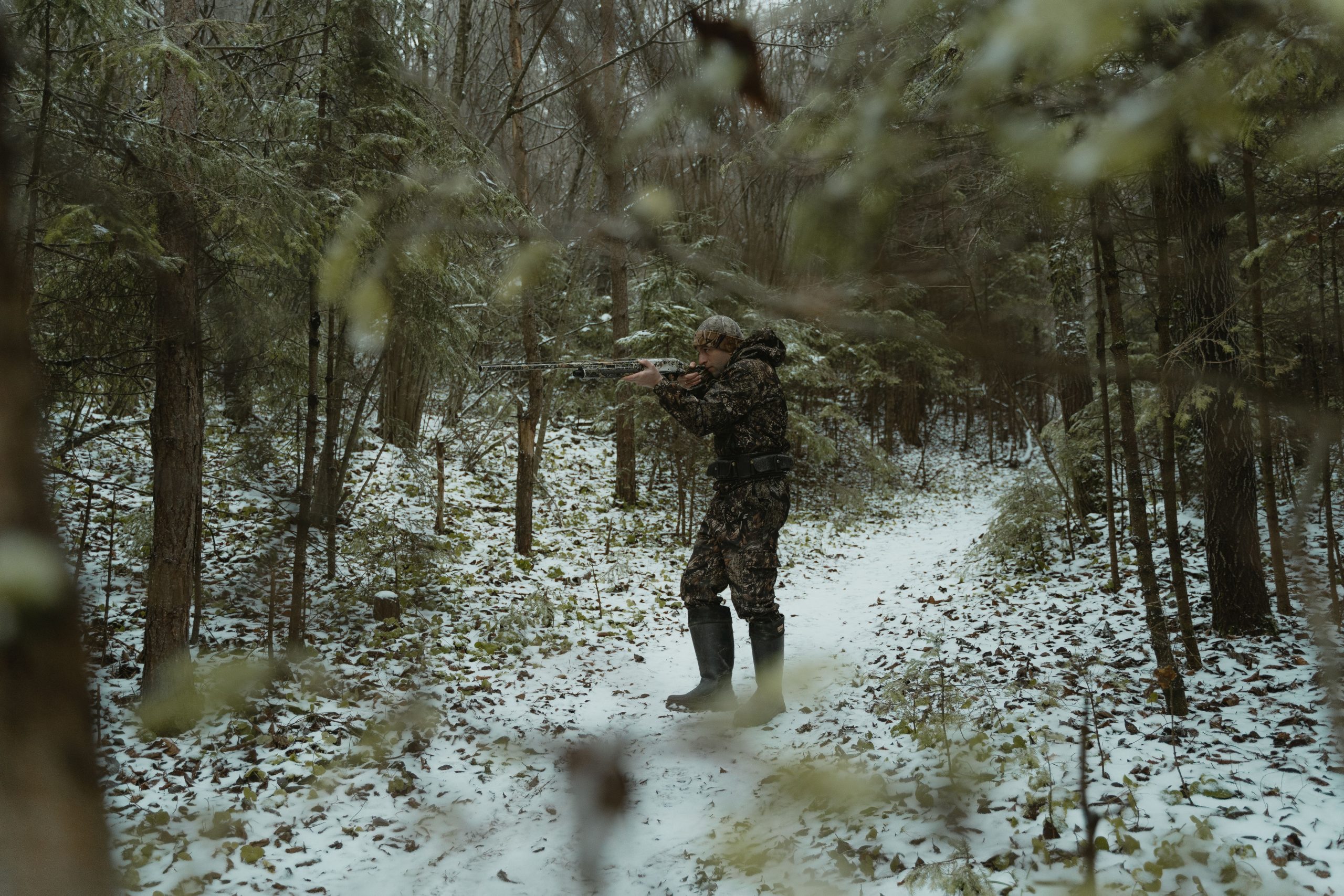
Steep mountains, tangled swamps, dense forests, and shifting desert sands can make hunting physically demanding and tracking frustrating. Yet some game animals have evolved remarkable ways to survive in these difficult environments. Their body structure, feeding habits, and ability to navigate rough ground give them advantages where other species struggle. Understanding these adaptations reveals why certain animals remain successful in places that are difficult for people to reach. From rocky alpine slopes to thick wetlands, each species offers a different example of how wildlife turns challenging terrain into a natural advantage.
1. Mountain Goat
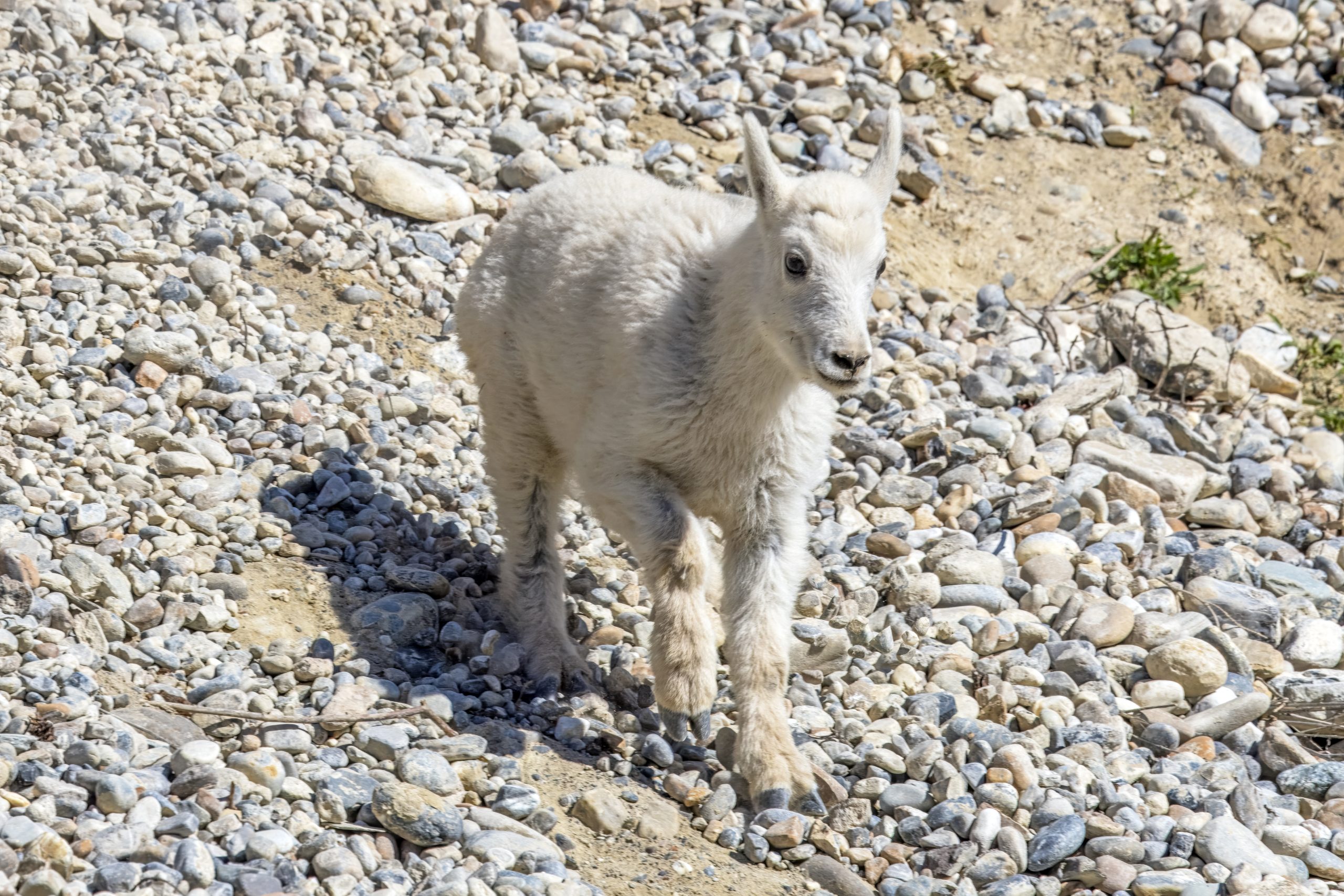
Mountain goats thrive on steep alpine cliffs where loose rock and narrow ledges make travel difficult for most large mammals. Their split hooves spread for grip, while rough pads help them hold onto rock, and strong limbs support quick climbs. They are often found at elevations above 10,000 feet in parts of western North America, although local ranges vary. These slopes offer escape from many predators and access to alpine plants. Their sure-footed movement does not make them invulnerable, but it lets them use terrain that would exhaust or endanger less adapted animals.
2. Bighorn Sheep
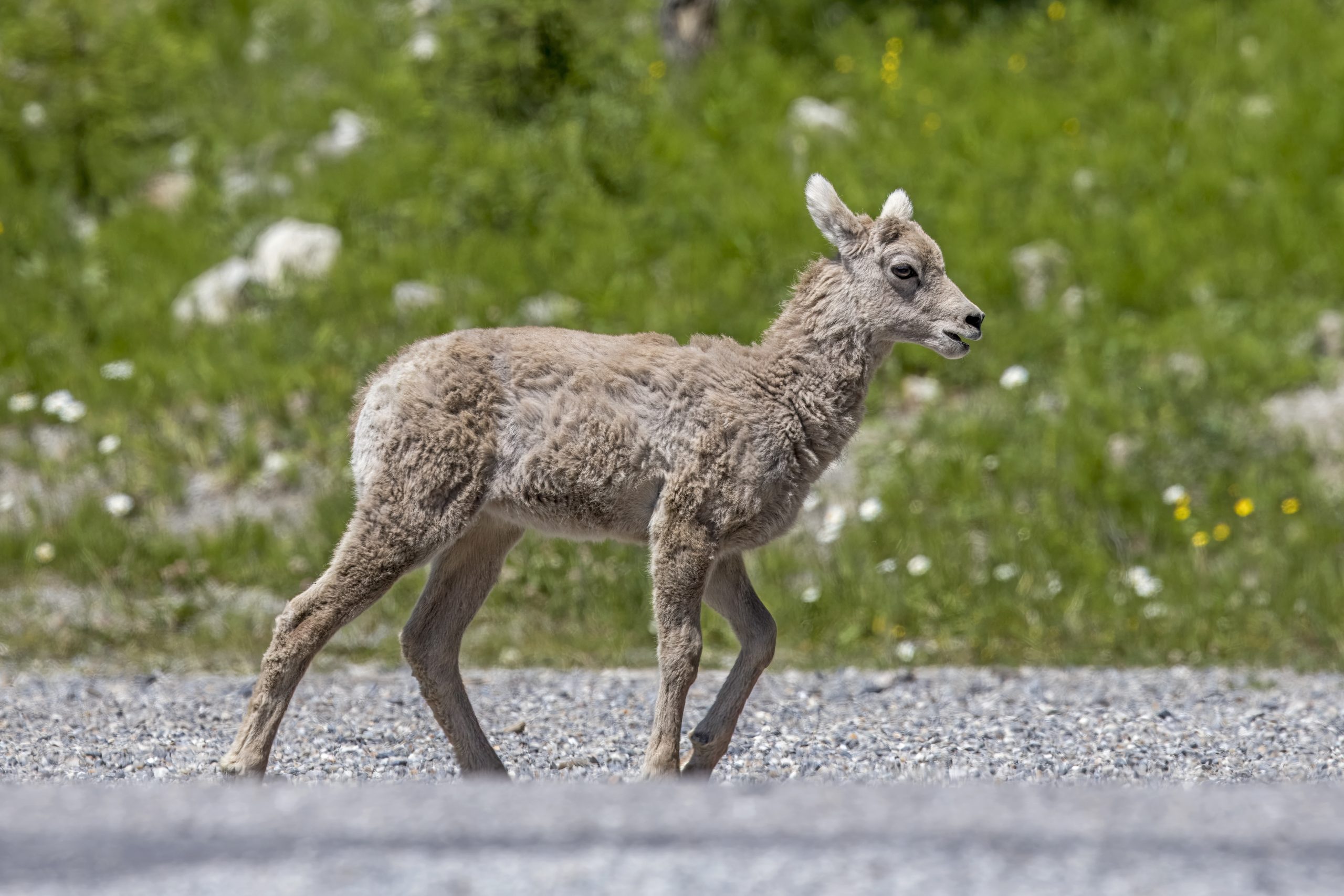
Bighorn sheep make rugged canyon walls and broken mountain slopes their stronghold. Their muscular legs carry them over uneven ground, and specialized hooves grip rocky surfaces during sharp climbs and descents. Adult males can weigh more than 200 pounds, yet they move confidently across ledges that are awkward for people to cross. Rocky escape terrain also helps them avoid predators, while nearby grass and shrubs provide food. In dry country, they may travel between feeding areas and water, so their range can include both exposed cliffs and steep drainage routes.
3. Dall Sheep
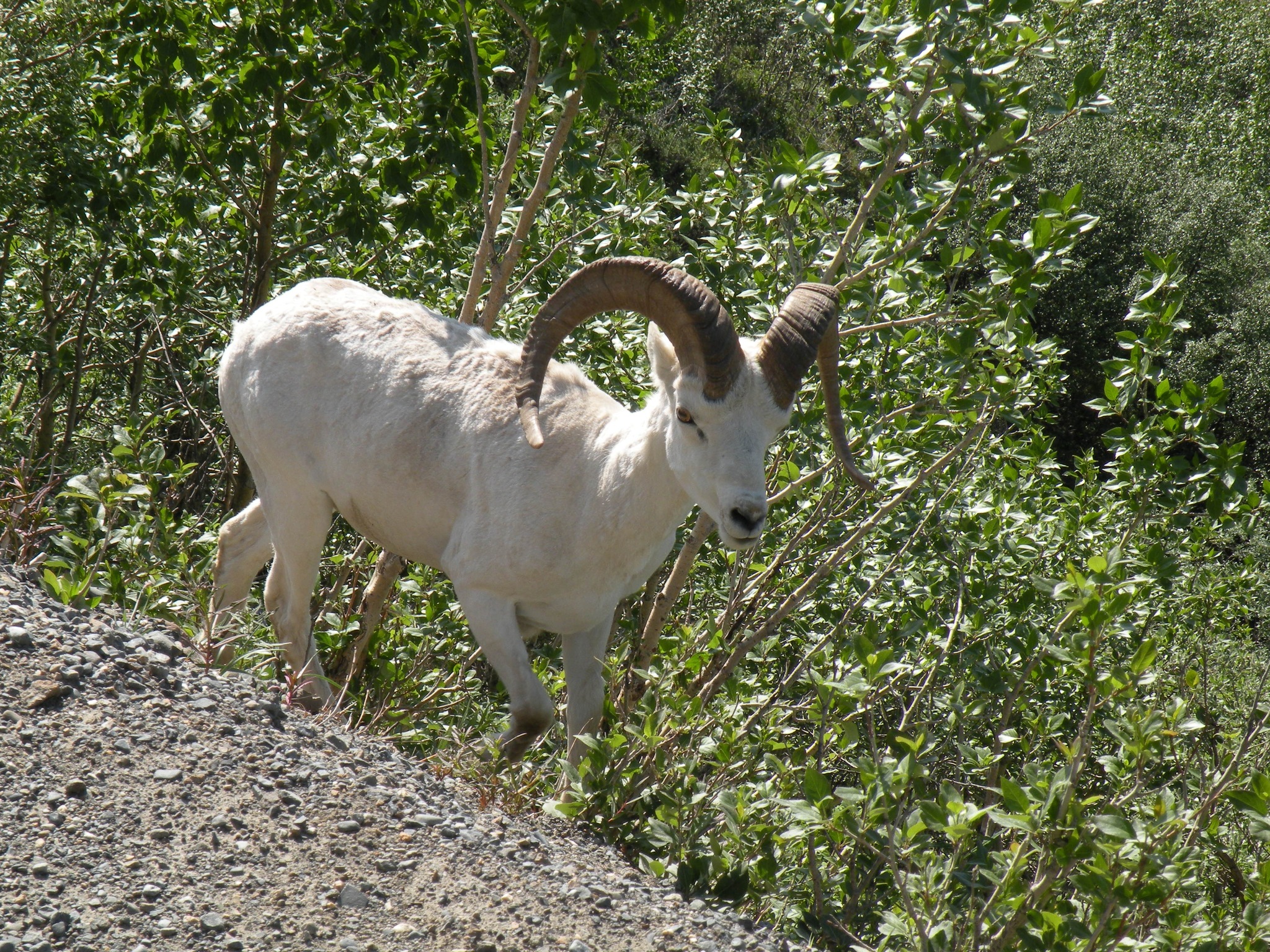
Dall sheep are built for remote, rocky mountain country across Alaska and northwestern Canada. Their compact bodies and gripping hooves help them cross scree slopes, ridges, and narrow shelves where footing can change with every step. Rams may weigh around 200 pounds, although size varies by age and region. In summer, they feed on grasses, sedges, and other alpine plants, often using high ground for visibility and escape. Their pale coats can blend into snow patches and light-colored rock, making them surprisingly difficult to spot against a broken mountain backdrop.
4. Moose
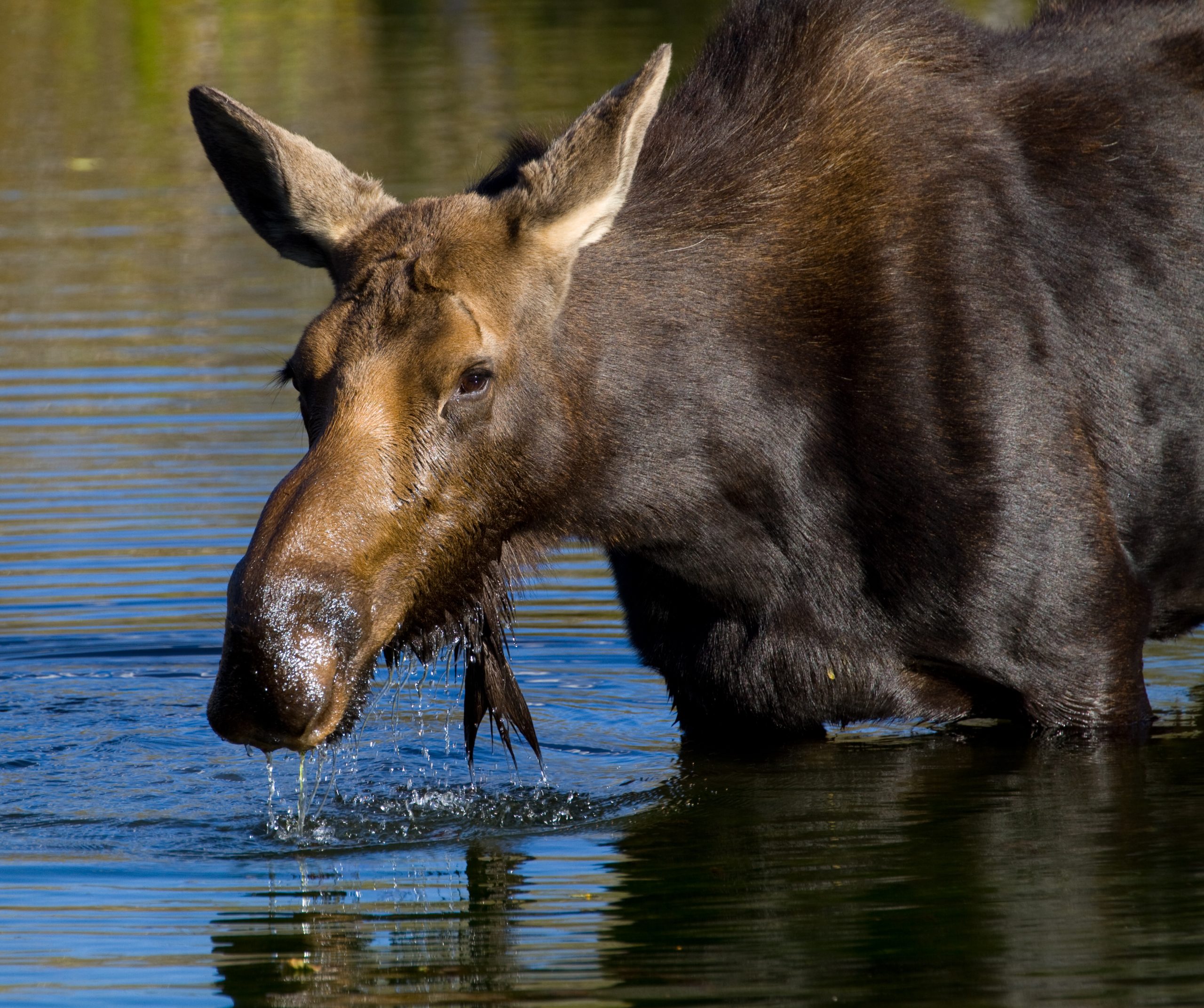
Moose handle bogs, marshes, and deep snow better than their size might suggest. Long legs help them step through wet vegetation and snow, while broad hooves spread their weight over soft ground. Adults commonly stand around 5 to 6.5 feet at the shoulder, depending on sex and region. They feed on willow, aquatic plants, and other browse, often using wetlands that are tiring for people to cross. In summer, shallow water can also provide access to submerged vegetation and relief from biting insects, turning soggy terrain into a valuable feeding habitat.
5. American Black Bear
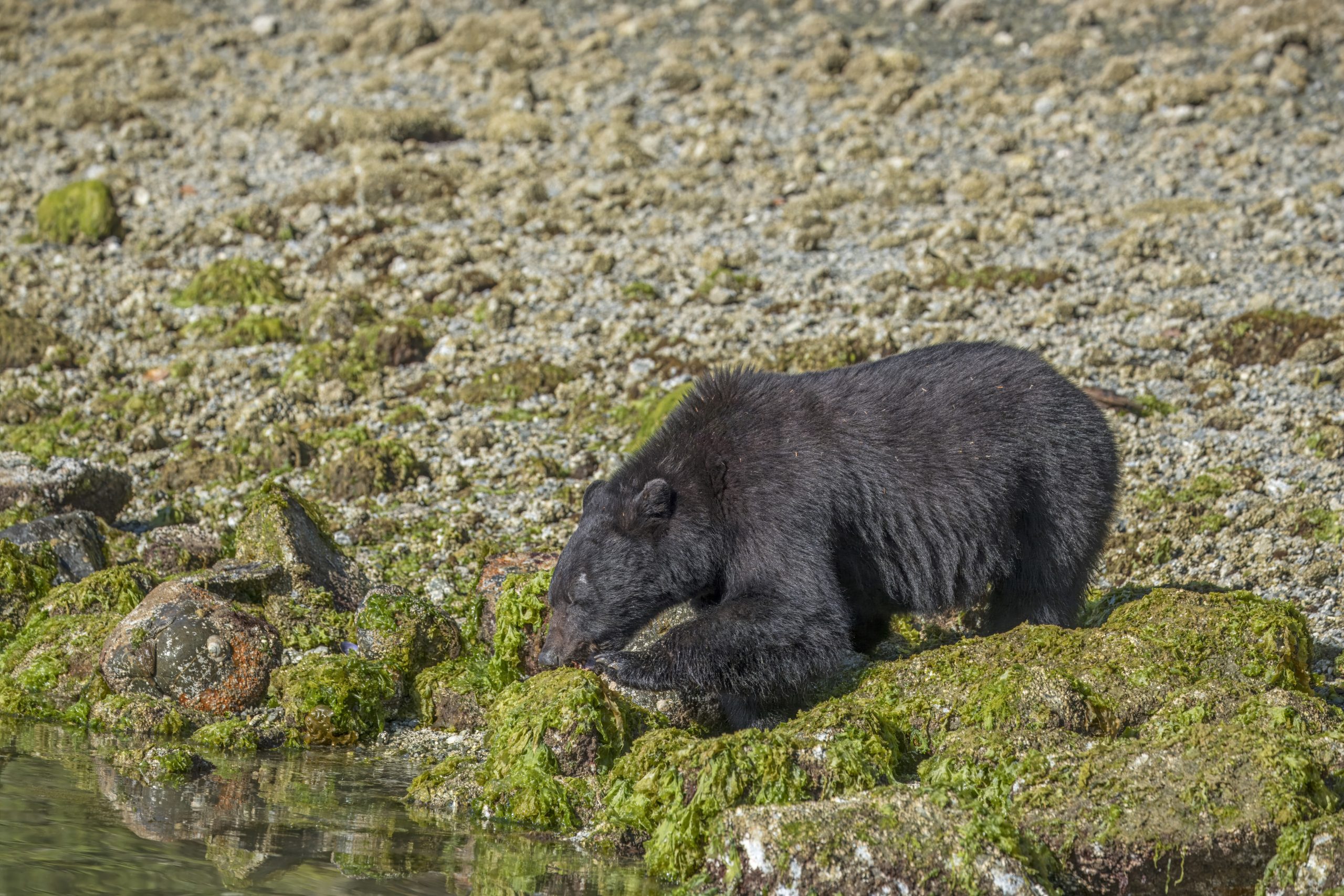
American black bears flourish in dense forests, brushy hillsides, and rugged woodland where visibility is limited. Strong limbs and curved claws let them climb trees, while a keen sense of smell helps them locate berries, nuts, insects, and carrion beneath thick cover. Adults often weigh roughly 100 to 300 pounds, though food supply and region create wide variation. Forest tangles offer bedding sites and shelter, but bears also use openings and streams when foraging. Their flexible diet allows them to make use of changing seasonal resources across difficult, heavily vegetated terrain.
6. Wild Boar
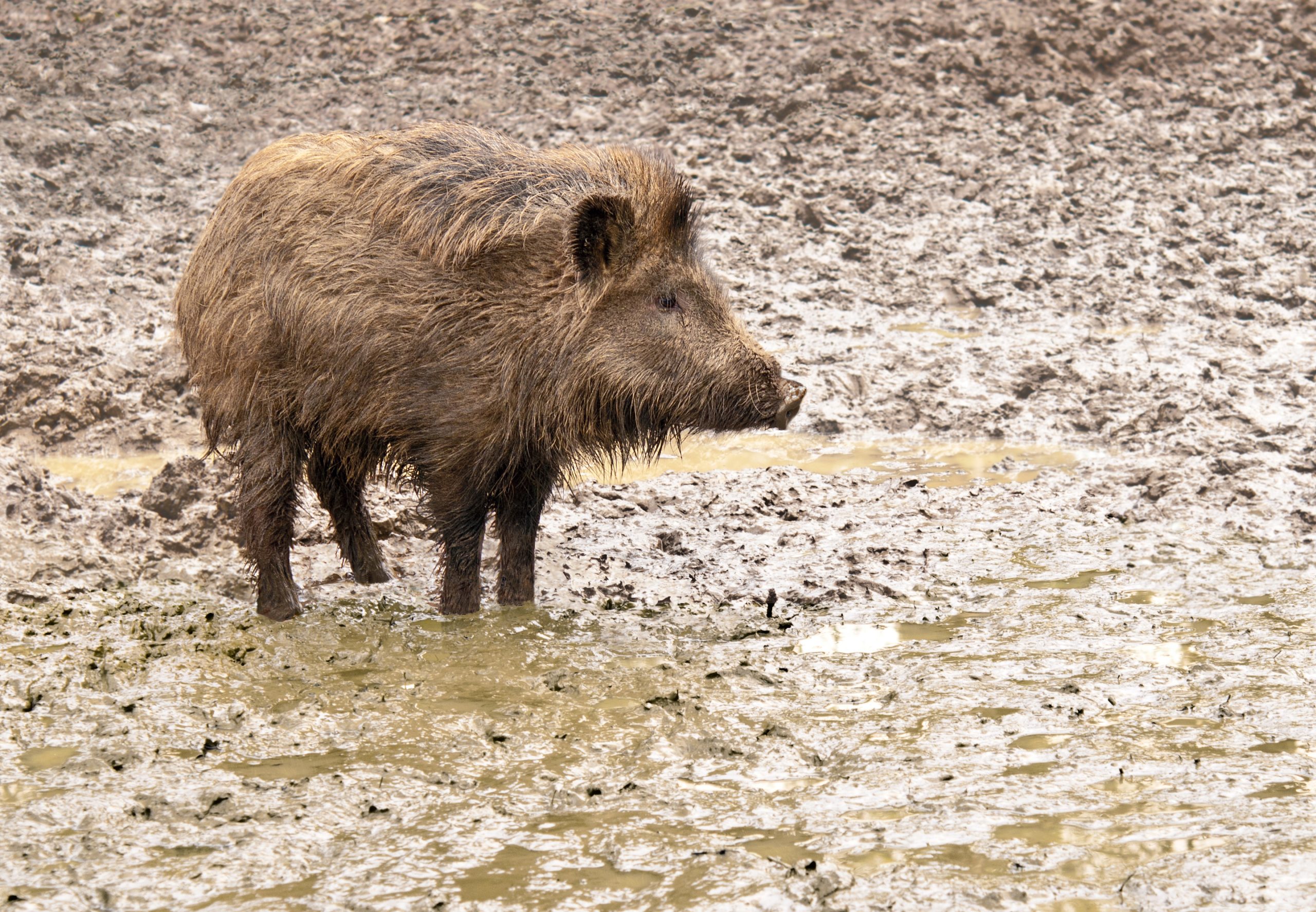
Wild boar can thrive in thick scrub, muddy wetlands, and tangled woodland that slows larger animals and people. Their compact bodies push through dense cover, and strong snouts root up soil for roots, bulbs, insects, and other food. Adults often weigh 100 to 200 pounds, though some populations produce much larger animals. They use wallows to cool themselves and may shelter in heavy vegetation during daylight, especially where disturbance is common. Because they are adaptable omnivores, they can exploit forests, farmland edges, and marshes rather than depending on one narrow habitat type.
7. Muskox
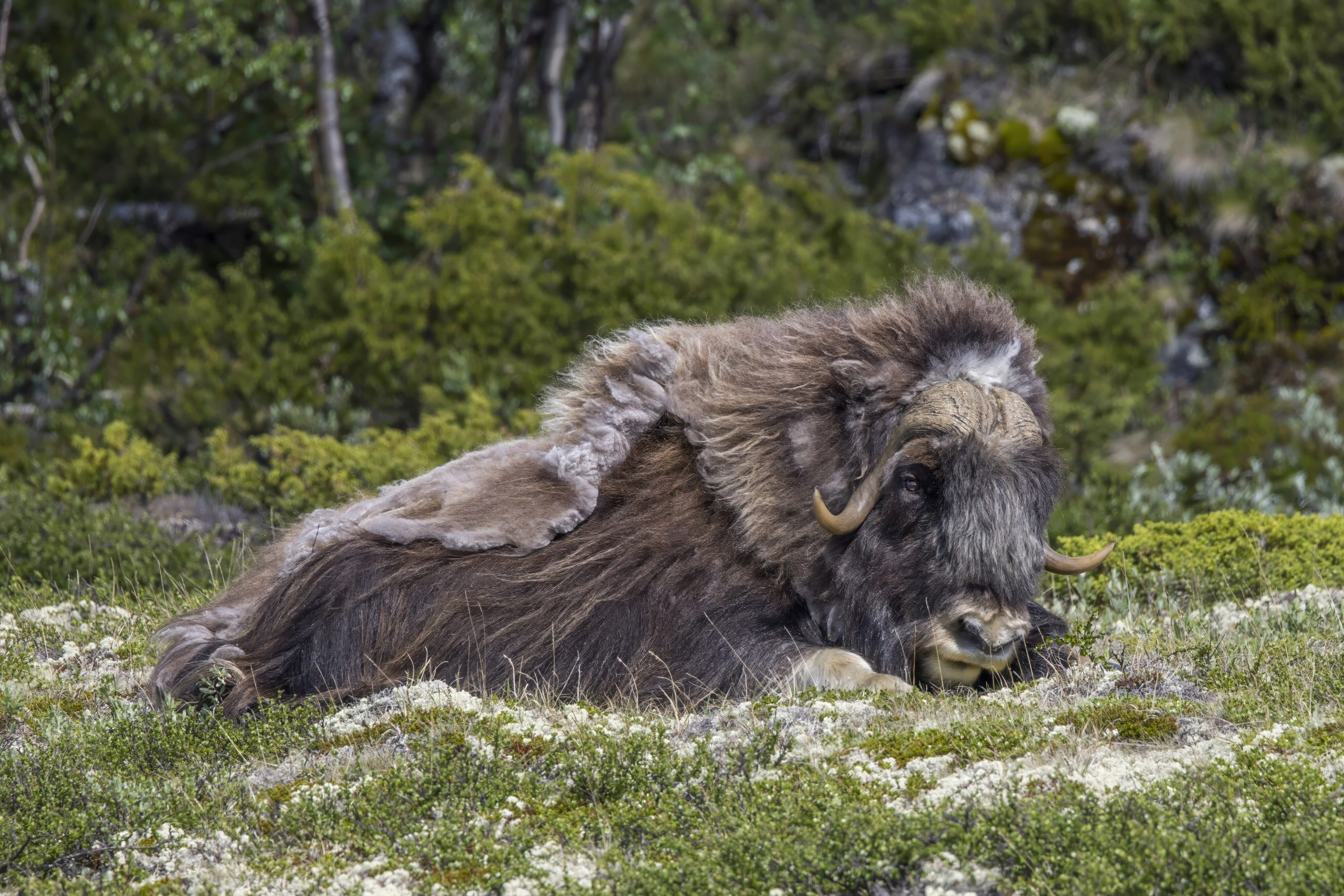
Muskoxen survive the open Arctic tundra, where freezing winds, sparse vegetation, and long winters challenge most large herbivores. Their thick underwool, called qiviut, provides exceptional insulation, while a stocky build helps conserve heat. Adults may weigh about 400 to 800 pounds, with variation between sexes and regions. They graze on grasses, sedges, and low-growing plants, digging through snow when necessary to reach forage. In winter, exposed ground and drifting snow can make feeding difficult, but their dense coats and seasonal adaptations help them endure harsh northern conditions.
8. Snowshoe Hare
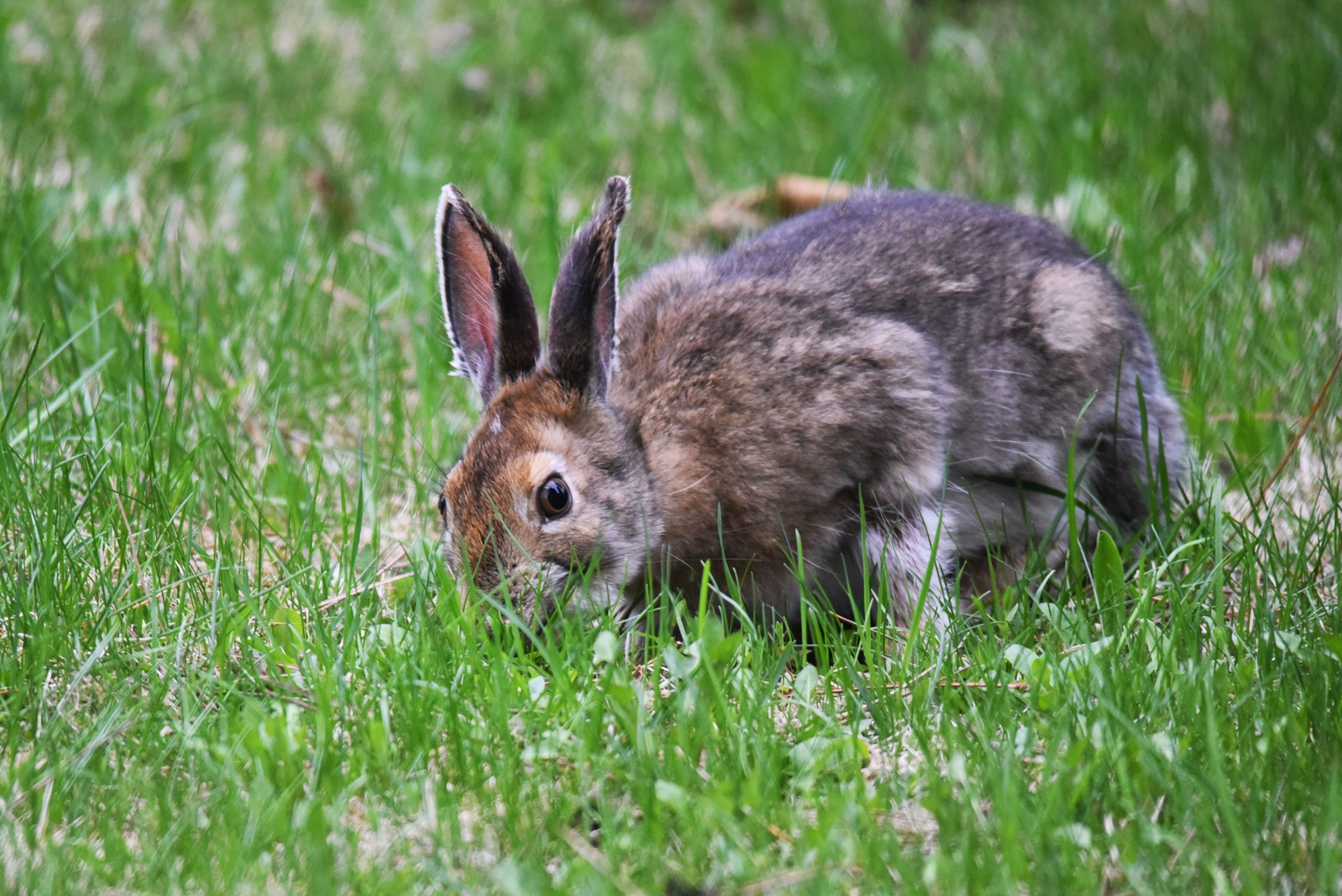
Snowshoe hares thrive in snowy forests and thick undergrowth, where deep snow and tangled branches can hinder movement. Their oversized hind feet spread their weight across soft snow, and their coat shifts from brown in summer toward white in winter in many northern populations. Adults usually weigh around 2 to 4 pounds, yet they can move quickly through brush that is awkward for larger animals. They feed on leaves, twigs, and bark as seasons change, using dense cover to hide from predators. Their camouflage and compact routes through vegetation make them hard to follow in winter habitat.