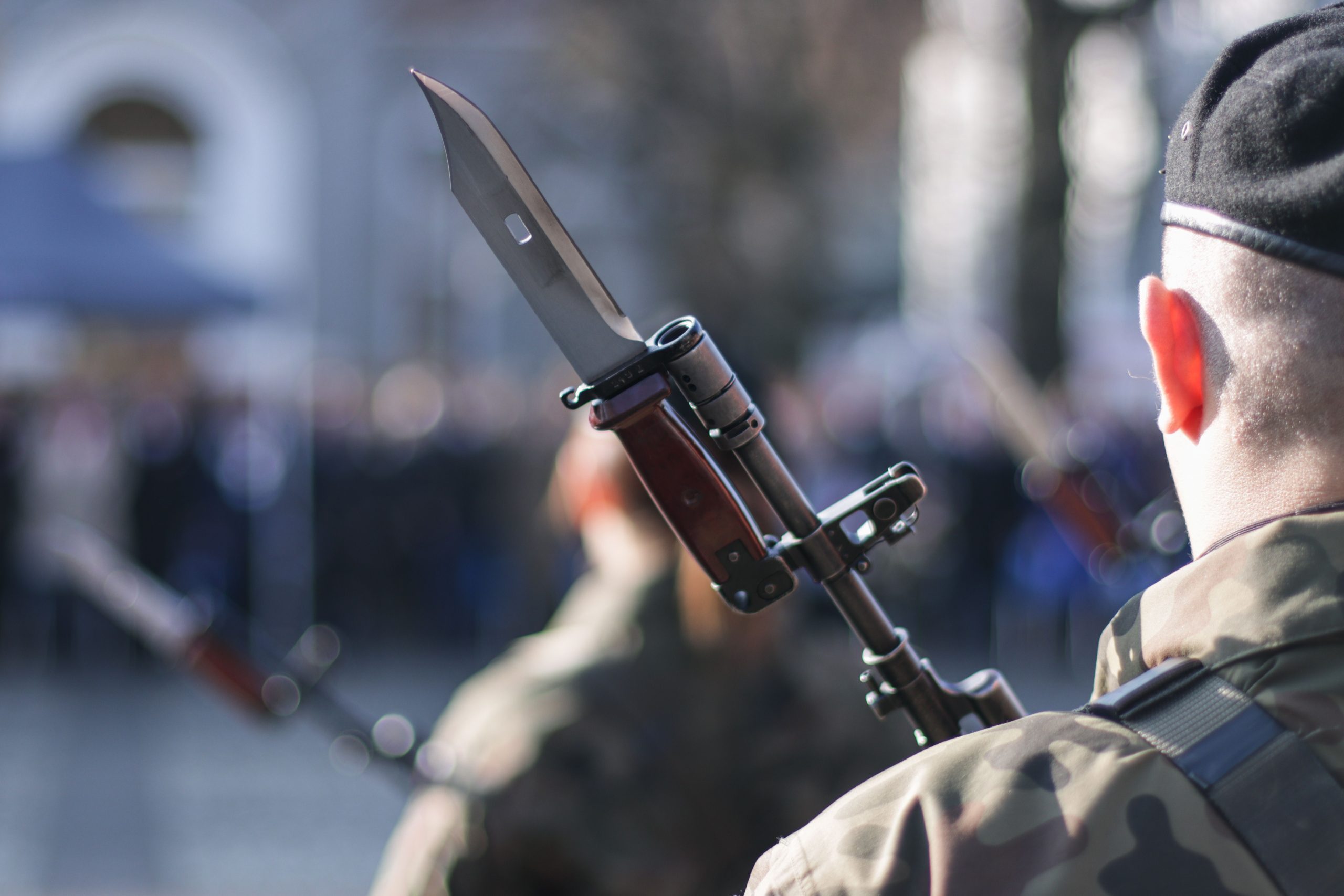
An edged-weapon assault can develop in seconds, leaving very little time for decision-making. The most effective protection is not about learning flashy disarming moves or trying to overpower an attacker. It is about recognizing danger early, creating distance, using the surroundings intelligently, escaping when possible, and getting medical help quickly if someone is injured. The following eight sections focus on practical, safety-oriented principles that can reduce exposure to danger without encouraging unnecessary confrontation.
1. Spot Trouble Before It Becomes an Attack

The safest response to an edged-weapon threat begins before physical contact. Watch for unusual behavior, arguments that are escalating, repeated attempts to close distance, or a person displaying a blade. Keep roughly 2–3 metres of space when circumstances allow, because distance gives you more time to react and move toward safety. Avoid staring or challenging the person; instead, use a calm voice and look for an exit. If you are in a public place, position yourself near staff, other people, or a clear doorway. Early recognition is valuable because even a few seconds can change your options dramatically. Keep your attention on exits and nearby obstacles rather than the weapon itself.
2. Make Distance Your First Defense
If someone produces a knife or another edged weapon, do not treat the encounter like a contest of skill. Your priority should be increasing separation and reaching a safer location. Move away without sudden gestures when possible, and place solid objects between you and the attacker. A locked door, vehicle, counter, table, or heavy piece of furniture can create useful space. Do not move closer simply because the weapon looks small. Even a short blade can cause severe injury at close range. If you can safely leave, do so immediately. A practical target is to create at least several metres of separation while moving toward people or a secure room.
3. Use Barriers Instead of Your Body
When escape is not immediately available, use the environment as protection rather than trying to catch, block, or grab the weapon. Put a table, chair, shopping cart, backpack, suitcase, or closed door between yourself and the threat if you can do so safely. The objective is not to fight; it is to make direct access harder while you search for an exit. Keep your hands visible and avoid trapping yourself against a wall. A barrier can also buy time for others to move away. Remember that ordinary objects are not guaranteed protection, so continue looking for a route to safety instead of relying on one item. If the barrier is moved or knocked aside, keep moving rather than trying to restore it.
4. Do Not Try to Disarm the Attacker

Attempting a disarm is extremely dangerous, particularly for someone without specialist training and controlled practice. Reaching for a blade, grabbing the attacker’s wrist, or attempting a dramatic takedown can bring you within the weapon’s most dangerous range. There is no reliable technique that guarantees you will avoid injury during a real assault. If escape remains possible, choose it. If you are cornered, focus on creating an opportunity to disengage rather than winning a confrontation. Even trained professionals treat edged-weapon encounters as high-risk events. A useful rule is simple: do not voluntarily enter the weapon’s range when another safe option exists.
5. Give Up Property When It Buys Safety
If the confrontation is about a phone, wallet, bag, or another possession, consider whether surrendering the property can end the encounter safely. Do not make sudden movements or reach into pockets without explaining what you are doing. Keep your voice steady and avoid insults, threats, or arguments that could increase tension. Once you have created an opportunity to leave, move away rather than following the person or trying to recover your belongings. Your possessions can often be replaced; a serious injury cannot. In practical terms, losing one phone or wallet is a far smaller consequence than exchanging 30 seconds of property loss for a potentially life-changing injury.
6. Call for Help and Move Toward Safety
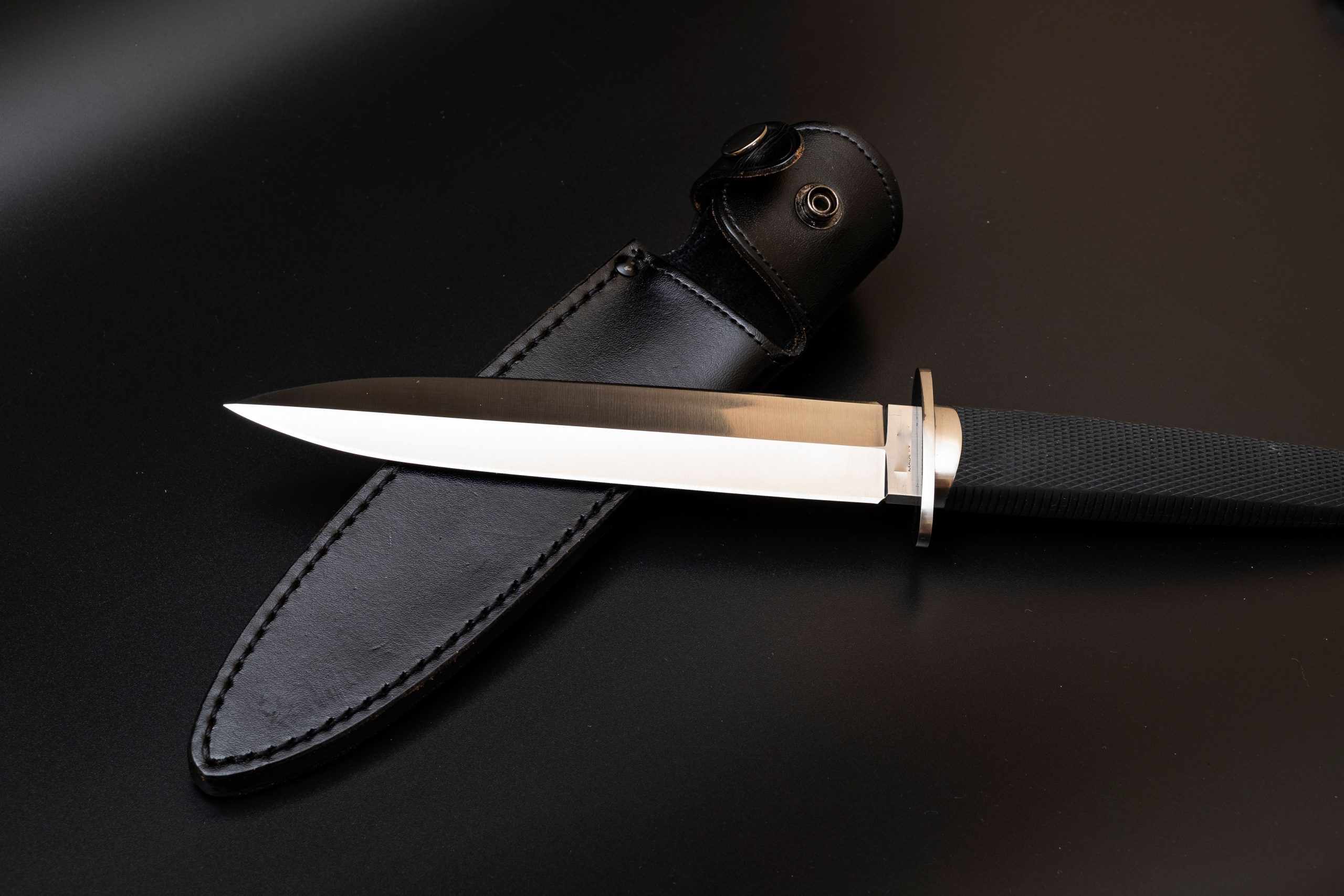
Getting help quickly can be more important than confronting the attacker. If you can do so without increasing danger, call local emergency services and clearly report the location, direction of travel, number of people involved, and whether anyone is injured. In India, the national emergency number is 112. If other people are nearby, use clear instructions such as asking one person to call and another to alert security. Move toward a staffed, secure area when possible. Do not chase the attacker after reaching safety. Providing accurate information from a distance can help responders while keeping you out of further danger. If speaking is unsafe, reach a secure place first and call when safe.
7. Know What to Do After an Injury

If an edged weapon causes an injury, treat it as a medical emergency even when the wound looks small. Move to safety first, then call emergency services. For severe external bleeding, apply firm, continuous pressure with a clean cloth or gauze when possible and keep pressure on the wound. Do not repeatedly lift the dressing to check whether bleeding has stopped. If an object is embedded, do not pull it out; apply pressure around it and wait for medical professionals. If clothing is soaked through, add more material over the existing dressing rather than removing it. Prompt professional care matters because serious internal damage may not be obvious immediately.
8. Practice Escape Skills Without Practicing Violence
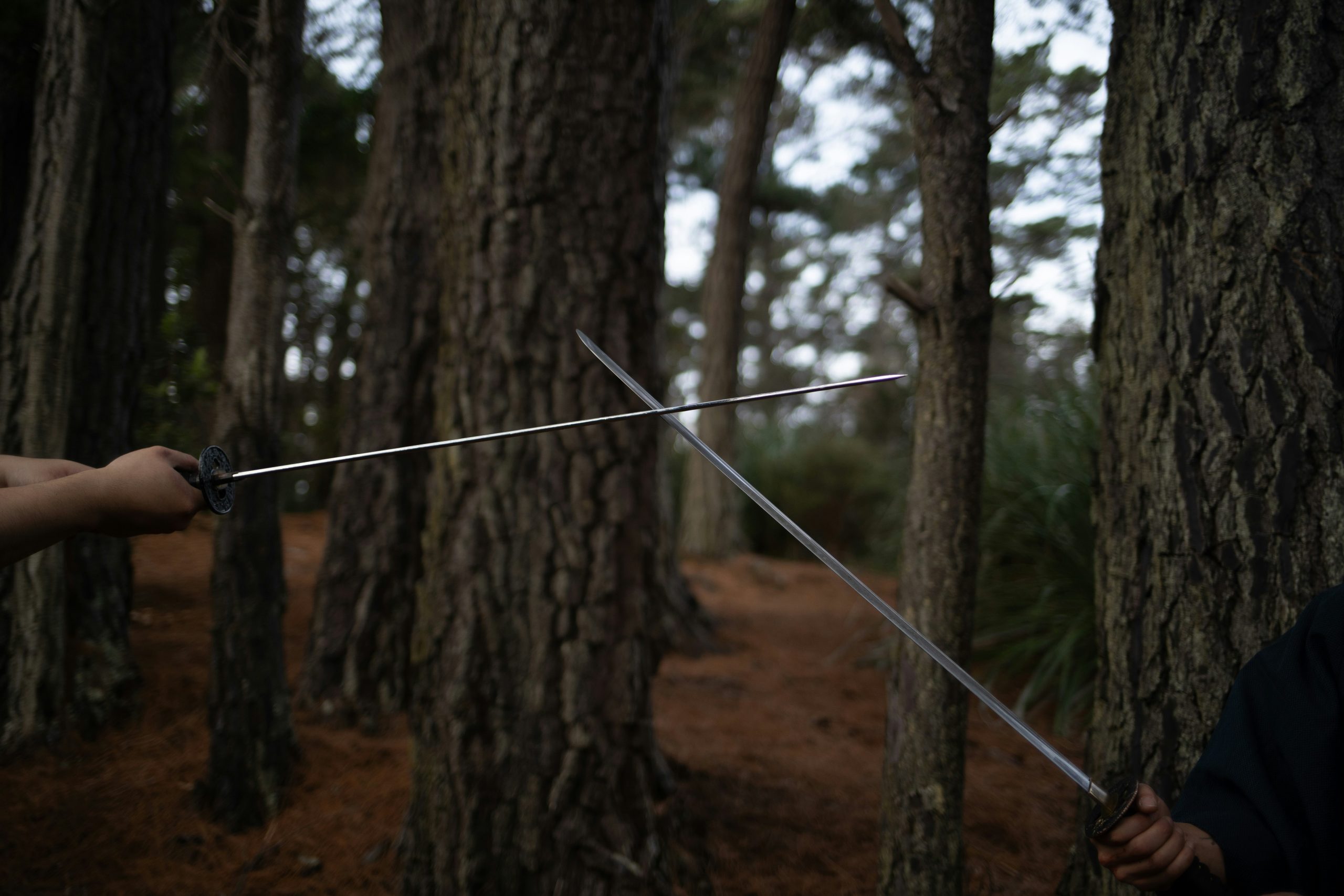
Preparation should build awareness, movement, communication, and emergency decision-making rather than teaching people to fight with knives. Consider a reputable self-protection course that emphasizes avoidance, escape, de-escalation, and realistic safety planning. Practice identifying two exits whenever you enter an unfamiliar venue, and rehearse simple actions such as moving behind barriers and calling for help. Preparation can improve your response under stress. For example, spend 5 minutes mentally reviewing exits and emergency contacts before events. The goal is not confidence in defeating an attacker; it is confidence in leaving a dangerous situation as early and safely as possible.