Some artifacts whisper. This one all but shouts across a century of salt, steel, and tragedy.
Why This Discovery Captures Attention
A pistol raised from a shipwreck more than 100 years after the vessel went down instantly grabs people for a simple reason: it feels personal. Ships carry cargo, machinery, and fittings, but a firearm suggests an owner, a purpose, and a story cut short. It is one of those objects that turns history from an abstract event into something human and immediate.
Recovered weapons often fascinate historians because they sit at the intersection of technology and daily life. A pistol can reveal what era it came from, who might have carried it, and even what level of security or social status existed aboard the ship. According to maritime curators, small personal items routinely generate more public interest than larger structural finds because they are easier to imagine in someone’s hand.
There is also the element of survival against the odds. Saltwater is brutal on metal, especially over decades. For a pistol to emerge recognizable after a century underwater is not just luck. It is the result of burial conditions, low oxygen, mineral accretion, and extremely careful recovery methods.
What A Century Underwater Does To A Pistol

By the time a pistol is found on the seabed, it rarely looks like a pistol at first glance. Marine growth, hardened sediment, and thick corrosion products can turn it into a lumpy, stone-like mass. Conservators typically begin with imaging and microscopic examination before removing anything, because the outer crust may actually be preserving fragile internal detail.
Iron and steel suffer heavily in seawater due to chloride contamination. Even after recovery, those salts remain inside the artifact and can keep destroying it unless they are extracted. Conservation labs often soak such finds in controlled chemical baths for months or even years, monitoring conductivity and corrosion activity along the way.
If the handgun included grips made from wood, horn, or hard rubber, those materials present a different challenge. Organic components may swell, crack, or collapse once exposed to air. That is why the dramatic museum reveal of a cleaned artifact usually comes only after long, patient treatment rather than immediately after discovery.
Clues Hidden In Design And Manufacture
Even a badly encrusted pistol can offer useful clues. The overall frame shape, barrel length, trigger guard, and grip angle can point specialists toward a likely manufacturer or period. In some cases, X-rays reveal internal mechanisms, proof marks, or serial numbers long before the corrosion is removed from the surface.
That matters because identification changes the story. A mass-produced revolver from the late 19th century says one thing about trade networks and common onboard equipment. A high-end officer’s sidearm or a compact pocket pistol says something else entirely about the person who owned it and why they had it.
Experts also compare recovered guns to surviving catalogs, military procurement records, and patent archives. Reuters and museum reports have noted how these comparisons can narrow dates surprisingly well. A single recovered firearm may confirm whether a wreck belongs to a specific year, voyage, or class of vessel when other evidence is incomplete.
The Human Story Behind The Weapon
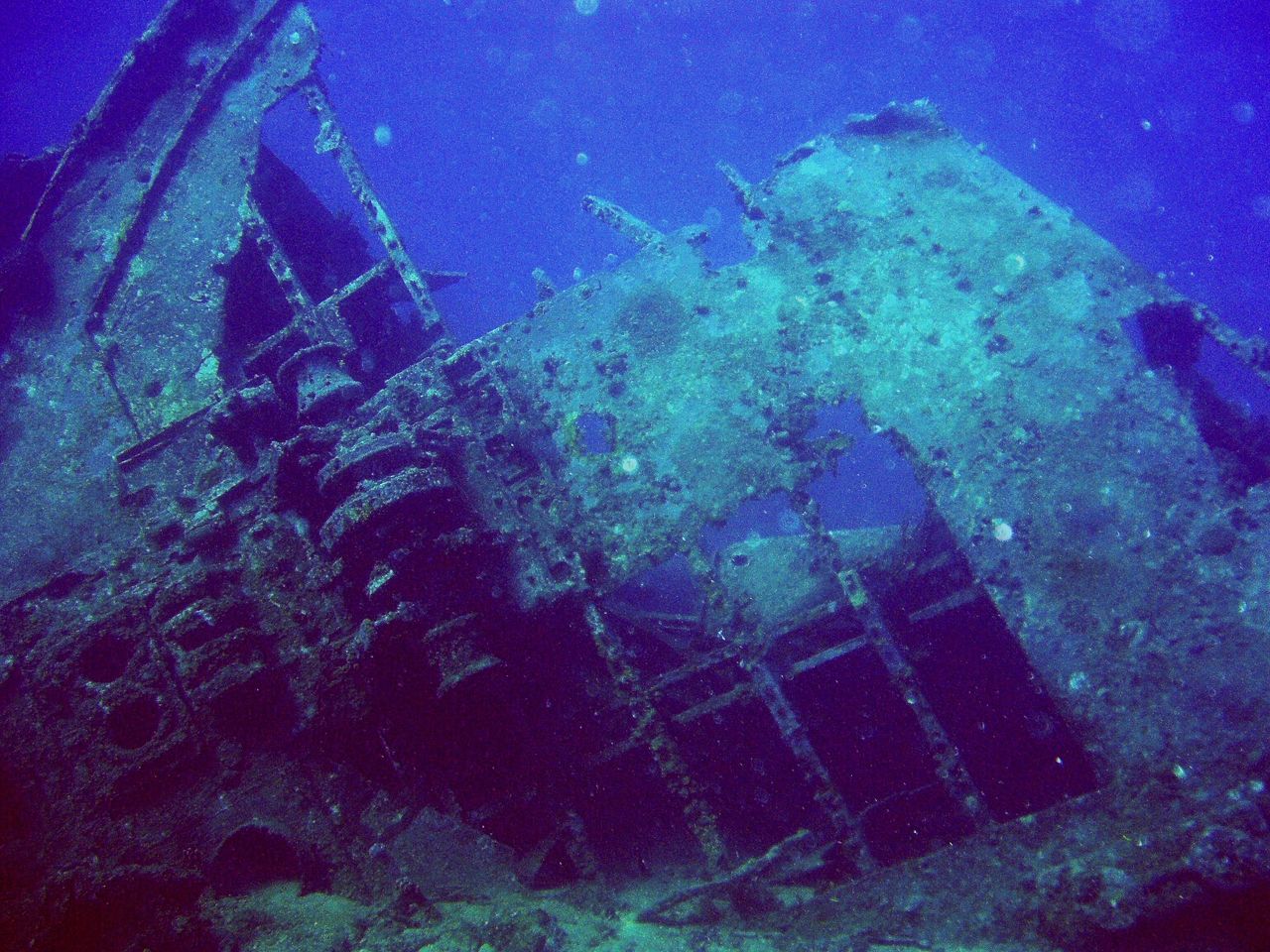
The most compelling question is not what the pistol was, but whose it was. On a passenger liner, cargo steamer, or naval vessel, a firearm could have belonged to an officer, a guard, a crewman, or even a traveler carrying a personal sidearm. Each possibility opens a different window onto life aboard the ship before disaster struck.
If the weapon was found in a cabin area, it may suggest private ownership. If it turned up near a secure storage space, it might have been part of official shipboard equipment. Archaeologists are careful not to overstate such conclusions, but location within the wreck often matters almost as much as the object itself.
That is why context is everything in underwater archaeology. A pistol removed without recording its exact position loses much of its research value. When mapped properly alongside boots, tools, coins, and structural remains, it helps reconstruct final moments, routine operations, and the social hierarchy that existed on board.
Recovery Is Only The Beginning
Bringing a pistol to the surface is the start of a long scientific process, not the end of the story. Divers and remotely operated vehicles document the object in place, because movement can damage both the artifact and the surrounding site. In many cases, conservators would rather leave an item underwater than recover it hastily and lose information.
Once in the lab, the artifact is stabilized, cleaned in stages, and studied using noninvasive tools. CT scanning, metallurgical testing, and residue analysis can reveal manufacturing methods and hidden internal parts. Those methods help determine whether the pistol was loaded, modified, or damaged before the ship sank.
Museums then face another challenge: how to display a heavily corroded object in a way the public can understand. Good exhibitions pair the conserved pistol with reconstruction drawings, period photographs, and broader shipwreck history. That approach turns a rusted relic into a vivid teaching tool rather than a mere curiosity in a glass case.
Why Finds Like This Matter Today
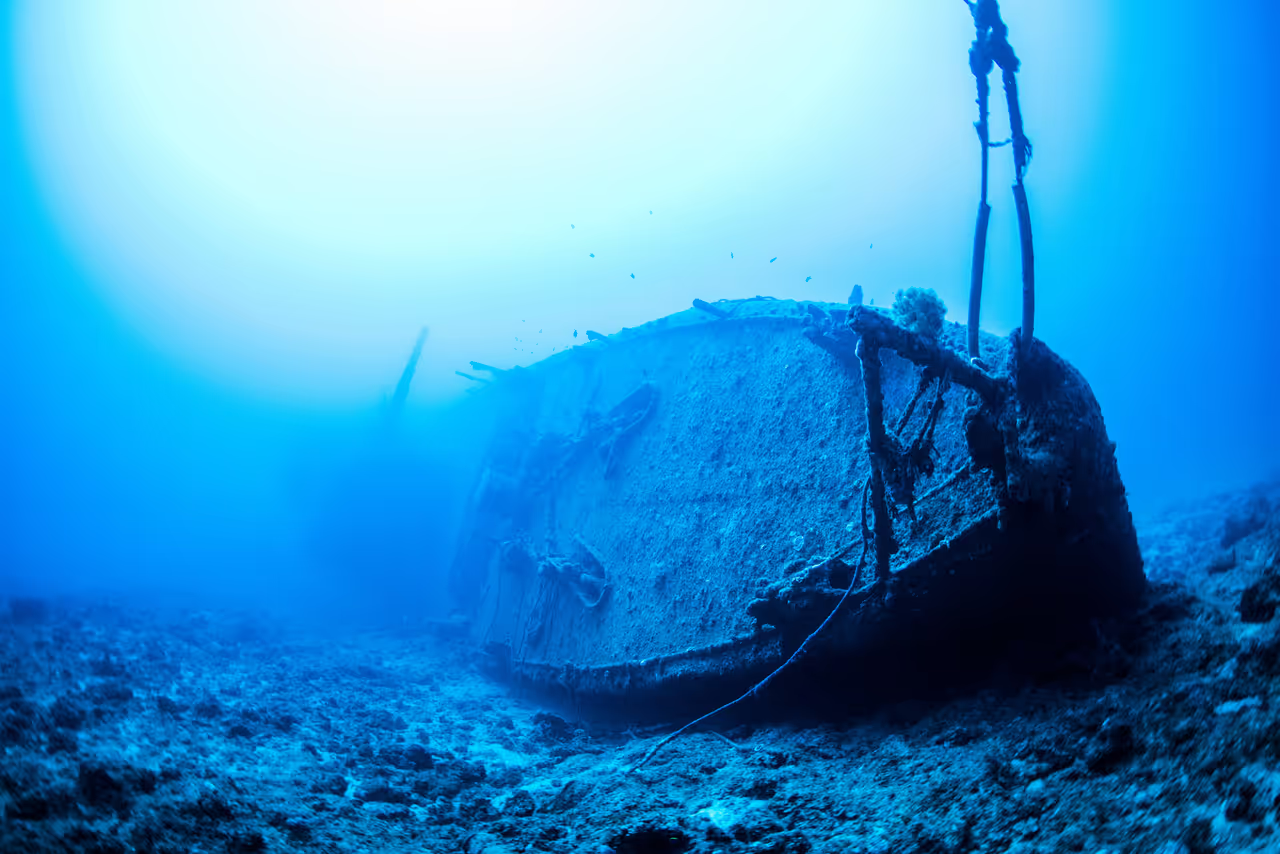
A century-old pistol from a shipwreck is more than a dramatic headline. It connects modern audiences to the real texture of the past, where travel was riskier, technology was evolving fast, and personal possessions could vanish in an instant. Small artifacts often carry emotional weight far beyond their size.
These discoveries also show why preservation funding matters. Underwater archaeology is expensive, technically demanding, and slow, but the payoff can be extraordinary. One recovered weapon can illuminate trade, crime, self-defense, naval practice, or class distinctions in ways broad historical summaries cannot.
In the end, the pistol matters because it is both ordinary and rare. Ordinary, because countless people once owned objects like it. Rare, because very few survive 100 years on the seafloor and return with their story still partly intact, waiting for science and history to finish the conversation.