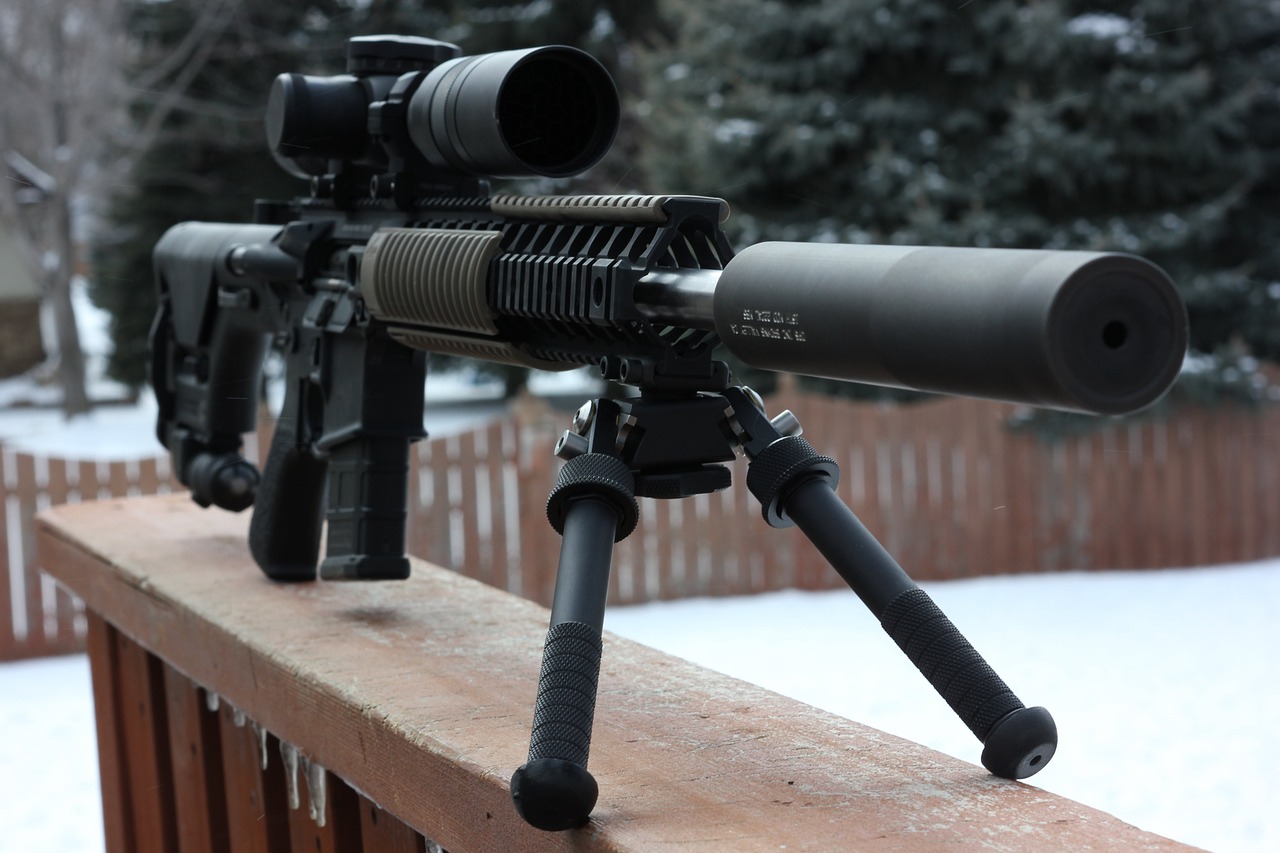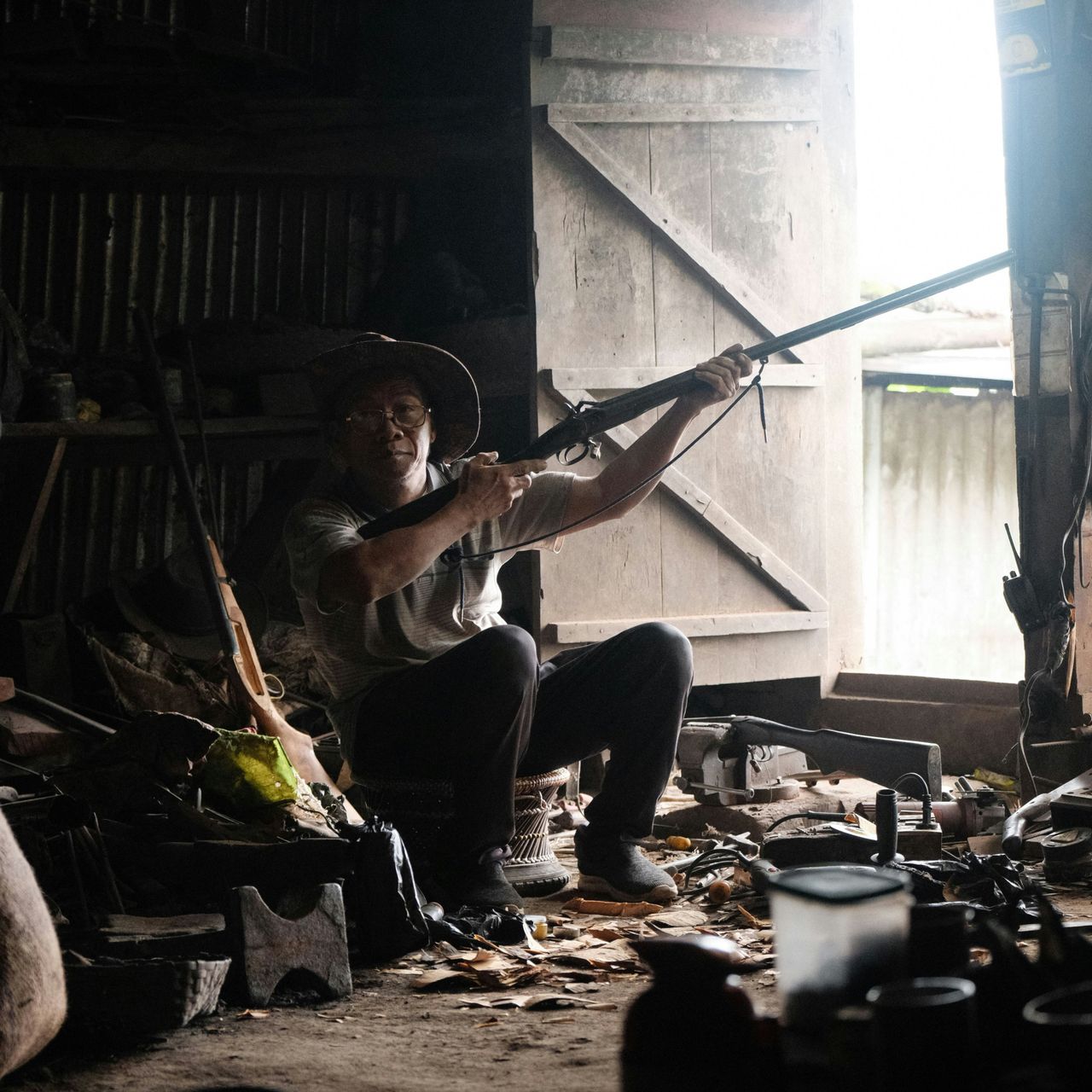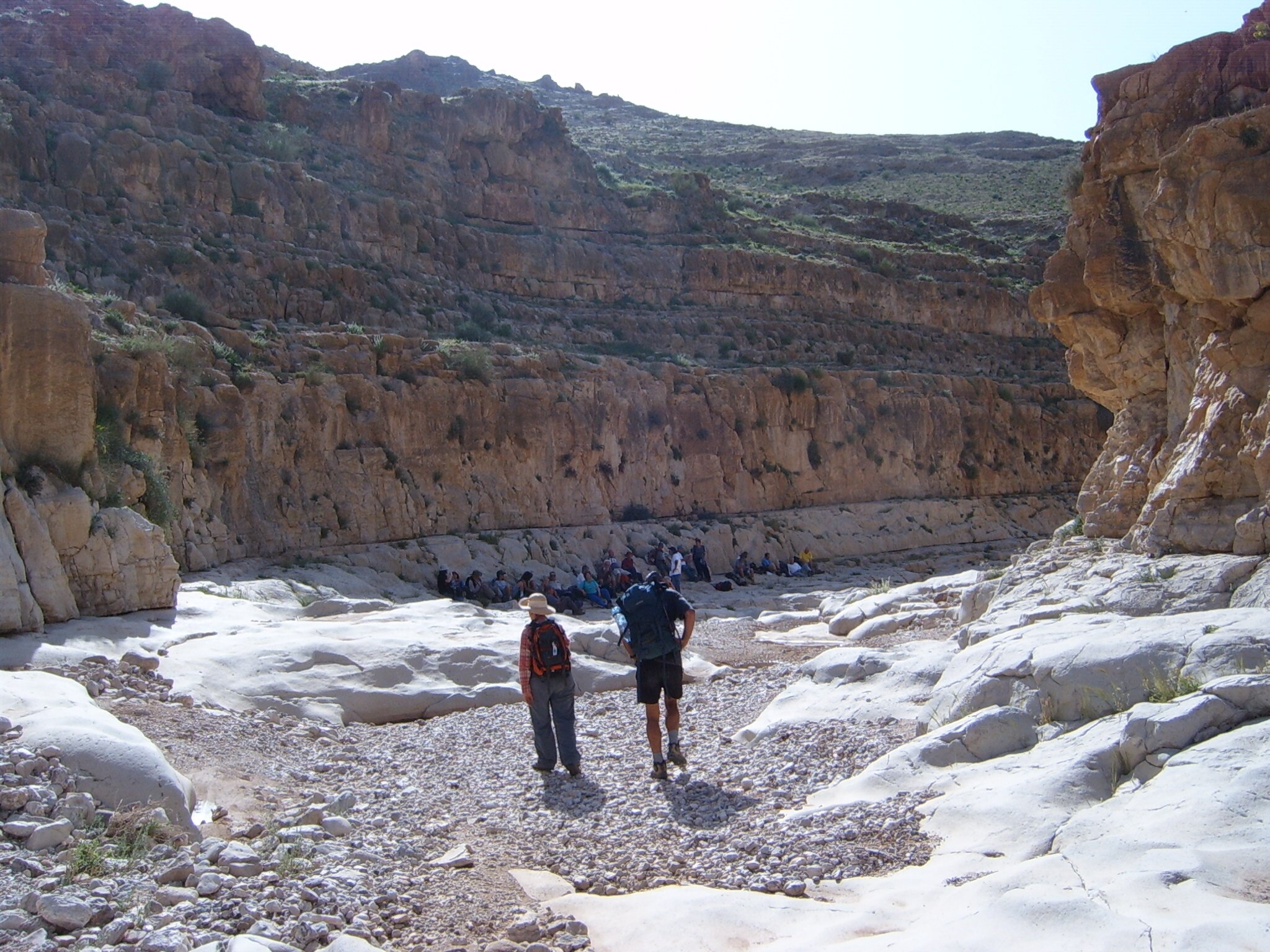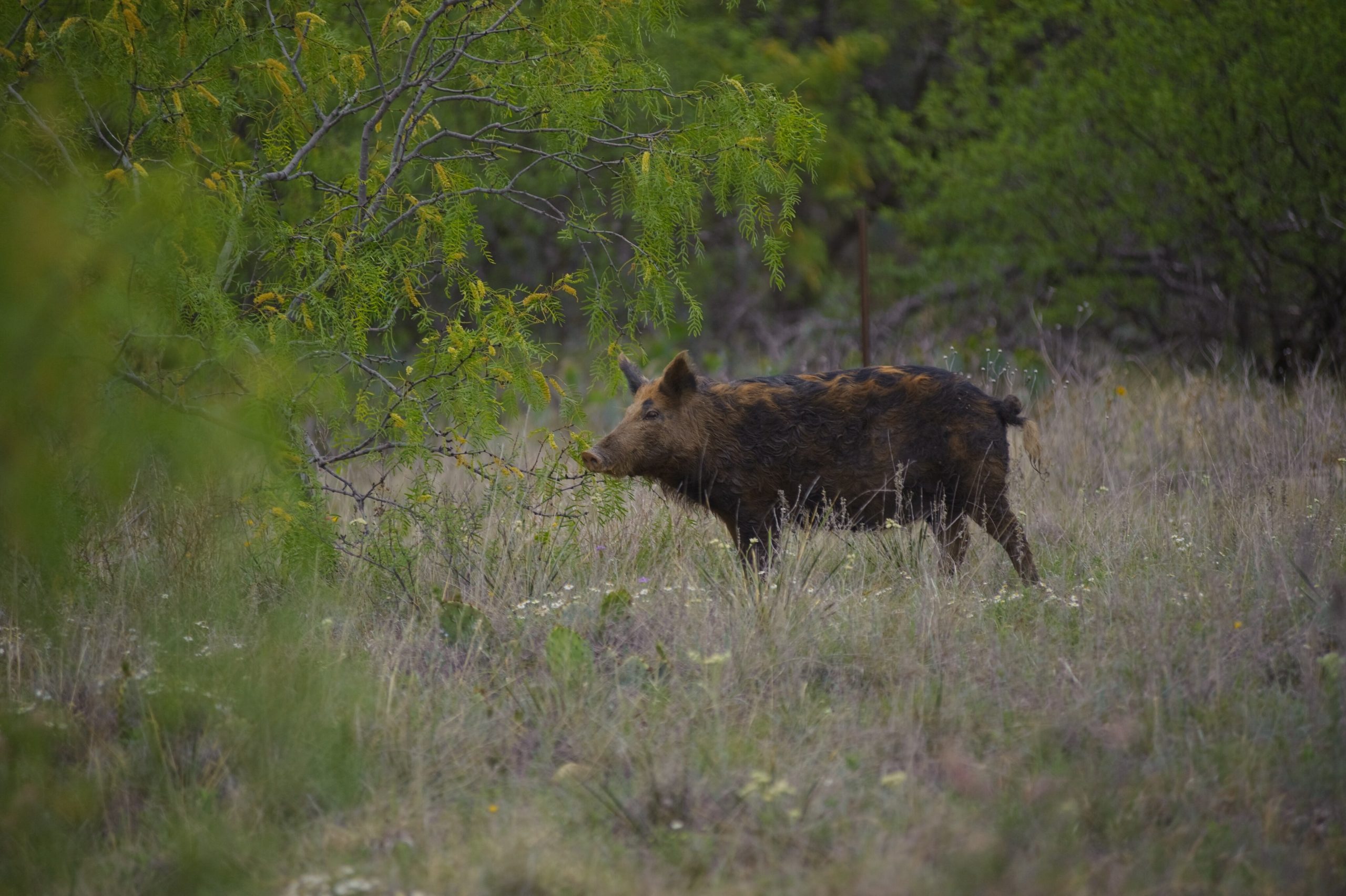
Feral hogs can inhabit swamps, forests, open fields, rocky hills, and agricultural areas, but each landscape presents different challenges for hunters. Thick vegetation can conceal movement, wet ground can distort tracks, and open terrain offers fewer places to approach unnoticed. Understanding how soil, water, visibility, and natural cover affect hog activity helps hunters interpret signs more accurately. Terrain also influences access, safety, and shot visibility. Before entering an unfamiliar area, check local hunting regulations, landowner permission, and permitted methods, as rules for feral hogs vary considerably between states and properties.
1. Swamps and Wetlands
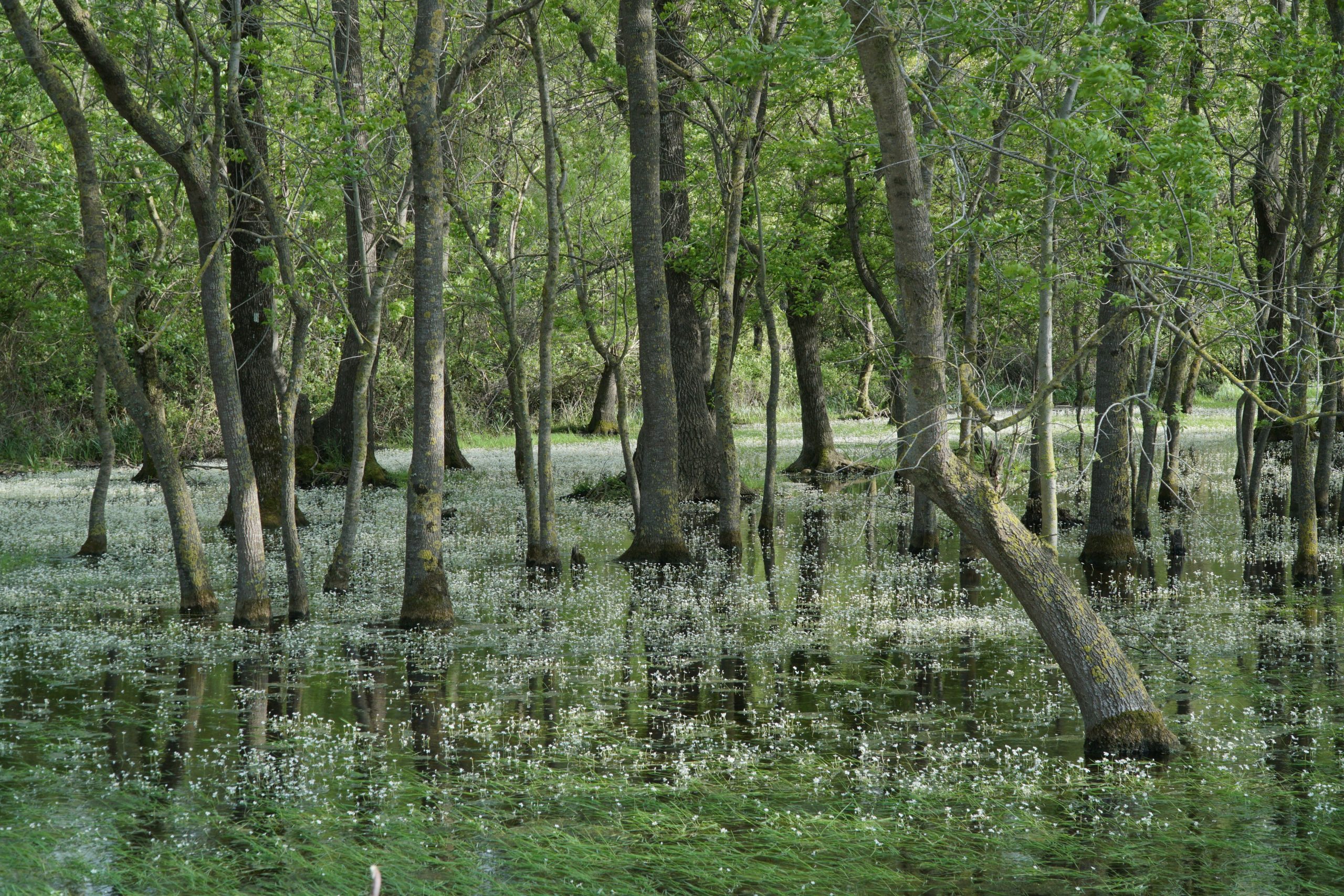
Swamps offer feral hogs water, soft ground, and dense vegetation, making these habitats difficult to navigate quietly. Mud may reveal cloven hoofprints, rooting marks, and wallows, but standing water can erase tracks or make their direction difficult to establish. Even a shallow 6-inch layer of water can conceal uneven ground, roots, and holes. Wear suitable waterproof footwear and identify firm routes before entering. Thick reeds also restrict visibility, so never assume movement indicates a hog. Confirm the target and what lies beyond it, especially near waterways where other people or wildlife may be present.
2. Dense Forests and Woodlands
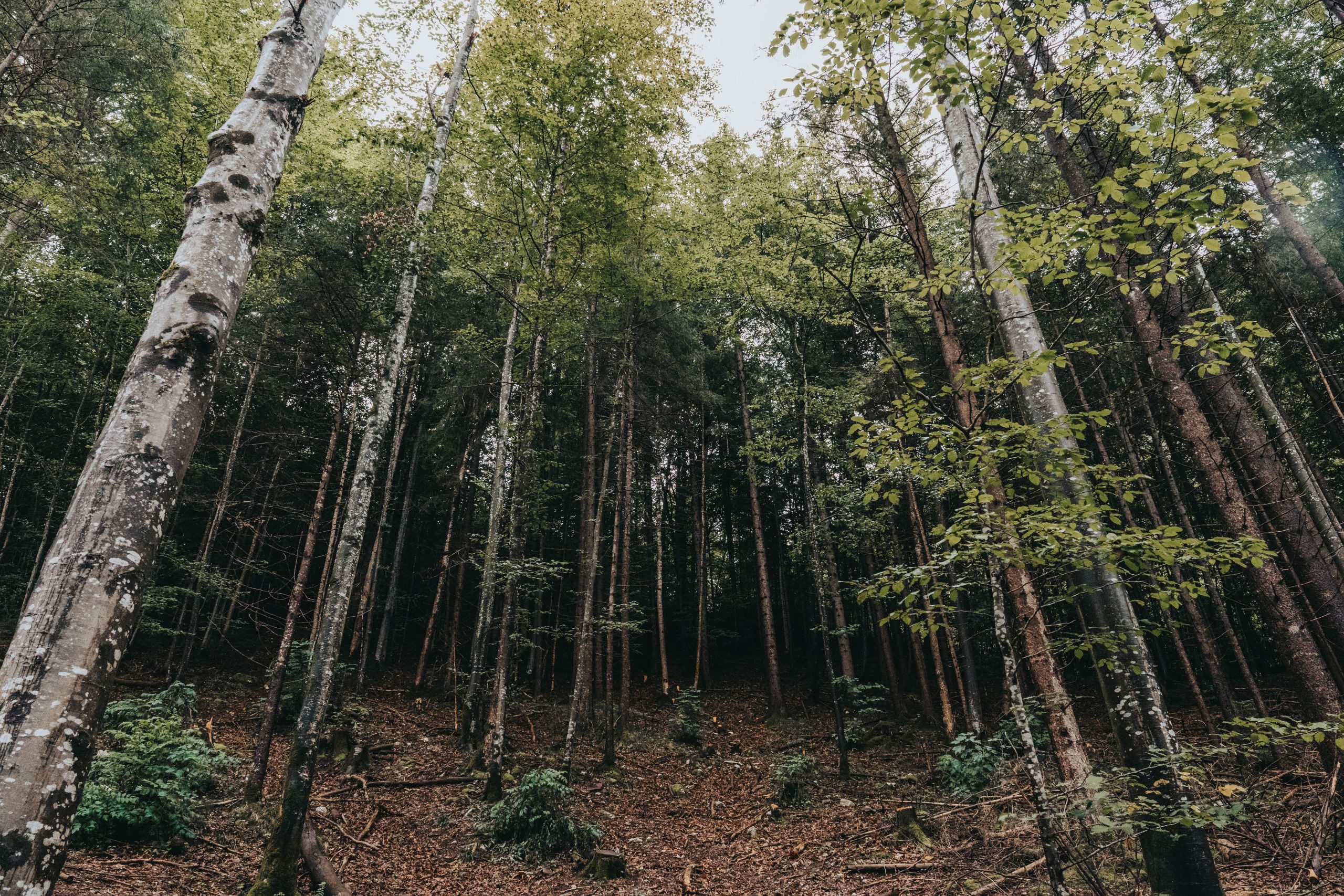
Forests provide shade, food sources, and cover, but fallen leaves and tangled undergrowth make feral hogs difficult to see. Rooting can expose patches of soil several feet across, although deer and other animals may disturb the same ground. After rain, fresh impressions often appear clearer, while dry leaves can hide their edges. Visibility may fall below 30 feet in dense brush, depending on vegetation and terrain. Move carefully, avoid relying on sound alone, and identify a safe shooting background before taking a shot. A map and compass or GPS can also help prevent disorientation under a thick canopy.
3. Open Grasslands and Pastures
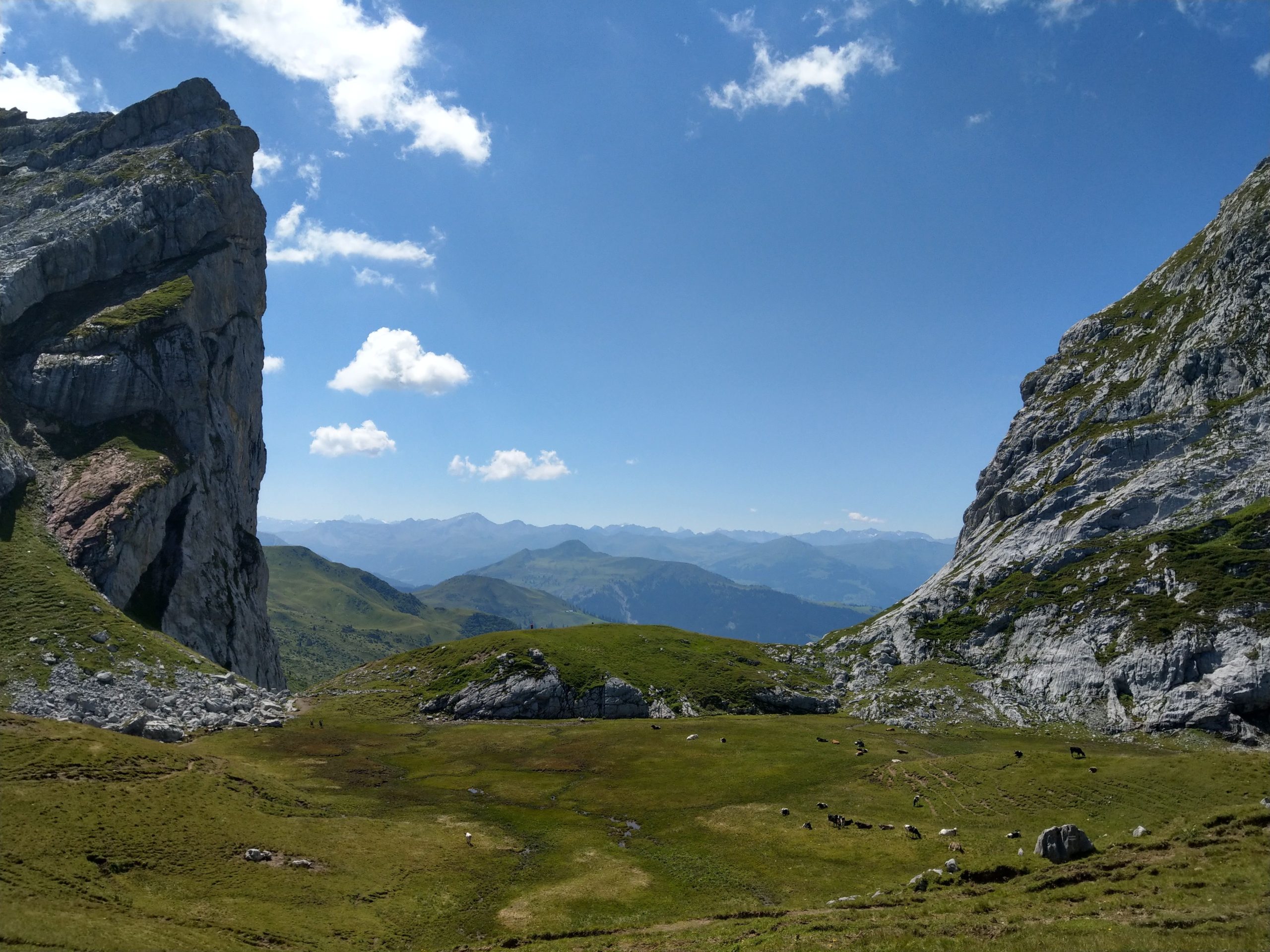
Open grasslands provide longer sightlines than dense forests, but tall grass can still conceal feral hogs, especially when animals feed with their bodies lowered. Freshly disturbed soil, flattened vegetation, and tracks may reveal recent activity near feeding areas. Wind direction matters because exposed ground offers fewer natural barriers, and approaching animals may notice movement from a considerable distance. In fields extending hundreds of yards, binoculars can help distinguish animals from shadows or vegetation. Avoid shooting toward distant movement without positive identification, and account for fences, livestock, roads, and buildings before choosing a safe position.
4. Agricultural Fields and Crop Edges
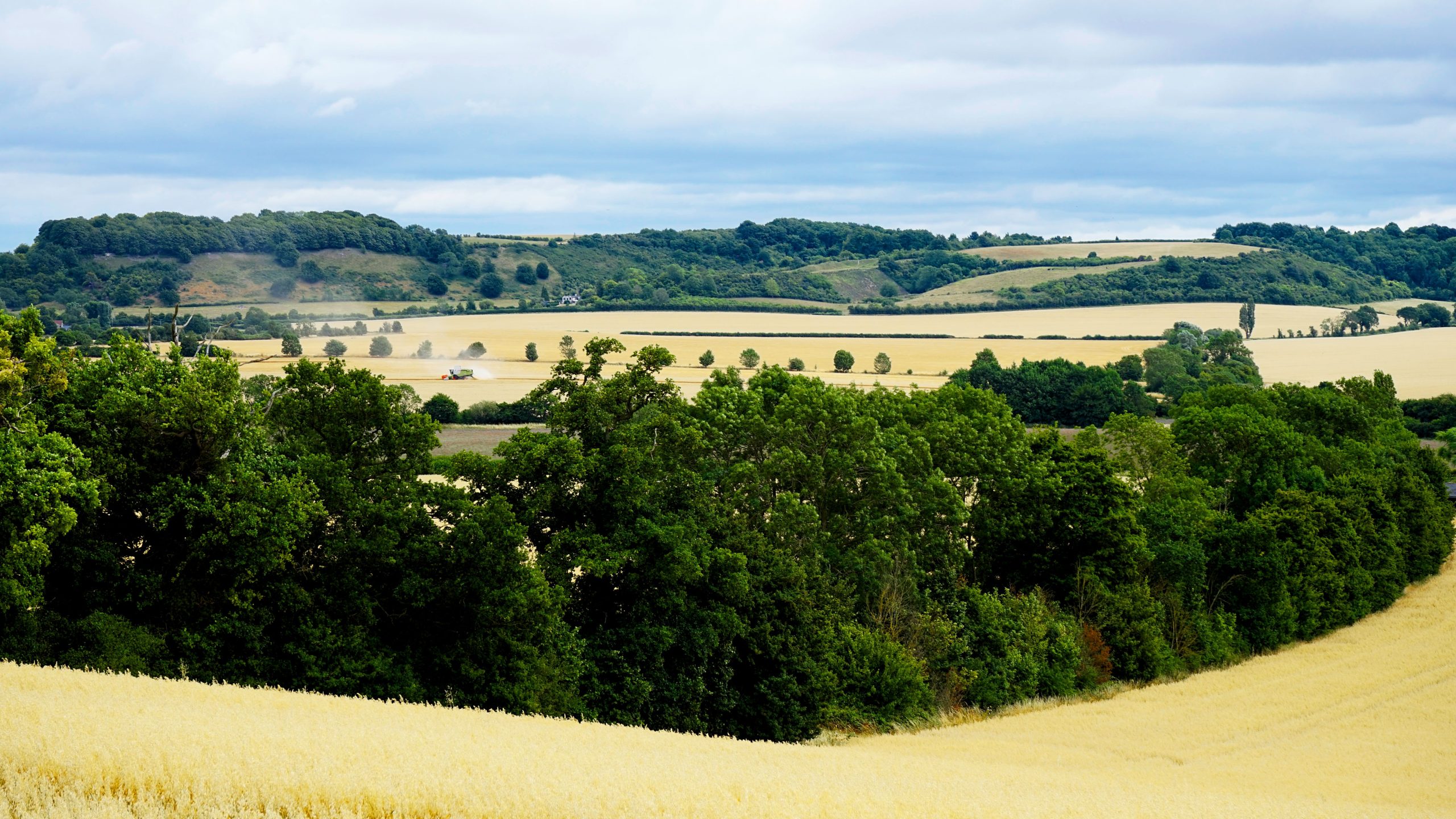
Agricultural land attracts feral hogs because crops such as corn and peanuts provide concentrated food. Damage may appear as flattened plants, scattered kernels, and patches of overturned soil. However, fresh crop damage does not establish exactly when hogs visited, and other wildlife may contribute to it. A 10-foot-wide strip of disturbed ground can offer useful evidence when examined alongside hoofprints and nearby trails. Always obtain permission before entering private farmland, respect planted areas, and confirm local restrictions. Never fire toward a crop row or beyond a field boundary without knowing what lies on the other side.
5. Rocky Hills and Mountain Slopes
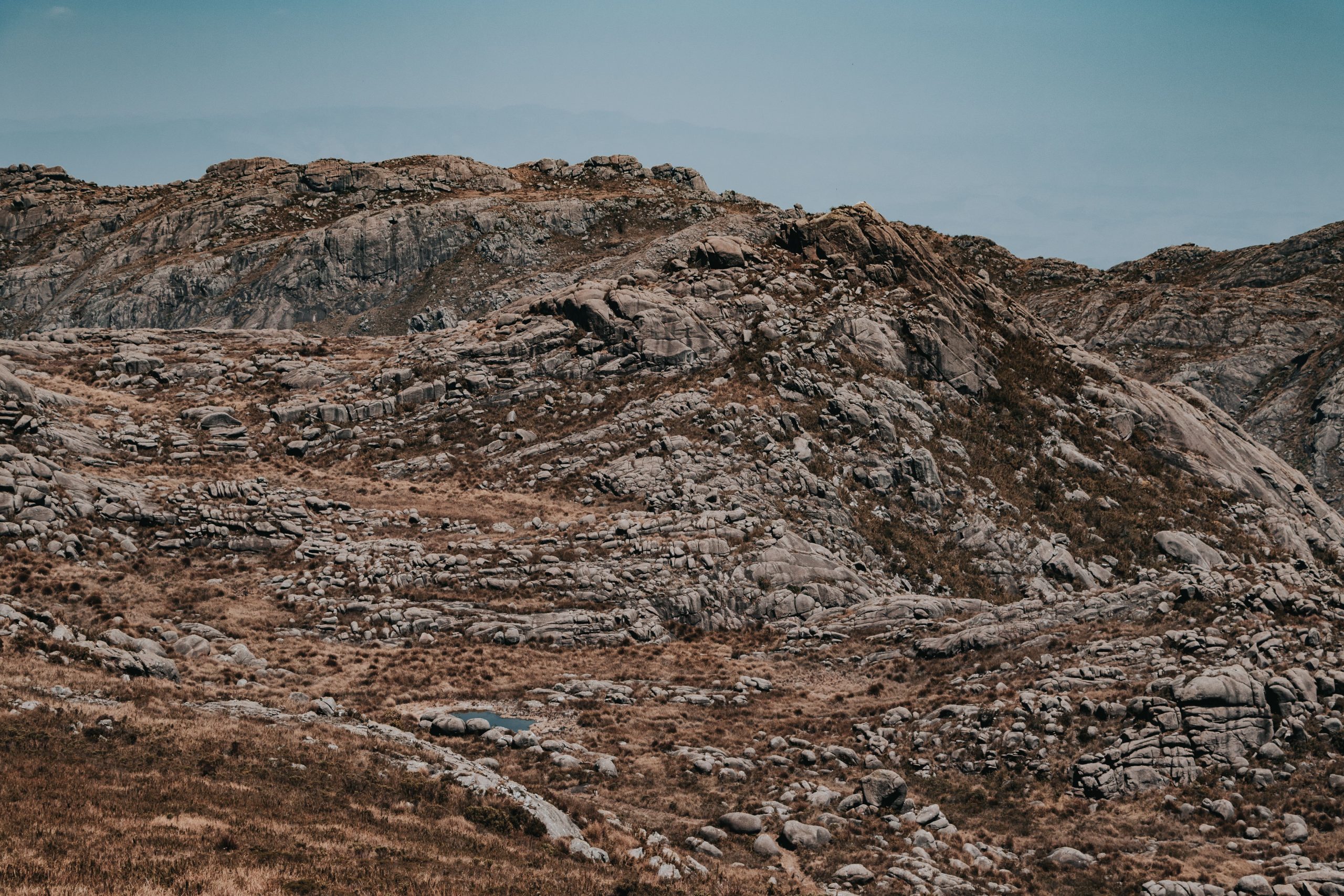
Rocky terrain challenges hunters because steep slopes, loose stones, and narrow trails can make movement hazardous. Feral hogs may use wooded gullies, sheltered slopes, and natural drainage routes, but their movements depend on food, water, and local conditions. Tracks can be scarce on exposed rock, so disturbed soil near trail entrances may provide better clues. Even a 20-degree slope can become slippery after rain, especially where loose gravel covers the surface. Choose stable footing, avoid rushing along ridges, and consider how a missed shot could travel downhill. Safe access and a clear background matter more than reaching a promising sign.
6. Riverbanks and Creek Bottoms
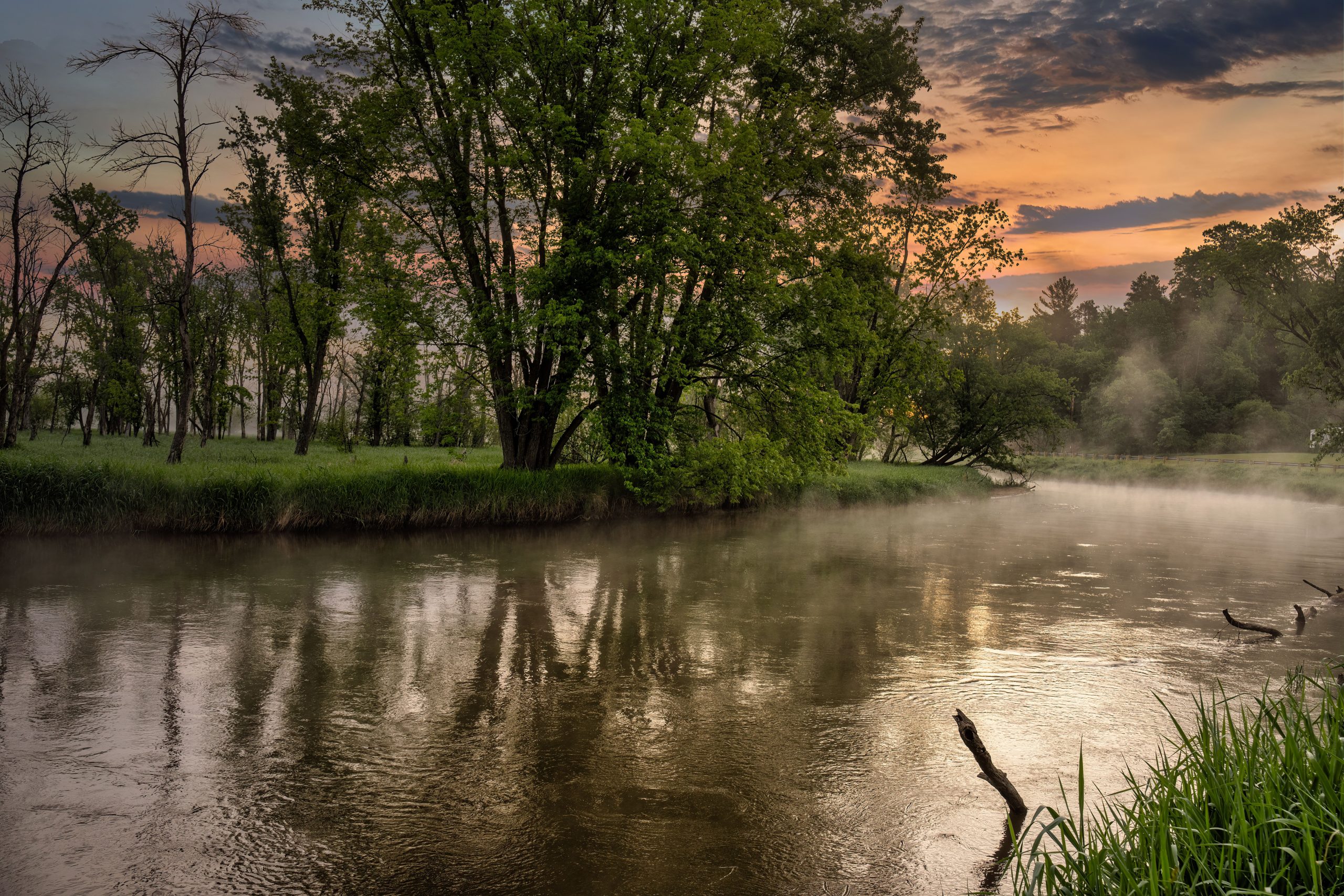
Riverbanks and creek bottoms often combine water, vegetation, and soft soil, creating useful places to look for hog activity. Mud may preserve tracks, while exposed banks can show where animals have crossed or rooted. However, rising water can erase sign and turn familiar paths into dangerous crossings. A change of just 1 foot in water level can affect low-lying access routes, depending on the bank’s shape. Check recent rainfall and water conditions before entering, and avoid unstable edges. Tracks near water can indicate passage rather than feeding, so examine the surrounding ground before drawing conclusions about animal movement.
7. Brush Country and Thorny Scrub
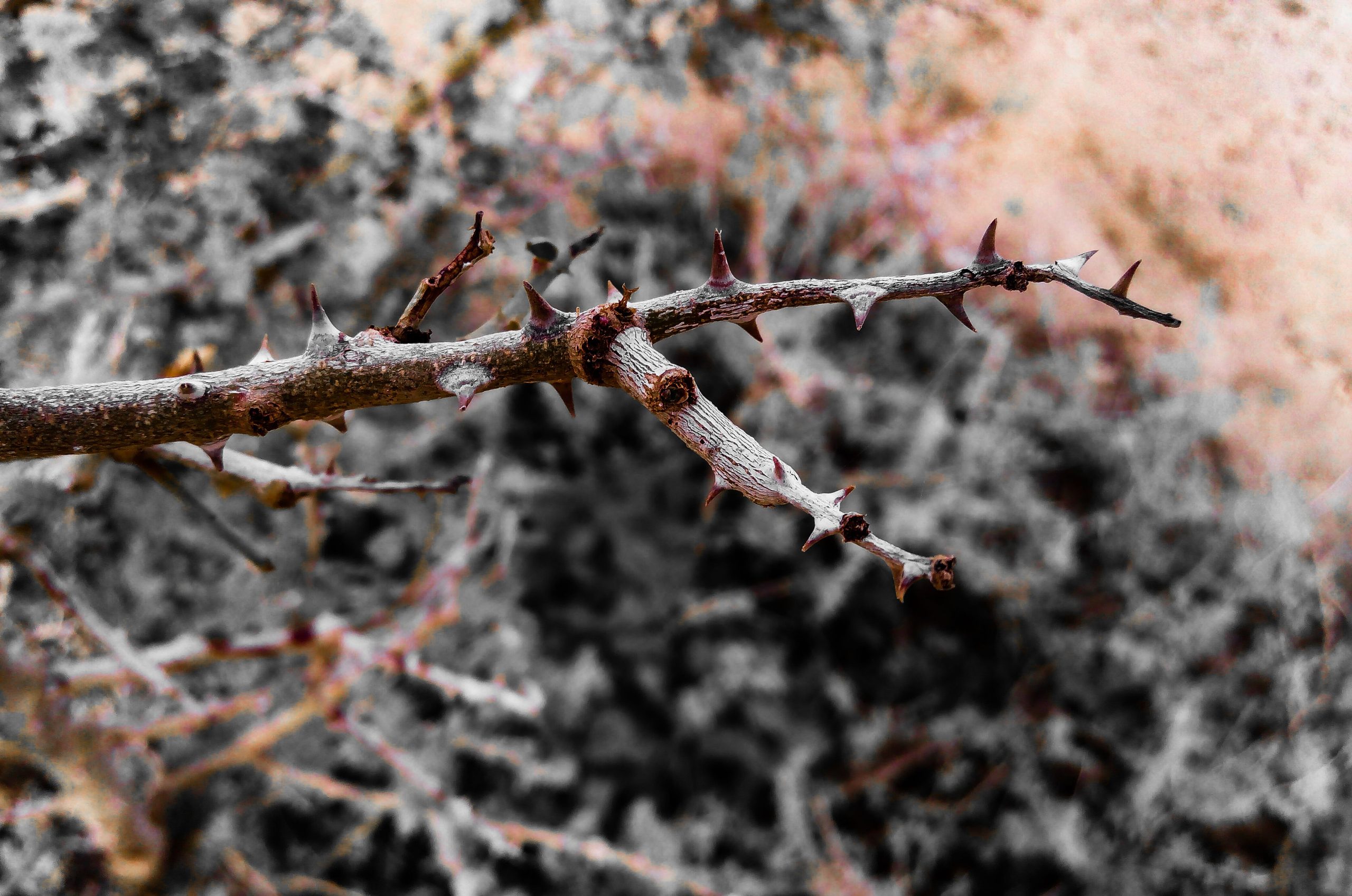
Brush country gives feral hogs excellent concealment, particularly where thorny shrubs, vines, and low branches form dense cover. Narrow openings may reveal tracks or recently disturbed vegetation, but visibility can be limited to just a few yards. Dry brush also creates noise underfoot, making quiet movement difficult and increasing the chance of startling an animal at close range. Wear protective clothing and keep a clear route back to open ground. Before raising a firearm, establish the animal’s identity and ensure the entire shooting area is safe. Never fire at movement alone, since dense scrub can conceal other animals or people.