Deserts inspire powerful survival myths passed down through movies, old guidebooks, and campfire stories. Many of these ideas sound logical, but can quietly increase danger when temperatures soar, and resources vanish. Modern rescue data, field research, and real survival accounts show that deserts punish assumptions more than mistakes. Understanding what actually works matters far more than bravado or tradition. The following truths challenge common desert survival myths and explain what really keeps people alive when shade is scarce, water is limited, and help is far away.
1. You cannot Reliably Find Water by Following Animals
Movies suggest that tracking animals always leads to water, but deserts prove otherwise. Many desert animals obtain moisture from plants or metabolic processes and rarely drink free-standing water. Following tracks often leads deeper into harsh terrain, wasting energy and body fluids. Birds may travel long distances between water sources, and hoofprints can be days old. Human survival depends on conserving sweat, not chasing hope. Smart desert travel prioritizes known water sources, maps, and weather timing. Relying on animal behavior creates false confidence and burns calories your body cannot spare. Visual landmarks, terrain knowledge, and ration discipline matter far more than guessing where wildlife might drink.
2. Traveling at Night Is Not Automatically Safer
Night travel sounds smart because temperatures drop, but darkness introduces serious hazards. Uneven ground, cactus spines, loose rock, and sudden washes become harder to see. A twisted ankle at night can turn survivable situations into emergencies. Navigation errors increase without clear visual references, even with stars visible. Night winds can also accelerate dehydration. Many experienced desert travelers move during early morning and late afternoon instead. This balances cooler air with visibility. Resting in shade during peak heat preserves strength without inviting nighttime injuries. Survival favors controlled movement, not constant motion, under the assumption that darkness solves heat problems.
3. Rationing Water Incorrectly Can Kill You Faster
A common myth says to sip tiny amounts of water to make it last. In reality, severe dehydration reduces judgment, coordination, and heat regulation. When water is available, drinking enough to maintain function is safer than extreme rationing. Dehydrated bodies lose cooling efficiency, increasing heat injury risk. Strategic consumption combined with reduced movement and shade use works better. The real goal is lowering water loss, not starving your system. Sweating less through rest and shelter preserves hydration more effectively than denying your body what it needs to function properly under extreme conditions.
4. Digging for Water Usually Wastes Energy
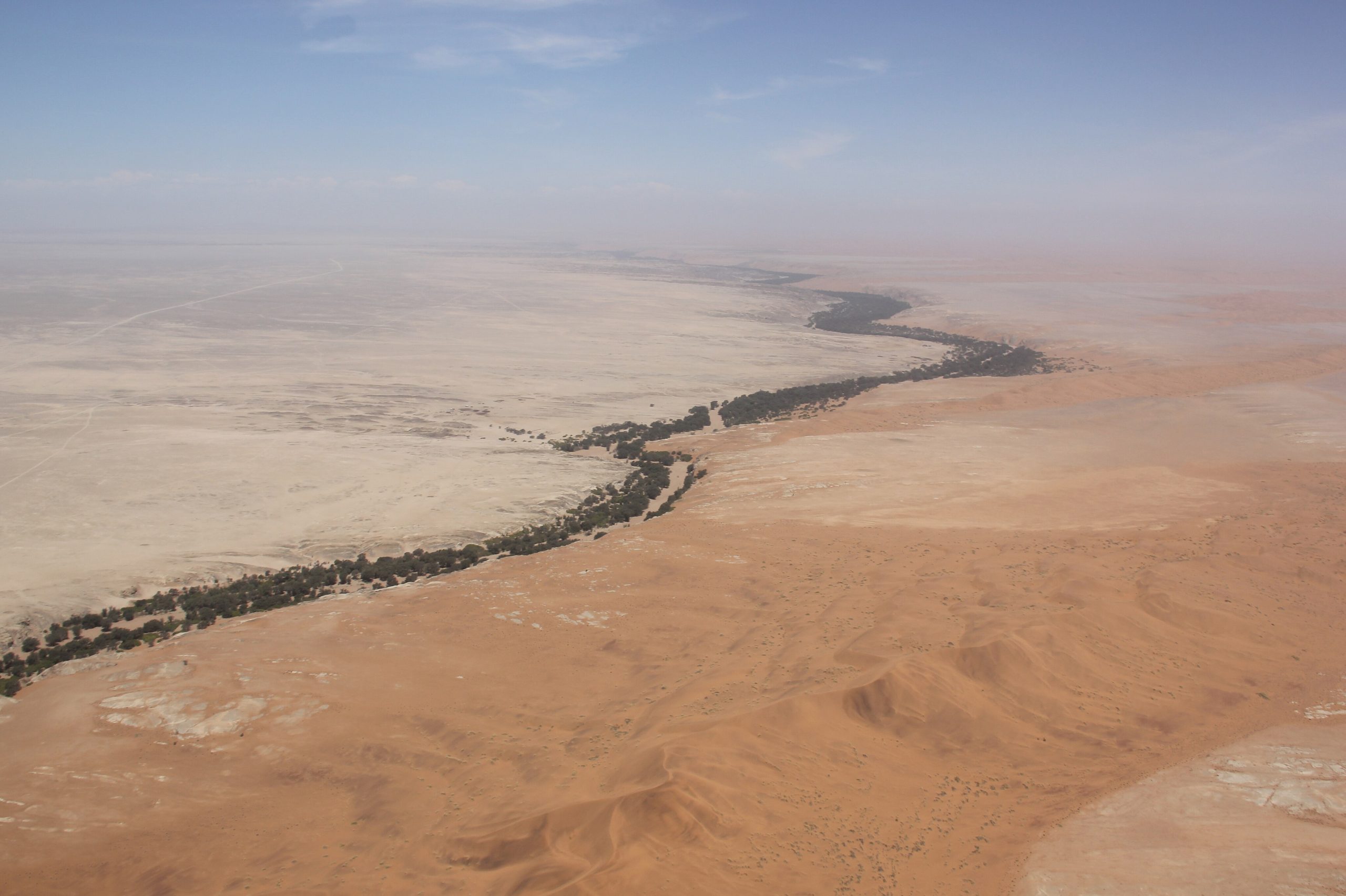
Survival manuals often show people digging in dry riverbeds to find water. In most deserts, this burns calories and fluids with little reward. Many washes are completely dry below the surface, especially during drought cycles. Digging increases heat exposure and exhaustion. Unless you are familiar with the geology and recent rainfall patterns, digging is a gamble. Modern survival guidance emphasizes staying put, creating shade, and signaling for rescue. Energy conservation beats desperate effort. The desert rewards patience more than frantic action, especially when help may already be searching nearby.
5. Cactus Water Is Rarely Safe or Useful
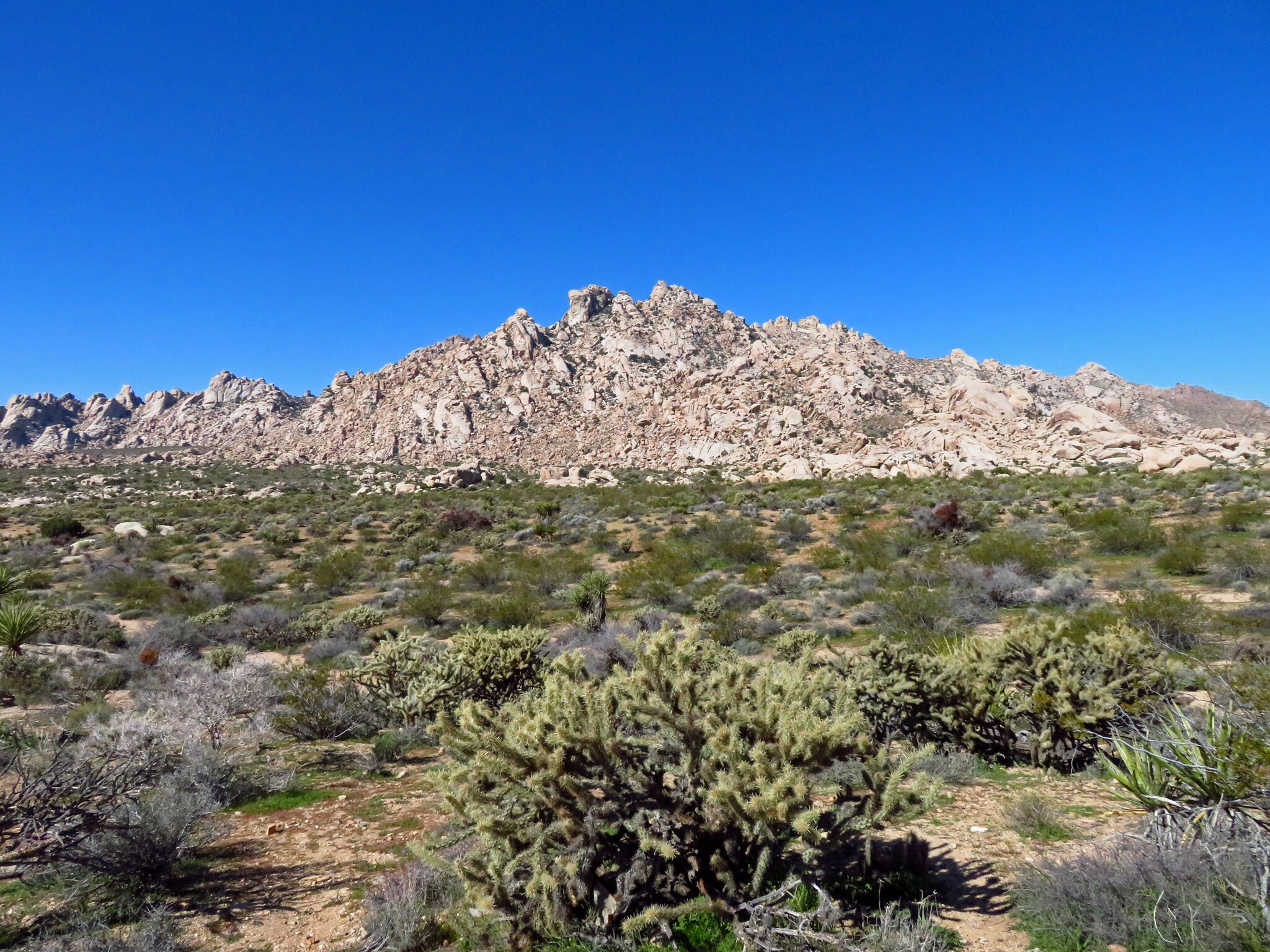
Cutting open a cactus for water looks dramatic, but most cactus fluids are bitter, acidic, or mildly toxic. Consuming them often causes vomiting or diarrhea, accelerating dehydration. Only a few species provide usable moisture, and misidentification is common among untrained people. Processing cactus safely requires knowledge and tools most travelers lack. Depending on the cactus, water is a myth that creates medical problems instead of solving them. Avoiding unnecessary ingestion protects limited body fluids. Shade, stillness, and signaling remain far more reliable survival strategies than experimenting with unknown plant liquids.
6. Shade Matters More Than Distance Traveled
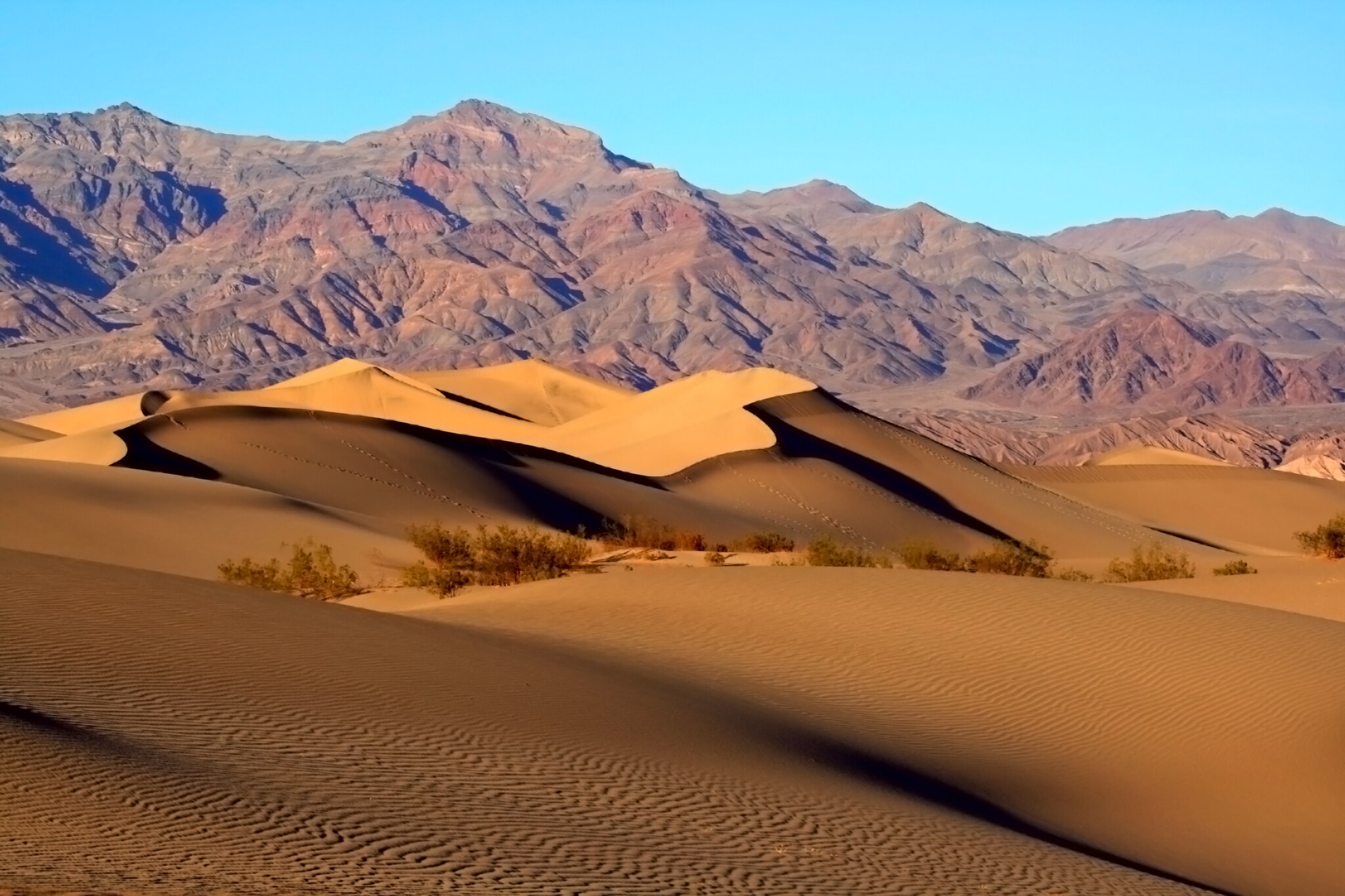
Many believe survival depends on covering ground quickly to find help. In deserts, shade can be more valuable than movement. Direct sun rapidly increases core temperature, draining water reserves through sweat. Even minimal shade reduces heat load dramatically. Building a simple shelter using packs, clothing, or terrain can stabilize body temperature. Rescuers often find people who stayed visible and shaded sooner than those who wandered. Staying alive long enough to be found matters more than pushing miles. Desert survival is about managing exposure, not proving endurance.
7. Toughness Does Not Beat Heat
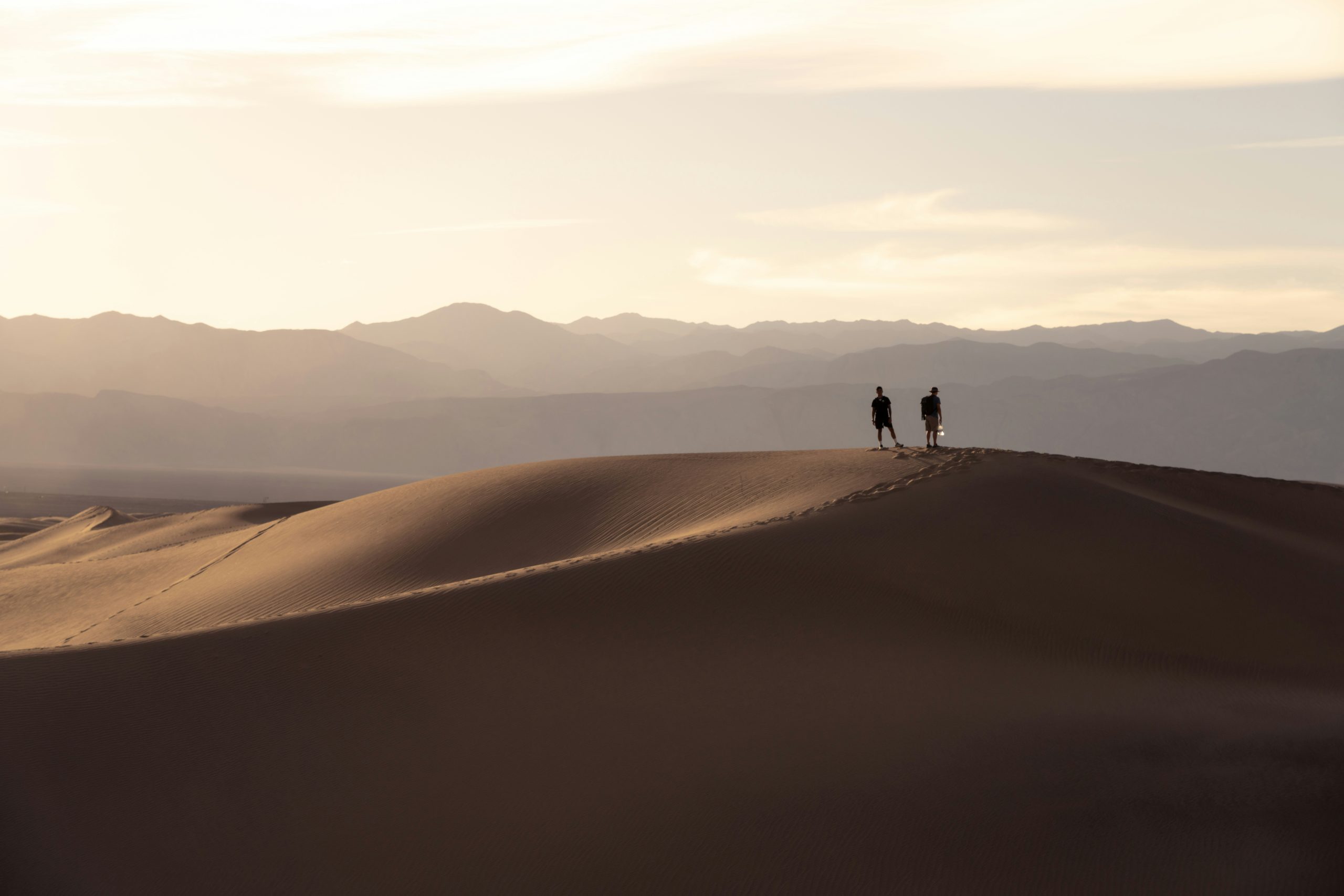
The myth of mental toughness overcoming desert heat gets people killed. Heat illness affects even the strongest individuals, impairing thinking and decision-making. Ignoring early symptoms like dizziness or confusion leads to collapse. Respecting environmental limits is smarter than pushing through discomfort. Survival depends on adapting behavior, slowing down, and accepting vulnerability. The desert does not reward pride. It rewards preparation, humility, and realistic choices. Recognizing limits early allows corrective action before the body fails. This truth saves lives more often than courage ever could.