As towns expand into forests, fields, and wetlands, many North American game animals have learned to survive close to people. Backyards, agricultural land, parks, drainage channels, and roadside vegetation can provide food, shelter, and travel routes. Some animals benefit from these resources, while others tolerate human activity when natural habitat becomes fragmented. Their ability to adjust varies by species, season, and local hunting pressure. Understanding these adaptations explains why wildlife sightings are increasingly common near residential areas and why proximity to humans does not necessarily make wild animals harmless.
1. White-Tailed Deer
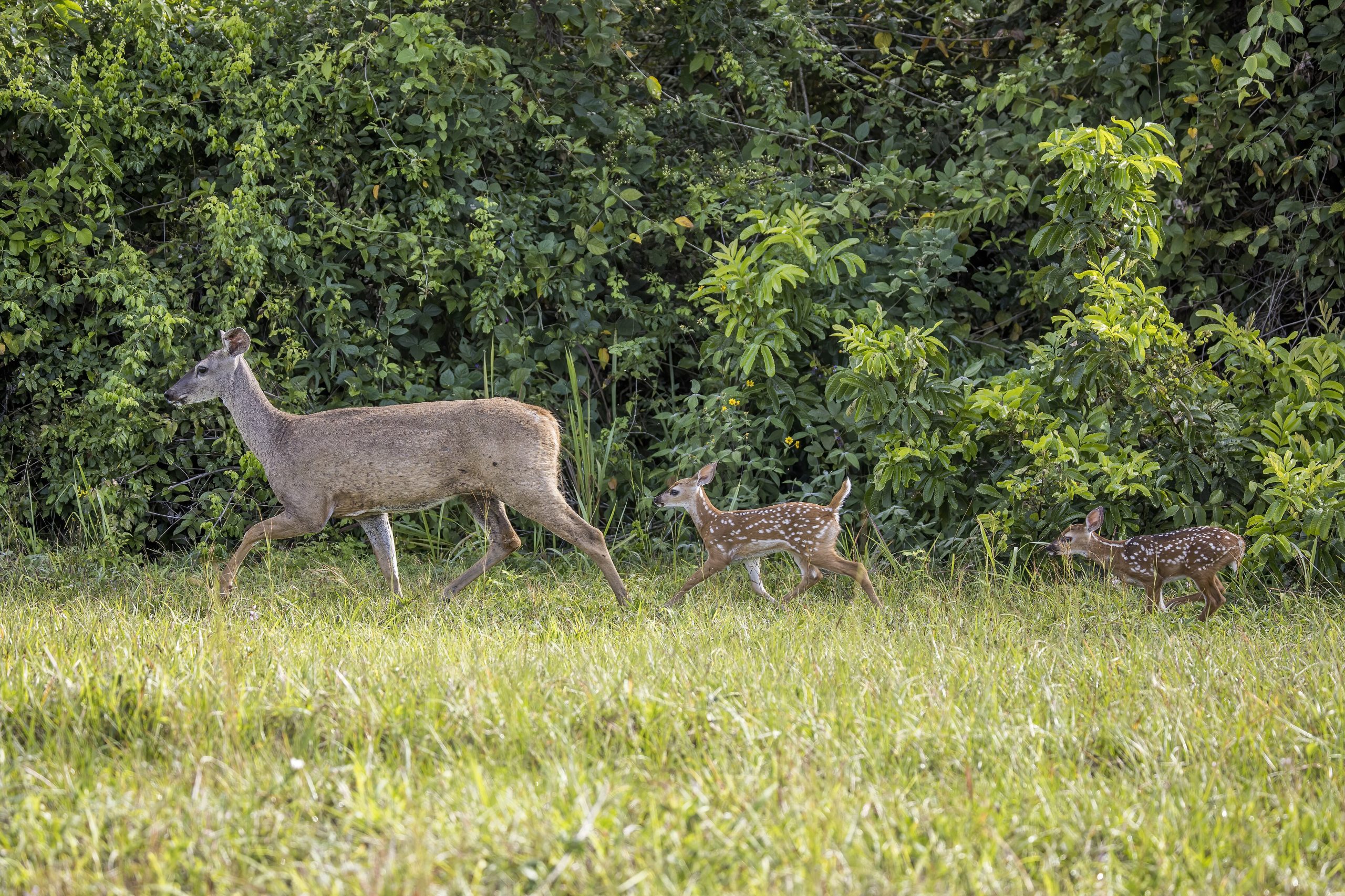
White-tailed deer have become familiar sights around suburban neighborhoods, golf courses, and farmland across much of North America. Landscaped gardens provide browse, while wooded lots offer bedding cover and escape routes. Adults commonly weigh 100 to 300 pounds, depending on sex, region, and habitat. Deer often become more active around dawn and dusk where daytime disturbance is frequent. However, access to ornamental plants and crops can increase vehicle collisions and garden damage. Their ability to use small habitat patches helps them persist near people, although local hunting pressure and development still influence their movements.
2. American Black Bear
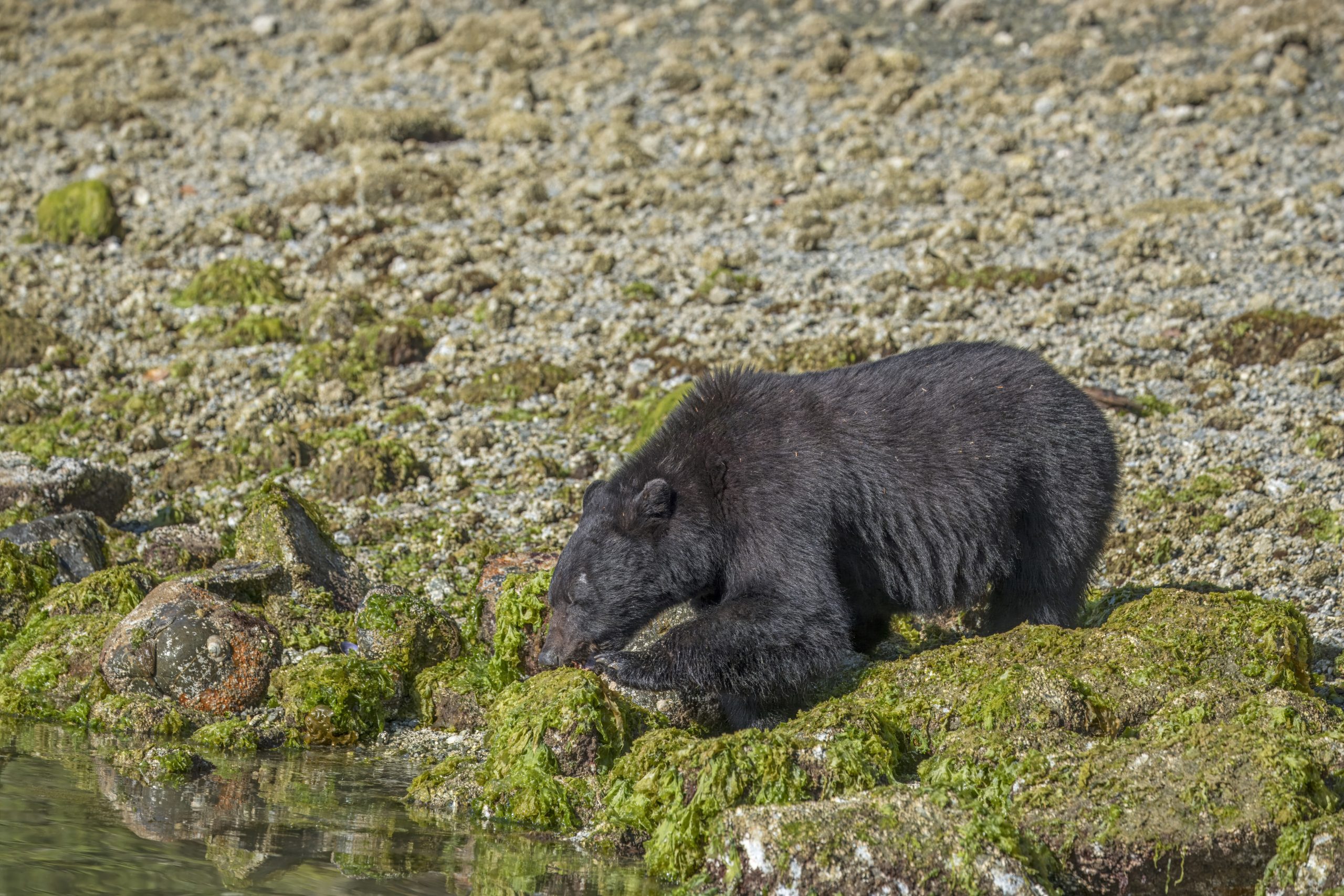
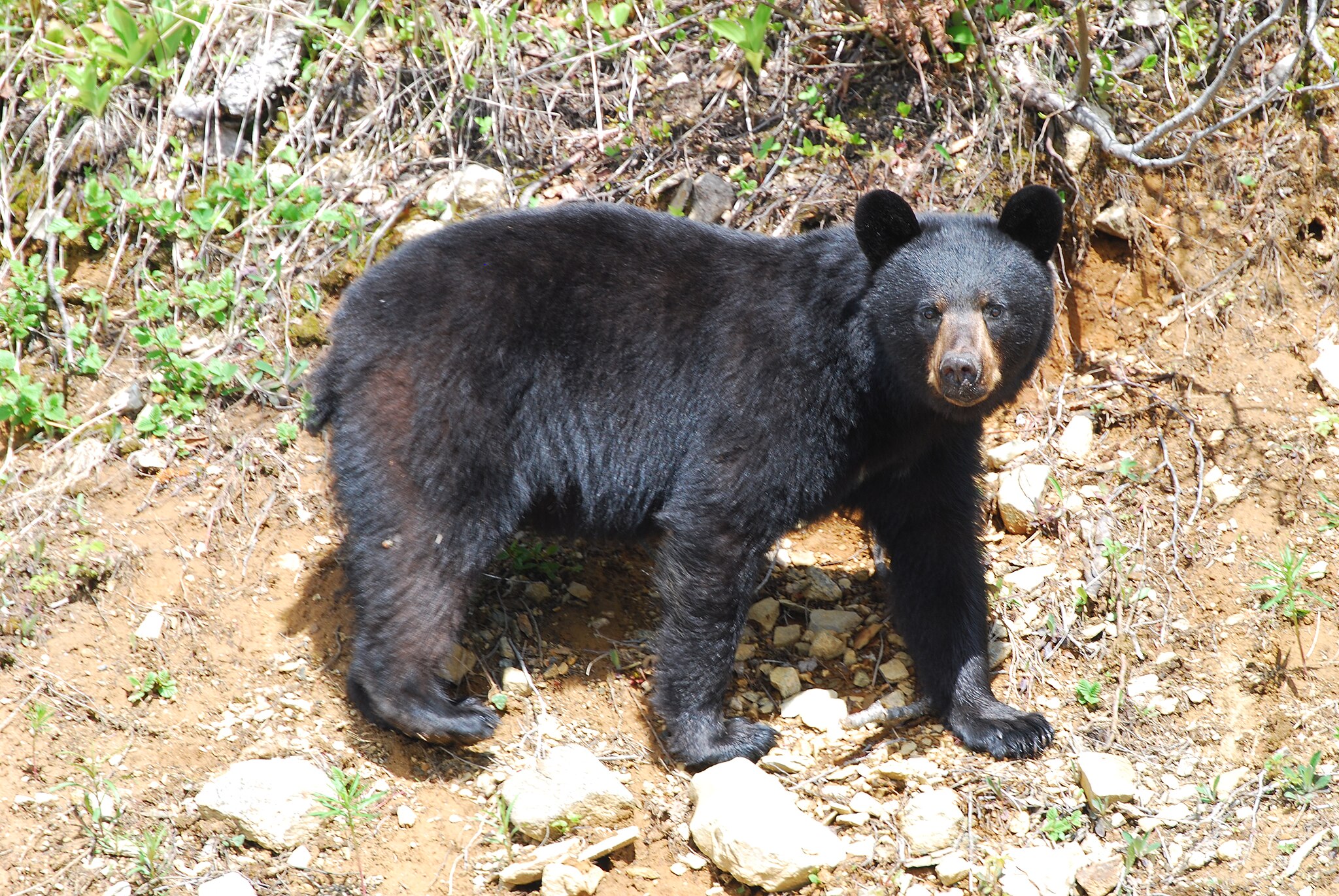
American black bears can survive near mountain towns, rural communities, and forest-edge neighborhoods when natural cover remains available. Their flexible diet includes berries, nuts, insects, and other foods, while unsecured garbage and pet food can attract them toward homes. Adults often weigh 100 to 300 pounds, although regional differences are substantial. Bears may travel several miles while searching for food, particularly when natural supplies fluctuate. Once they associate buildings with easy meals, they can become persistent visitors. Securing waste and removing outdoor food sources are essential because habituated bears can create serious safety problems.
3. Coyote
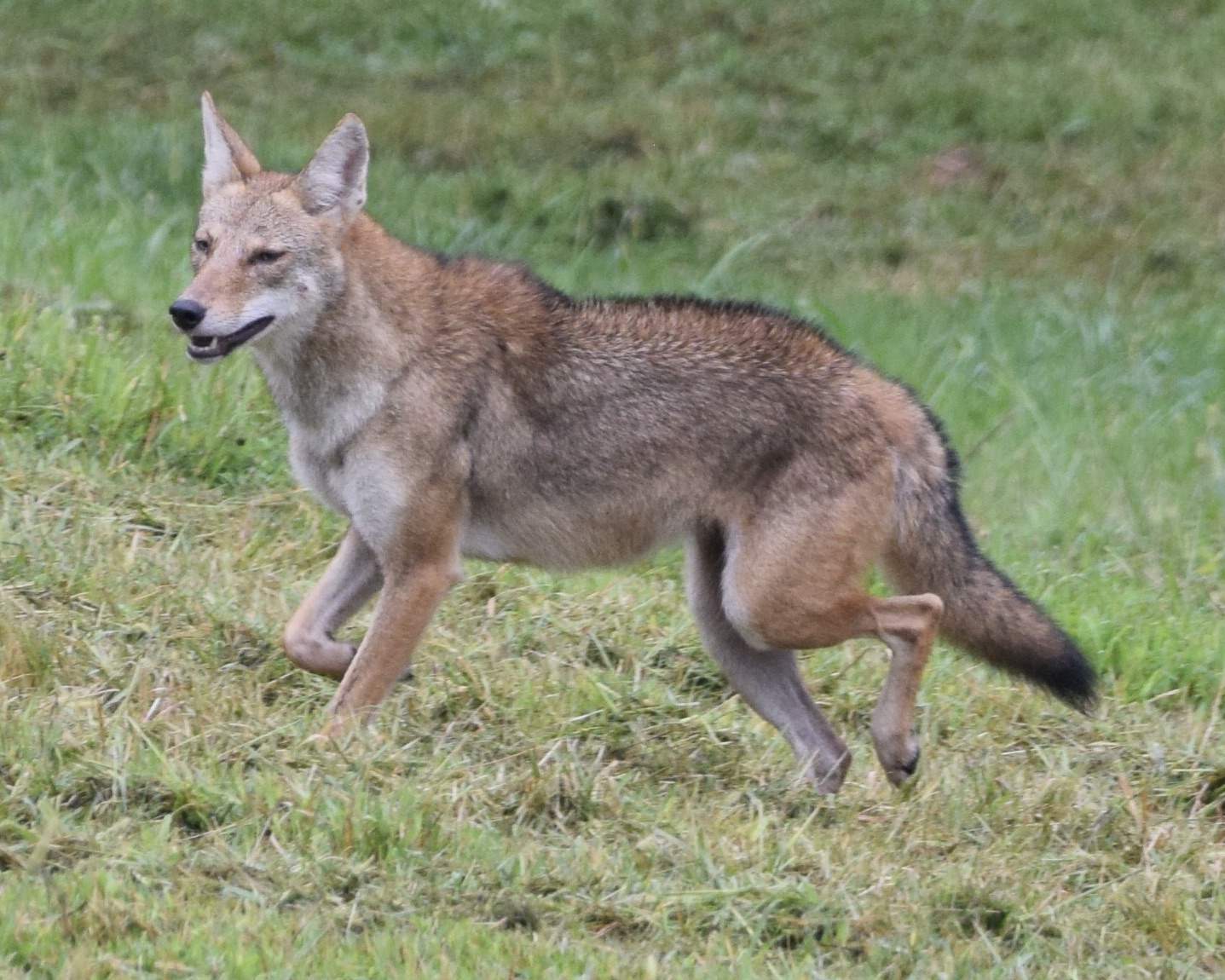
Coyotes have adapted remarkably well to farms, suburbs, and even major metropolitan areas. They use railway corridors, drainage channels, vacant lots, and green spaces to move between patches of habitat. Adults generally weigh about 20 to 50 pounds, with size varying across their range. Their diet includes rodents, rabbits, insects, fruit, and occasionally human-associated food waste. Coyotes often become more active after dark in heavily populated places, although daytime sightings are normal. Their ability to exploit diverse food sources and travel through fragmented landscapes helps explain their persistence near people, but feeding them can increase conflict.
4. Wild Turkey
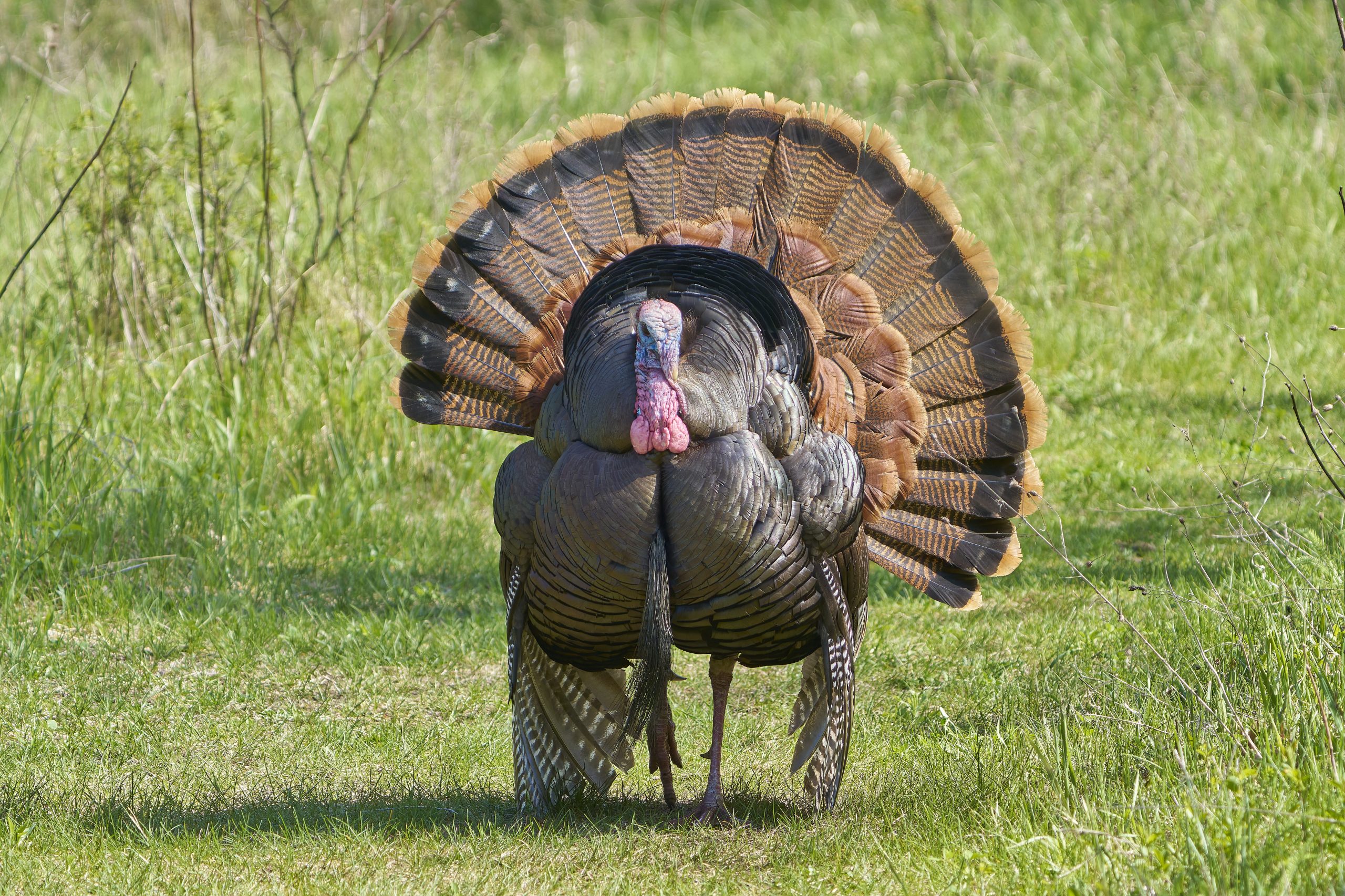
Wild turkeys can thrive around agricultural communities where mature trees, open feeding areas, and suitable nesting cover occur together. They consume acorns, seeds, insects, and cultivated grains, allowing them to use both woodland edges and farm fields. Adult males commonly weigh 16 to 24 pounds, while females are usually smaller. Turkeys may gather near parks and residential lawns when food and water are accessible. Their large bodies do not prevent them from flying into trees to roost overnight. However, concentrated groups can damage gardens, block traffic, and become aggressive when people repeatedly feed or approach them.
5. Raccoon
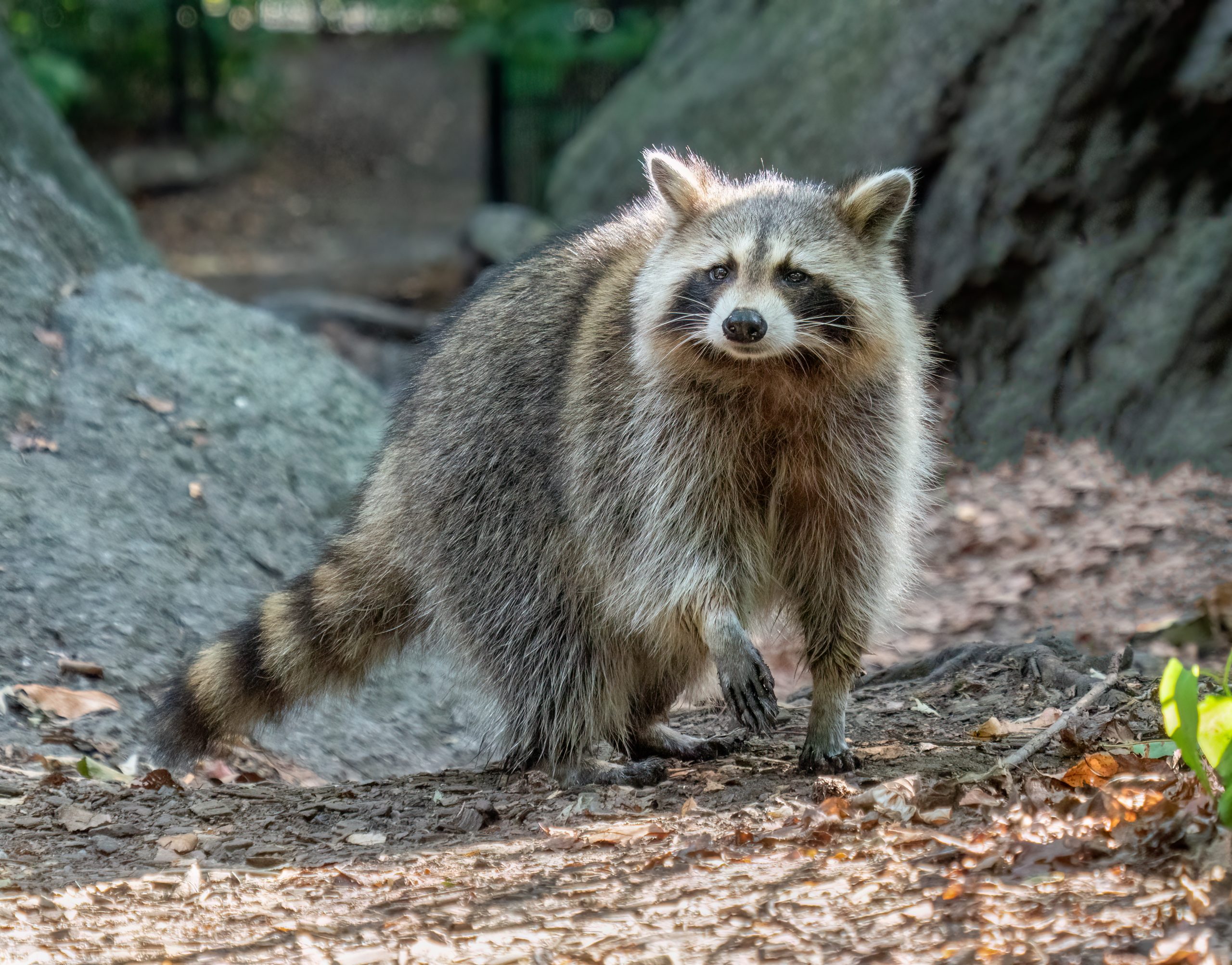
Raccoons are among North America’s most successful urban-adapted game animals because they can exploit a remarkable variety of food and shelter. Attics, hollow trees, storm drains, and abandoned structures may provide daytime resting places, while gardens and rubbish bins offer nighttime meals. Adults commonly weigh 8 to 20 pounds, although some individuals grow considerably heavier. Their dexterous front paws help them open containers and investigate unfamiliar objects. Raccoons can live close to dense human populations without needing large uninterrupted forests, but unsecured waste encourages repeat visits and increases the risk of property damage and disease transmission.
6. Eastern Gray Squirrel
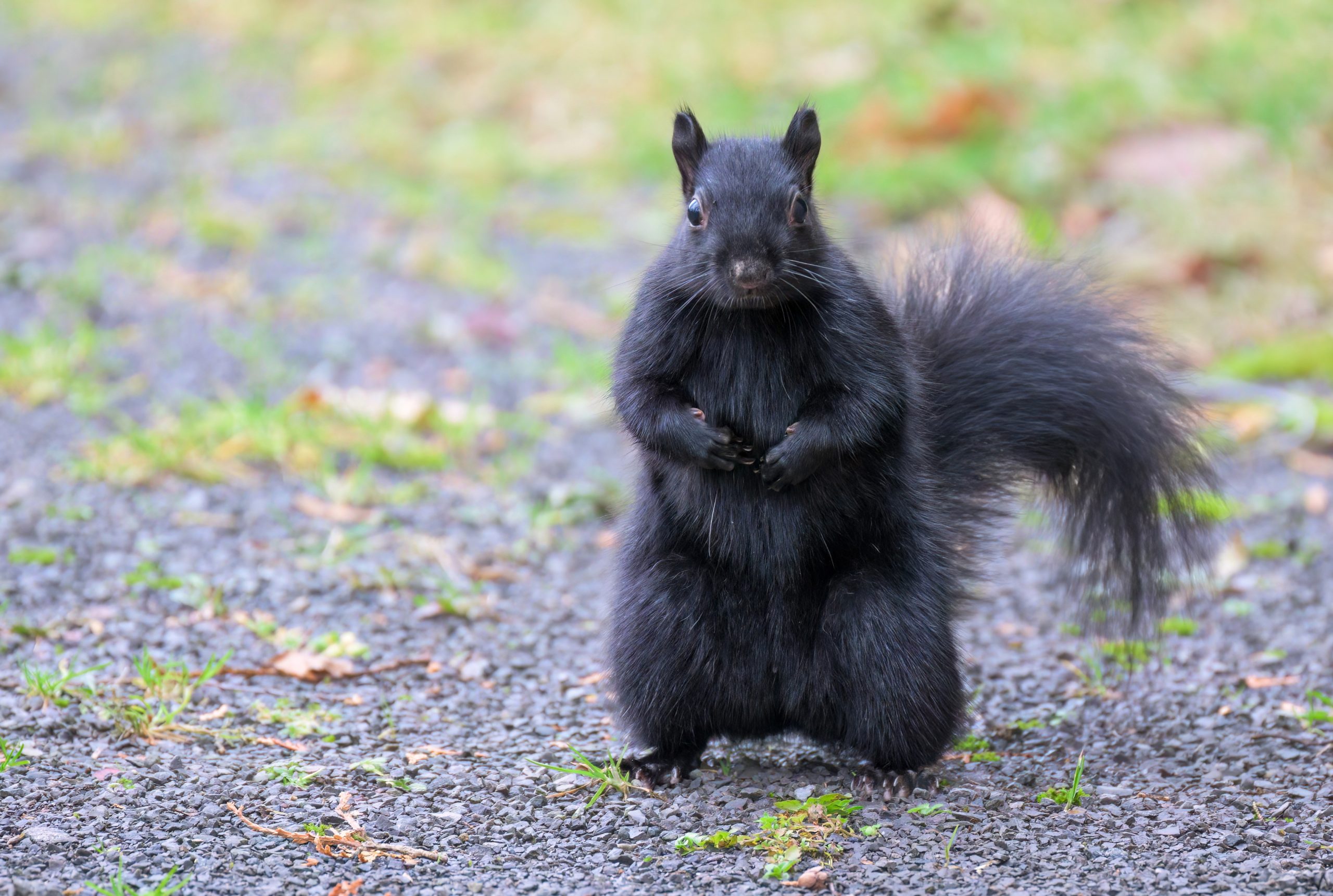
Eastern gray squirrels frequently occupy residential neighborhoods, university campuses, and city parks where mature trees provide shelter and nesting sites. They eat acorns, nuts, seeds, fungi, and other foods, sometimes burying hundreds of food items across a season. Adults generally weigh 1 to 1.5 pounds, making them much smaller than most commonly hunted mammals. Their ability to use tree canopies and move between nearby yards helps them navigate developed landscapes. Bird feeders and gardens provide additional opportunities, although squirrels can damage wiring, enter attics, and raid crops when natural food supplies decline.
7. Canada Goose
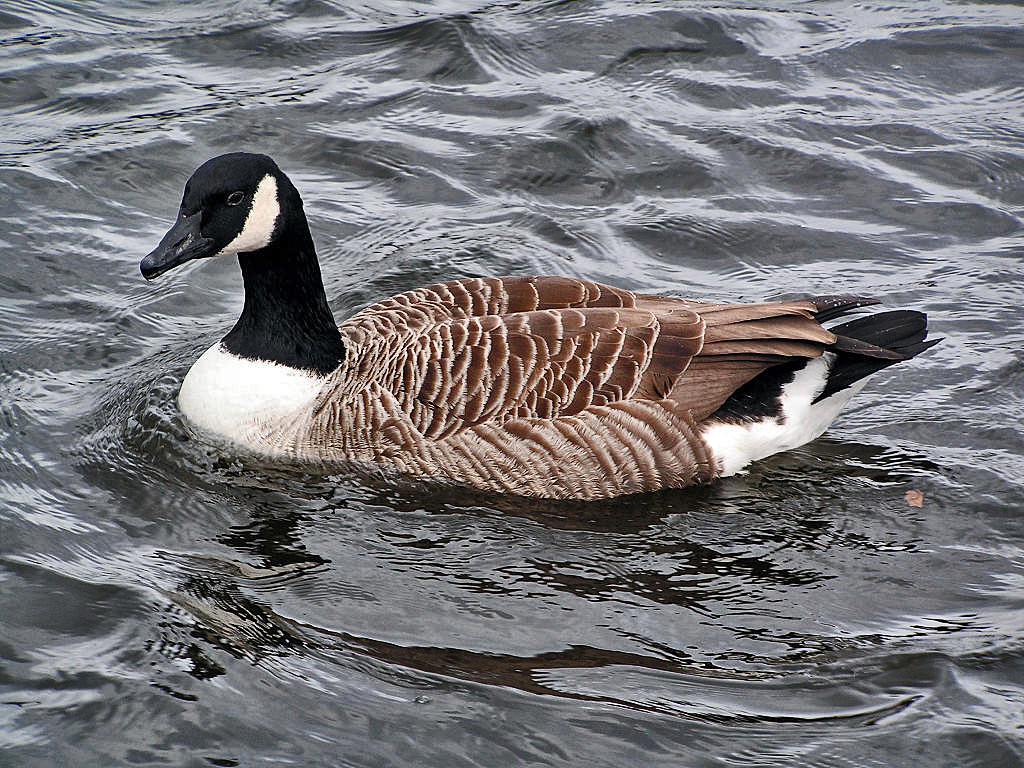
Canada geese have adapted to golf courses, suburban ponds, reservoirs, and landscaped parks that resemble parts of their natural wetland habitat. Short grass provides convenient grazing, while open water offers resting places and escape routes. Depending on the subspecies, adults may weigh roughly 6 to 14 pounds. Many populations migrate seasonally, but some remain in urban areas year-round where food and open water are consistently available. Their tolerance of people can lead to large congregations, droppings on lawns, and conflicts around nesting sites. Feeding geese may encourage overcrowding and make these problems more persistent.