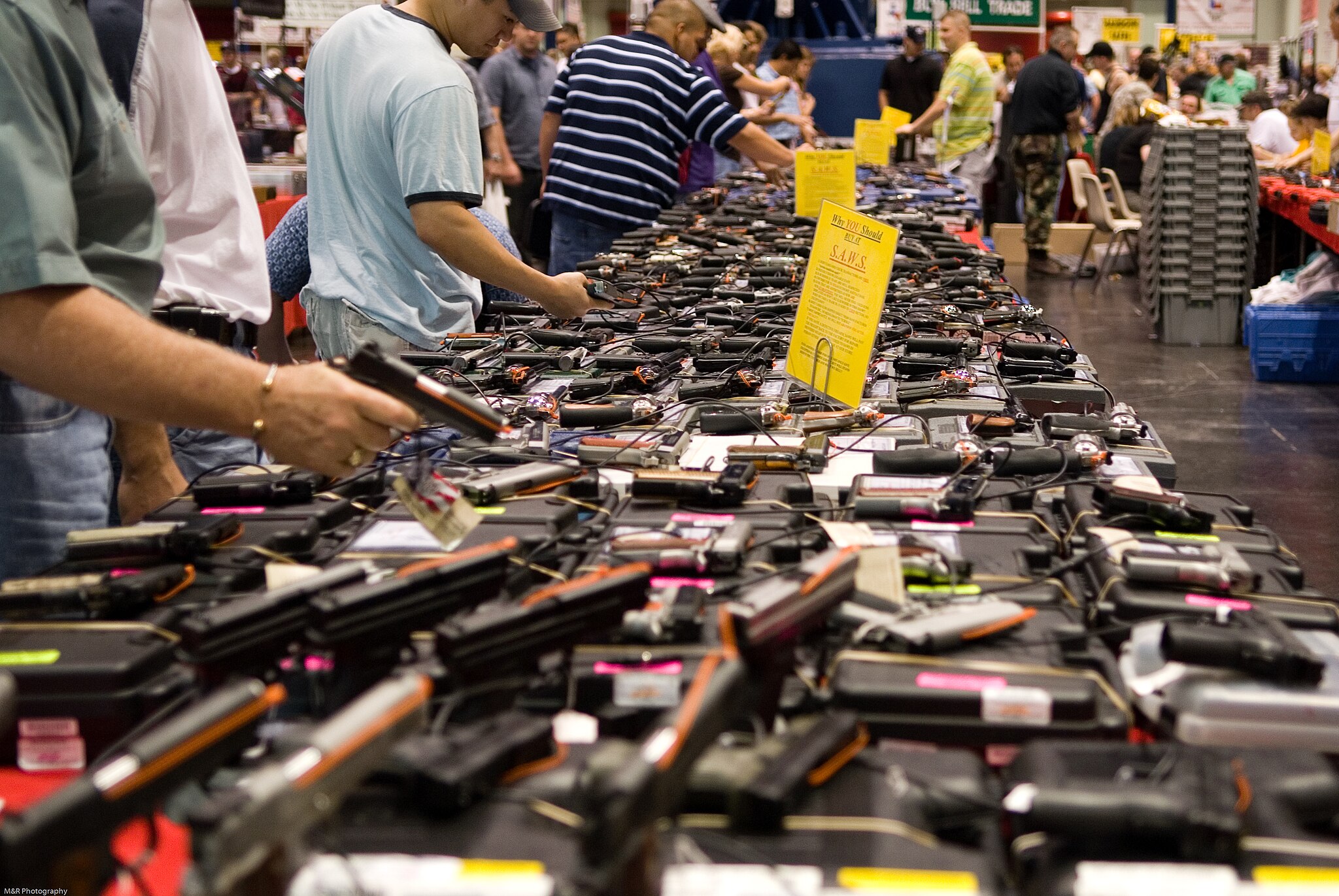
Gun shows are dynamic marketplaces where prices shift quickly based on timing, crowd behavior, and seller psychology. Many first-time attendees assume prices stay consistent throughout the event, but that assumption often leads to overspending. The difference between day one and day two can be significant, even for identical items. Vendors adjust pricing based on demand, remaining inventory, competition, and how close the show is to closing. Understanding these changes helps buyers recognize real opportunities and avoid common mistakes. The following list explains how and why prices evolve overnight, revealing patterns that experienced shoppers quietly rely on. Timing, not just negotiation skill, plays a major role in what you ultimately pay.
1. Opening Day Prices Reflect Optimism, Not Reality
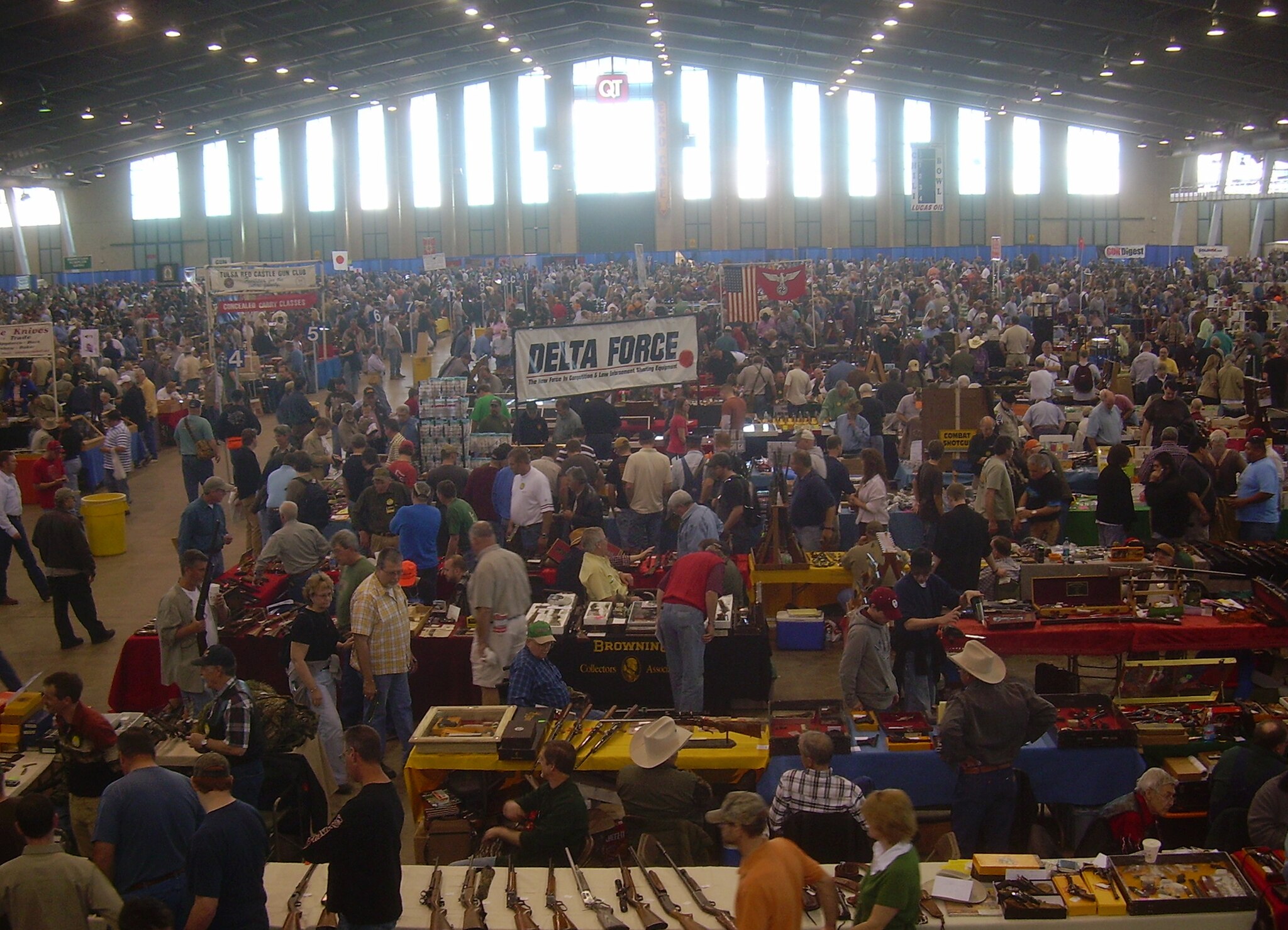
On day one, most vendors price items with confidence and high expectations. Sellers assume early crowds include motivated buyers willing to pay full value. Firearms, accessories, and surplus gear are often marked slightly above market rate to allow room for negotiation later. At this stage, vendors are testing demand rather than responding to it. Buyers who rush in early often pay more simply because sellers have no urgency to discount. The first day is about feeling out interest and identifying hot items. Prices remain firm because inventory is full and time feels abundant. This optimism fades quickly once sellers see what actually moves and what stays on the table overnight.
2. Competition Becomes Clear After Day One

By the end of the first day, vendors have walked the floor and studied competing prices. This knowledge influences day two adjustments. If several tables offer similar items at lower prices, sellers often respond by quietly reducing tags or becoming more flexible during negotiations. Day one hides these differences, but day two exposes them. Vendors who notice slow traffic compared to competitors are more likely to adapt. Buyers benefit from this increased transparency. Pricing becomes more grounded in what nearby sellers are charging rather than what vendors hoped to earn. This competitive awareness creates subtle but meaningful price shifts across the floor.
3. Inventory Pressure Increases Overnight

Unsold items create psychological pressure for vendors once day one ends. Every firearm or accessory still on the table represents tied-up money and transport effort. By day two, sellers face the reality that remaining stock must either be packed up. This pressure encourages price flexibility, especially on bulky or common items. Vendors may not advertise discounts, but they are more open to offers. Buyers who return on day two often notice a softer tone in negotiations. Inventory that did not attract attention early becomes a candidate for reduced pricing simply to avoid hauling it home.
4. Impulse Buyers Disappear on Day Two

Day one crowds include many impulse buyers who make quick decisions fueled by excitement. Vendors price accordingly, knowing emotional purchases happen early. By day two, the crowd shifts toward experienced attendees and budget-focused shoppers. This change alters the pricing strategy. Sellers recognize that remaining buyers are less likely to overpay and more likely to negotiate. As a result, sticker prices may drop or flexibility increases. The absence of impulsive spending forces vendors to rely on realistic pricing rather than enthusiasm. This shift benefits patient buyers who wait for a calmer, more rational market environment.
5. Bundling Becomes More Common

On day two, vendors often try to move multiple items at once. Instead of lowering individual prices dramatically, they offer bundles that provide better overall value. Magazines, holsters, ammo, and cleaning kits are commonly grouped. This strategy helps sellers reduce inventory while preserving perceived value. Bundling is less common on day one because sellers hope to sell items separately at full price. Buyers who recognize this pattern can negotiate package deals that were not available earlier. The total savings often exceed what a single-item discount would provide.
6. Cash Flexibility Improves on Day Two
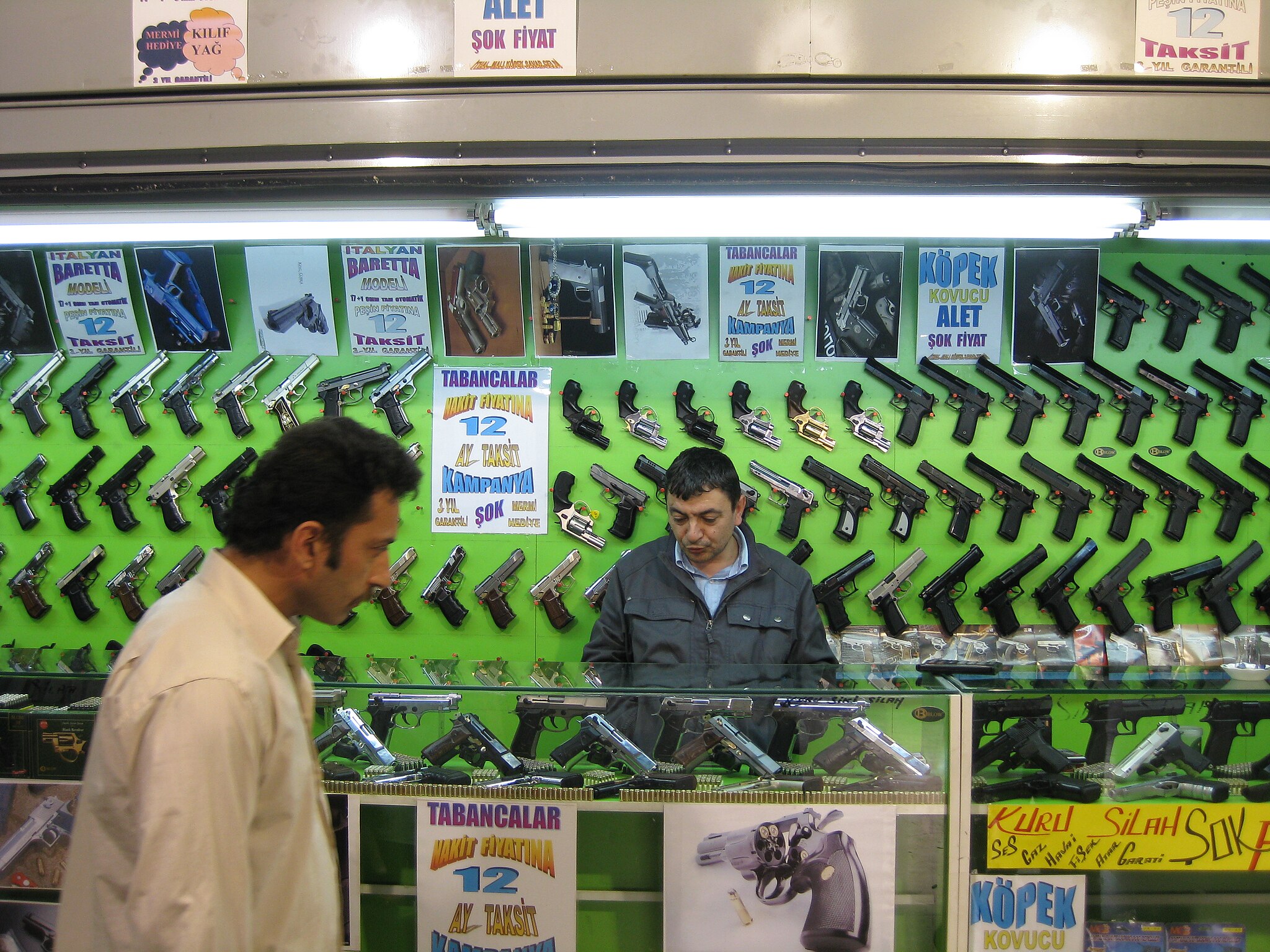
As the show nears its end, vendors become more receptive to cash offers. Day one sellers may insist on firm prices, but day two brings urgency. Cash eliminates transaction fees and speeds up sales, which matters more late in the event. Buyers offering cash on day two often receive better deals without prolonged negotiation. Sellers appreciate immediate payment when time is limited. This shift is subtle but consistent. The same offer rejected on day one may be accepted on day two simply because priorities change as closing time approaches.
7. High Interest Items Stabilize or Rise
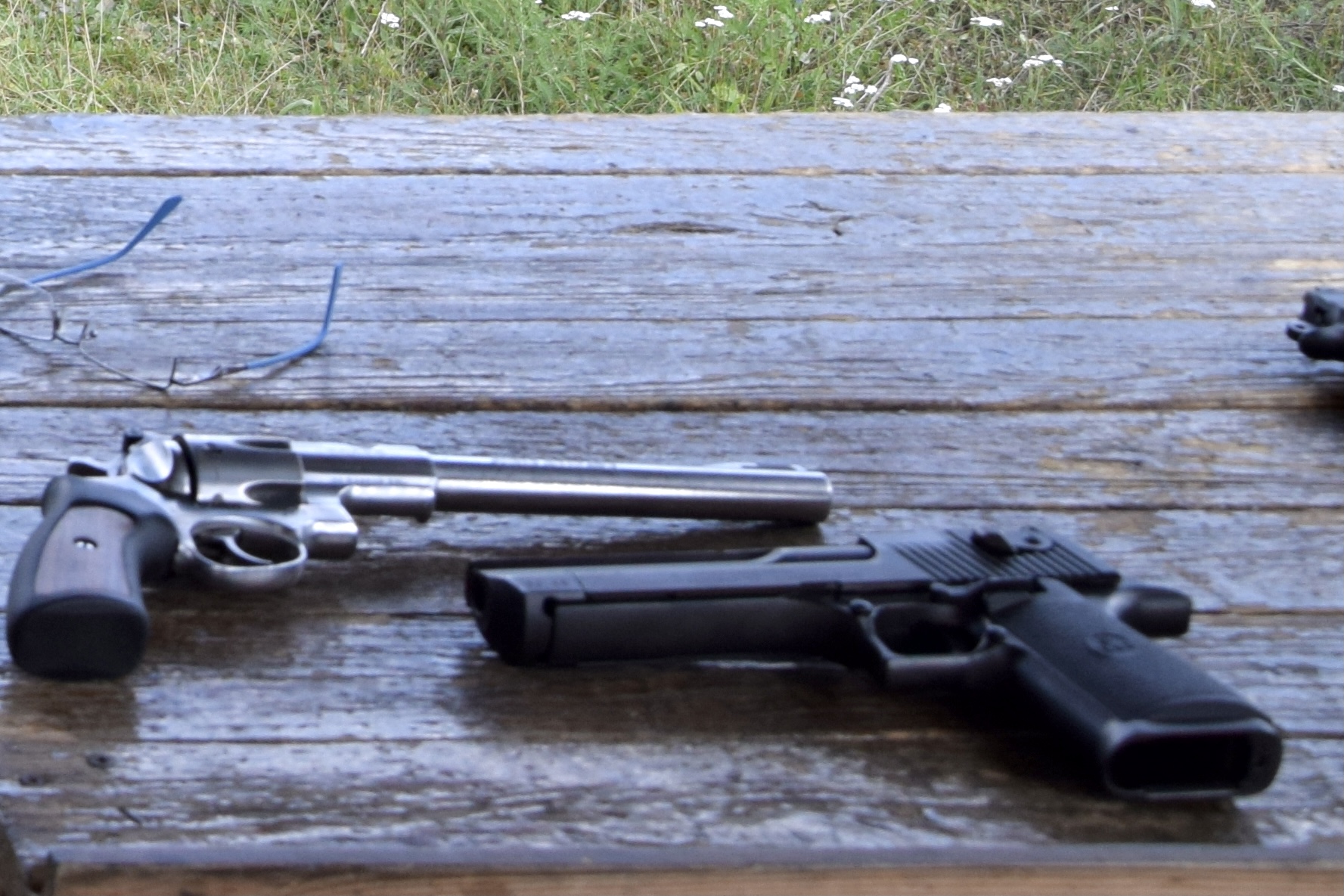
Not all prices drop on day two. Items that attracted heavy attention on day one often hold their value or even increase slightly. Vendors recognize demand and adjust accordingly. Rare firearms, popular calibers, or hard-to-find accessories fall into this category. Sellers may firm up prices once they see consistent interest. Buyers waiting too long on high-demand items risk missing out or paying more. The key is recognizing which items are genuinely sought after. Timing works both ways, rewarding patience on slow sellers while punishing hesitation on popular ones.
8. Vendor Fatigue Encourages Faster Deals
Long hours and constant negotiation wear vendors down by day two. Fatigue reduces resistance to reasonable offers. Sellers become more focused on efficiency and closing deals rather than holding out for maximum profit. This creates opportunities for buyers who are polite, prepared, and realistic. A fair offer made late in the show often succeeds simply because the seller wants to wrap up smoothly. Vendor fatigue does not mean desperation, but it does soften negotiation barriers. Buyers who understand this dynamic approach have conversations with better timing and results.
9. Price Tags Change Quietly Overnight

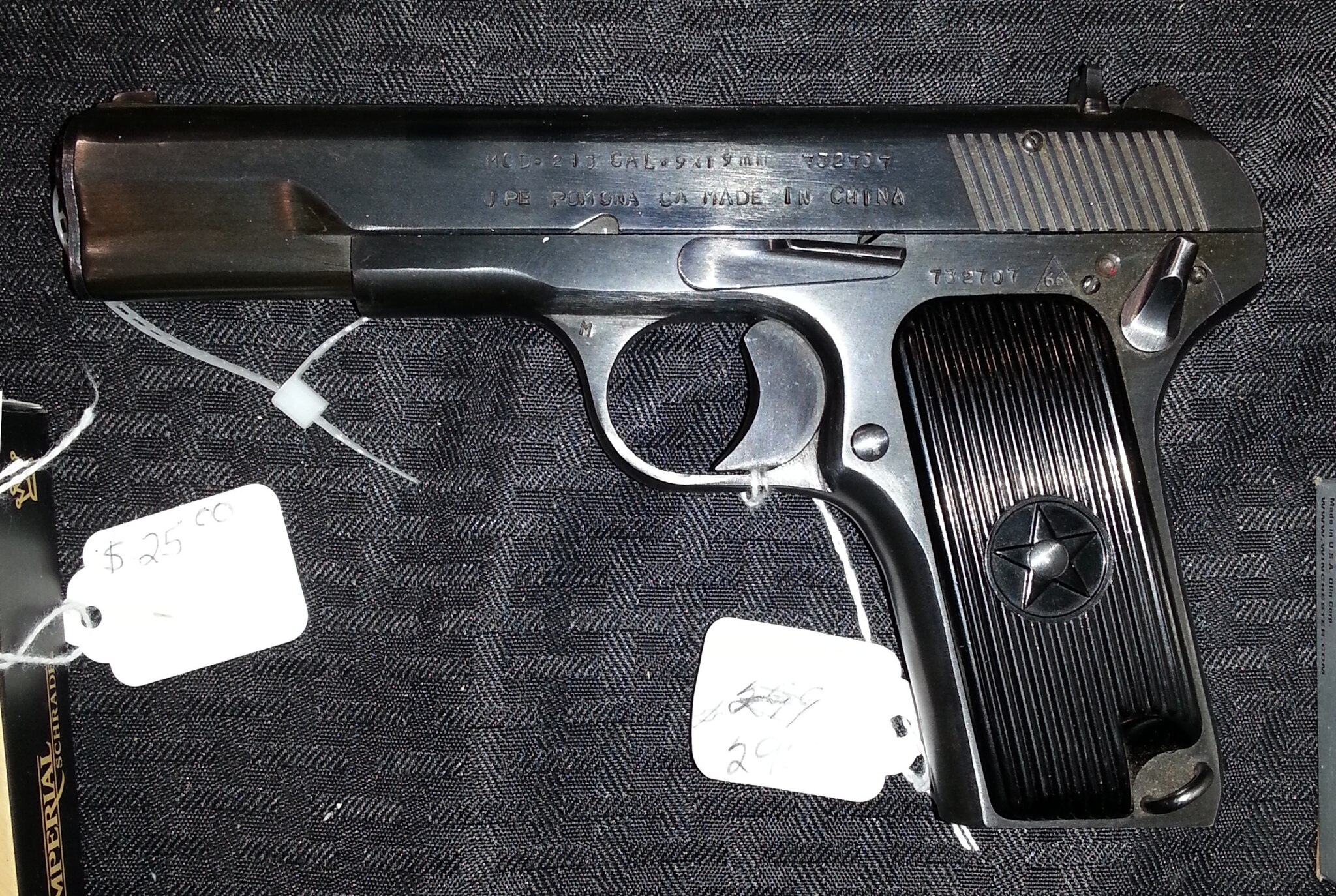
Many vendors adjust prices overnight without drawing attention. New tags, subtle reductions, or handwritten notes appear on day two. These changes are rarely announced. Buyers who revisit tables often notice slight but meaningful drops. This quiet adjustment allows sellers to test lower prices without signaling weakness. Attentive shoppers benefit most, especially those who took notes on day one. Comparing prices across days reveals these small shifts. While not dramatic, these reductions add up, particularly on higher-priced items.
10. End of Show Deadlines Drive Decisions

As the final hours approach, pricing becomes more flexible. Vendors weigh the cost of transporting inventory versus accepting a lower price. This deadline-driven mindset peaks late on day two. Buyers willing to wait until the last hours often secure the best deals, especially on large or heavy items. Sellers prefer selling at a discount over packing up unsold stock. This timing advantage is one of the most reliable patterns at gun shows. Patience combined with respectful negotiation pays off as closing time nears.
11. Buyer Confidence Improves on Day Two
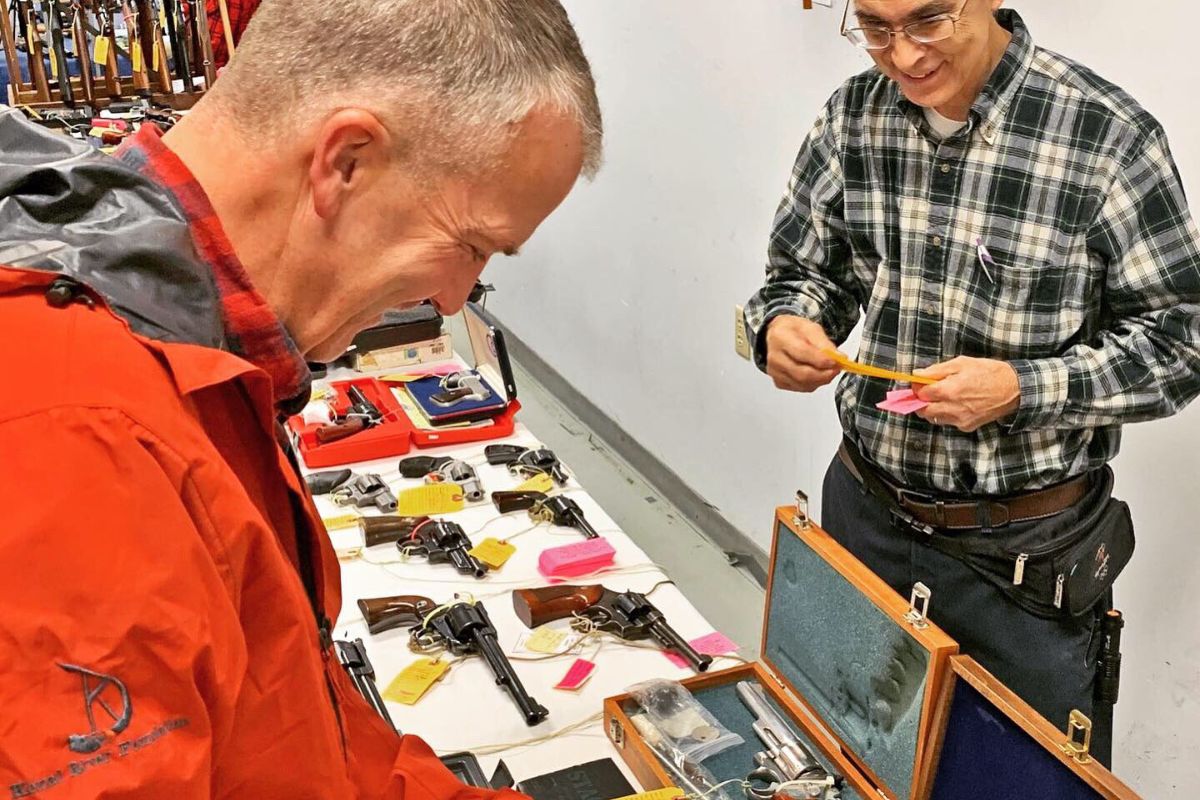
Buyers are more informed on day two. After walking the floor and comparing prices, shoppers understand the true market value. This confidence leads to stronger negotiation and fewer impulse purchases. Vendors recognize this shift and adjust expectations. Pricing becomes more realistic because sellers know buyers are informed. The power balance changes subtly in favor of the buyer. Knowledge gained through observation influences timing decisions. Those who wait gain leverage simply by understanding the landscape. Day two pricing reflects this more educated marketplace.