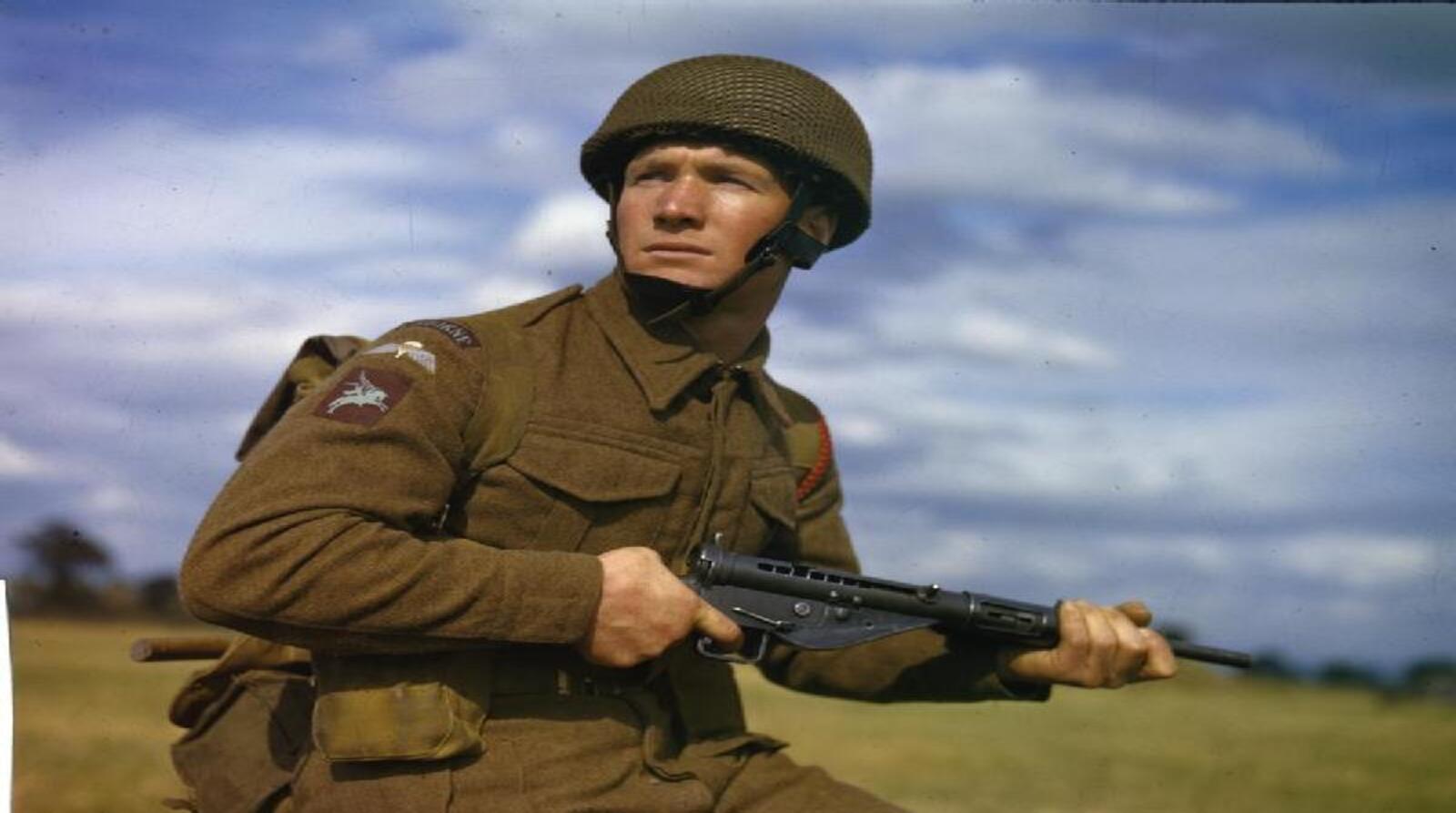
In the summer of 1940, Britain stood alone, short of weapons, and uncomfortably close to invasion. What it needed was not a perfect submachine gun but a usable one, built in huge numbers by whoever had a lathe, a welding torch, and a spare week. The Sten became that gun, and it earned its place in history by being cheap, quick, and good enough. Here are seven shortcuts that made it possible, with the dates, weights, and production figures behind each one.
1. A Rolled Tube Instead of Milled Steel
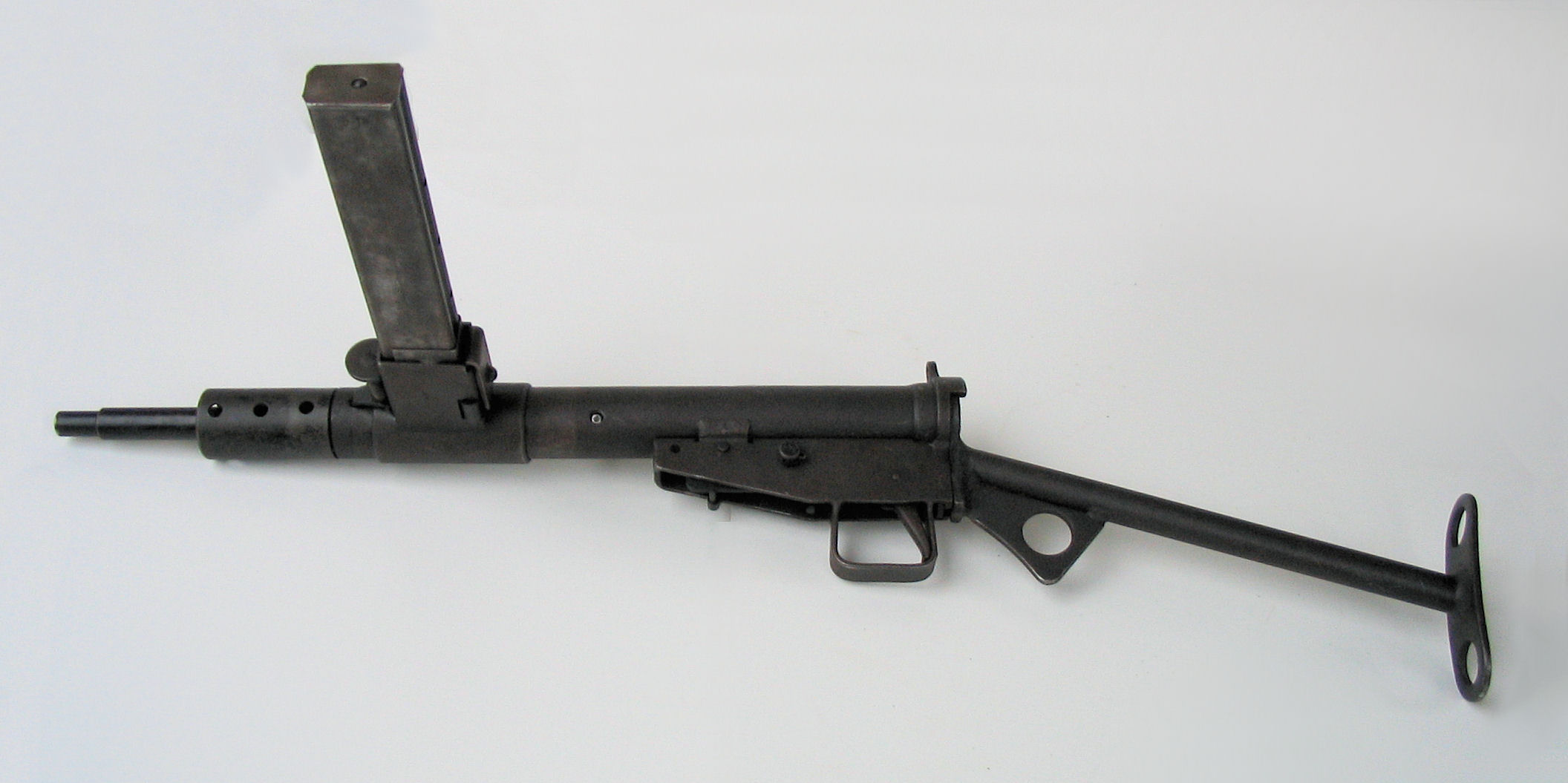
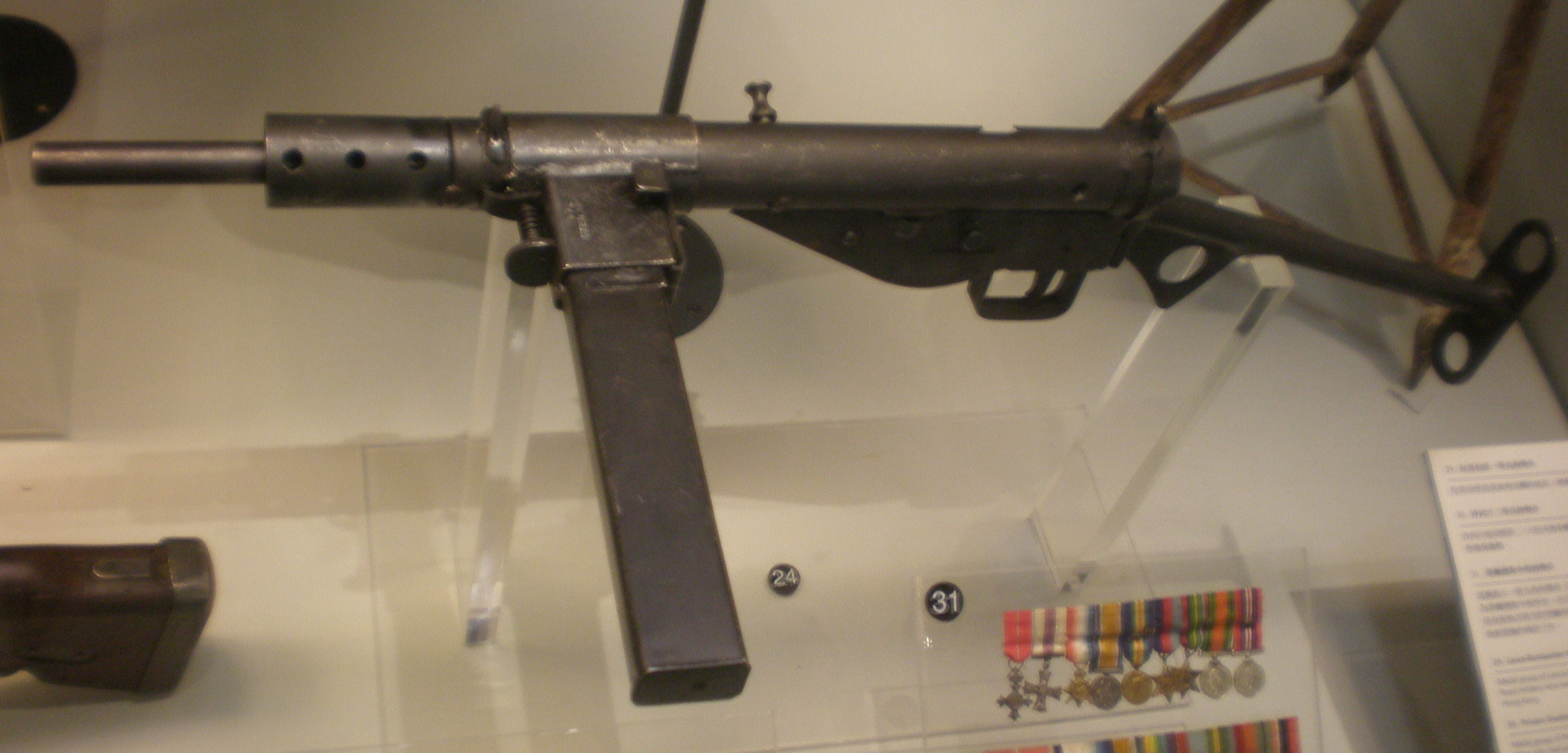
After the Dunkirk evacuation of May and June 1940, Britain faced an uncomfortable fact: huge stocks of rifles, machine guns, and artillery had been left behind on the French beaches. Planners needed a submachine gun fast, and the existing Thompson was too costly and slow to arrive. The solution was to stop thinking like a gunsmith and start thinking like a plumber. The Sten’s receiver was a plain steel tube, rolled from sheet metal and welded along a seam, instead of a block milled from solid steel. That single shortcut slashed machining time and let ordinary workshops produce receivers by the thousand. The Mk II weighed about 6.6 pounds and measured roughly 30 inches.
2. A Tiny Parts Count
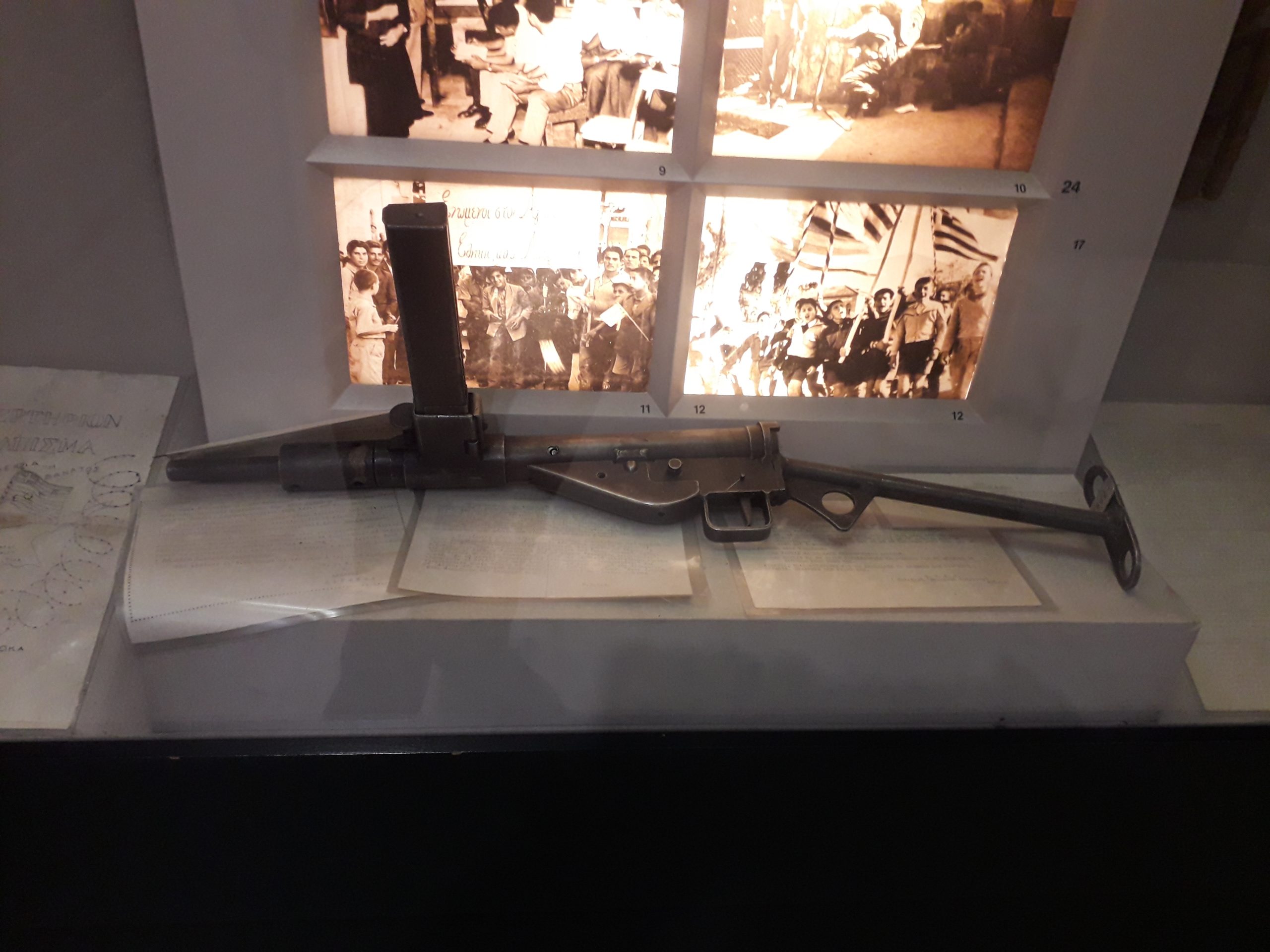
Every extra part adds hours to a production line, so the Sten’s designers, Major Reginald Shepherd and Harold Turpin, kept the count remarkably low. A Mk II contained roughly 47 pieces, and a trained worker could assemble one in about five man-hours, compared with well over 100 hours for some older submachine guns. The name itself says it all, taking the S and T from the designers’ surnames and EN from Enfield. Simple pins and a few welds held the weapon together, while stamped steel handled many parts that a rival would machine. Cutting labor this way mattered enormously, since Britain needed hundreds of thousands of guns during 1941 and 1942 while skilled workers were scarce.
3. A Basic Blowback Action
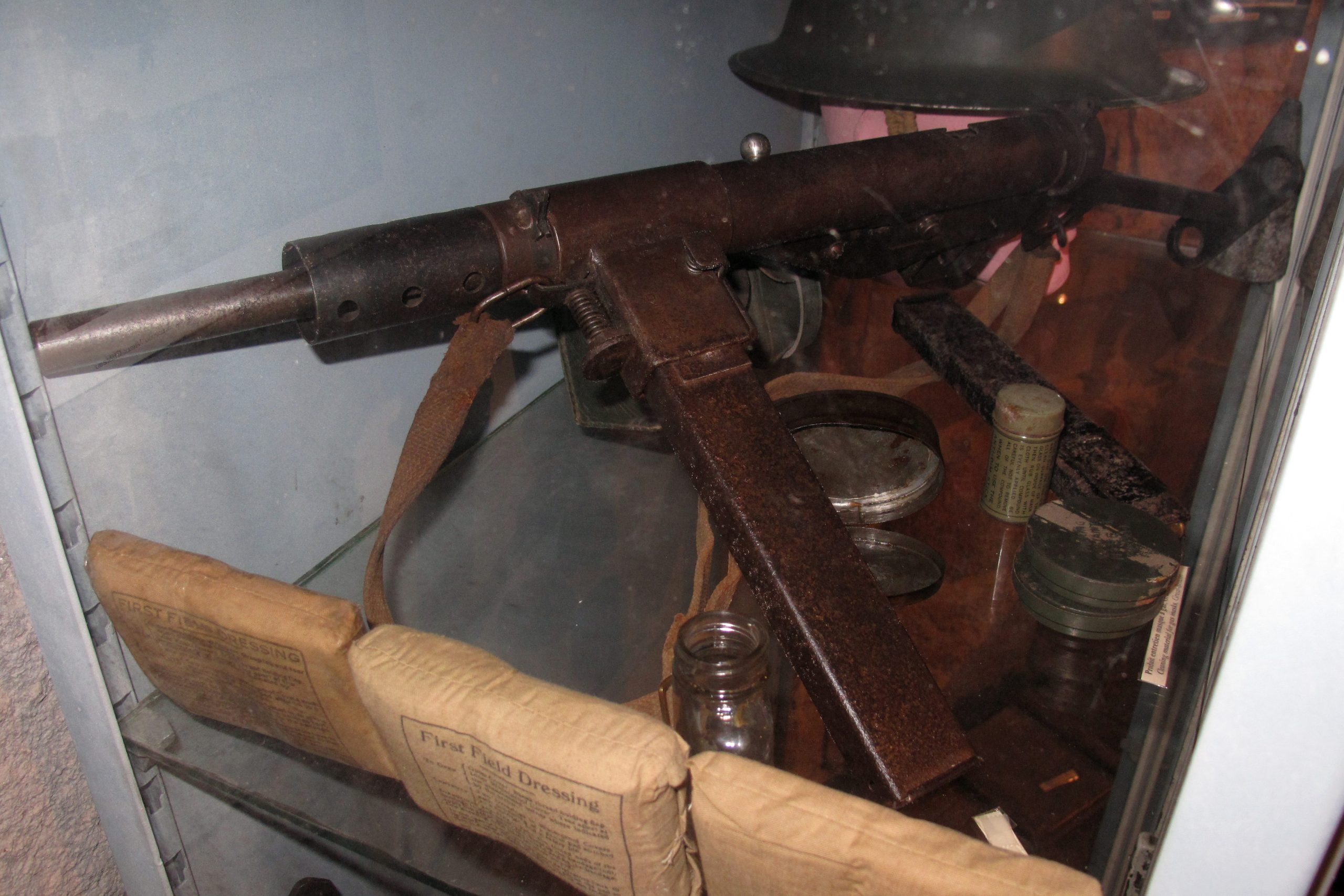
Complicated locking mechanisms were left out entirely. The Sten fired from an open bolt using straight blowback, meaning a heavy bolt and a single spring did all the work. Pull the trigger, and the bolt slides forward, strips a round from the magazine, and fires it with a fixed pin on the bolt face. That layout works well with a modest pistol cartridge like 9mm Parabellum, and it kept costs down. The gun cycled at roughly 500 to 550 rounds per minute, a rate that felt manageable in the hands of ordinary soldiers. Because there were no gas tubes or intricate triggers, jams were usually easy to clear and the barrel, just 7.6 inches long, rarely needed special tools to remove.
4. Rough Finish and Minimal Sights
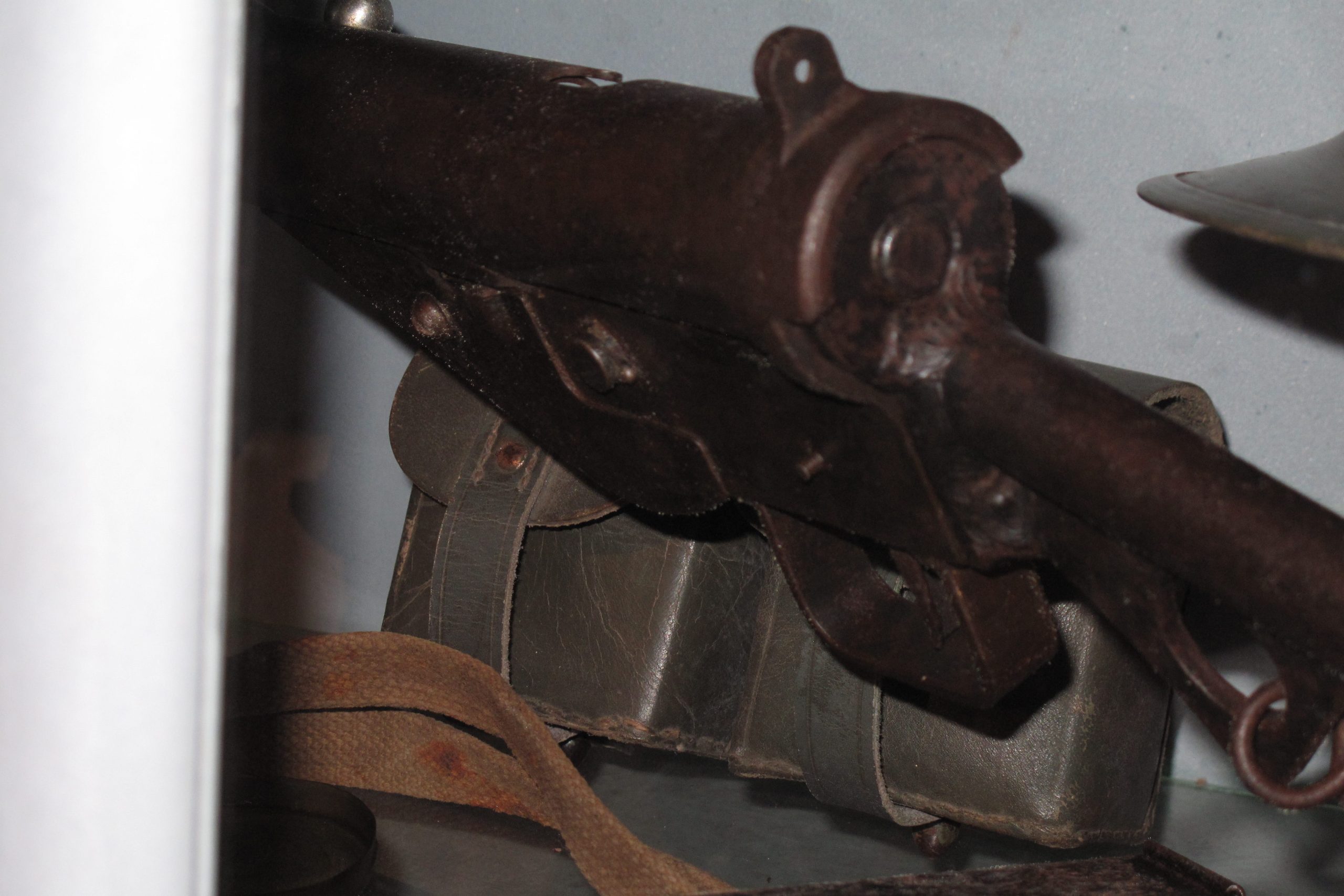
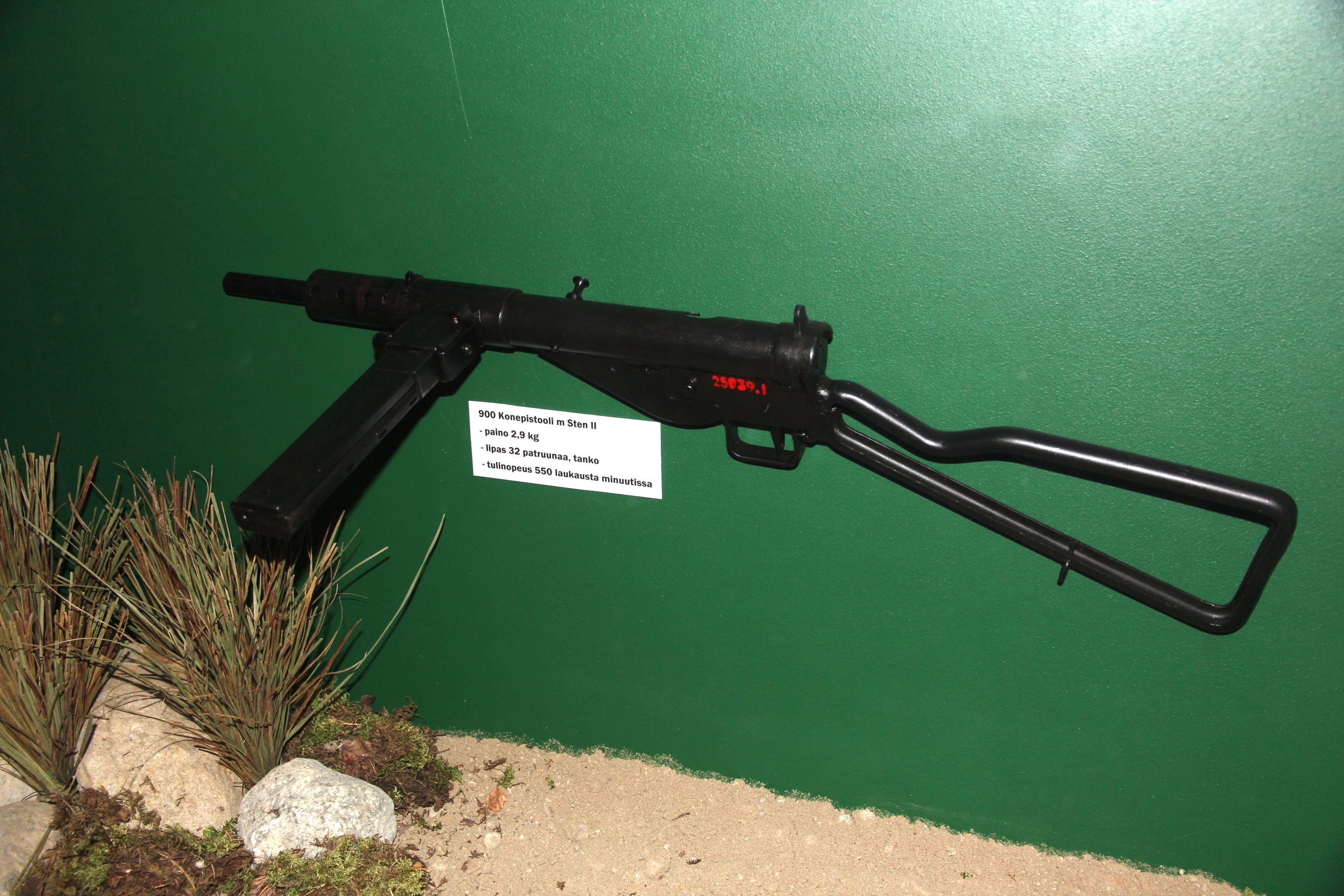
Nobody expected a Sten to win beauty contests, and it did not try. Early Mk I guns had a wooden foregrip and a neat flash hider, but the Mk II dropped both, leaving a bare tube and a thin skeletal stock made from steel rod. Many guns left factories with rough welds and a plain painted or dipped finish. The sights were minimal, a fixed front blade and a simple rear aperture set for about 100 yards, which suited its realistic fighting range of 50 to 100 yards. Soldiers called it the plumber’s nightmare, or the Woolworth gun, a nod to cheap department store goods. The Mk II reportedly cost under 3 pounds to make in Britain, a fraction of the price of a Thompson.
5. A Magazine Borrowed From the Enemy
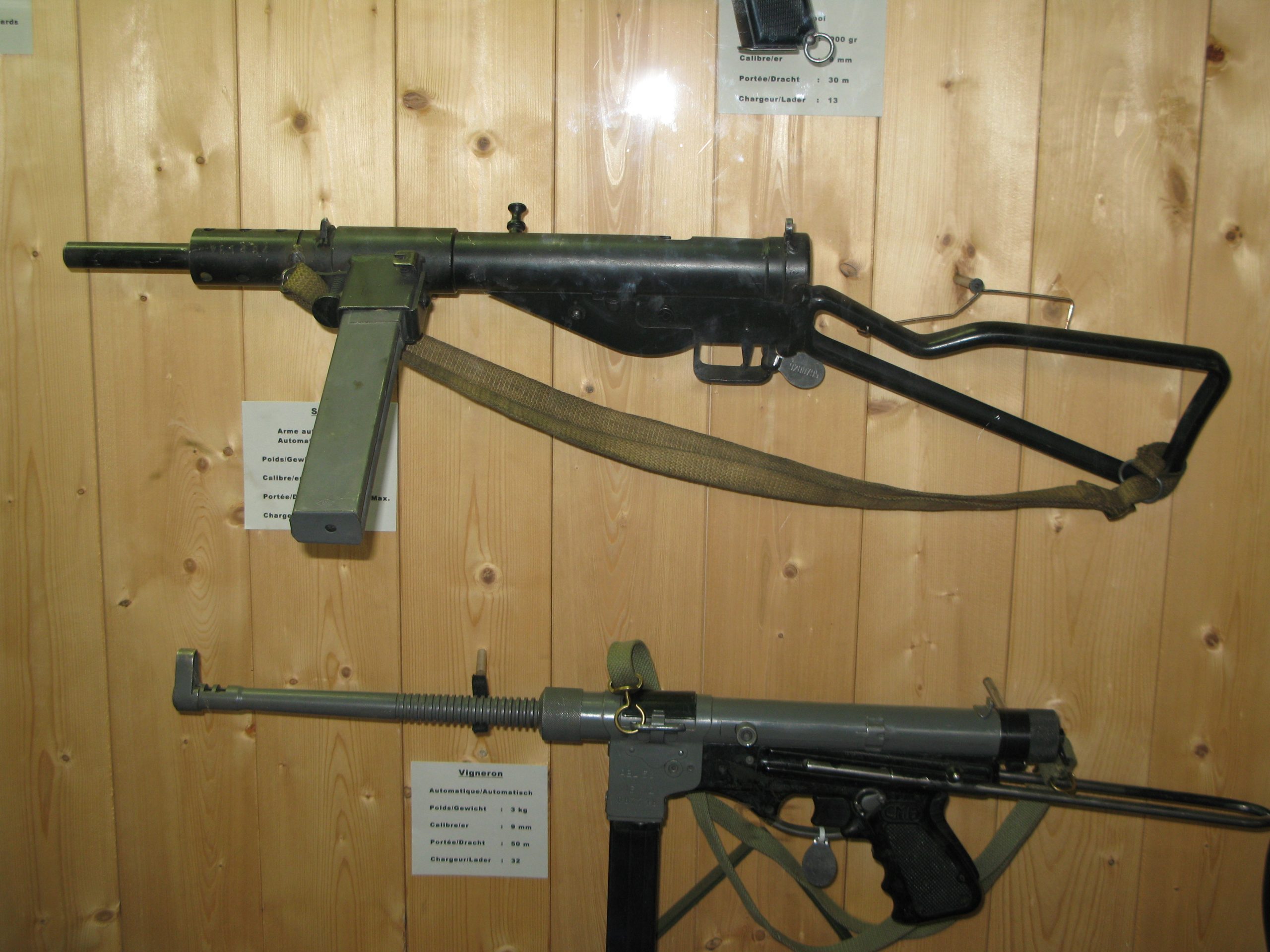
Britain also borrowed liberally from the enemy. The Sten’s 32-round magazine copied the double-column, single-feed design of the German MP28 and MP40 submachine guns, and the two types often worked in each other’s weapons. That choice saved months of design work and avoided a fresh development program. Unfortunately, the magazine also became the weakest link, because its feed lips bent easily and the spring stuck when dirty. Soldiers soon learned to load only 30 rounds, and many stopped using the magazine as a handle. Even so, copying a proven pattern was a clever compromise, since the alternative was waiting a year for a new magazine to be designed, tested, and made.
6. Production Spread Across Toy Makers and Small Shops
Britain spread Sten production across the country, from established arsenals to firms with no weapons background. The Royal Small Arms Factory at Enfield, BSA, and Singer made guns, but so did toy maker Lines Brothers, the company behind Tri-ang, and dozens of subcontractors producing individual parts. Small workshops could stamp, weld, or turn pieces and send them to a central assembly shop. By the end of 1943, well over 2 million Stens had been made, and over the war roughly 4 million of all marks were produced, including Canadian-built guns from Long Branch. Rather than a slow, centralized program, Britain built a loosely linked production web, an improvised effort no one had planned.
7. Safety Was Sacrificed, Then Patched
Cutting corners had its own price. Early guns could fire accidentally if dropped on the buttplate or struck on the cocking handle, because a loose bolt could bounce forward and discharge a round. Designers responded by adding a notch to the cocking slot, letting the bolt lock safely when cocked. Still, the weapon proved its worth, and about 100,000 Stens were reportedly air-dropped to resistance fighters across Europe. The design lived on long after 1945, serving in British units through the 1950s, with variants such as the Mk V and the suppressed Mk VI. Germany even copied it as the MP 3008 in 1945, a rare moment when the enemy admitted the plumber’s gun made sense.